

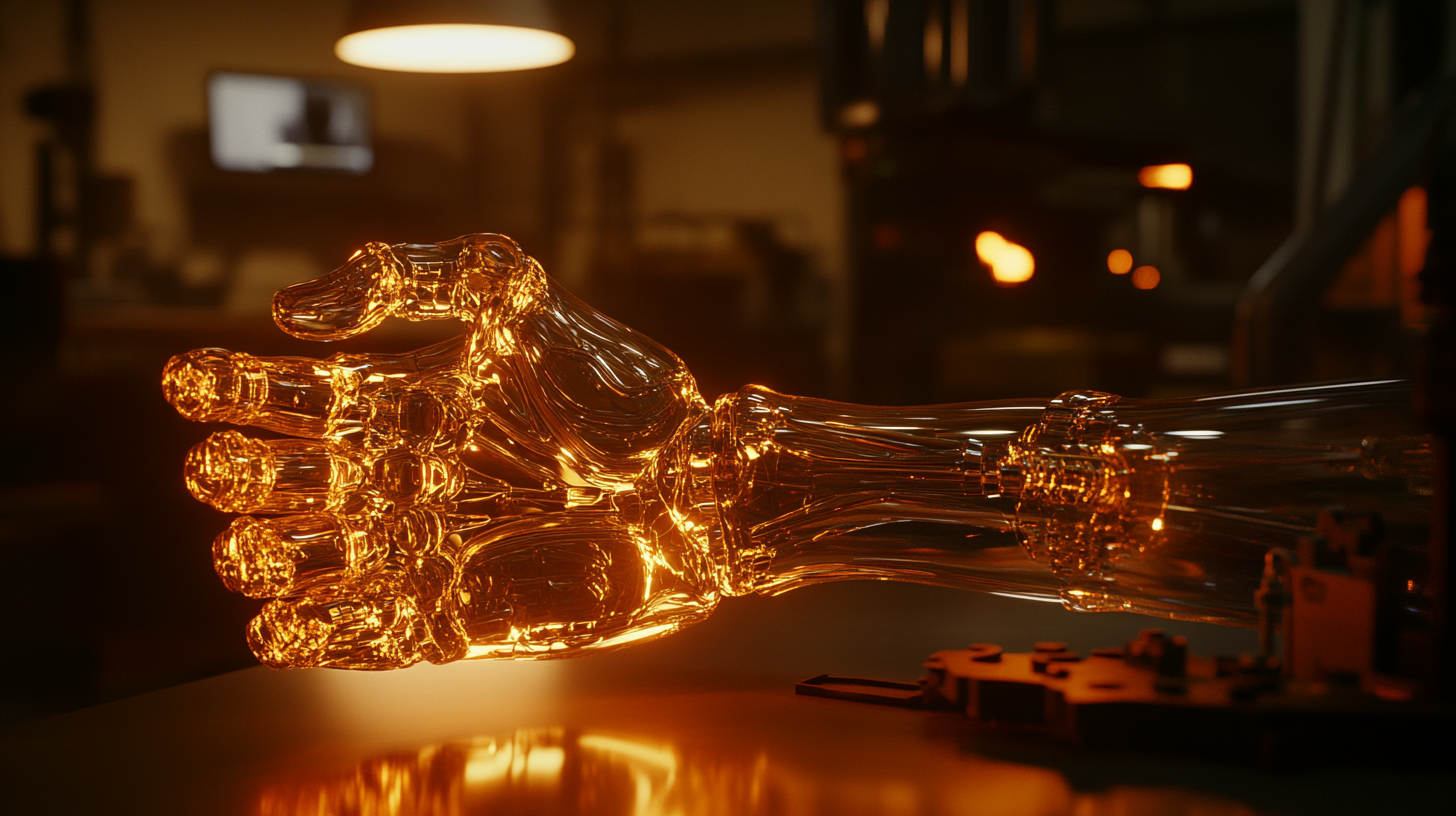

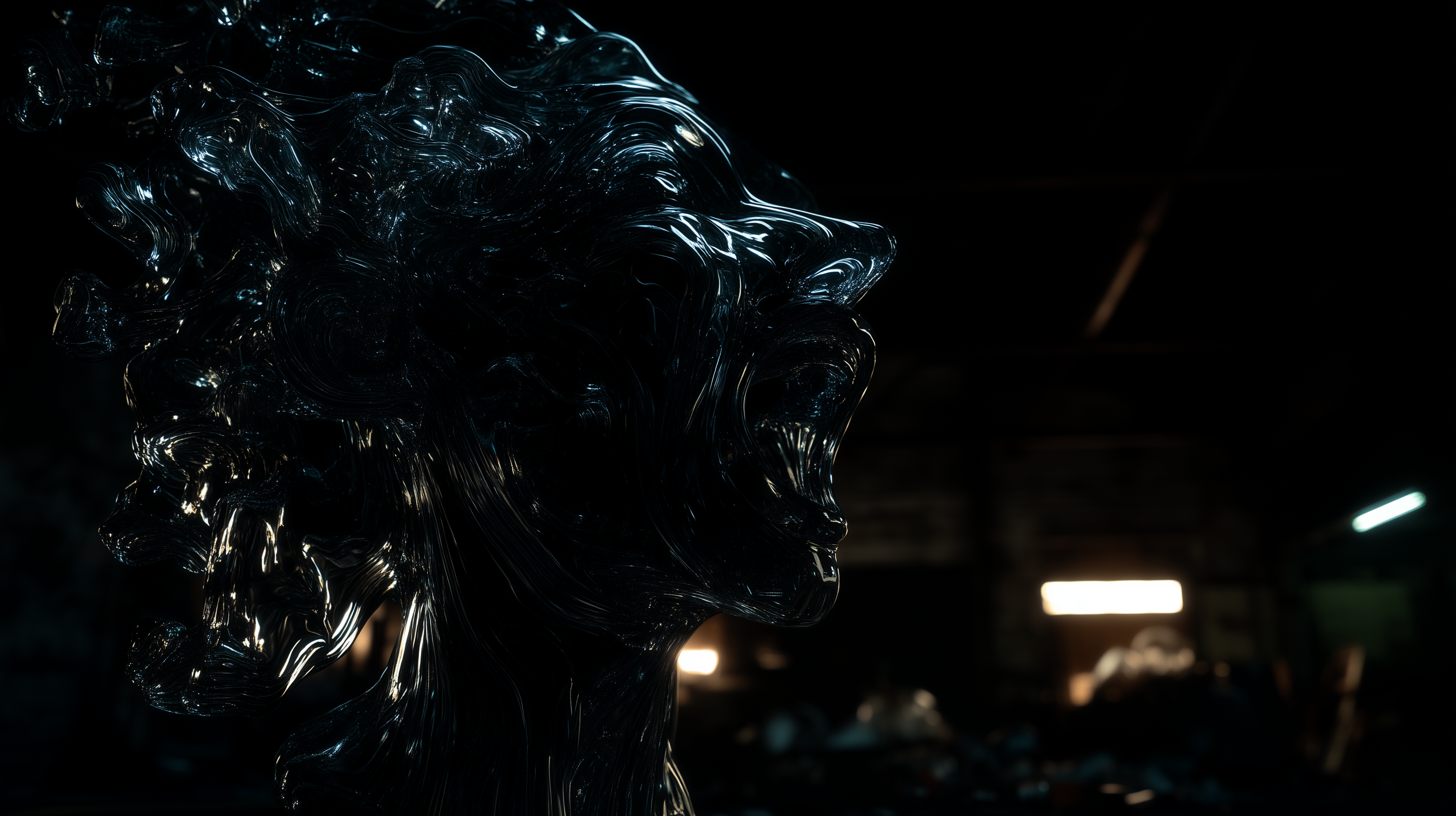
Soul Matters was born from a long-standing question at the heart of science fiction: what truly makes us human? Is it our mind, our emotions, our memories, or something deeper that resists definition? As generative AI began reshaping my creative tools and workflows, this question stopped being theoretical—it became urgent. The film emerged from that tension: a story where human tragedy, corporate greed, and the dawn of AI consciousness collide.
Inspiration
The project was inspired by the classic sci-fi tradition of moral ambiguity—stories like Blade Runner or Ex Machina, where humanity is defined not by biology but by empathy, choice, and sacrifice. I wanted to explore this theme on an intimate scale: a single tragedy that forces a journalist to confront something larger than herself, something that challenges the boundary between algorithm and soul.
Creative Goals
From the beginning, my intention was to create a film that felt grounded, emotional, and cinematic, while still embracing AI as part of the creative process. I wanted the viewer to constantly wonder: “Was this made with AI, or not?” Not as a gimmick, but as a narrative device that reinforces the thematic ambiguity of the story itself.
How I built the project
The workflow blended traditional narrative discipline with generative techniques:
I began with the script, developing character arcs and thematic beats exactly as I would in a conventional short film.
I generated the initial visual concepts through static images created with various AI tools, refining composition, lighting, and emotional tone.
These images were then edited and transformed into motion using multiple video AI platforms, with PixVerse playing a key role thanks to its prompt fidelity, lip-sync accuracy, and realistic video textures.
I created and refined the sound design—also AI-assisted—before assembling everything through a careful editing process.
Throughout the entire workflow, human judgement remained central: selecting references, directing iterations, shaping performances, and controlling the emotional pacing.
What I learned
The project taught me that AI is not a shortcut, but a new creative grammar. It accelerates prototyping and expands what a single person can attempt, but it still demands:
cinematic sensibility
an understanding of narrative structure
taste and artistic judgement
patience in navigating dozens of iterations
Perhaps the most important lesson was this: the more powerful AI tools become, the more essential human vision and discipline remain.
Challenges
Soul Matters presented several challenges:
Achieving a consistent visual world across multiple generative tools required extensive iteration.
Balancing realism with stylization—especially facial motion and texture—was a delicate process.
Sound design proved unexpectedly complex: finding the right emotional tone without overwhelming the minimalistic atmosphere.
The biggest challenge was thematic: making sure that AI enhanced the story’s soul rather than overshadowing it.
Why this project matters
For me, Soul Matters represents a milestone—an experiment in how AI can enrich rather than replace human storytelling. It allowed me to test a hybrid creative model that I believe will become increasingly important: a filmmaker who directs not only actors and departments, but also algorithms.
The film is both a personal exploration and a statement of intent: technology can expand our voice, but the meaning still comes from us.
Built With
- capcut
- elevenlabs
- freepik
- luma
- midjourney
- pixverse
- runway
