-
-
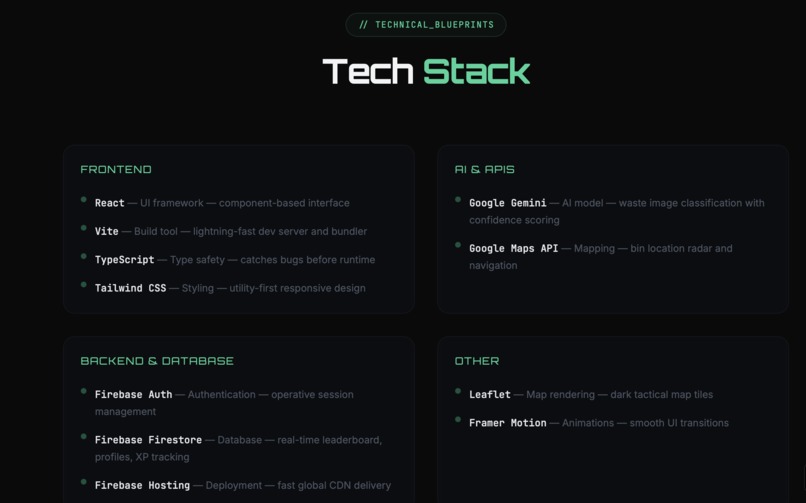
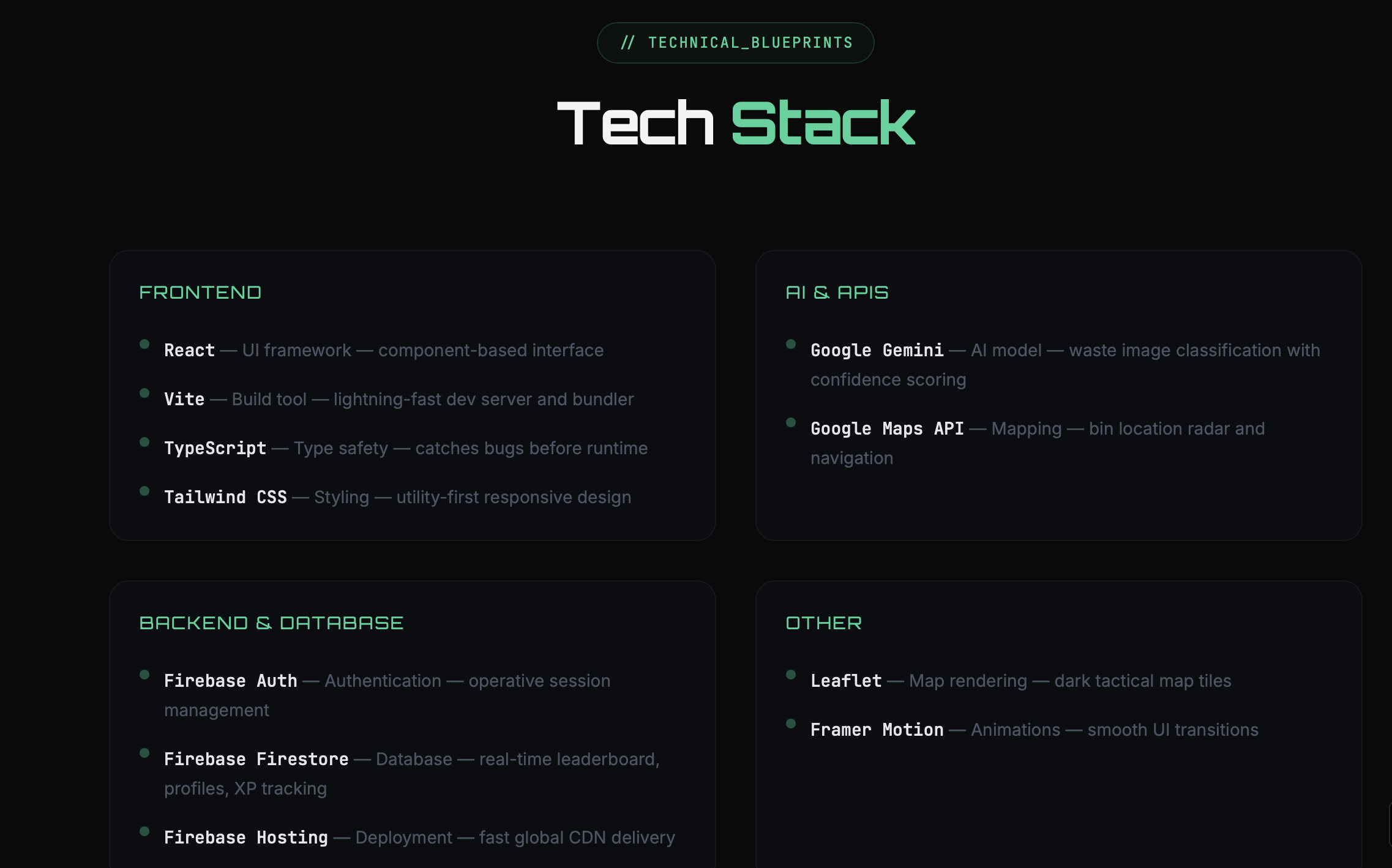
tech Stack Website Description
-
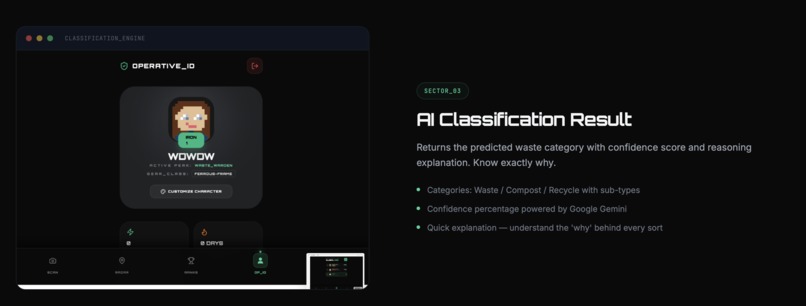
Web app profile
-
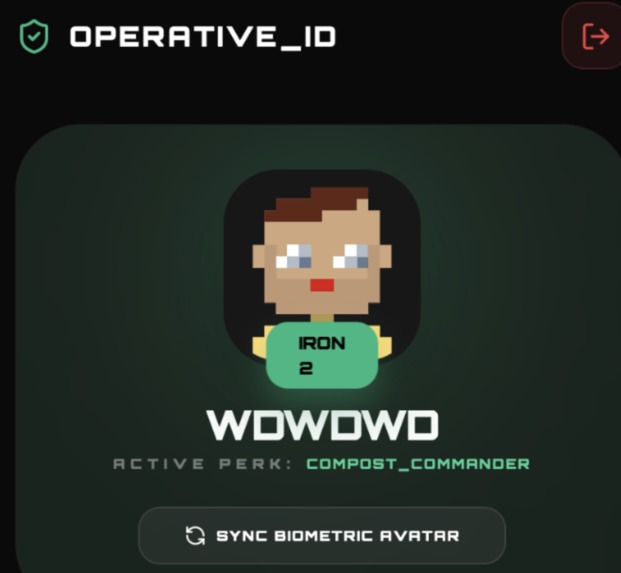
Profile App
-
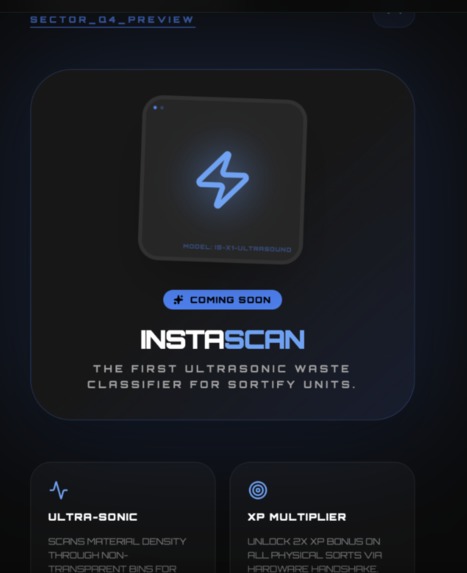
Instascan New Mod
-
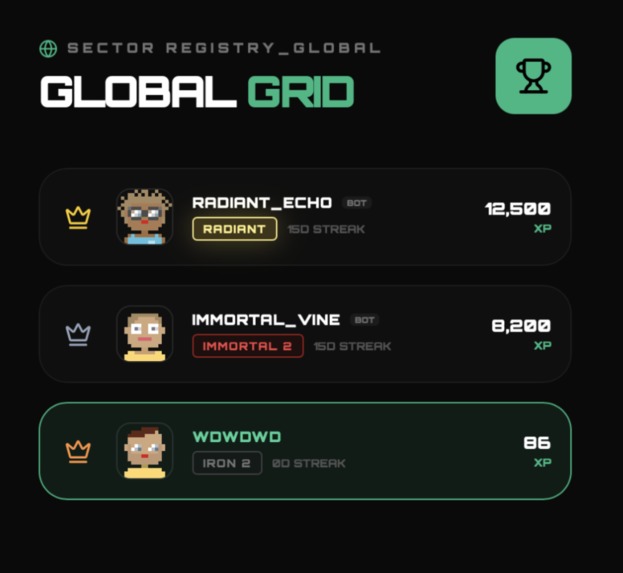
Leaderboard grid web app
-
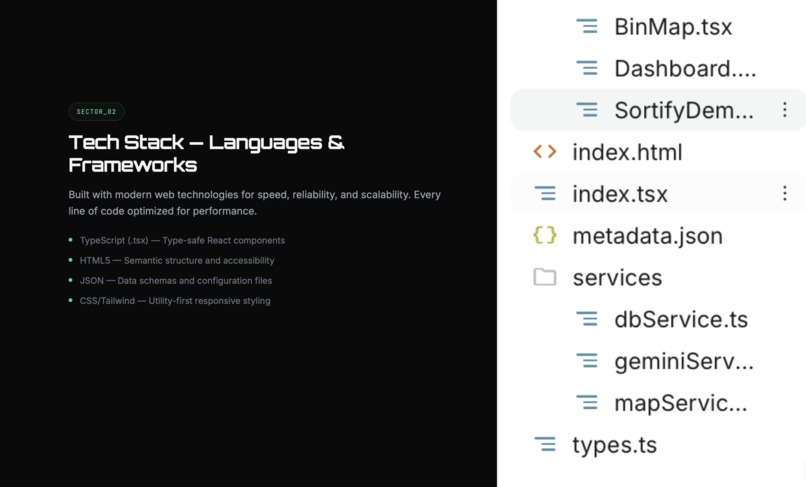
Web app
-
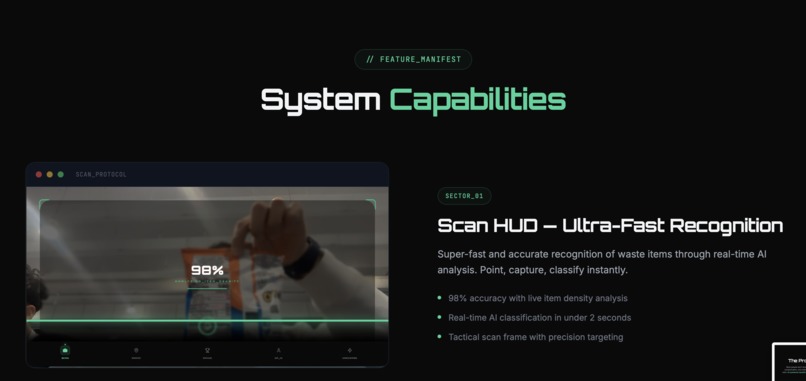
Website Description Capabilities
-
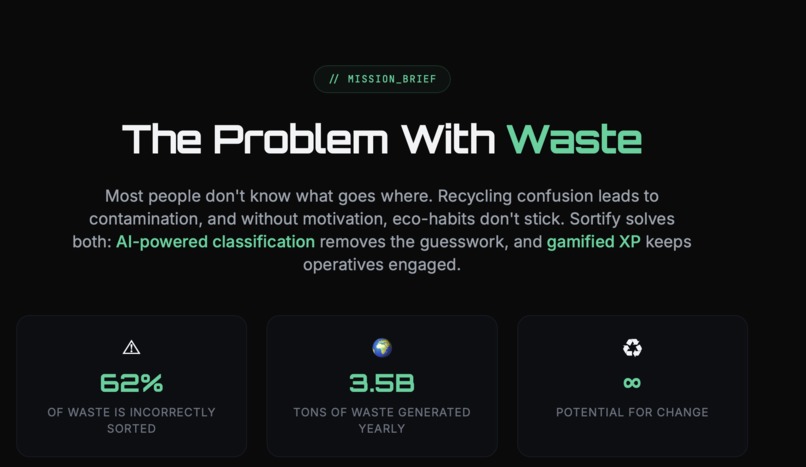
Website Description Problem Stats
-
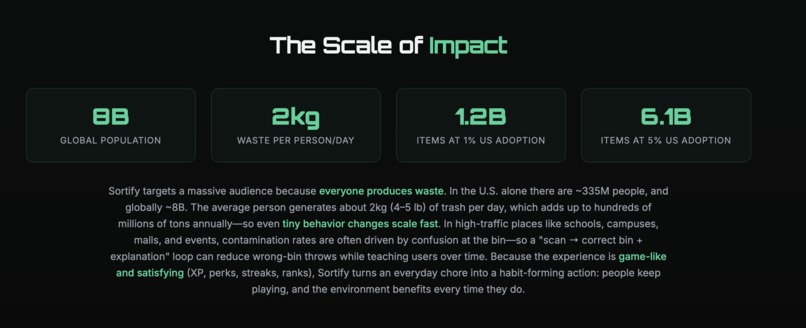
Website Description Impact
-
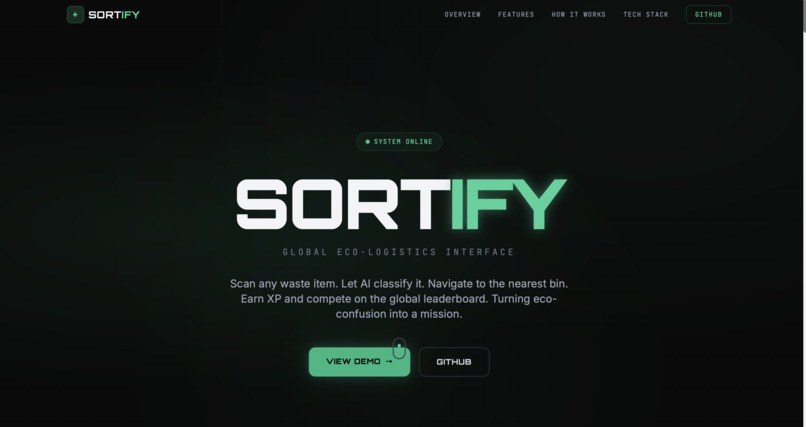
Launch Page
-
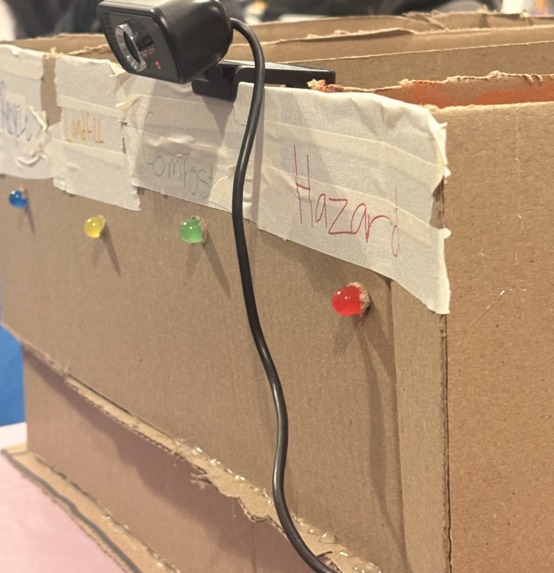
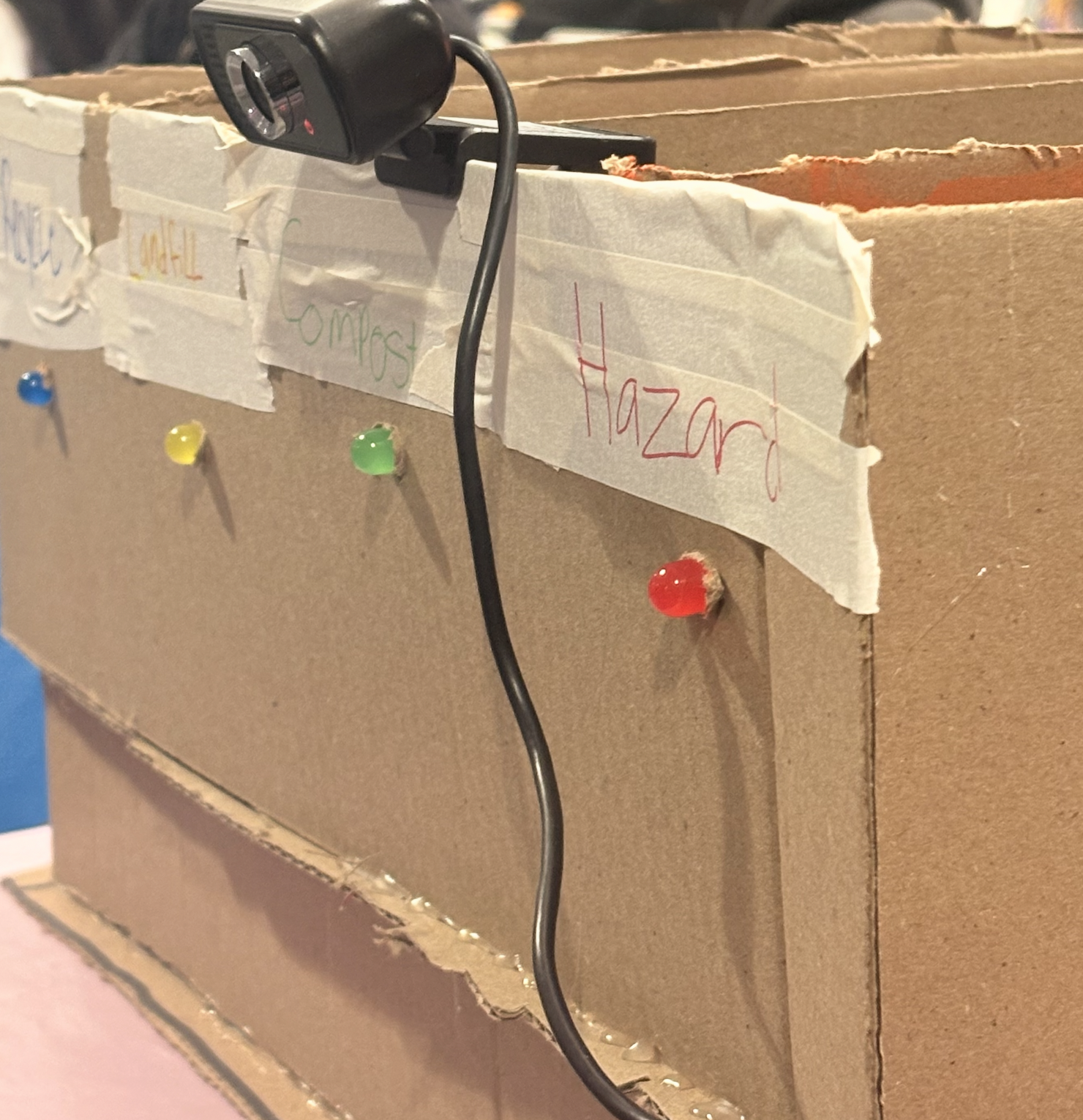
Garbage Hardware for Scanning and Garbage Item Recognition Will light up
Inspiration
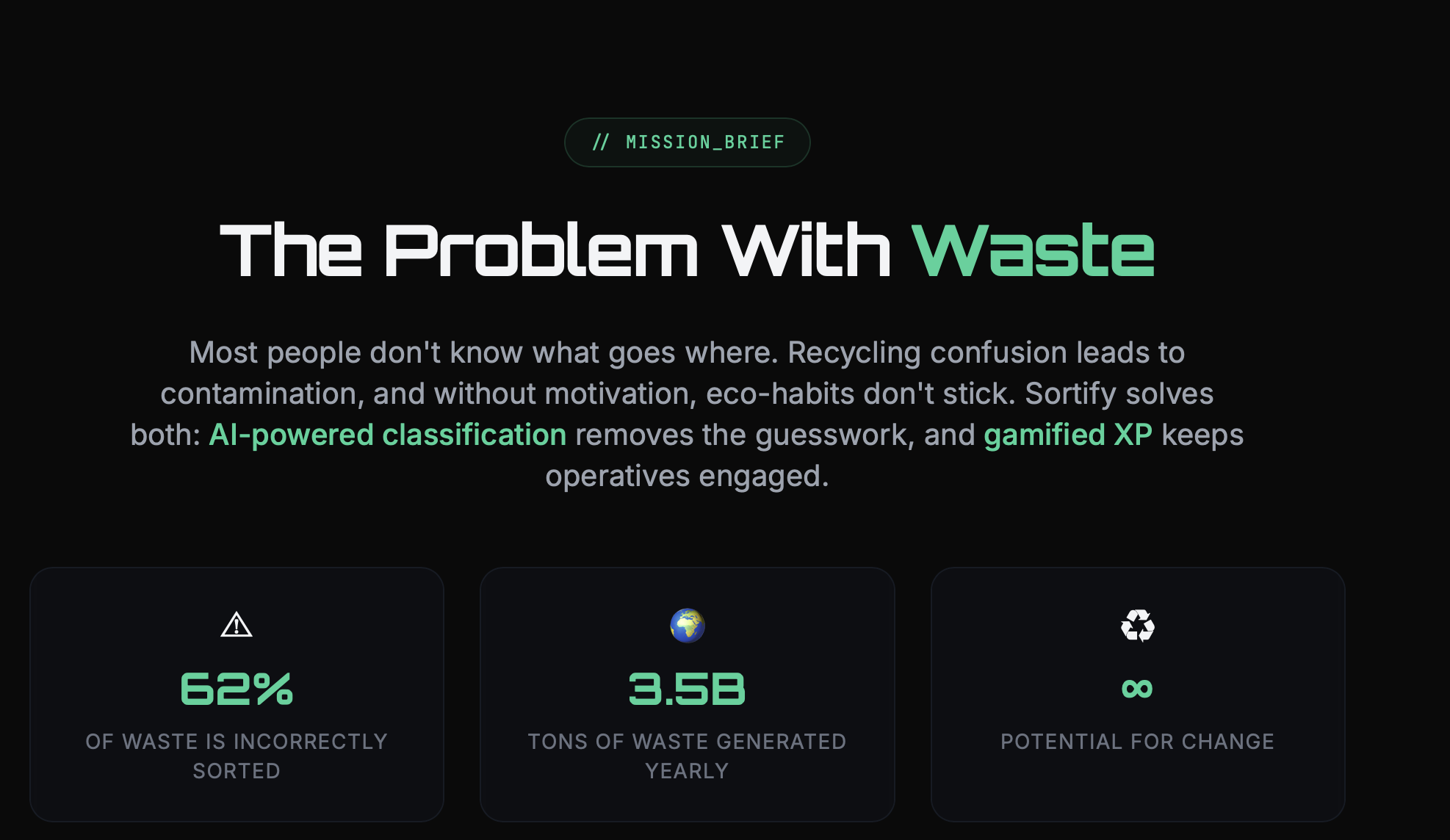
Most people actually want to recycle. The problem is they don't know how. Is this pizza box recyclable? Does this plastic bag go in the blue bin? Can I compost a paper cup? The uncertainty is real, and when people aren't sure, they just throw it in the trash.
I've stood at a trash station on campus genuinely unsure which bin to use. I'd guess, feel bad about it, and move on. That friction — that moment of "I don't know so I'll just not bother" — is where good environmental intentions go to die.
Sortify was born from that frustration. The idea is simple: remove the uncertainty completely, and then make doing the right thing feel rewarding instead of stressful. People don't need more guilt about the environment. They need a clear answer and a reason to keep going. Gamification isn't a gimmick here — it's the whole point. If sorting your trash earns you points, unlocks achievements, and puts you on a leaderboard, suddenly the habit sticks. Sortify turns a moment of confusion into a moment of confidence, and does it every single time.
What it does
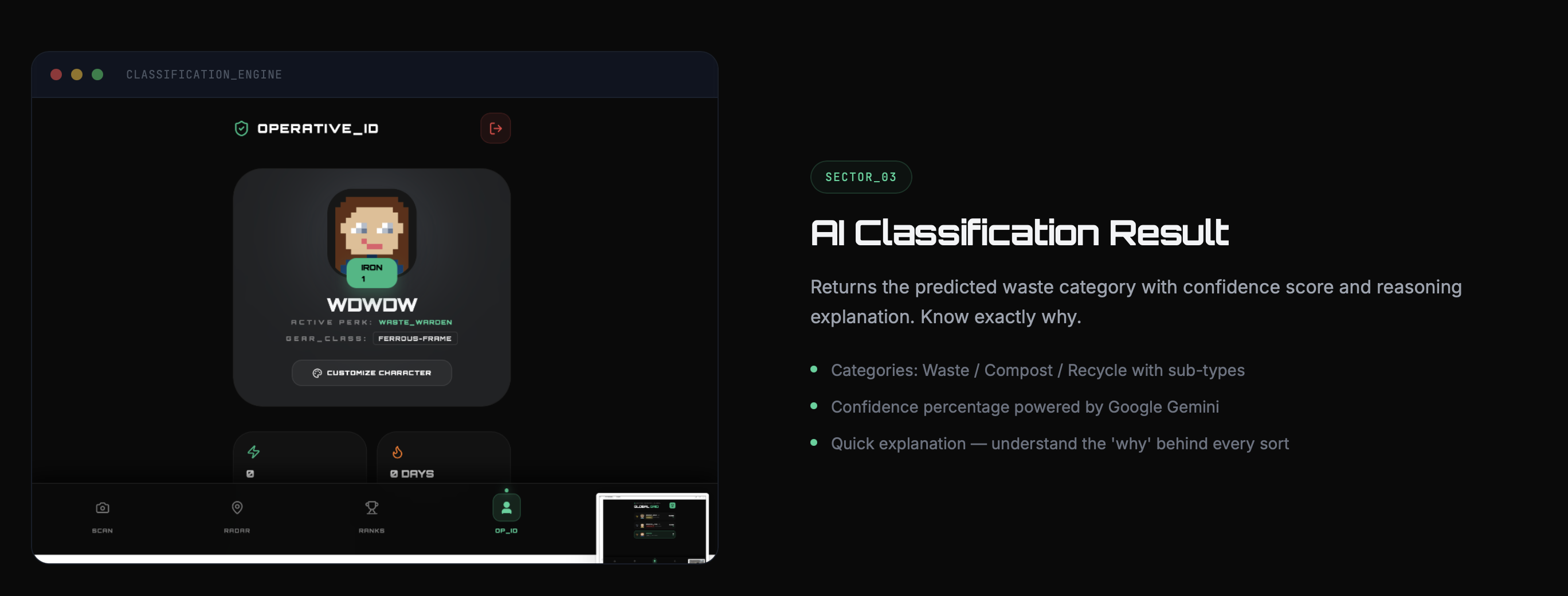
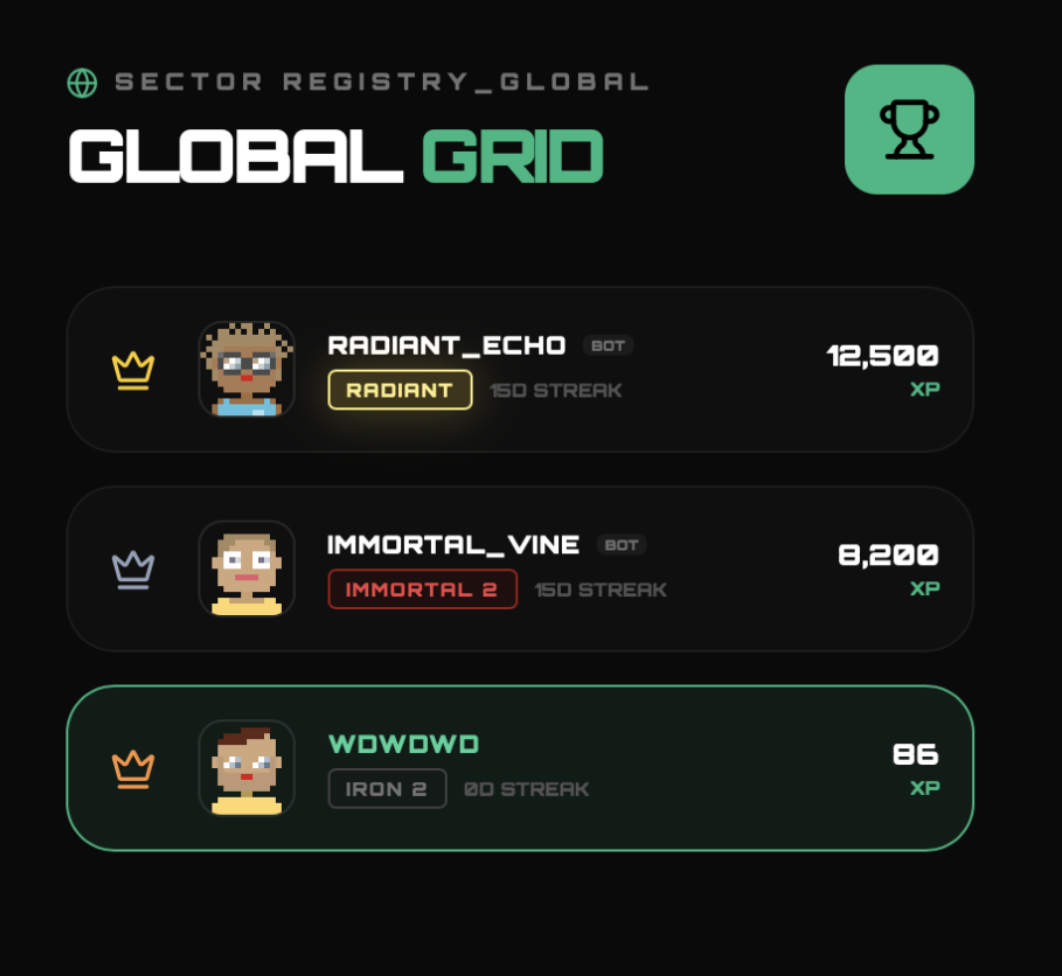
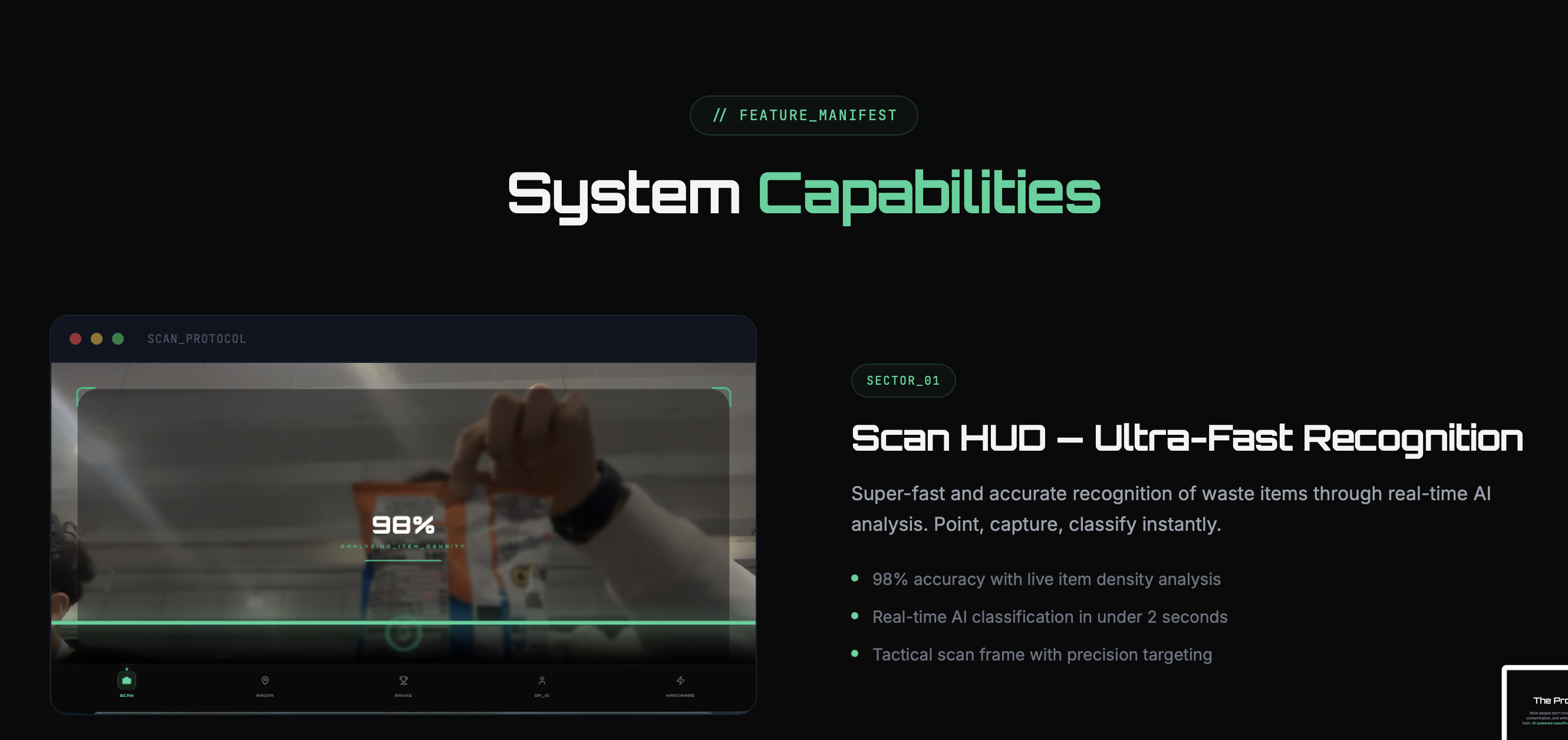
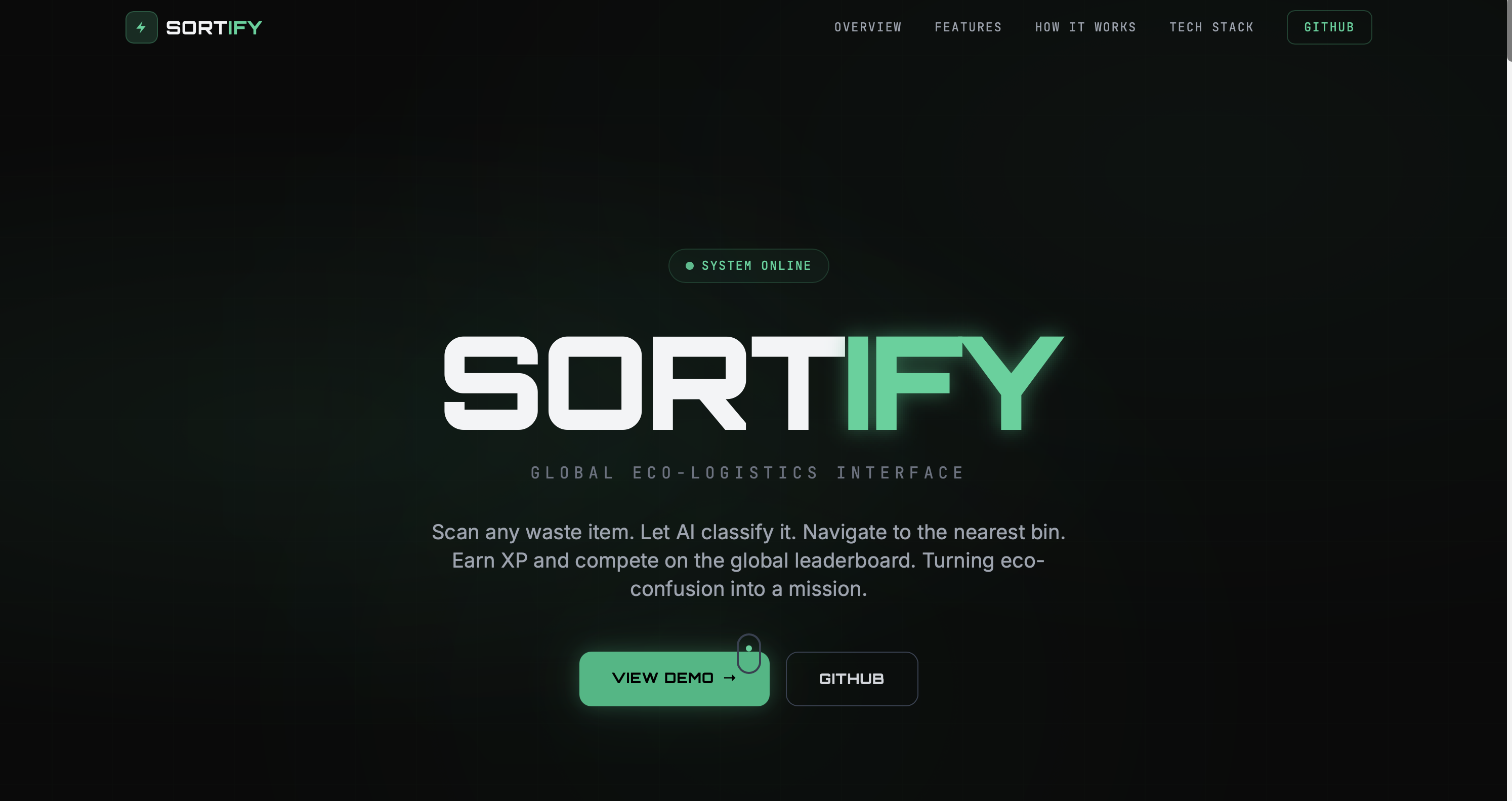
Sortify is a gamified waste-sorting app that makes recycling and proper disposal clean, simple, and actually fun. Users scan or search for an item, and Sortify tells them exactly which bin it belongs in — recycling, compost, landfill, or hazardous waste. Every correct sort earns points, unlocks achievements, and pushes you up a leaderboard. The goal is to turn a habit most people ignore into something people want to do every day.
How we built it
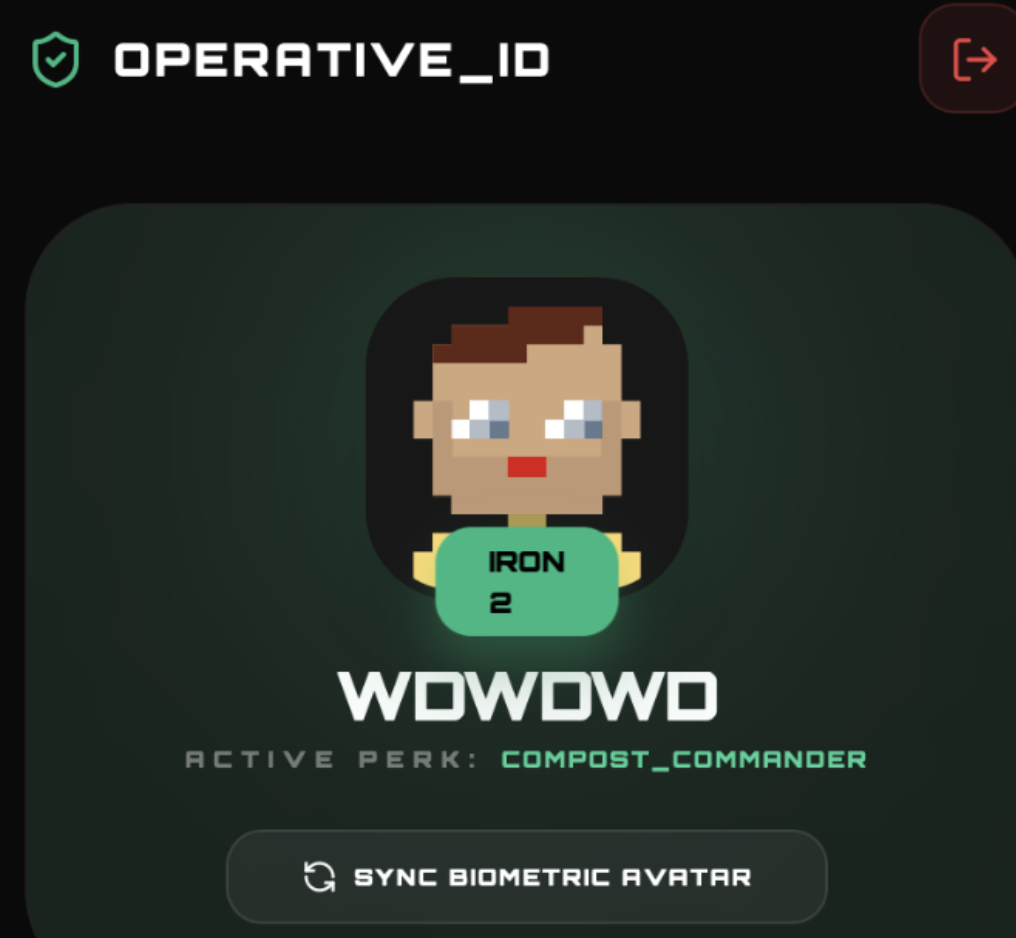
Built Sortify as a mobile-first web app with a clean, minimal UI centered around the sorting action. The item classification logic maps common household and campus waste items to the correct disposal category. The gamification layer tracks user points, streaks, and sorting history locally. The design system uses a fresh green-forward color palette to reinforce the environmental mission, and every interaction was kept as frictionless as possible — one tap to scan, one tap to sort.
Challenges we ran into
The hardest part was building an item classification system broad enough to be genuinely useful. Waste rules vary by city and region, so defining a consistent baseline that works everywhere without being wrong was a real design challenge. Balancing the gamification layer so it feels rewarding without feeling gimmicky also took several iterations. Getting the UI to feel clean and motivating at the same time — not preachy, not boring — was trickier than expected.
Accomplishments that we're proud of
Getting the core loop — scan → classify → sort → earn points — working smoothly end to end in a single hackathon sprint is something I'm really proud of. The app genuinely looks good and feels good to use, which matters a lot for a habit-forming product. I'm also proud of how approachable it is. You don't have to care about the environment to enjoy using Sortify — the game loop pulls you in, and the impact follows.
What we learned
Building a habit-forming product is fundamentally different from building a utility. Every friction point kills retention. I learned to ruthlessly cut steps and keep the core action — sort this item — as fast as possible. I also learned that gamification has to feel earned; cheap rewards feel hollow instantly. Designing for behavior change, not just function, is its own discipline.
What's next for Sortify
Location-aware sorting rules — bin categories vary by city, so pulling in local waste guidelines makes Sortify accurate everywhere
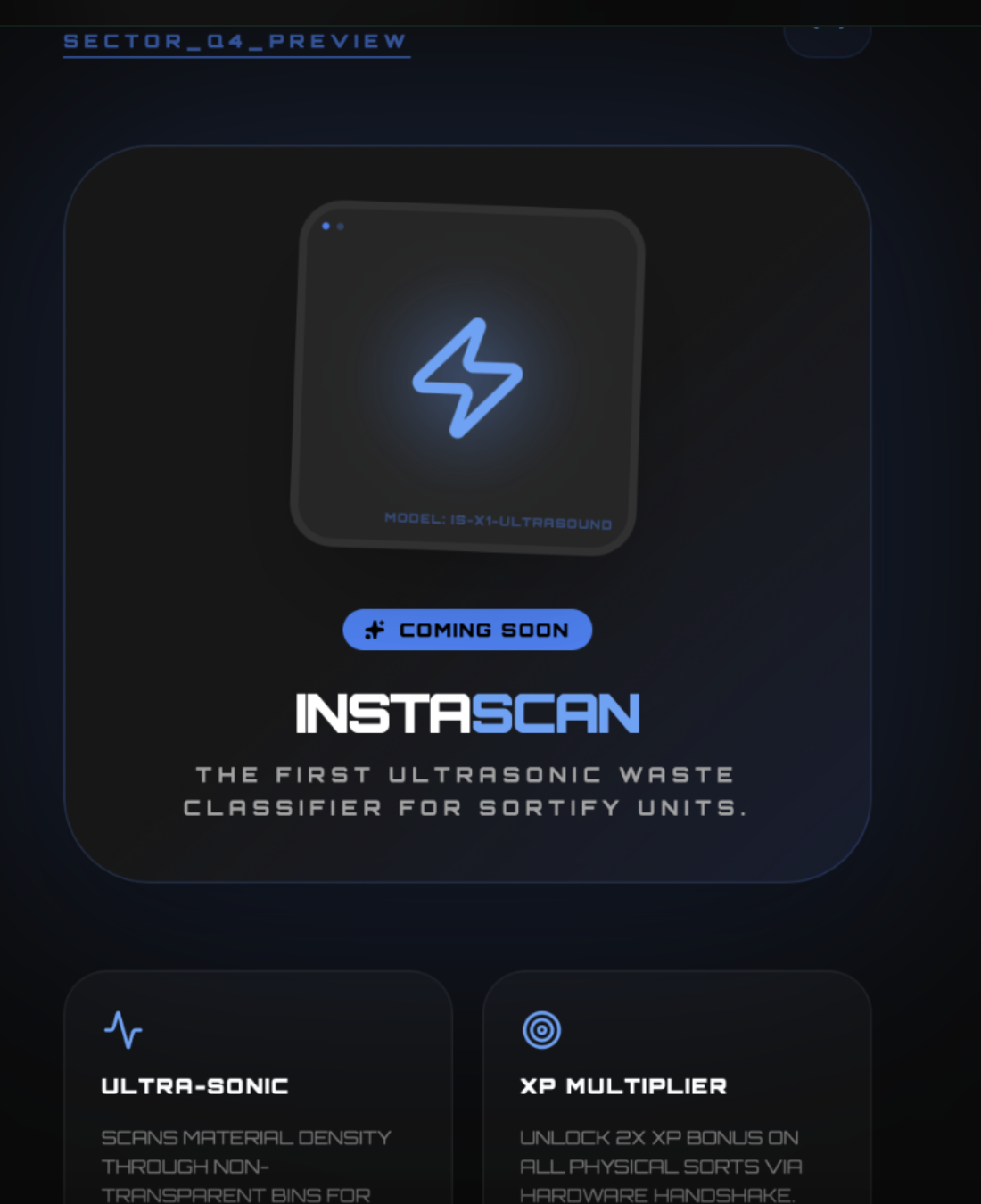
AI item recognition — point your camera at any item and get an instant sort recommendation
Team & campus challenges — departments or dorms compete on collective sorting scores
Real-world rewards — partner with local businesses to redeem points for discounts, turning virtual progress into tangible value
Impact dashboard — show users the cumulative CO₂, water, and landfill impact of their sorting history
Built With
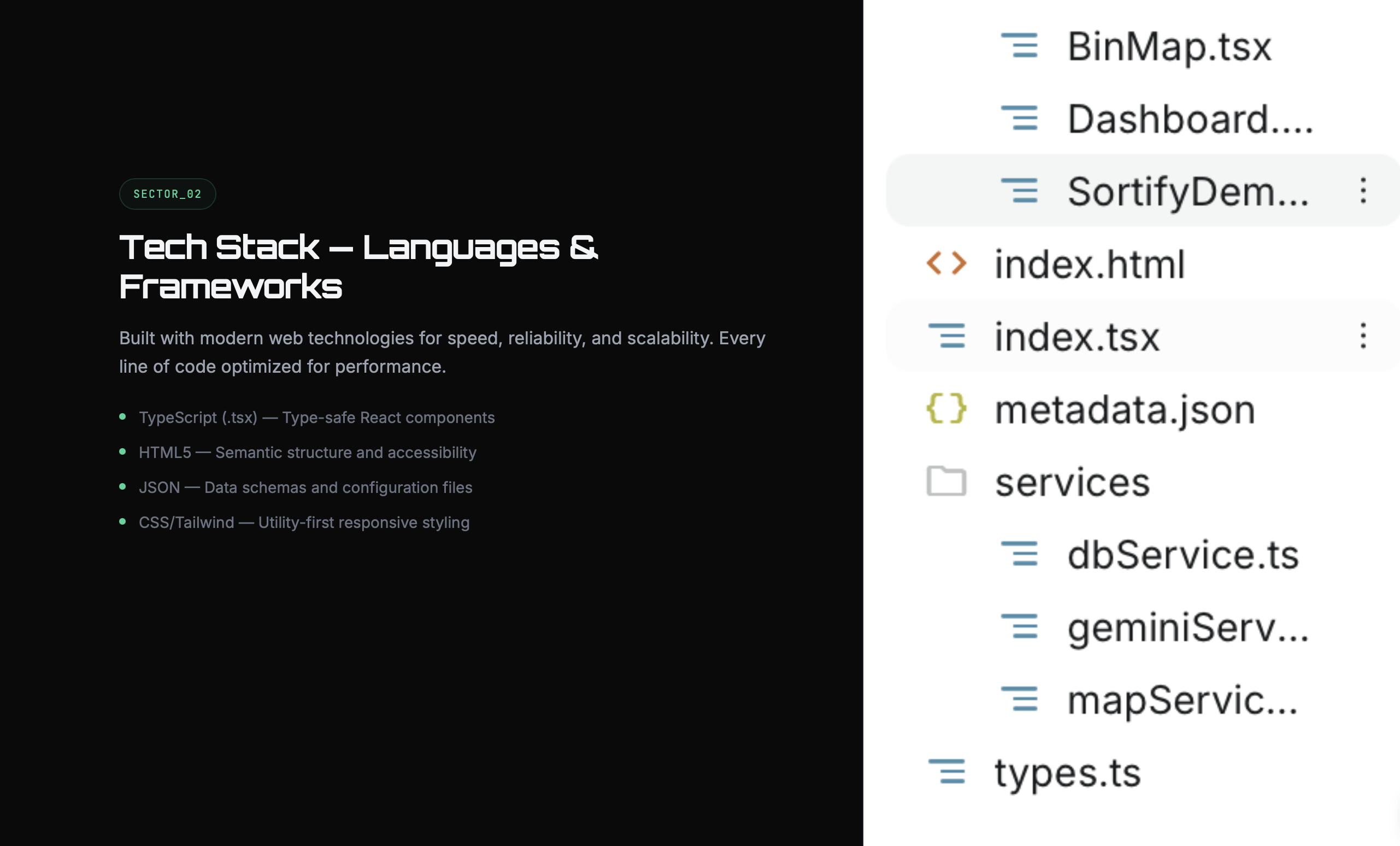
- css
- gemini-3.0flash
- geminiapi
- html
- javascript
- python
- react
- tailwindcss
- typescript
