Inspiration
The inspiration was pretty plain and simple. We were paying for this service through a different application that's a bit old now. It's about ten years old, I think, called Mail Manager, and we basically didn't want to pay for that service anymore because they kept jacking the price up. It's really hard to ignore that, and it's pretty easy to be inspired when those kinds of things are happening.
What it does
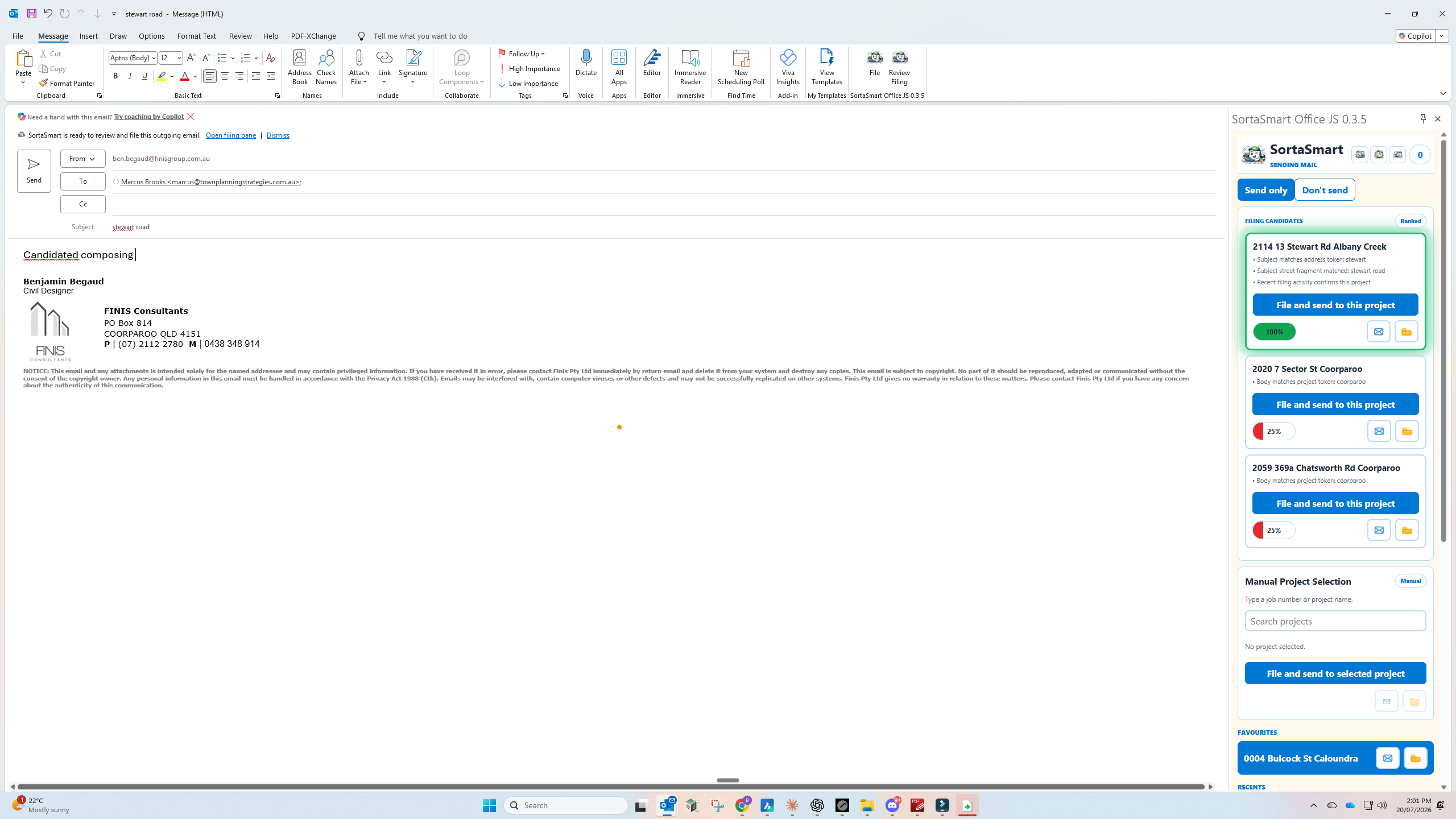
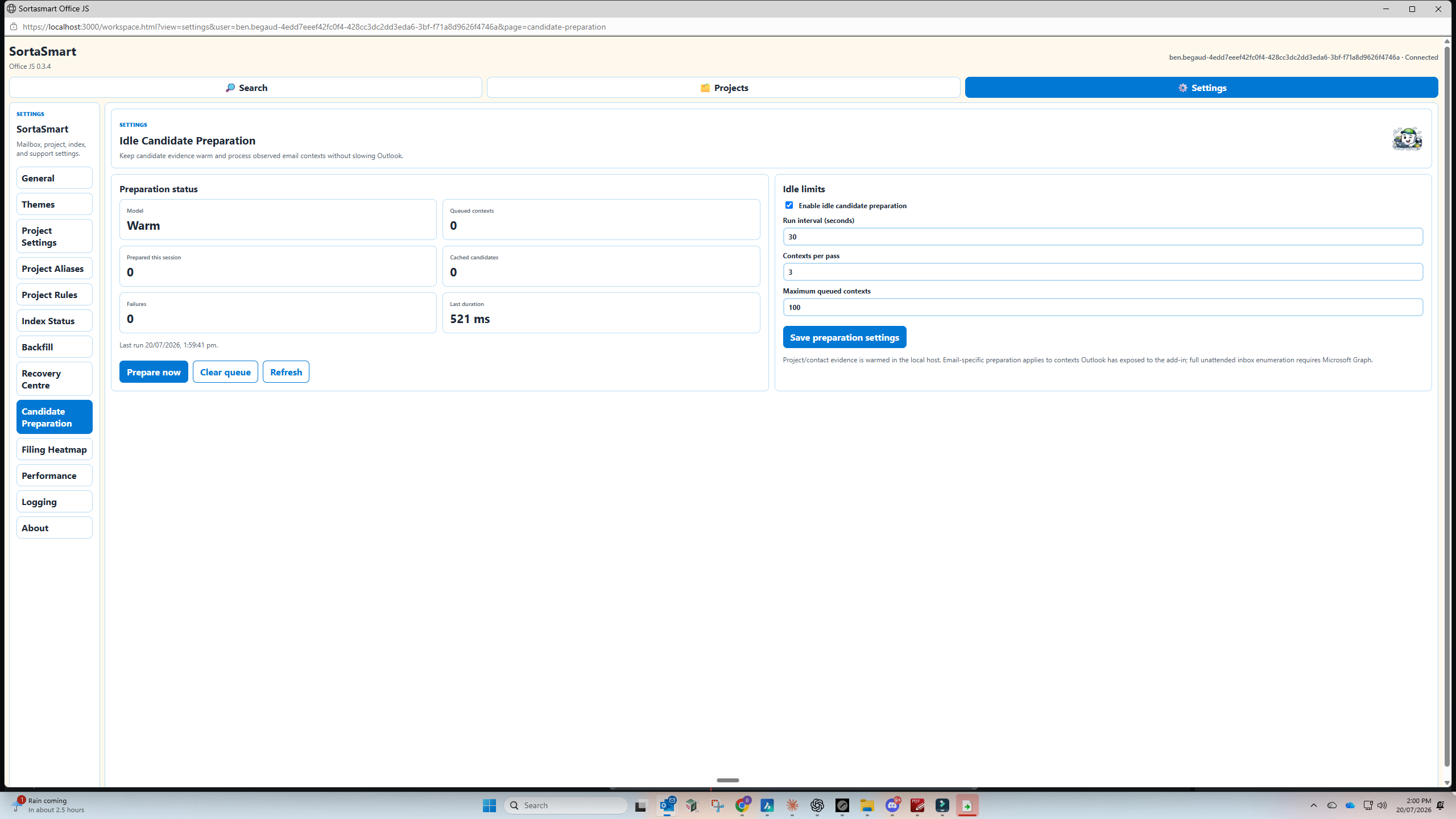
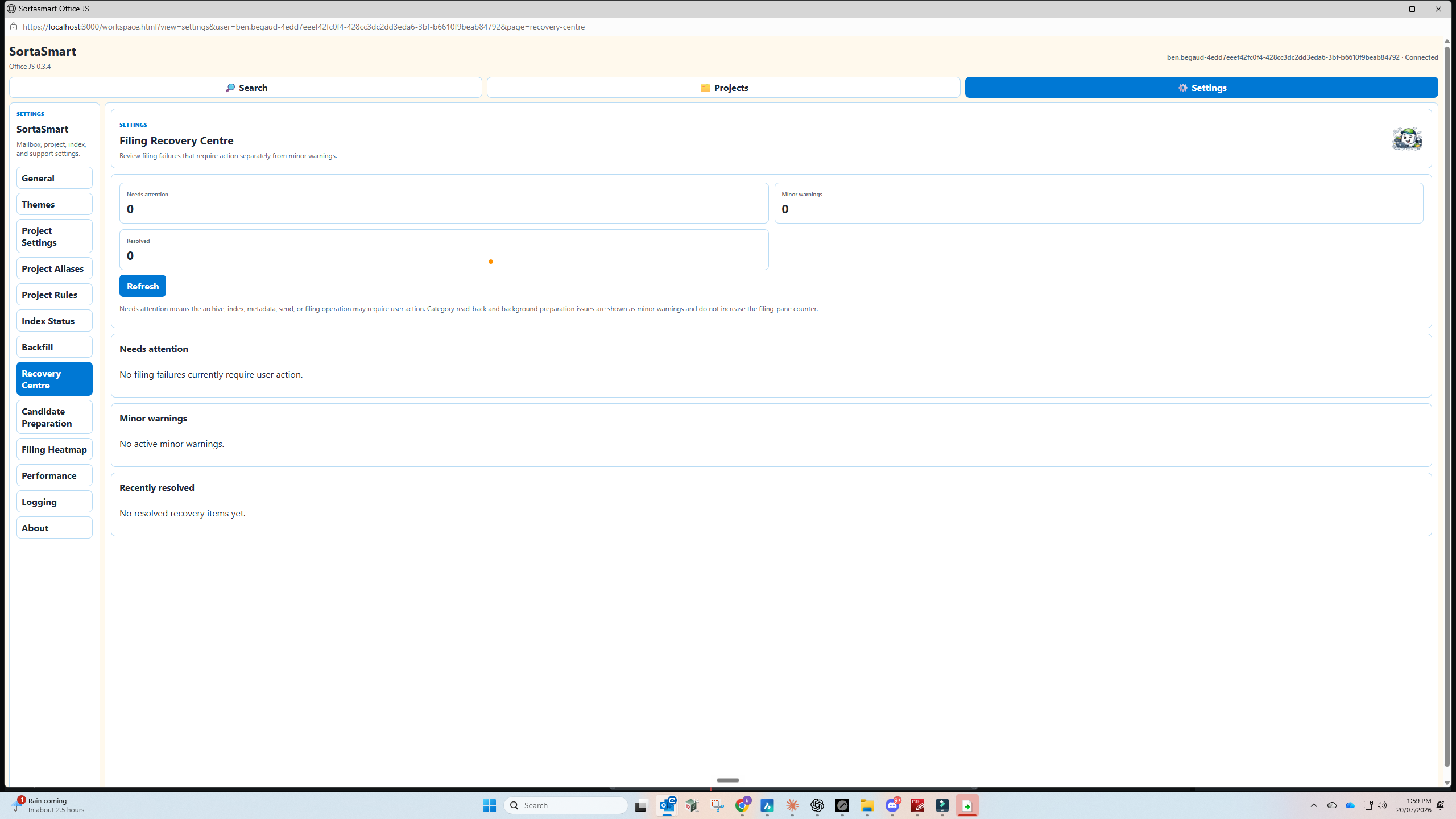
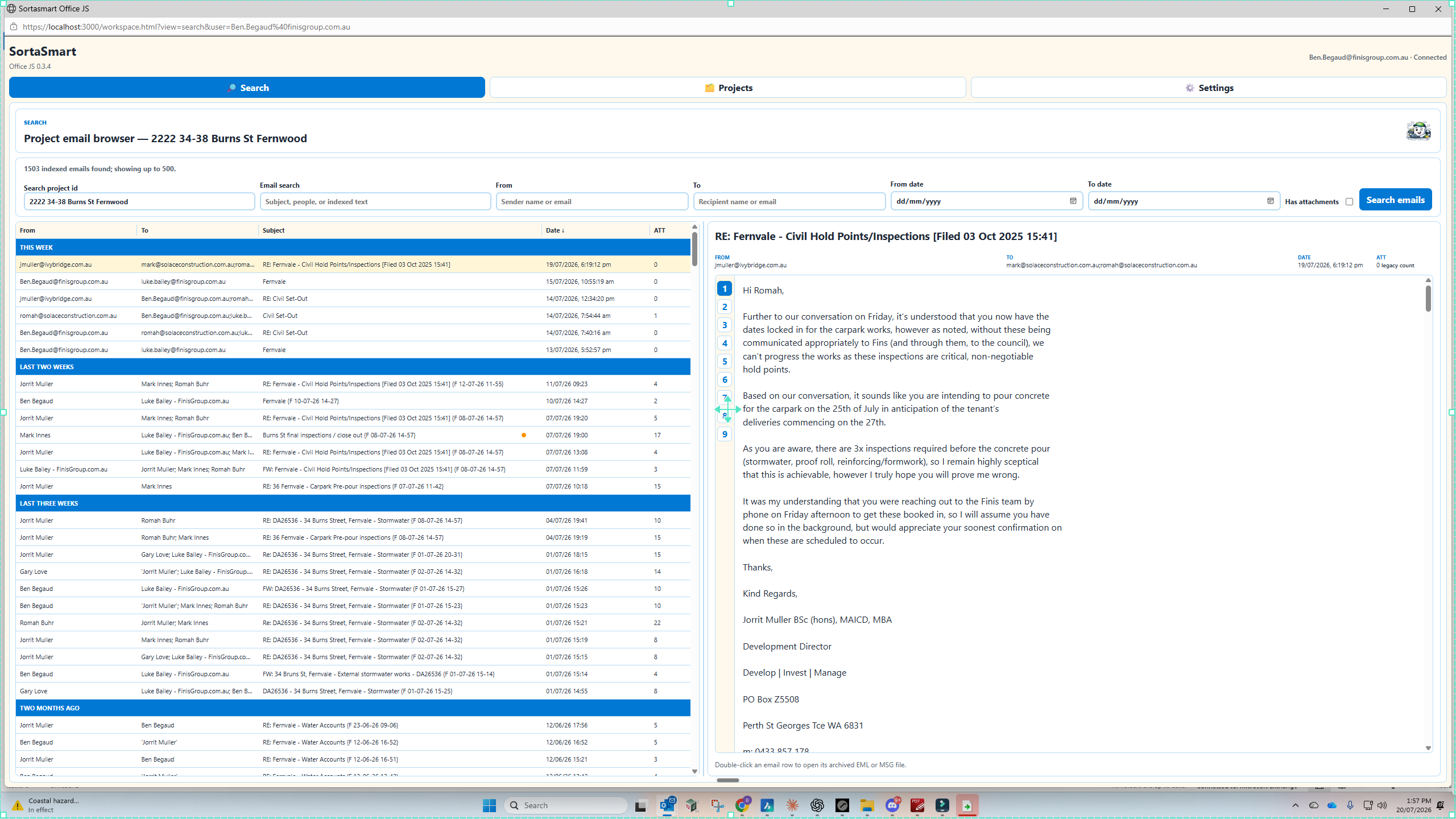
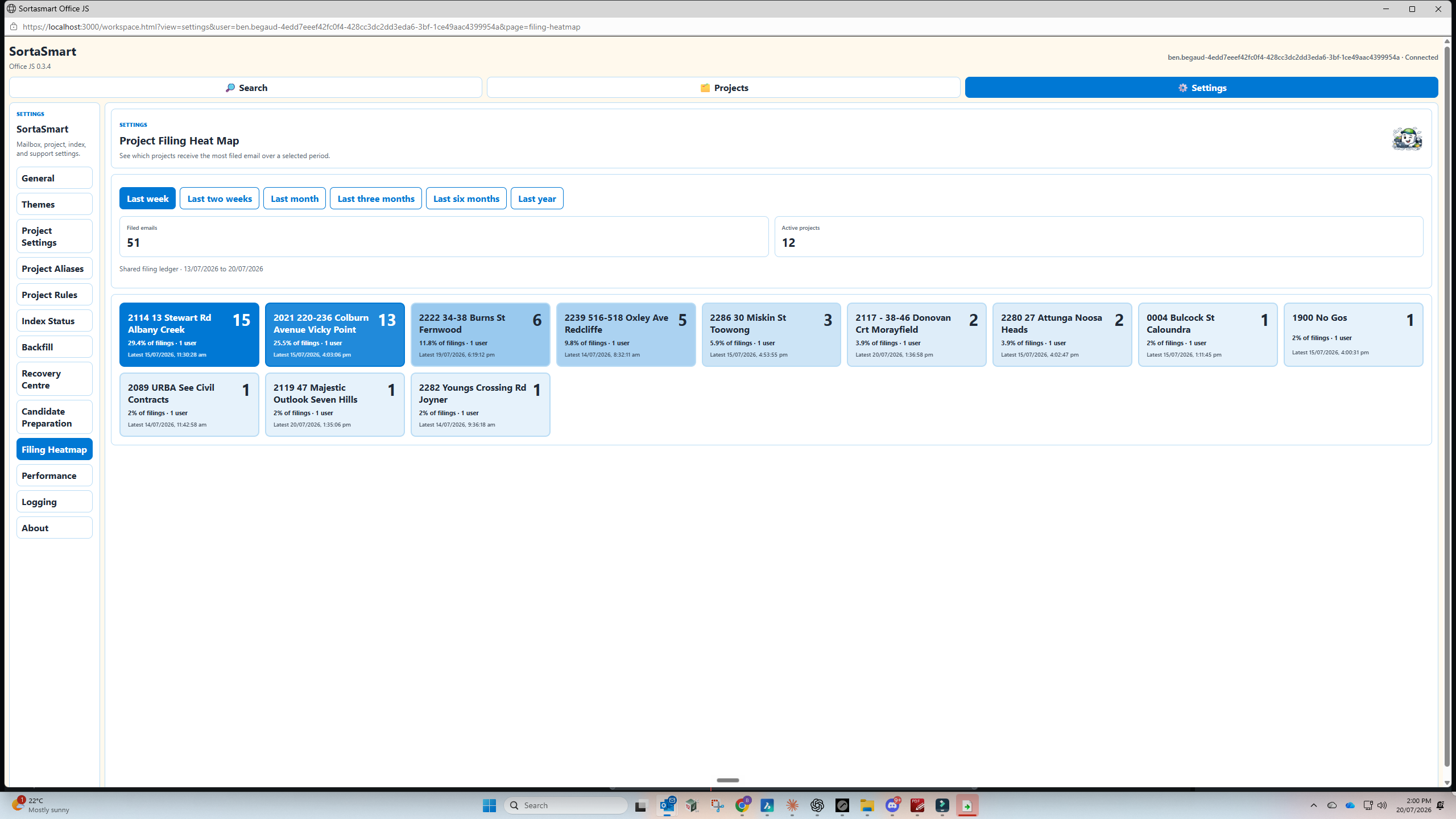
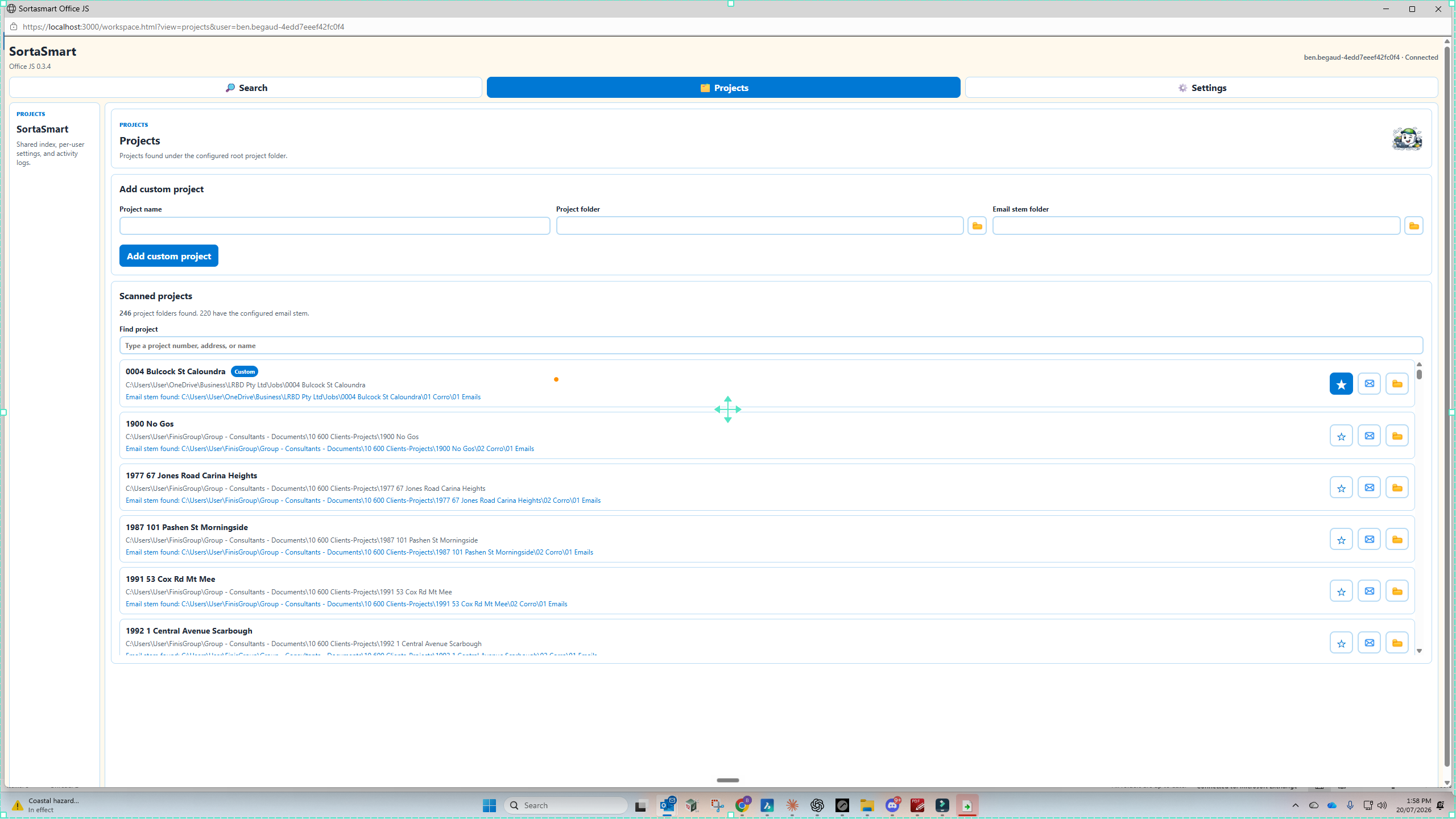
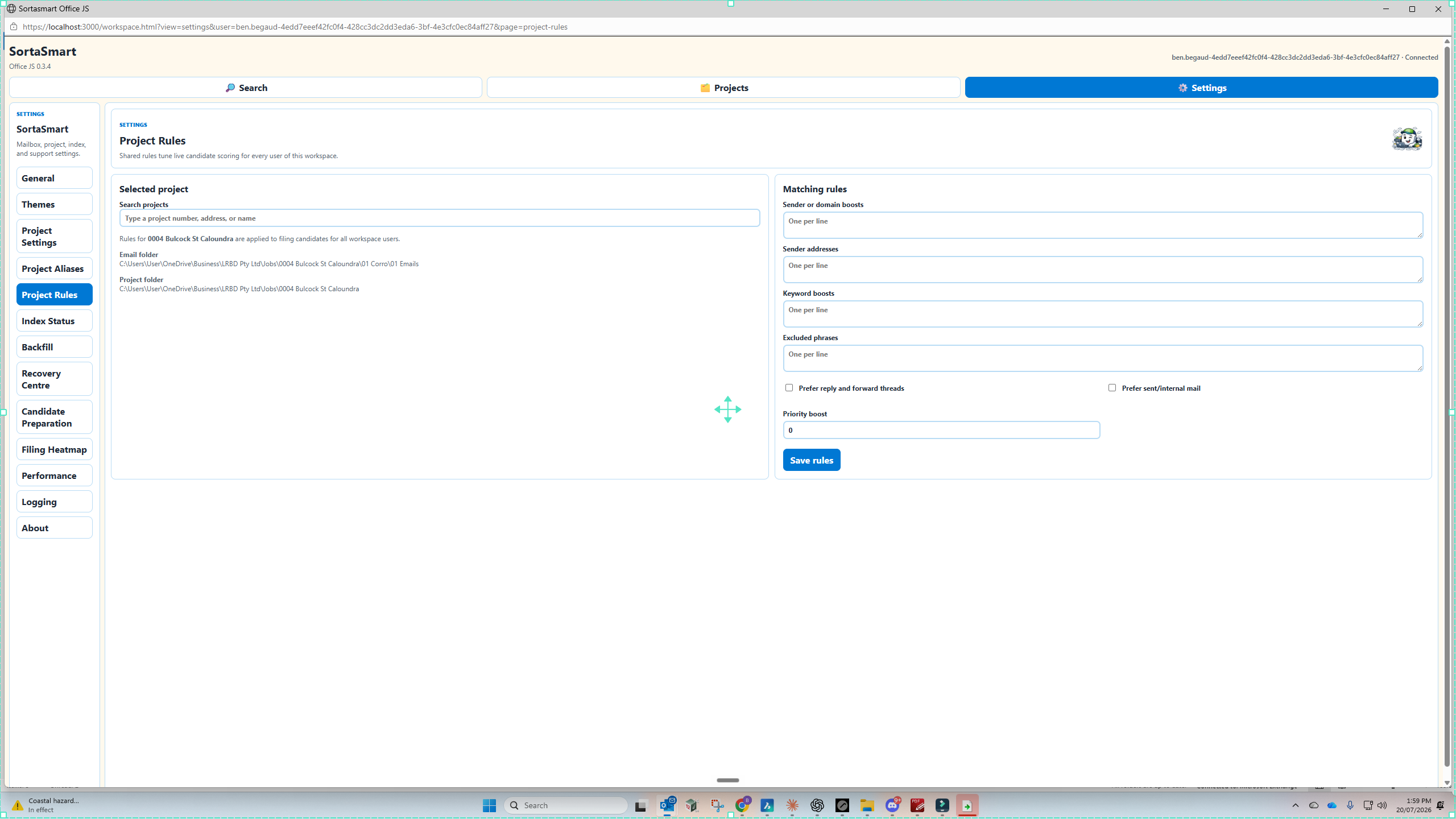
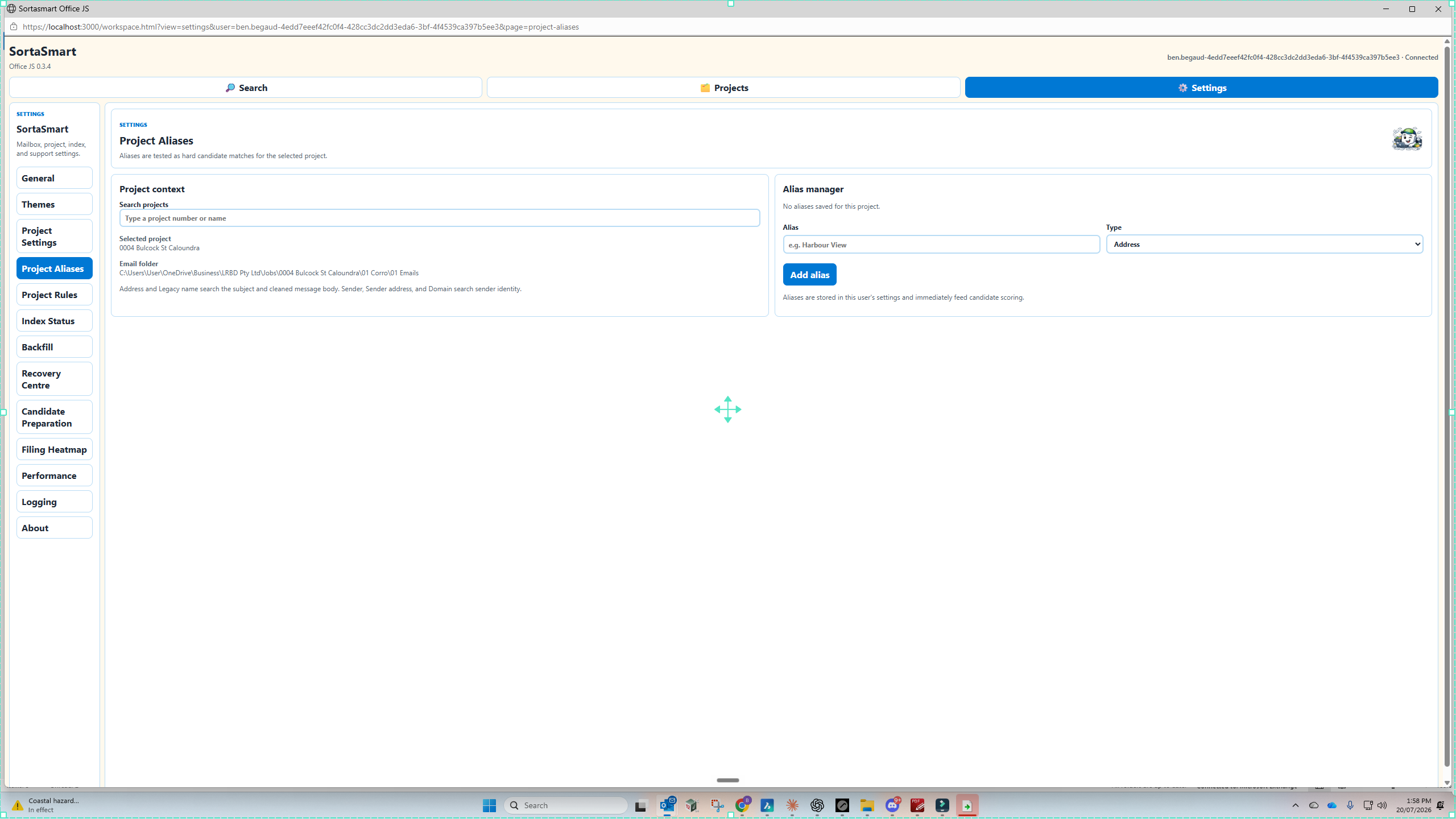
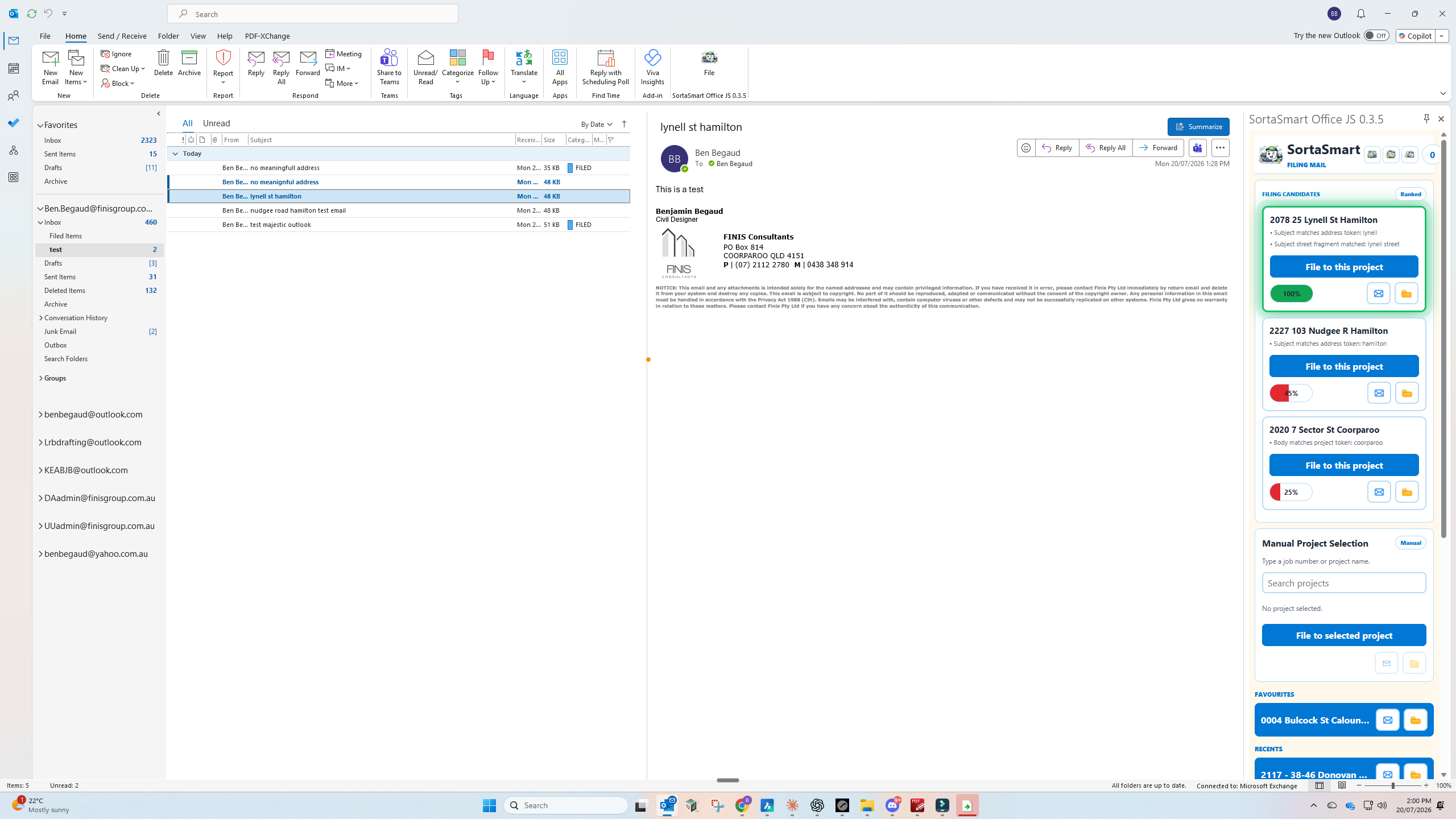
Essentially, what the software does is that it automatically finds candidates for projects: project managers, consultants, accountants, anybody who has multiple clients and long-standing clients where they might be running hundreds or even thousands of projects and they need to file the emails away. It can be quite cumbersome. It can be too much to file the emails. We didn't want a proprietary system where they encrypted emails or where they locked you into a system like Synergy or something like that, where we never had the original emails and we always had to pay for the service if we wanted to access them. Essentially, it is pretty basic. It just gives you what it thinks is the candidate for the project based on certain tokens:
- aliases
- recent activity
- people's names
- the grouping of people's names
- addresses
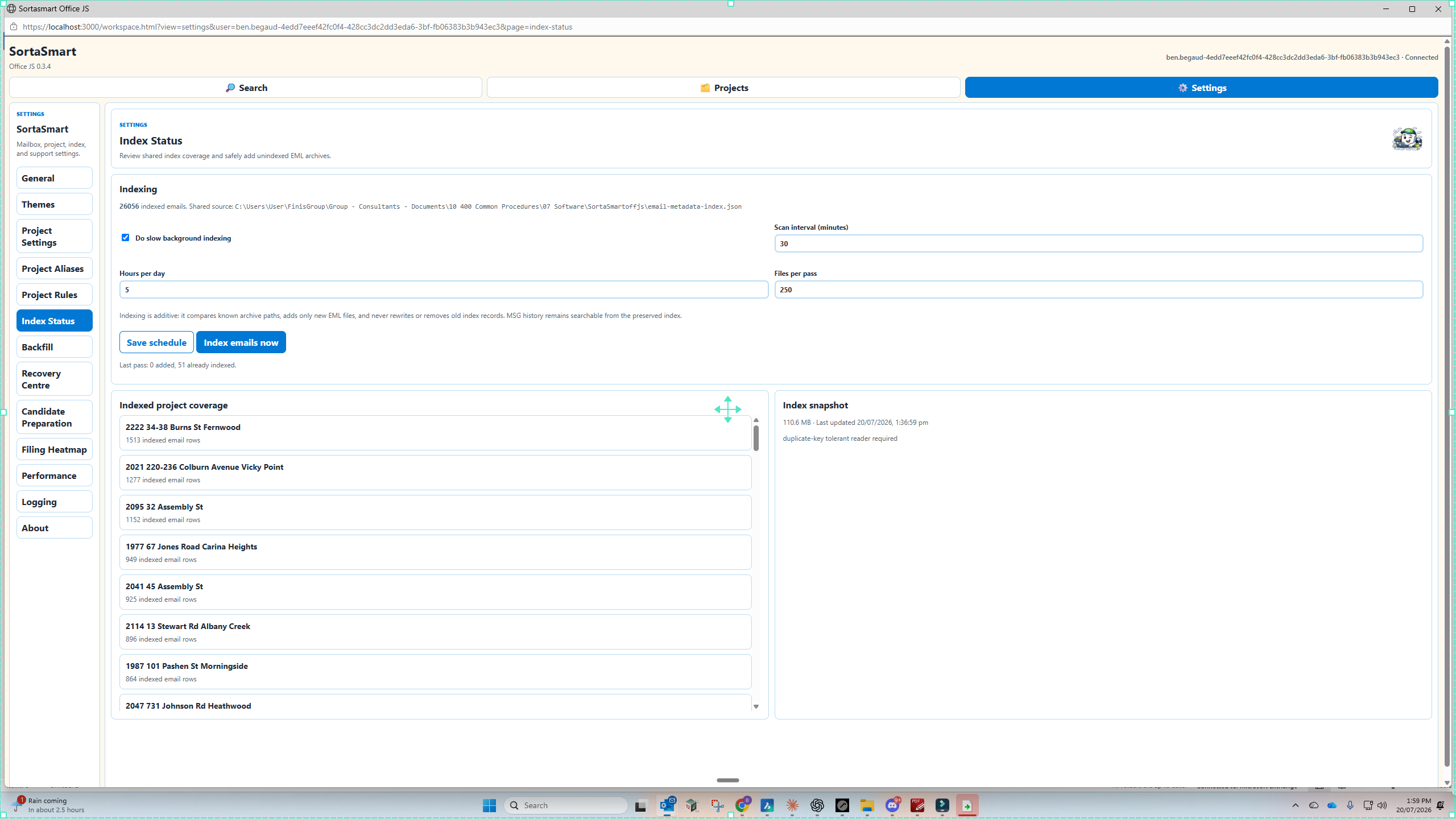
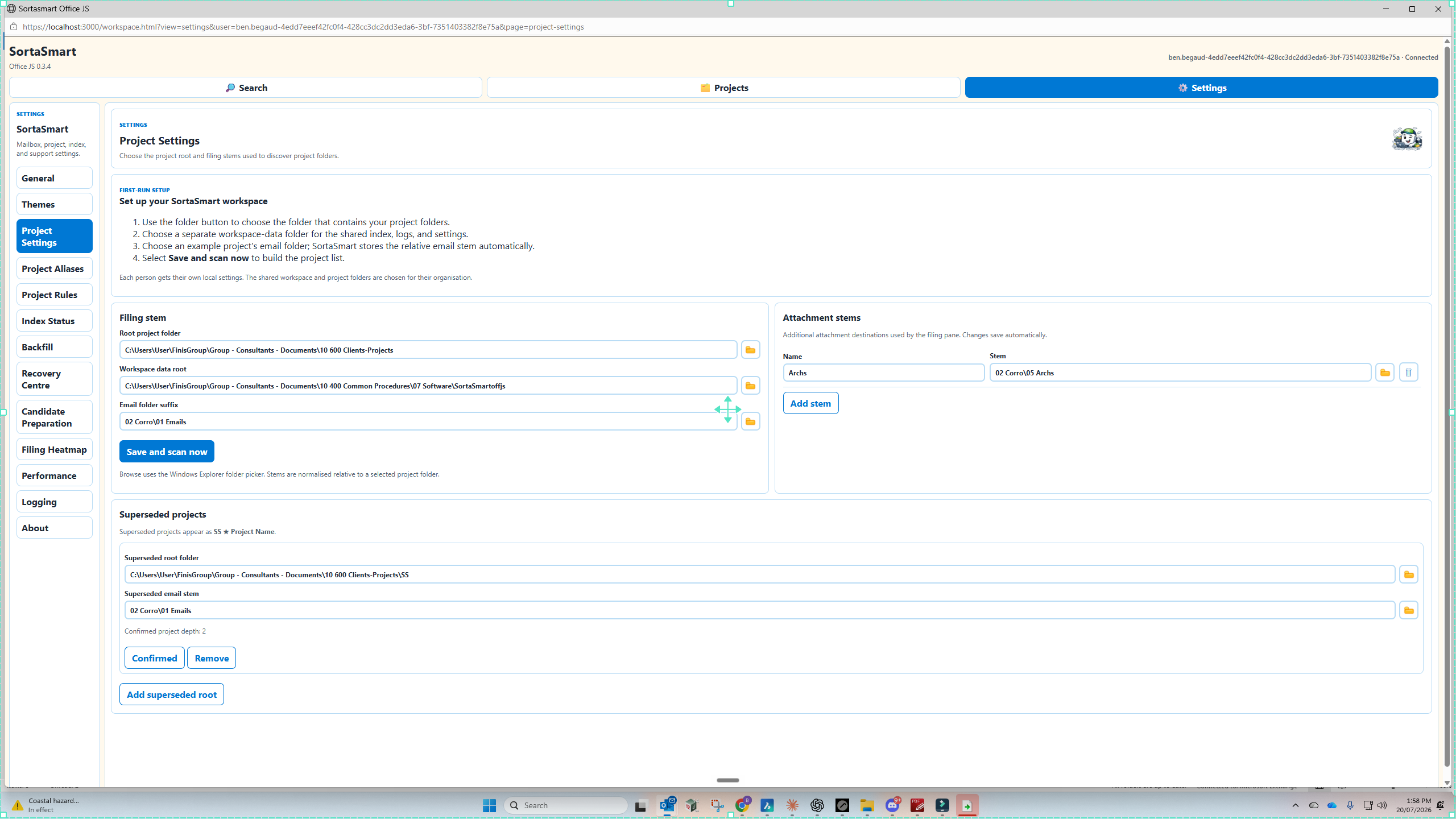
- details from the body of the email and then it basically files that to the correct project or gives you a candidate to choose from, and it does this on sending and receiving emails. ## How we built it How I built it was: I just passed it into Codex. I had a previous index file that we were using on a much older version of it, and we kept that indexing file because it was quite difficult. It's quite a lot of work to set that up, and then we had a few screenshots and some layout ideas that we'd already put together. Drop them into Codex and let it do all the work, basically.
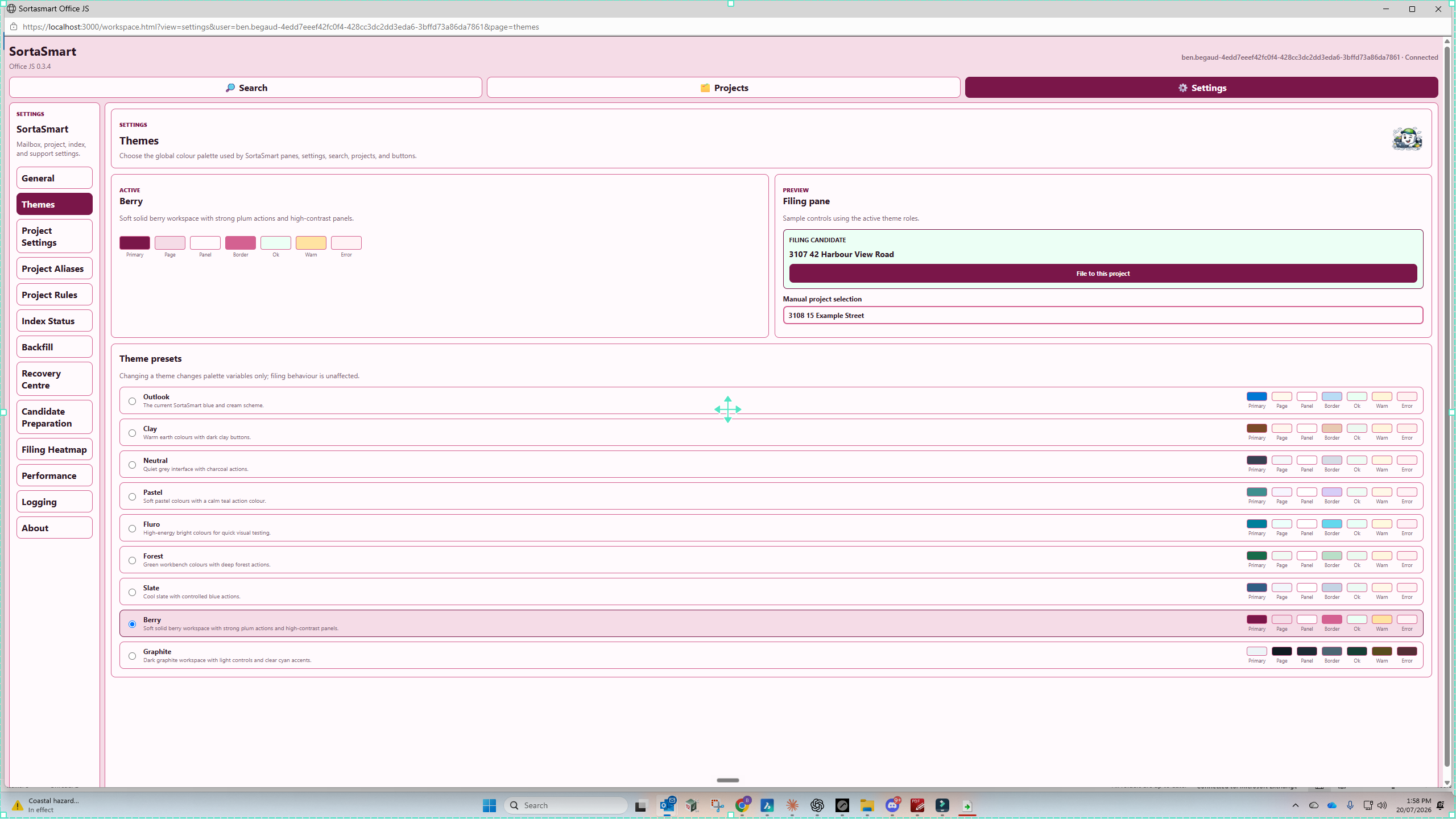
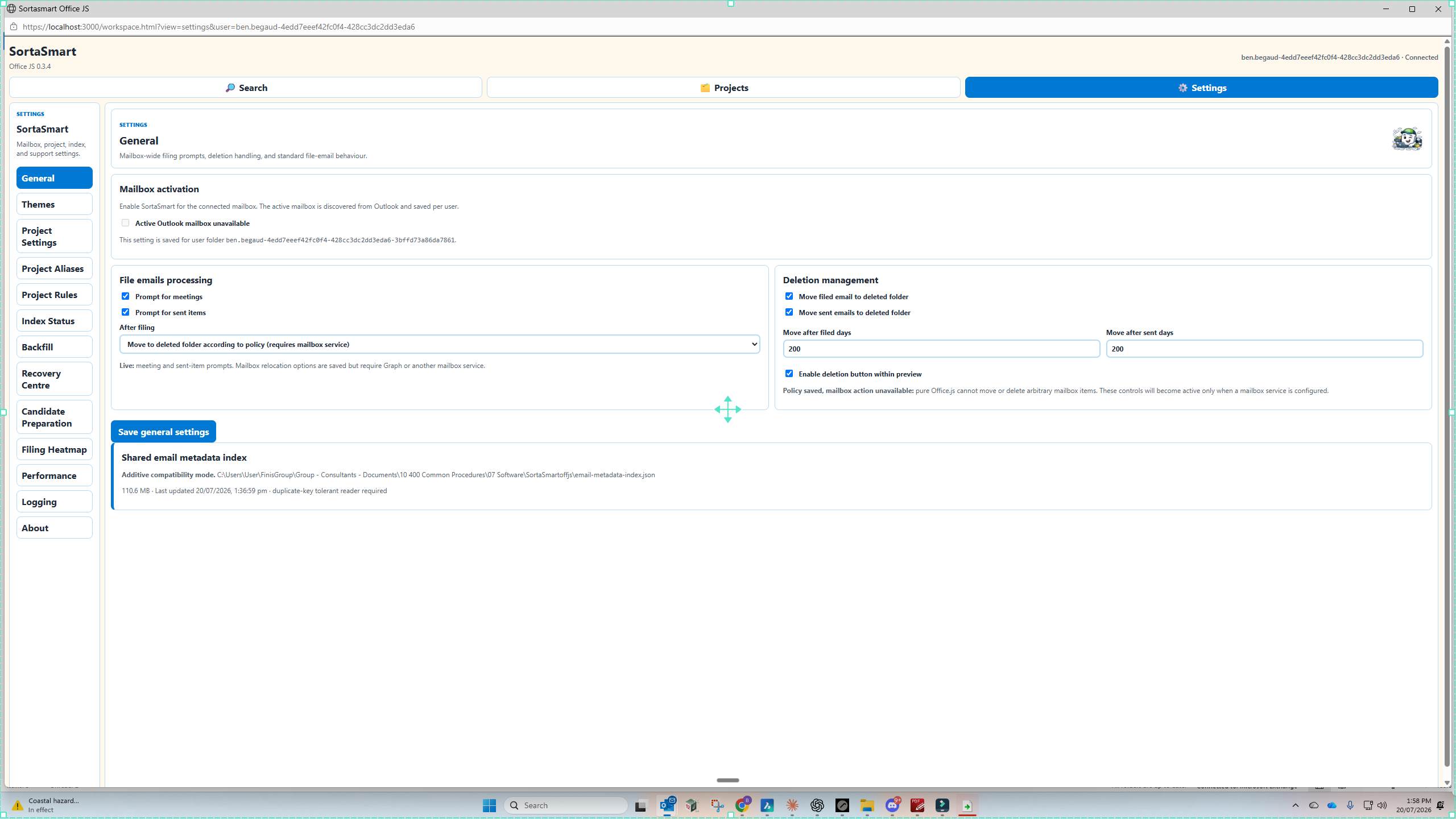
Once I had certain things set up, I just made changes where needed, so updated layouts, colours, tried to work with it on certain options that we wanted to have in it.
Challenges we ran into
One of the biggest challenges we ran into is that Office.js and the entire Microsoft ecosystem is just probably the worst thing that I think I've ever had the displeasure of spending any time with. It is absolutely brutal to work within this ecosystem. Just the simplicity of uploading a manifest file, waiting for it to show up, and then doing testing was an extreme challenge on this project because the manifest has to be unloaded, reloaded, re-ID'd, and updated in a very specific way. It can get stuck. Sometimes we had to wait 24 hours for it to get unstuck. Honestly, it is like being not an actual coder and someone who doesn't really understand the system for 2026. It is an absolute piss poor effort from Microsoft that this is how the software works. We had a different version of this that was running on classic, and its list of features is tenfold because it's not limited by the Office.js. And keep in mind that I don't even know what Office.js is. I don't actually know the definition of it, so for me to say that's complete rubbish, having known nothing about it, you know that it really is rubbish.
Accomplishments that we're proud of
The accomplishment we're proud of is that we've departed from big tech and not paying those bills. It cost me a couple of subscriptions to Codex and a bit of time to put it together, but now it's ours. We'll have it forever, and it'll be something that will work into the new Office version. We're just proud that we've been able to steer away from that.
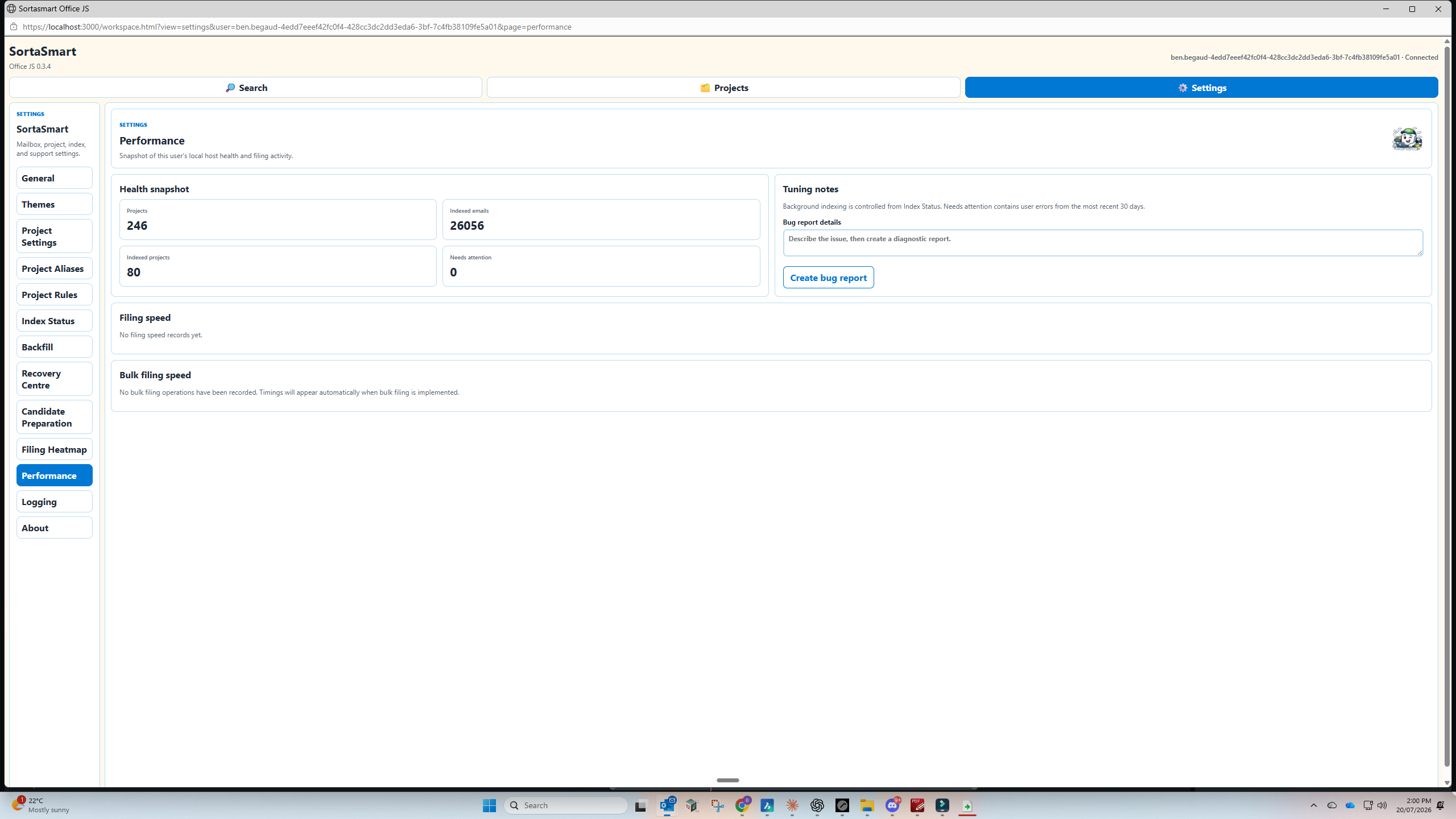
The other part of that is that it's significantly faster than the previous version of Mail Manager that we were using. Mail Manager was very slow to search. You were very restricted on parameters. It did a little bit of smarts on auto-filing, but it was still quite dumb because it only used certain parameters, or mostly it was just a rolling recent list. If the exact address was correct, that sort of thing, it would work, but our system is a lot better: better candidates, much easier, much faster to use.
What we learned
What I learned was that you don't have to stay at big tech. You can do your own thing, and also that Office.js is absolute rubbish
What's next for SortaSmart
What's next? We'll probably just keep adding features to it. We want to make this more of a product manager tool. We want to set up things like email templates and keep working on the speed. We want to be able to expand that into something that can handle more emails. We only have about 25,000 emails, and it's still running quite fast, but I'd like to pressure test it at 100,000 and even a million emails for bigger companies. Yeah, for the most part we really just made this for us to work in-house, but I think there could be an avenue to market this thing and push it out on a bit of a cheaper scale than what the previous version was.
Built With
- css
- html
- javascript
- next
- node.js
- office.js

Log in or sign up for Devpost to join the conversation.