-
-
-
SOPet
-
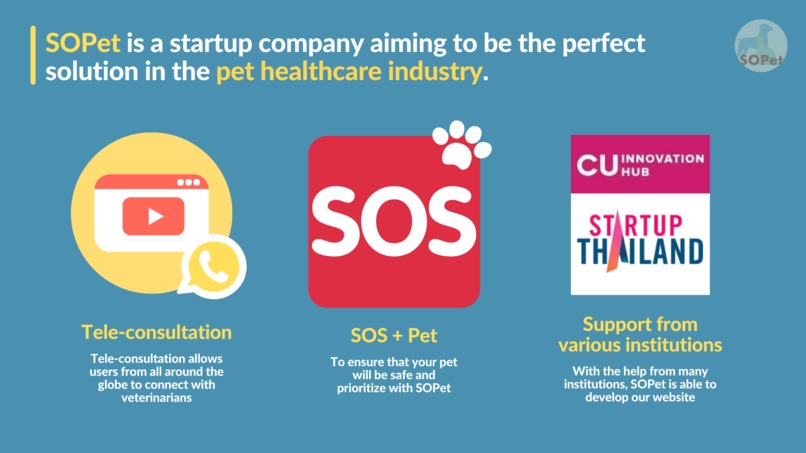
Who is SOPet
-
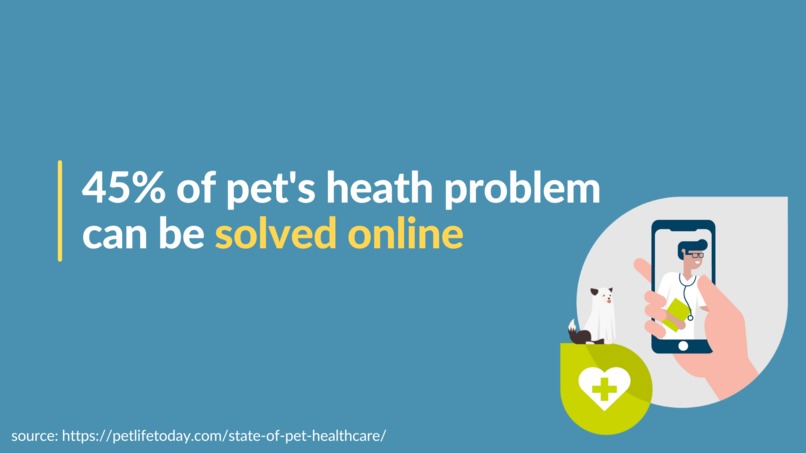
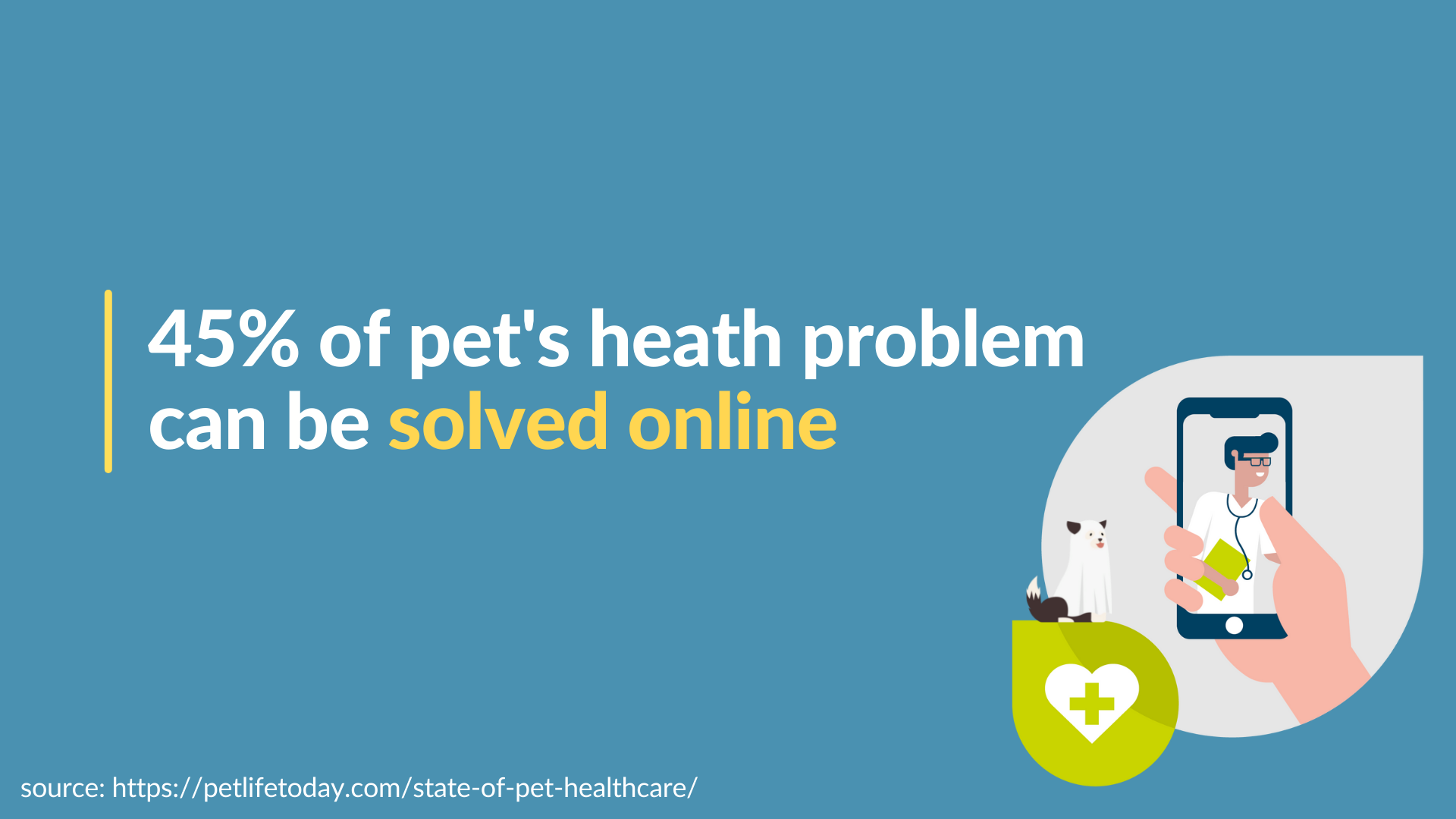
Market size 1
-
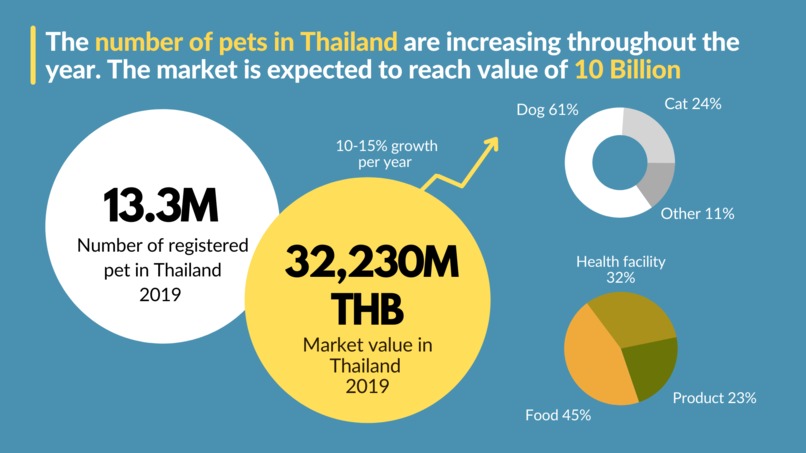
Market size 2
-
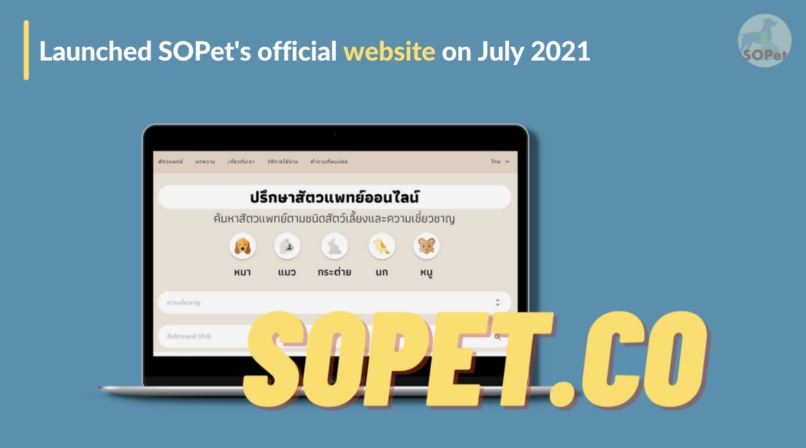
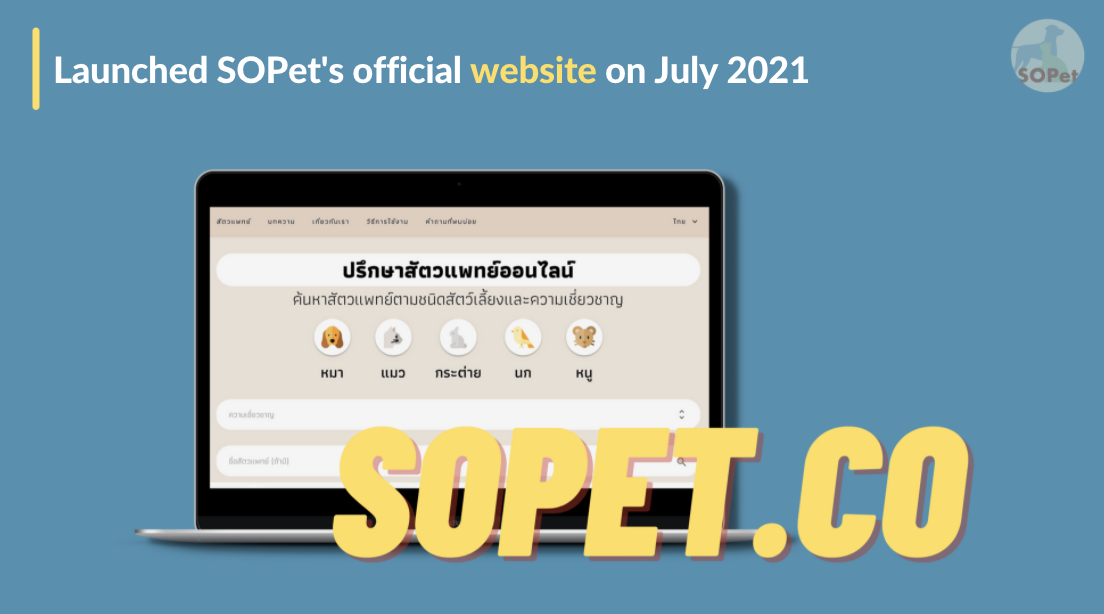
Website: sopet.co
-
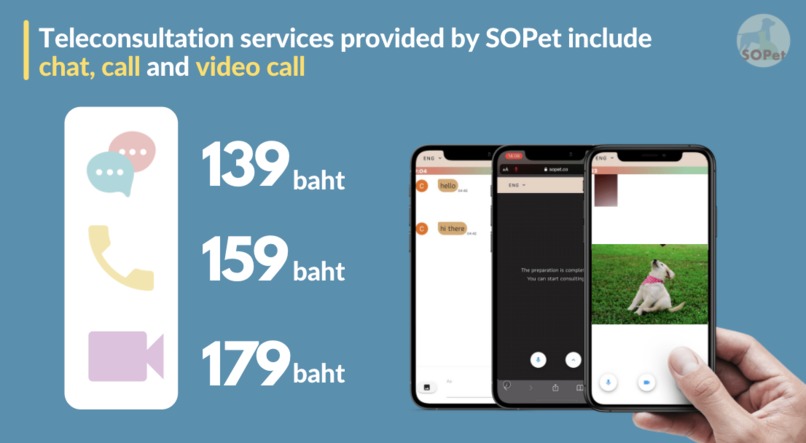
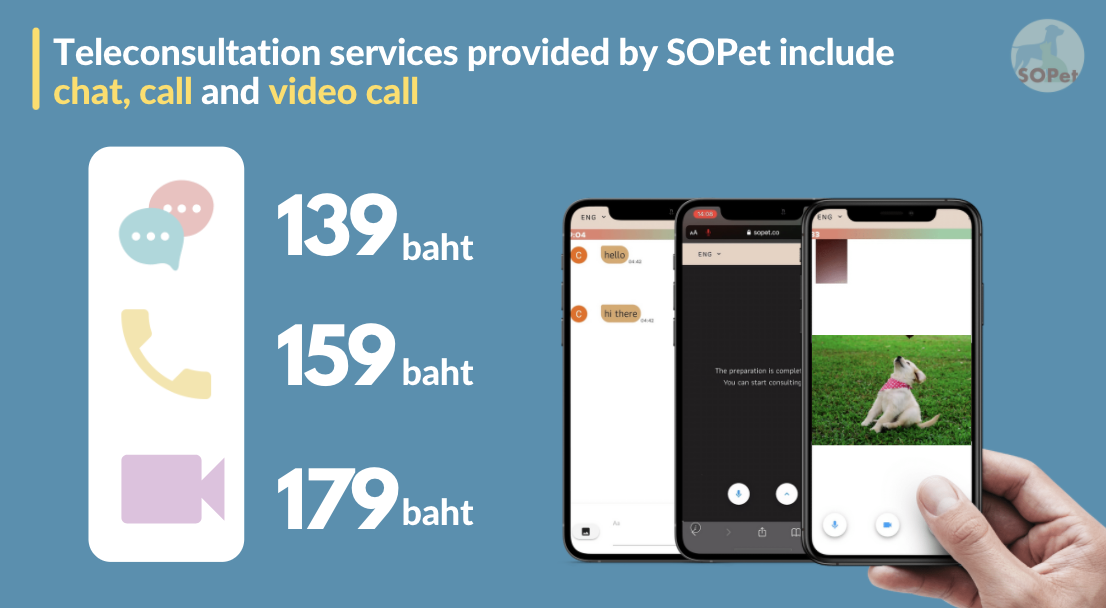
Service Features
-
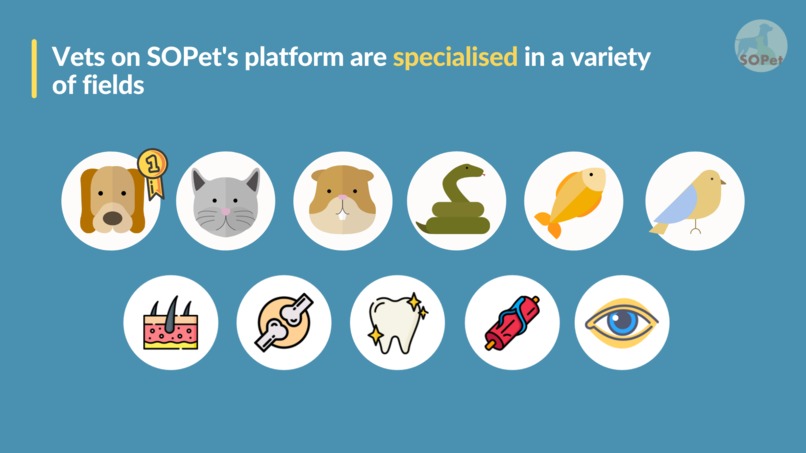
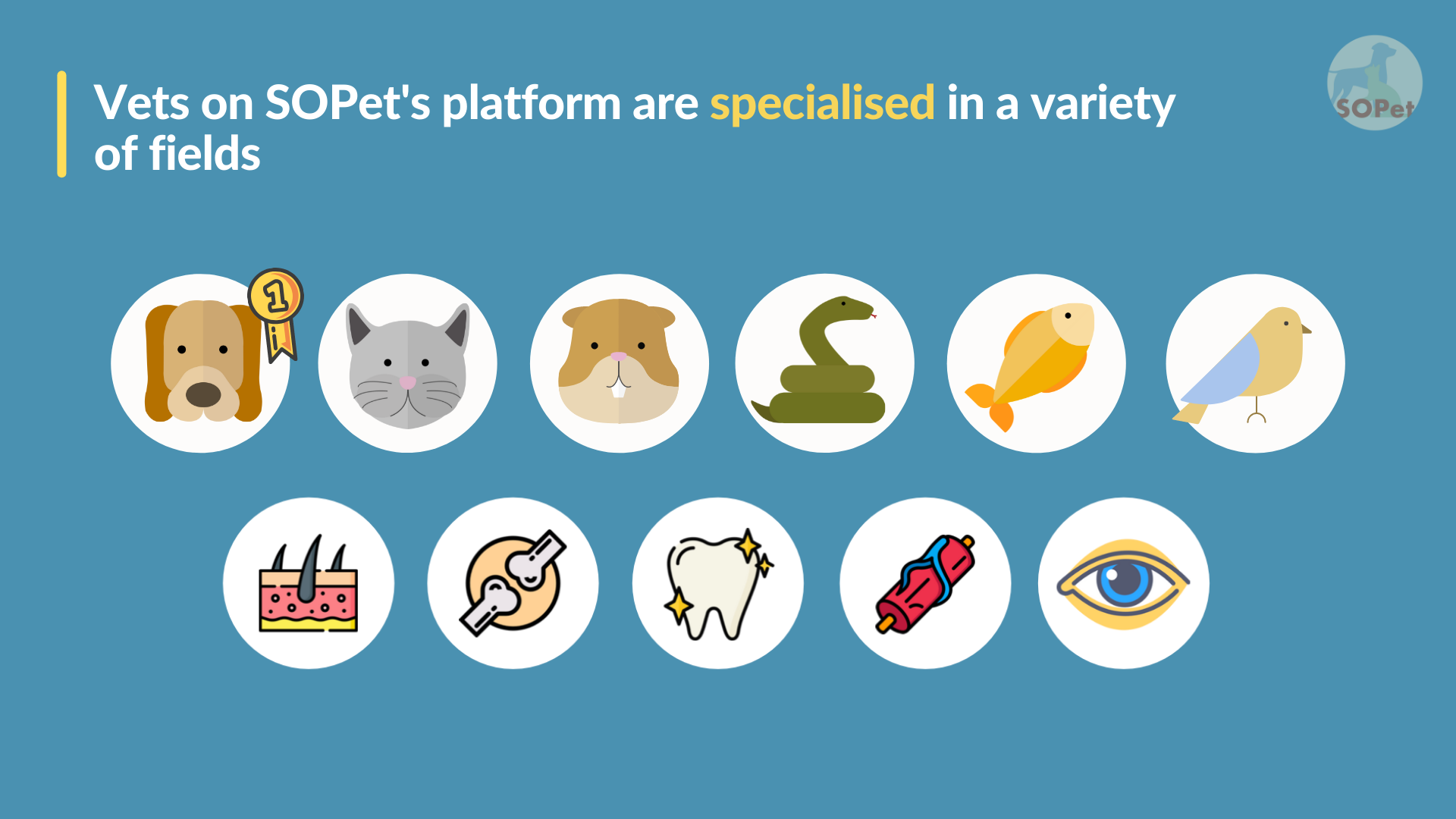
Specialty
-
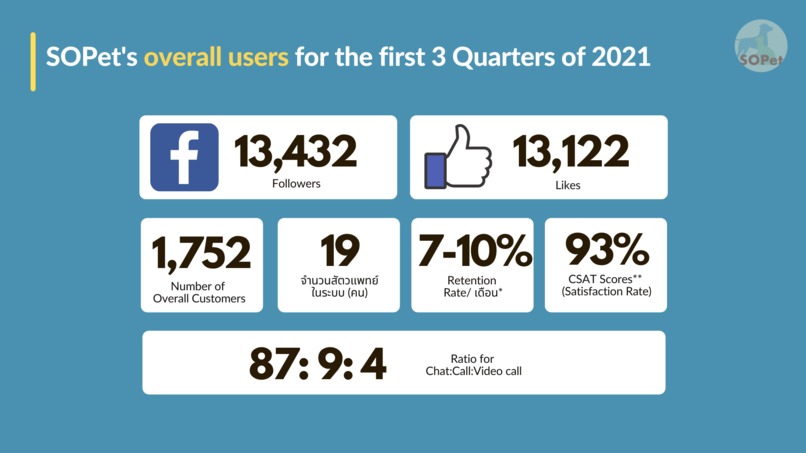
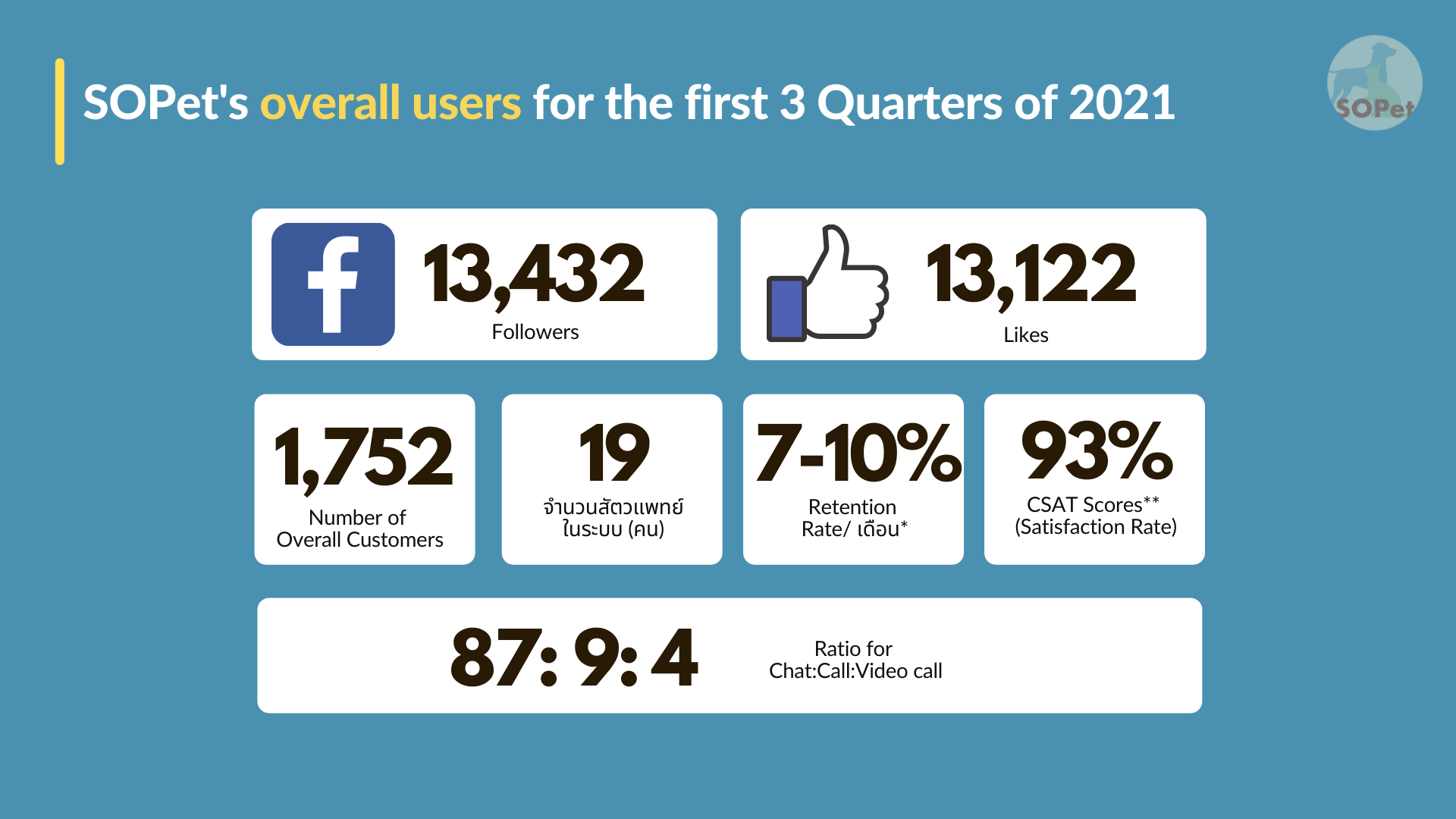
Overall users
-

Achievements
-
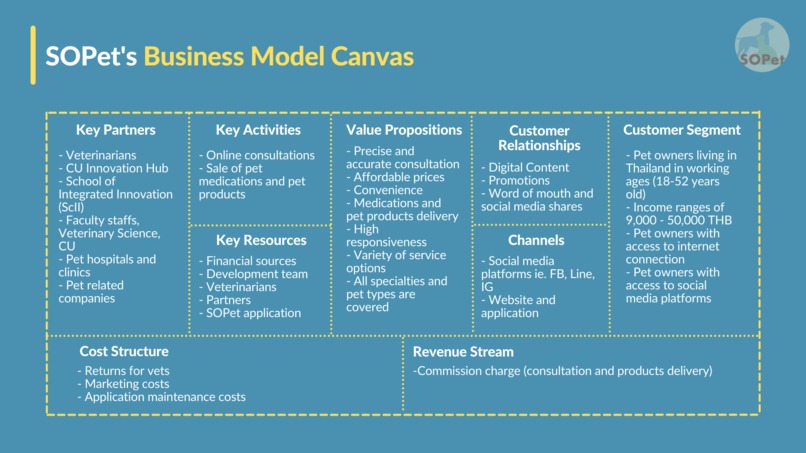
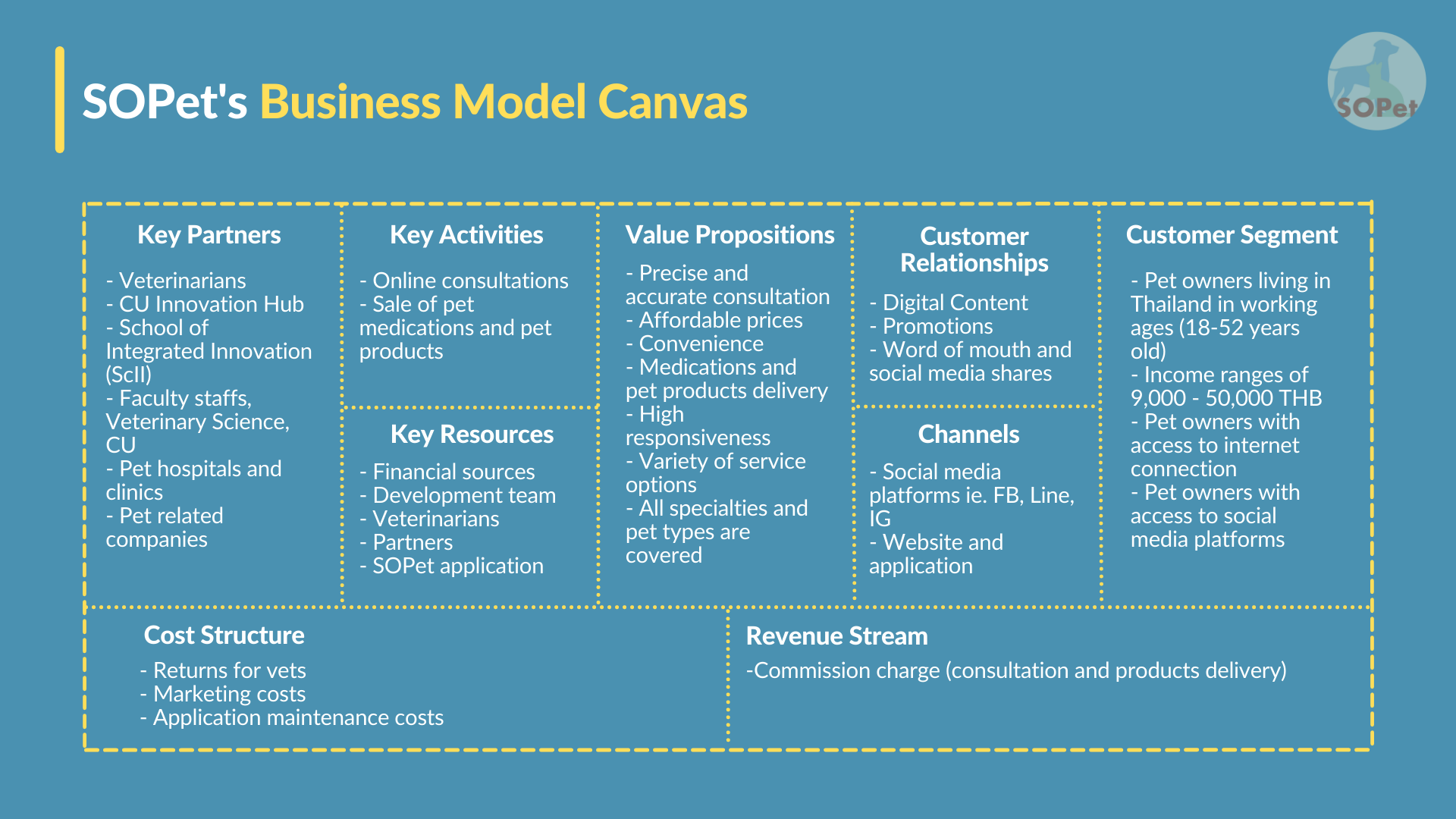
Business model
-
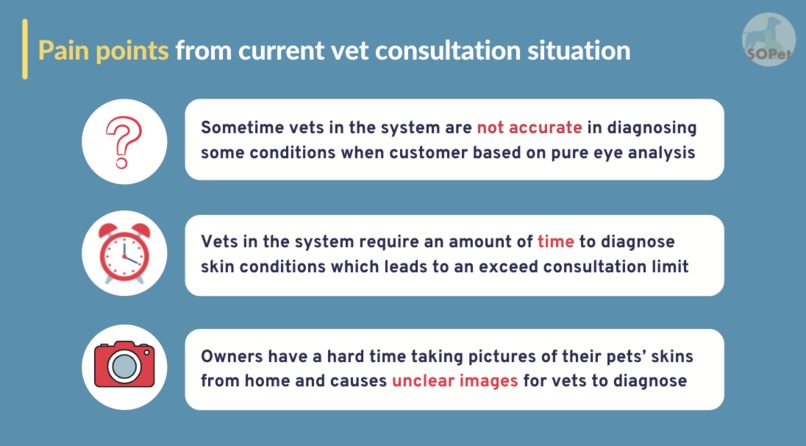
Inspiration
-
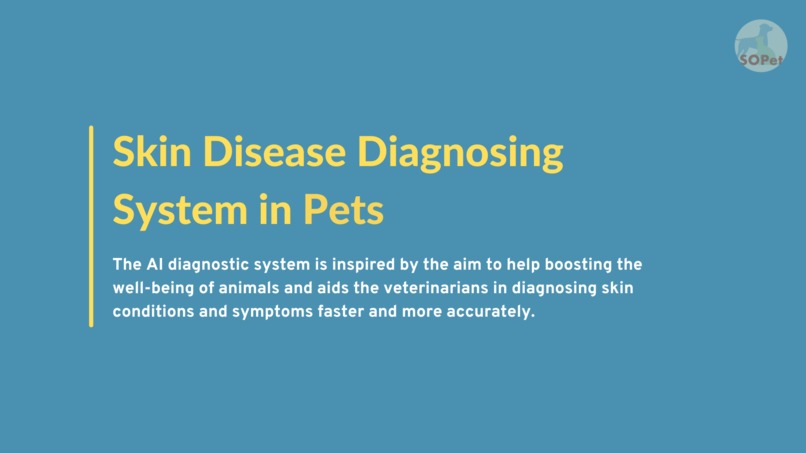
Skin disease diagnosing
-
What the system does?
-
System architecture of SOPet diagnosing system
-
Google teachable machine
-
Challenges and accomplishments
-
What we learned?
-
Our next step
-
Required tool
-
Demo
-
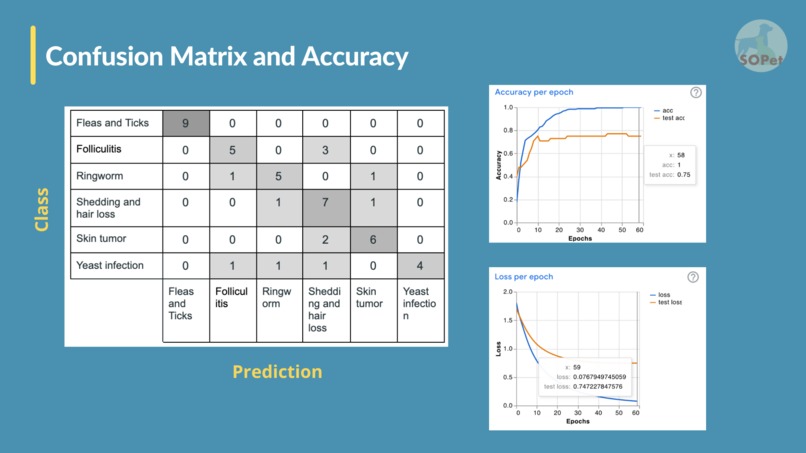
Confusion matrix and accuracy


Inspiration
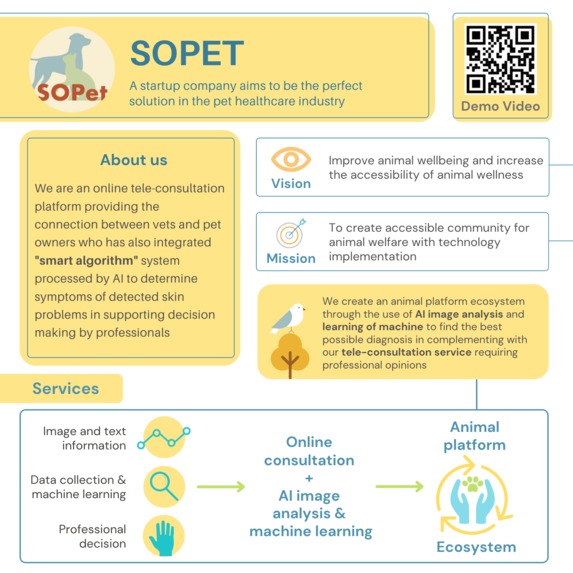
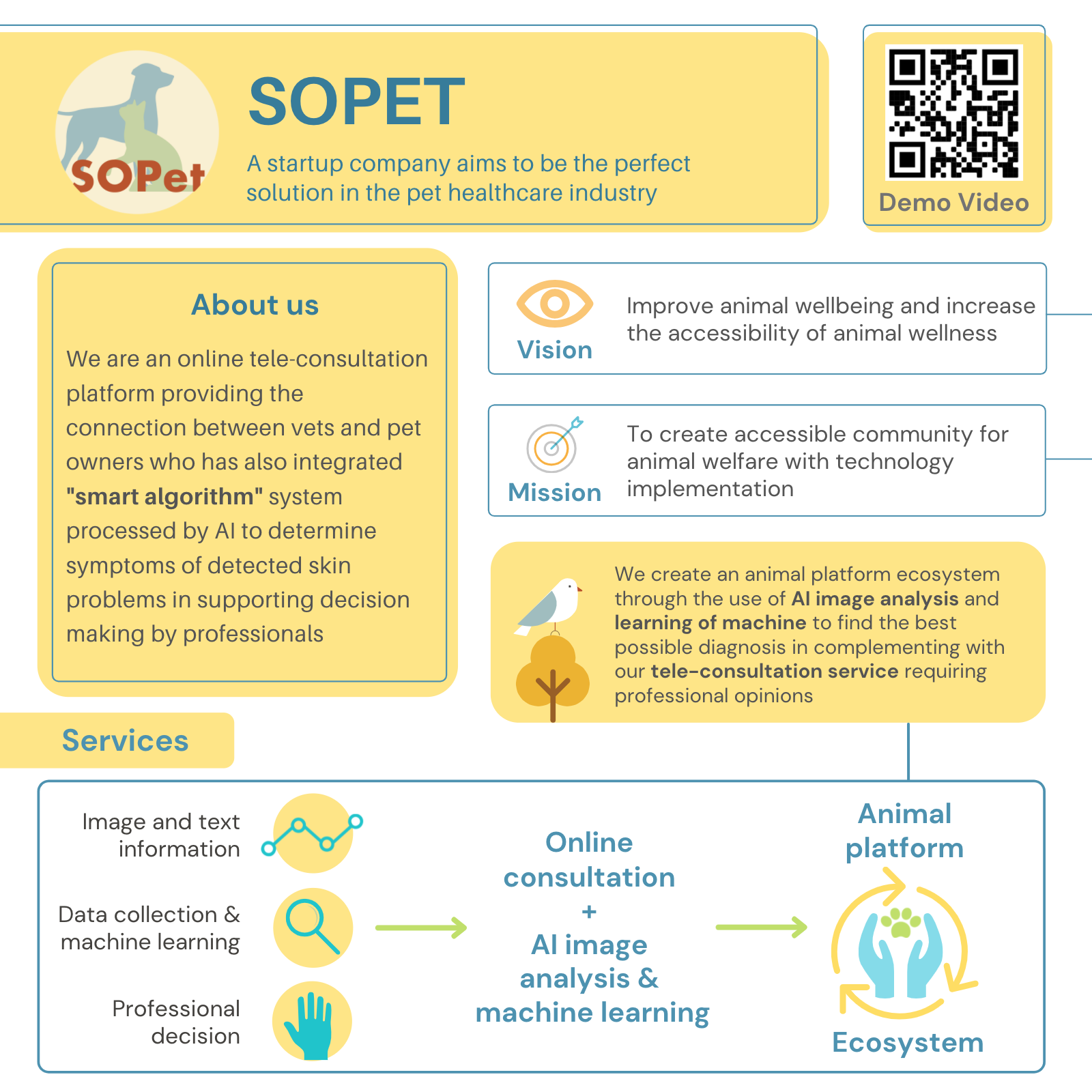
The AI diagnostic system is inspired by the aim to help boost the well-being of animals and aids veterinarians in diagnosing skin conditions and symptoms faster and more accurately.
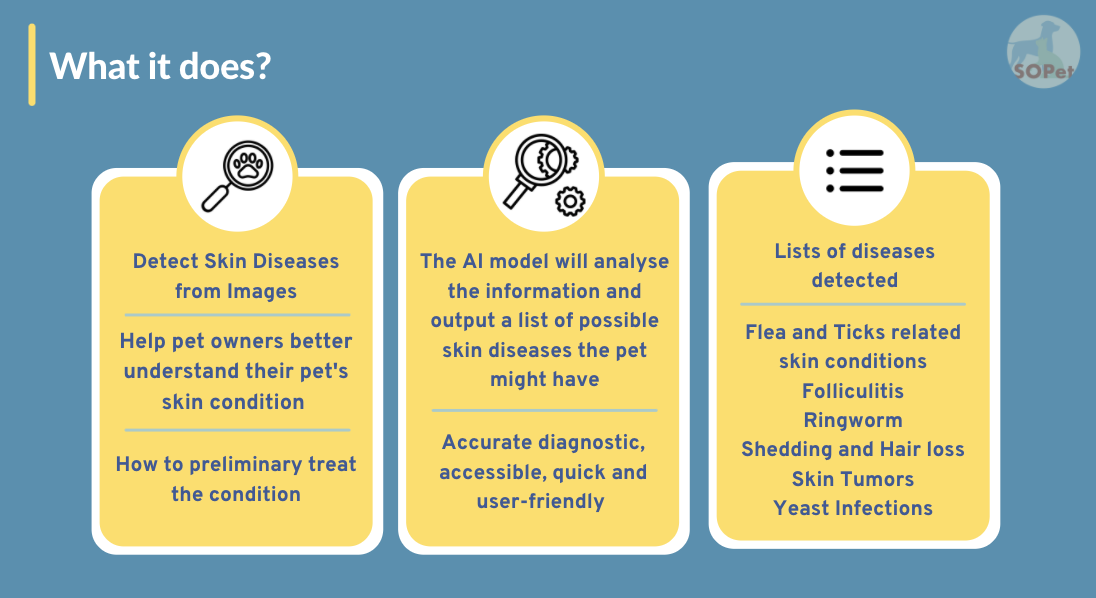
What it does
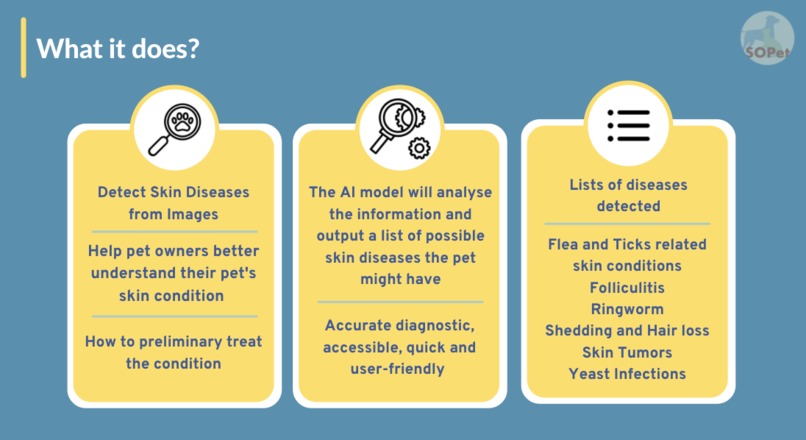
- Detect skin disease in cats and dogs from images
- Help pet owners to better understand their pet’s skin condition and how to primary treat the condition
- Pet owners can use their phone’s camera to take images of their pet’s skin and answer a few questions. The AI model will analyze the information and output a list of possible skin diseases the pet might have
- If pet owners have further questions or need more clarification on the predicted result, they can access the external link sopet.co to consult with our vet in the system.
Accurate diagnostic, accessible, quick, and user-friendly
Lists of detectable diseases:
Flea and Ticks related skin conditions
Folliculitis
Ringworm
Shedding and Hair loss
Skin Tumors
Yeast Infections
How I built it
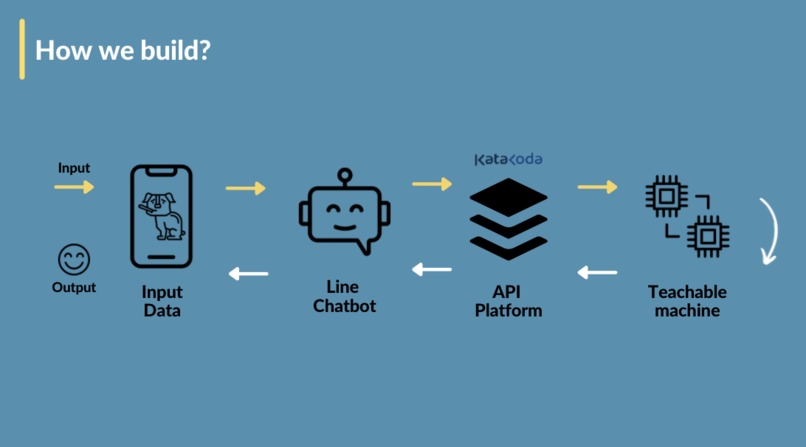
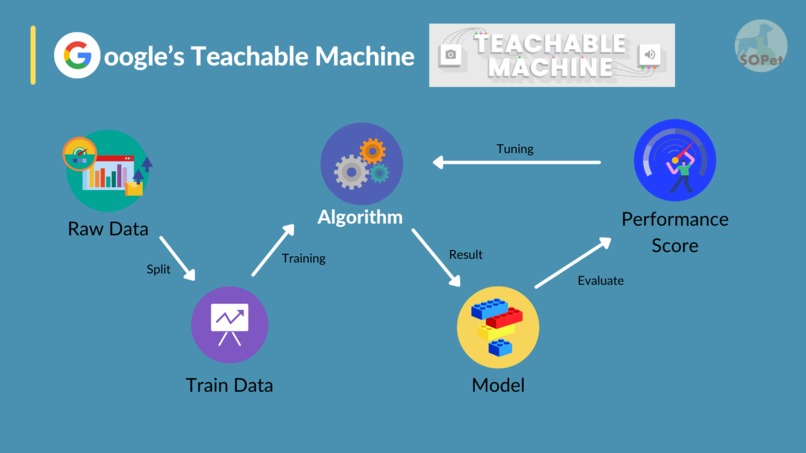
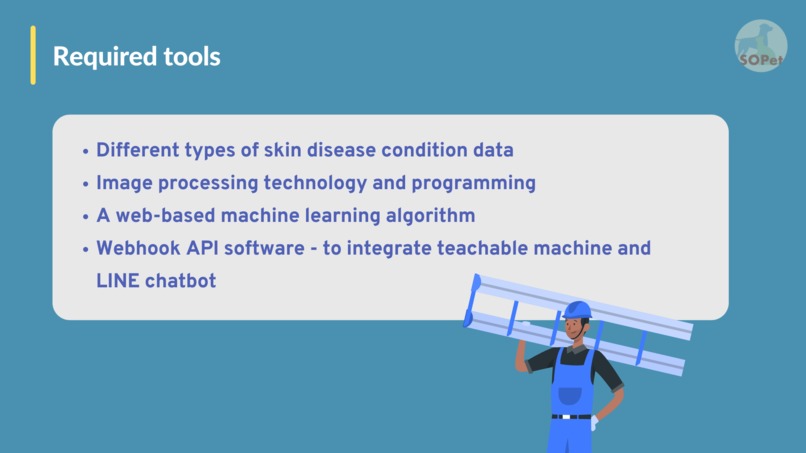
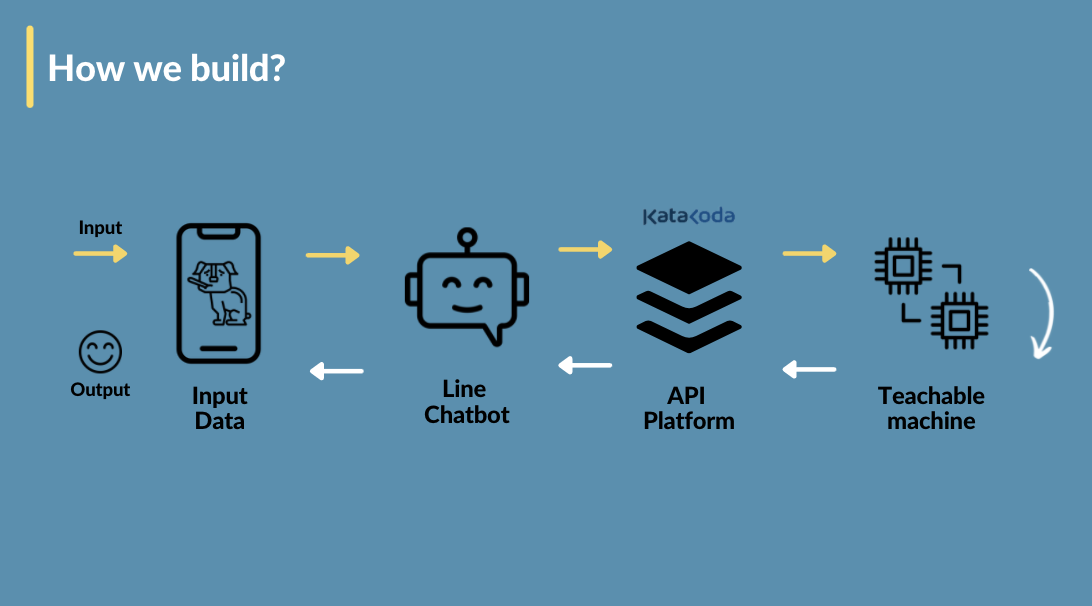
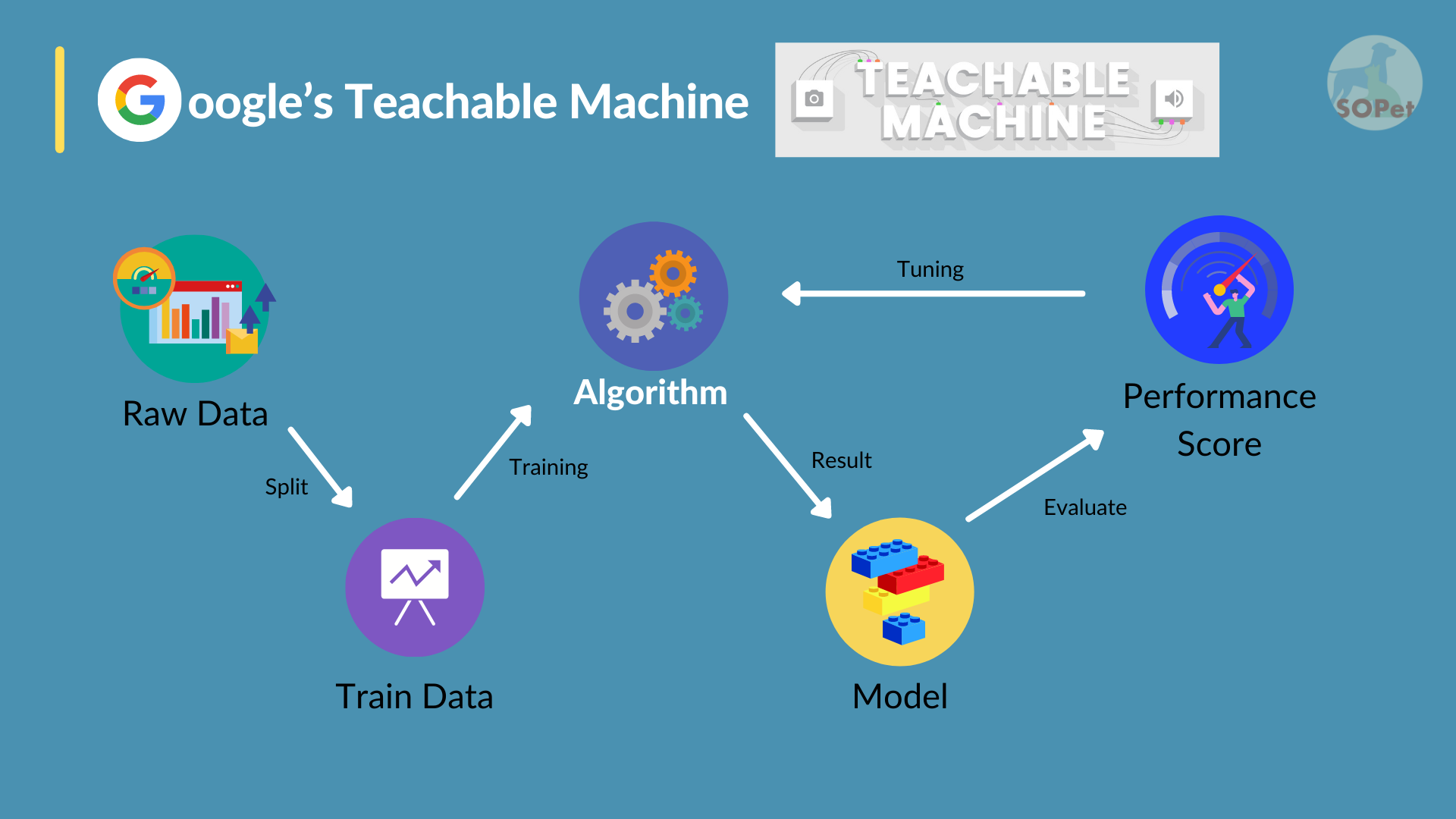
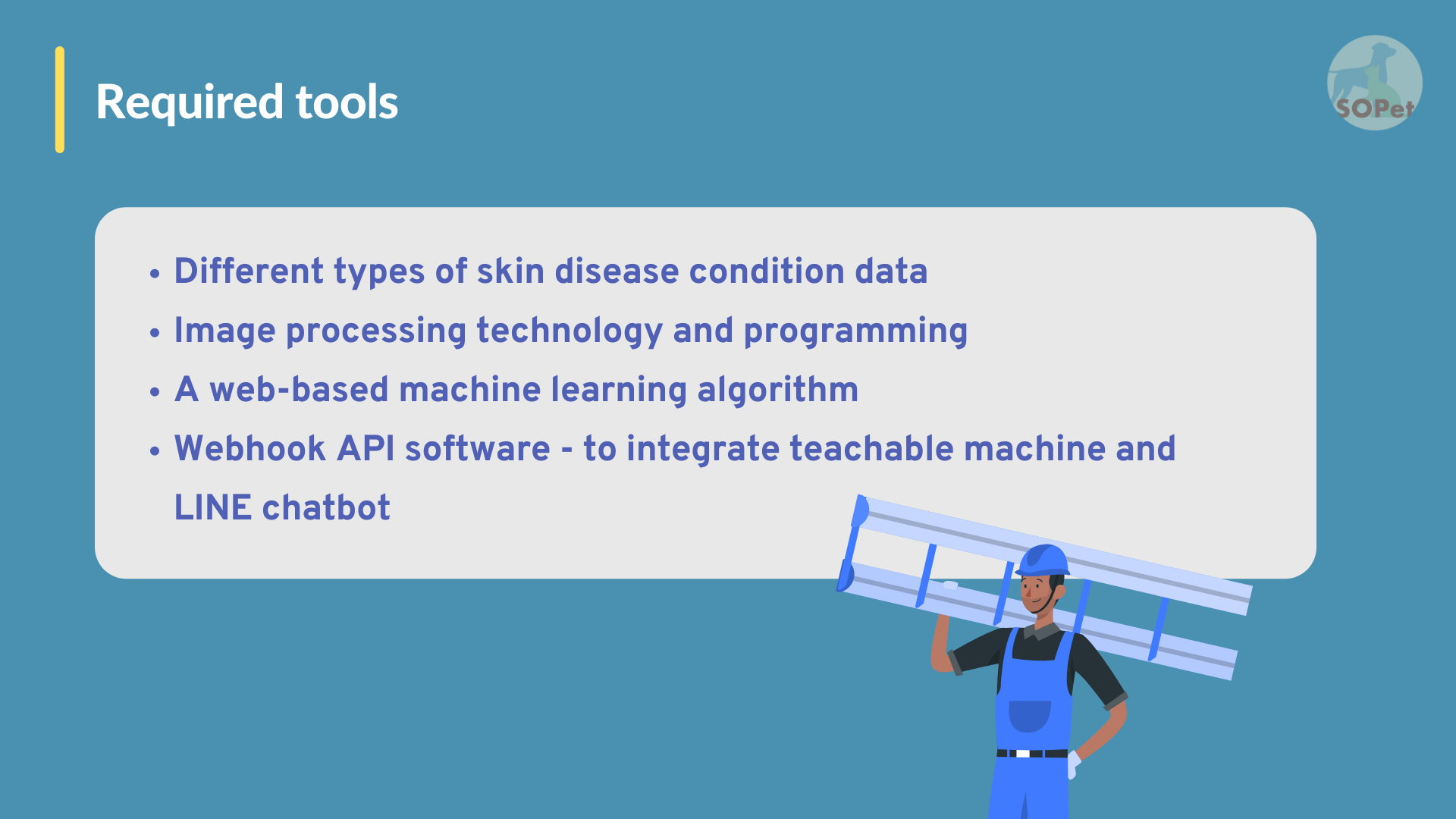
Gathering all images of 6 diseases (50 images per disease) from the internet sources such as medical articles and other reliable sources then we trained those figures by using a deep learning algorithm embedded in the teachable machine and reduce an error function by using parameters like learning rate and epochs then we utilize the machine learning model to integrate with line chatbot using a webhook URL from Katagoda API software and AI auto-response message in Line Official Account Manager site. After that the teachable machine predicted the possibility of each disease, it will then be sent to API software, and the software will select the highest possible and send it back to a user as a message of what skin disease is that his/her pet has.
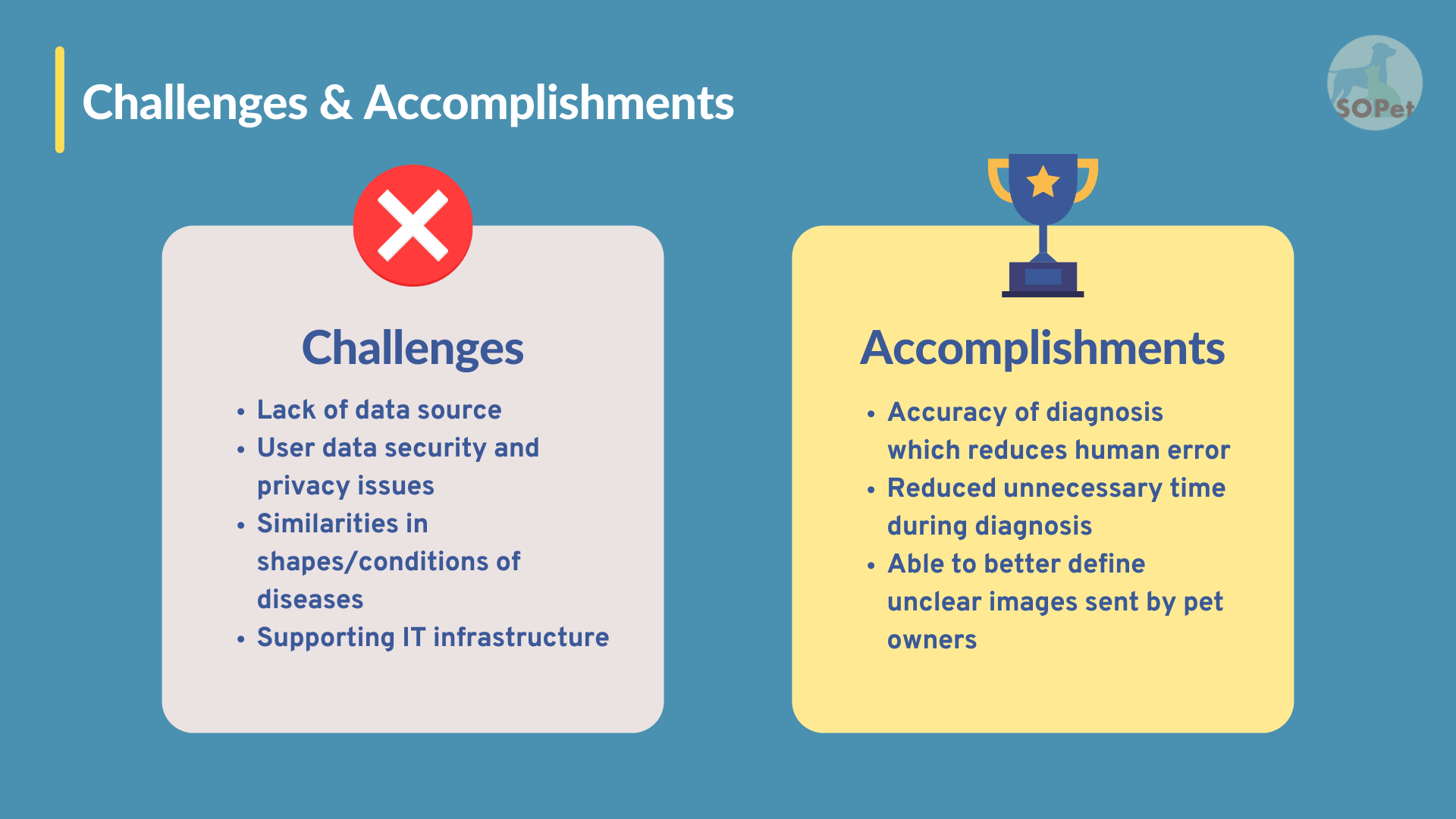
Challenges I ran into
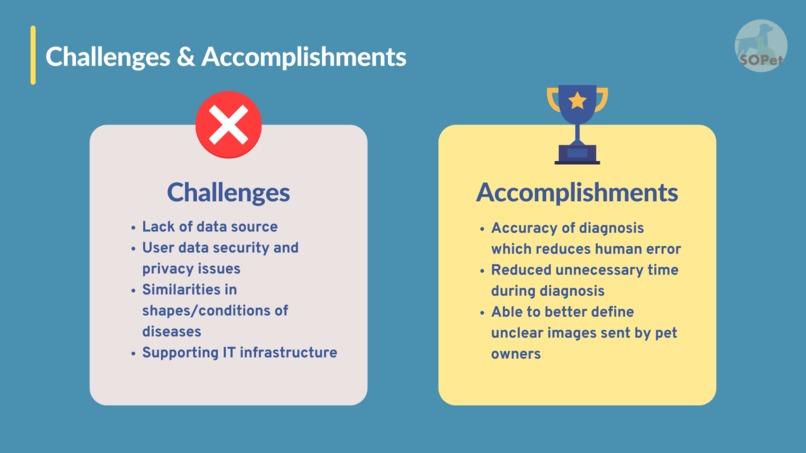
- Lack of data source
- User data security and privacy issues
- Similarities in shapes/conditions of diseases
- Supporting IT infrastructure
Accomplishments that I'm proud of
- Accuracy of diagnosis which reduces human error
- Reduced unnecessary time during diagnosis
- Able to better define unclear images sent by pet owners
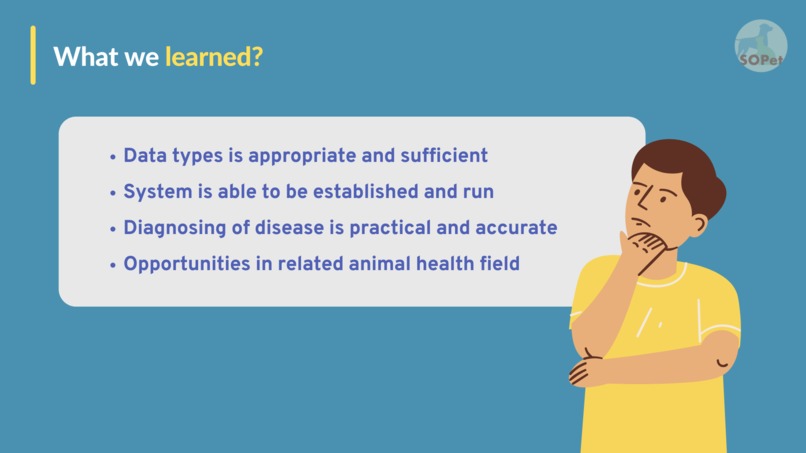
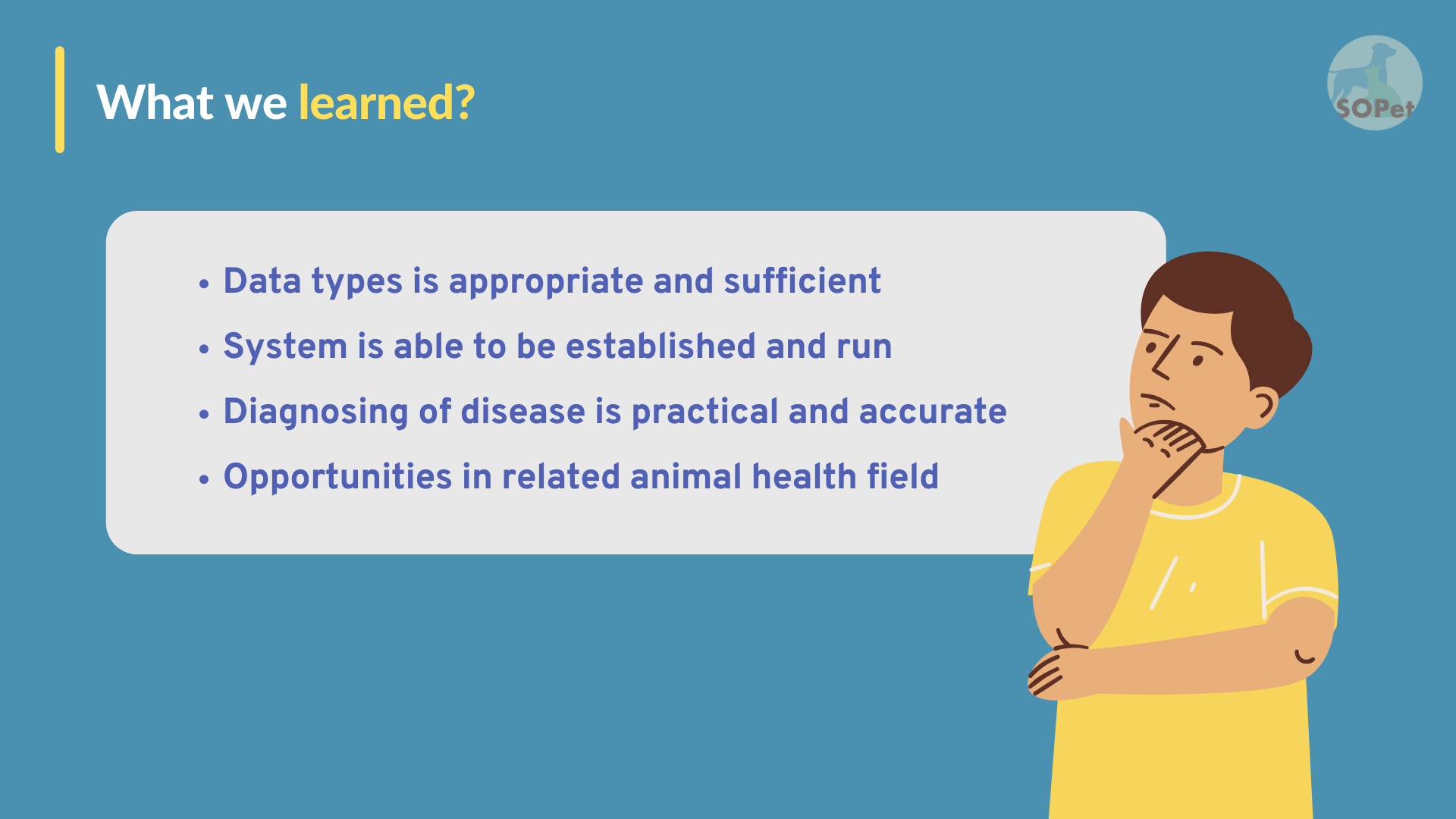
What I learned?
- Data types are appropriate and sufficient
- System is able to be established and run
- Diagnosing of disease is practical and accurate
- Opportunities in the related animal health field
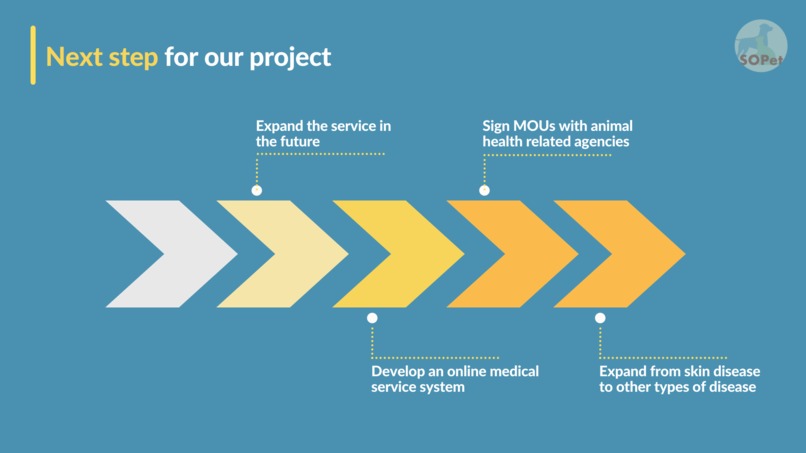
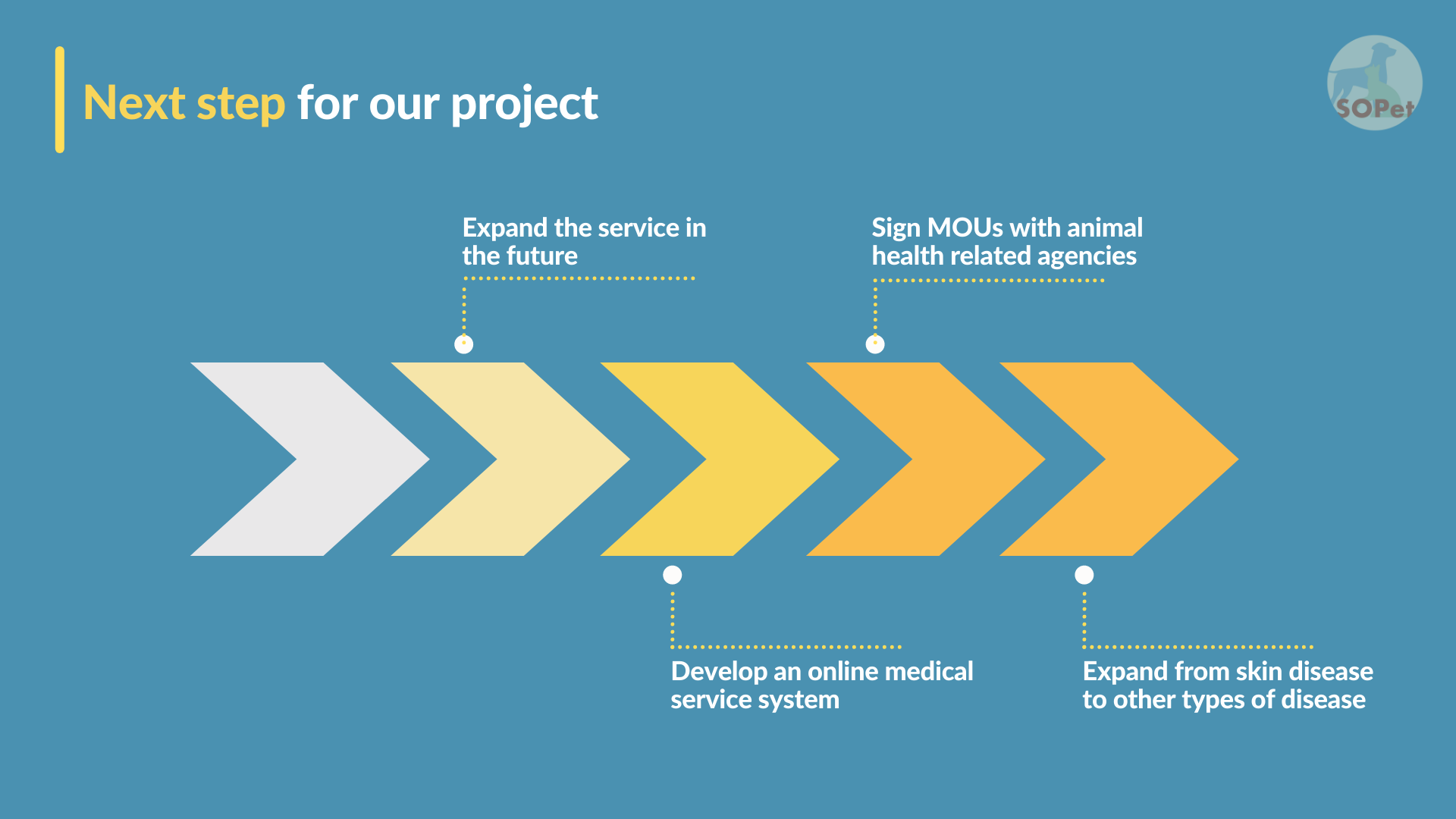
What's next for the SOPet Skin Disease Diagnosing system
- SOPet aims to expand the service in the future
- Develop an online medical service system (Telemedicine) that is top-of-mind of customers across the country
- Sign memorandums of understanding (MOUs) with animal health-related agencies to develop a shared-service platform
- Expand from skin disease to other types of disease and conditions such as eye diseases
How do we train and improve the model?
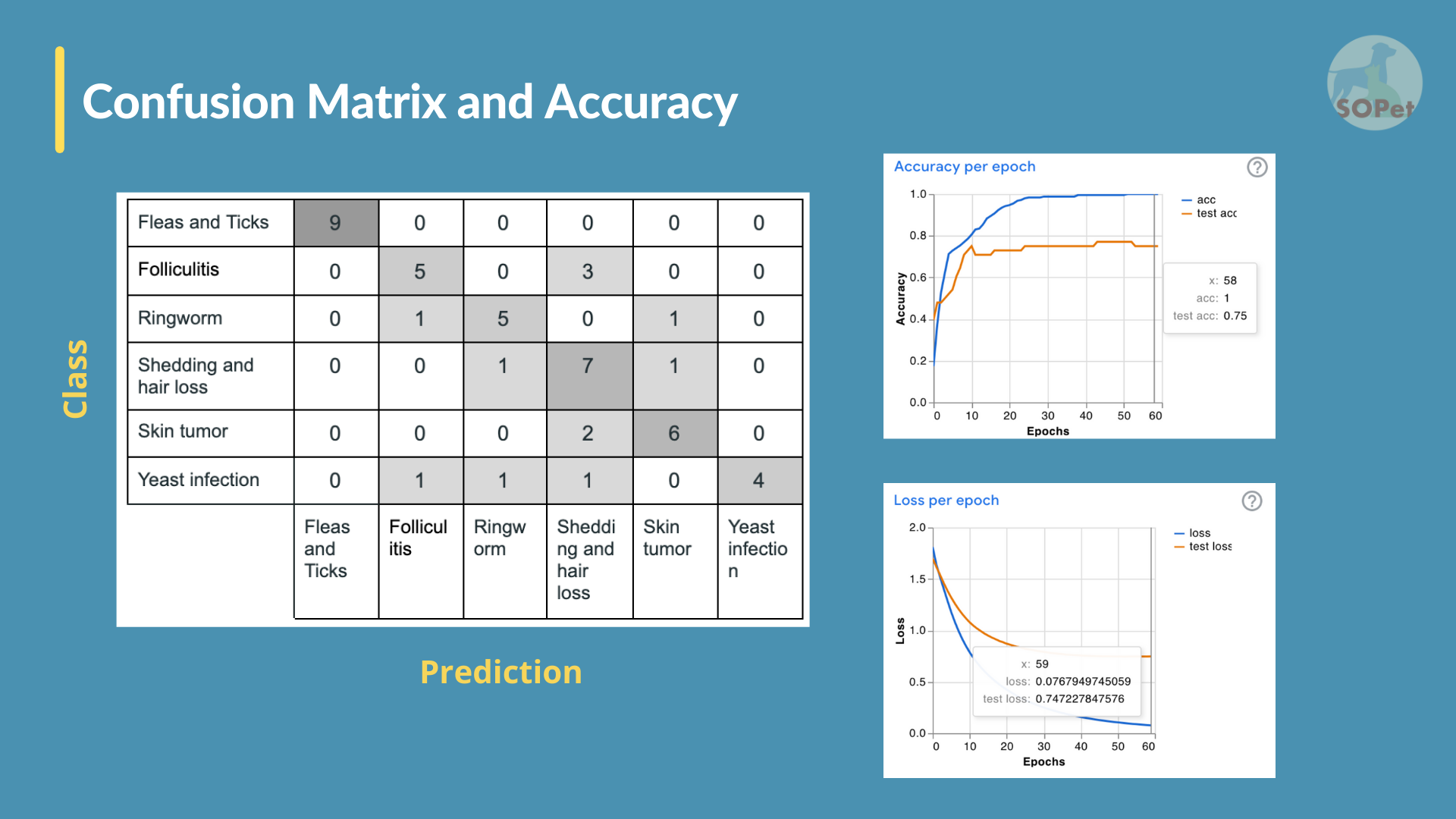
- At first, we gained a result of approximately 50-55% of accuracy per epoch which is quite low and when we compare with a confusion matrix, we found out that there are many false negatives appearing in each disease especially on hair loss that contain similar features as Folliculitis. Then we tried to adjust the parameter on the learning rate and epochs many times until we got the best accuracy of 75% with 2 diseases containing 100% in precision and an increase in the percentage of accuracy in the remaining diseases.
How to improve the model in the future?
- As I mentioned that we faced a problem of insufficient images to train our model precisely consequently, we have a plan to sign MOUs with animal health-related agencies such as vet hospitals or faculty of vets to access the bigger scale of images and also can gain new perspectives from the vet on what features that we should add in order to make effective performance.
Do we utilize this system as a part of our existing service?
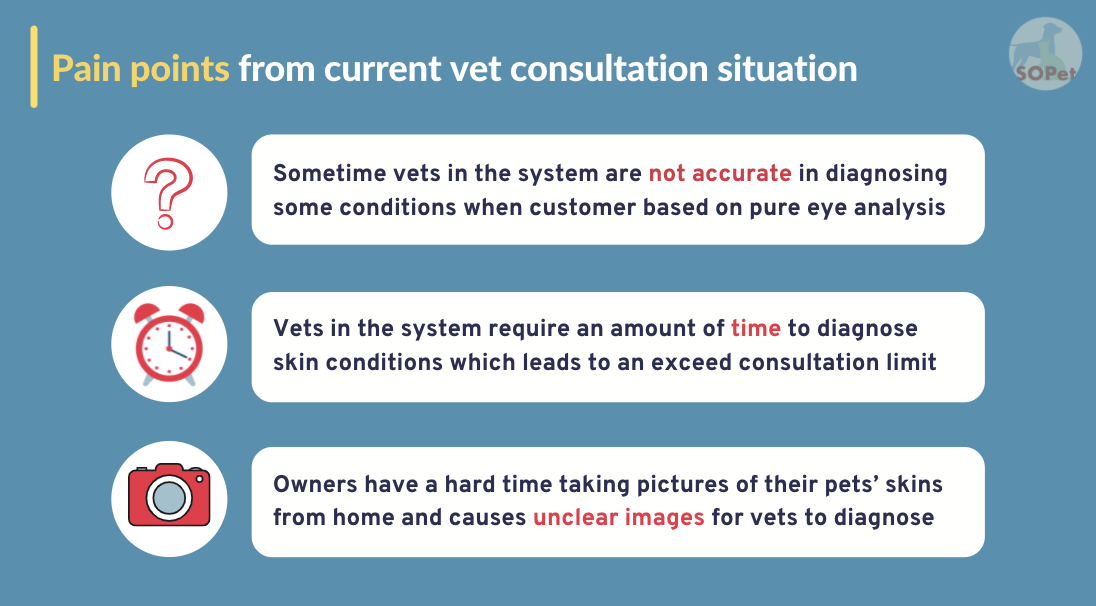
- Definitely, aforementioned that our current service still faced challenges with a time-consuming during consulting due to low quality of an image that our customer sent thus, we think that this is a great opportunity for us to expand our diagnosing system to cover other diseases which will make our services more effective and can use that to be our competitive advantages to become a leader in the pet healthcare industry ultimately.
Built With
- api
- chatbot
- google-teachable-machine
- line


Log in or sign up for Devpost to join the conversation.