-
-
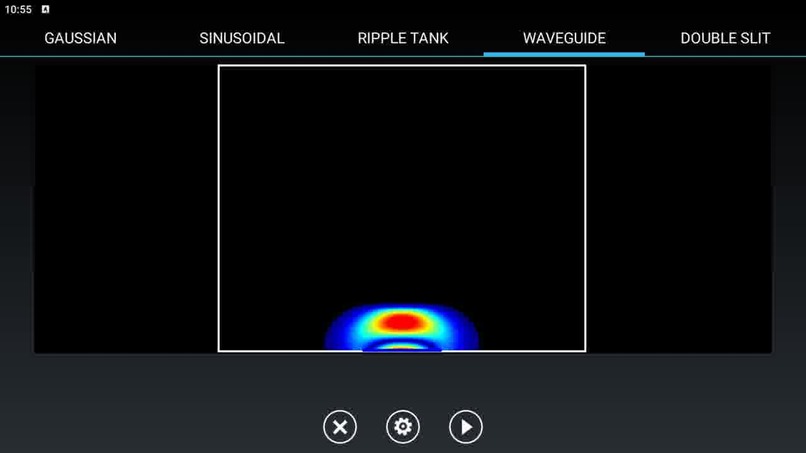
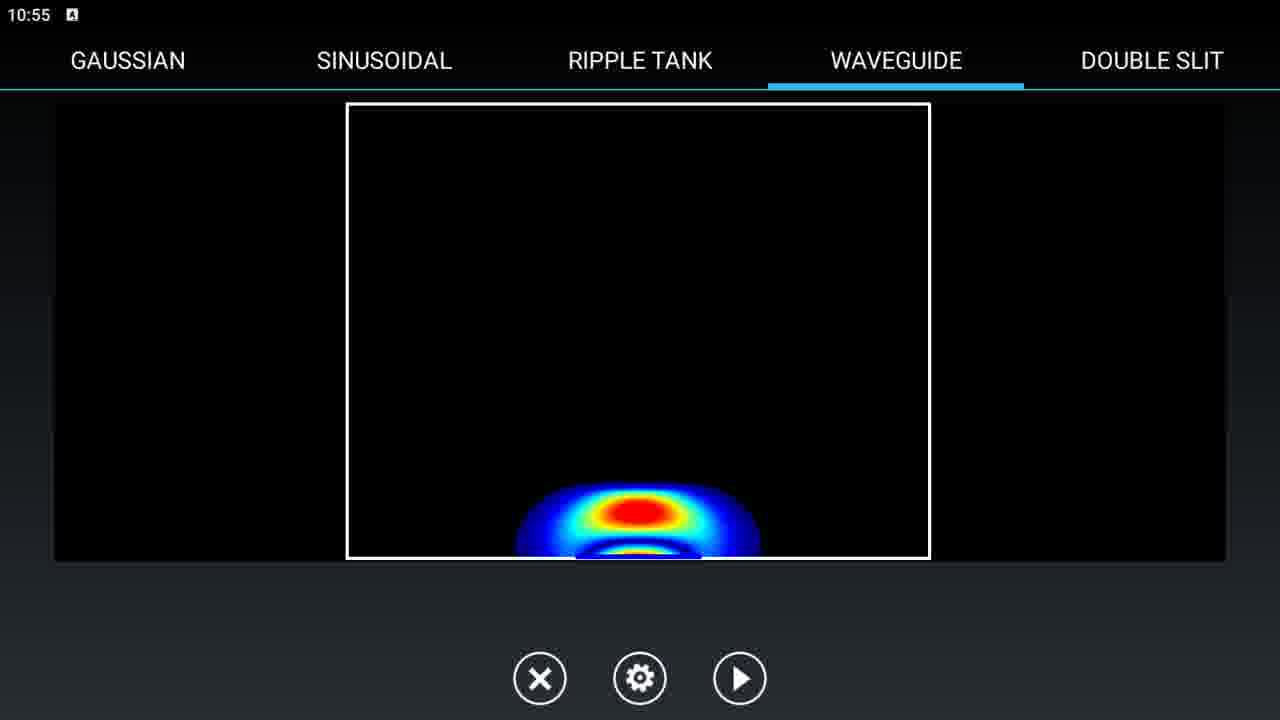
sonar wave propagation
-
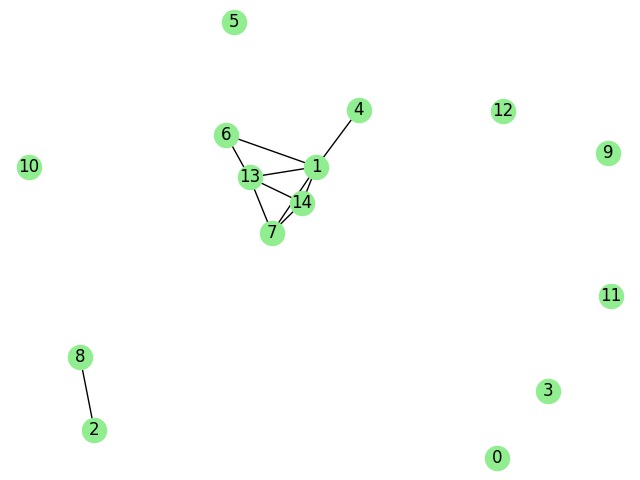
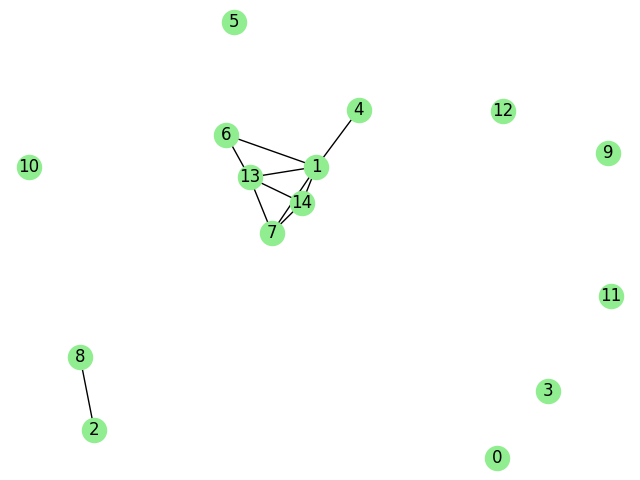
mesh in action
-
topographical
-
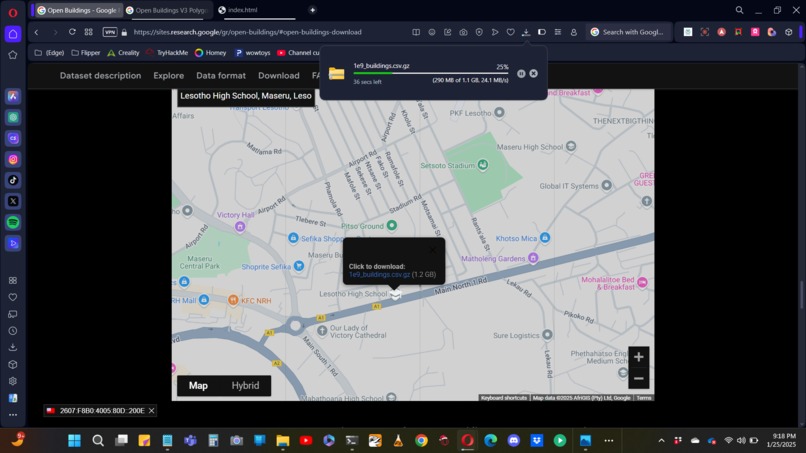
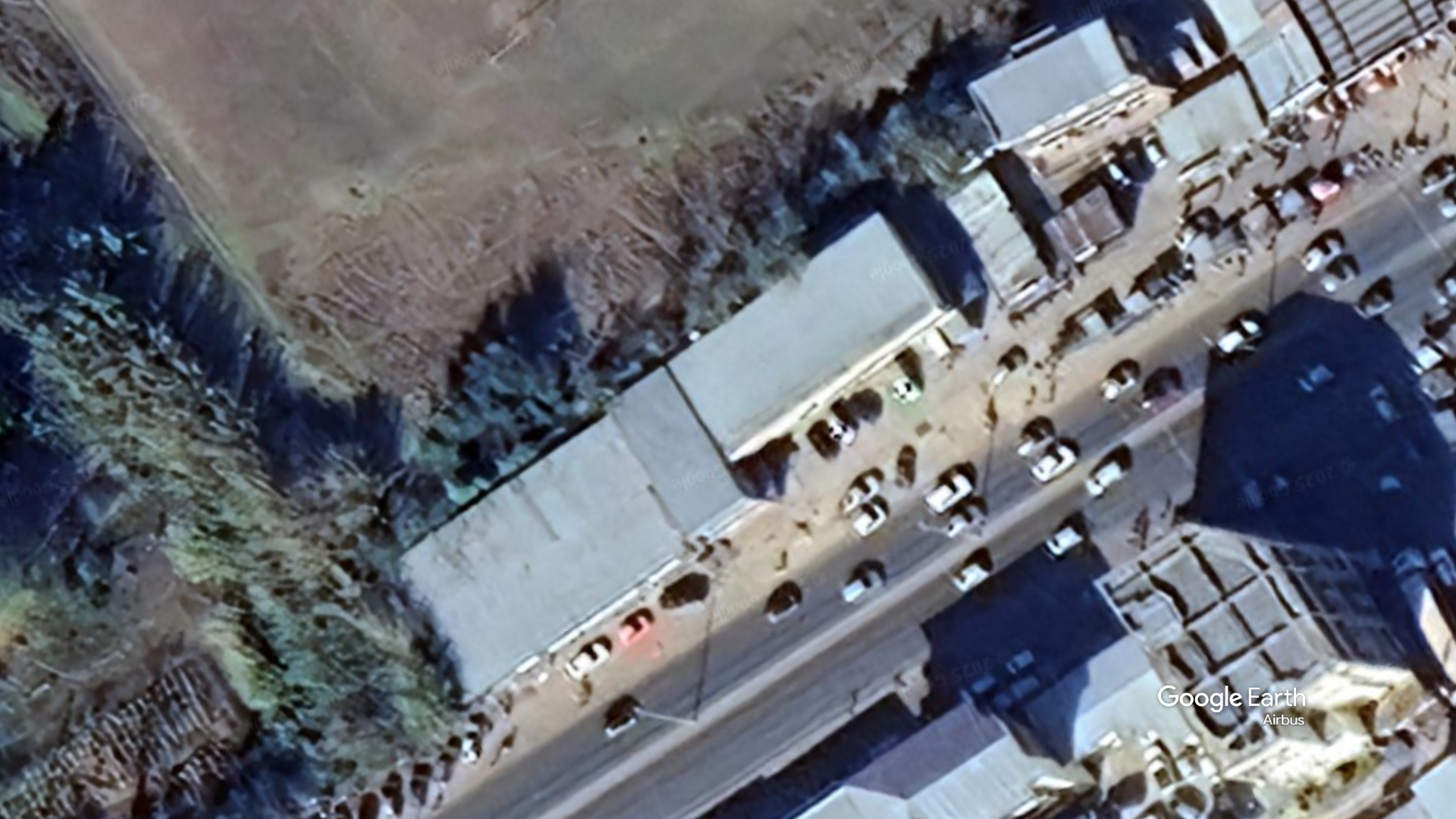
overhead of Lethis HS
-
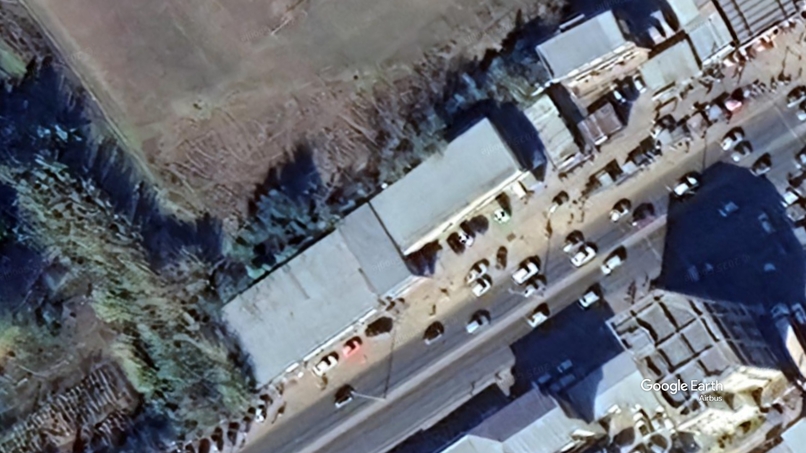
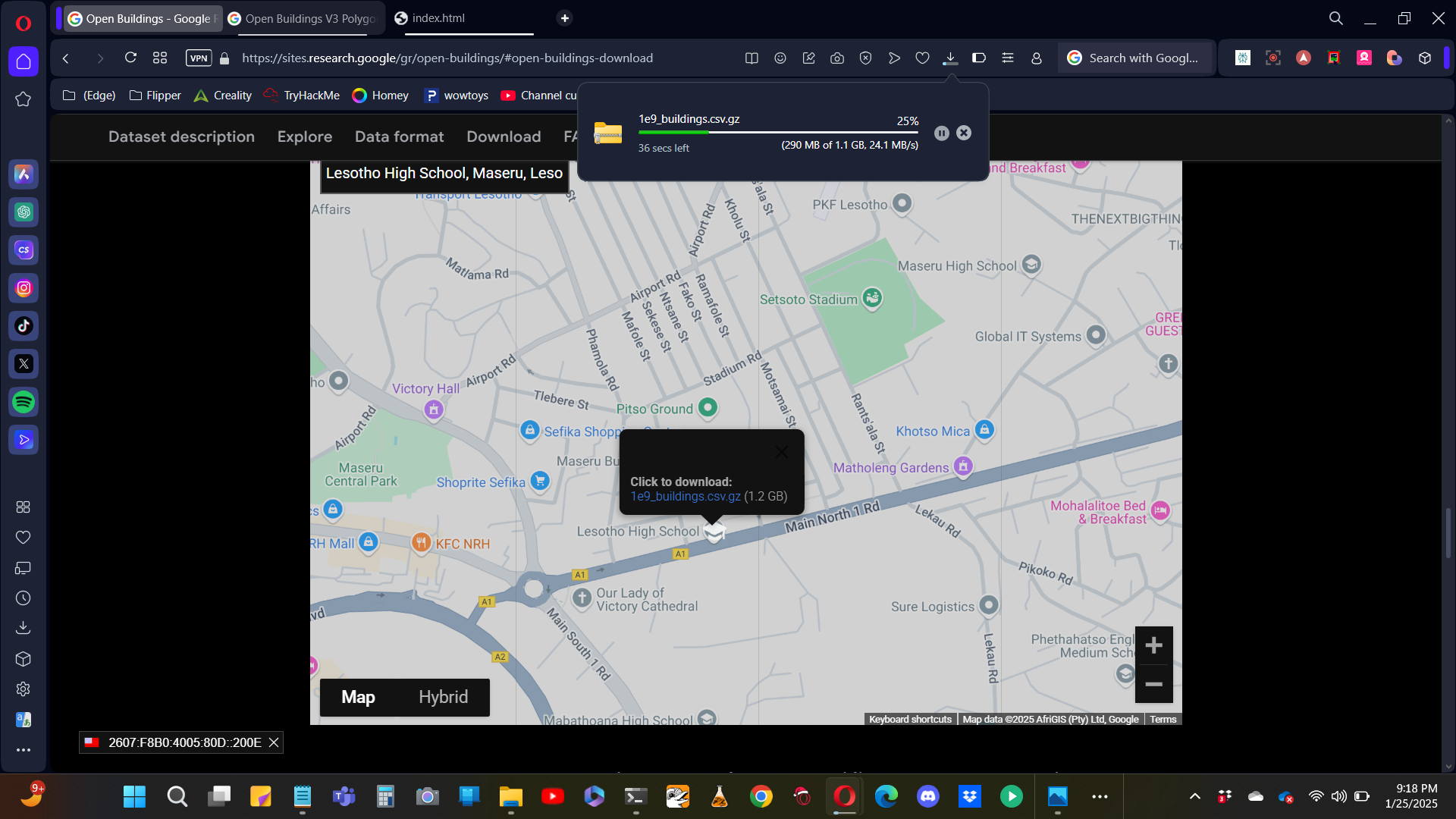
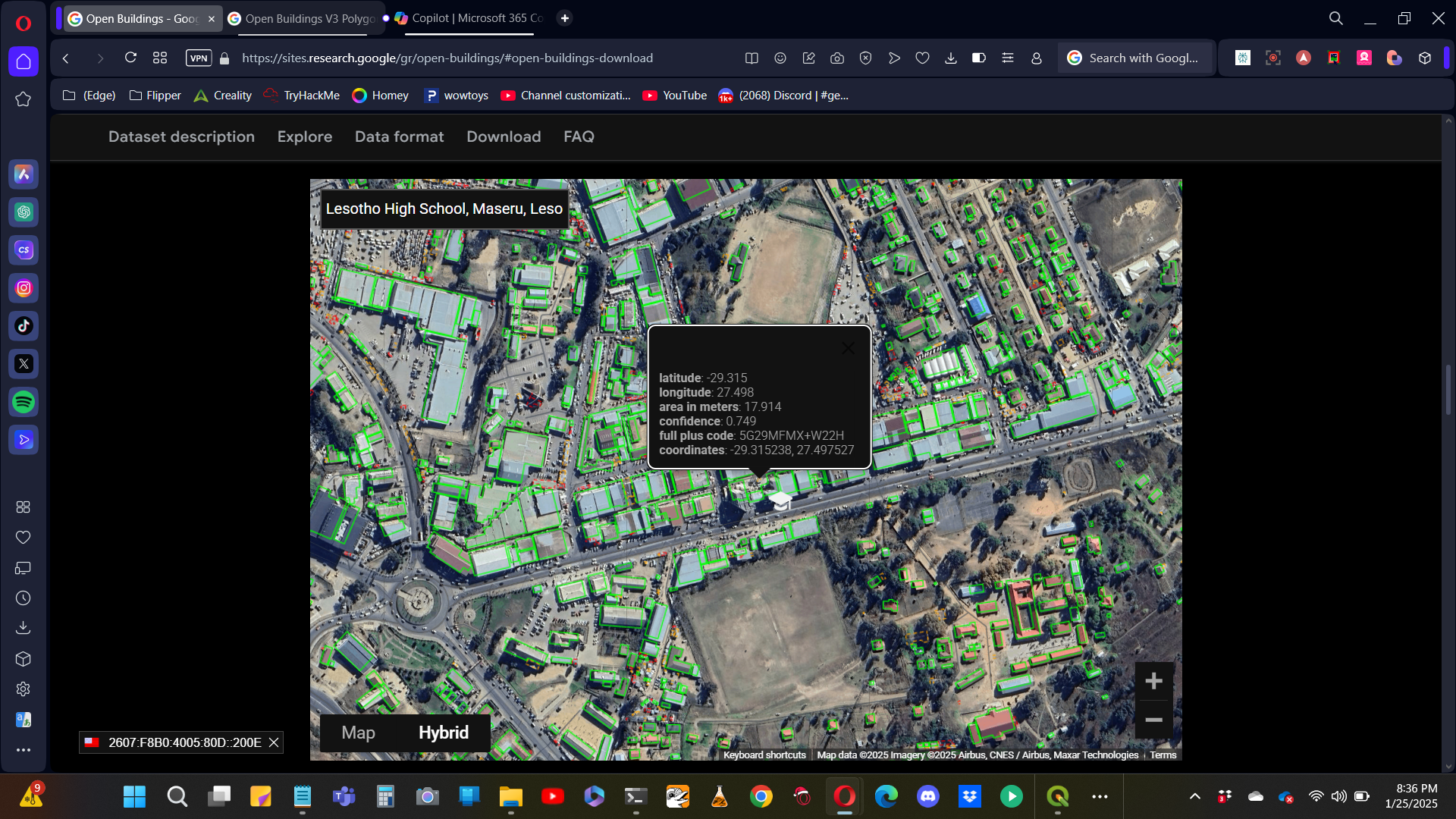
lethos HS real
-
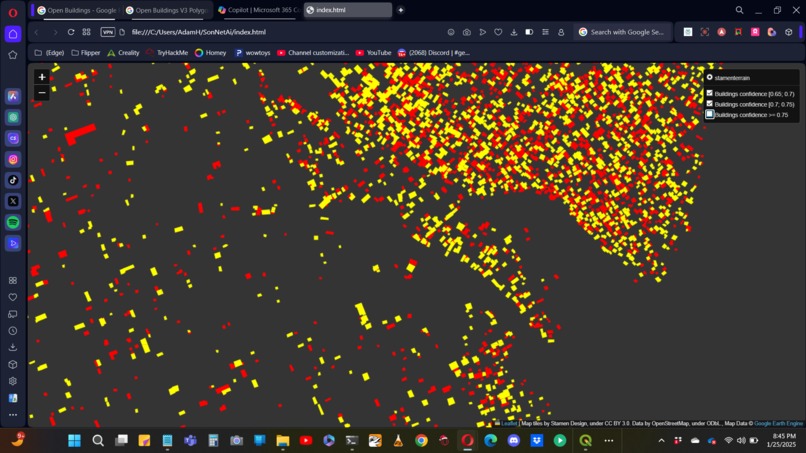
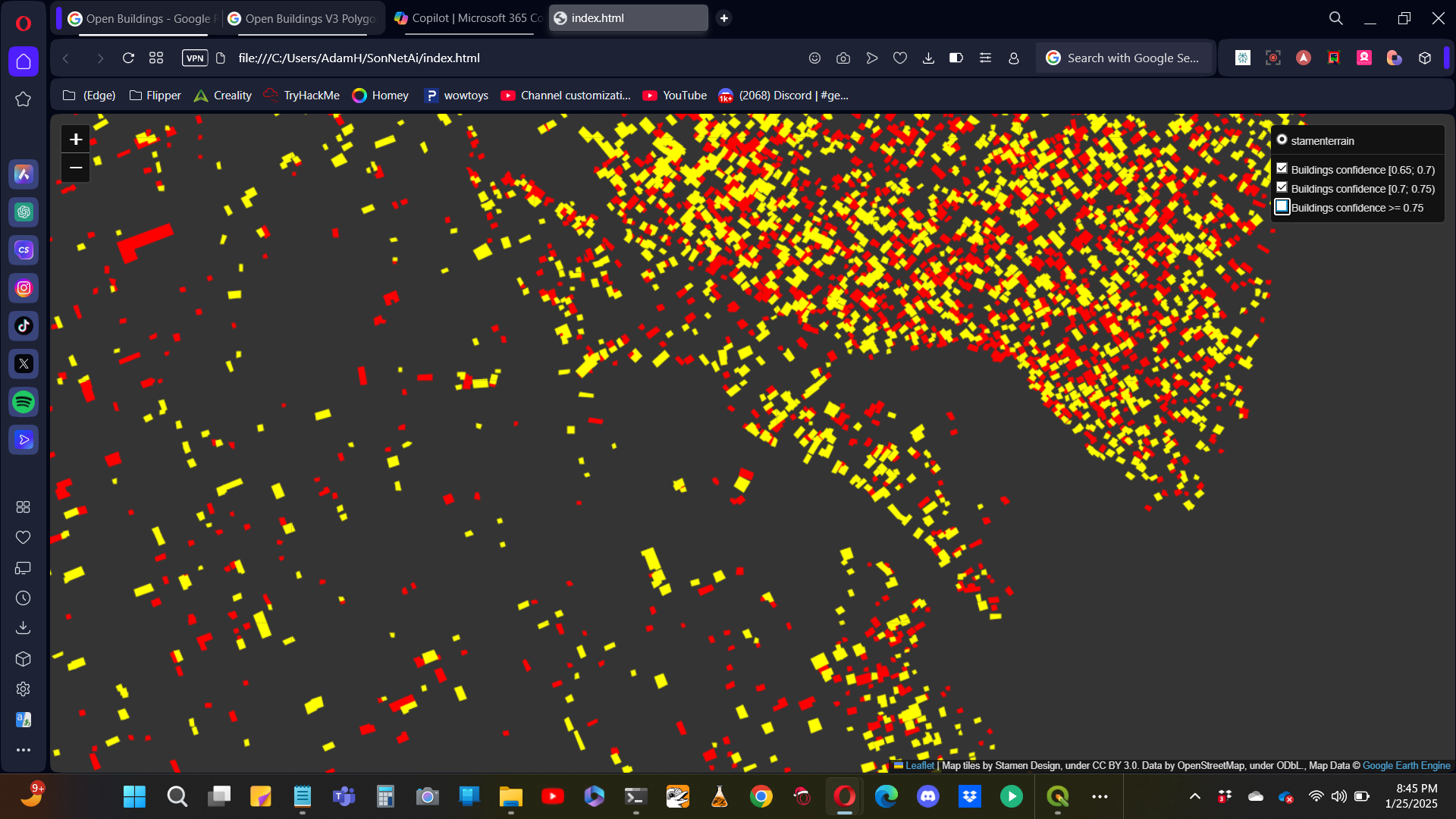
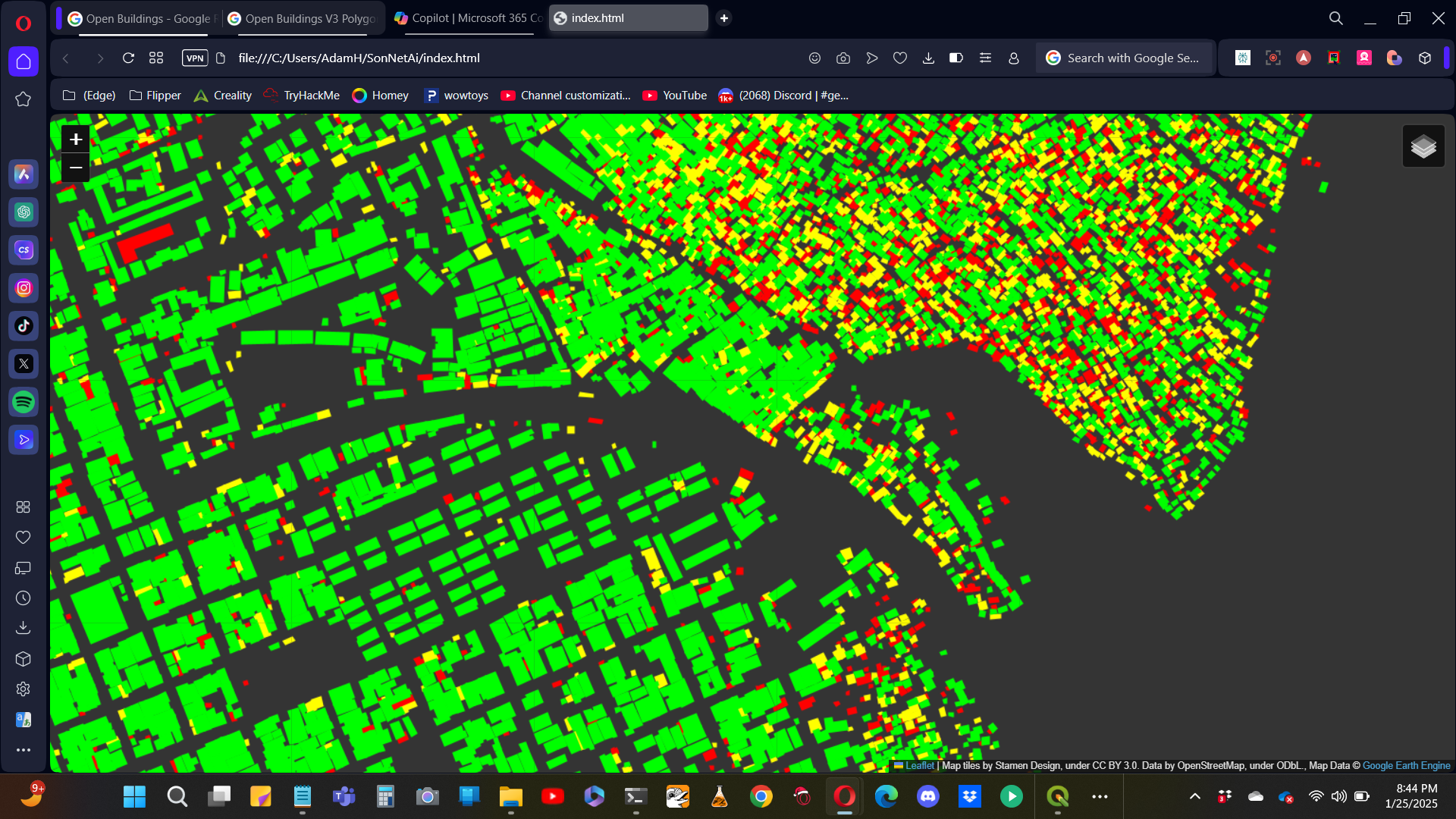
connection loss in HS area
-
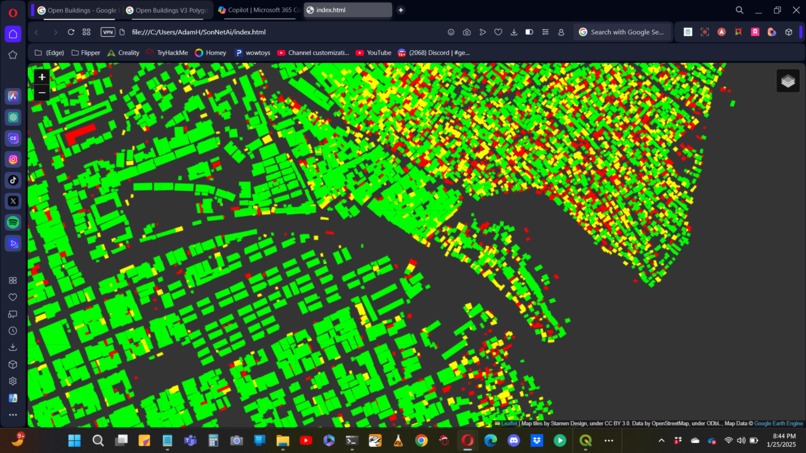
wifi in area of HS
-
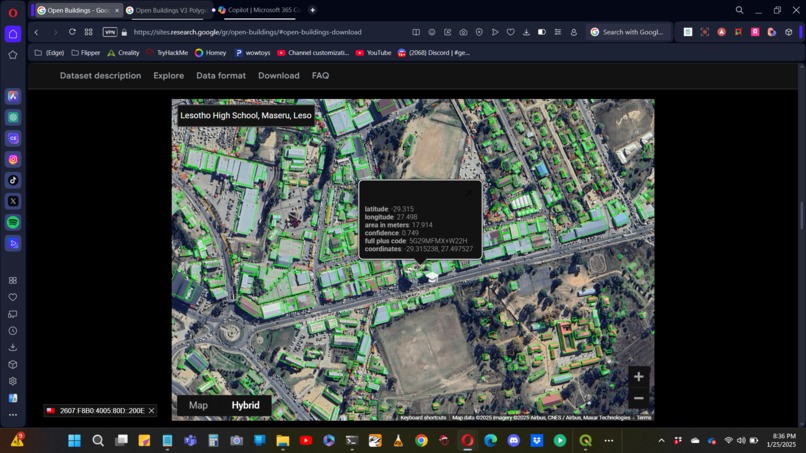
infrastruture
SonNet.AI Project Story
Inspiration
Global Digital Divide:
There are 2.7 billion people worldwide without internet, or at least without reliable means for their children to access it in schools.
The digital divide is one of the most pressing challenges of our time. While urban centers enjoy high-speed connectivity, over 2.7 billion people still lack reliable internet. This limits access to education, healthcare, economic opportunities, and critical information.Firsthand Motivation:
Our inspiration for SonNet.AI came from witnessing this inequality firsthand.
We asked ourselves:
How can we bring connectivity to remote areas without relying on big corporations or expensive traditional infrastructure?
The answer emerged in the form of intelligent mesh networks powered by AI.Learning from Pioneers:
Inspired by initiatives like Project Loon and community mesh networks, we wanted to take things further by incorporating cutting-edge AI for real-time decision making.
Discovering Perplexity's SONAR API was the missing piece—an AI system fast and intelligent enough to manage a complex, self-healing mesh network.Personal Connection:
For me, this was personal: I was a SONAR tech in the Navy 23 years ago, and had to wait twenty years for my NDA to expire. Now, serendipitously, I am finally free to speak about SONAR—and just as Perplexity launched SONAR, the timing couldn’t have been more perfect.Hackathon Serendipity:
I only found out about the Hackathon two days ago—having just moved cross-country from Oregon to Florida. Amidst unpacking, I spotted Devpost’s email and was floored.
Perplexity is my favorite AI—I use the pro version daily. But SONAR? It felt like you were personally calling me out. (If you were—follow up, let’s chat!)Contact & Links:
https://www.linkedin.com/in/redhood555/ https://www.astormscoming.com/ https://hihello.me/hi/astormscomingllc
What We Learned
- Lesson Learned:
Honestly? Should have built the entire thing on SONAR API from the start. I was worried about spending the credits too fast. Turns out, SONAR is not just powerful—it’s affordable! It produced a successful SWARM of Autonomous Agents that worked together. Five freaking stars!
Multi-Agent Systems:
Designing a hierarchical agent system where specialized agents collaborate proved highly effective for distributed decision making.Real-Time AI:
Perplexity’s SONAR API showed us the power of real-time AI for mission-critical applications—speed and accuracy made a truly responsive system possible.Geospatial Analysis:
Integrating Google Earth Engine deepened our understanding of how terrain features impact network planning.Resilient System Design:
We learned to implement self-healing, robust architectures in practice.
How We Built It
- The Build:
In just 2.5 days, Aditya & I worked through the night to build this. This was 23 years in the making, and the last few hours were rough—but so worth it.
I was able to make a cool simply manus/flask subdomain UI, but unable to get readings from my coding to the UI. Very frustrating. Nothing seemed to pull it all together, until I engaged with SONAR. Within seconds, SONAR spit out correct, working coding, and it rattled the output extremely fast. Perfect coding, I was able to just take the results given and the UI integrated smoothly.
Foundation:
Started with Flask, used manus for a much needed brainstorming, for backend and frontend visualization.Geospatial Core:
Integrated Google Earth Engine to analyze building density and terrain for network coverage mapping.Agent Architecture:
Designed a hierarchical agent system with roles including:- Orchestrator (central decision maker)
- Terrain Analyst (environmental processor)
- Security Guardian (threat response)
- Encryption Specialist (data security)
- Logical Critic (decision challenger)
- Self-Healing Monitor (repair coordinator)
SONAR Integration:
Connected each agent to Perplexity’s SONAR API, crafting prompts and system messages to empower each specialized role.Interactive UI:
Built a responsive, data-rich interface for visualizing network status, agent interactions, and system health.Testing & Refinement:
Simulated network outages, threats, and congestion to refine the system’s resilience.
Challenges We Faced
Agent Coordination:
Designing harmonious collaboration and information flow between AI agents.Prompt Engineering:
Crafting effective, context-specific prompts for each agent.Realistic Simulation:
Balancing simulation complexity with performance.UI Visualization:
Making a complex, multi-agent system understandable for non-technical users.Integration Complexity:
Managing Google Earth Engine, Perplexity SONAR API, and custom agent orchestration required careful API and error handling.
What's Next for SonNet.AI
- Hardware integration with actual mesh network devices
- Mobile applications for field deployment and monitoring
- Machine learning for predictive maintenance
- Expanded agent specializations for unique environments
- NGO and government partnerships for global deployment
- Open to investors, angels, and funding to scale from prototype to worldwide impact
Final Thought
Connectivity should not be a privilege. With SONAR API powering SonNet.AI, we can make it a right—for everyone, everywhere.
2.7 billion new connections await.

Log in or sign up for Devpost to join the conversation.