-
-
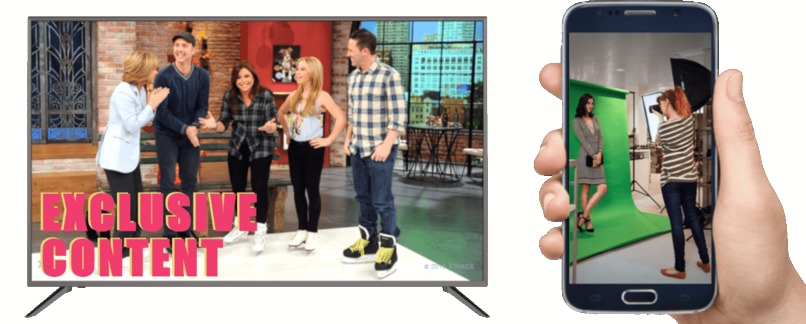
Exclusive Content
-
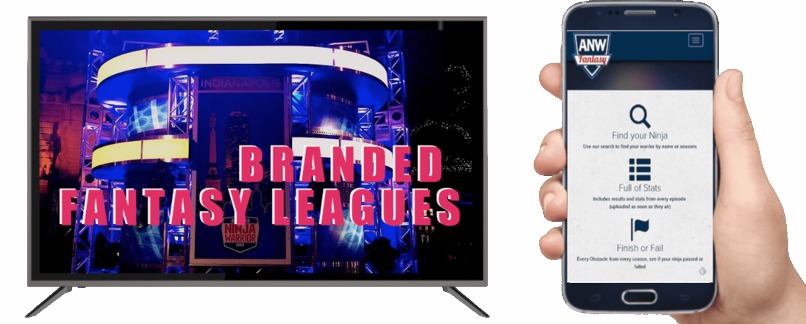
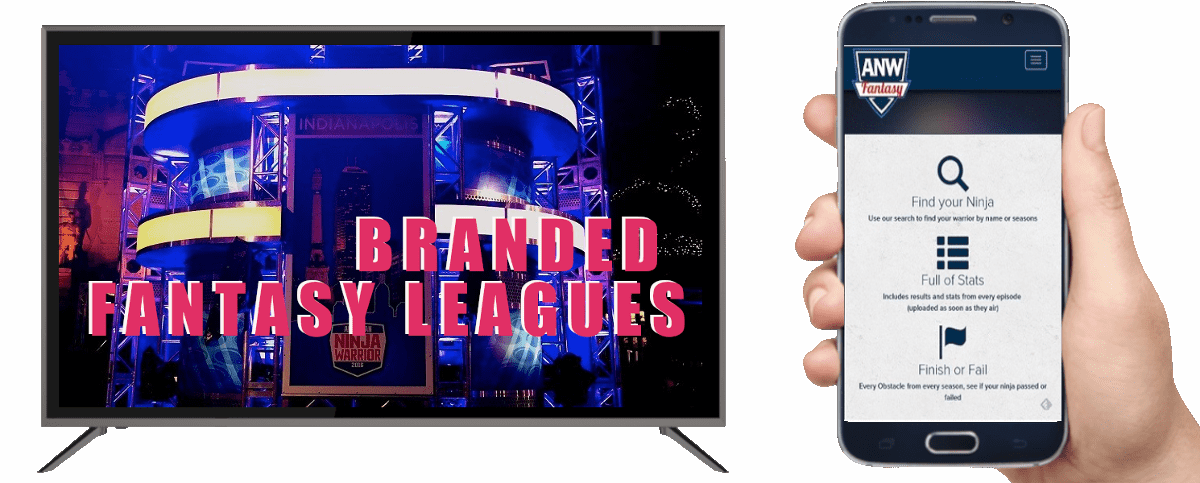
Fantasy Leagues
-
SONIC Tag Logo

Inspiration
The quarantine has brought a lot of disruption for education and the way courses usually go about it. Despite the challenges, we are confident that SONIC Tag will add value to the way teachers and professors alike can interact and develop efficient E-Learning tools and examinations. When we found out about the #EUvsVirus initiative we decided to enter the Pan-European Hackathon and join our efforts in order to roll out an easy and intuitive platform that everyone can use with little effort. We are confident SONIC Tag will make life easier and classes more interactive and captivating for teachers and students across the globe.
What it does
SONIC Tag allows content creators from the kindergarten level to university professors to produce a wide variety of contextual experiences triggered by sound. It works like an audio QR Code recognizable by your smartphone microphone, but inaudible to the human ear. Like Shazam, but only better. In a few easy steps, any producer may add a unique audio code to the content. This will trigger a Second Screen Experience via a mobile App on the student's phone. Teachers now have the ability to provide the best Contextual Experience for the Generation Z, directly on their smartphones, while also monitoring their performance and engagement in real time. We strongly believe this could be a revolution to the way education is done, both in the context of the pandemic with students learning from home, as well as in the classrooms and seminar, once the context will allow it.
Impact
SONIC Tag is a game changer in terms of monitoring the students’ learning process. Supervisors can insert SONIC Tags inside the content and monitor if the student is paying attention by asking questions from time to time the students can answer directly on their smartphones.
Online interactions between teacher and students and group learning in general done in a student friendly way. Teachers can easily send Second Screen content directly on the students’ smartphones, ranging from pop quizzes to augmented reality. Students receive contextual notifications with complementary information
Personalised examinations based on student performance are now possible with ease. Tutors can generate random individual tests for each student based on their skills. They can address the needs of those left behind while not losing the interest of the rest.
How we built it
Although it has many possible use cases and applications, we developed SONIC Tag mainly as a B2B addressing the Broadcasting Industry. Due to the pandemic, we are pivoting to try to address the Educational sector as well, and we already have a working Google Play and iOS app that can provide a revolutionary way to educate and train students. Furthermore, we also have a SDK (Software Development Kit) that can be easily implemented in any app in a few easy steps. In the process of creating SONIC Tag and the SDK for other hosting educational apps, we were guided by the VIRUS design principles:
- Versatile
- Intuitive
- Real Time Processing
- User Friendly
- Seamless Experience
Challenges we ran into
Doing the R&D for a solution that allows sending data over "invisible" sound was one of the biggest technical challenges we had. Also, one important aspect we focused on is real-time performance, battery and data usage on the smartphones. Although we initially targeted the Broadcasting and Media industry, pivoting to the educational sector during the pandemic has proved both challenging and rewarding.
Accomplishments that we are proud of
We have tested our solution in the most noisy environments and it is stable on all devices. We are confident the level of engagement one can trigger via SONIC Tags will exceed all expectations once it is tried and we are happy to see very good initial results in different testing environments. Furthermore, our team is now even stronger and inspired to bring quality experiences to our users. We are proud to say that we already have the iOS and Google Play apps ready and we have already tested quite a few examples that could be implemented on online classrooms starting today.
What we learned
Hackathons bring people together and, in a short period of time, the possibility to learn new skills, find new collaborators, and plan future work that can be surprisingly fulfilling. This will also be useful after the Hackathon ends, as we plan to remain active in the EUvsVirus Community and continue to elaborate on ideas and inspire new, creative ways of thinking about projects.
We are strong believers that access to education is one of the main drivers of inequality in the world and it was both humbling and insightful to learn more about the challenges students and teachers face in different environments.
What's next for SONIC Tag
In the following months we plan to go ahead with the next steps in the development of the product:
- launch the product and drive social impact worldwide while gathering feedback
- improve the apps and service to take into account even more scenarios for educational needs and environments
- partner with European Companies and Educational platforms in order to integrate our technology in schools, high-schools, university and potentially any other online learning platform
- develop a one stop shop solution suite for the future of education by interactive contextual experiences
At the same time, we are trying to develop a Business Plan that will enable us to:
- make SONIC Tag available for Free for classes under 50 students and try to address the technological inequalities by providing an easy to use solution for Educators and their students
- improve the Pro Version for companies and large enterprises and address specific needs on a case by case basis


Log in or sign up for Devpost to join the conversation.