Inspiration
Communication is the highest-leverage skill a human can possess. In an increasingly AI-automated world, authentic human connection is the ultimate premium asset. The data is clear: 85% of job success comes from soft skills over technical skills, yielding a $30,000 annual wage premium. Yet, traditional methods for learning these skills are fundamentally flawed. You cannot learn to handle a hostile boardroom by watching a video—which only yields a 20% retention rate. We were inspired to bridge this soft skills gap by bringing the 75% retention rate of active simulation to everyone, democratizing executive-level coaching using commodity hardware.
What it does
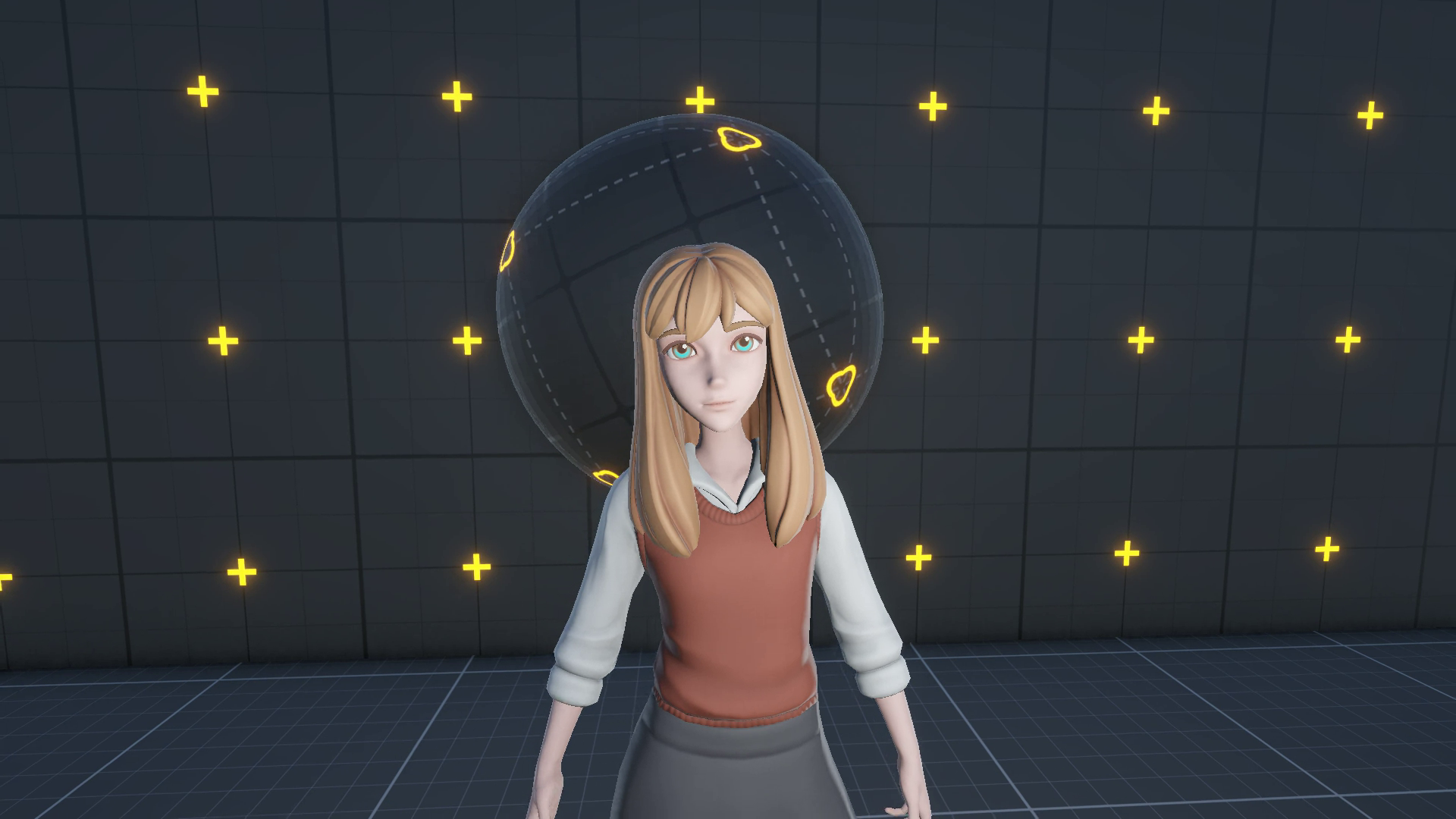
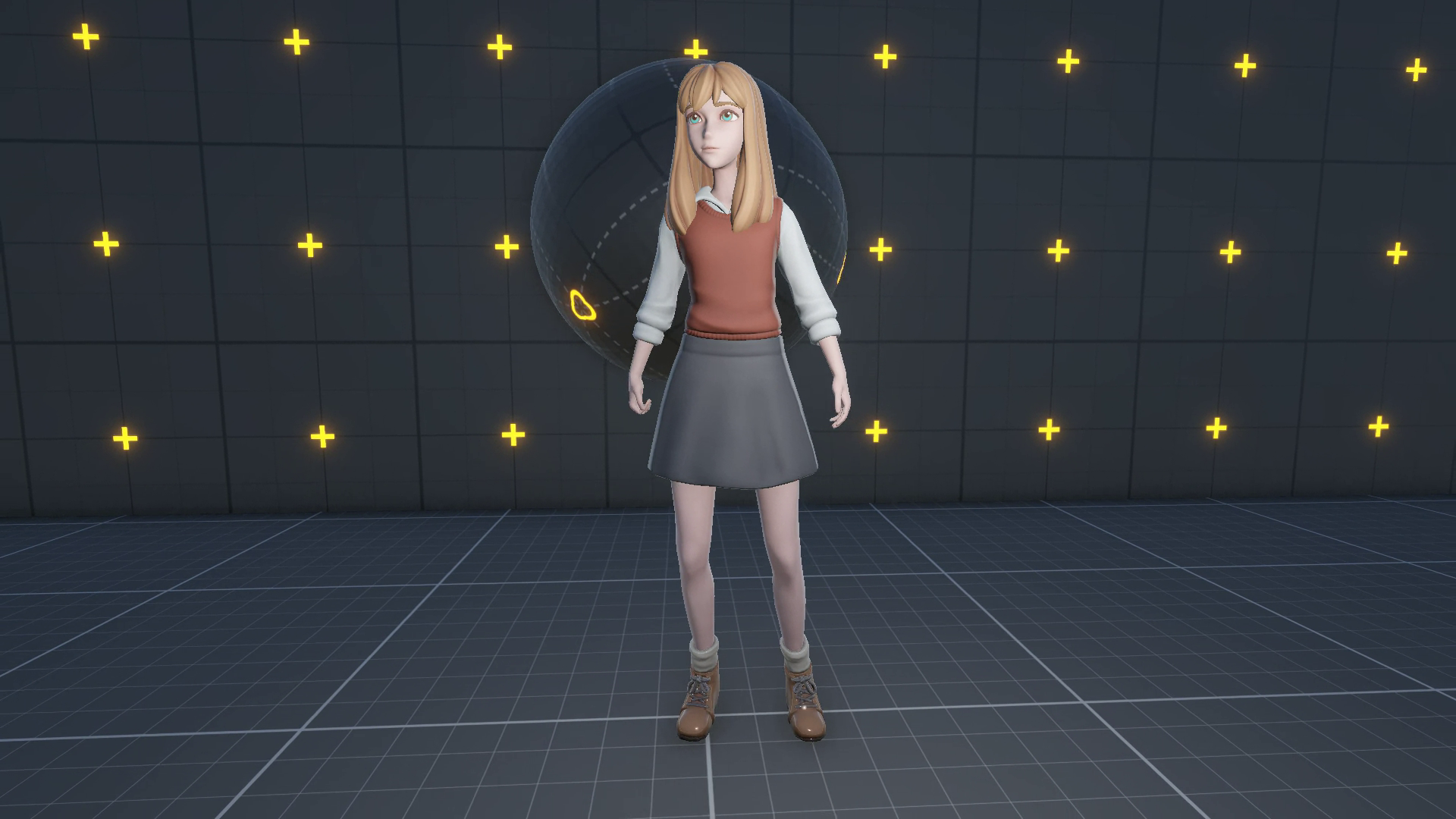
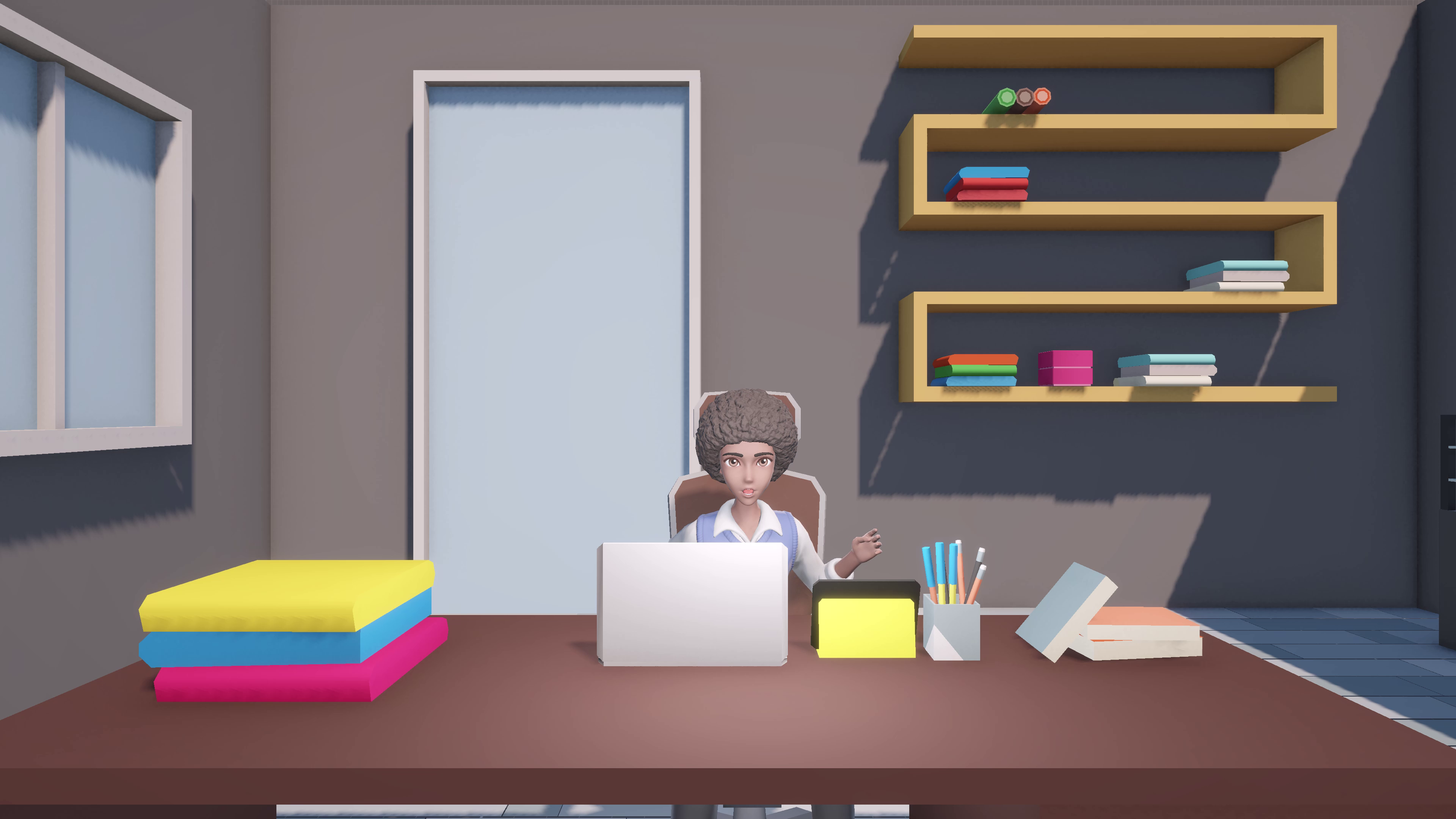
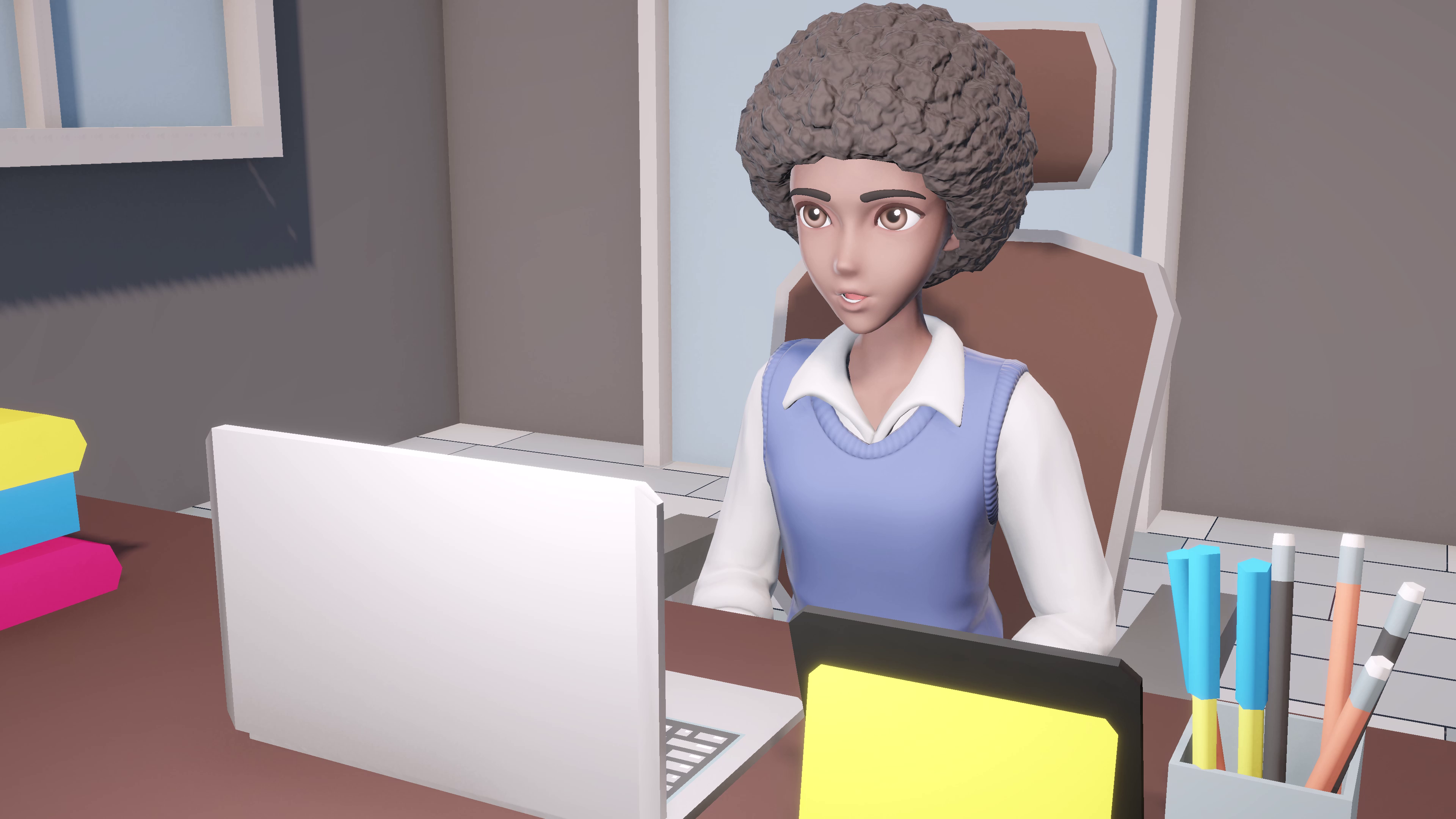
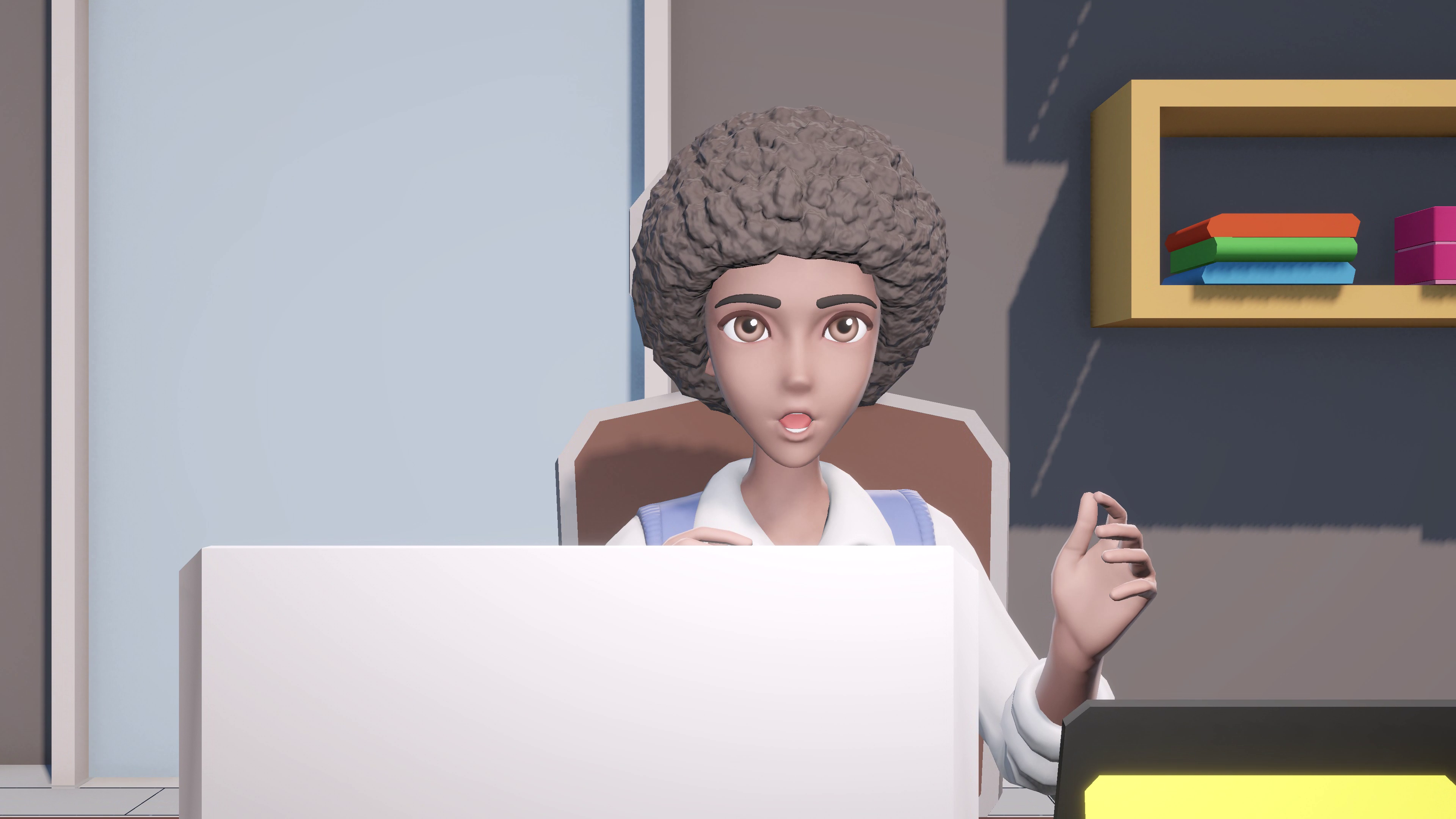
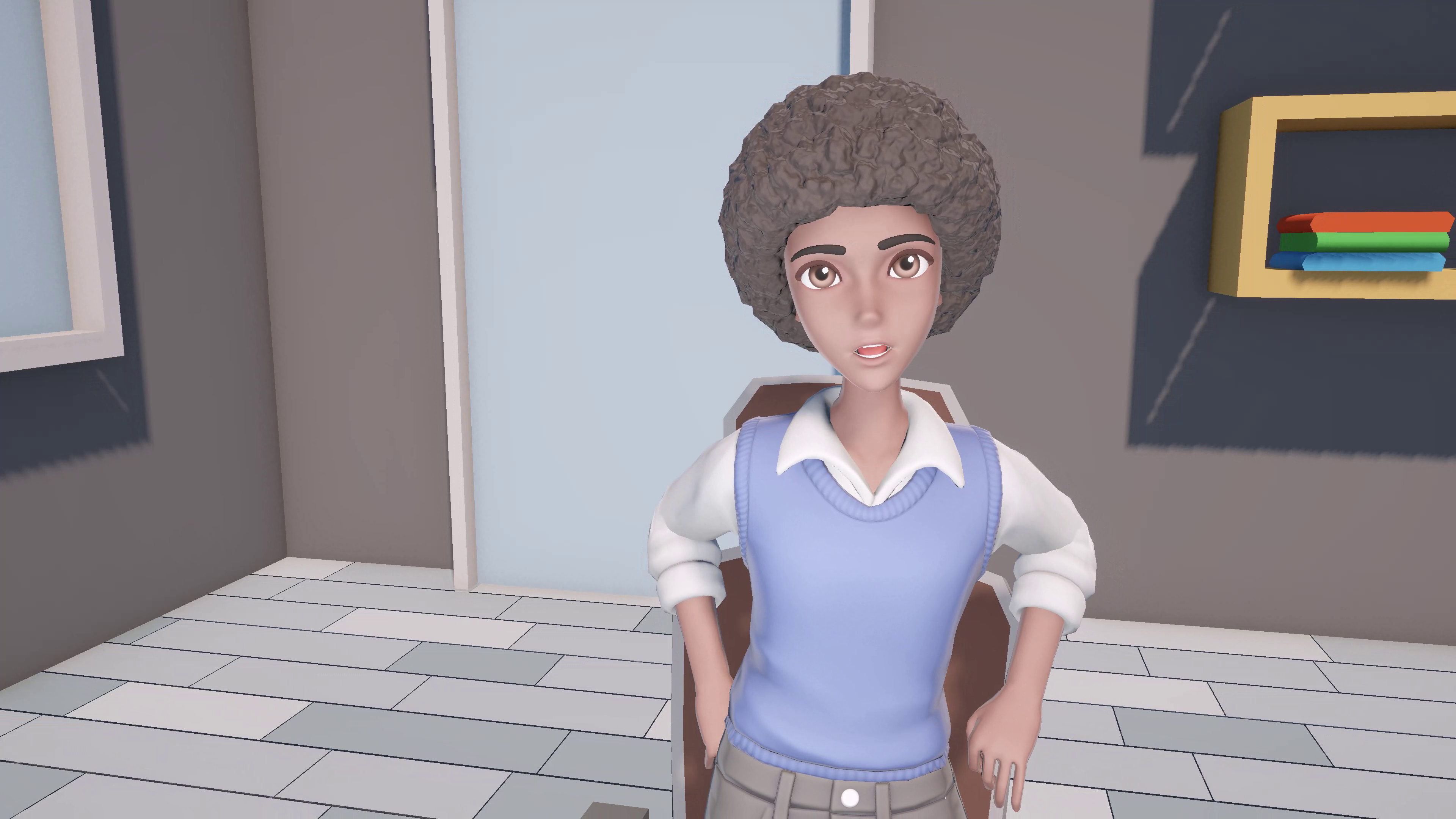
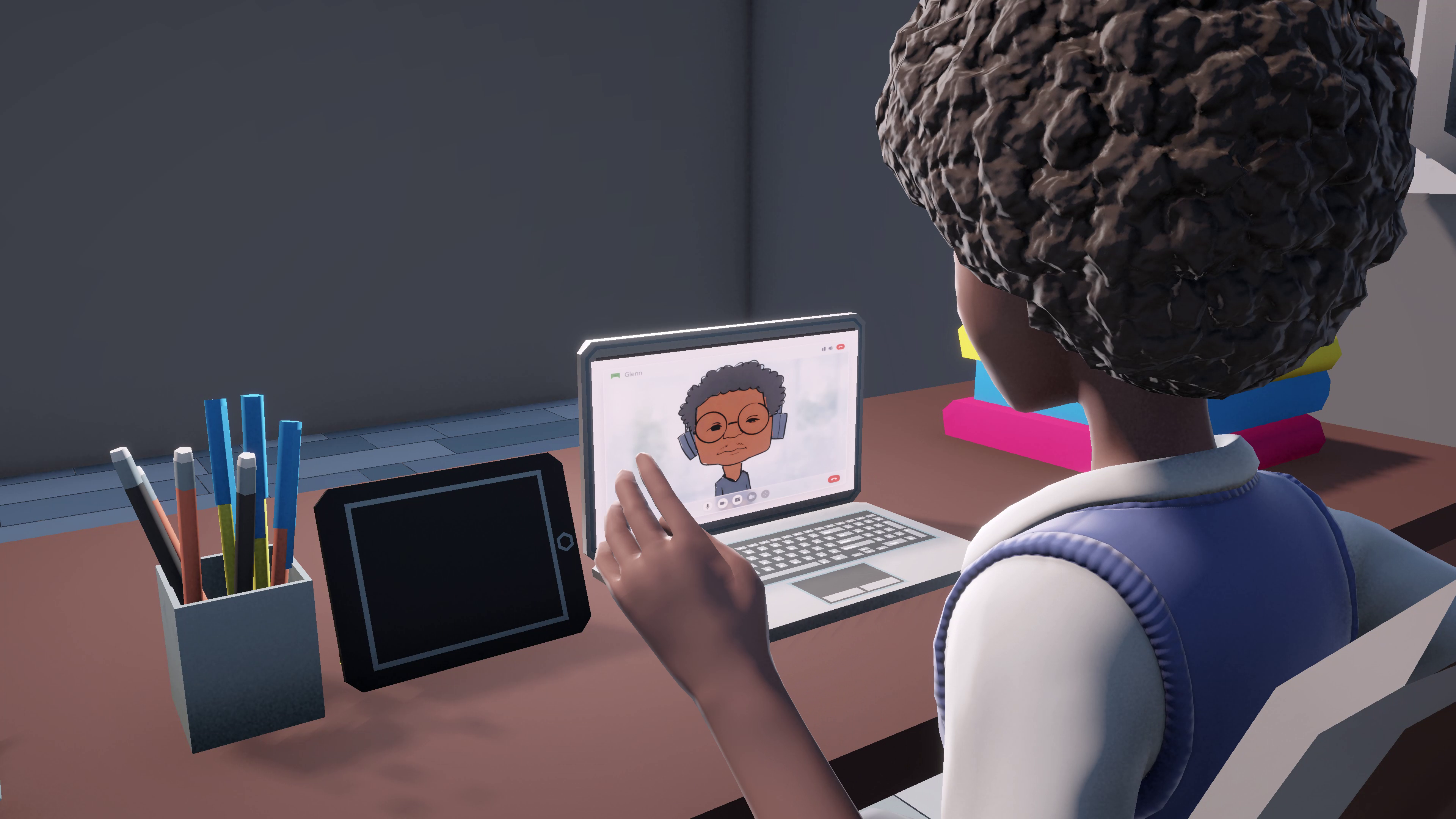
Sonettra is the world's first neuro-adaptive spatial computing coach. It uses active AI avatars to simulate high-stakes environments in 3D, employing Graduated Exposure Therapy (VRET) to trigger the brain's fight-or-flight response in a controlled setting.
Users can step into specialized scenarios:
- The Executive: Navigate board meetings and earnings calls.
- The Founder: Deliver high-stakes VC pitches and Demo Days in under 3 minutes.
- The Candidate: Master behavioral interviews using the STAR method.
By forcing users to actively recall and adapt to unpredictable conversational pressure, Sonettra targets and improves vocal presence, articulation, volume, and pacing.
How we built it
We built the core 3D spatial environment using Unity and C#. To make the simulations feel authentic and unscripted, we integrated the Gemini API as the cognitive engine driving our active AI avatars. Instead of relying on static dialogue trees, Gemini allows the avatars to dynamically process the user's arguments, understand context, and generate real-time, push-back responses. The entire application logic, state management, and API bridging were written in C# within the Unity engine.
Challenges we ran into
Integrating a cloud-based LLM into a real-time 3D game engine presented immediate architectural hurdles. The primary challenge was managing the asynchronous web requests to the Gemini API without blocking Unity's main thread. Waiting for the API's JSON response initially caused frame drops and UI freezing. We had to implement robust C# async/await patterns to ensure the 3D environment remained smooth and responsive while the AI generated dialogue. Additionally, keeping the latency low was critical; a delay of even one second destroys the illusion of conversational pressure, so we had to heavily optimize our API calls and text parsing.
Accomplishments that we're proud of
We are most proud of successfully bridging clinical psychological principles with spatial computing. Translating Graduated Exposure Therapy into a digital format that actually feels stressful and realistic is incredibly difficult. We successfully built a pipeline where the Gemini API acts fast enough to make the AI avatars feel genuinely combative and responsive, creating an environment where real active learning takes place.
What we learned
Building Sonettra significantly leveled up our C# architecture skills, particularly in handling asynchronous programming and REST API integrations within Unity. We learned how to effectively parse complex data streams and manage application states dynamically. Beyond the technical execution, we gained a deep appreciation for the power of LLMs when embodied in a 3D space, proving that spatial software can effectively train real-world human behavior.
What's next for Sonettra
The immediate next step is expanding the library of high-pressure environments and refining the avatar animation states to reflect more nuanced body language (like dismissiveness or impatience) driven directly by Gemini's sentiment analysis. Ultimately, we aim to deploy Sonettra natively to XR/VR headsets for full immersive presence, and implement localized, on-device audio analysis to provide users with a real-time, mathematical breakdown of their intonation and pacing after every session.

Log in or sign up for Devpost to join the conversation.