-
-
-
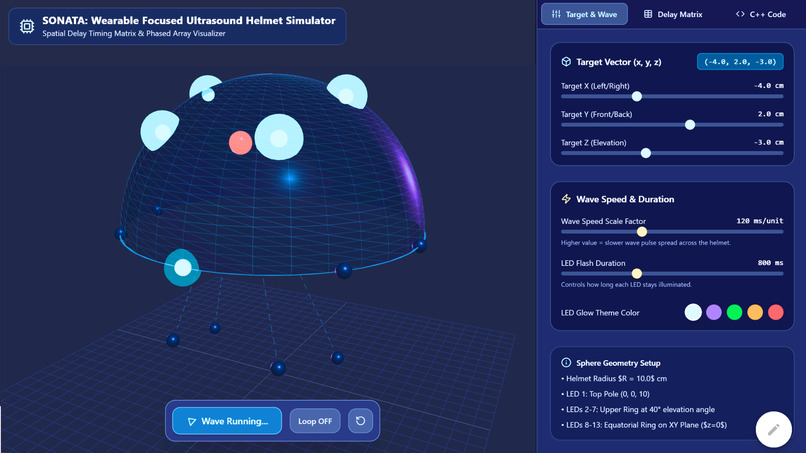
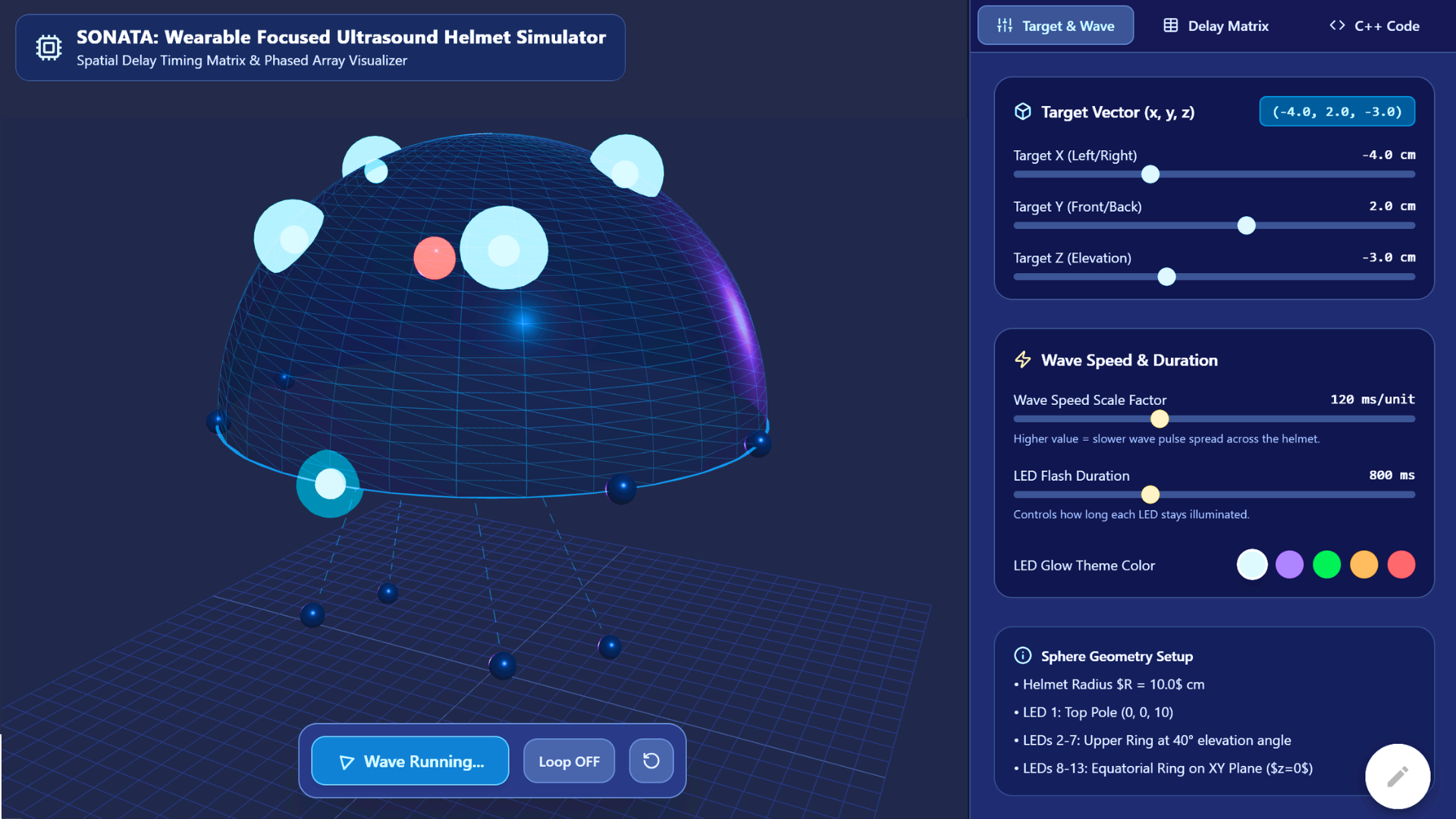
Check out our simulator! :3
-
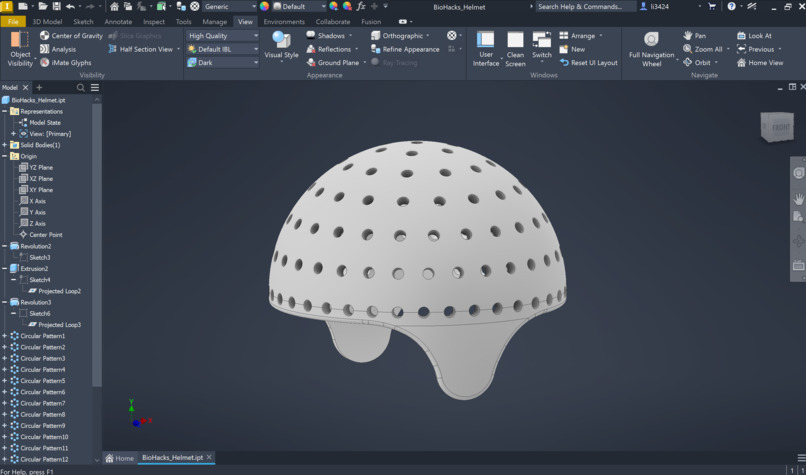
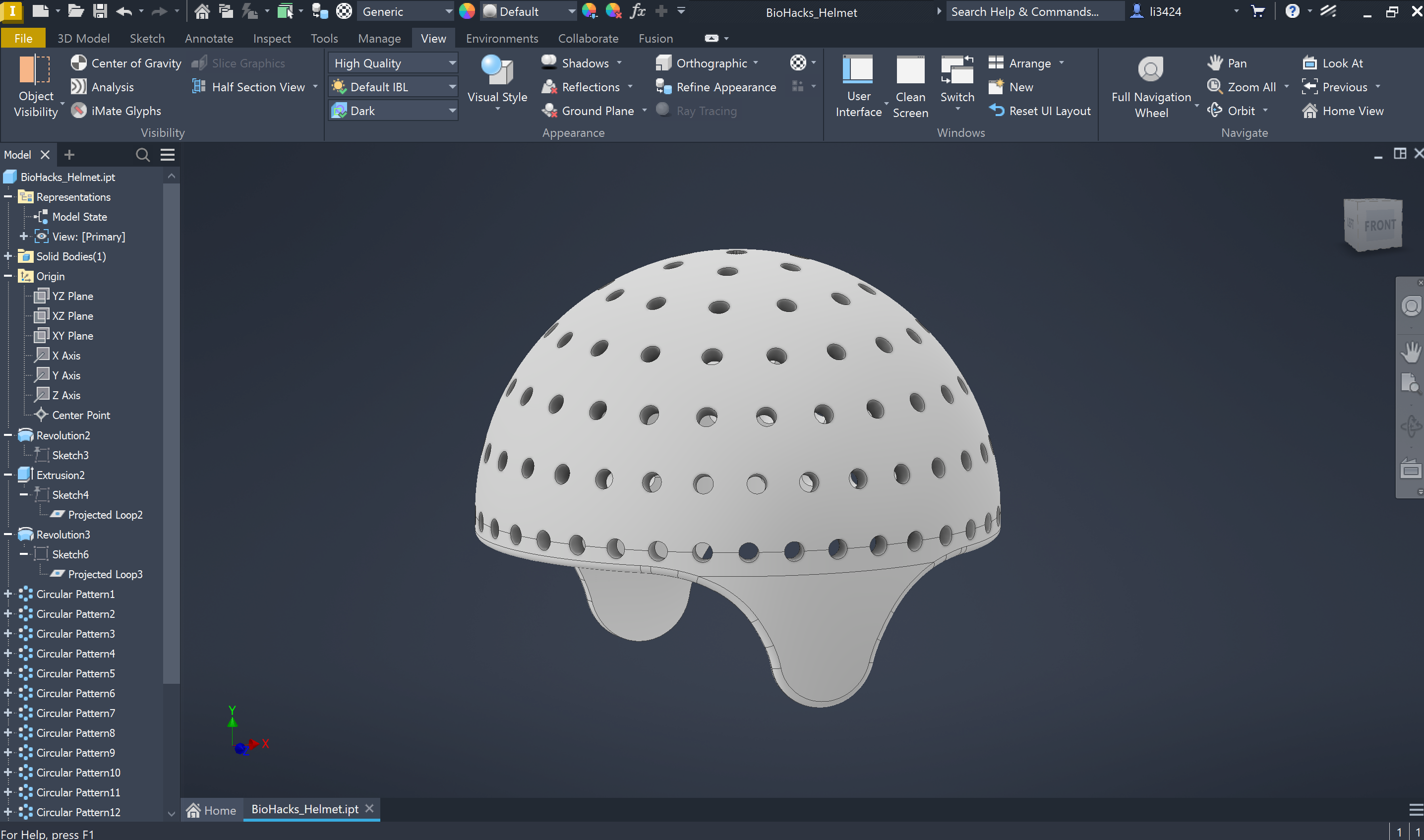
Autodesk Inventor! Lots of circular pattern tool here...
-
-
-
-
-
-
-
-
-
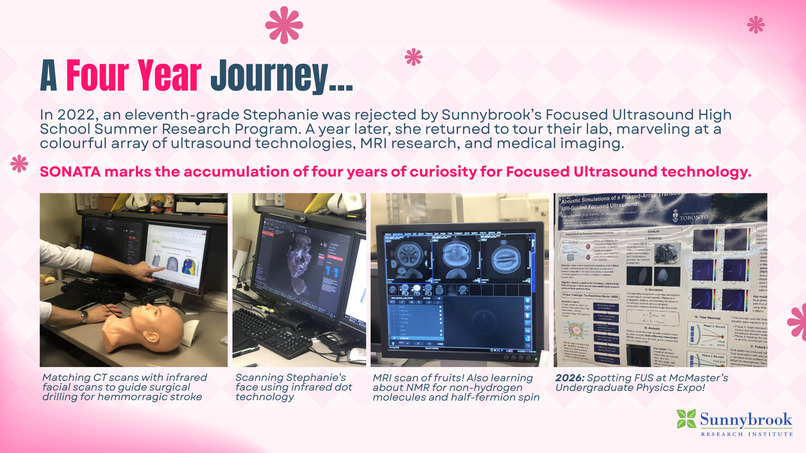
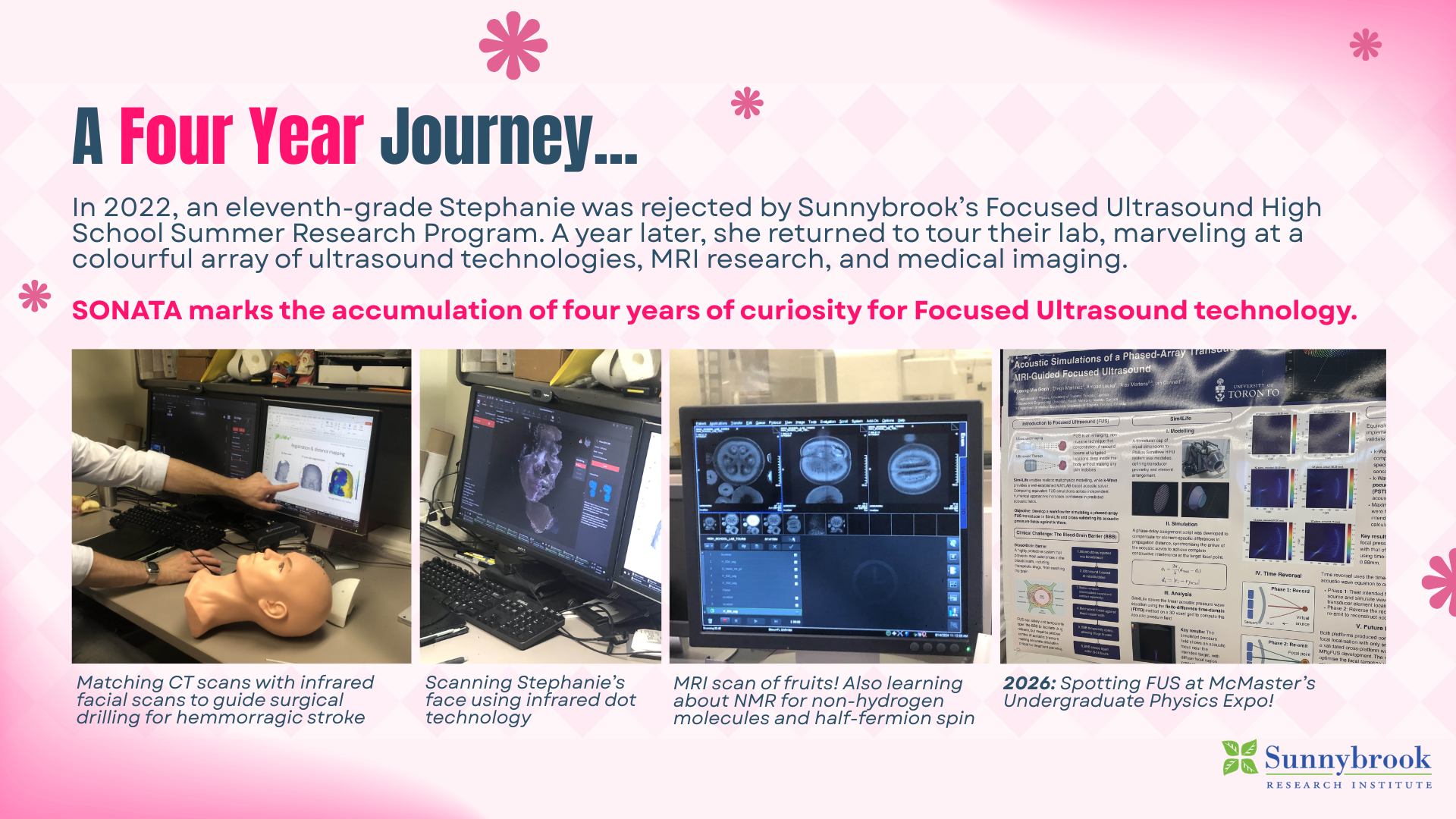
I've been in the Focused Ultrasound fanclub for a while :)
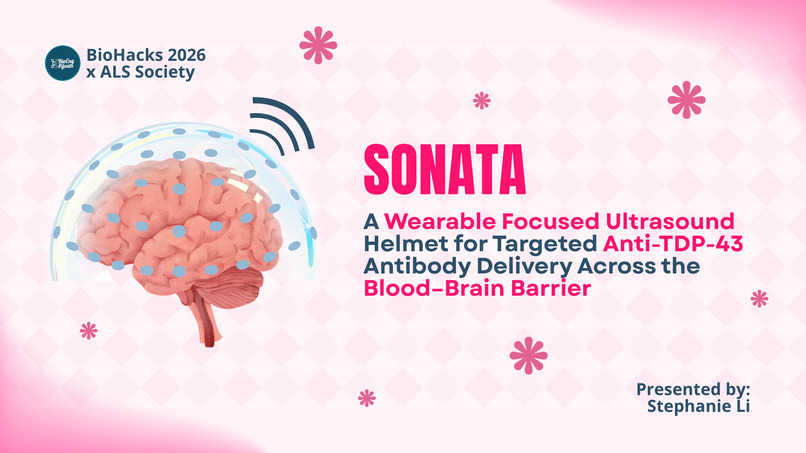
SONATA: Breaking Barriers with Focused Ultrasound
Inspiration
Imagine buttoning your shirt. Gripping a coffee cup. Writing on a whiteboard.
Now imagine those little everyday things slowly becoming harder to do.
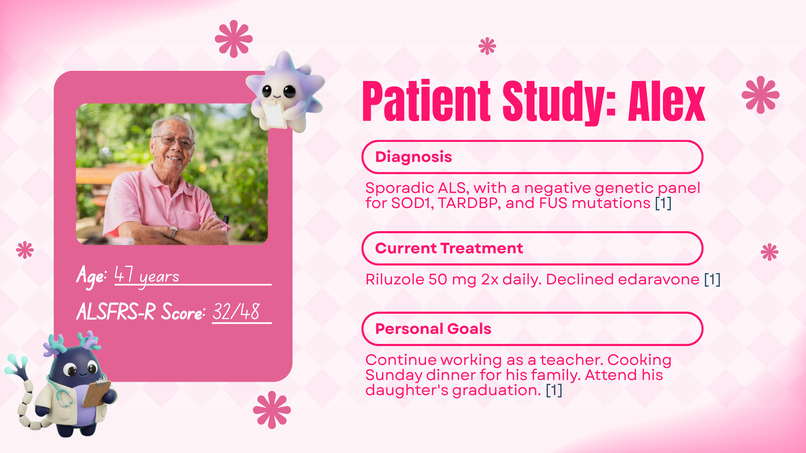
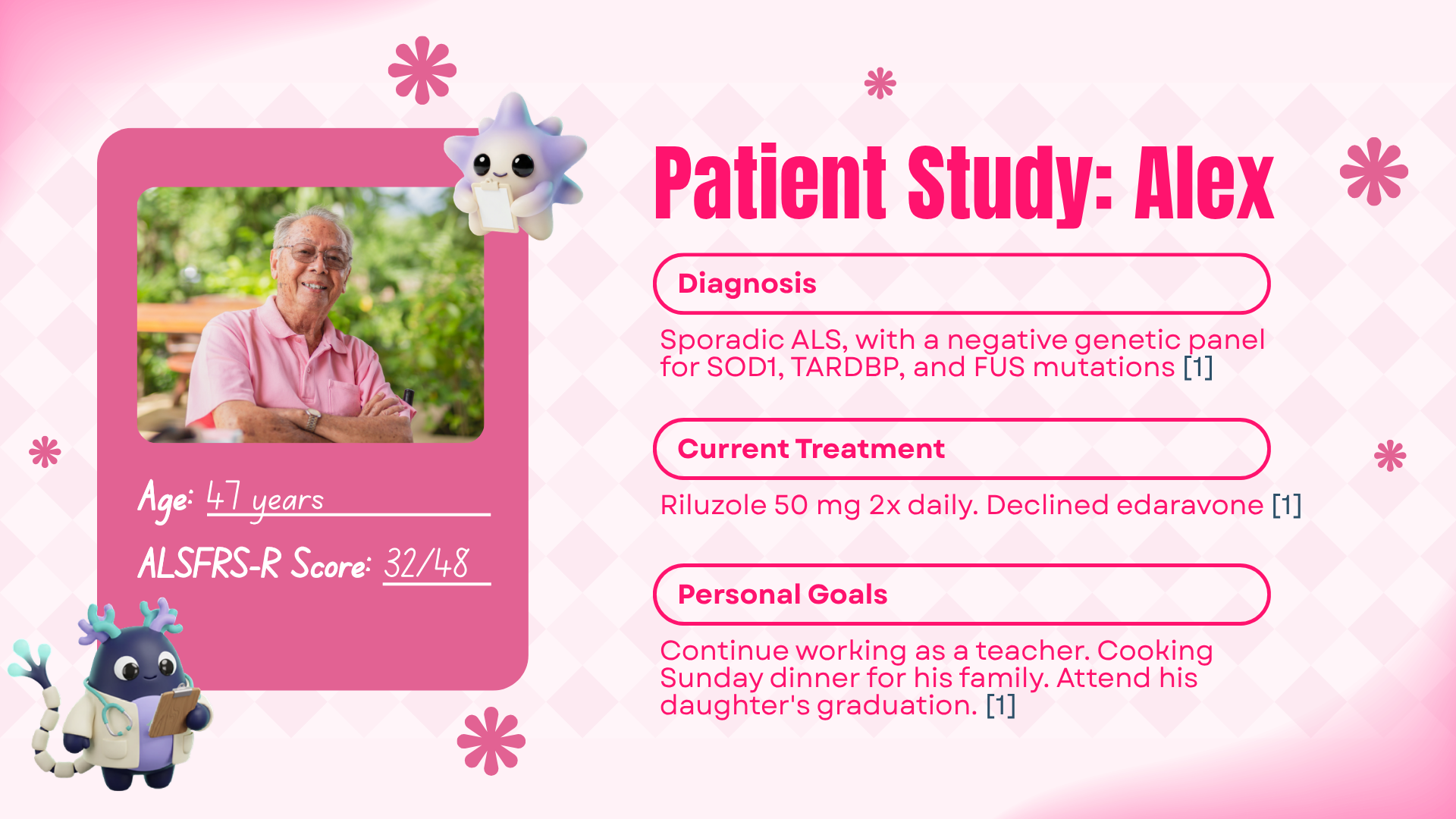
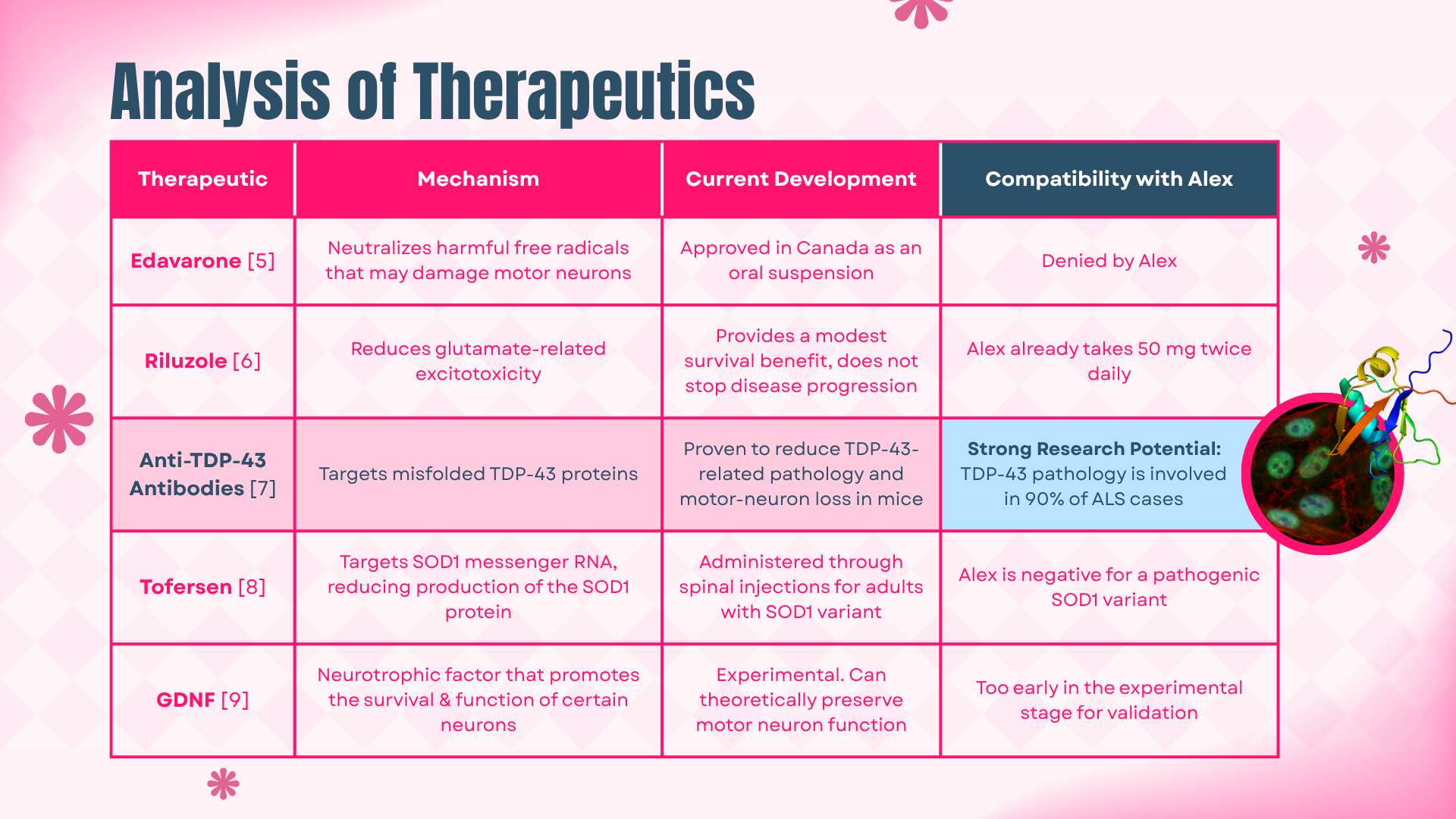
Meet Alex. He's 47, a retired teacher, and someone who loves cooking Sunday dinner for his family. Two years ago, he was diagnosed with amyotrophic lateral sclerosis (ALS). Since then, he's experienced progressively worsening muscle weakness affecting his hands, arms, and legs, alongside changes in his speech.
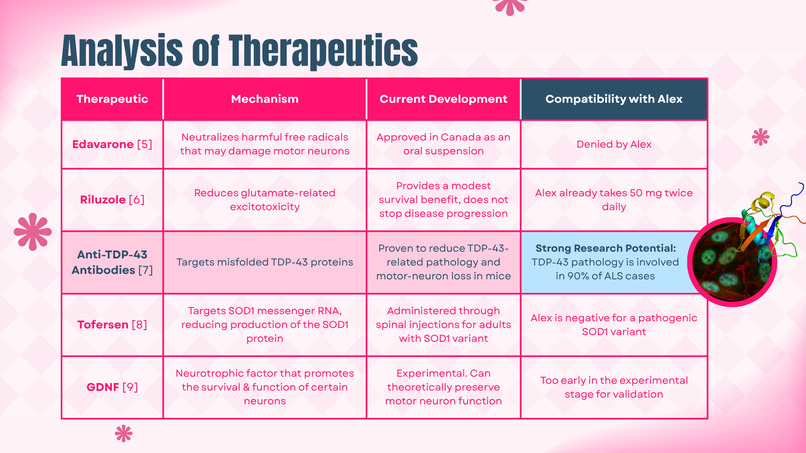
Alex takes riluzole twice a day, but treatment options for ALS remain limited. We wanted to explore a different approach: what if we could make it easier to deliver experimental therapies directly to the brain?
That question led us to SONATA.
The Problem
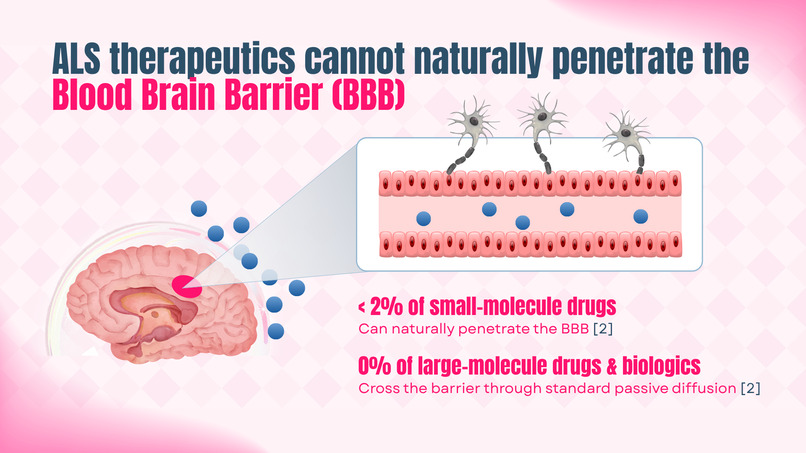
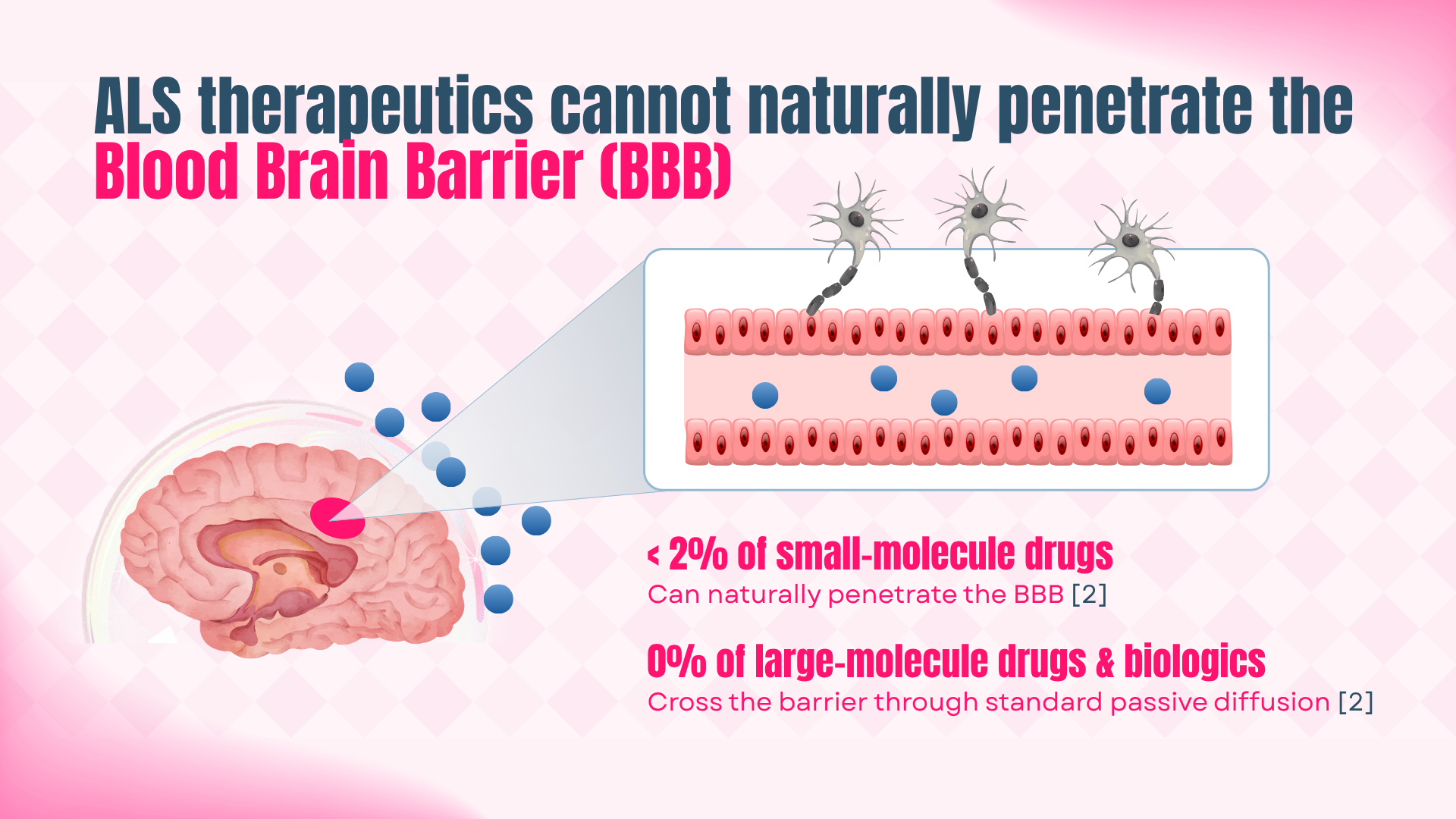
The brain has its own security system: the blood–brain barrier (BBB).
Made up of tightly connected endothelial cells lining the brain's blood vessels, the BBB protects the brain by controlling what can enter it. That's great for keeping harmful substances out, but it also makes delivering potential treatments incredibly difficult.
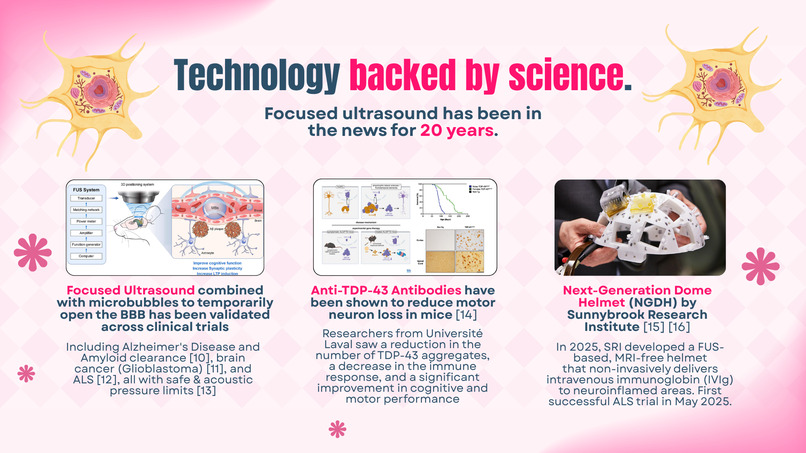
Many large therapeutic molecules, including antibodies, struggle to cross this barrier. This is particularly challenging for experimental anti-TDP-43 therapies, which aim to address one of the most common forms of protein pathology associated with ALS.
So, how do we get potential treatments past the brain's security system without compromising its protective function?
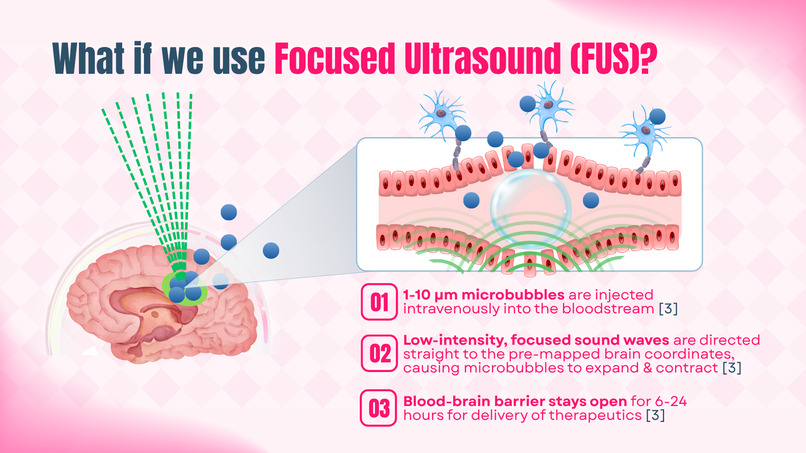
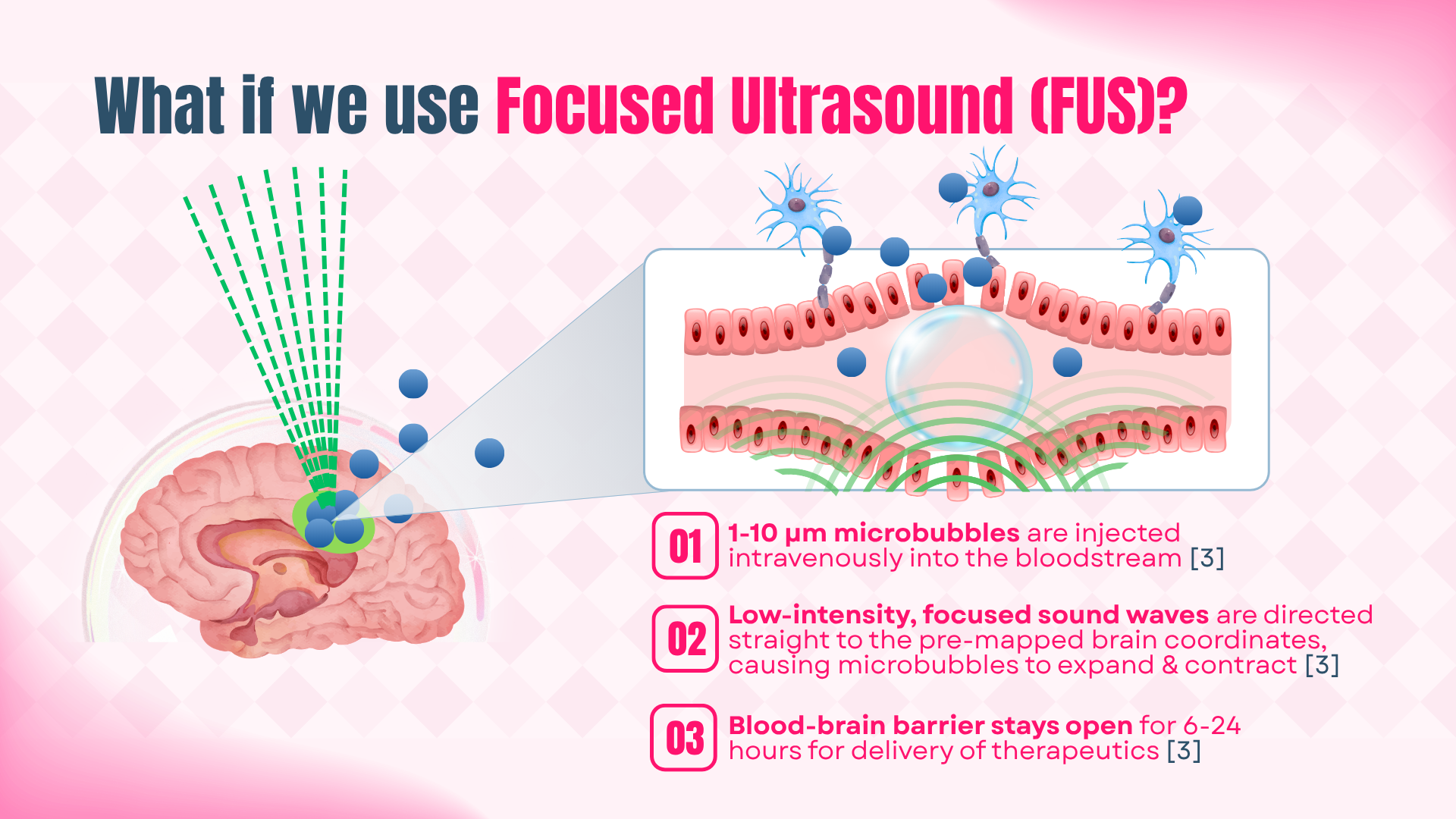
Our answer: focused ultrasound.
What We Built
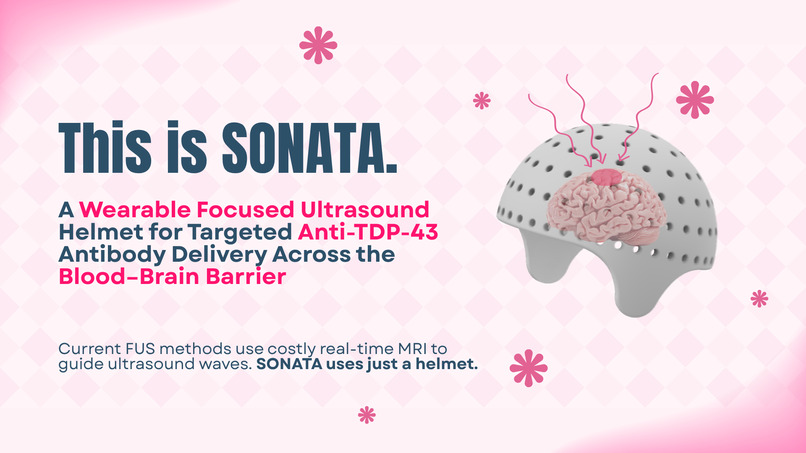
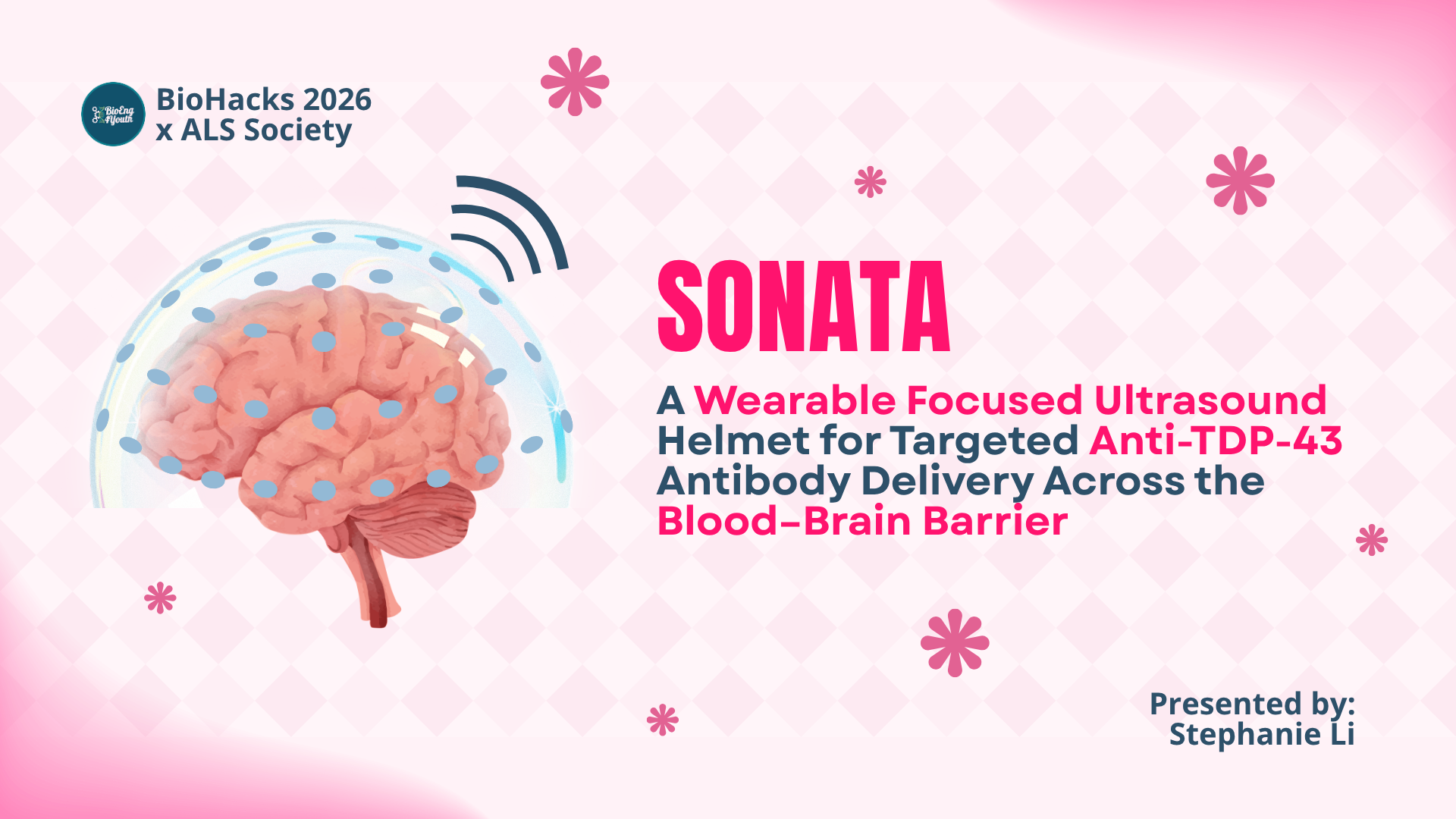
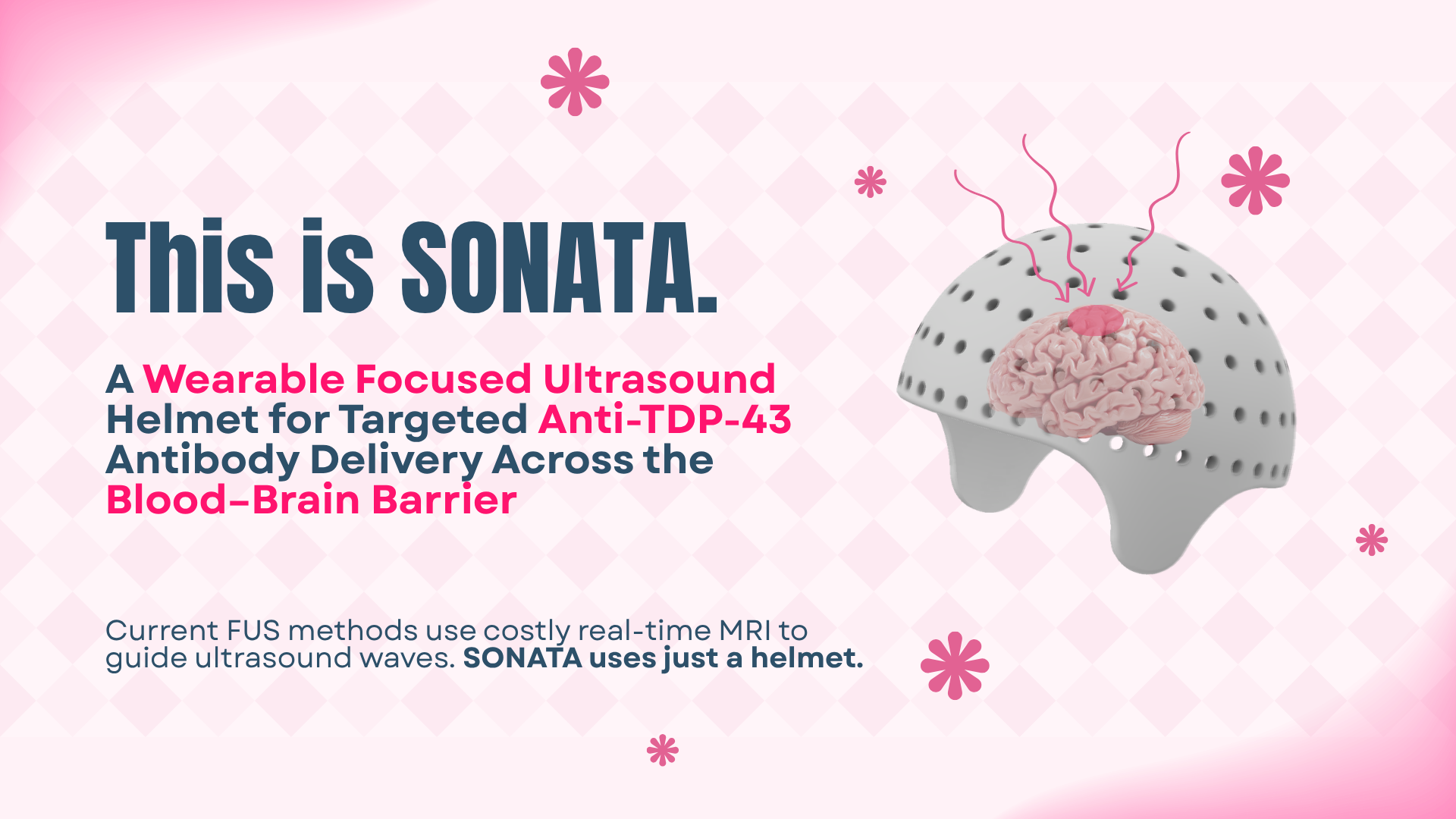
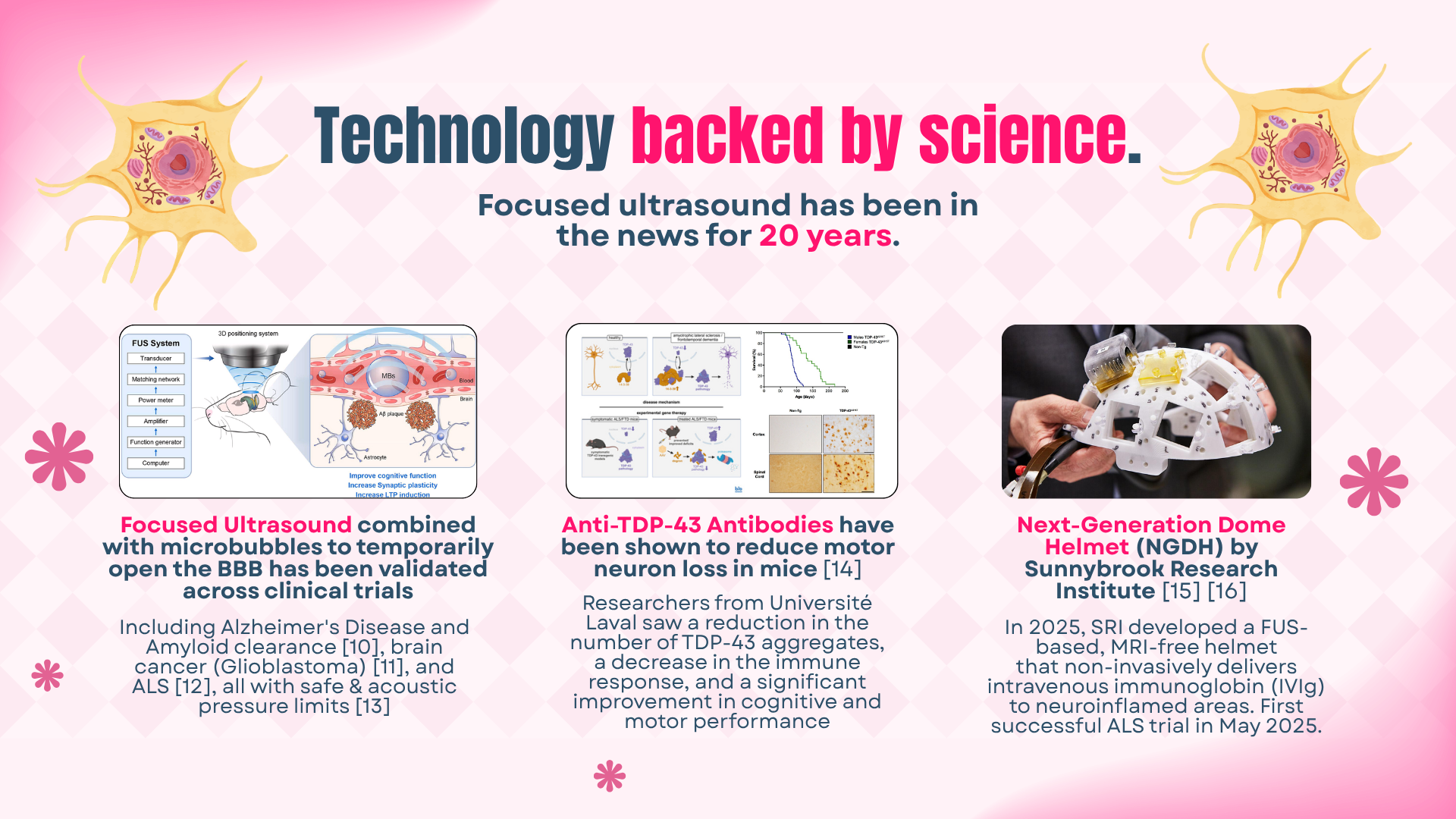
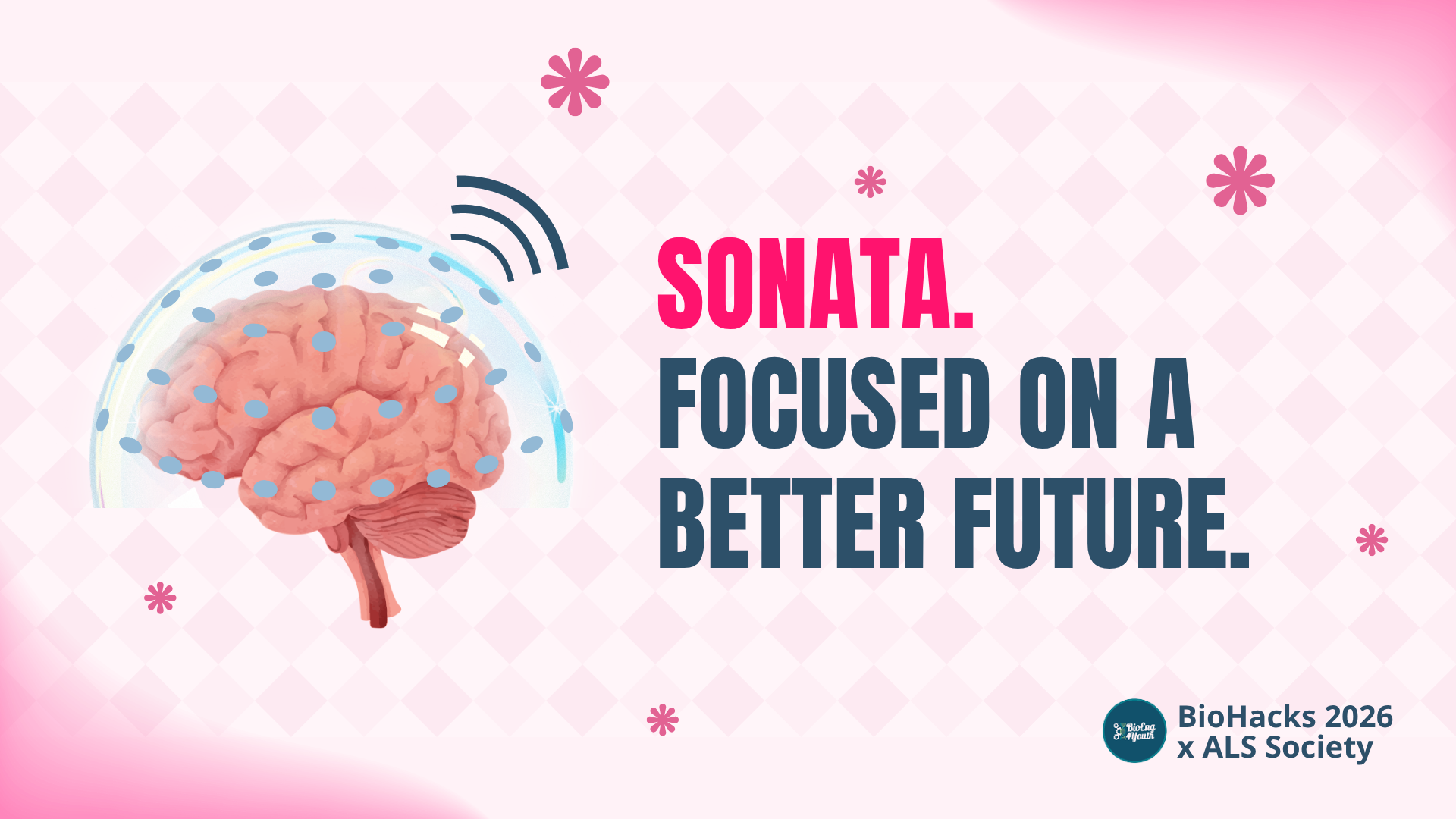
We developed SONATA, a wearable focused-ultrasound helmet concept that explores the potential of ultrasound-mediated blood–brain barrier modulation for targeted anti-TDP-43 antibody delivery.
The idea is to use focused ultrasound alongside microbubbles to temporarily increase BBB permeability in a selected region, potentially allowing therapeutic molecules to reach areas they otherwise struggle to access.
Our project has three main components:
1. The Helmet
We designed a wearable helmet concept in CAD, with an array of LED indicators representing hypothetical ultrasound transducer elements. The design takes inspiration from existing research into wearable focused-ultrasound systems.
2. The Interactive Simulator
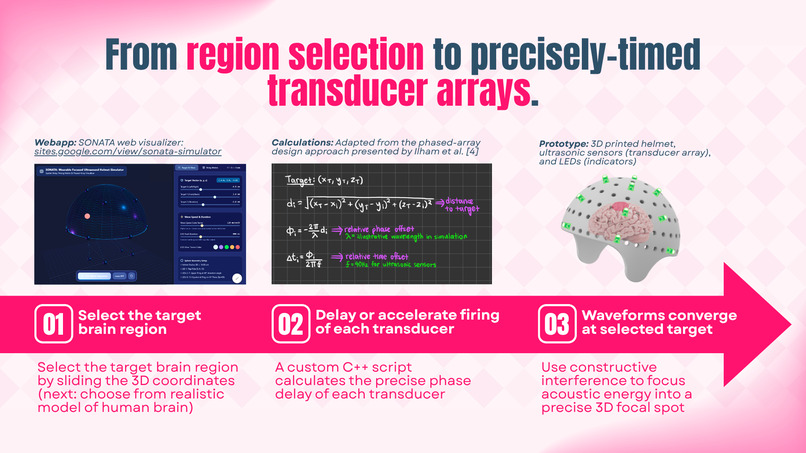
How do you direct multiple ultrasound elements toward one specific target?
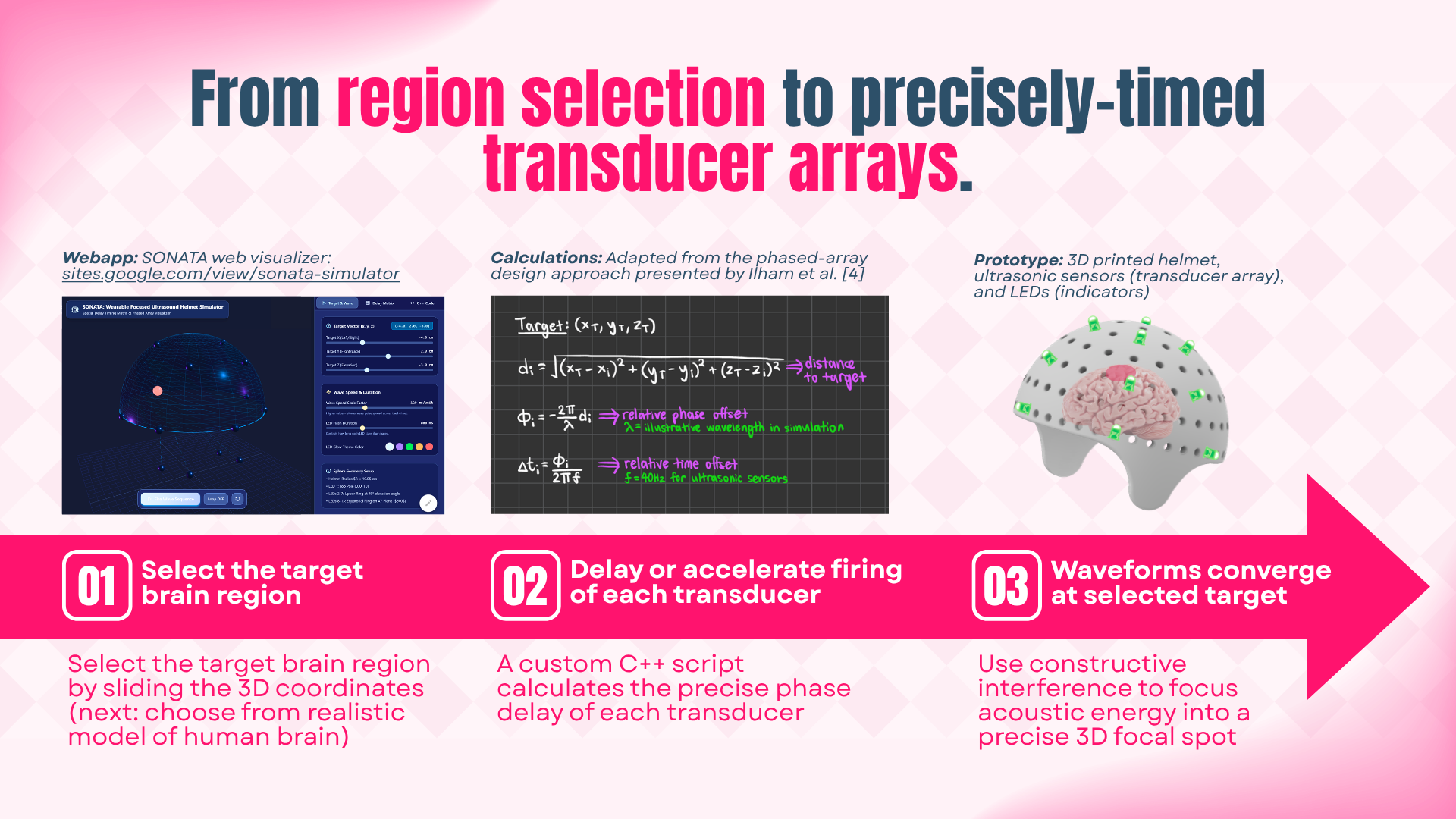
We built an interactive TypeScript-based simulator that lets users select different brain regions and visualize a conceptual phased-array focusing pattern. It illustrates how changing the relative phase of individual elements could theoretically cause waves to constructively interfere around a chosen focal point.
It's an educational visualization of the underlying concept, rather than a physically validated ultrasound simulation.
3. The Hardware
We incorporated four HC-SR04 ultrasonic distance sensors and individually controlled LEDs into our physical prototype. The sensors demonstrate the helmet's distance-sensing subsystem, while the LEDs represent the hypothetical transducer array.
The physical prototype does not generate focused ultrasound or open the blood–brain barrier. Instead, it brings the wearable concept to life alongside our software demonstration.
How We Built It
- CAD: Designed the wearable helmet structure and component placements.
- TypeScript: Developed an interactive visualization for theoretical phased-array focusing.
- Microcontroller hardware: Integrated four ultrasonic distance sensors and individually controlled LED indicators.
- Research: Explored the science behind ALS, TDP-43 pathology, focused ultrasound, microbubbles, and BBB modulation.
Our simulator was informed by published research on ultrasound phased-array focusing and beam steering, including Ilham et al. (2022).
Challenges We Ran Into
One of our biggest challenges was figuring out how to turn a pretty complex biomedical concept into something we could actually demonstrate.
Focused ultrasound involves much more than simply pointing ultrasound waves at a target. Phased arrays rely on coordinating individual elements, and real-world focusing is affected by factors like tissue properties and the skull.
We also had to work within the limitations of our hardware. Our ultrasonic distance sensors are not medical ultrasound transducers, so we separated the physical sensing demonstration from the theoretical focusing visualization.
There is still a huge gap between our proof of concept and a clinically functional device, but working through those limitations helped us better understand the engineering behind the idea.
What's Next?
SONATA is an early exploration of what wearable focused-ultrasound technology could look like.
If we had more time, we'd love to:
- Improve the simulator with more realistic acoustic modelling, including skull-induced phase aberrations and tissue attenuation.
- Refine the helmet geometry and theoretical transducer-array arrangement.
- Explore how real focused-ultrasound transducers and appropriate control electronics could be incorporated into a future research prototype.
- Investigate the challenges of delivering experimental anti-TDP-43 therapies to the brain.
Ultimately, we hope SONATA can contribute to conversations about making emerging neurological therapies more accessible.
Because sometimes, breaking barriers is the first step toward finding better treatments.
Built With
- arduinoide
- autodesk
- canva
- esp32
- typescript
