Sonarive - AI-Powered Health Assistant
🌟 Inspiration
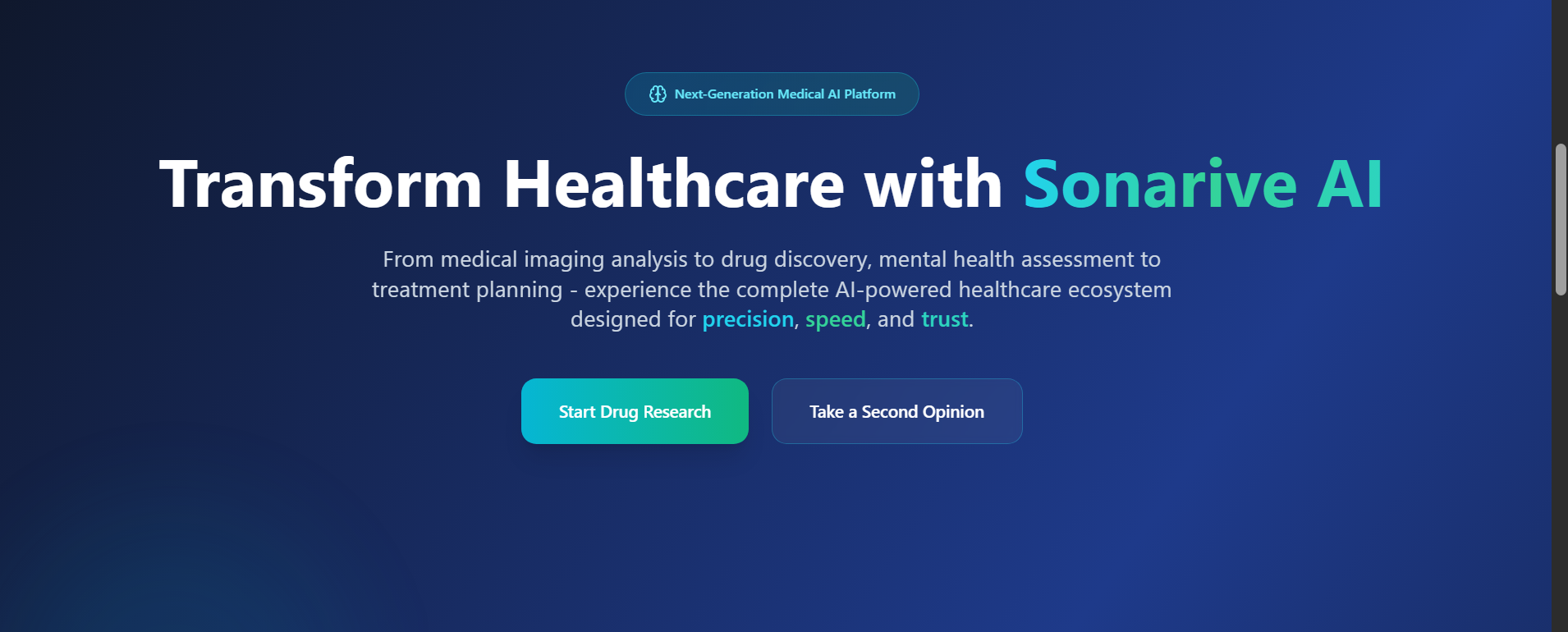
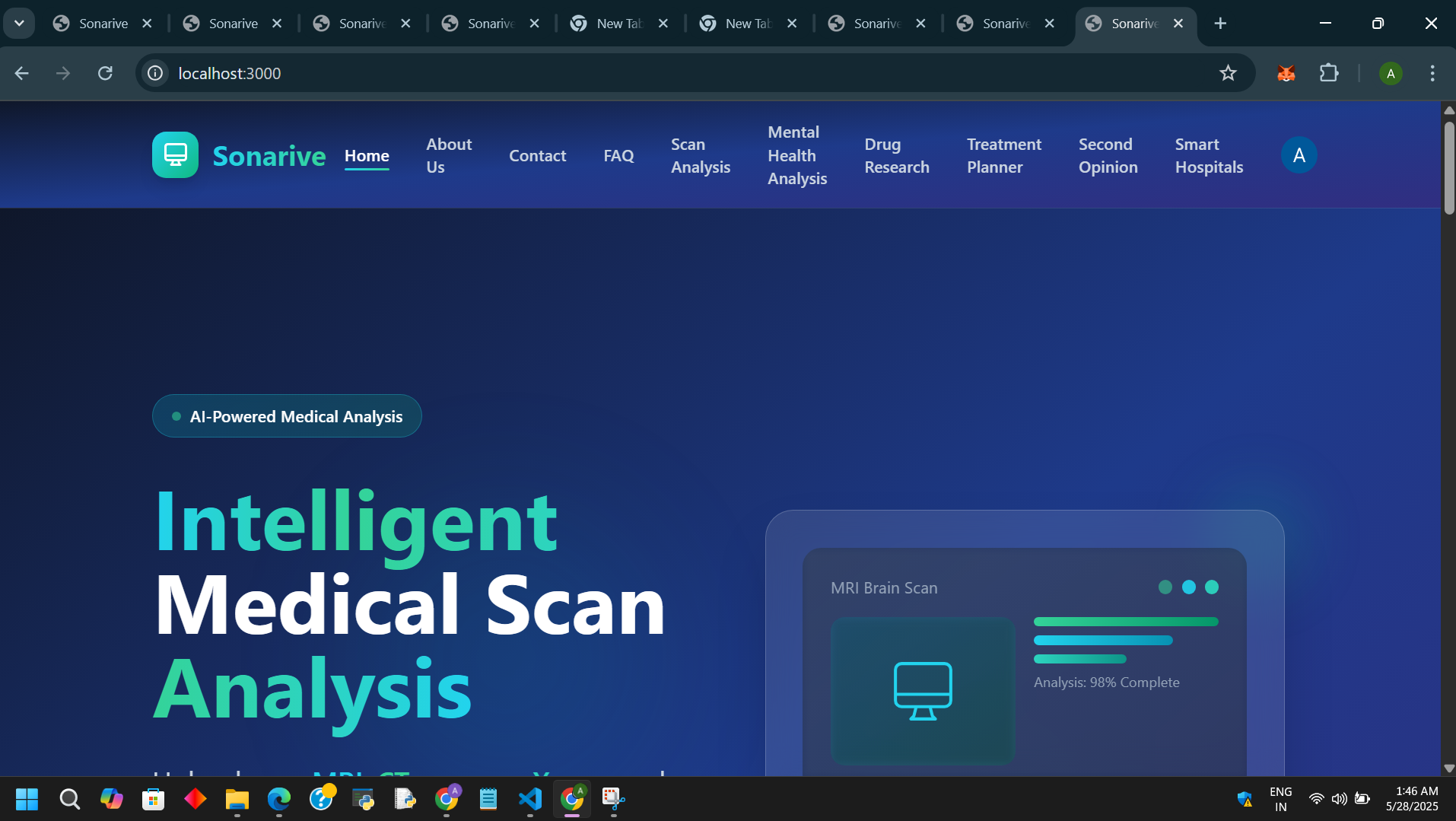
In a world of fragmented healthcare systems and growing mental health concerns, I was inspired to build Sonarive—a unified AI-driven platform that bridges diagnostic intelligence with personalized care.
My goal was to combine the power of Perplexity Sonar with real-world medical challenges to make early diagnosis, emotional well-being assessment, and treatment guidance more accessible—especially in underserved or remote areas. I envisioned a tool that empowers users and caregivers with insights that are often scattered across multiple appointments and opinions.
🚀 What it does
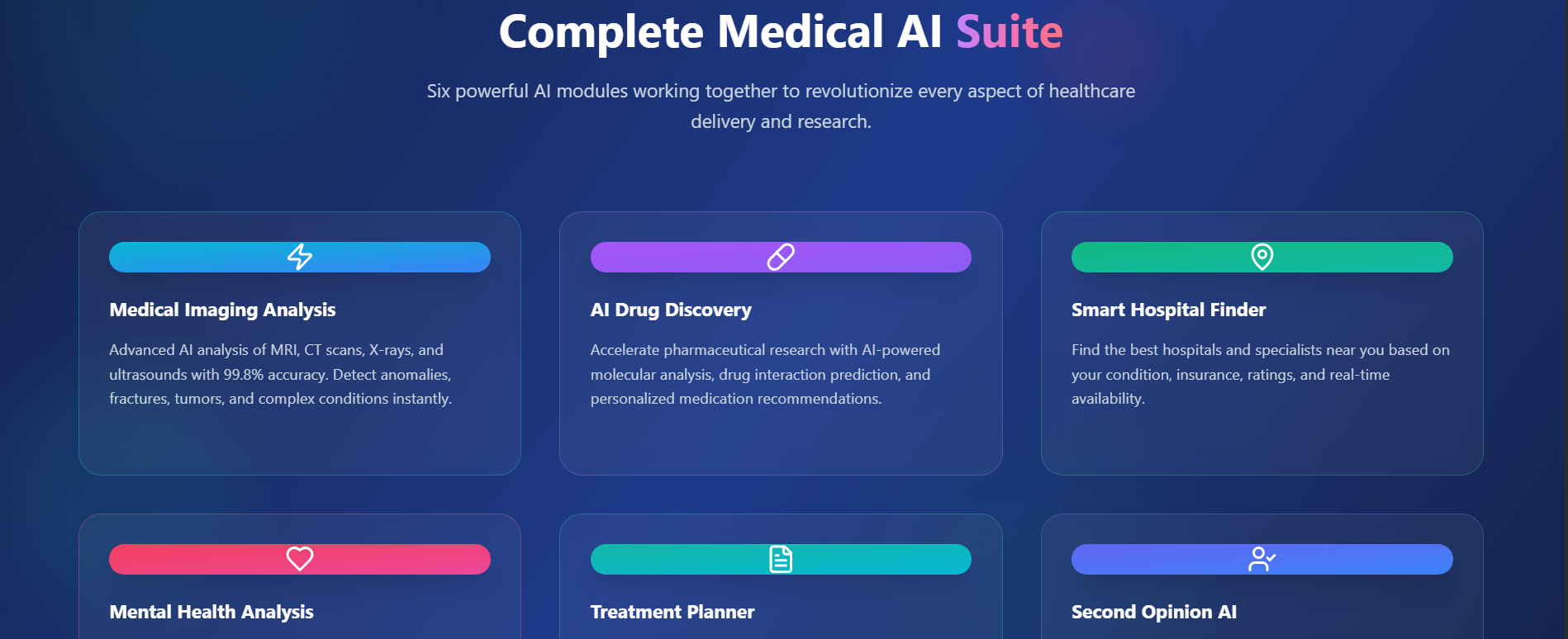
Sonarive is an AI-powered healthcare assistant that offers:
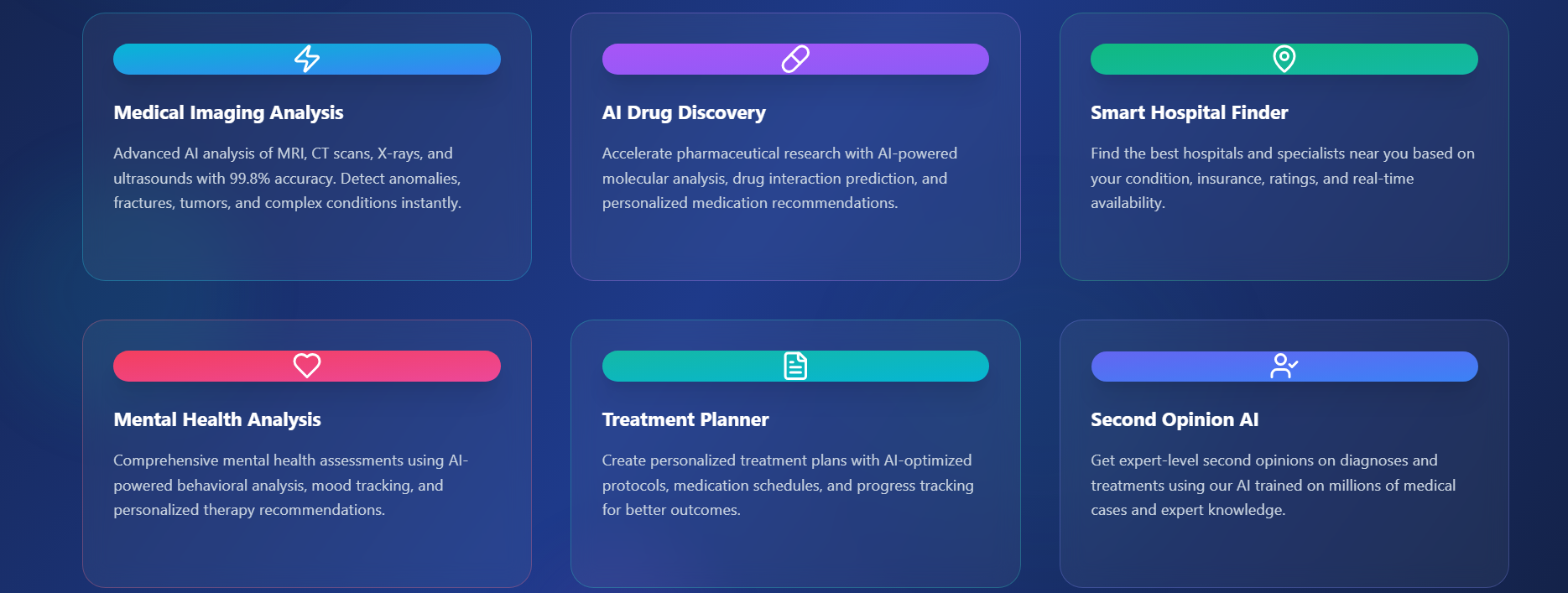
🏥 Smart Hospital Recommendation
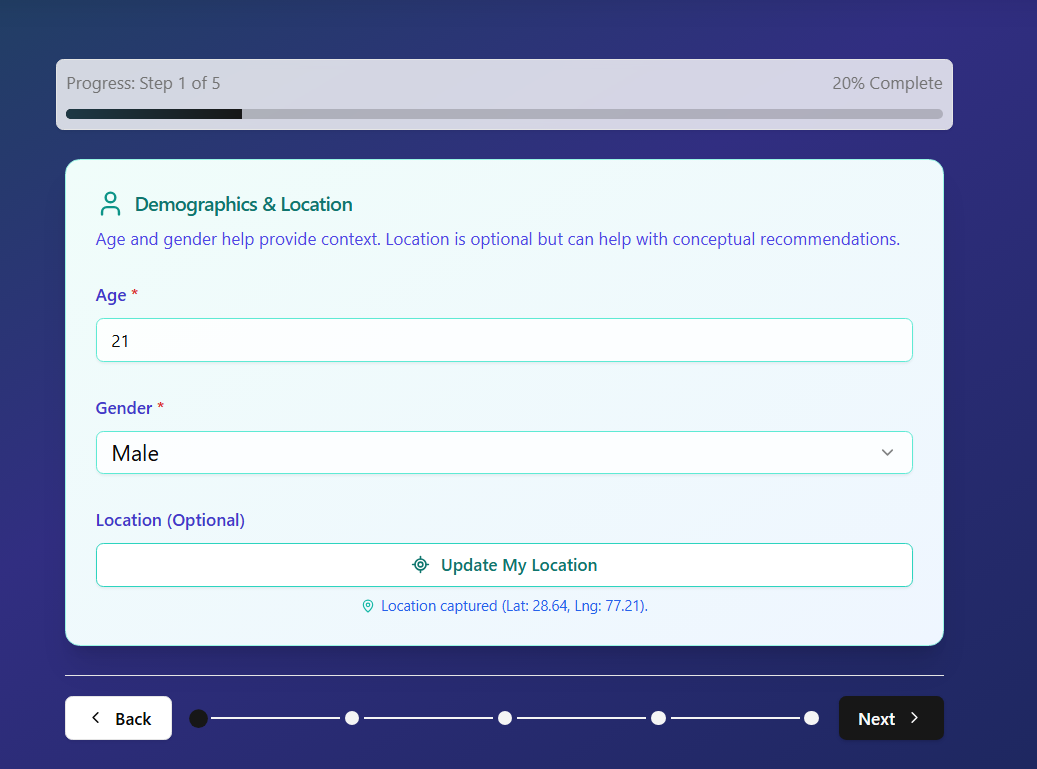
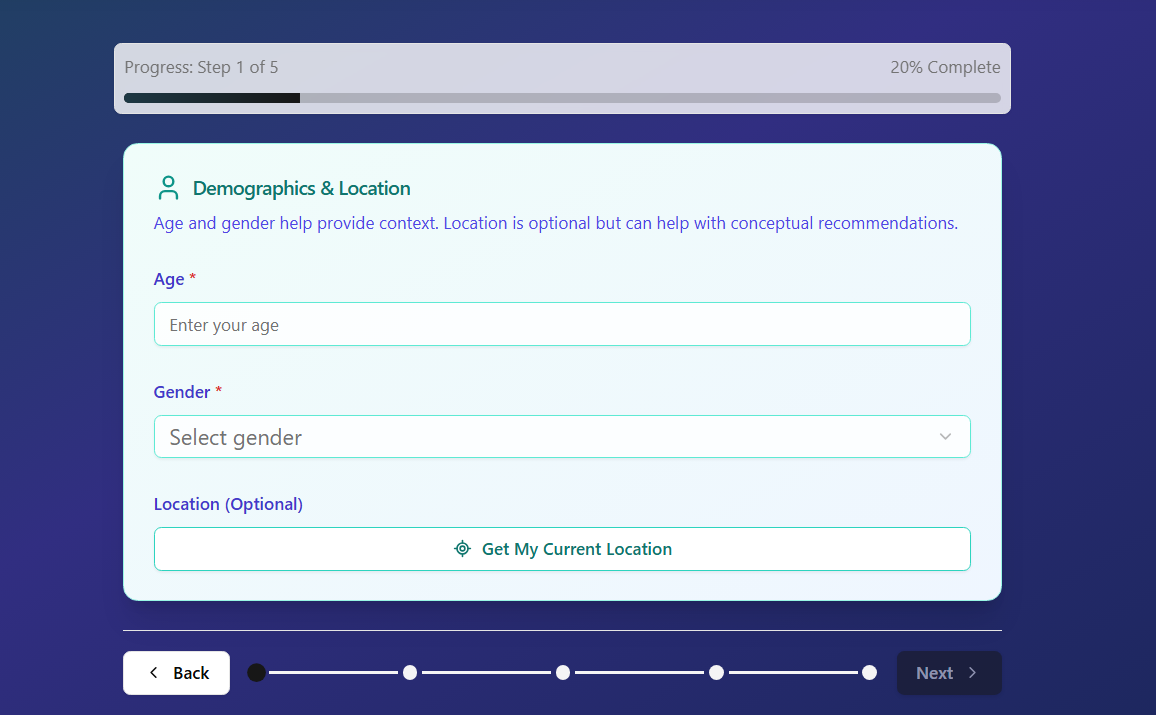
- Recommends nearby hospitals using user demographics (age, gender, location) and medical needs.
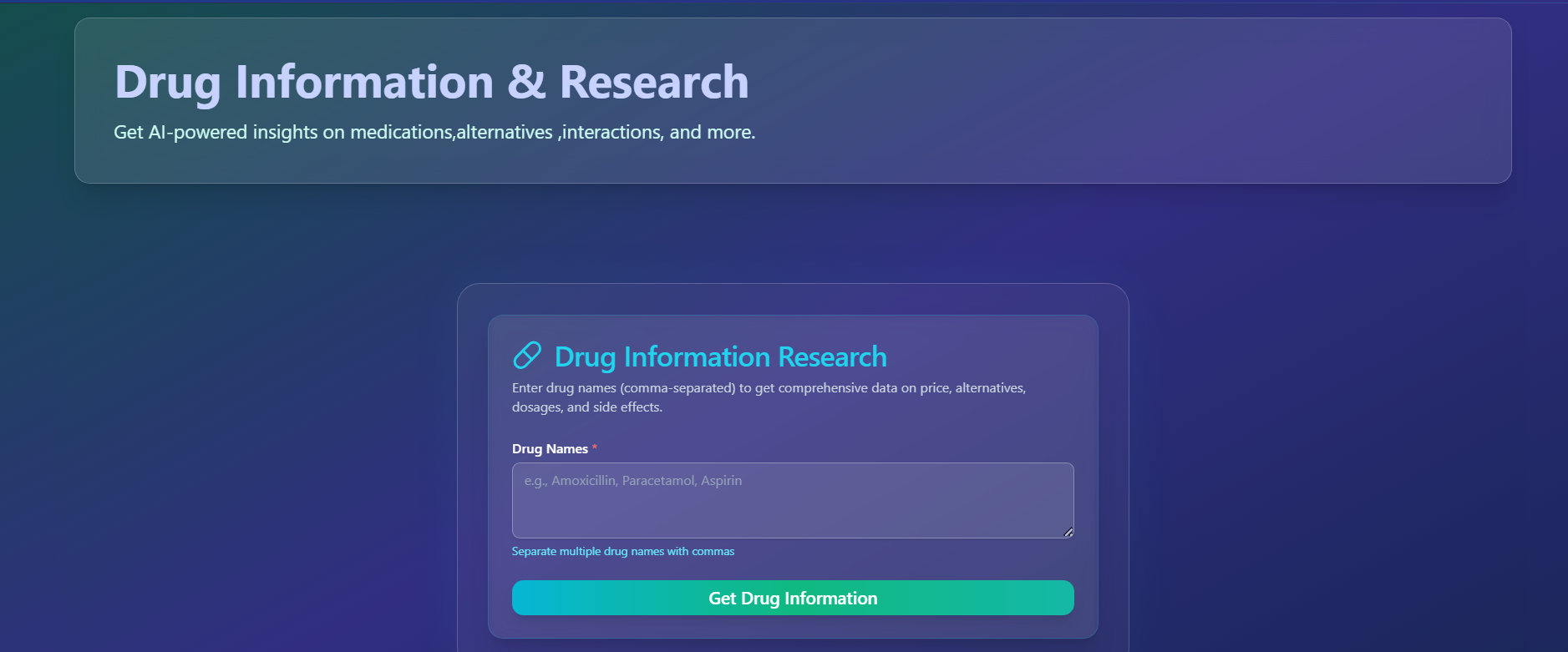
💊 Drug Research Assistant
- Helps users understand drug purposes, side effects, alternatives, and dosages using live research via Perplexity Sonar.
🧾 Treatment Planner
- Based on user-inputted symptoms and demographics, Sonarive provides potential diagnoses.
- Leverages Perplexity Sonar for contextual reasoning to deliver early medical insights.
✅ Second Opinion on Treatments
- Evaluates prescribed treatments and offers a second opinion based on trusted sources and research literature.
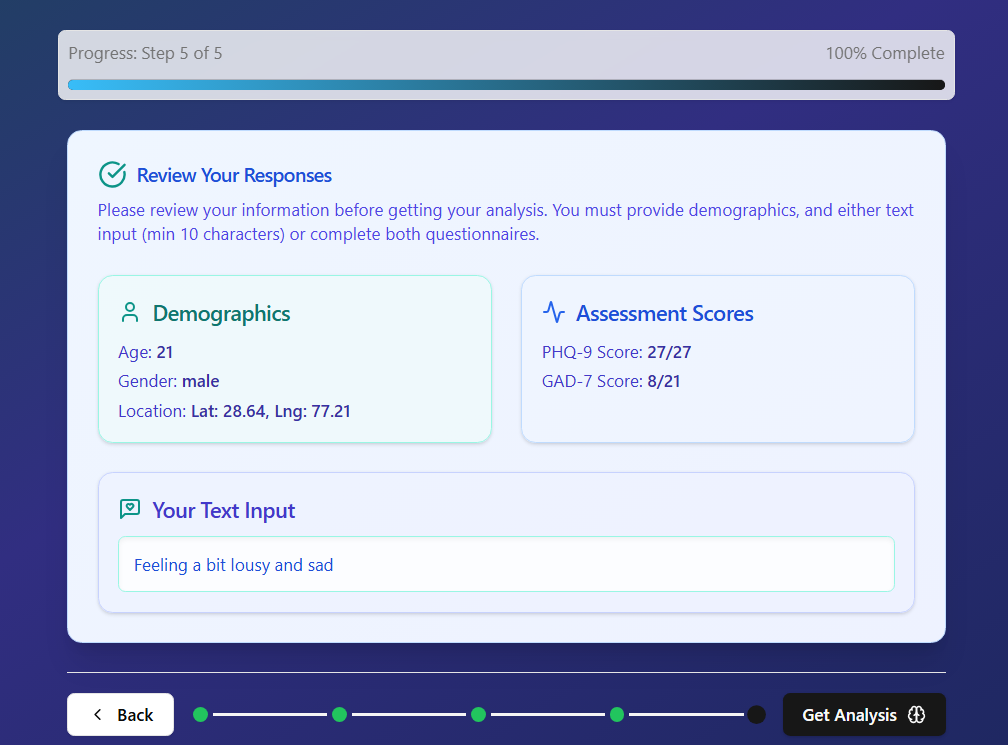
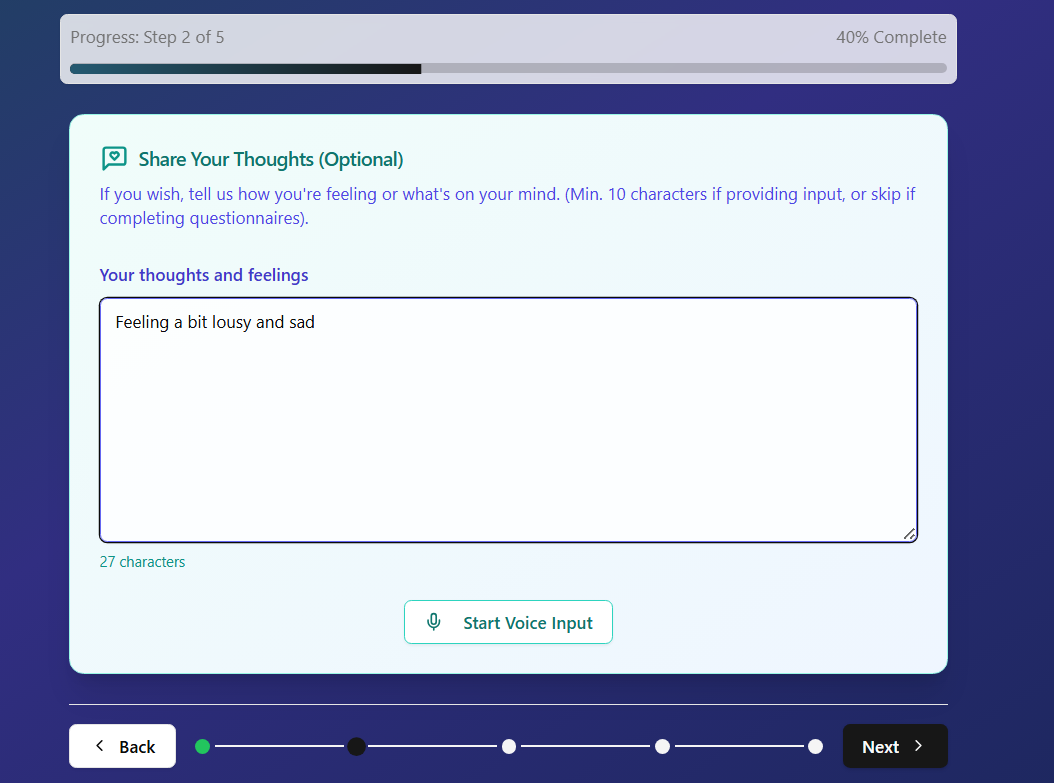
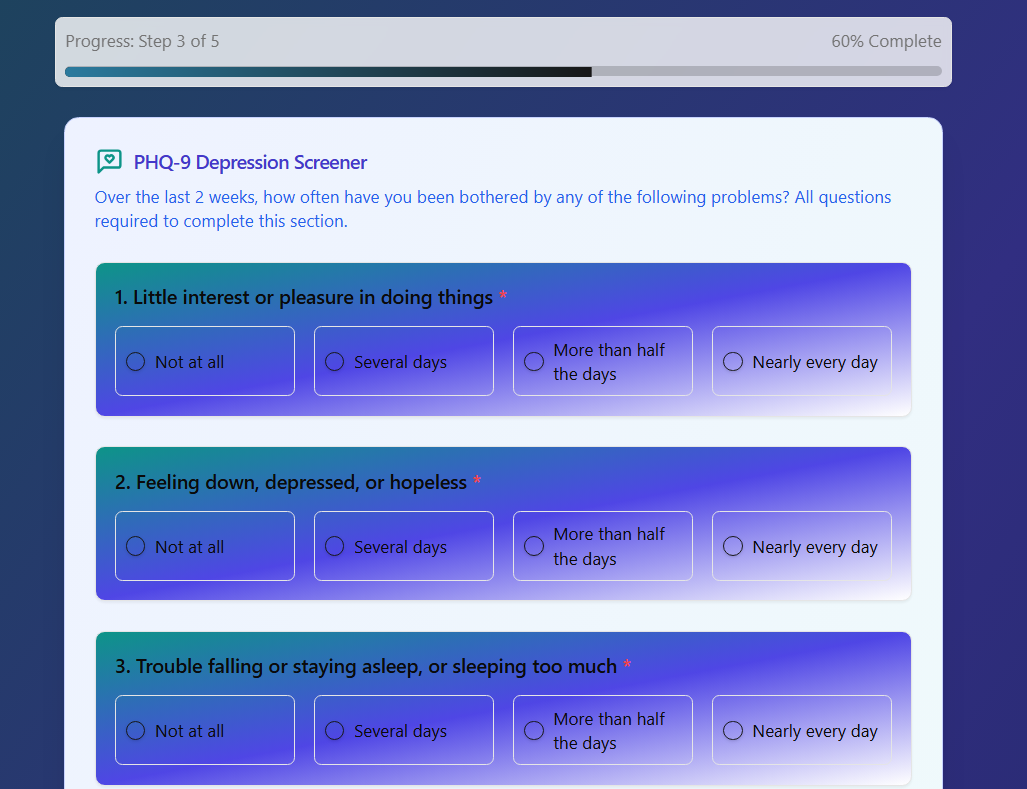
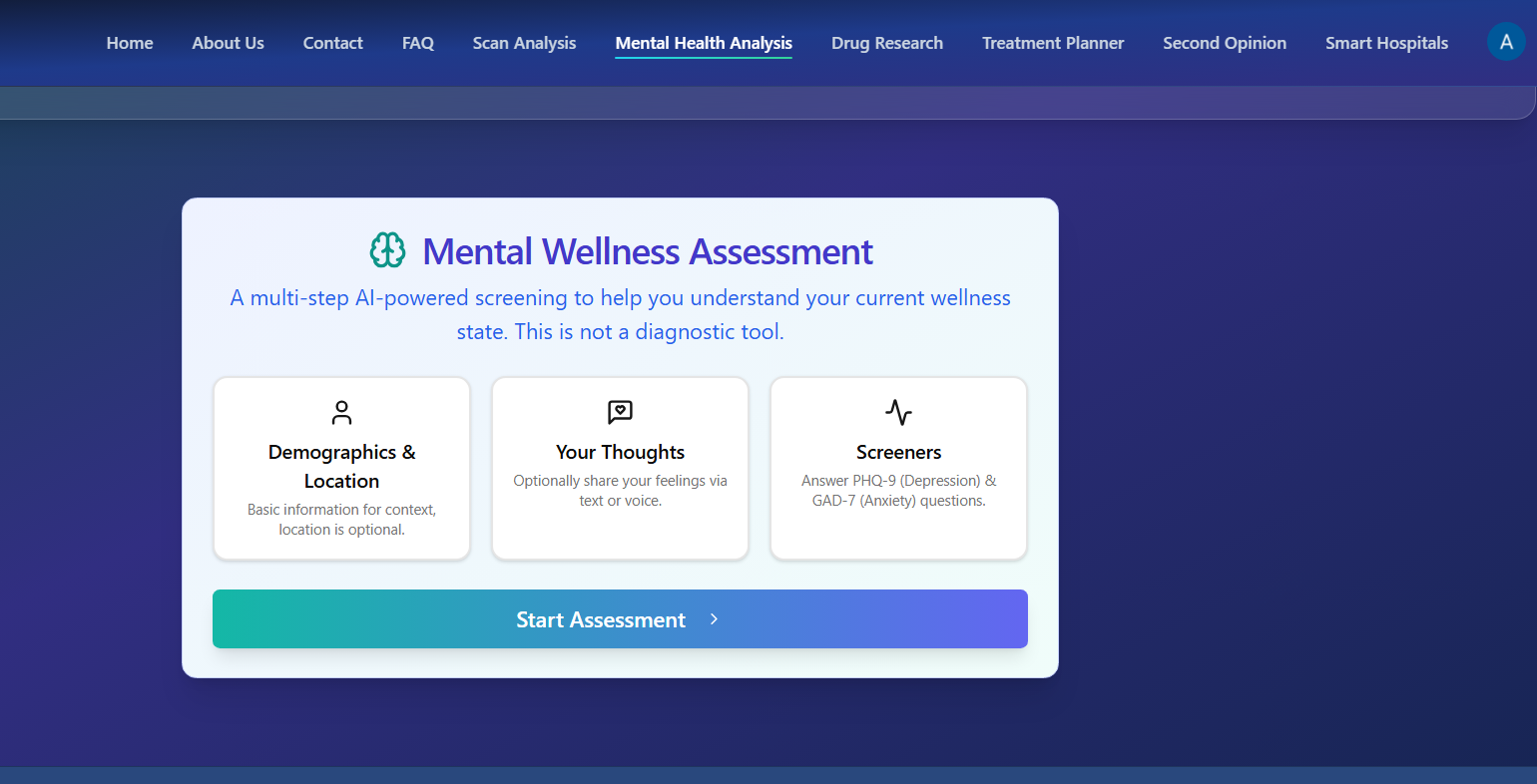
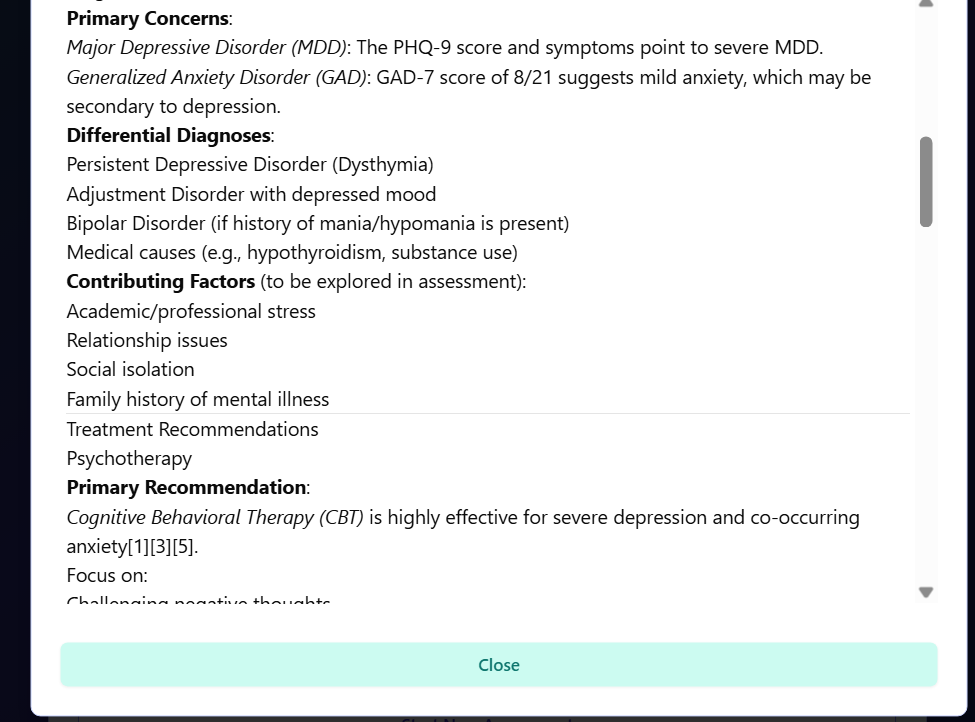
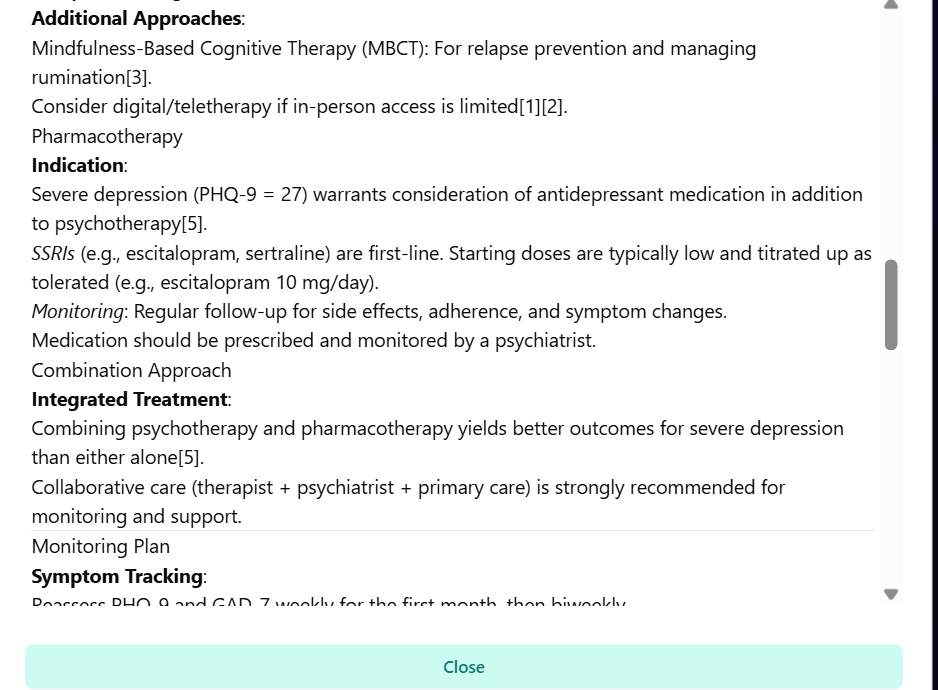
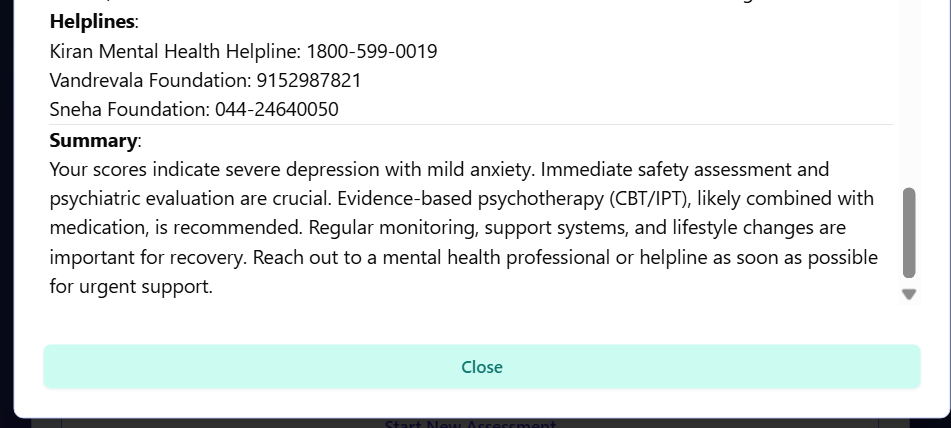
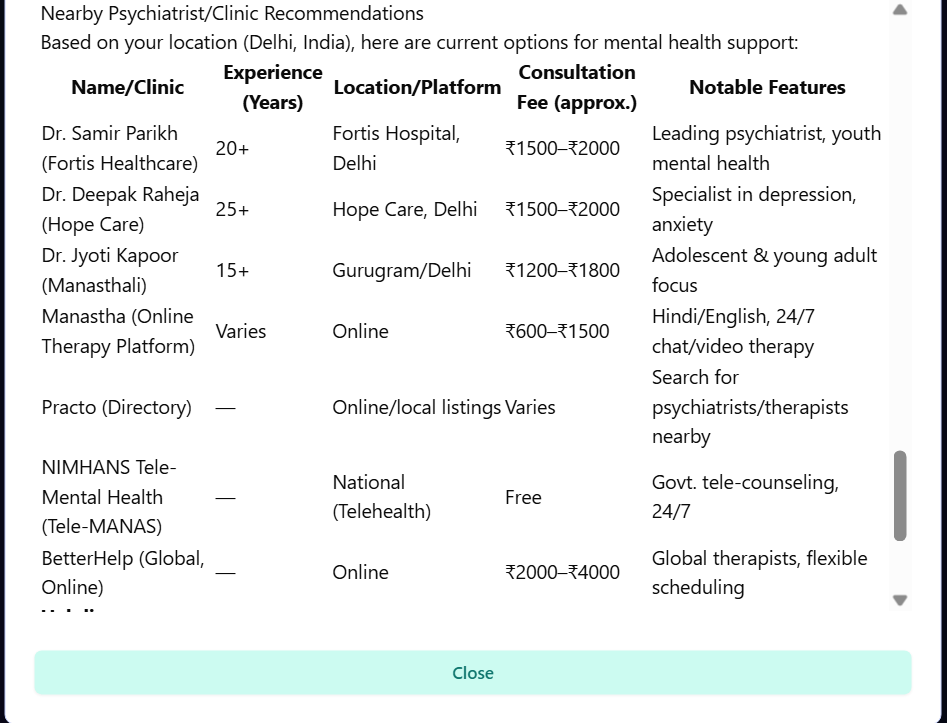
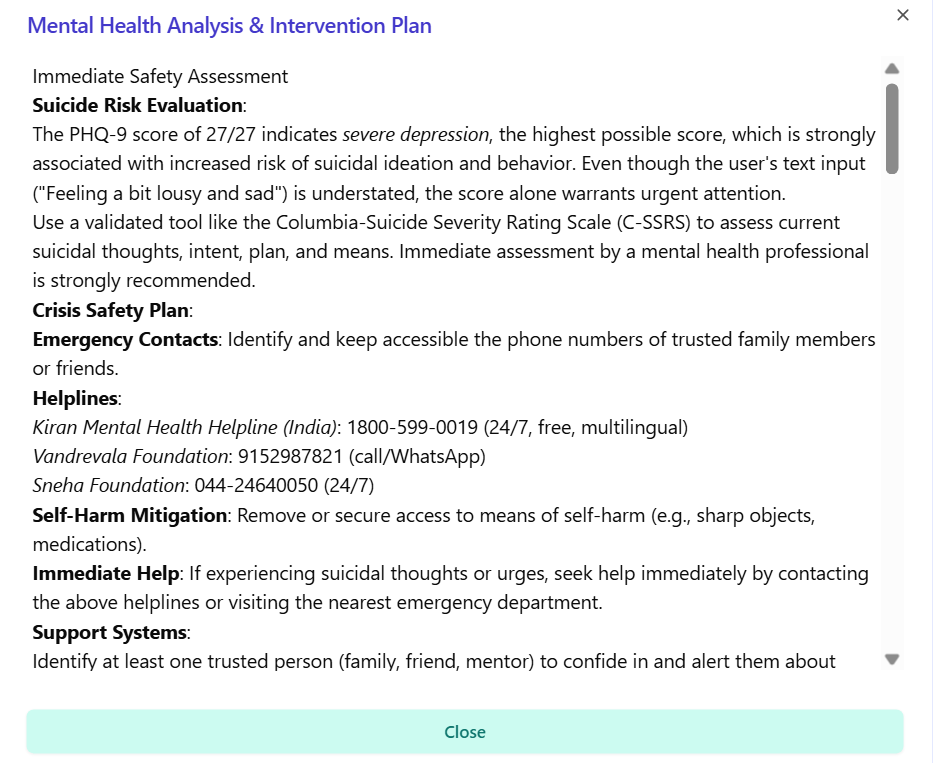
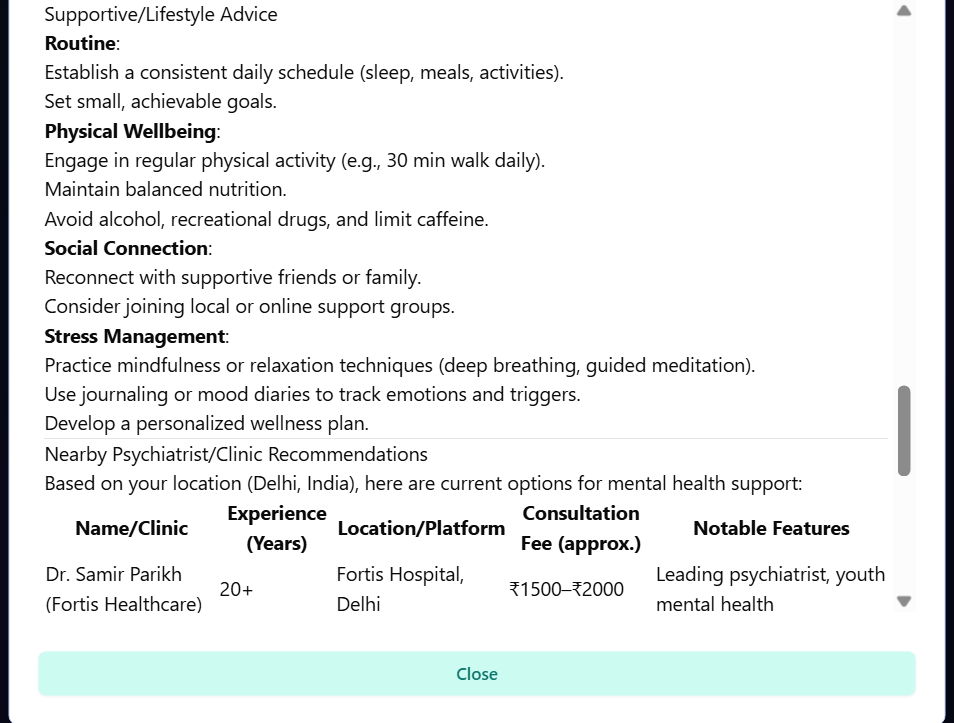
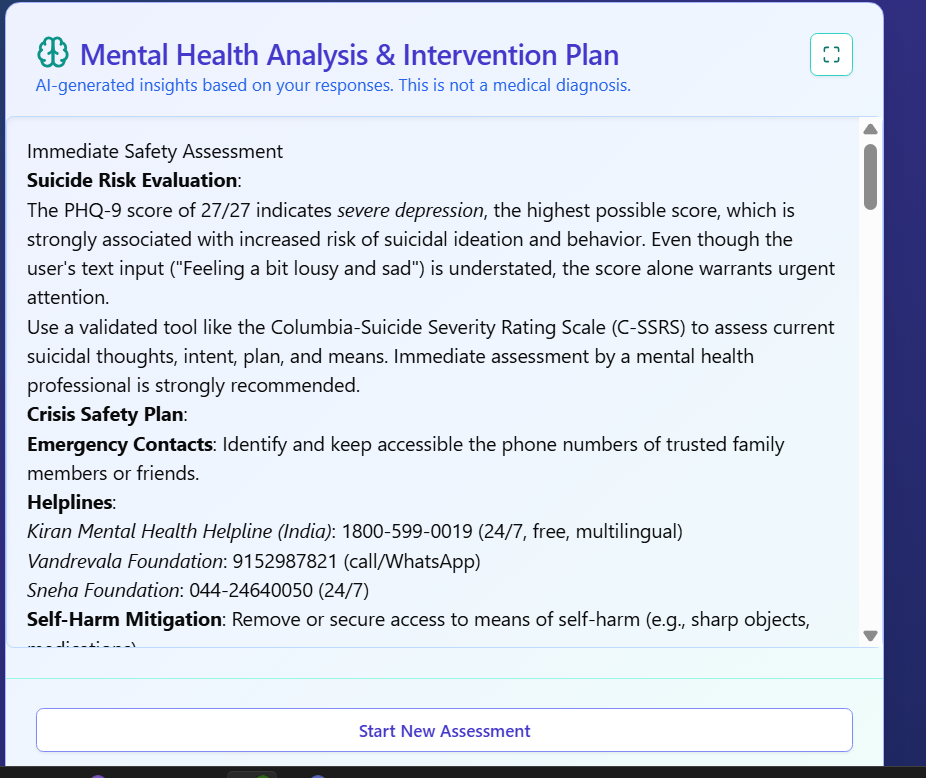
🧠 Mental Health Analysis (Key Feature)
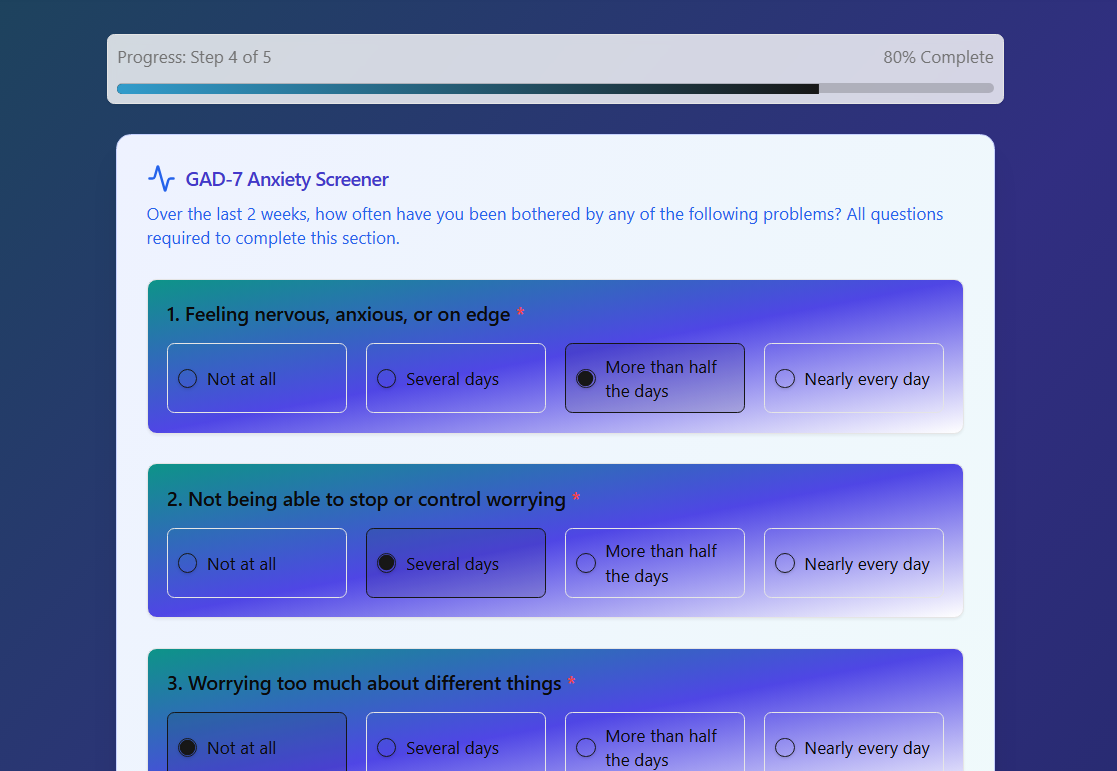
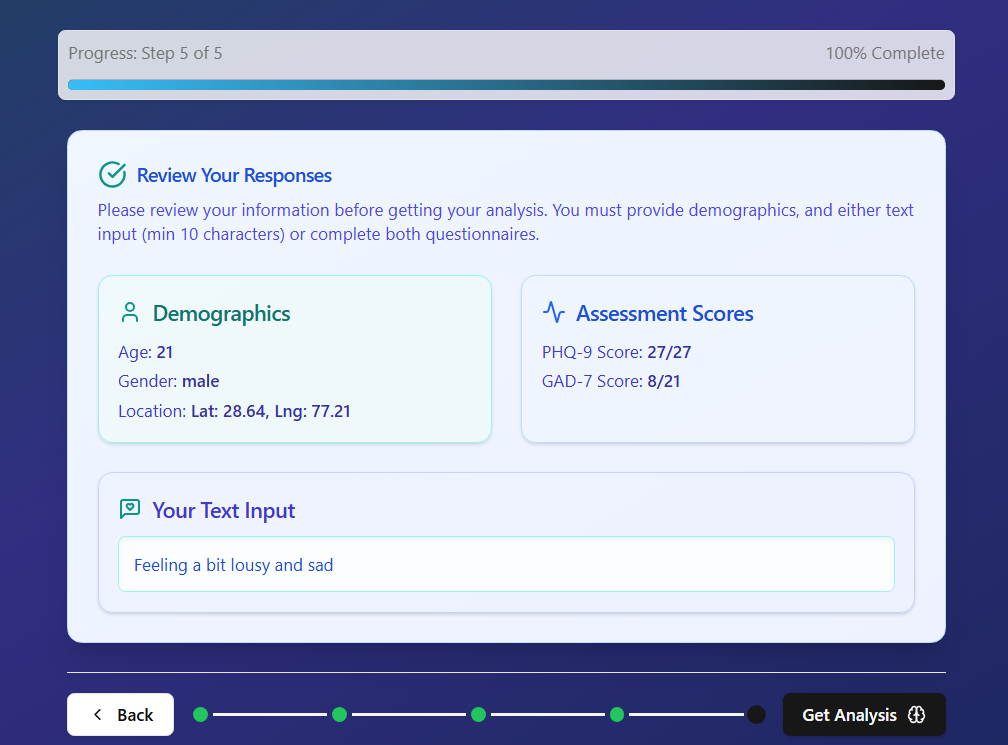
- Includes PHQ-9 and GAD-7 forms for emotional screening.
- Combines questionnaire results with demographic and textual inputs to generate well-being insights and mental health suggestions.
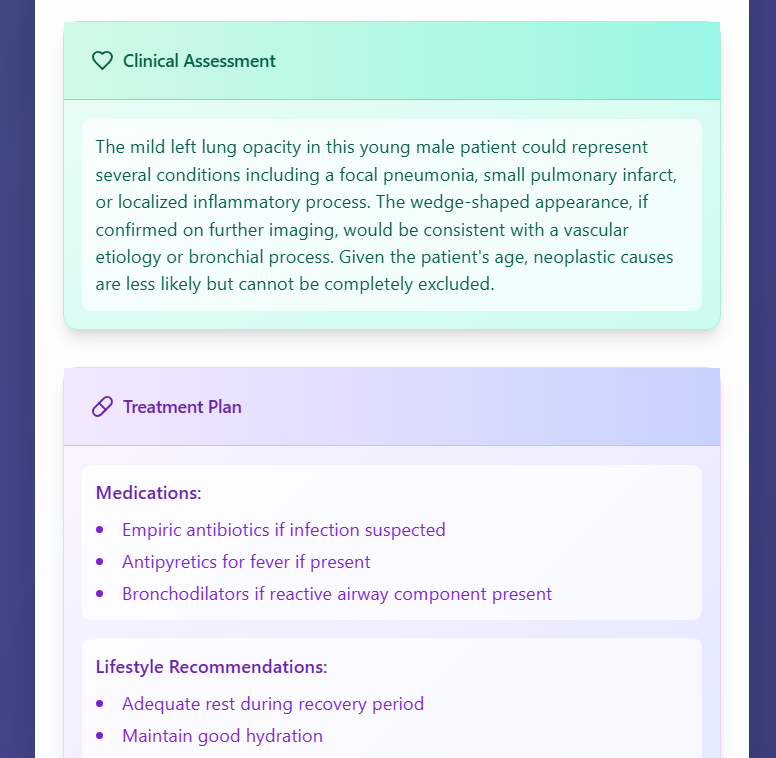
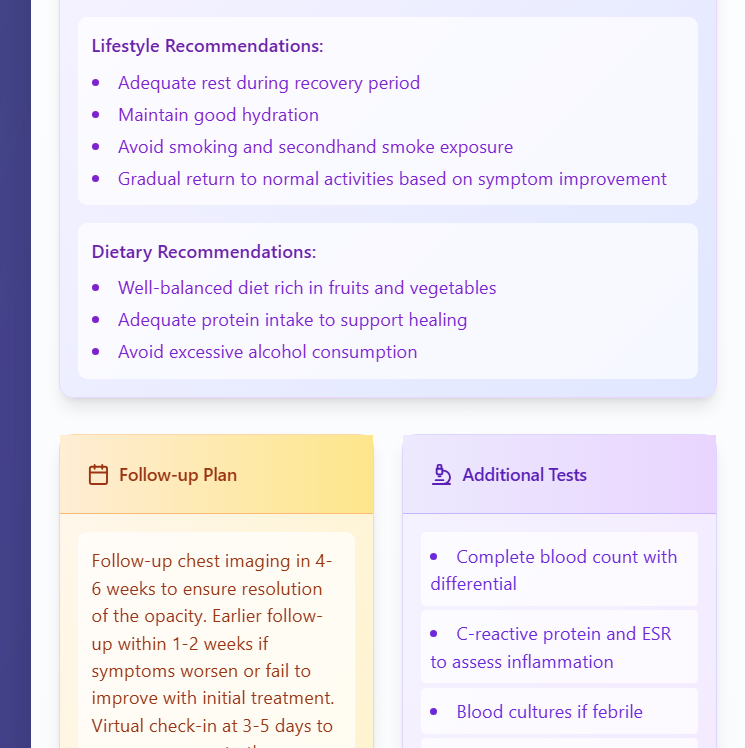
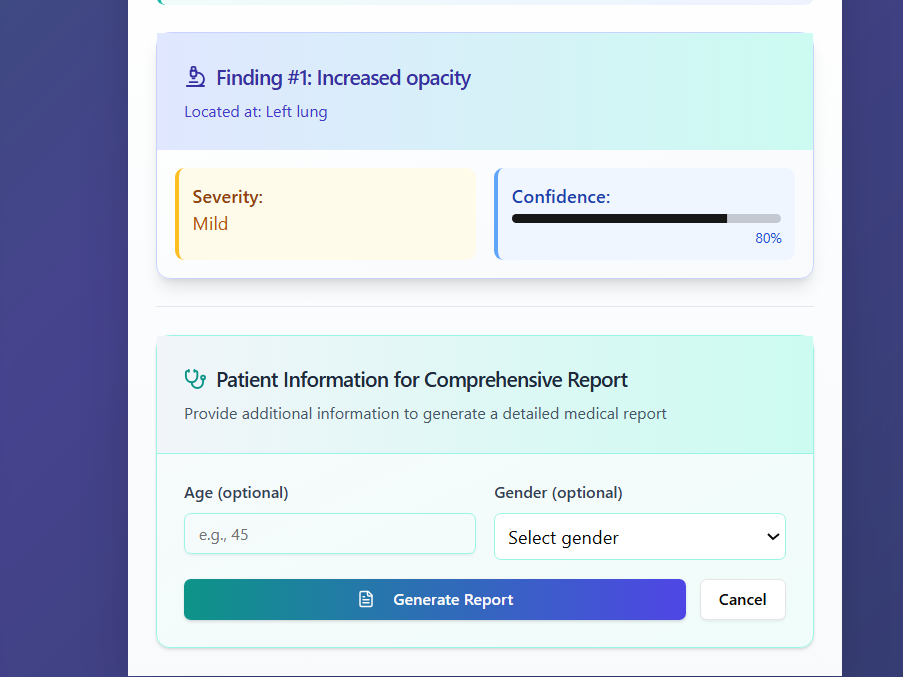
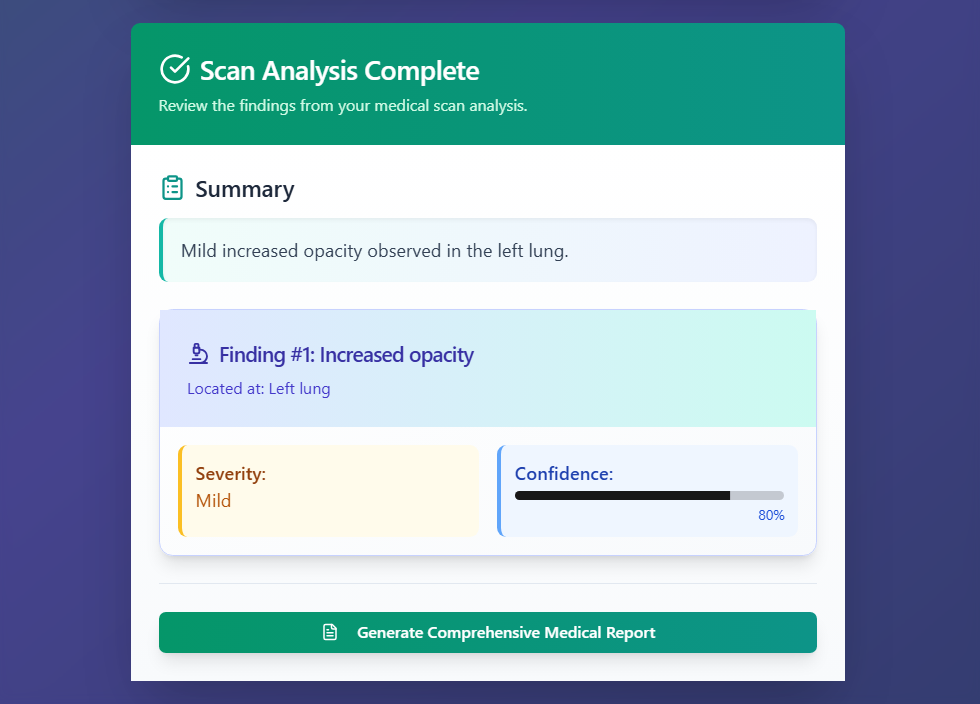
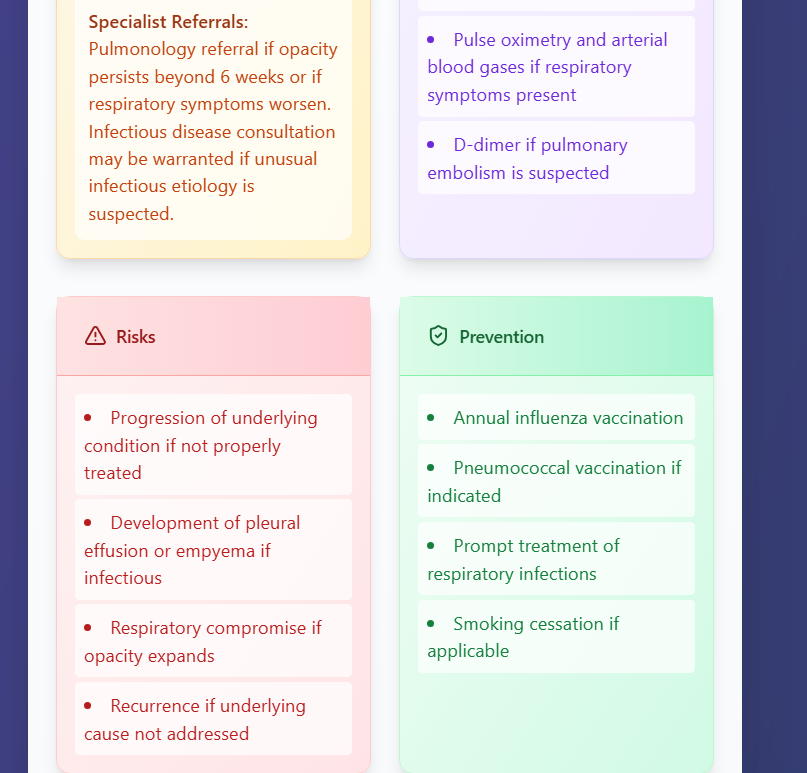
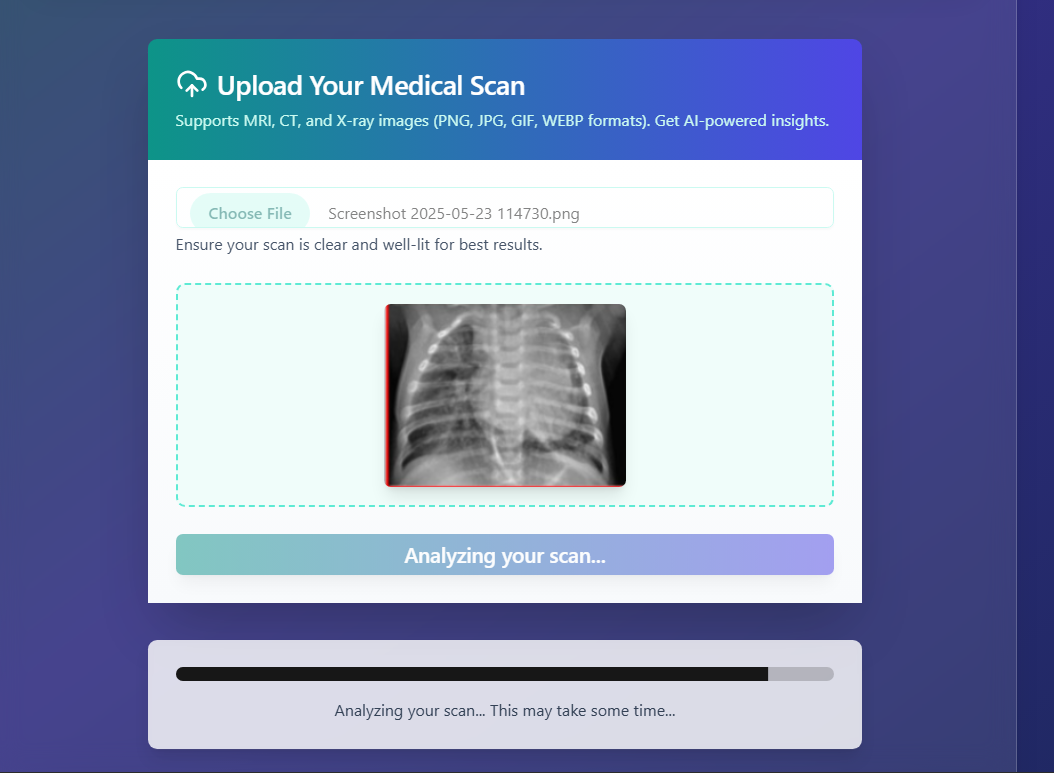
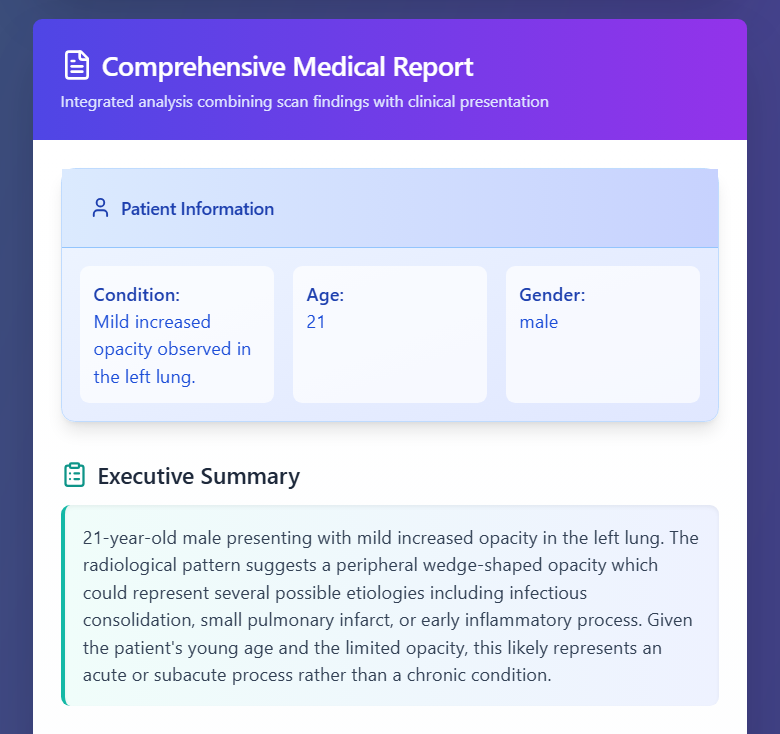
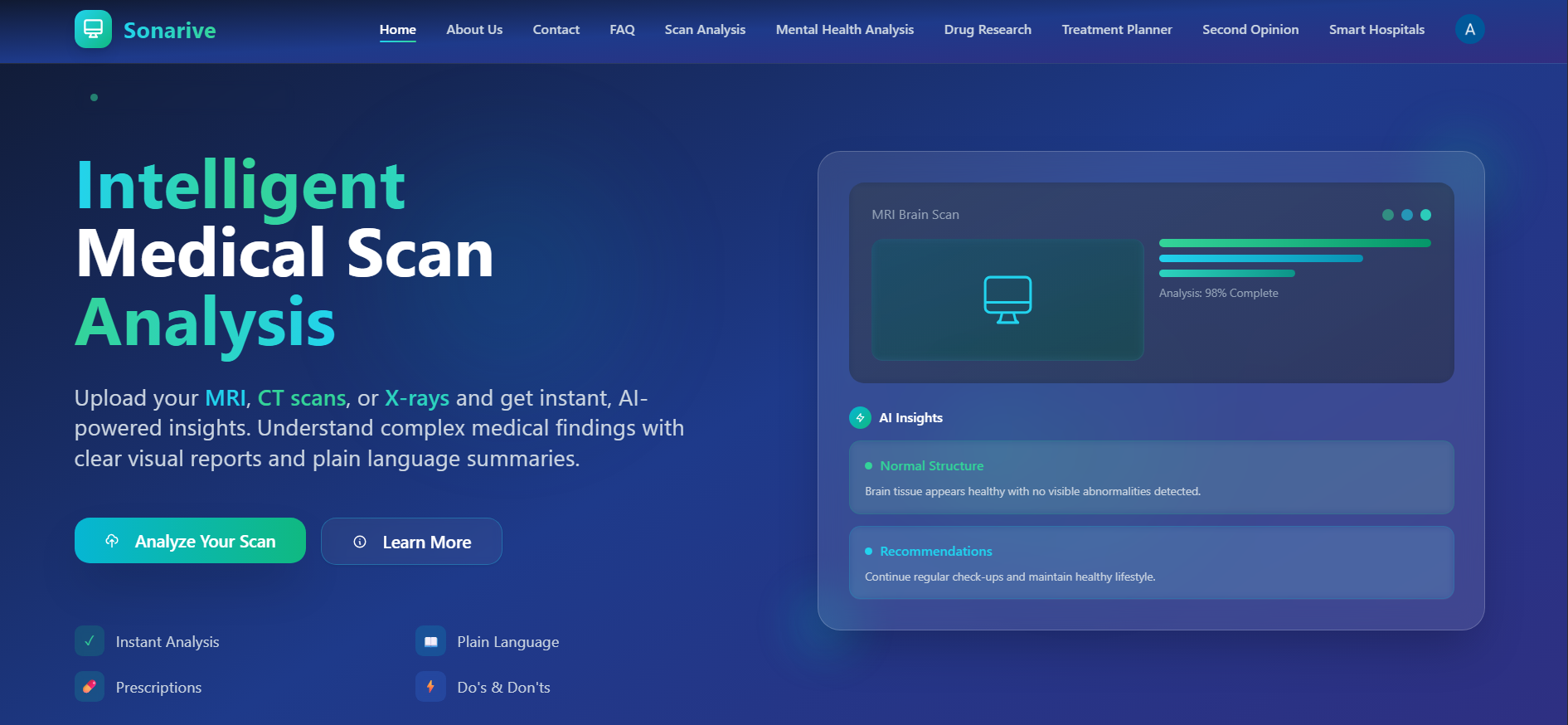
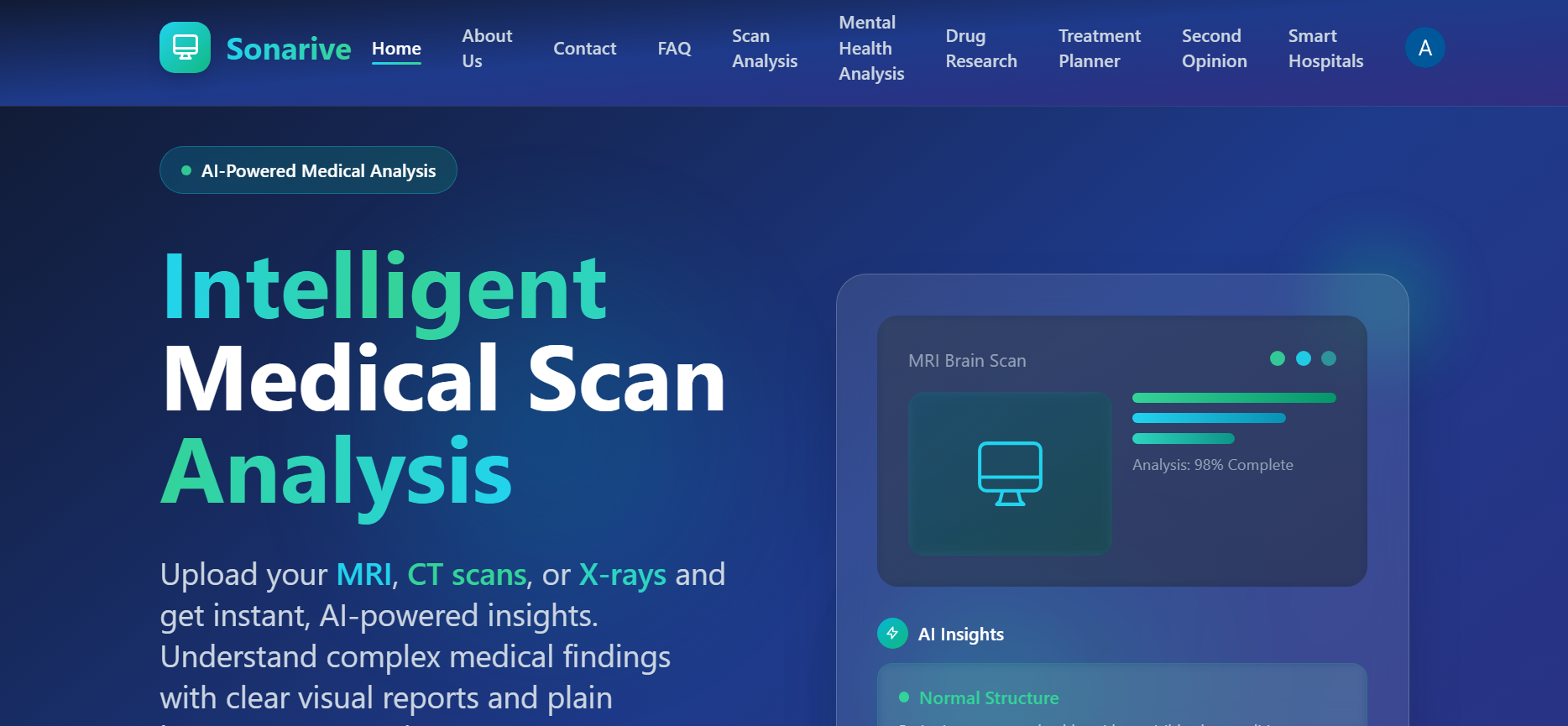
🖼️ Scan Analysis (Key Feature)
- Allows users to upload CT, X-ray, or MRI scans.
- Uses image preprocessing models to detect anomalies and suggest possible diagnoses or next steps.
🛠️ How I built it
Frontend
- Built with Next.js and Tailwind CSS for responsive, clean UI/UX.
- Integrated form flows, result viewers, and image upload components.
Backend & APIs
- Developed using Node.js and Express.
- Integrated the Perplexity Sonar API for medical reasoning and decision support.
- Used Google Gemini models for scan preprocessing and interpretation.
- Integrated the Google Maps API to display hospital recommendations.
- Implemented real-time PHQ-9 and GAD-7 scoring logic.
Deployment
- Deployed the full-stack app using Vercel.
⚠️ Challenges I ran into
Scan Analysis Model Tuning: Since no medical image analysis was directly available through Sonar, I had to explore alternatives. Gemini provided a viable solution, but integrating it alongside Sonar introduced complexity in managing multiple APIs and their responses.
Combining PHQ-9/GAD-7 with LLM Reasoning: Making the output context-aware (age, region, user notes) required careful prompt engineering and validation.
Accuracy & Privacy: Balancing actionable results with anonymization and privacy was a priority, especially for scans and sensitive mental health data.
API Limitations: Some Perplexity Sonar features had rate limits or access restrictions, requiring workarounds and batching.
🏆 Accomplishments I’m proud of
- Developed a functioning AI-powered mental health assistant using PHQ-9, GAD-7, and Sonar's reasoning capabilities.
- Built a medical image diagnosis feature capable of giving actionable scan insights.
- Created a seamless, user-focused UI for simplified healthcare navigation.
- Successfully integrated and applied Perplexity Sonar in real-world health scenarios like second opinions and drug research.
📚 What I learned
- How to blend structured screening tools with generative AI for early diagnosis and emotional health tracking.
- Gained a deep understanding of prompt engineering for medical applications.
- Learned to balance interpretability, accuracy, and privacy in sensitive healthcare data.
- Developed skills in full-stack development combining frontend, backend, and AI API integration.
🔮 What's next for Sonarive
- 🔐 End-to-End Encryption: To fully secure patient data and scans.
- 🤝 Collaboration with Medical Experts: To validate recommendations and improve accuracy through human-in-the-loop.
- 🧠 Multi-language Support: Make mental health tools accessible in regional languages.
- 📱 Mobile App Launch: Broaden reach, especially in rural/low-infra areas.
- 🩺 Teleconsultation Feature: Enable instant connection with healthcare professionals based on user analysis.
Built With
- clerk
- gemini-api
- nextjs
- sonar-api
- typescript

Log in or sign up for Devpost to join the conversation.