-
-
Somnio - Application logo
-
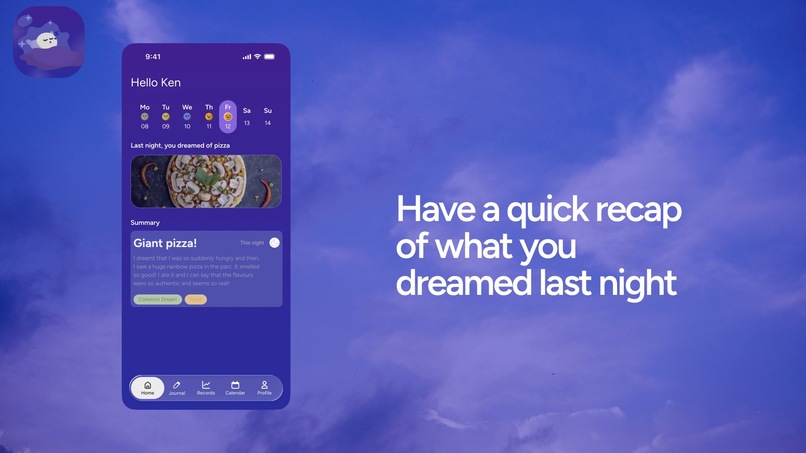
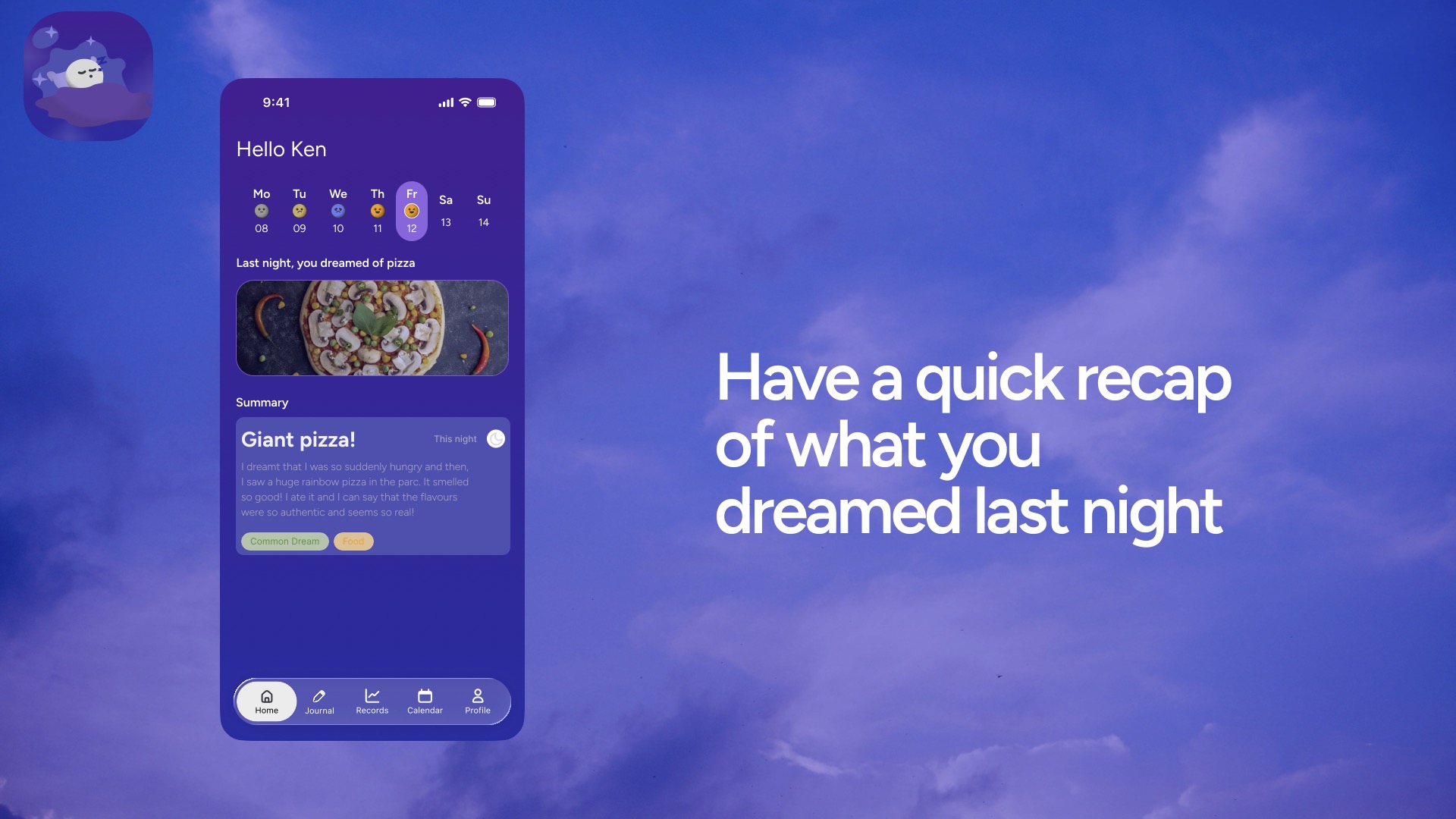
Home page
-
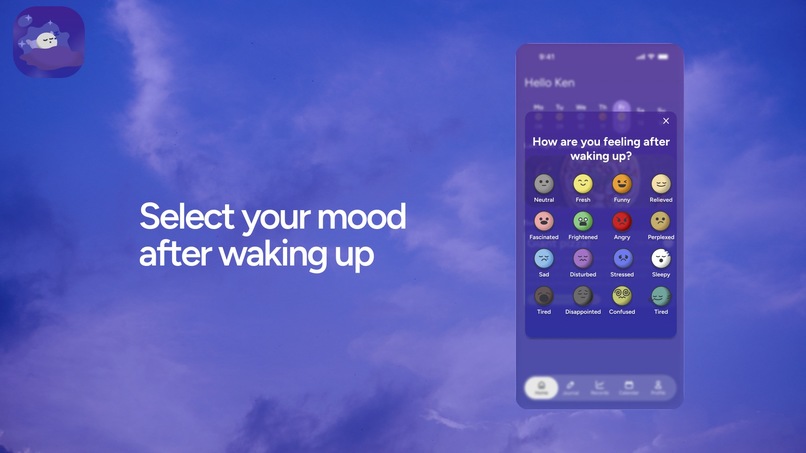
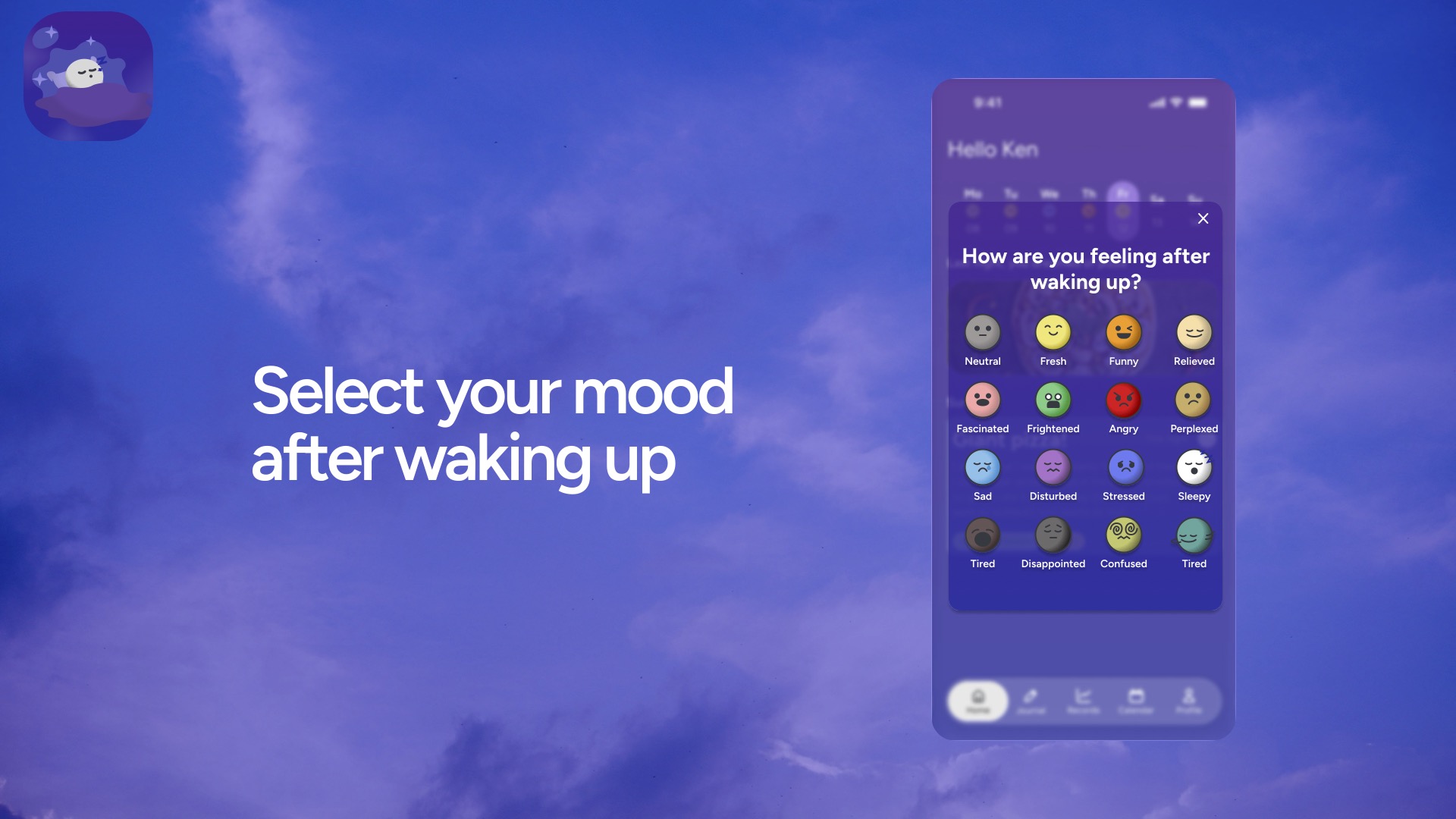
Emotion page
-
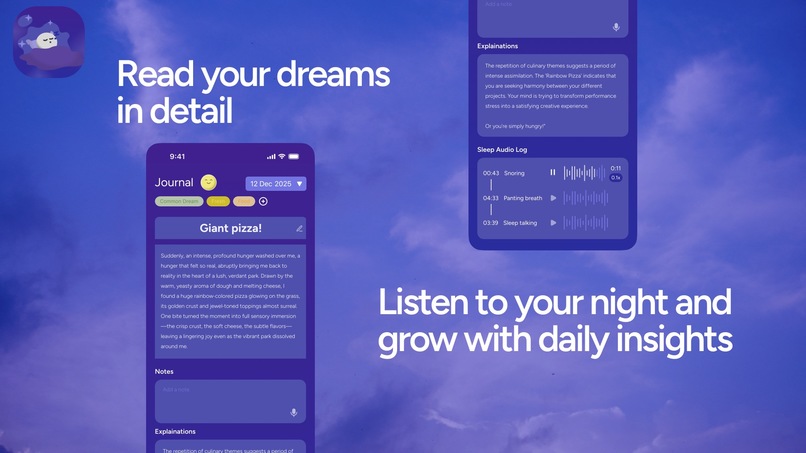
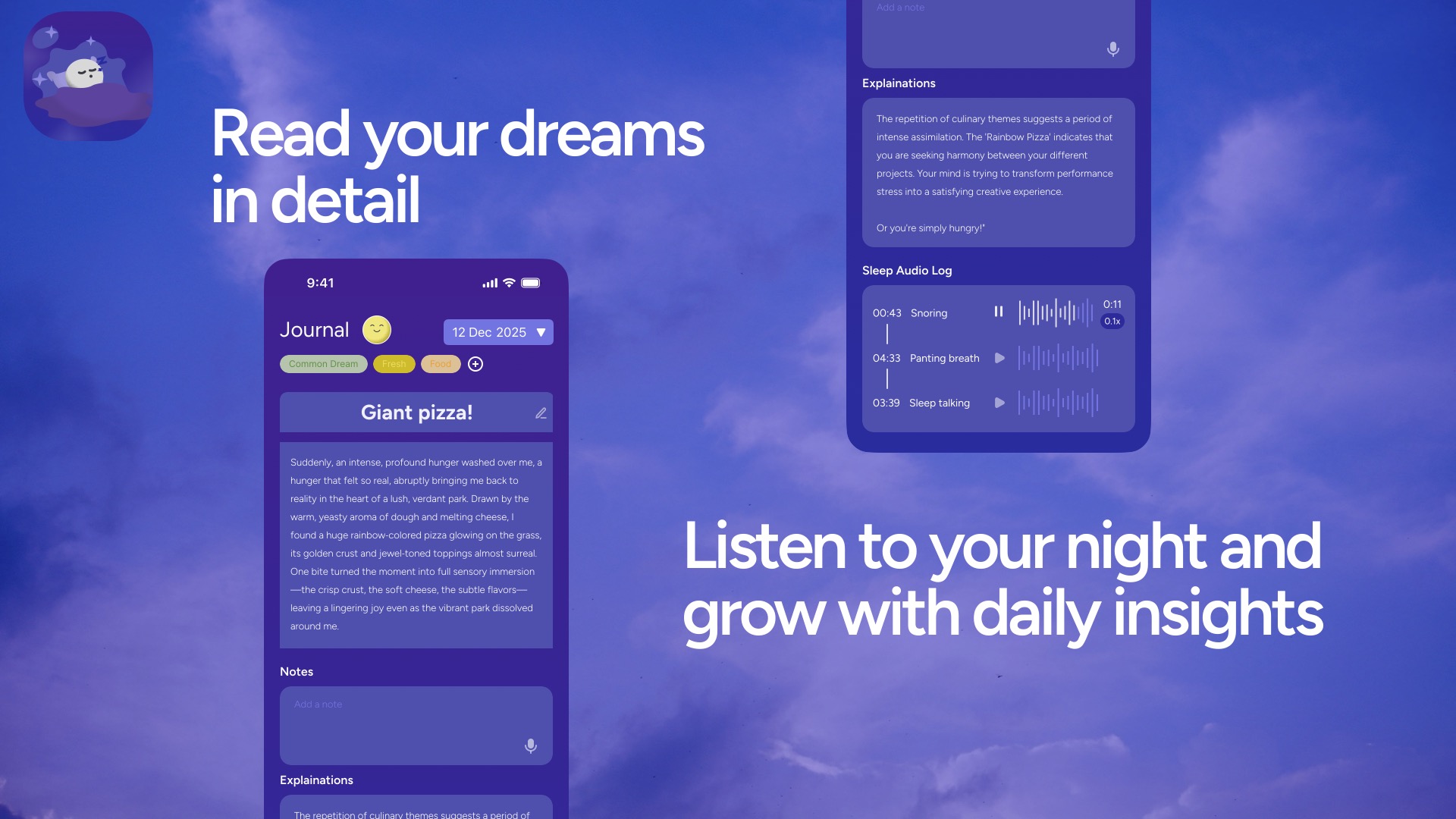
Journaling page
-
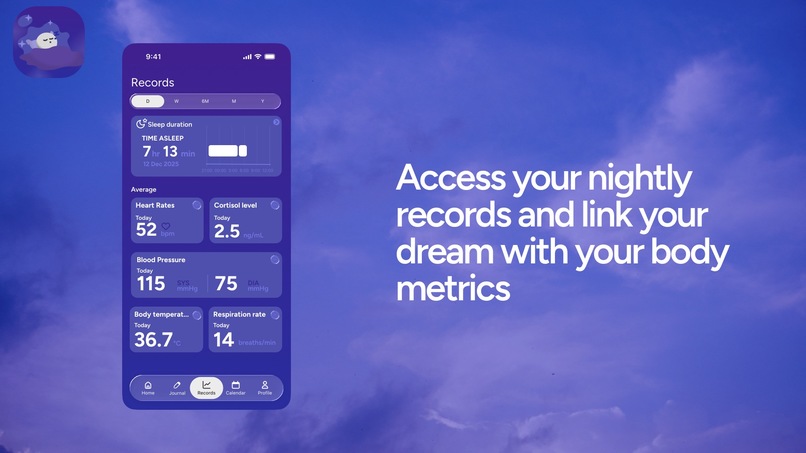
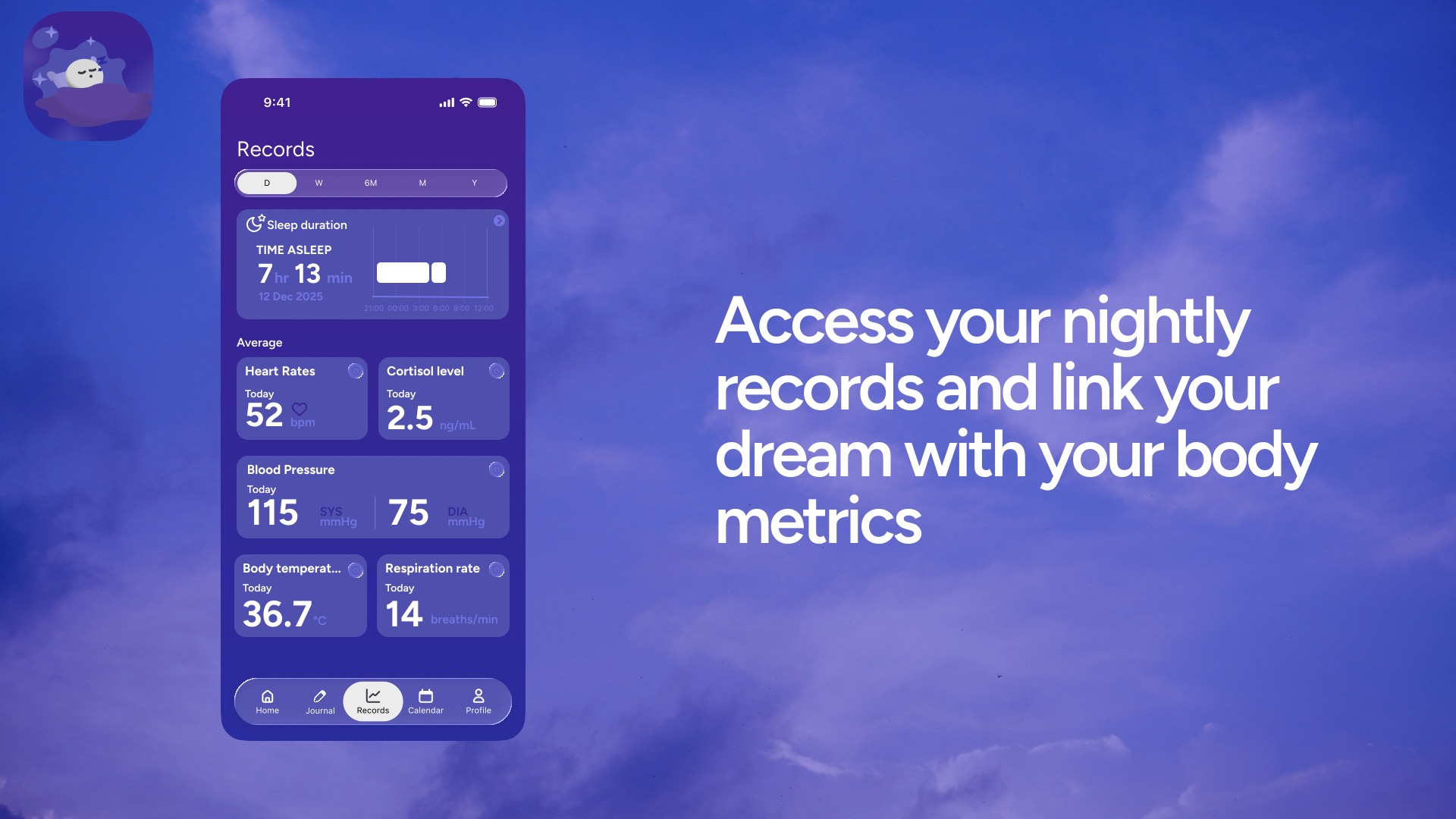
Records page
-
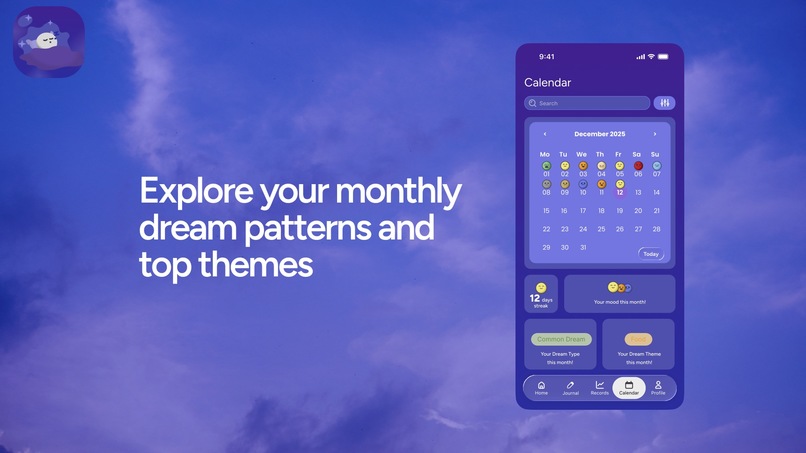
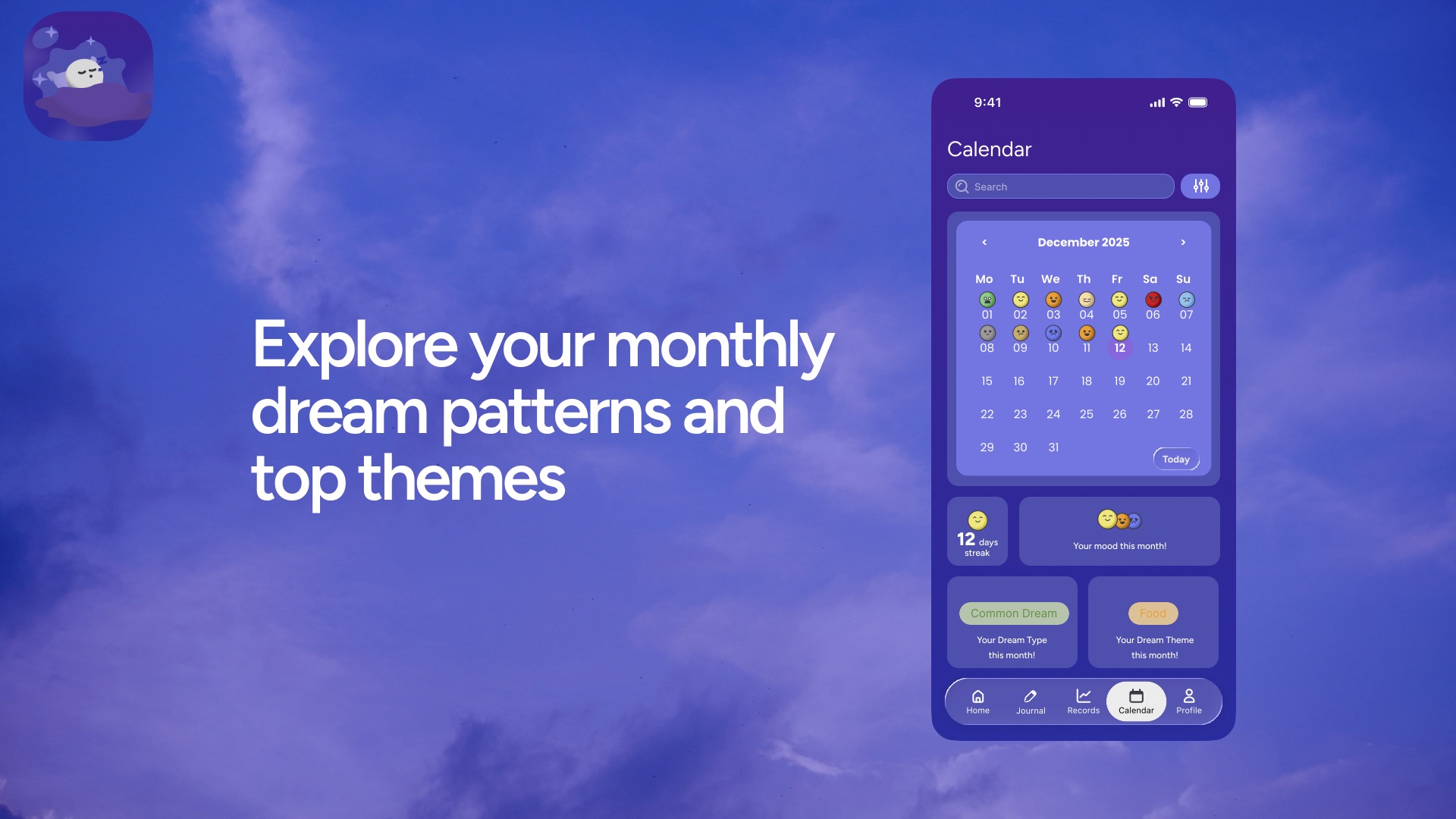
Monthly page
Inspiration
We agreed that every time we wake up, we forget what our dream was and we become frustrated. Pair the fact that many of our dreams are left forgotten with how descriptive dreams are of our hidden motives, dreams, and thought processes, it can be said that we don't have full access to our hidden psyche. We believe that bridging the gap between this dream state and reality will save many of us the frustration of having to recall dreams and allow us to see into ourselves more clearly. Another source of inspiration is how recently, scientists in Japan are able to translate EEG brain waves into somewhat identifiable visuals from dreams. Without feasibility constraints, we assumed that in a technologically advanced future, we would be able to recreate dream data with clarity.
What it does
Somnio connects to a wristwatch device that is able to record brain activity. During the night, it records vitals, visuals and the story of the dreams, and any sounds made. It then summarises the mood of the dream using an emoji, recreates the dream's story through text, creates an AI-generated summary and AI-generated image (using a model that is trained from non-copyrighted photos) of the dream. The user has the choice to replay any sounds they made during the night, which they can disable in case of privacy concerns. Other features include being able to see an overall mood profile of their dreams and see different themes emerge as they continue using the app.
How we built it
We built it by first brainstorming user pain points, goals, and needs in FigJam to create a user persona. Second, we transferred those ideas into a wireframe sketch. Third, we created most of the components, emojis, design system from scratch. Lastly, we prototyped the most essential parts of our user flow.
Challenges we ran into
We had difficulty using Figma efficiently as most of us are beginners at the software. We also had to debate about laying out different interfaces and prioritising which features are the most essential in each page, ensuring it aligns with our user research.
Accomplishments that we're proud of
We are proud of being able to provide functionalities that anticipate core user needs such as the calendar, the search and filter functions for the dream. It's also nice to have an emoji system that the user can assign to each night to make them even more meaningful. Lastly, privacy is an important consideration we made when making a design that taps into something deeply personal.
What we learned
We became accustomed to some of the features we use repeatedly in Figma such as auto layout and prototyping. We also learned how to use Figma presentations and how to present a product through storytelling
What's next for Somnio
Somnio in the future could use a more advanced algorithm to not only detect the recurring themes in users' dreams but also potentially link them to real-life events, giving even more meaning to dreams. Additionally, Somnio could use repayable dreams that translate rough visual sequences into a smooth visual story instead of text narratives.
References & Documentations
Scientific Research & Medical Data
- Mental Health & Disorders: WHO Mental Disorders Fact Sheet
- Cortisol & Sleep Stress: Impact of Stress on Sleep Symptoms (NIH)
- EEG & Dream Analysis: Scientific insights into dreaming (IEEE Explorer)
- Data Science in Dreaming: What Data Science tells us about dreams (Discover Mag)
Sleep & Dream Interpretation
- Common Recurring Dreams: Purple.com Deep Dive & CNN Health Analysis
- Dream Typology: The 10 Different Types of Dreams (Sleepopolis)
Inspiration & Ecosystem
- Health Data Integration: Inspired by Apple Health, Habit and Indeed
Built With
- figma
- figmacommunity
- figmamake


Log in or sign up for Devpost to join the conversation.