-
-
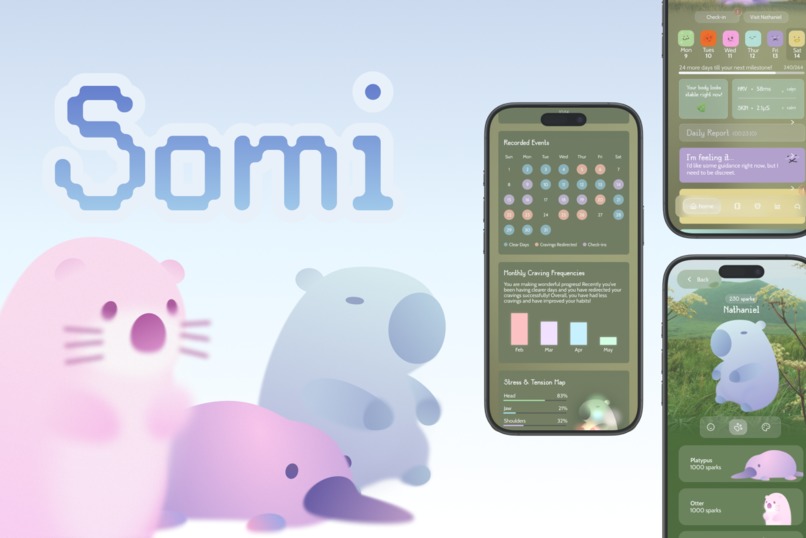
Somi
-
-
-
-
-

Inspiration
People recovering from Substance Use Disorder often can't accurately read their own body's signals. Impaired interoceptive awareness is directly linked to relapse. It affects cognitive control, decision-making, and risk assessment. Only 7.1% of Substance Use Disorder patients in high income countries receive adequate treatment, so we were able to ask a simple question: what if we could measure and quantify those somatic signals before a craving peaks?
What it does
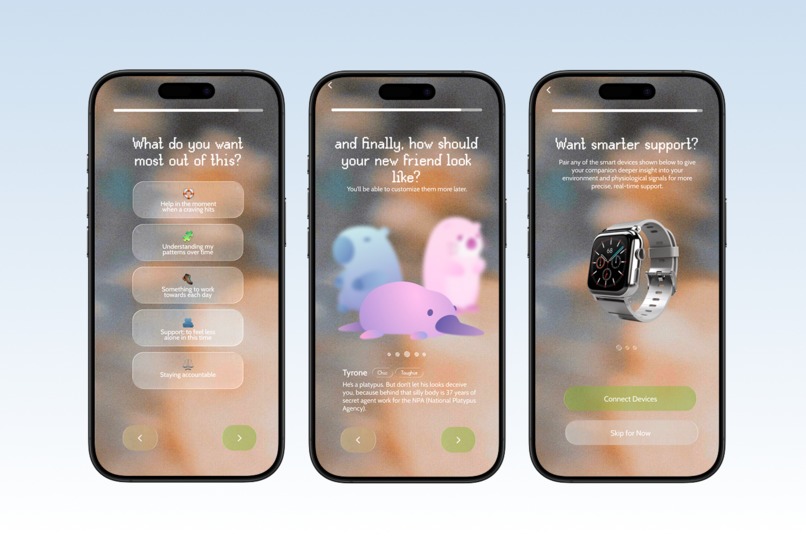
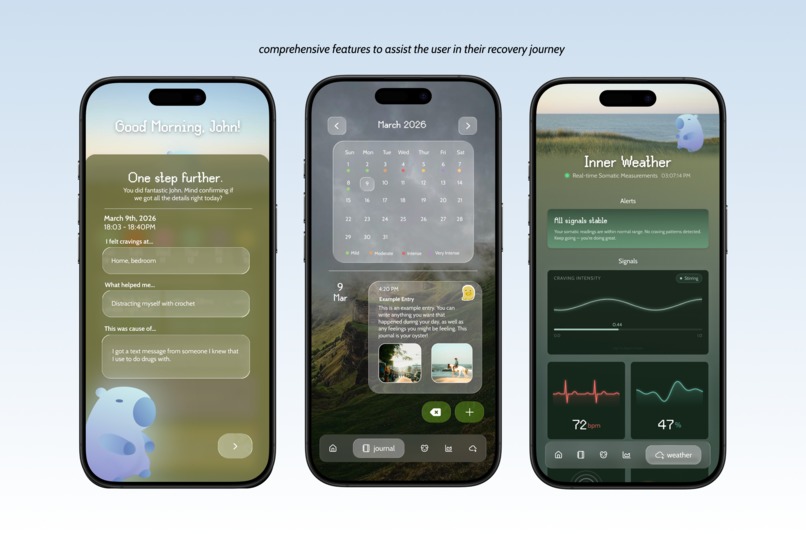
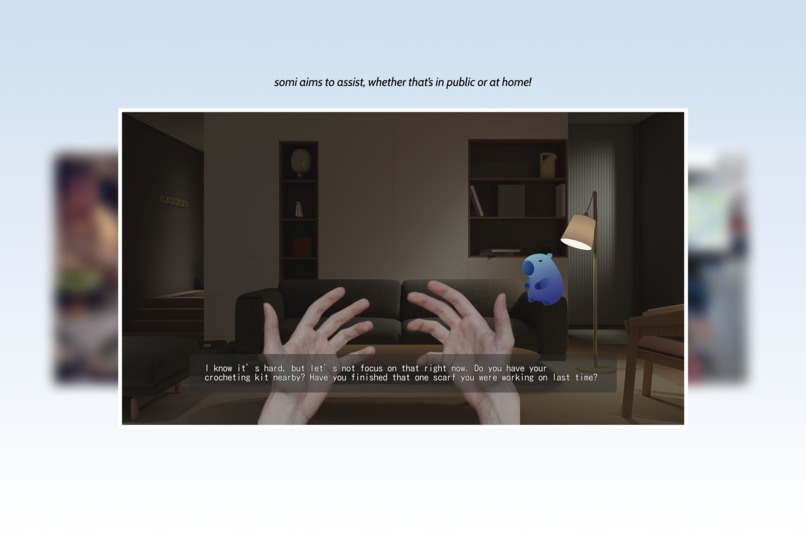
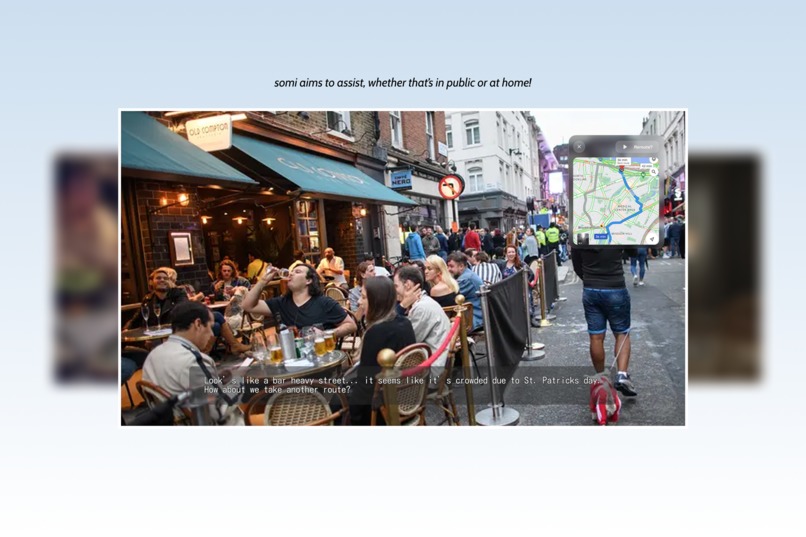
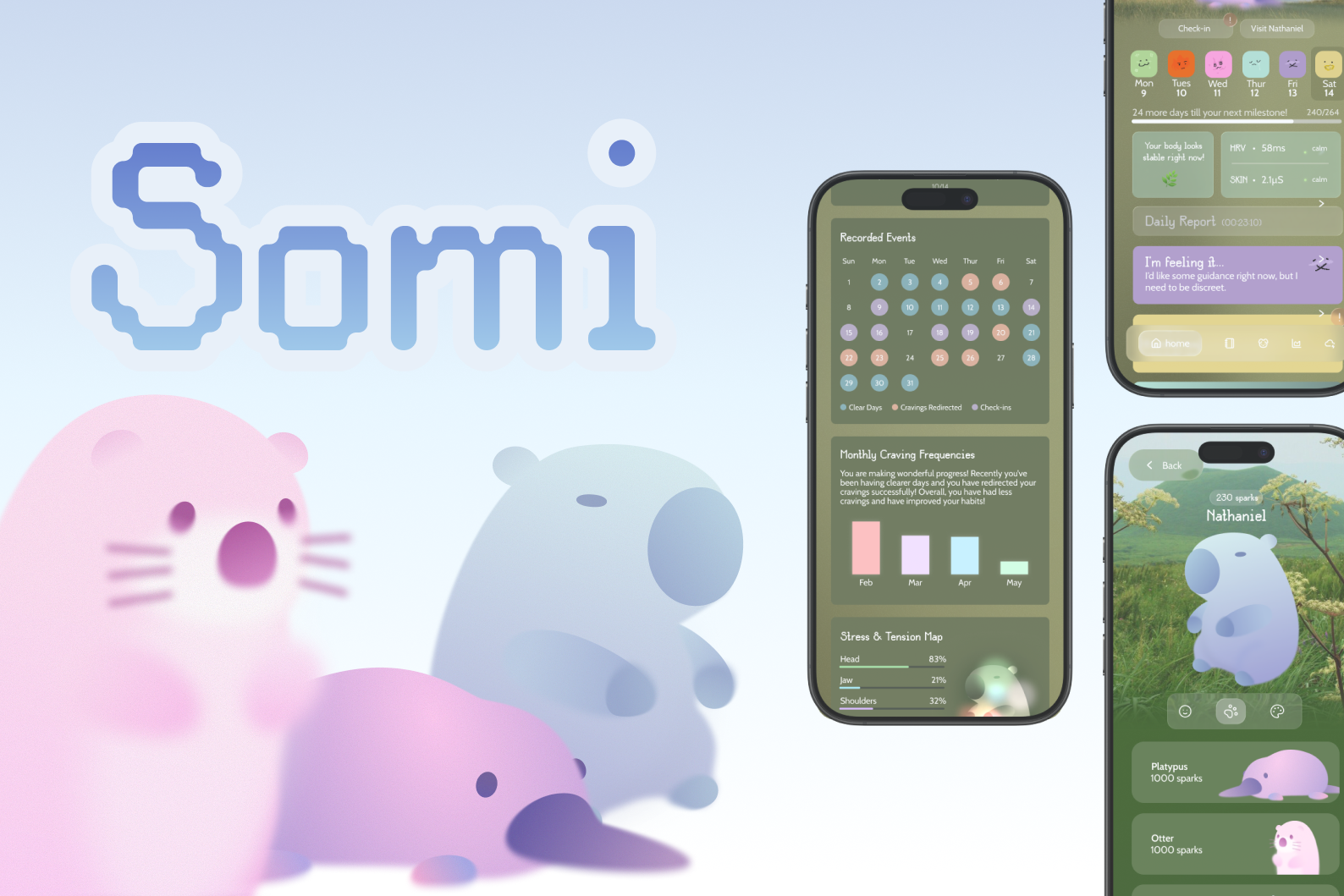
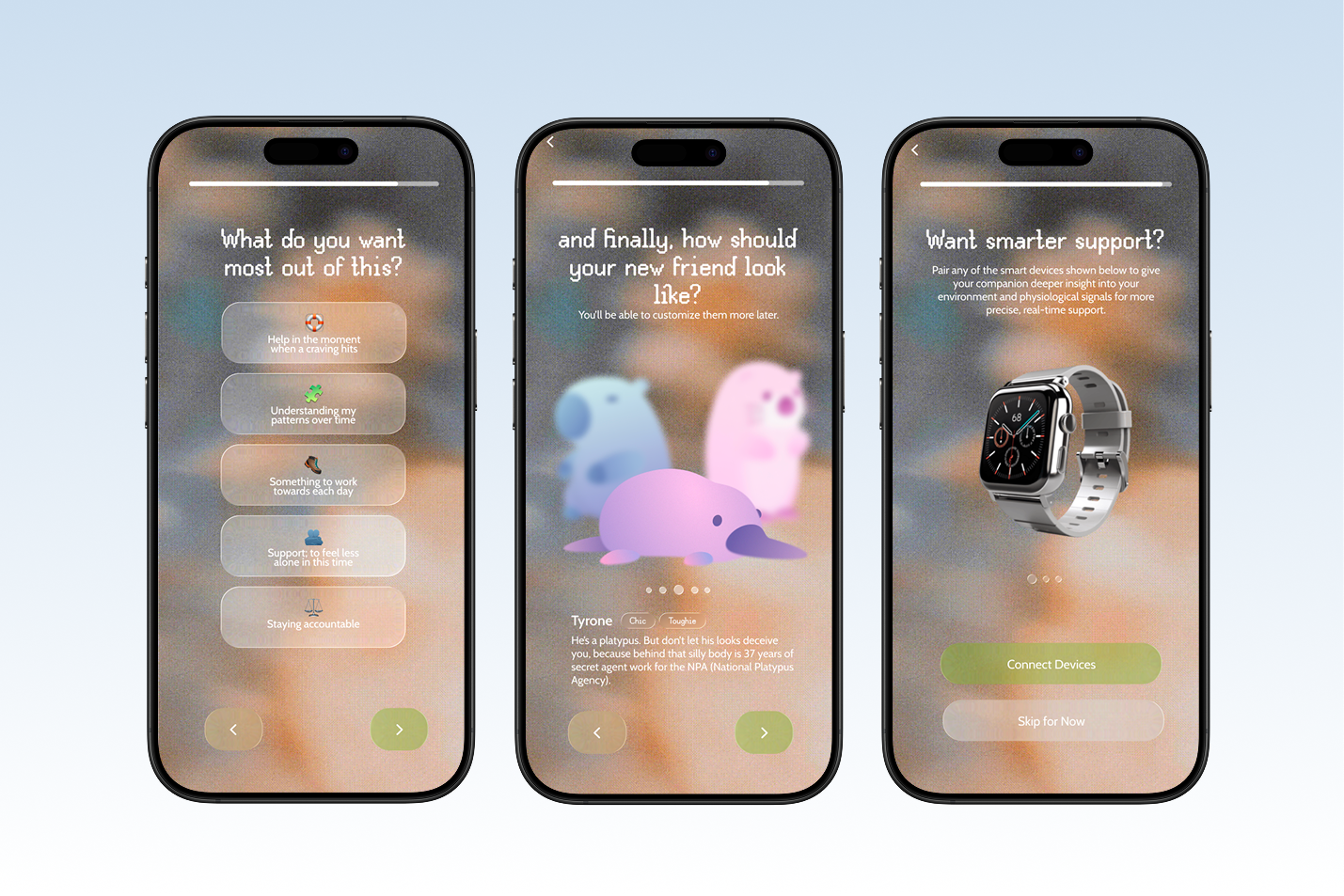
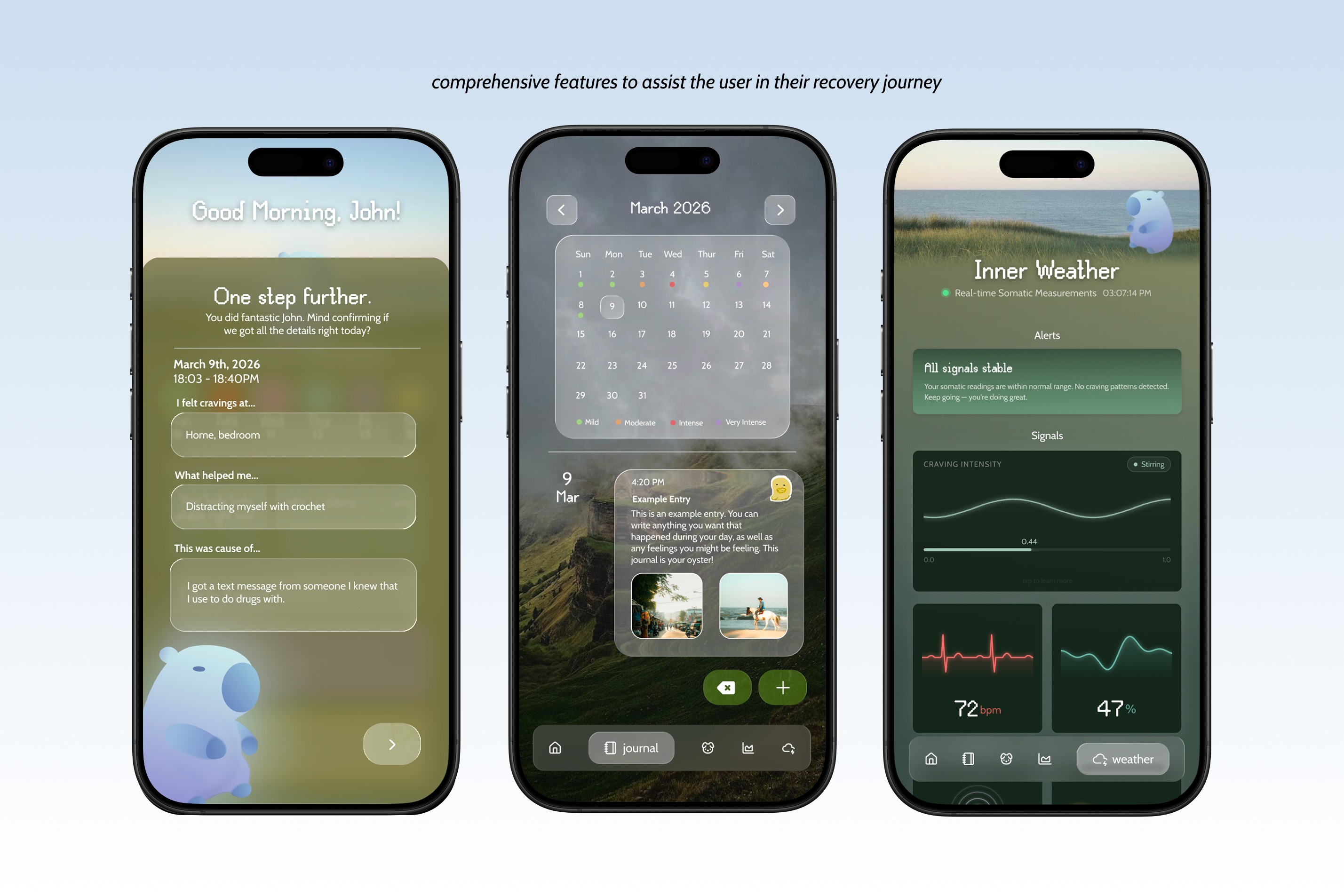
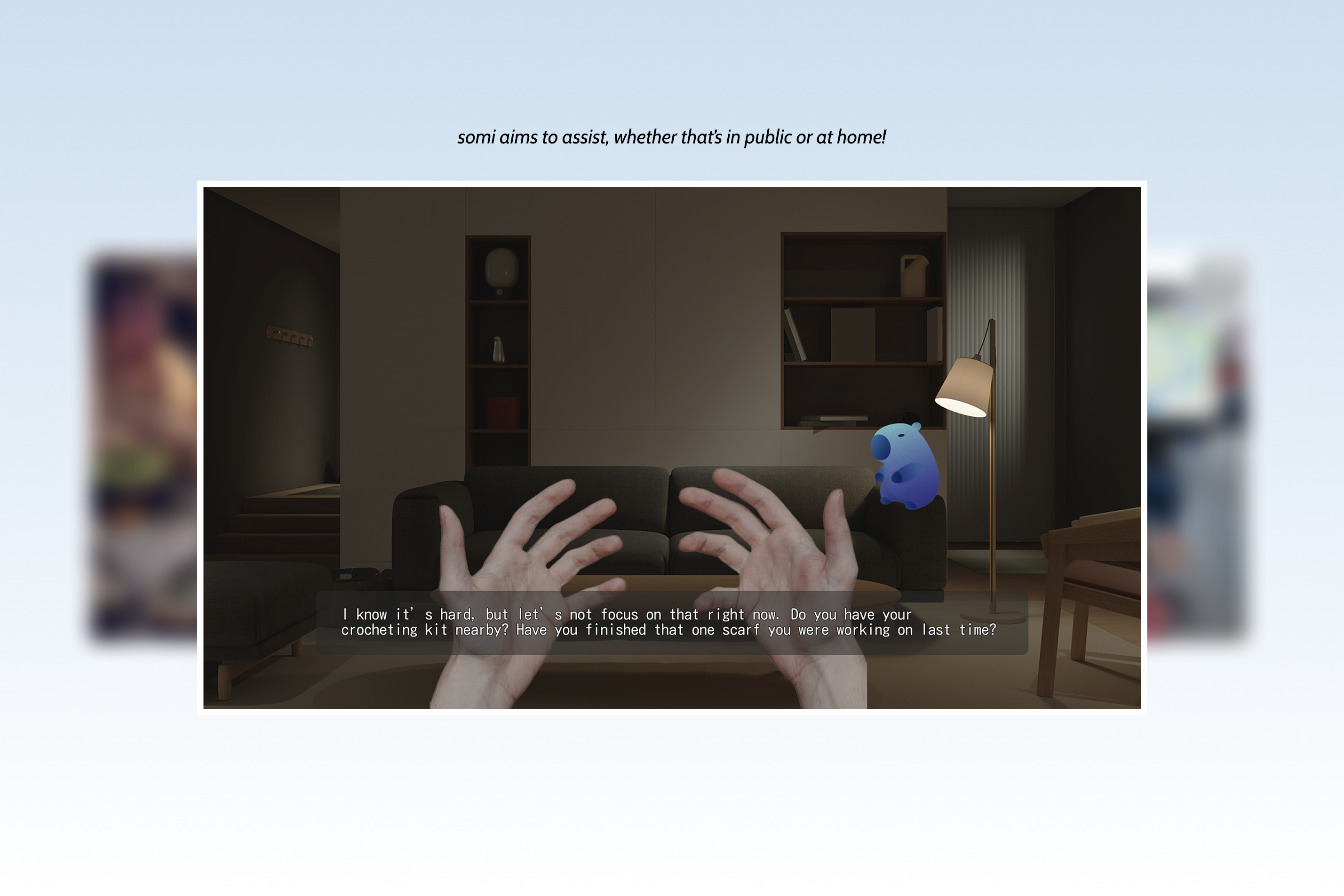
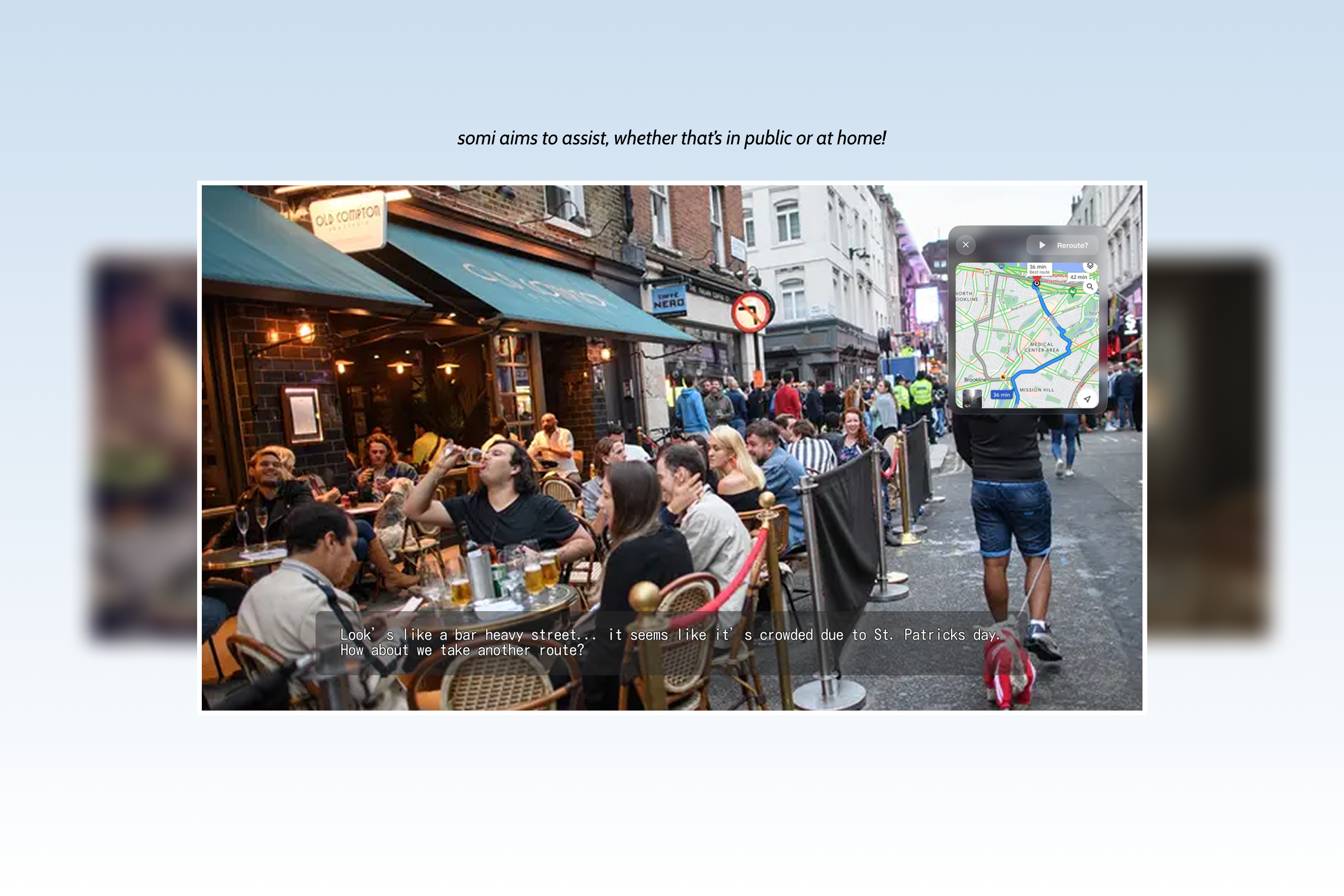
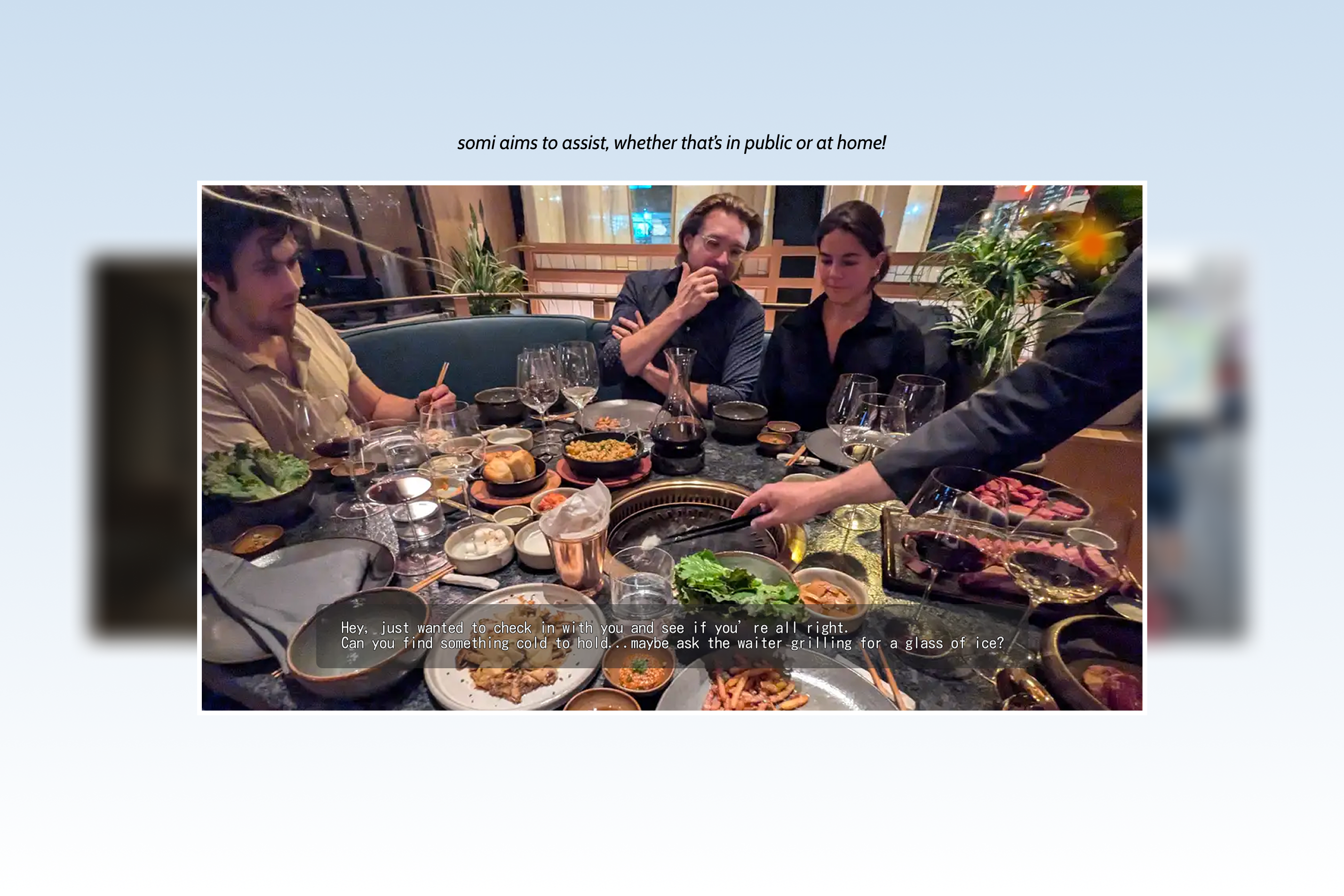
Somi is a recovery companion, connectable to three different surfaces: mobile, Apple Watch, and AR glasses. The wearable monitors HRV and skin conductance to detect cravings before the user consciously feels them, with the ultimate goal to support the user and prevent potential relapses. Through their lenses in places like their home, the AR sprite surfaces a gentle alert, asks questions on what their body is reaching for, and prescribes a specific real-world sensory intervention: a taste, temperature, texture, or smell designed to intercept the craving pathway. In public, Somi switches to discreet mode: a single dot in the lens or a haptic on the wrist. Over time it builds a personal craving fingerprint, and builds a bond with their companion character that lives on their phone.
A gamified companion character grows with the user's recovery, and a social layer lets friends leave support in each other's spaces.
How we built it
Figma and Figma Make! With lots of love and inspiration from other incredible designers and resources on the web.
Challenges we ran into
Designing for people in crisis is hard. Every decision carries weight. We spent as much time on what Somi should never do as on what it should: never guilt after a relapse, never show a list during a craving, never use clinical language in a vulnerable moment. Discreet mode was our hardest design problem. A sprite appearing in AR glasses at a party could make everything worse. We also had to strip all substance-adjacent iconography from onboarding after realizing even an emoji could activate a visual craving cue.
Accomplishments that we're proud of
Somi works at the level of interoception, one of the least addressed modalities in consumer wellness technology. It answers the design brief at every layer: detect, quantify, visualize, and respond to a previously invisible sensory signal. The behavioral model of the sprite is genuinely trauma-informed: acknowledge first, one instruction only, never disappear during a hard moment.
What we learned
Sensory substitution is clinically real and completely underdesigned for. The gap between a craving signal and a relapse action is where intervention is possible, and it is measurable. Designing for vulnerability requires as much restraint as creativity. The most important interaction we designed was the one that does the least: a single dot in the corner of a lens that notifies the user that their "pal" is there and that they aren't alone.
What's next for Somi
Regulations, guidelines, and further ensuring that the user understands that this app is not a replacement for any real-world health professionals! But in order to help better align the application with it's use-cases and solidifying any concerns on the validity and accuracy of its data, clinical partnerships could help validate the intervention model with addiction medicine specialists. Eventually language expansions, including updating the sprite's conversational model with fine-tuned language trained on trauma-informed recovery frameworks.
Built With
- figma


Log in or sign up for Devpost to join the conversation.