-
-
-
-
-
-
-
-
-
-
-

app icon

Inspiration
Sometimes the hardest part of meditating is getting to the point where you actually close your eyes.
We kept running into the same experience: opening a meditation app with something specific on our minds, browsing session titles, and trying to decide which one came closest. A difficult conversation. A restless night. That feeling of being exhausted while your thoughts are still moving at full speed.
We wanted a simpler starting point: tell the app what you're going through, and let the practice begin there.
That became somequiet.
It took a few earlier product attempts to get here, but the idea we kept coming back to was simple: make it easier for someone to pause, understand how they feel, and give themselves a little room to breathe.
What it does
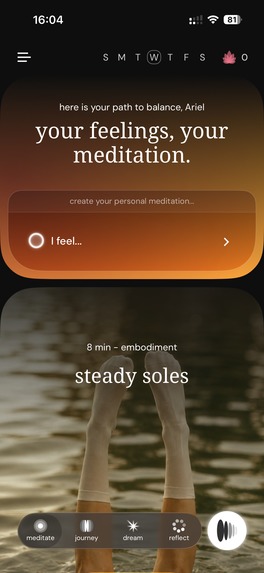
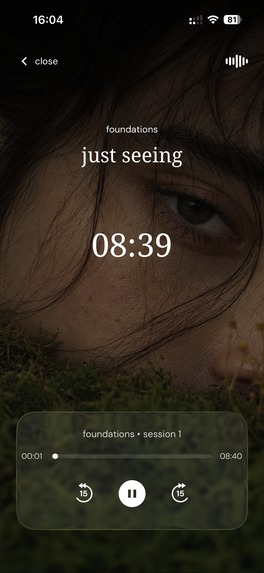
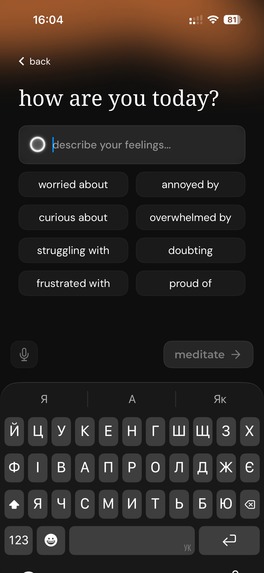
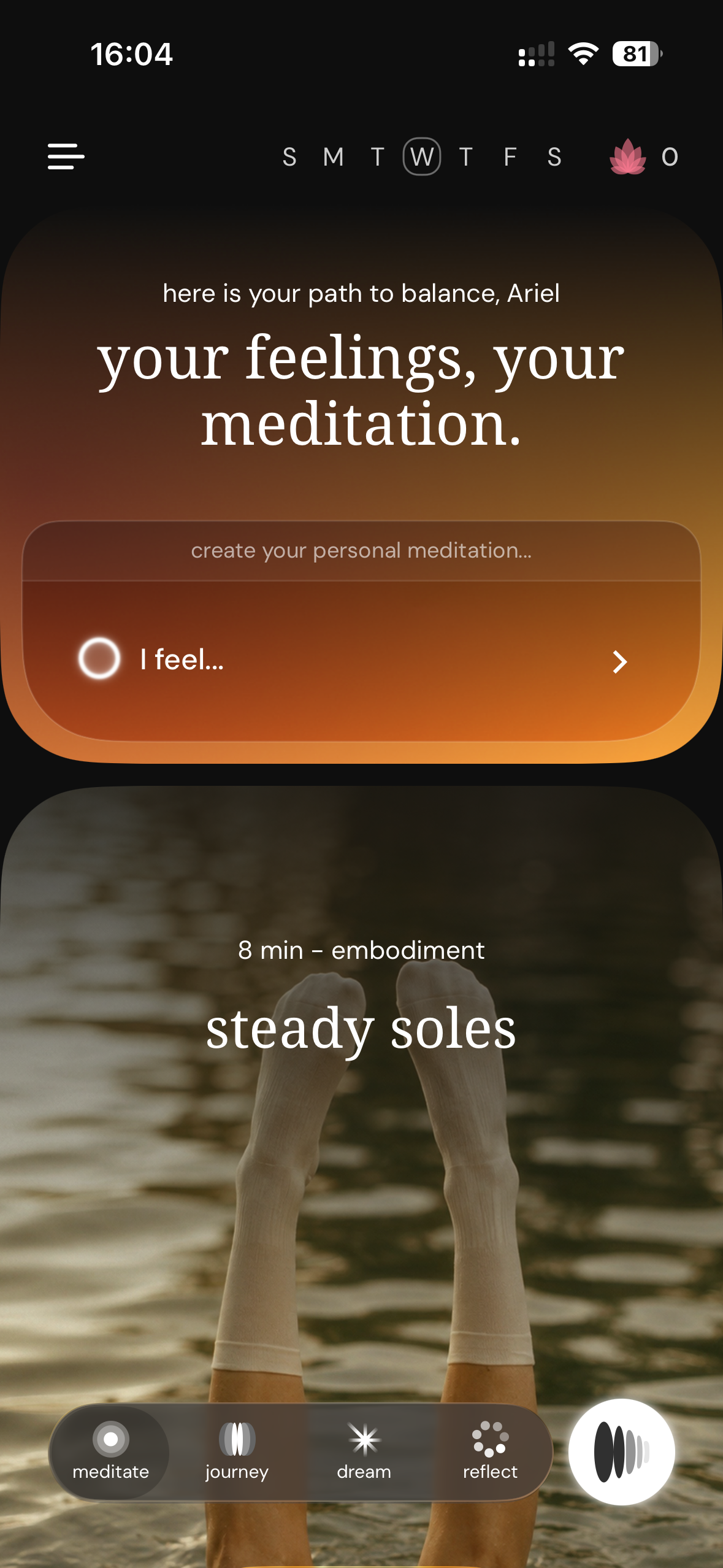
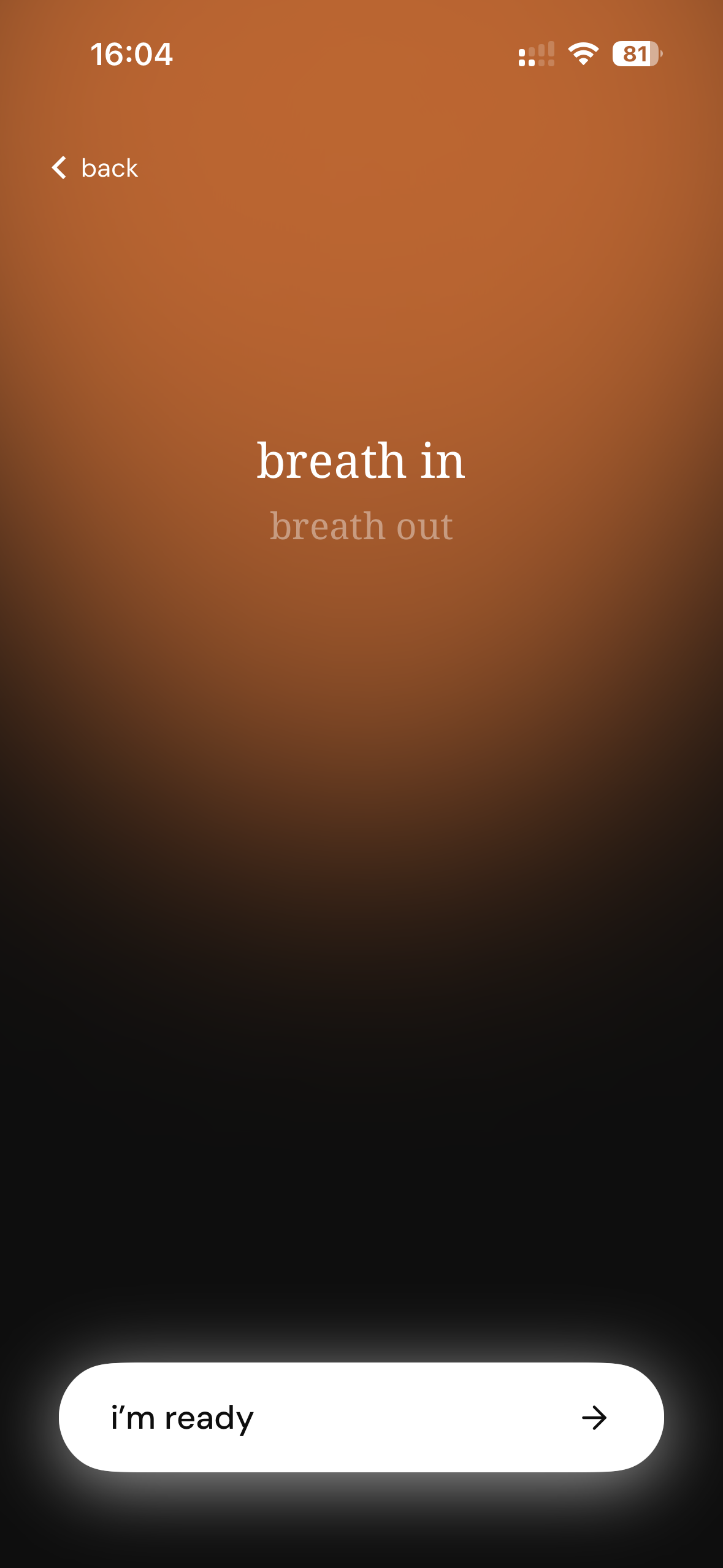
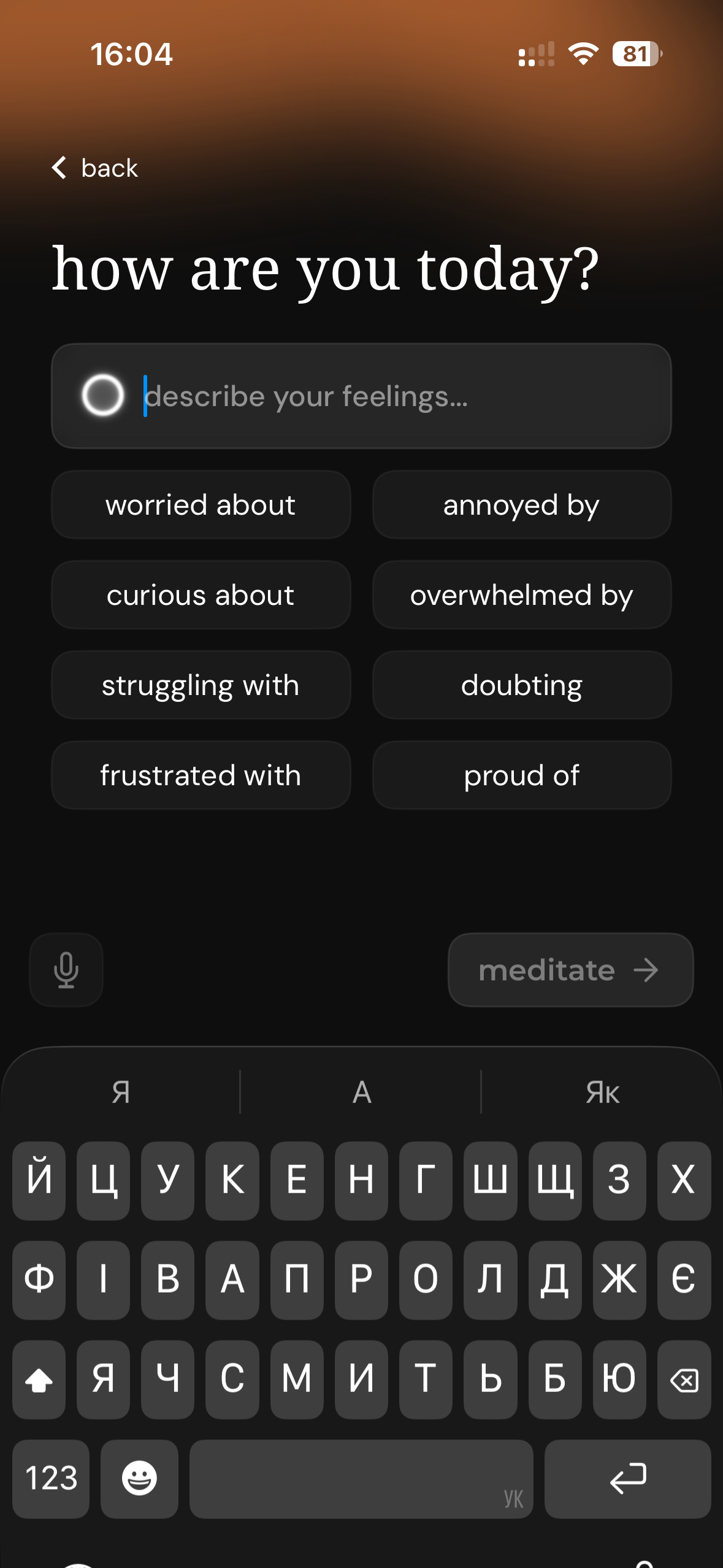
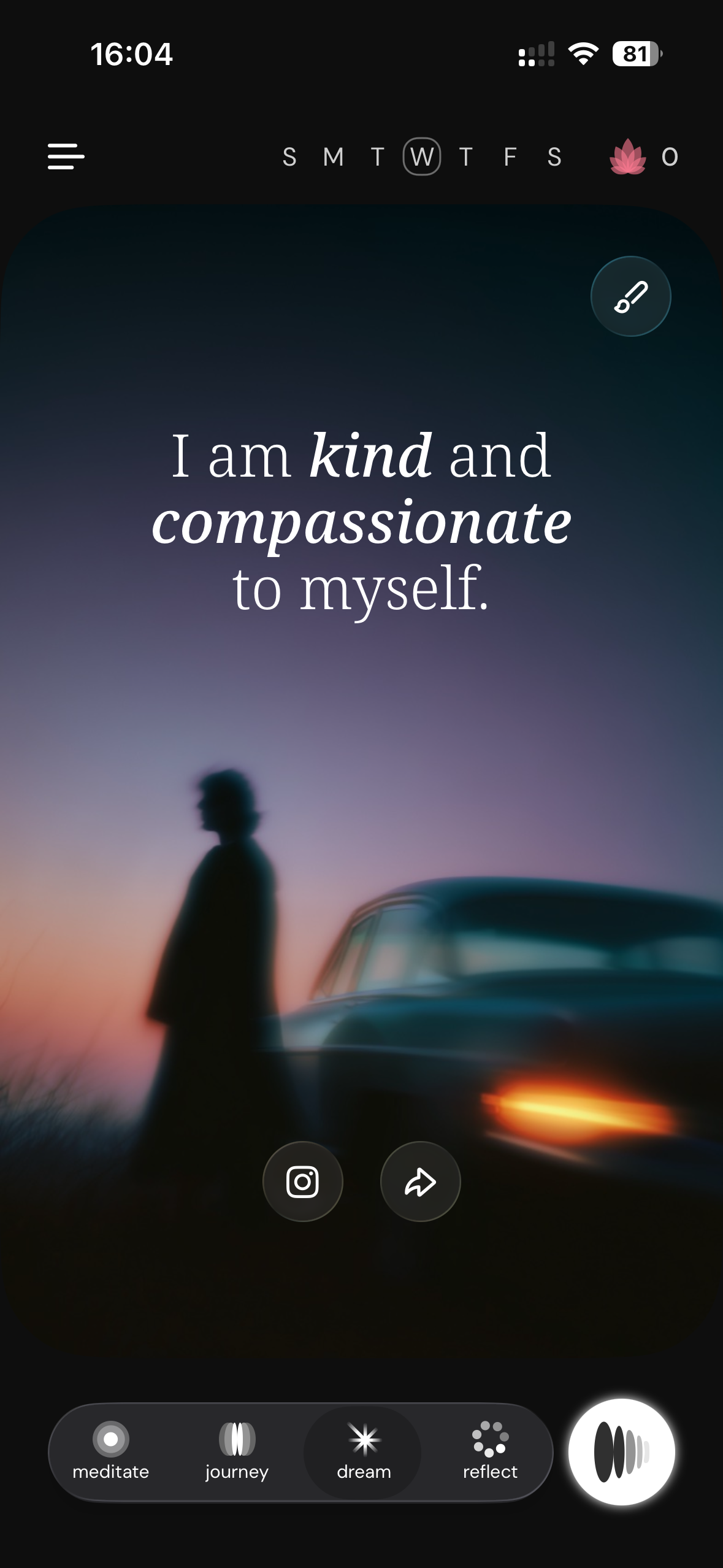
somequiet turns what you write into a personal guided meditation.
You describe what's on your mind, and the app creates a session around that moment. You don't need to know the name of a meditation technique or find the right category for your feelings. You can start with a few honest sentences.
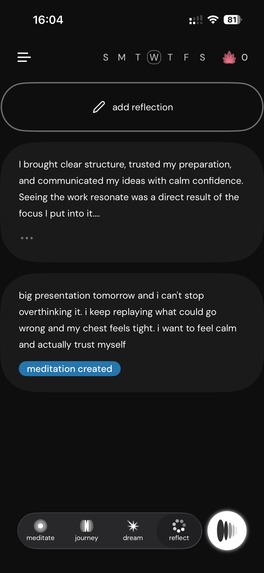
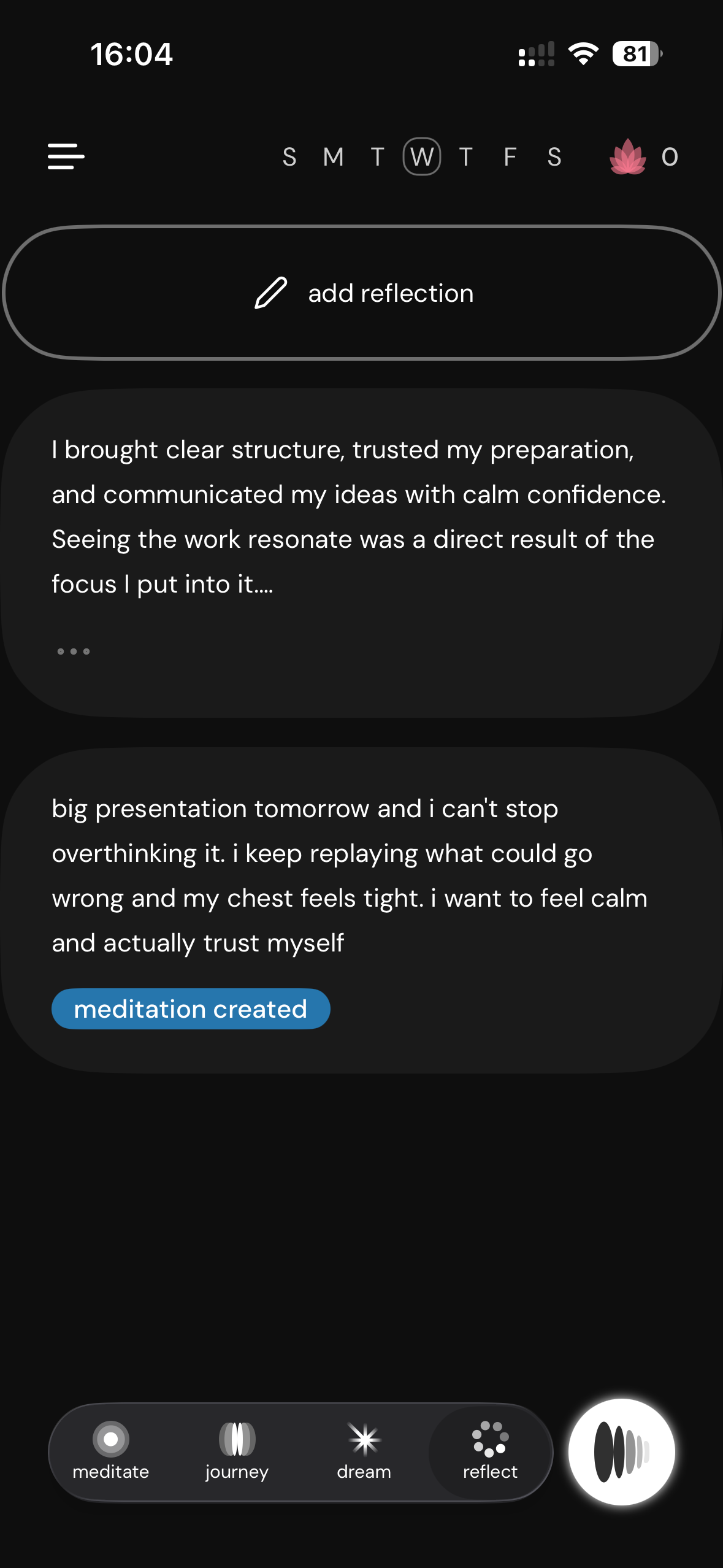
Reflect connects that experience with journaling. Write about your day, something you're working through, or a thought you keep returning to. Any entry can become a meditation, with the writing and the practice kept together so you can revisit them later.
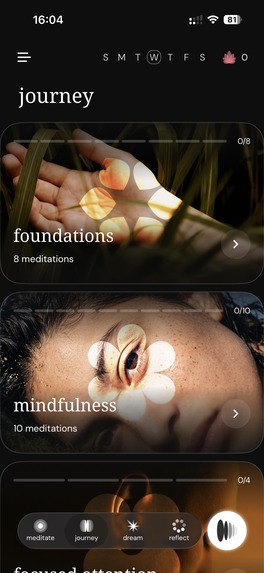
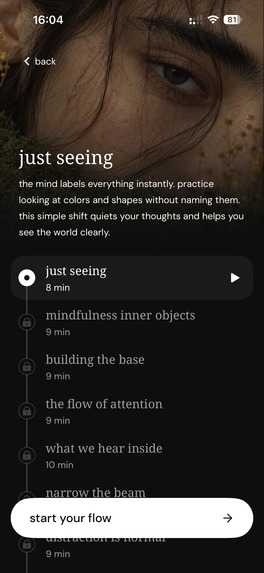
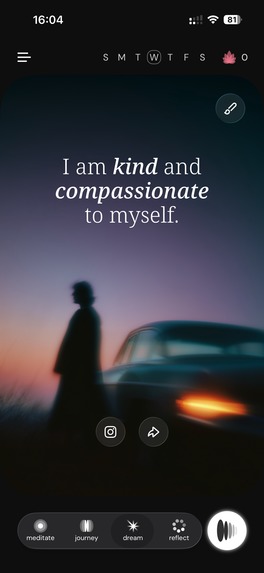
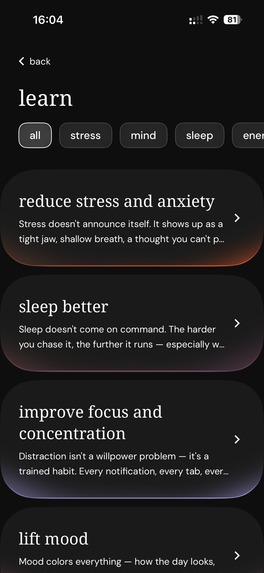
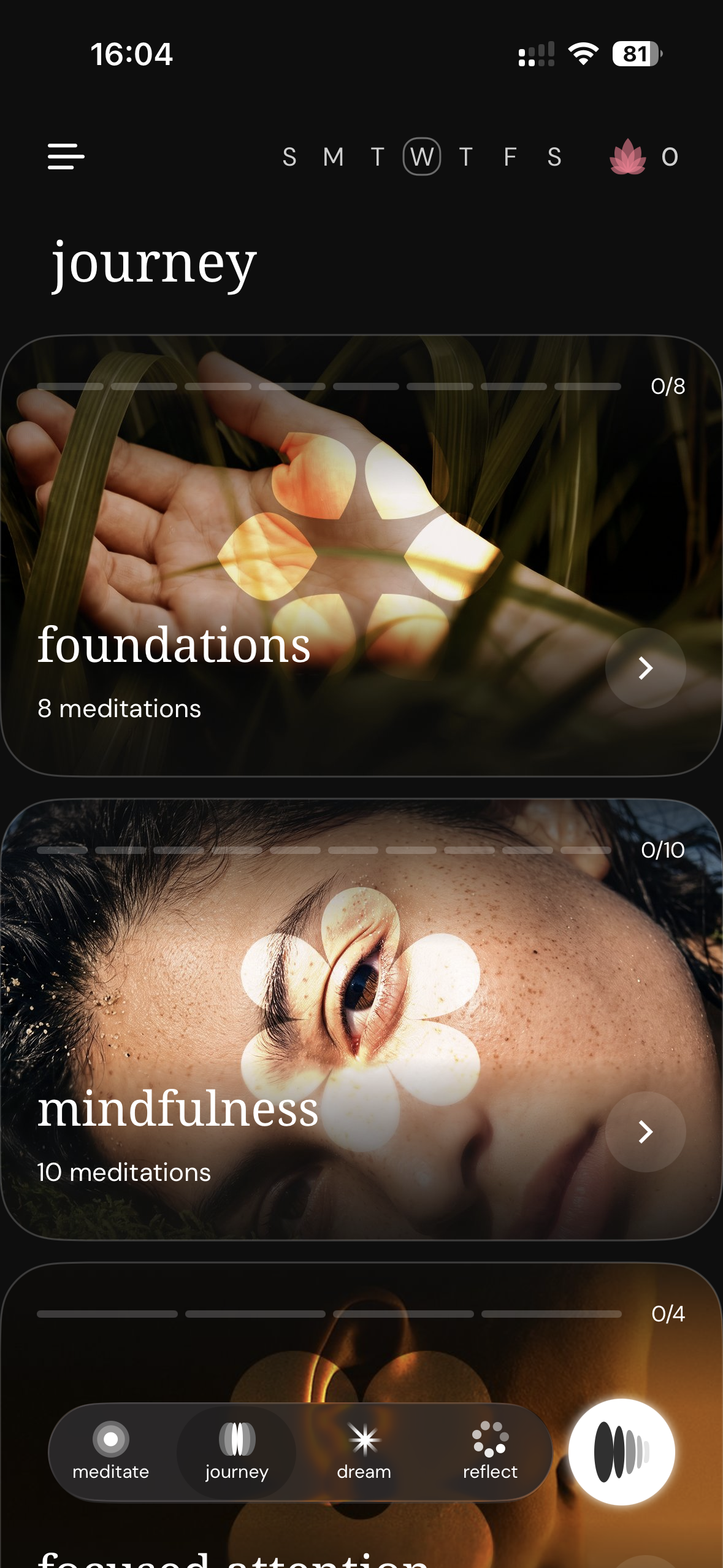
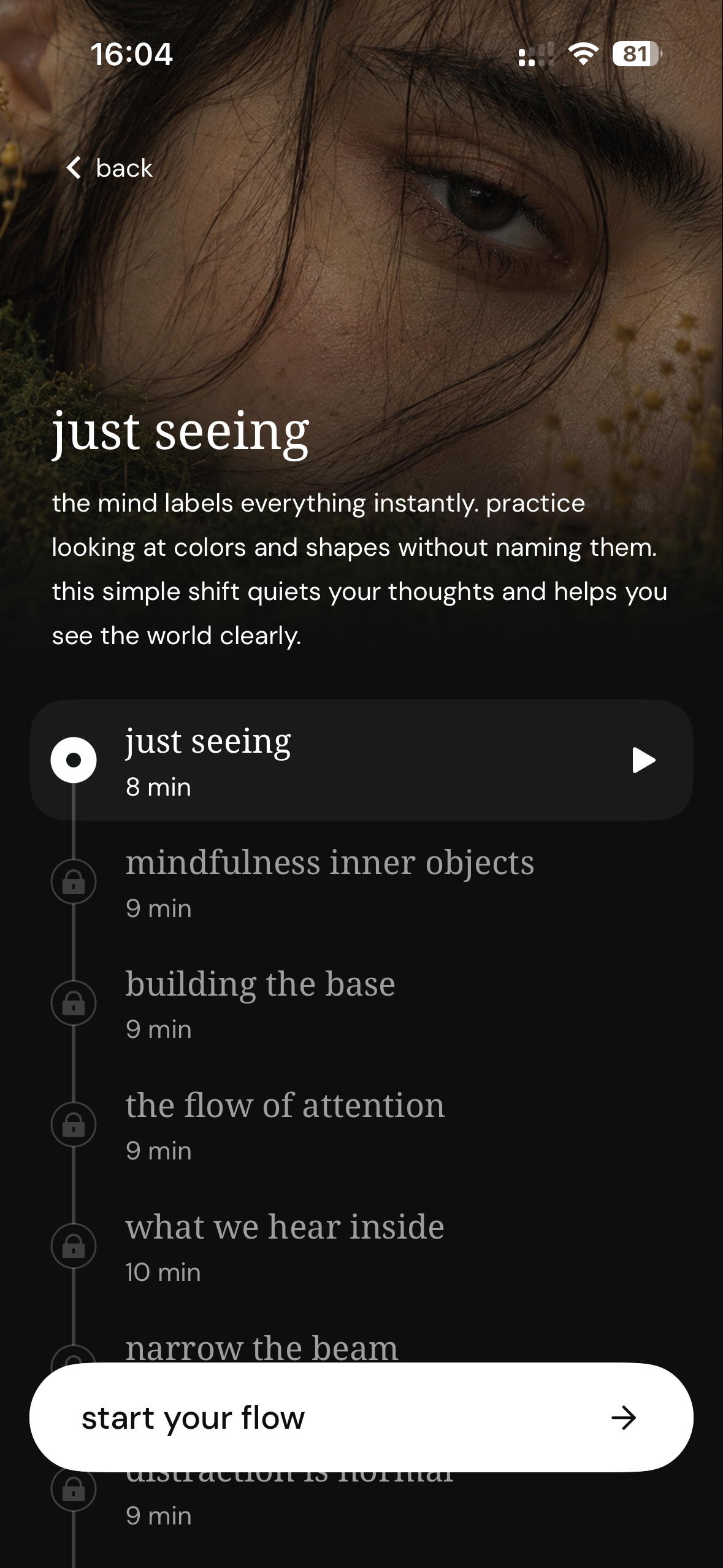
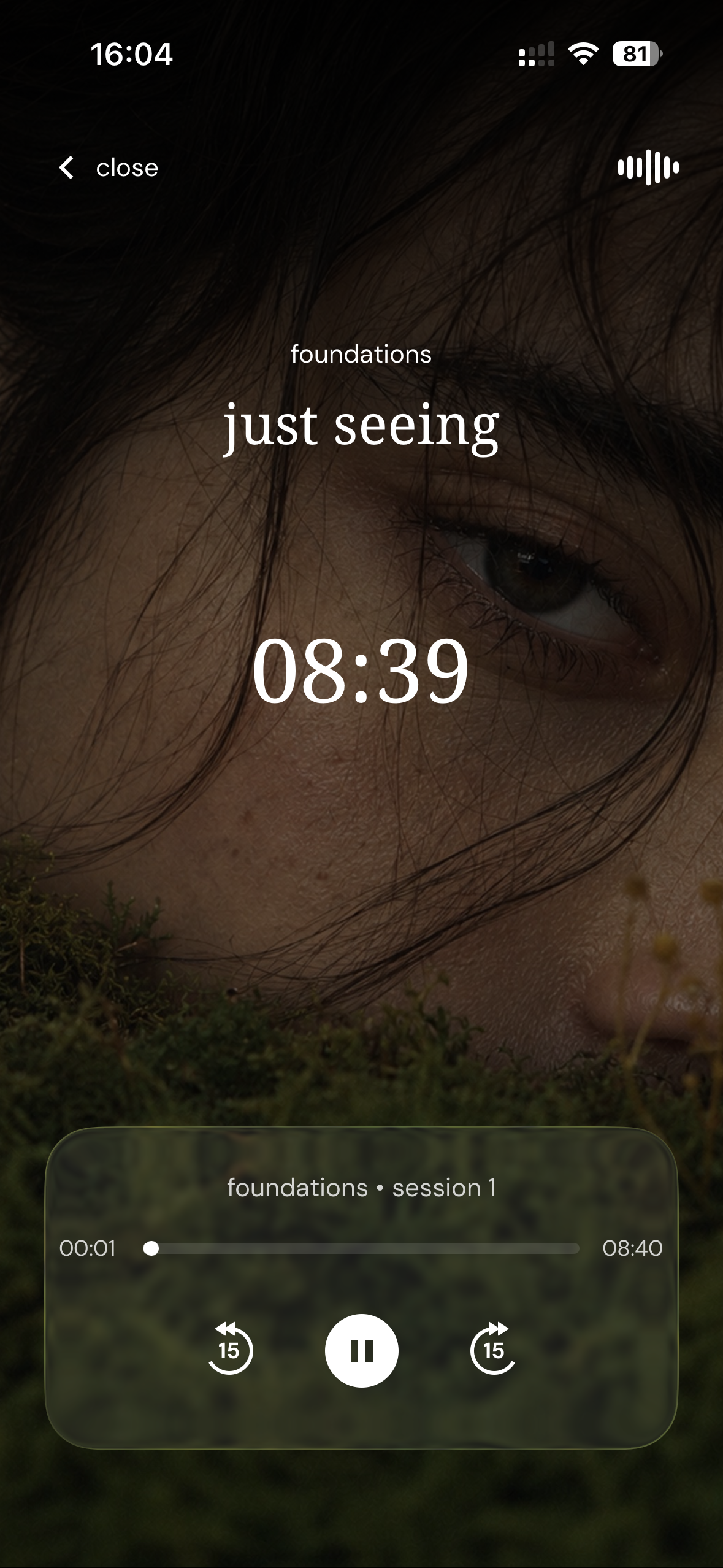
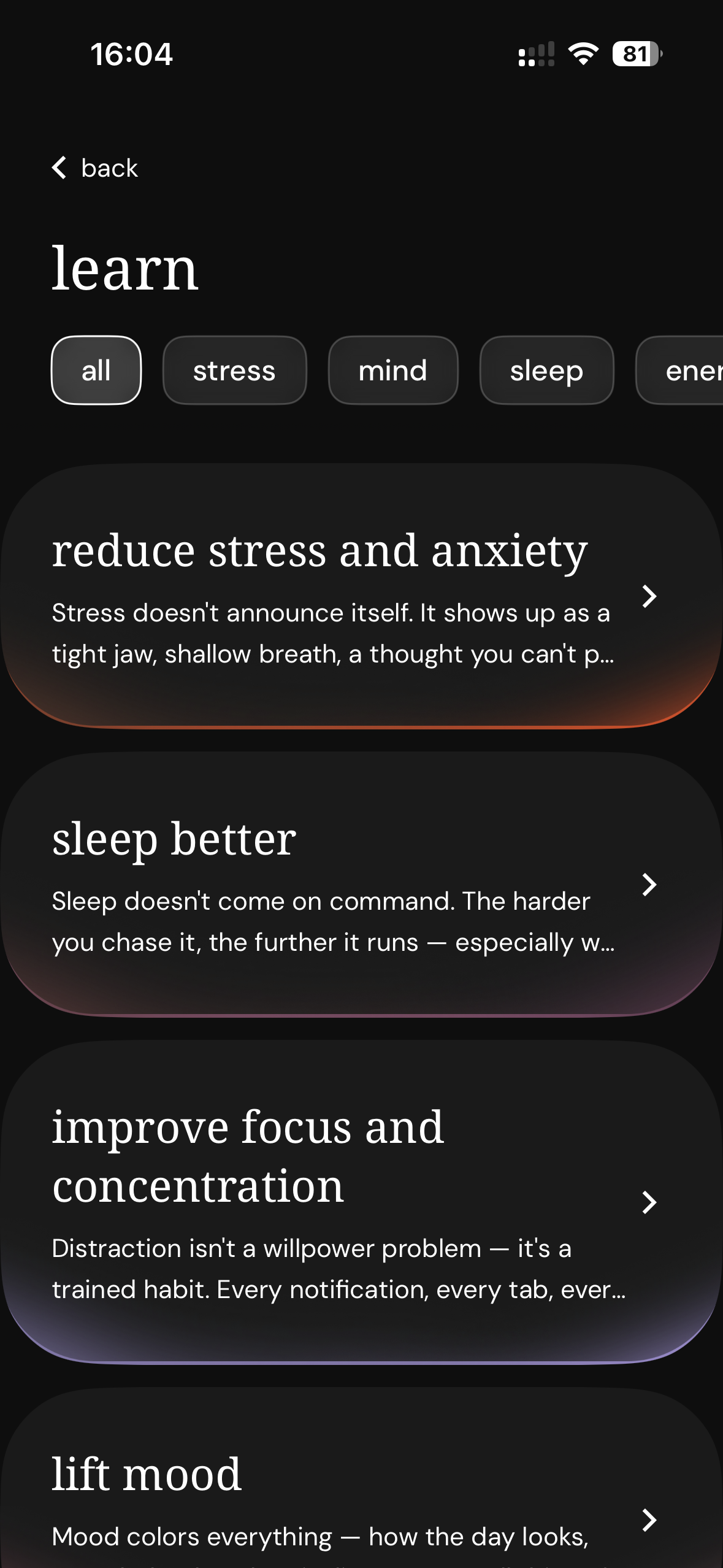
The app also includes guided practices across eight topics, beginner courses, ambient soundscapes, affirmations, and silent practice. You can explore much of it without creating an account.
We want somequiet to fit different ways of practicing: guidance when you need it, space when you don't.
How we built it
We built the iOS app natively. Later, we were lucky enough to welcome a teammate who built the Android app in Flutter, helping us bring somequiet to both platforms. We launched on Google Play at the end of August and on the App Store in early September.
A large part of the work went into how a meditation actually feels to listen to. We developed a framework for the language, pacing, pauses, and boundaries of each generated session. A script can read beautifully on a screen and still feel rushed, repetitive, or awkward when you close your eyes and listen.
We're also training our own model for switching away from 11labs, and finding suitable training data has been one of the hardest parts. For this task, a large collection of text isn't enough. The examples need to teach the qualities that make a practice useful: thoughtful structure, natural pacing, emotional sensitivity, and enough space for the listener. Building a dataset that meets that standard is an ongoing part of the work.
RevenueCat handles subscriptions, payment BE and entitlements across iOS and Android, with weekly, monthly, and annual plans. That gave our small team a shared foundation for billing and more time to spend on the experience itself.
Challenges we ran into
Making the AI consistently useful. Generating a meditation is easy to demonstrate. Creating one that feels appropriate to someone's actual situation, again and again, is much harder. Personalization has to go deeper than repeating a few details from someone's input. The practice needs to respond thoughtfully without assuming more than the person has shared.
Finding real demand. We care about this problem, but our own enthusiasm isn't enough. We're still learning which moments bring people to somequiet, what they find helpful, and what makes them want to return. That means being willing to question features we love and pay attention to simpler needs we might otherwise overlook.
Distribution. We launched without an existing audience or an established acquisition channel. Getting the first people to try the app, earning their trust, and hearing honest feedback has been a challenge of its own.
Keeping ourselves going. Cofounder motivation belongs on this list too. After earlier setbacks, there were stretches where we had put in a lot of work and had very little external validation. Staying aligned and continuing through that uncertainty has been as much a part of building somequiet as writing the code.
We also spent more time than expected on Android performance. Testing on budget devices made it clear how much smooth audio and responsive interactions matter when the entire experience is supposed to help someone settle down.
What we learned
Building a meditation app makes you pay attention to small things. A pause that's too short. One sentence too many. An extra decision before someone can begin. Those details shape whether a session feels comfortable enough to stay with.
We also learned to separate interest in the technology from interest in the product. Someone can find AI-generated meditation impressive and still have no reason to use it tomorrow. We have to earn that second session by making the first one worthwhile.
And we're learning to take simple requests seriously. Sometimes the most useful thing we can build is a reliable timer that lets someone put their phone down and practice.
What's next
From our research, user interview, analytics and custdev:
Make mindfulness accessible to more people. Accessibility is a major focus of our next release. We want people with different abilities and access needs to be able to move through the app, start a session, and practice comfortably. That ambition needs to show up in the details of the experience.
Take Reflect further. We want the journal to help people notice how their state changes over time and revisit what matters to them. Alongside that, we'll improve the flow from writing to practice and the quality of the meditations it creates.
Build a timer people love using. One of the clearest needs we're hearing is also one of the simplest: choose a duration, sit down, and meditate. We're planning a more capable timer with a clear end-of-session alarm and the choice of ambient sounds, music, or silence. It should take very little effort to set up and feel dependable every time.
Test marketing and keep learning. We'll experiment with messages and acquisition channels, talk to more users, and use what we learn to guide the product. We're still early, and finding the people somequiet can genuinely help is a central part of what comes next.
The experience we're working toward is easy to describe: you arrive with a lot on your mind, find a way to practice that fits, and leave with a little more room.
Built With
- amplitude
- cloudflare-r2
- combine
- elevenlabs
- f5-tts
- fastapi
- ffmpeg
- firebase
- hls
- hugging-face
- modal
- openai
- python
- revenuecat
- sign-in-with-apple
- sqlalchemy
- swift
- swiftui


Log in or sign up for Devpost to join the conversation.