
Seedster – An Accelerator that helps developers in getting initial funding
About the Project
Seedster is a platform we built during the hackathon to help developers secure their projects using blockchain, and connect with investors who are looking for credible early-stage tech to back. We realized that a lot of builders have great ideas, but no safe way to prove ownership or reach funders without relying on slides or networks.
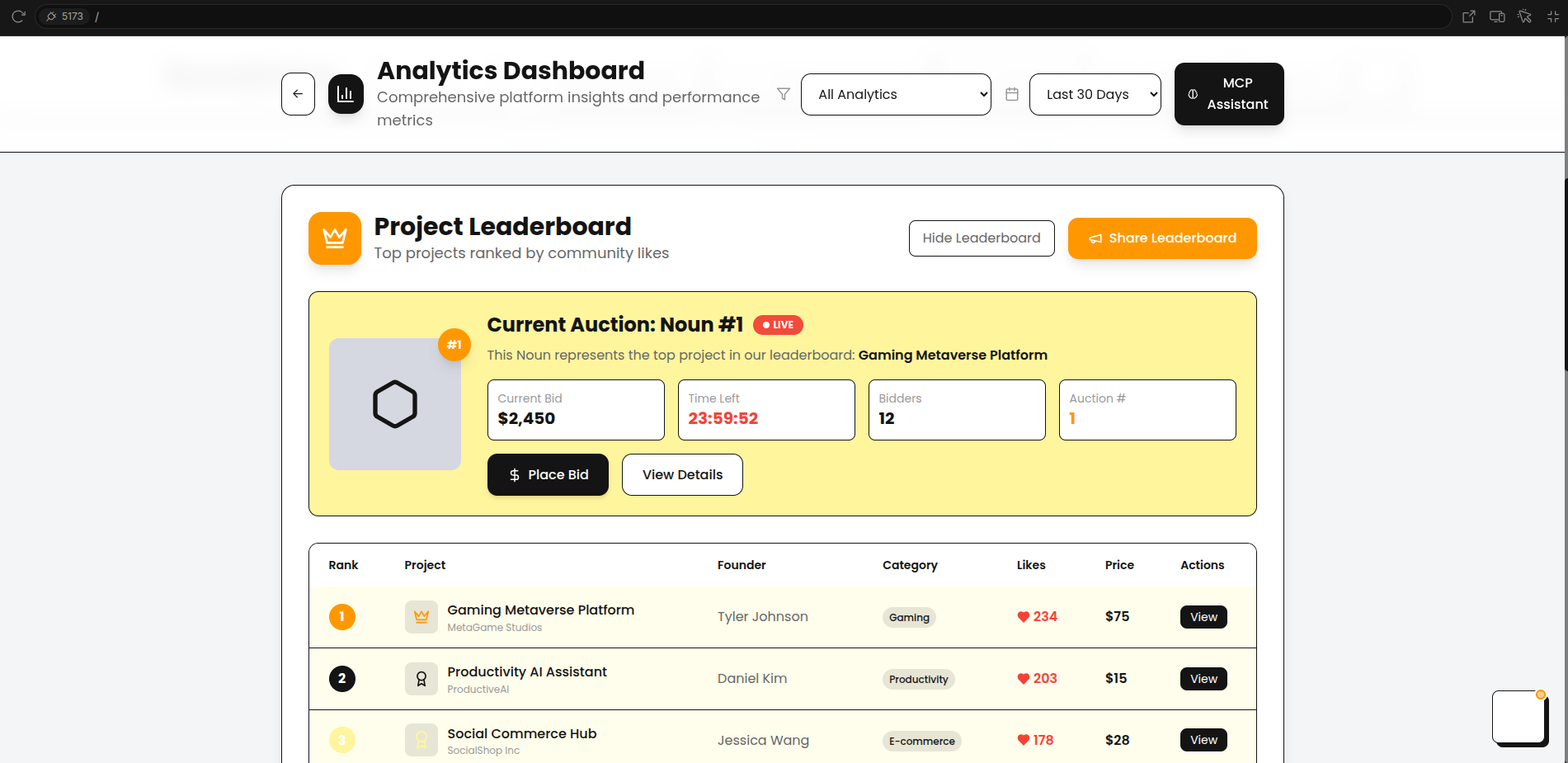
Seedster aims to change that by combining IP protection, wallet-based onboarding, AI-powered analytics, and a fully functional DeFi-style investment marketplace — all in one place. It’s designed for both developers and investors, and it's powered by actual blockchain tools, not just buzzwords.
Tracks We Targeted
- Web3 & Blockchain – Smart contract-based IP registration using Algorand
- DeFi – Investment flows, share-based funding, and on-chain valuations
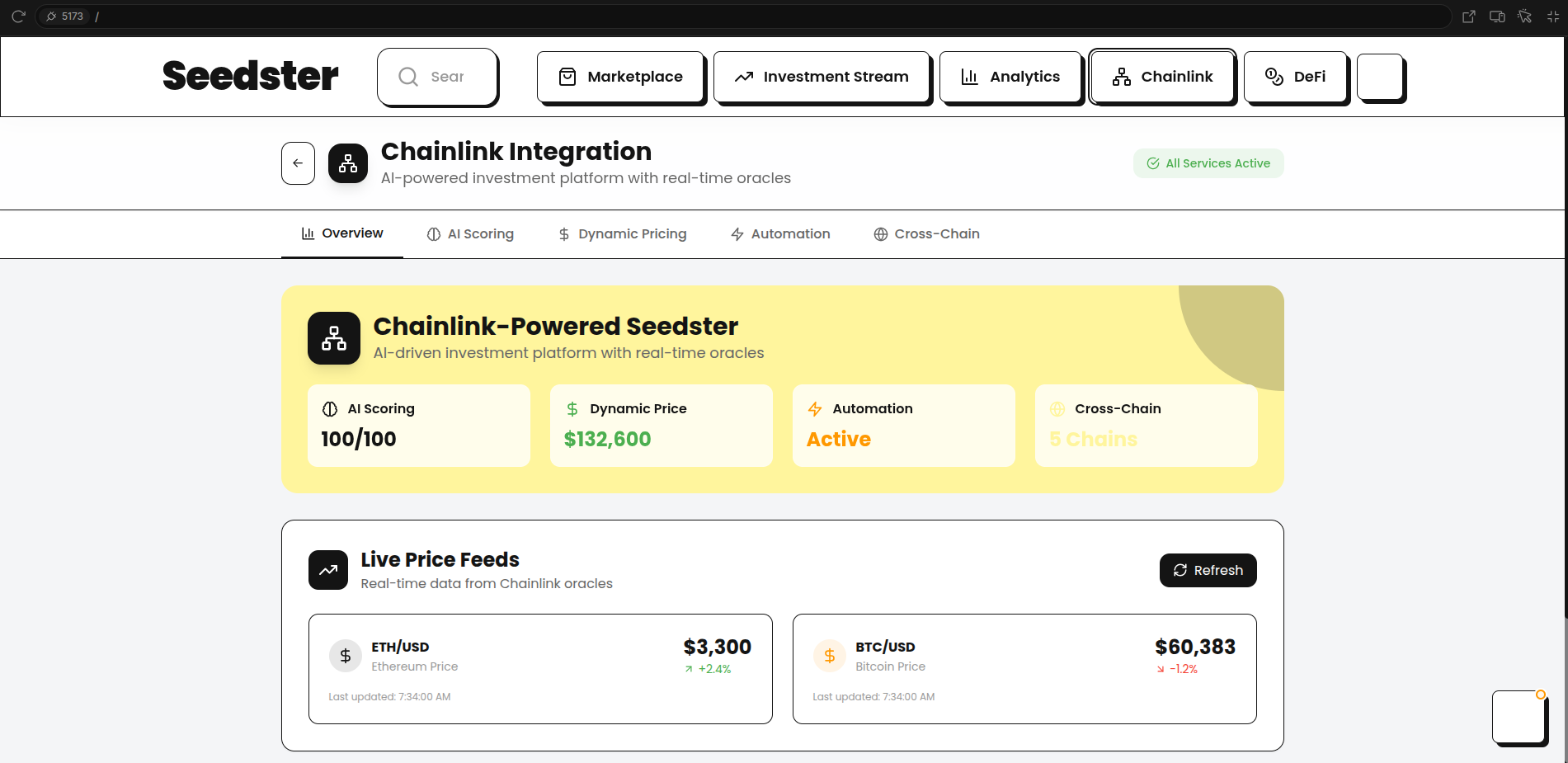
- Chainlink – AI scoring, cross-chain data, dynamic pricing logic
- Tokenization – Projects can be valued, split, and invested in like real assets
- AI/ML – Real-time project evaluation using Machine Callable Programs (MCP)
- Cross-Chain – Designed to scale across ecosystems like Avalanche and EVM chains
- DevTools – Built to serve developers by linking their work to real-world investment
What Inspired Us
As students and developers, we’ve faced the issue of building cool projects that never went anywhere — not because they lacked potential, but because there wasn’t a clear path from “project” to “product.” We also saw how investors are bombarded with pitches but have no real way to assess risk or technical value unless they’re already experts.
We wanted to solve both sides of that problem. That’s how the idea of Seedster came up: a clean, smart platform that handles IP, credibility, discovery, and funding.
How We Built It
- Frontend: React + TypeScript + TailwindCSS
- Backend: Supabase (PostgreSQL with RLS for secure project data)
- Blockchain: Algorand smart contracts + Pera Wallet auth
- Storage: IPFS via Pinata for decentralized project docs
- AI Layer: MCP engine for project scoring and dynamic pricing
- Design: Built using Bolt and refined with Canva for visual presentation
The platform lets users log in with Pera Wallet, register their projects to IPFS, timestamp them on-chain, and view them in a live marketplace dashboard. Investors can browse projects, view AI scores, and invest based on real metrics like shares, valuation, and past traction.
Challenges We Faced
Dealing with each other (just kidding — mostly). Technically, the hardest parts were integrating Pera Wallet into a seamless login flow, managing cross-chain logic for future compatibility, and designing an AI model that made predictions feel useful without overcomplicating the UI. Also, syncing real-time analytics and showing dynamic pricing was new for most of us.
We also had to rethink our scope midway through to make sure we shipped something solid instead of just aiming too big.
What We Learned
We learned how to build a product that brings together multiple Web3 and AI components in a real-world use case. We now understand the flow of wallet-based onboarding, IPFS-based file storage, smart contract deployments, and AI decision layers much better.
We also saw how product design and pitch clarity matter — especially when you're trying to build for two very different user types at the same time: developers and investors.
Overall, this was one of the most technically challenging and creatively satisfying builds we've ever done.
Built With
- ai
- algorand
- boltt
- chainlink
- defi
- filecoin
- ipfs
- javascript
- pera
- pinnata
- react
- supabase


Log in or sign up for Devpost to join the conversation.