Inspiration
We wanted to make advanced AI content generation accessible to everyone—no coding, no complex prompts. The goal was to remove friction from creativity.
What it does
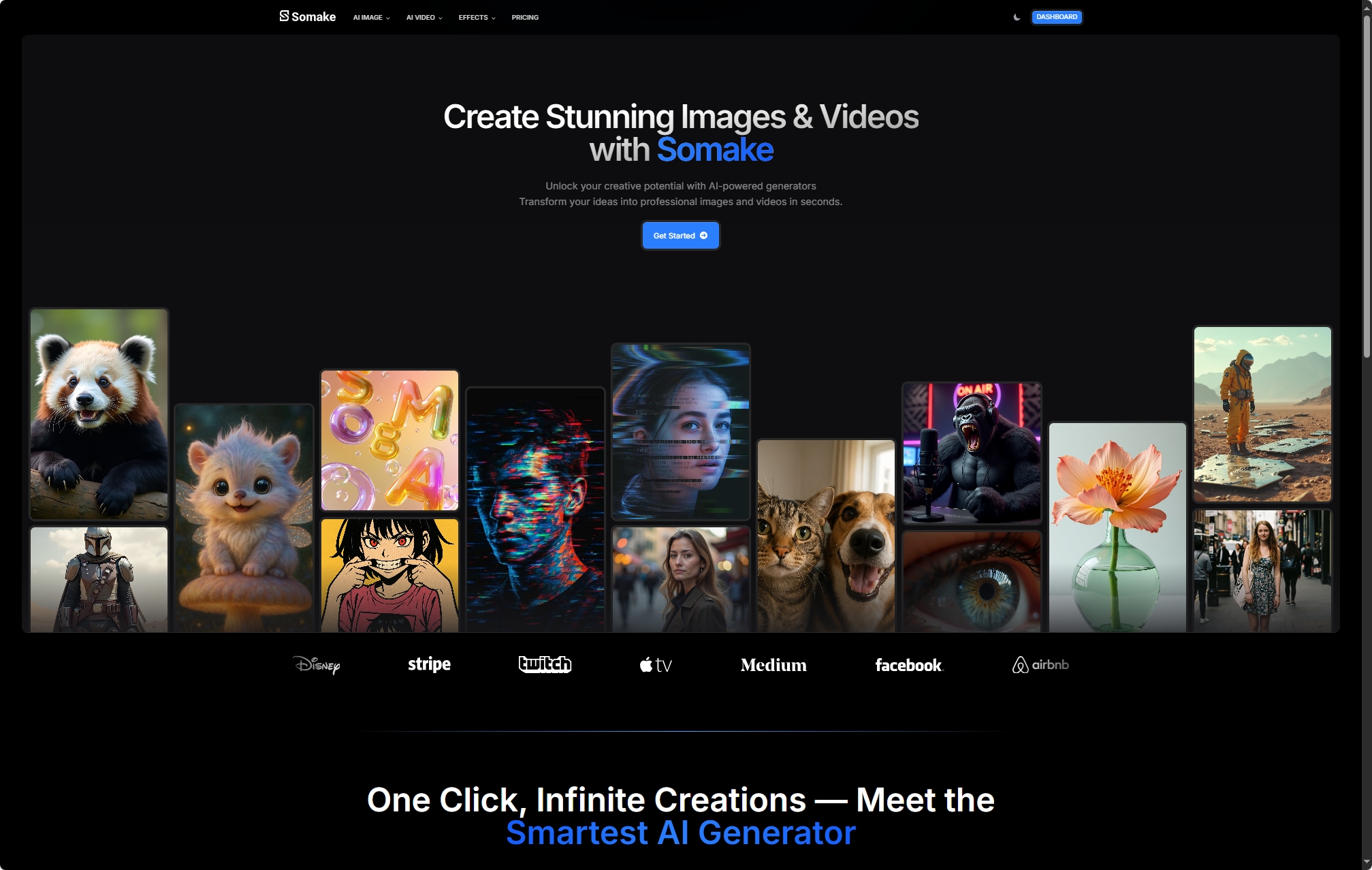
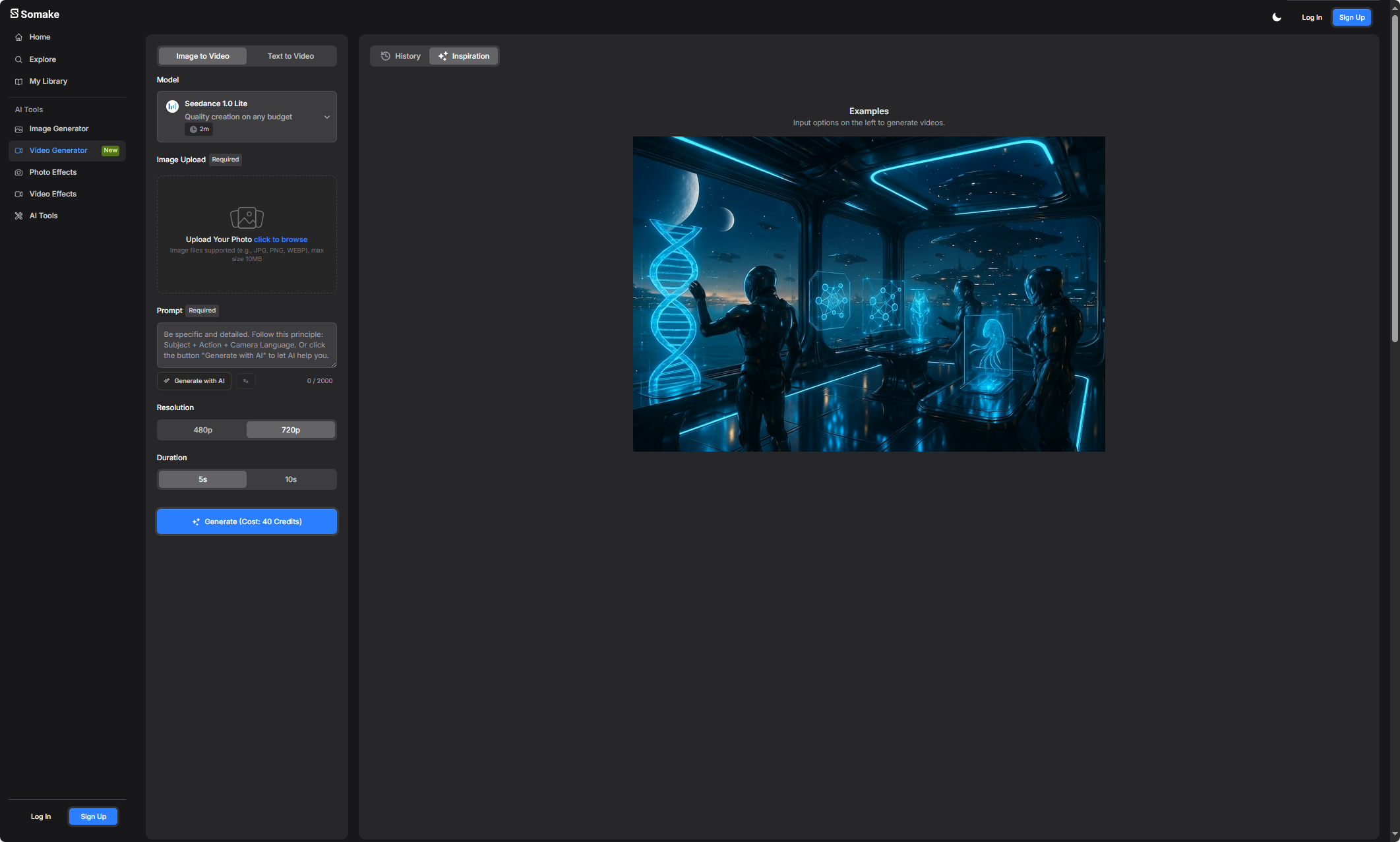
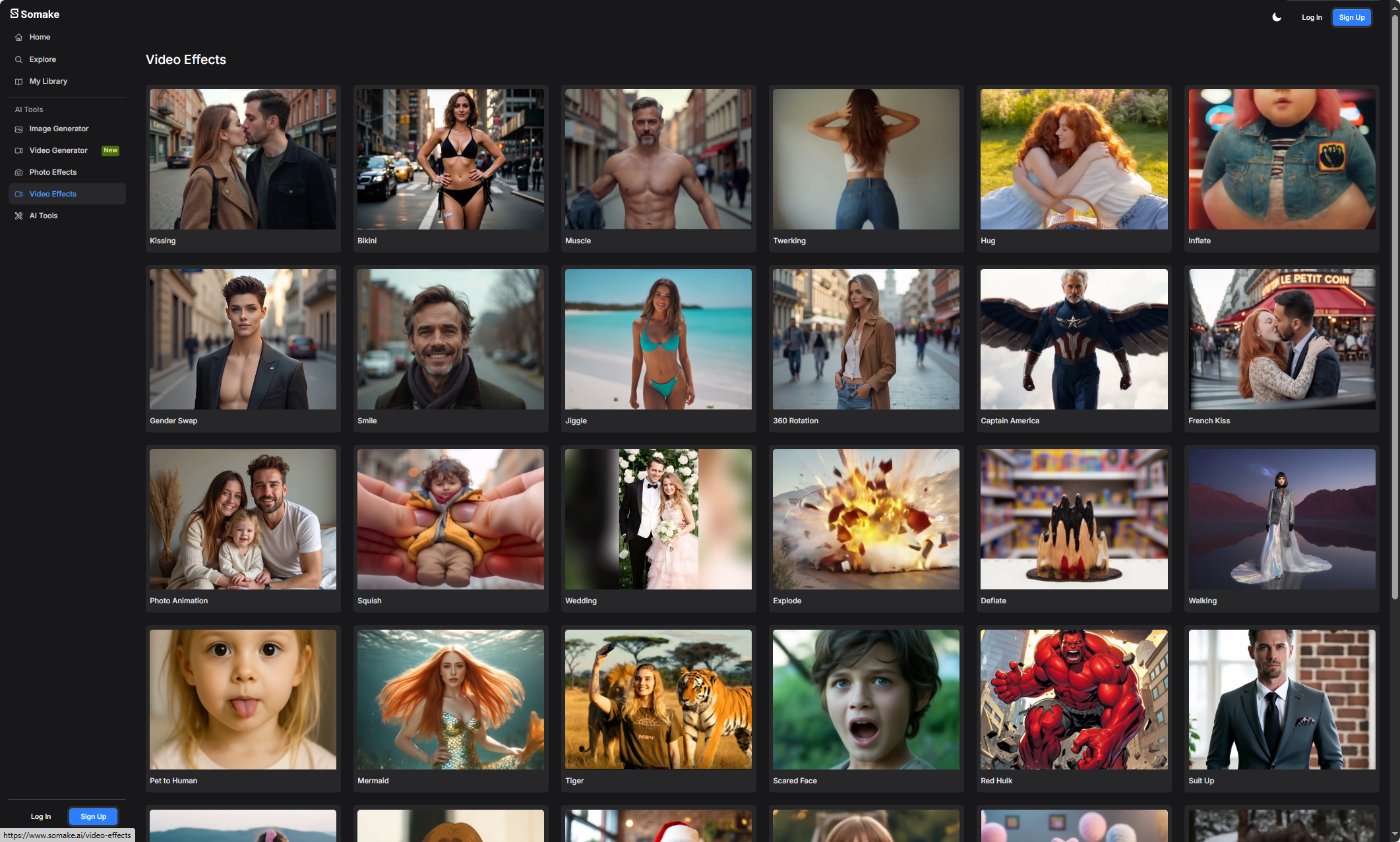
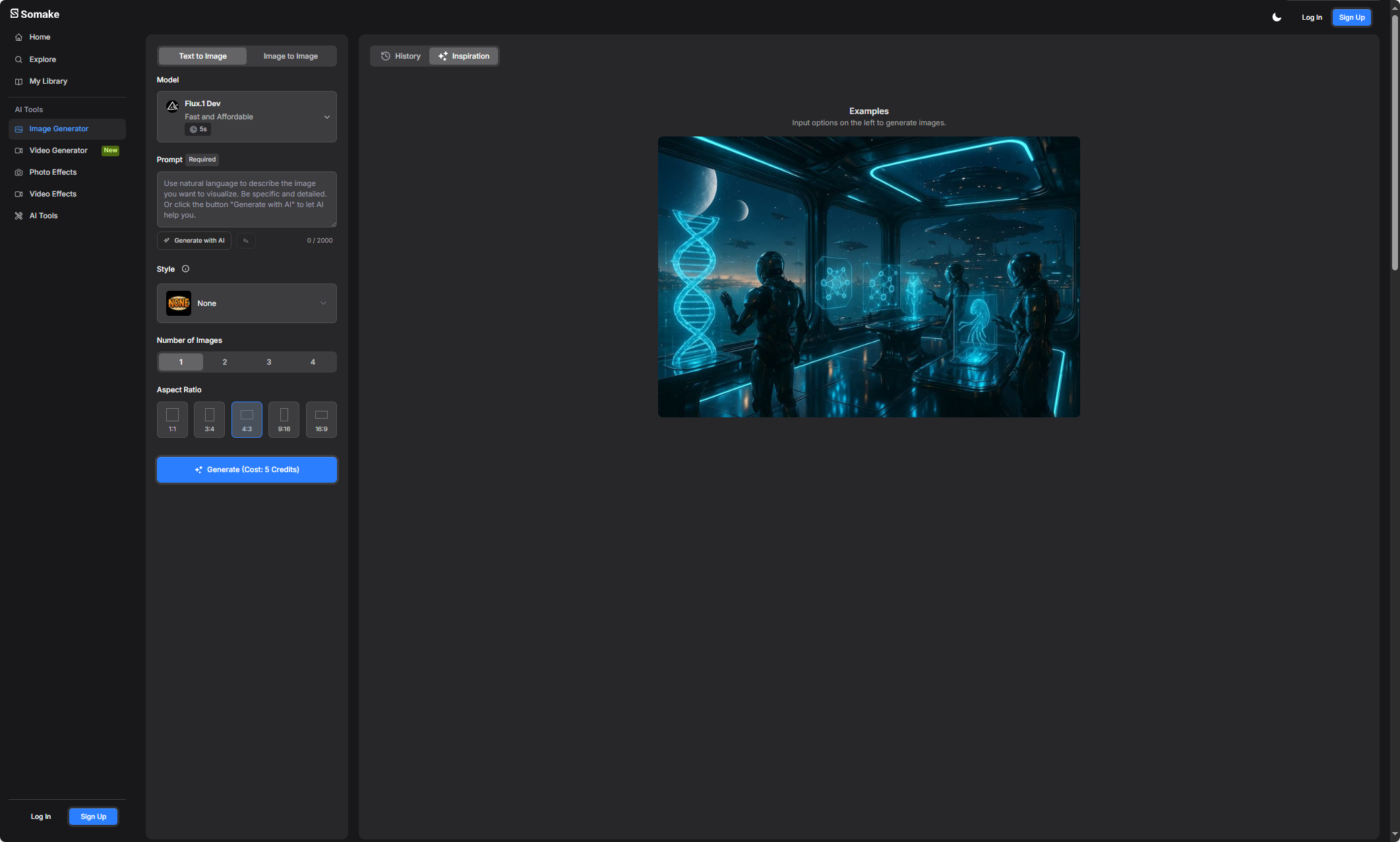
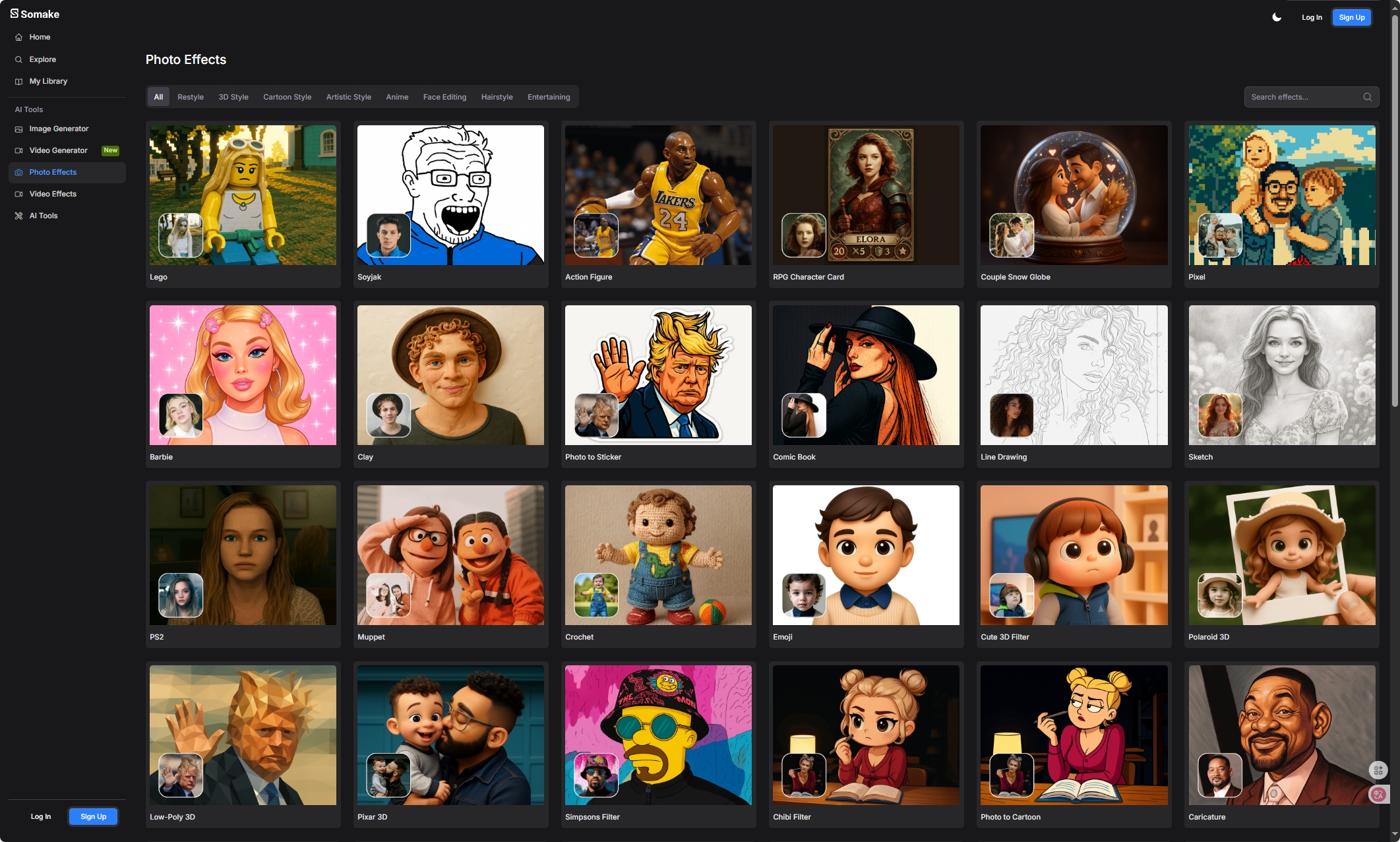
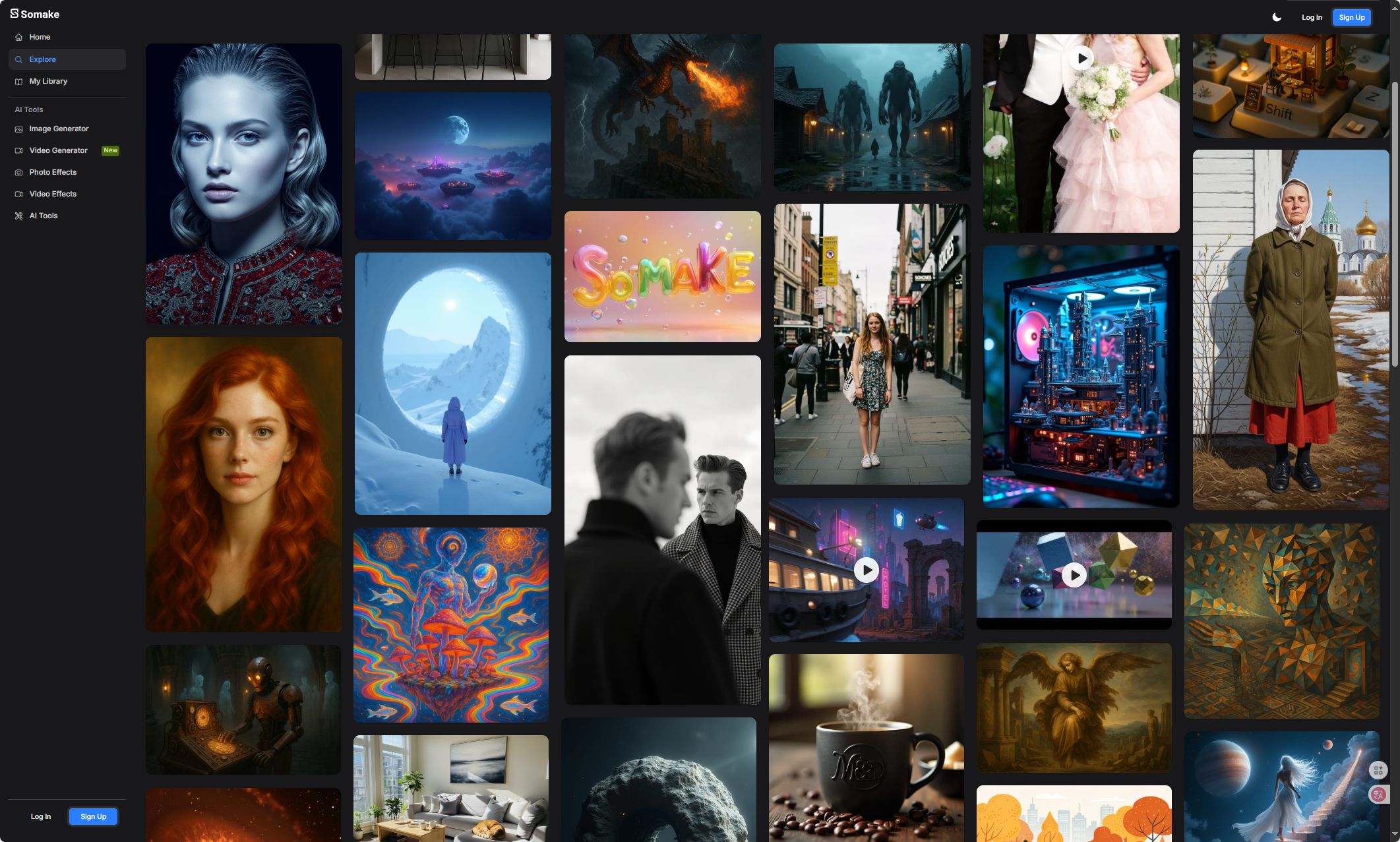
Our platform enables users to generate high-quality AI images and videos without writing prompts or code. With a few clicks, anyone can create product visuals, concept art, or marketing content using state-of-the-art generative models. It supports various styles and formats, offering a fast, intuitive, and cost-efficient creative experience.
How I built it
The project was built using a combination of modern frontend and backend technologies. The frontend is developed with React and Tailwind CSS for a clean, responsive UI. The backend leverages Node.js and Python-based services to orchestrate AI model calls. We integrated powerful open-source models like Stable Diffusion and used cloud services such as AWS and Vercel for deployment. Image and video generation pipelines were optimized for speed, quality, and scalability.
Challenges I ran into
One major challenge was optimizing generation speed without sacrificing output quality. Balancing server costs while maintaining a smooth user experience also required iterative tuning. We encountered issues with API rate limits and had to implement queuing logic and fallback mechanisms. Ensuring compatibility across browsers and devices was another layer of complexity, especially for video generation. We also faced occasional model inconsistencies that required additional prompt engineering and result filtering.
Accomplishments that I'm proud of
We successfully built an intuitive AI platform that enables users with zero technical background to create high-quality images and videos effortlessly. The credit-based usage system ensures transparent and fair resource management. Our solution integrates multiple state-of-the-art AI models seamlessly, delivering consistent performance and scalability. User feedback highlights the simplicity and speed of our product, validating our design philosophy.
What I learned
Building this project deepened my understanding of integrating diverse AI models into a cohesive platform. I gained hands-on experience optimizing performance and managing cloud infrastructure for scalable AI workloads. I also learned the importance of designing user-centric interfaces that abstract complex AI workflows, making them accessible to non-technical users. Handling third-party API limitations and ensuring robust fallback mechanisms were valuable lessons in reliability engineering.
What's next for Somake AI
We plan to expand our AI capabilities by integrating additional generative models to offer more diverse styles and content types. Improving real-time collaboration features and introducing customizable templates are key priorities. We aim to enhance multi-language support and develop API endpoints for easier integration with third-party platforms. Additionally, optimizing cost efficiency and reducing latency remain ongoing goals to provide an even smoother user experience.
Built With
- amazon-web-services
- aws-cloud-services:-aws-lambda
- cloudflare
- cloudflare-databases:-postgresql
- docker
- fastapi
- ffmpeg
- firebase-auth
- javascript
- lambda
- next.js
- node.js
- node.js-platforms:-vercel
- openai
- postgresql
- python
- python-frameworks:-react
- react
- redis
- redis-apis:-openai
- replicate
- replicate-other-technologies:-docker
- s3
- stability-ai
- typescript
- vercel

Log in or sign up for Devpost to join the conversation.