-
-
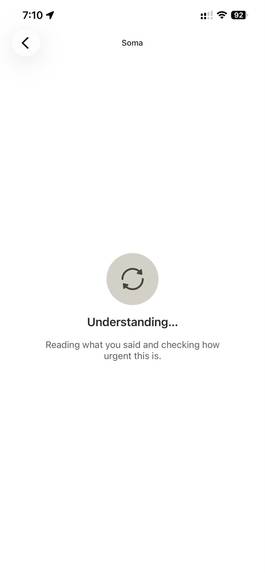
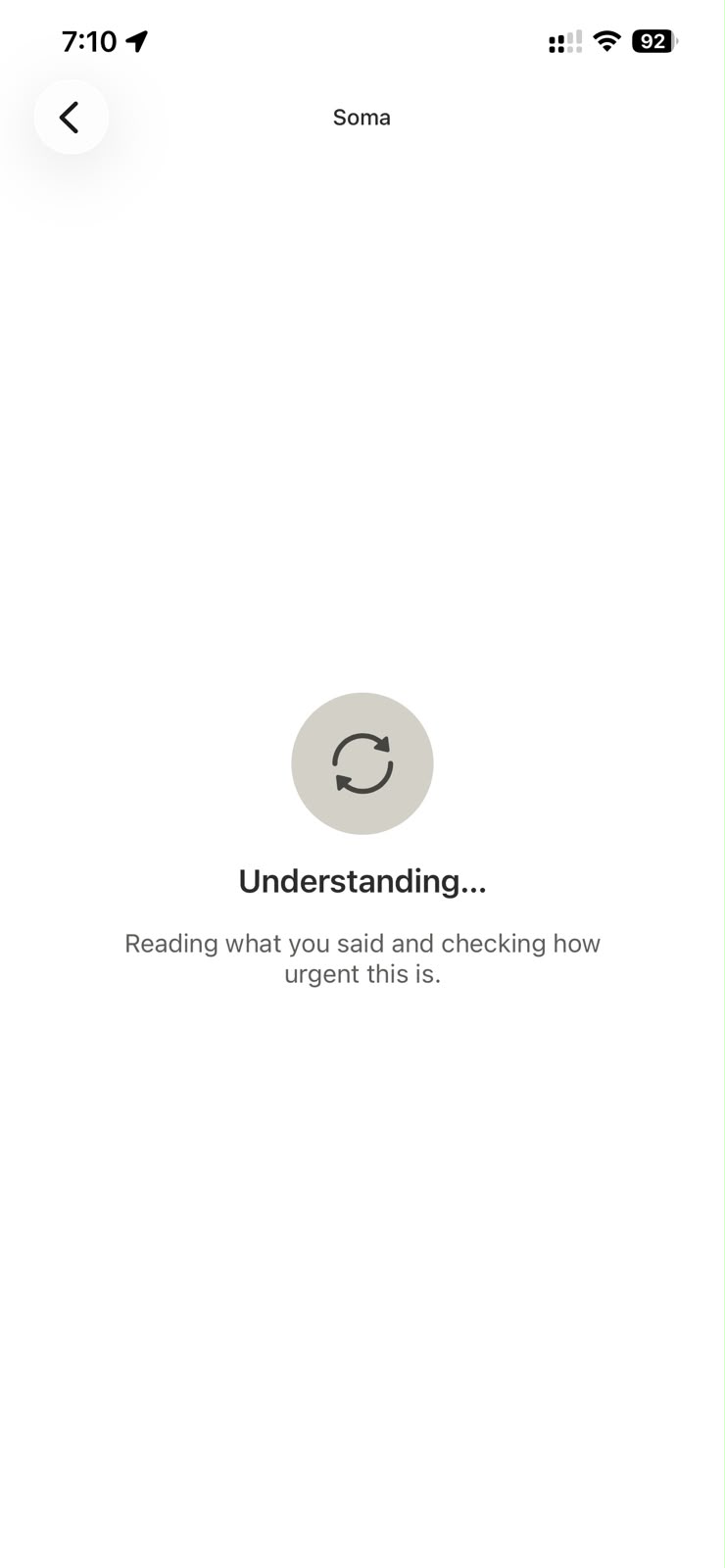
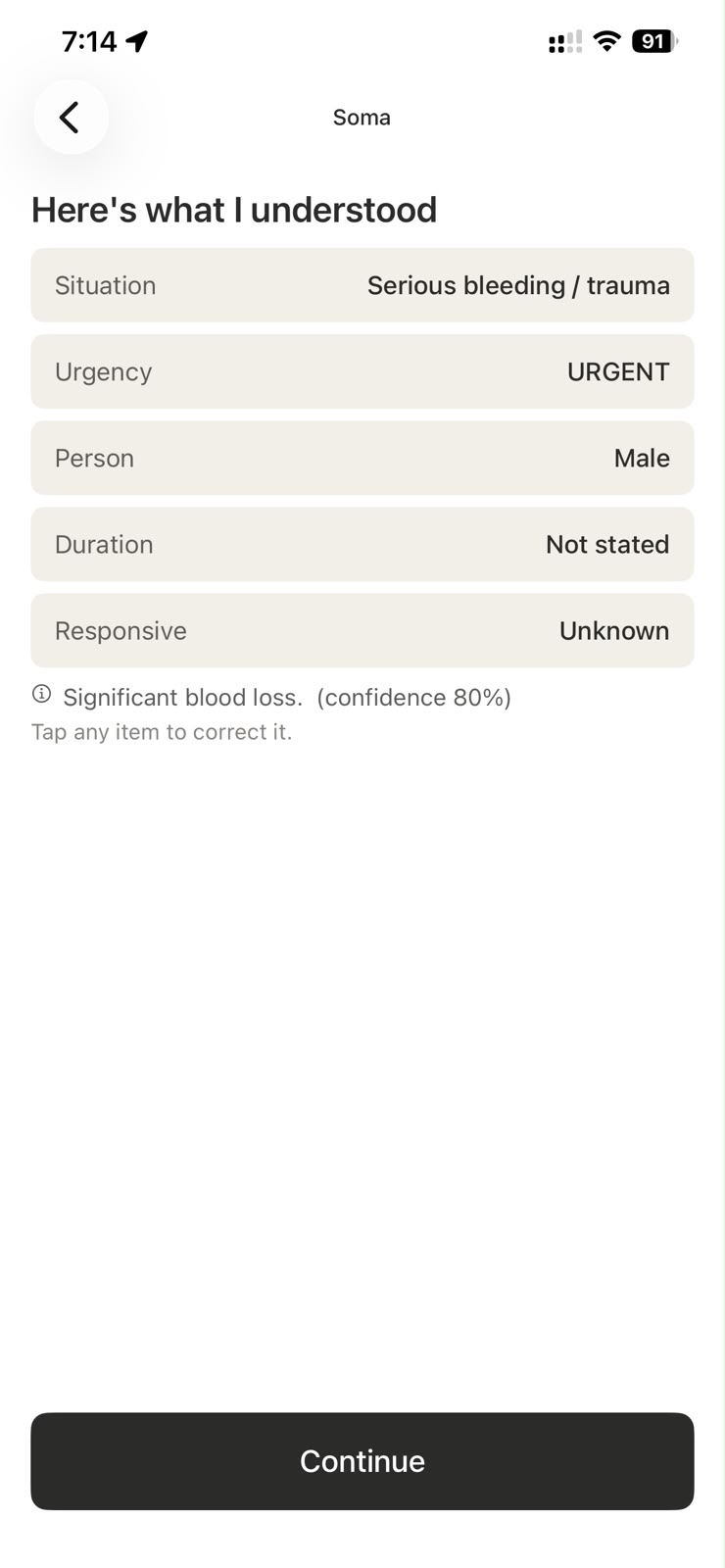
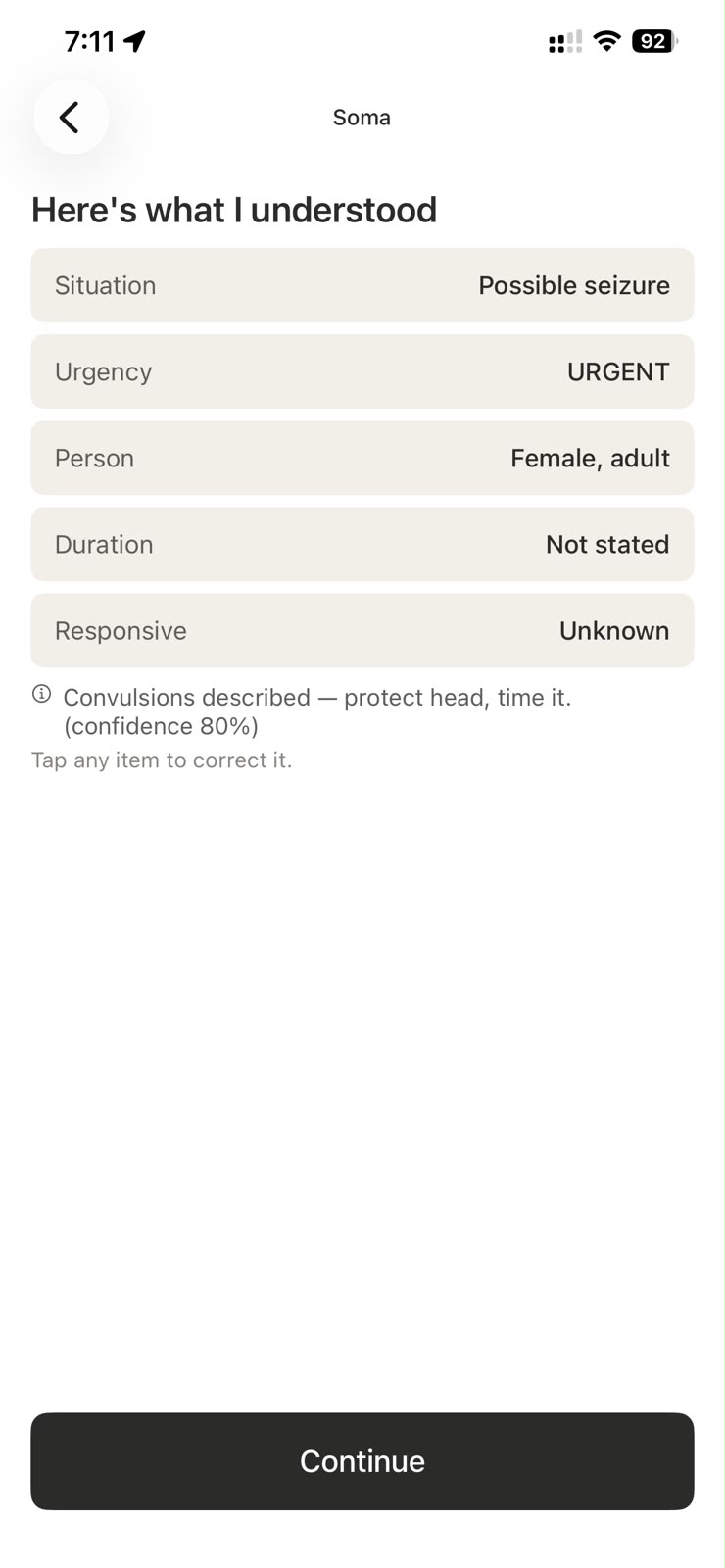
LLM understanding screen
-
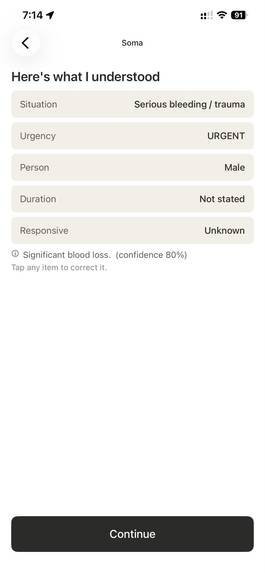
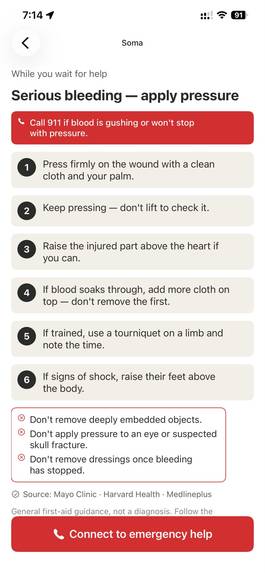
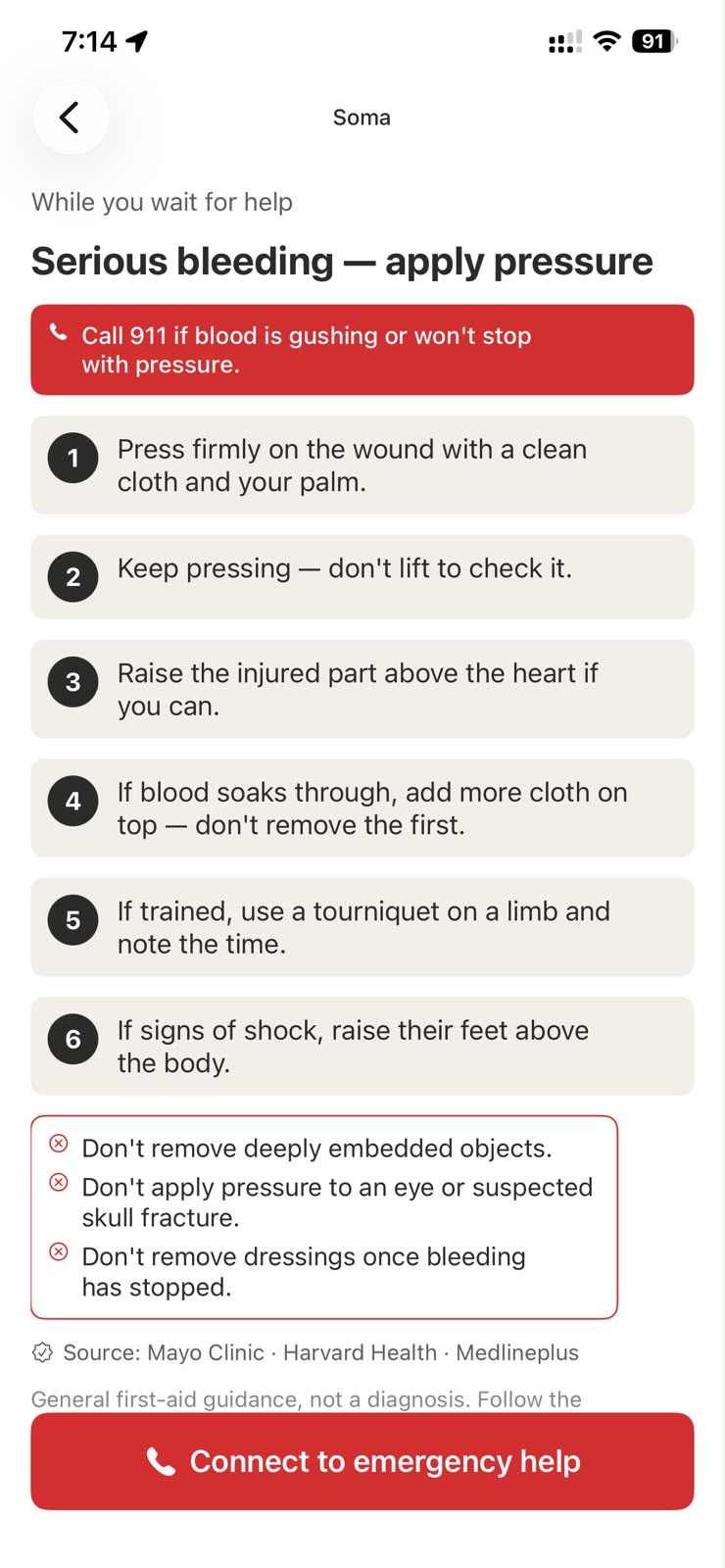
Possible trauma screen
-
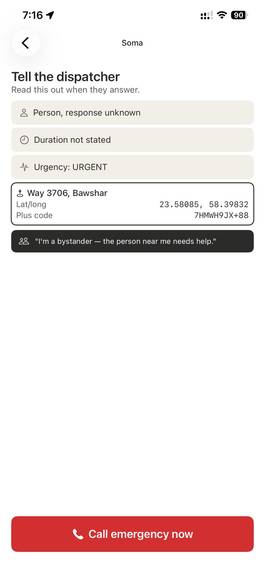
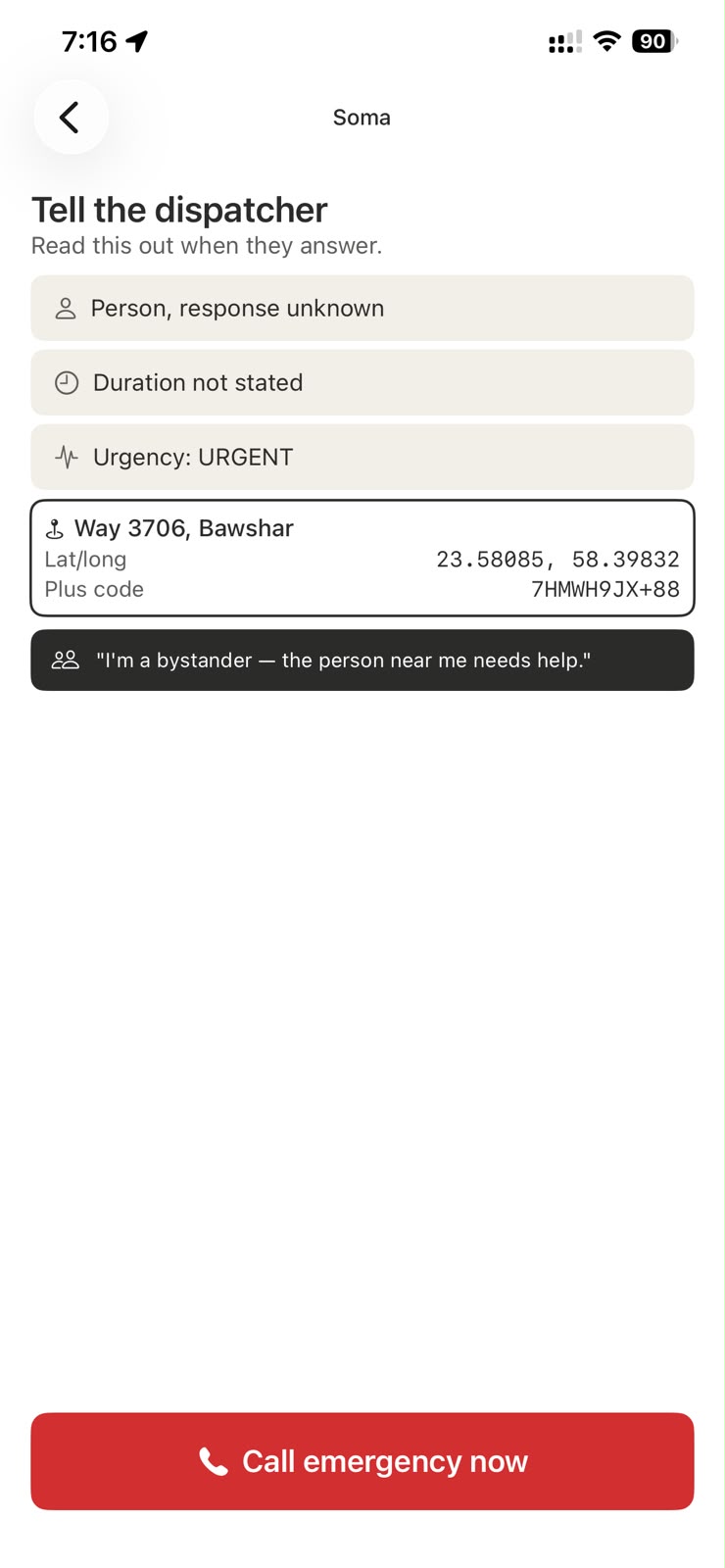
Emergency briefing for a bystander to the dispatcher screen
-
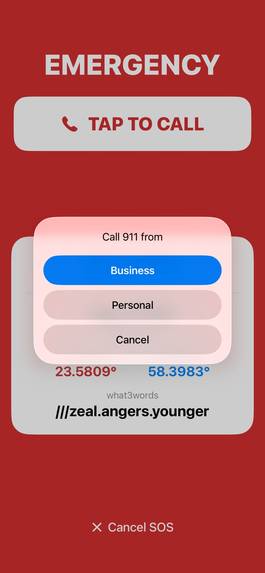
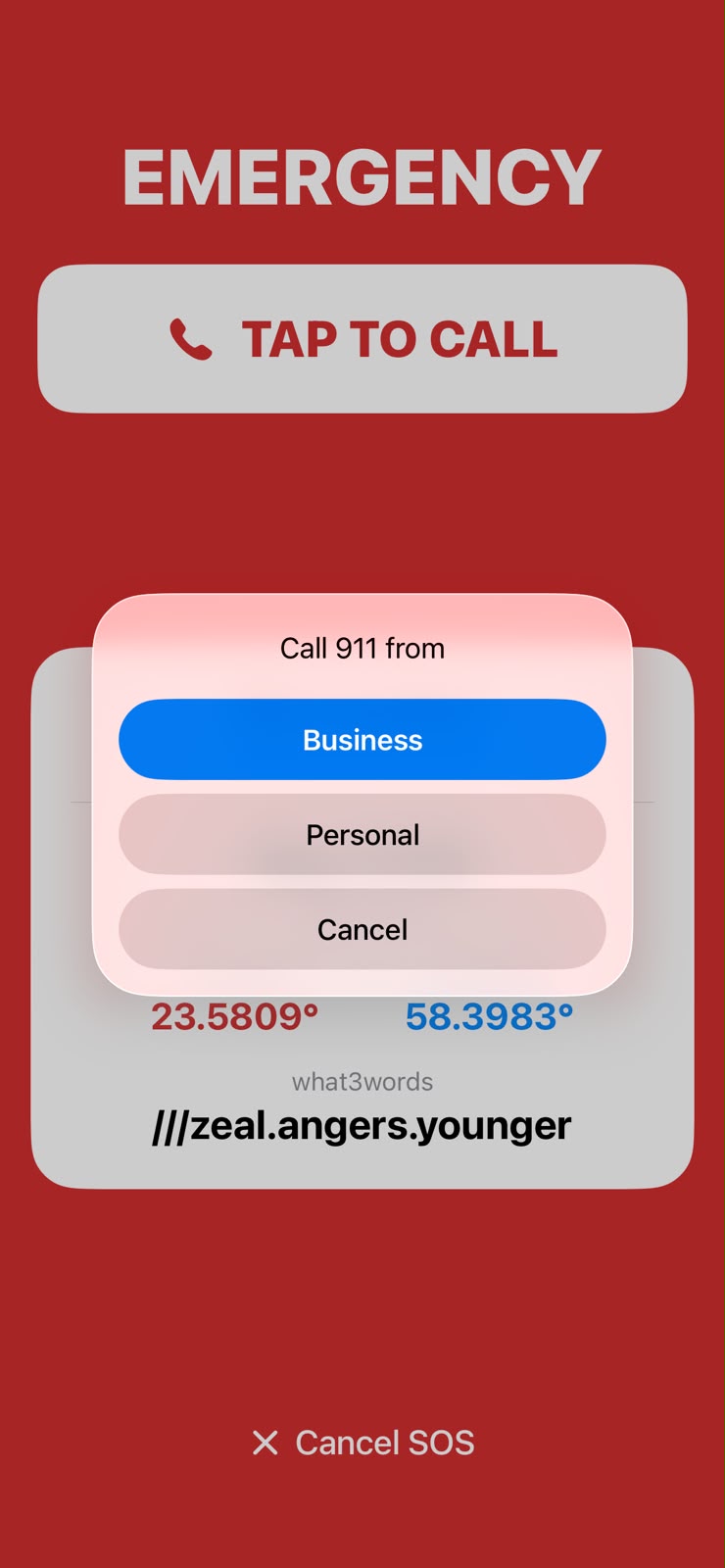
Emergency calling screen
-
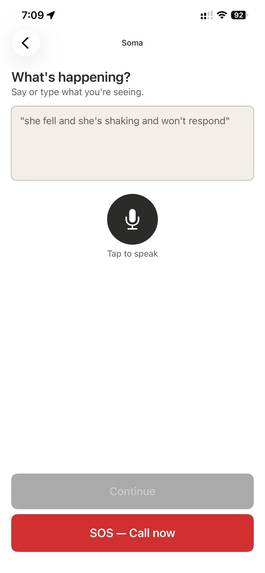
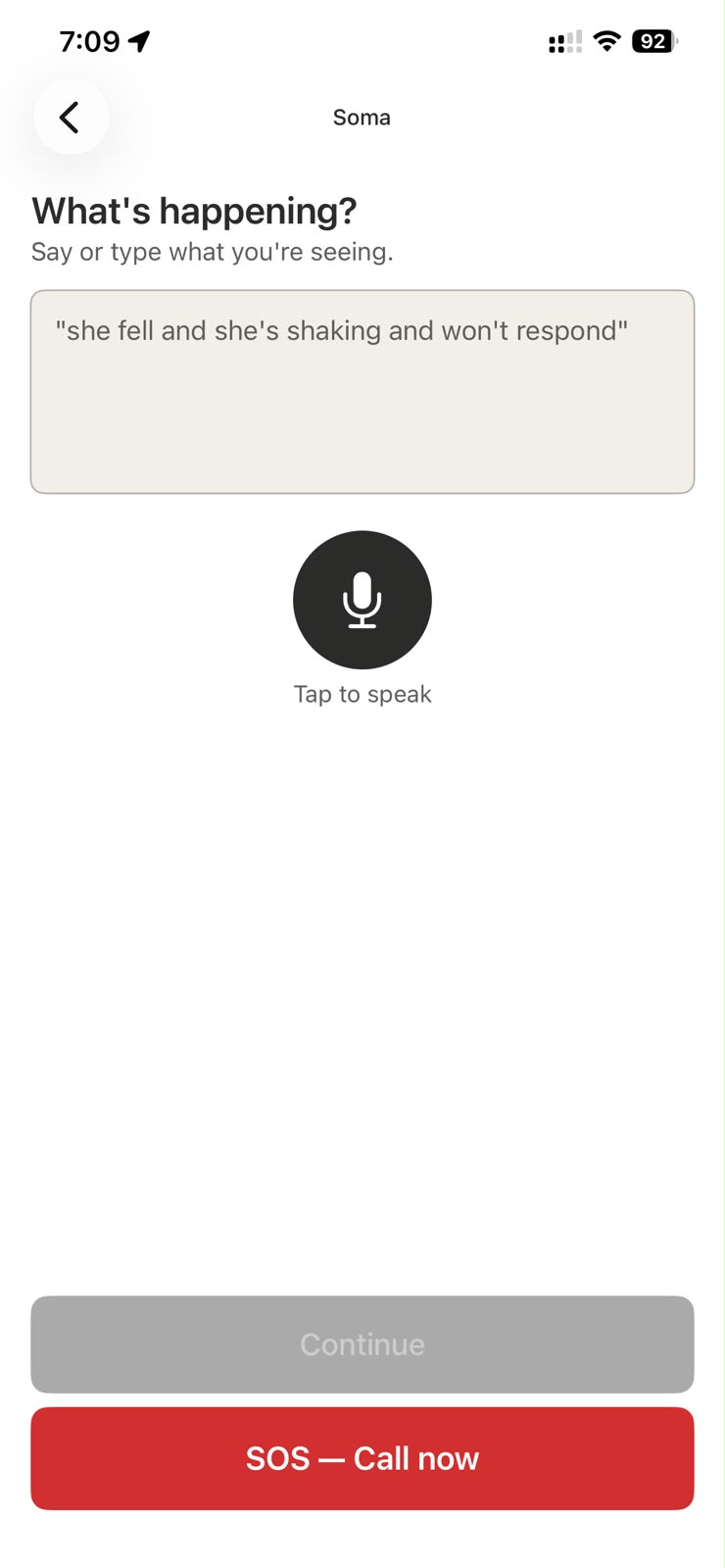
Scenario input screen
-
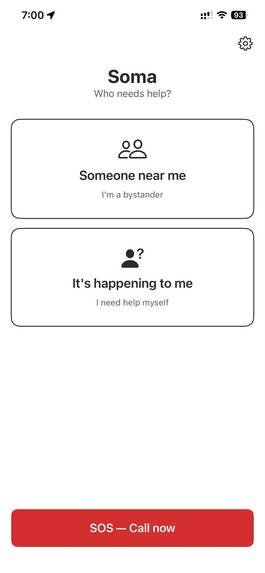
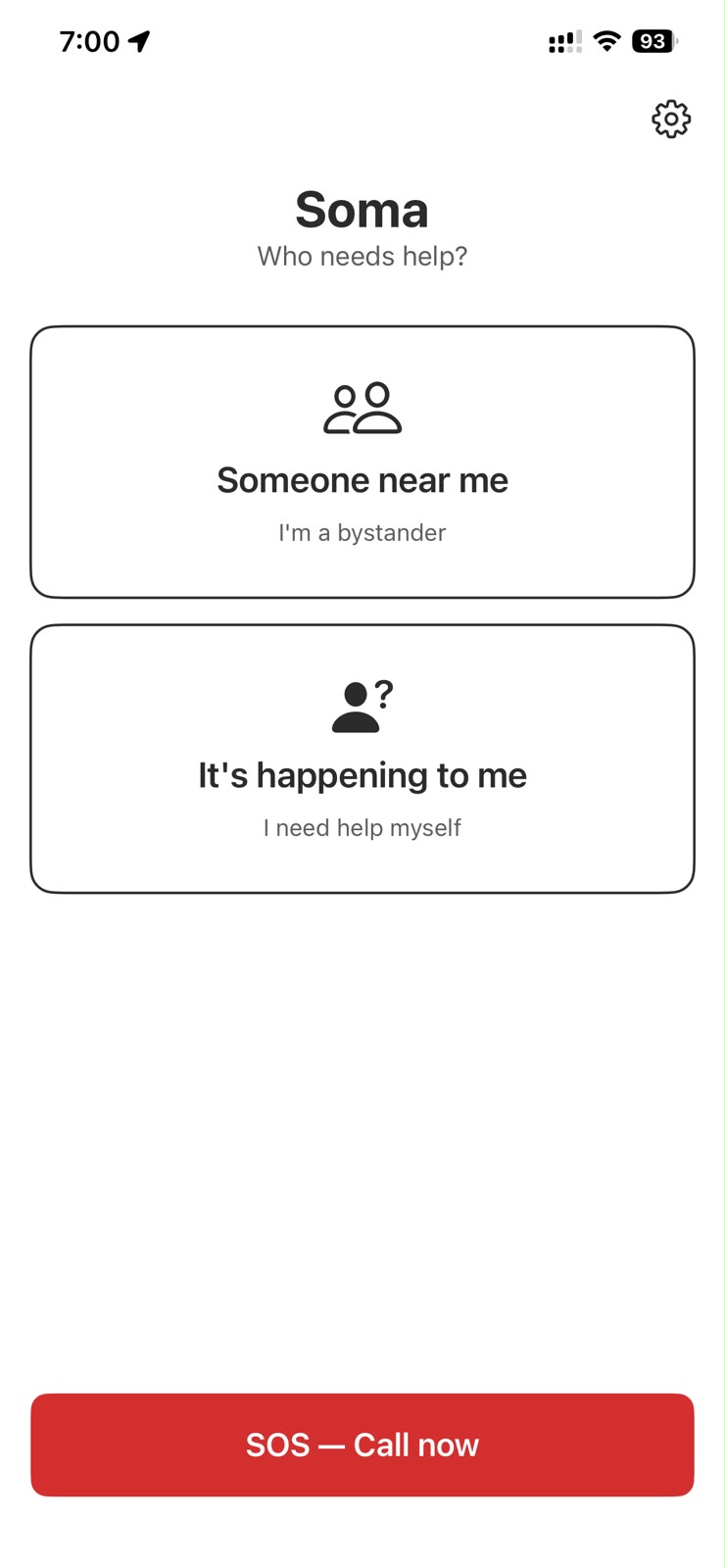
Home page
-
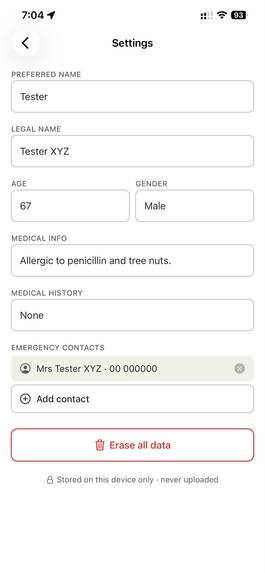
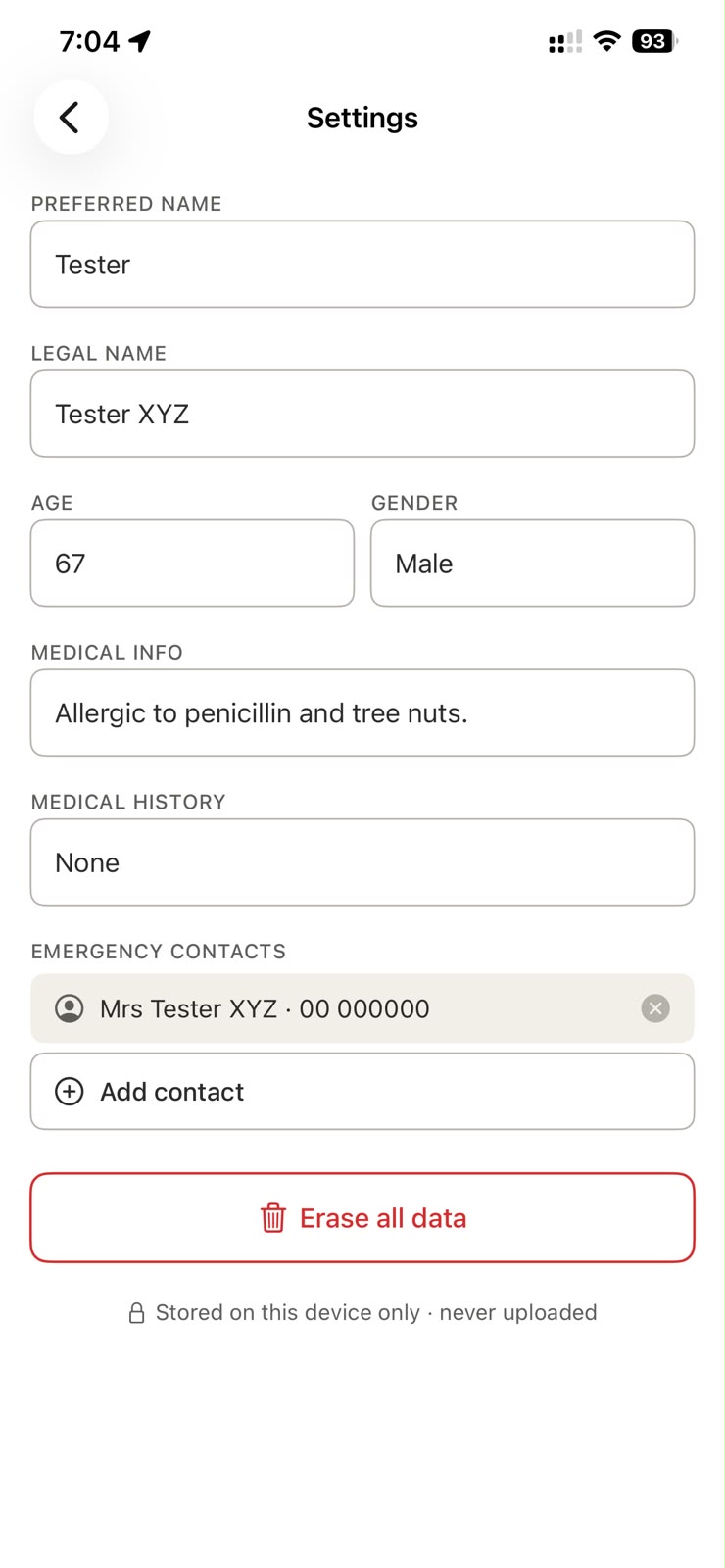
Setting Screen
-
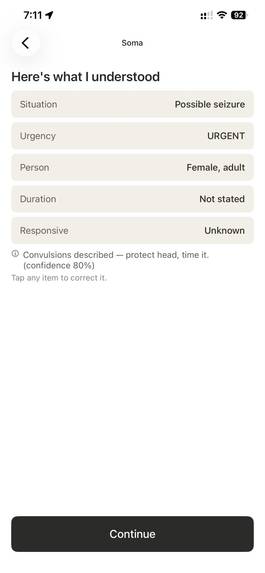
Possible seizure brief screen
-
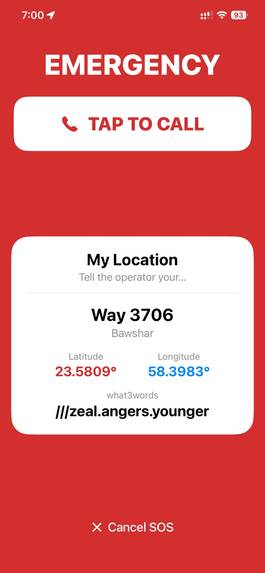
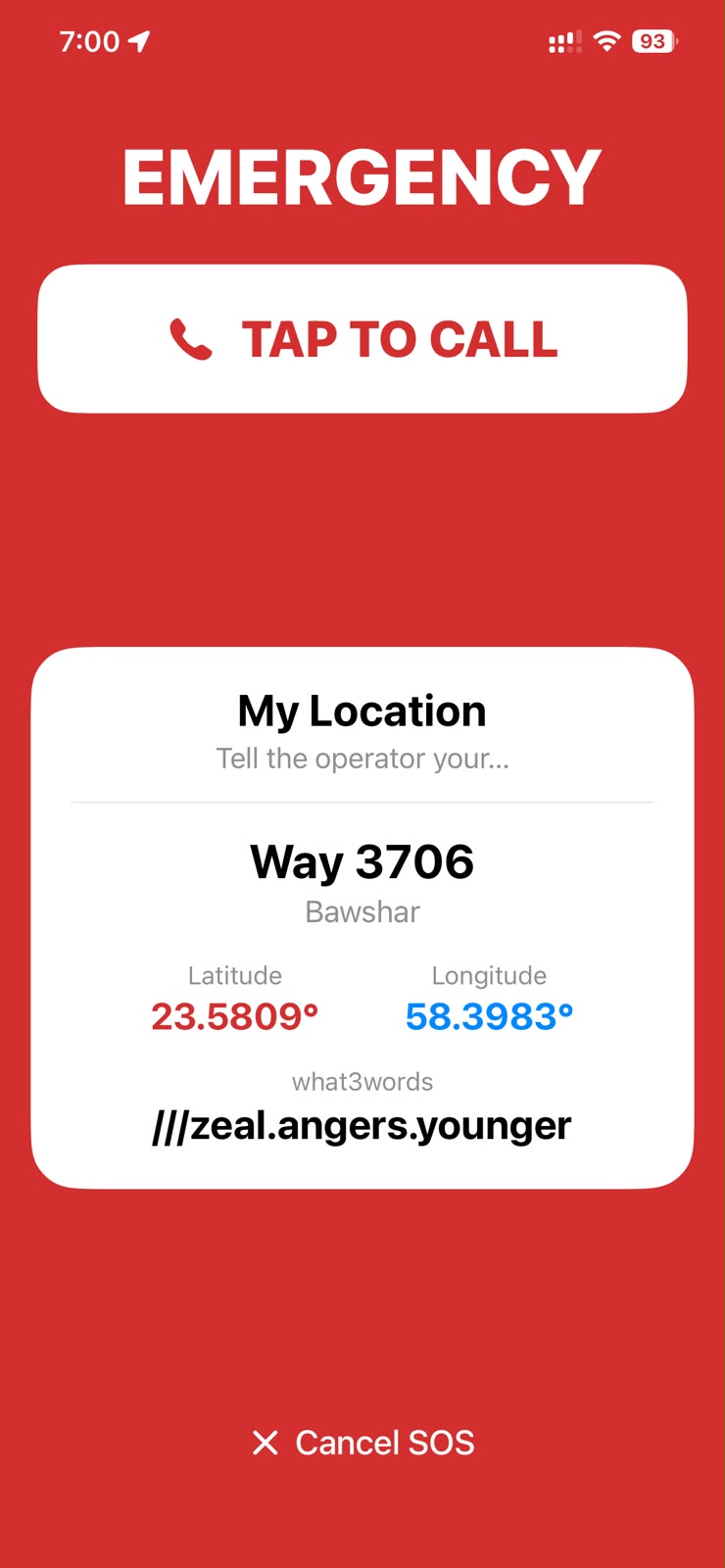
Emergency Screen with accurate display location
-
Possible Seizure guidance scre
Inspiration
The thought behind this idea was from an experience one of us had. A man was suffering a seizure at an ATM and the bystanders tried to help, but were unsuccessful. They tried to give him coins and keys to press on his tounge, and water, actions that were not suitable, and even harmful. We called emergency services, but they did not respond the first two times. When we finally got through, the nearest ambulance was still far away. That experience revealed an important obstacle: the time between a medical emergency happening and the arrival of the professional help. In those vulnerable moments, bystanders are often the first people available to assist, yet many lack the knowledge or confidence to act effectively. Our project Soma aims to provide clear, trustworthy guidance during those critical minutes.
What it does
It provides thorough instructions of aid and support a bystander could potentially provide for six major medical emergencies, which includes seizure, anaphylaxis, choking, cardiac arrest, severe bleeding and stroke. Voice-to-text option can be used by the bystander to immediately list what they are observing from the person suffering, or themselves. The app removes redundant information provided, and aims to provide instructions for the user to perform, along with things to avoid. Soma retrieves the location of the user and formulates three words for them to tell the Emergency responders of their location to send help. The app distinguishes how aid is given based on age for certain medical emergencies. If the user of the app themselves are suffering, it provides aid to them as well. It also contains information for CPR and Choking. All information is derived from credible, long-standing government guidelines and organizations that aim to provide information on giving aid to such emergencies. (Google docs has citations that includes Mayo Clinic, American Red Cross, Cleveland Clinic, National Health Service, Centers for Disease Control and Prevention, AAAAI, Keck Medicine of USC, Medlineplus, American Health Association Journals, Harvard Education)
How we built it
We built Soma as a native iOS app in SwiftUI. Early on, we divided the work into clear sections and split them among ourselves so the three of us could build in parallel. The app relies on three API integrations working together. We use an AI agent to interpret what the bystander describes and pull up the right first-aid steps, a what3words API to turn the user's location into three simple words they can read out to emergency responders, and a third API that identifies the correct emergency number based on the user's location, so the right help can be reached wherever they are. These pieces come together so that, from a single panicked description, the app can work out what's happening, guide the user, and connect them to the right local help with their exact location ready to share.
Challenges we ran into
Our biggest challenge was drawing the line between being a responsible AI and one that oversteps, i.e. deciding whether the app was guiding the user or making decisions for them. We thought hard about this and kept the AI as an interpreter and a selector rather than an author of medical advice, so that all the actual first-aid content stays human-written and sourced from trusted guidelines. Beyond that, we faced the challenge of designing for someone in panic rather than someone reading calmly, which meant condensing long, detailed medical protocols into clear instructions that can be understood in seconds without losing the important warnings. We also had to merge work from three different people into one coherent app, and we worked through a fair share of build errors, file conflicts, and API issues along the way.
Accomplishments that we're proud of
We're proud that Soma is a complete, end-to-end app. From the moment a person starts entering information to the moment they're on the call with an emergency provider, we support the user through every step of that journey. We don't hand them off halfway, rather we help them describe the situation, guide them on what to do, surface their location, and connect them to the right number, all in one continuous flow. We're also proud that we built all of this responsibly, with the user's safety and the integrity of the medical guidance kept front and center the whole way through.
What we learned
More than anything, we all stepped outside our comfort zones and learned something genuinely new. Each of us came away knowing real, practical medical and first-aid knowledge we didn't have before. We also pushed our coding to a much more advanced level, learning how to work with an AI agent and integrate multiple APIs into a single, functioning app. And we learned how different it is to build something for a high-stress, real-world moment, where clarity and trust matter more than anything.
What's next for Soma
We want to take Soma further in two main directions. First, we want to expand it to cover many more scenarios, growing beyond our current set of emergencies so it can help in a wider range of situations and be useful to more people. Second, we want to bring it into people's hands for real by publishing it on the Apple App Store and integrating it with the wider community. Our goal is for Soma to keep expanding from a focused set of emergencies into a broad, accessible tool that anyone can rely on in a moment of crisis.
Built With
- emergency-number-api
- gemini-api
- google-gemini
- ios
- swift
- swiftui
- what3words
- xcode


Log in or sign up for Devpost to join the conversation.