-
-
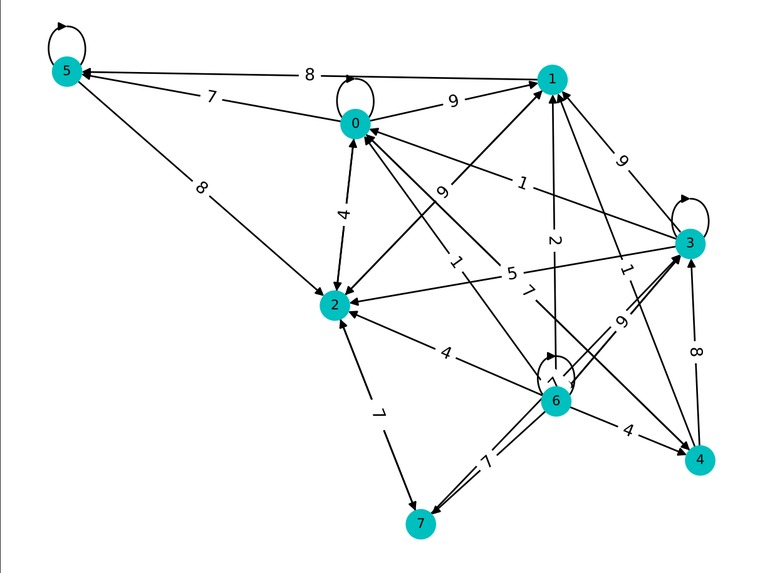
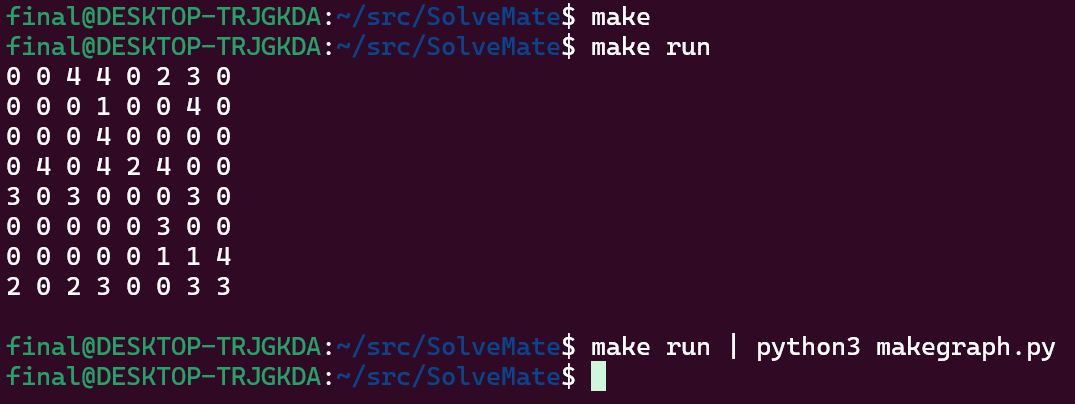
output from makegraph.py
-
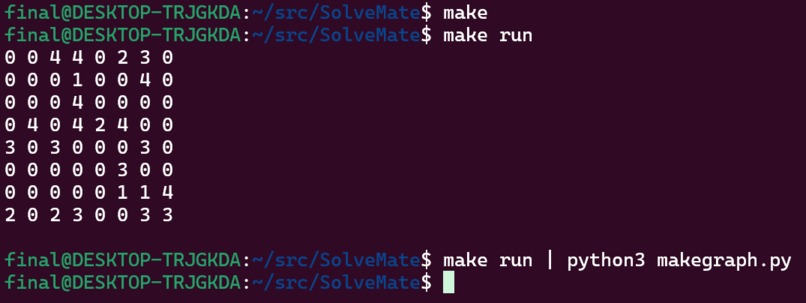
how I pipe to python
-
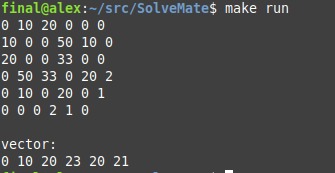
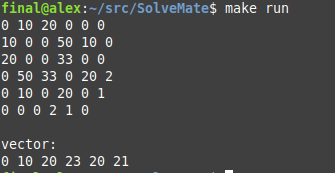
a sucssessful dijkstras huzzah!
Inspiration
My professor challenged me to try and solve grand master chess puzzles with Graph theory. I thought it was a fun idea and I started working on it.
What it does
Right now it is just a graph impl with dijkstras algorithm.
How we built it
I have made a makefile however to run it you will need to make a directory for g++ or whatever compiler you feel like changing it to if you feel!. then you type make, then make run. feel free to change the graph in SolveMate.cpp under the function test2(). if you have already compiled and for some reason the makefile isnt recognizing you changed SolveMate.cpp type make new. or make newRun to make new and make run in one command.
Challenges we ran into
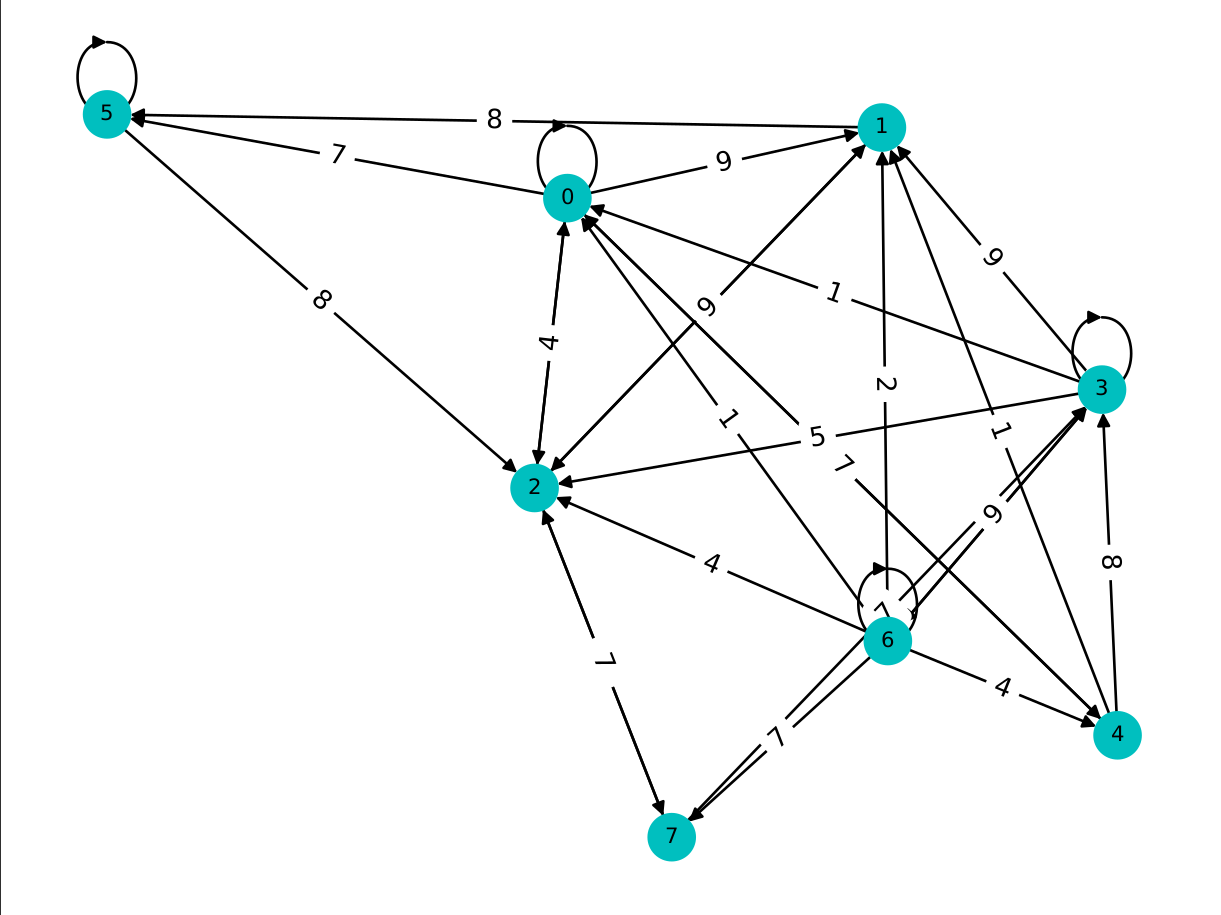
It turns out while adjacency matrices are cool they are really hard to read. So I rigged up a python scrip to take my matrix printing output by piping it with '|' in the command line to create a graph.pdf that's a little easier to read.
Accomplishments that we're proud of
I haven't implemented Dijkstras before so getting that to work in a matter of a few hours today felt really awesome. plus, its been FAR too long sense I have made some C++ code. I do way to much python these days and its making me sloppy.
What we learned
All in all I think it was a fun start. I havnt used a lot of graphs before in programing usually using a more strict data type like maps or binary trees, vectors, priority queues. That jazz.
What's next for SolveMate
I want to keep going. formalize some test things, make a adjacency list impl as well to test against. Not to mention actually representing the way chess pieces can move in graph form and trying to work out some chess problems in an effective way.


Log in or sign up for Devpost to join the conversation.