Inspiration
As a student, I faced several coursework-based projects that made me revisit the challenges of building in the cloud and managing costs effectively. Without cloud credits, infrastructure quickly became expensive and ended up limiting learning and experimentation.
I decided to reflect on my experience and identify the pain points that cost me the most while self-hosting my own projects. Cloud dashboards and governance tools are built for large enterprises, not for indie hackers, solopreneurs, or students like me. In general, a significant number of organizations have reported budget overruns in their cloud expenditures. In recent years, three-fourths of IT leaders experienced such overruns, often due to inaccurate forecasting and lack of proactive monitoring.
This project, SoloStack, is designed to empower individual developers, small and medium businesses, and even larger enterprises to govern their cloud infrastructure effectively. It's about bridging the gap in observability, cost optimization, and infrastructure support that big tech often neglects for smaller players. This solves problems of fragmented and sprawling infrastructure, inefficient governance, insufficient security policies, siloed development and helps companies actually succeed their goal of cloud and digital transformation. It brings accountability and transparency to the forefront.
What it does
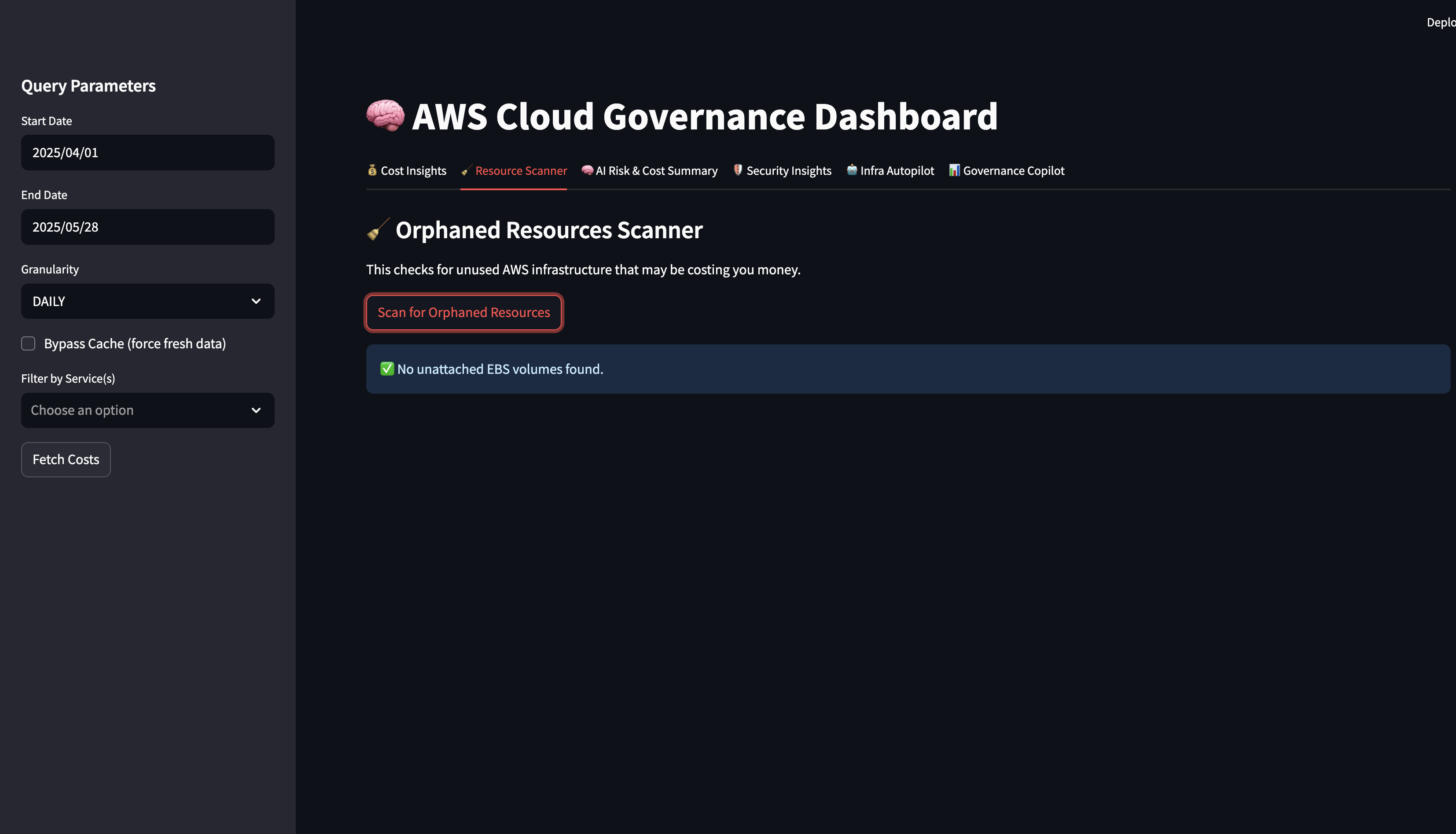
SoloStack is a plug-and-play AI-powered dashboard that serves as your personal DevOps cofounder. It provides:
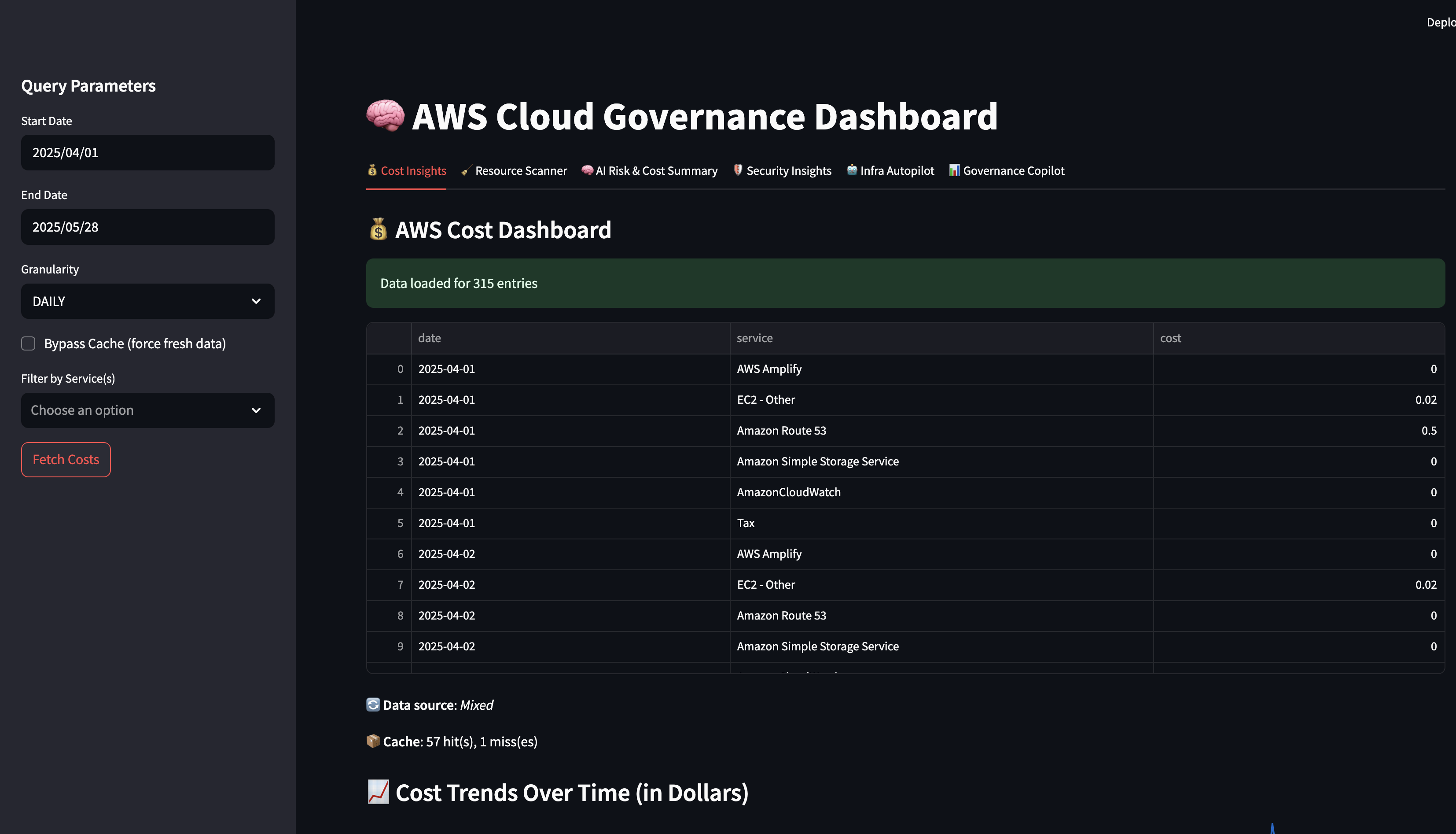
Cost Monitoring and Optimization
- AWS cost breakdowns and trend visualizations
- Detection of unused resources (EBS volumes, EIPs, ENIs)
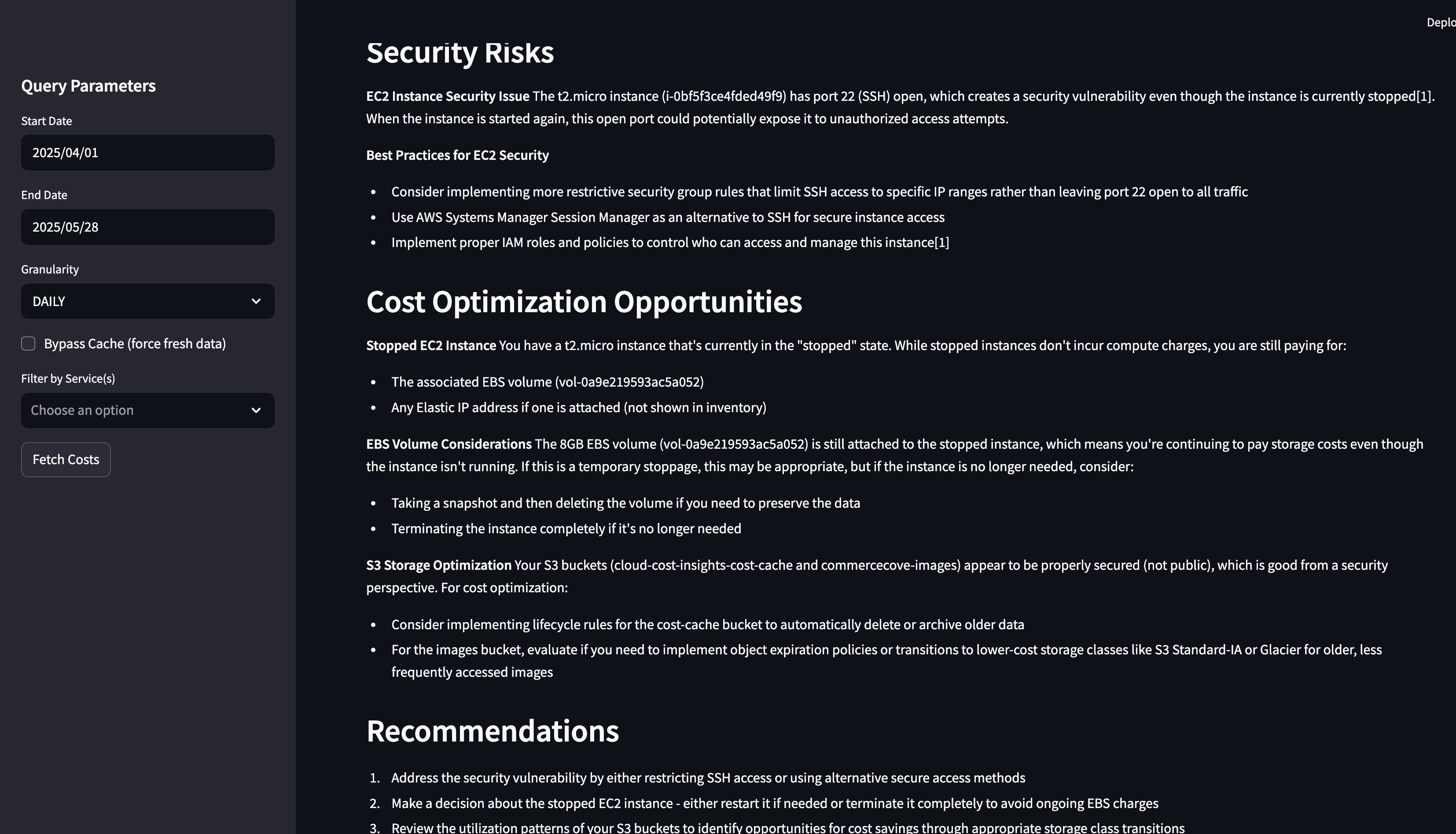
- AI-based risk and cost summaries
Security and Governance
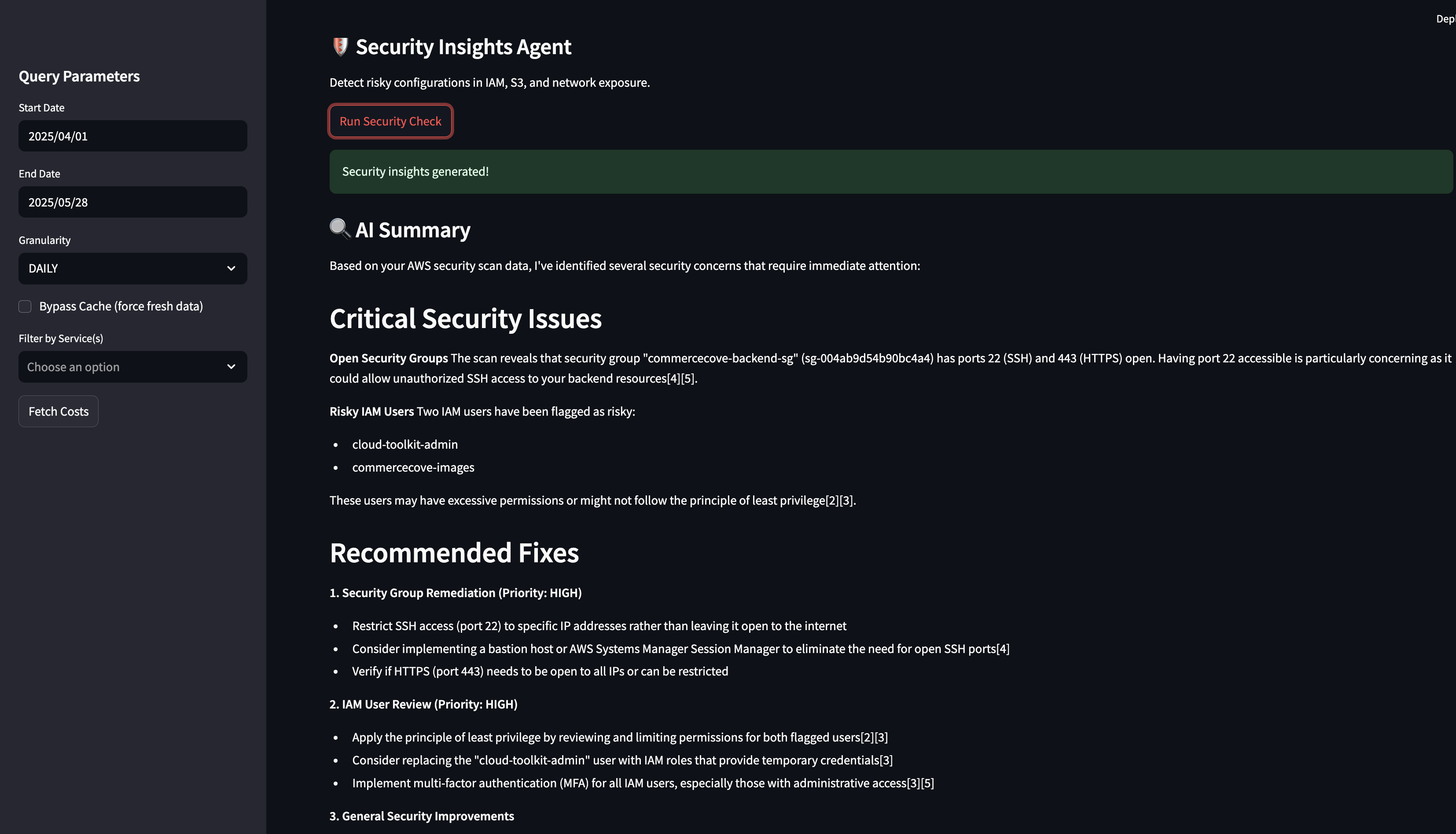
- Security issue detection in IAM, S3, and VPC networking
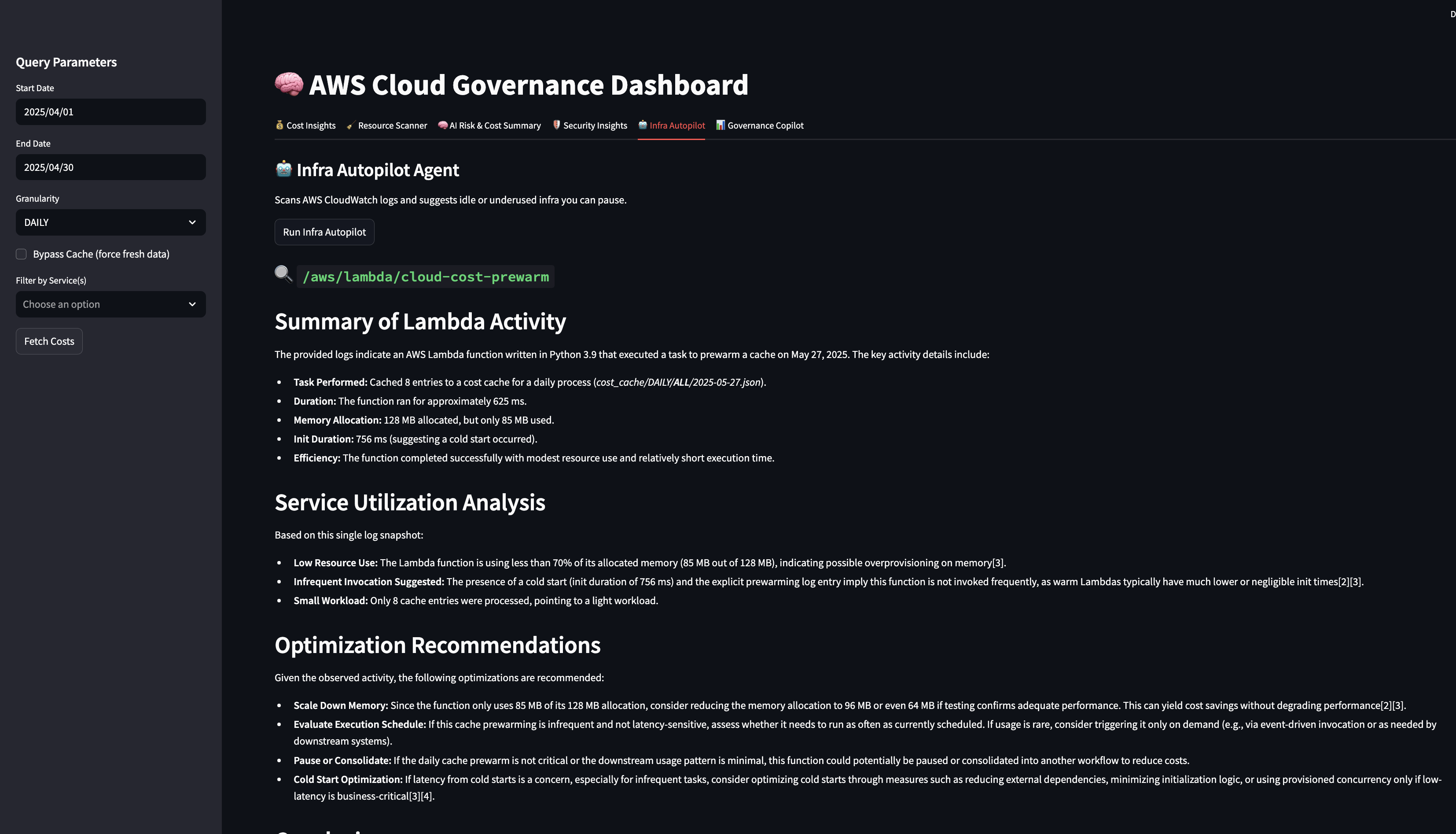
- CloudWatch log parsing to recommend resource pauses
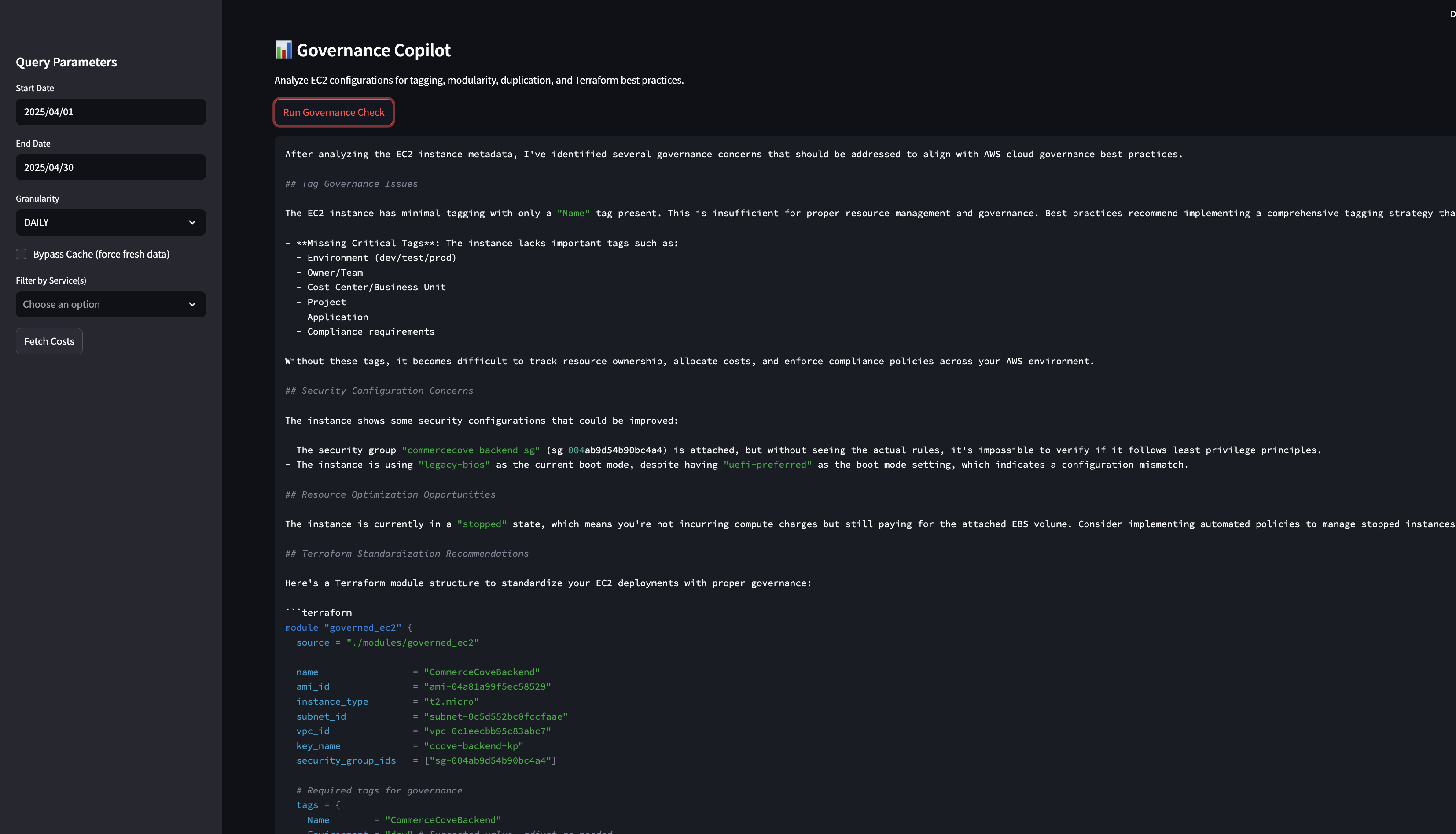
- Live infrastructure refactoring into Terraform modules
- Governance insights and actionable suggestions
How I built it
- Infrastructure defined with Terraform and deployed using a custom
make deploypipeline AWS Lambda functions written in Python to:
- Scan for cost anomalies
- Perform security evaluations
- Summarize AI insights using Perplexity Sonar
- Parse CloudWatch logs for resource optimization
- Convert live infra into Terraform suggestions
Connected the backend to a Streamlit-based frontend dashboard
Leveraged the Perplexity Sonar API for AI summarization and recommendations
Designed to be zero-config: clone, run
setup.sh, deploy
Challenges I ran into
- Packaging Lambda functions with all dependencies in a Terraform workflow
- Ensuring AI-generated Terraform code was usable and free from hallucinations
- Efficient filtering of CloudWatch logs for meaningful usage insights
- Prompt engineering for actionable and opinionated AI feedback
- Securing IAM roles and policies for AI-powered automation
Accomplishments that I'm proud of
- Delivered 6 core AI/infra features
- Made the tool accessible and easy to use for beginners. There's a lot of focus and room for developer experience. Setup is a single command
- Integrated AI meaningfully, focusing on utility, not novelty
- Successfully reverse-engineered live infra into clean Terraform
- Solo-built a DevOps co-pilot that actually reduces cost and effort
What I learned
- Real-world application of LLMs in DevOps workflows
- Common issues with Terraform and Lambda packaging
- The importance of well-designed prompts for non-generic AI output
- The value of combining observability, AI, and infrastructure as code
- Simplicity and focus on user problems lead to better tools
What's next for SoloStack
- Add “Time Machine Mode” to track infrastructure state changes, with GitHub Action integration to auto-create PRs from AI-generated Terraform changes. Need not rely on ephemeral environments or perfect CI
- Smarter AI agents that suggest pausing or scaling down infra. I want to focus on large-scale telemetry and I could have implemented this with more time and simulation of a larger range of AWS resources and traffic
- Fine-grained policy engine for security risks
- Expanded governance coverage for services like RDS, S3, and VPC
- Alerts for idle resources (e.g., unused EC2s running over the weekend)
- Extending cost insights caching logic across other features to optimise for cost-efficient architecture
Built With
- amazon-web-services
- perplexity
- python
- terraform

Log in or sign up for Devpost to join the conversation.