-
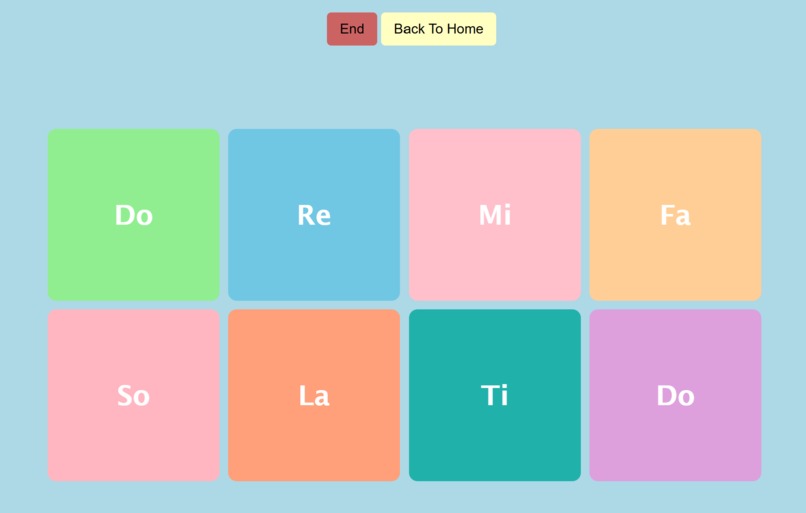
Game core
-
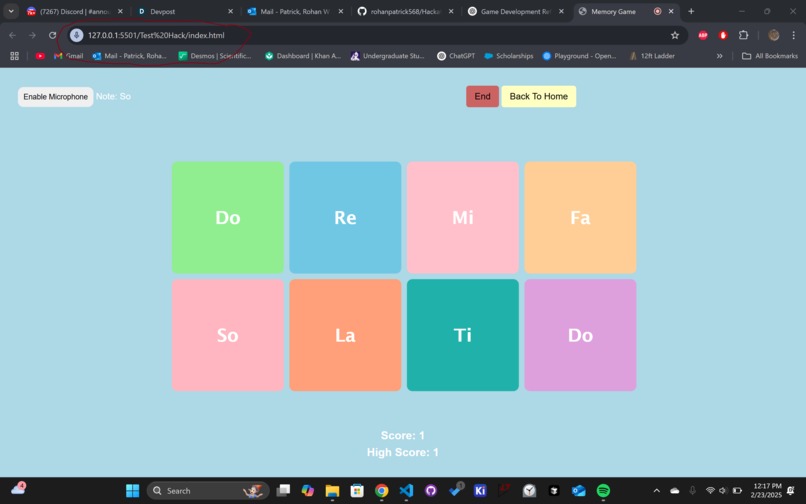
Mic Implementation
Inspiration
Chelsea created a minimum viable product that formed the foundation for our game. Our goal was to integrate more advanced features, primarily audio recognition, to elevate the gaming experience.
What It Does
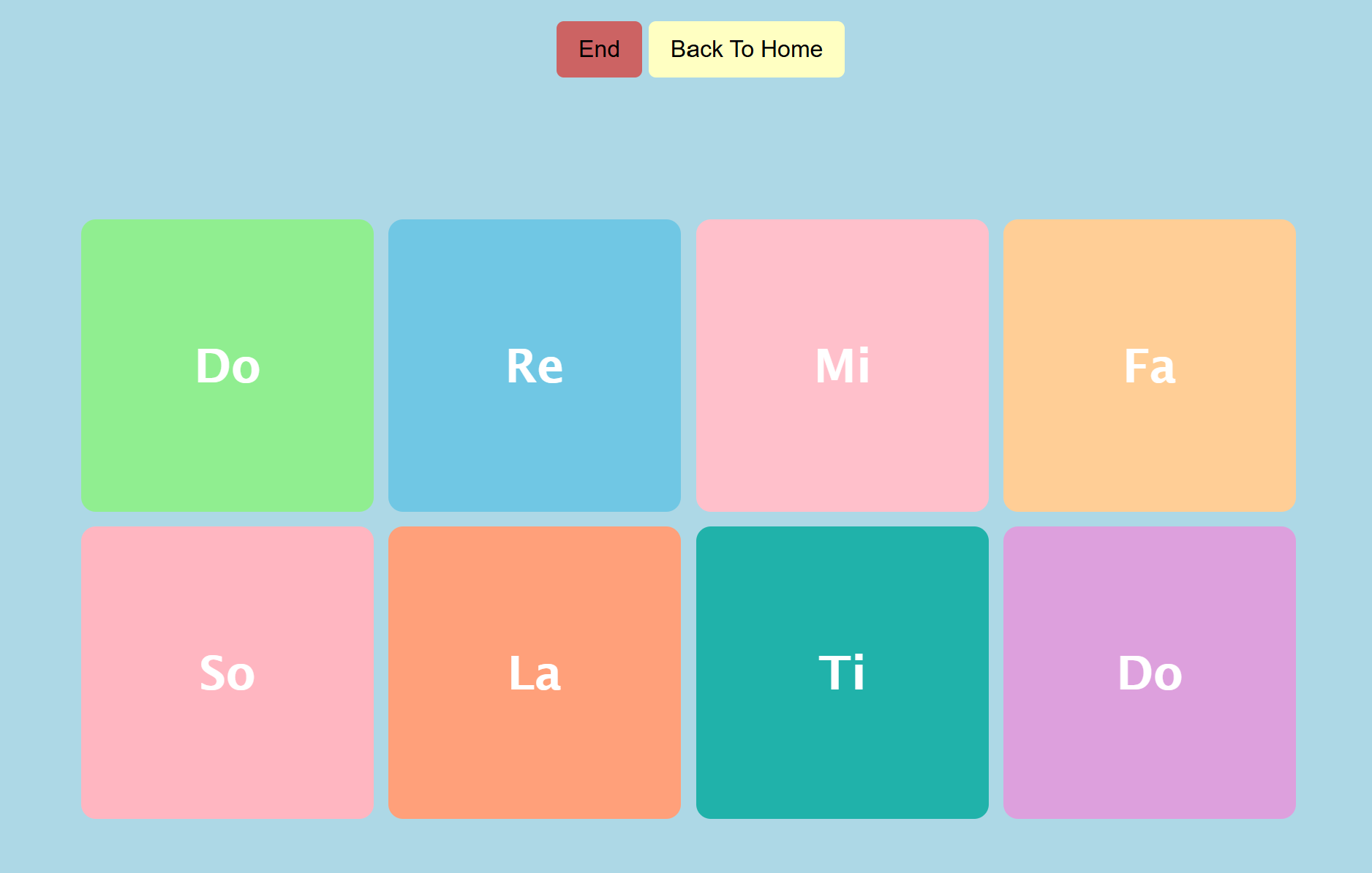
This memory game plays a sequence of solfege notes. The user must accurately match the sequence to boost their score.
How We Built It
We implemented the classic web development tech stack—JavaScript, HTML, and CSS—as our foundation. Features were added incrementally using a waterfall development approach.
Challenges We Encountered
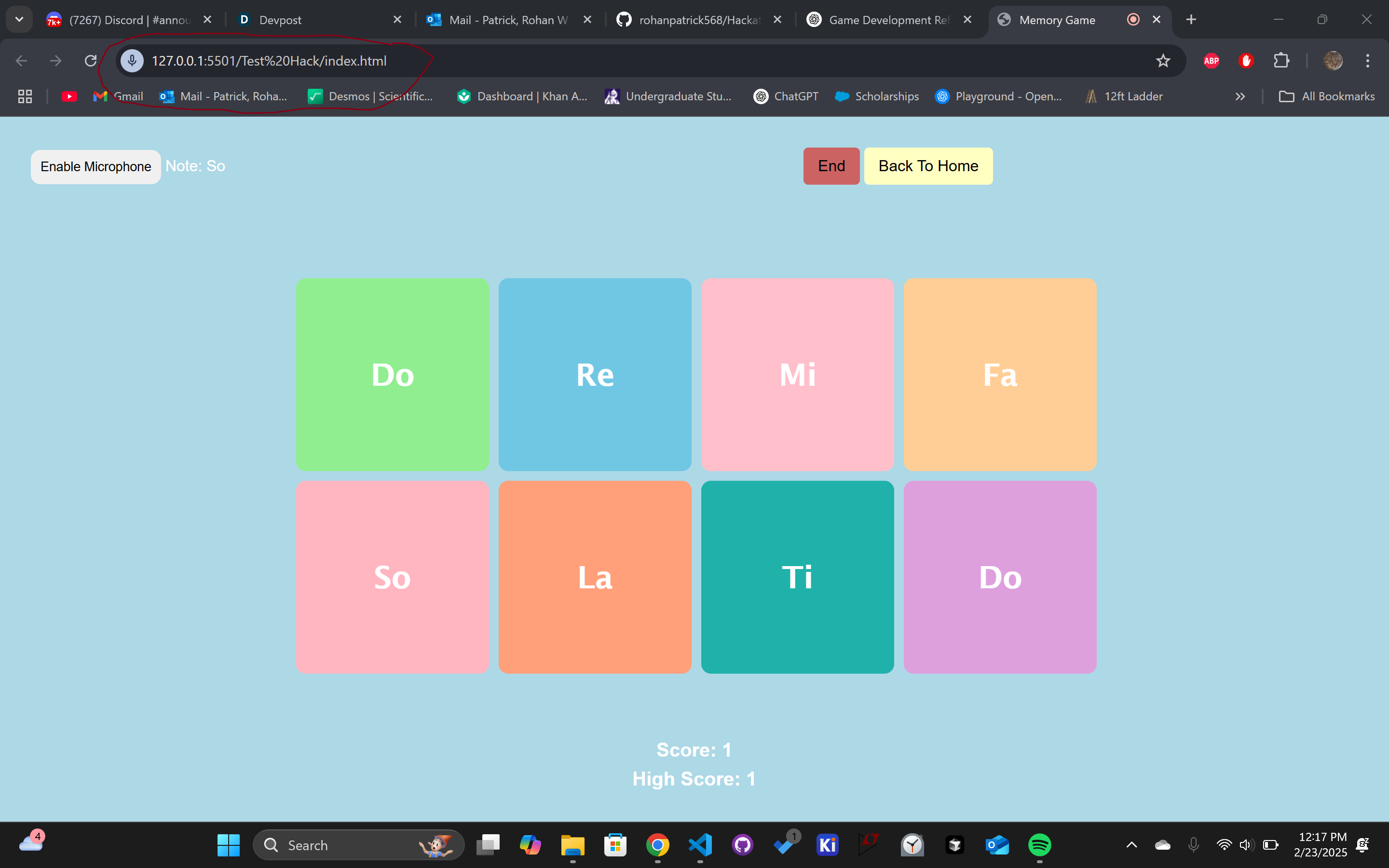
One key design goal was to add an audio input feature so that users could sing the correct solfege note using their device's microphone. However, synchronization issues caused the next sequence to play before the microphone was fully disabled, making the first note inaudible. This problem significantly degraded the user experience, leading us to postpone this feature after extensive efforts.

Accomplishments
We are most proud of the robust core functionality and the introduction of Hardcore Mode, which challenges players with increased speed and more complex patterns.
What We Learned
- Rohan: With zero prior experience in JavaScript, Rohan quickly grasped the fundamental components of web development.
- Chelsea: Gained valuable experience through iterative, incremental improvements.
What's Next for Solfege Note Memory Game
- Live Sing Mode: Implement real-time audio input for a more interactive experience.
- Enhanced UI/UX: Develop a more modern, ergonomic interface to improve overall usability.


Log in or sign up for Devpost to join the conversation.