-
-
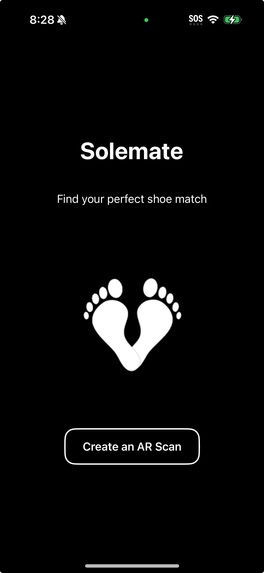
Solemate iOS App
-
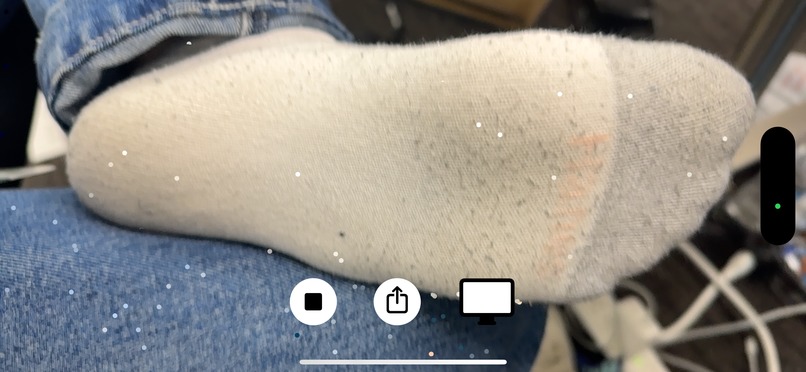
Create a LiDAR scan of your sole
-

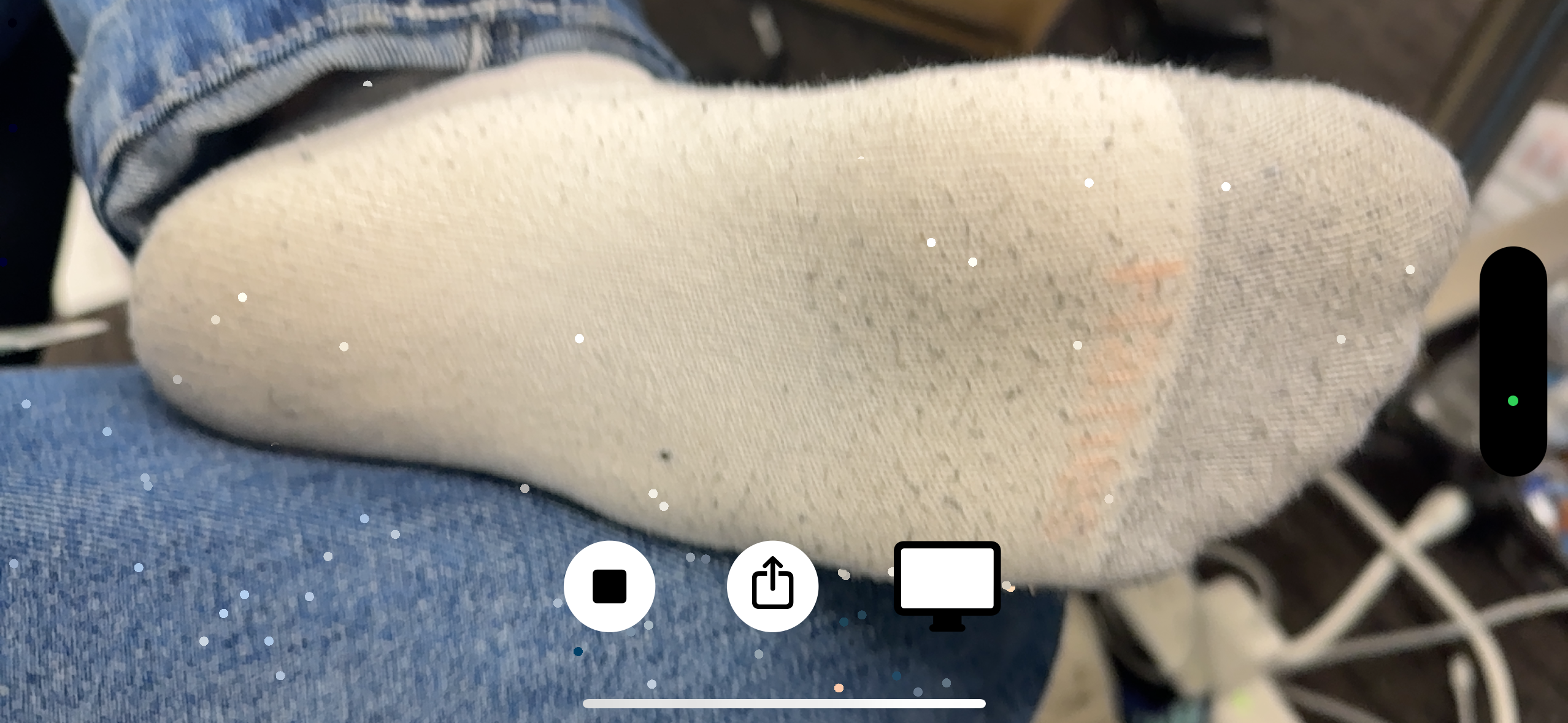
Foot sole LiDAR scan (point cloud)
-
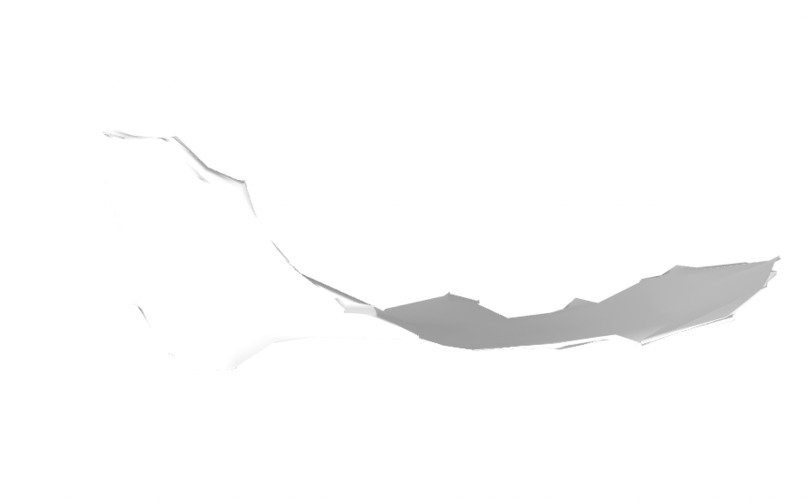
Intermediate processing (1)
-

Intermediate processing (2)
-
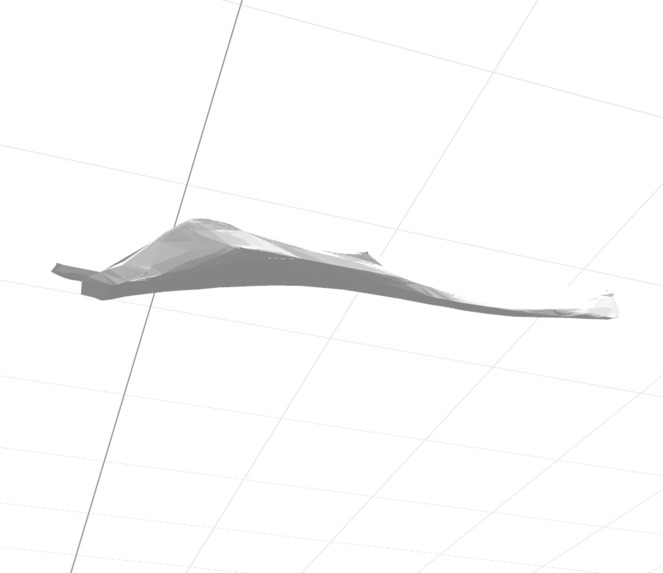
Generated insole (1)
-
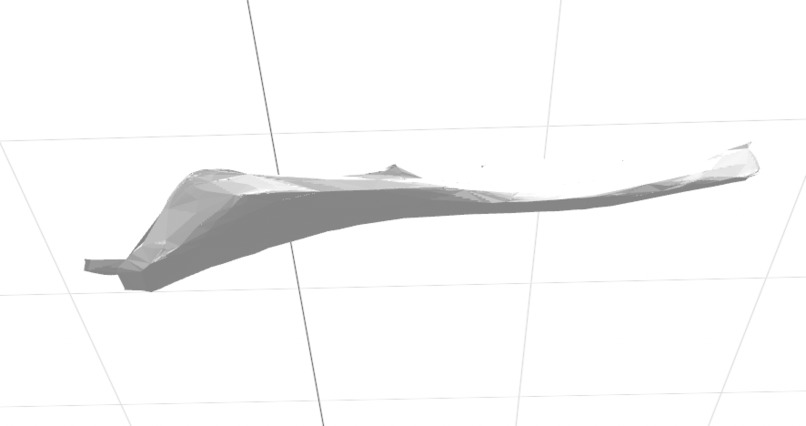
Generated insole (2)
-
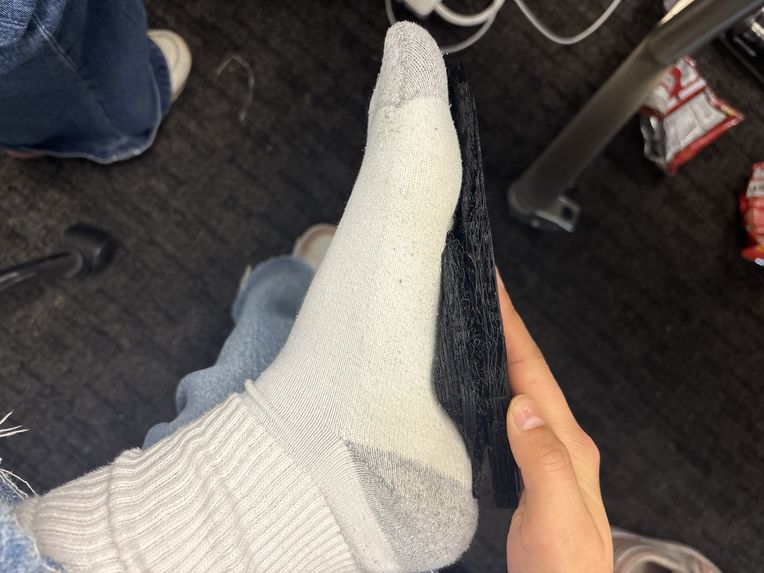
3D printed, custom insole

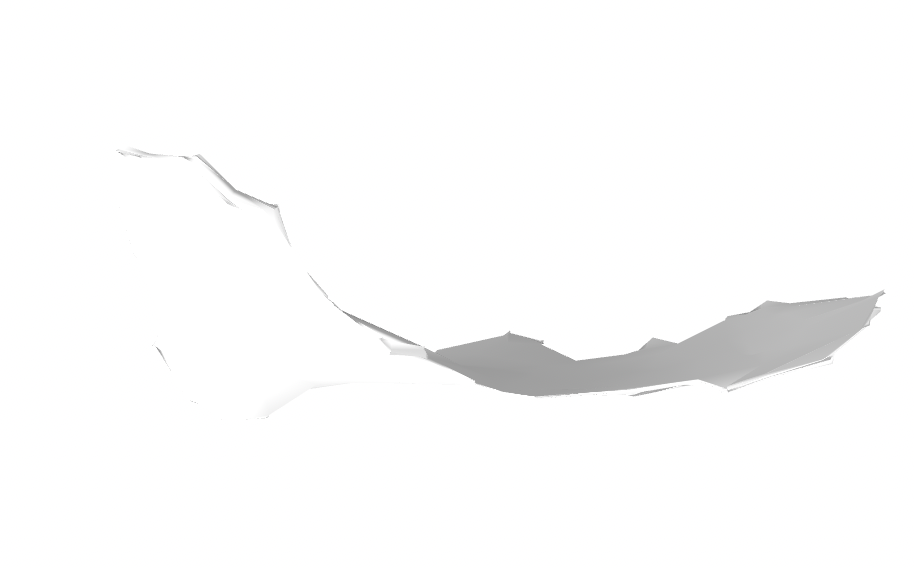

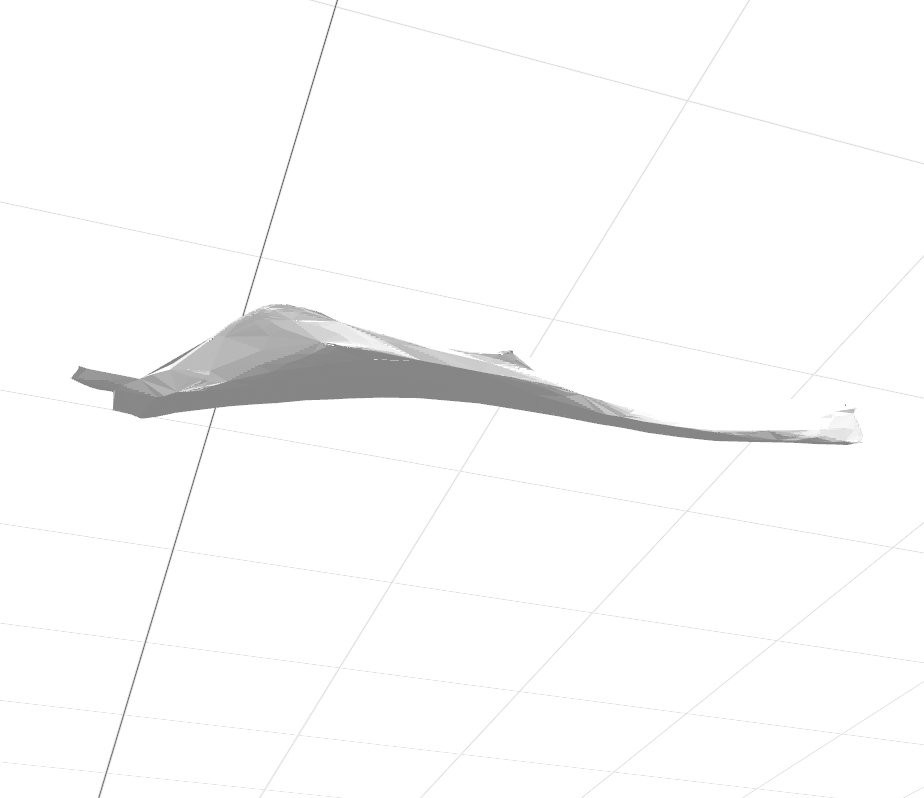

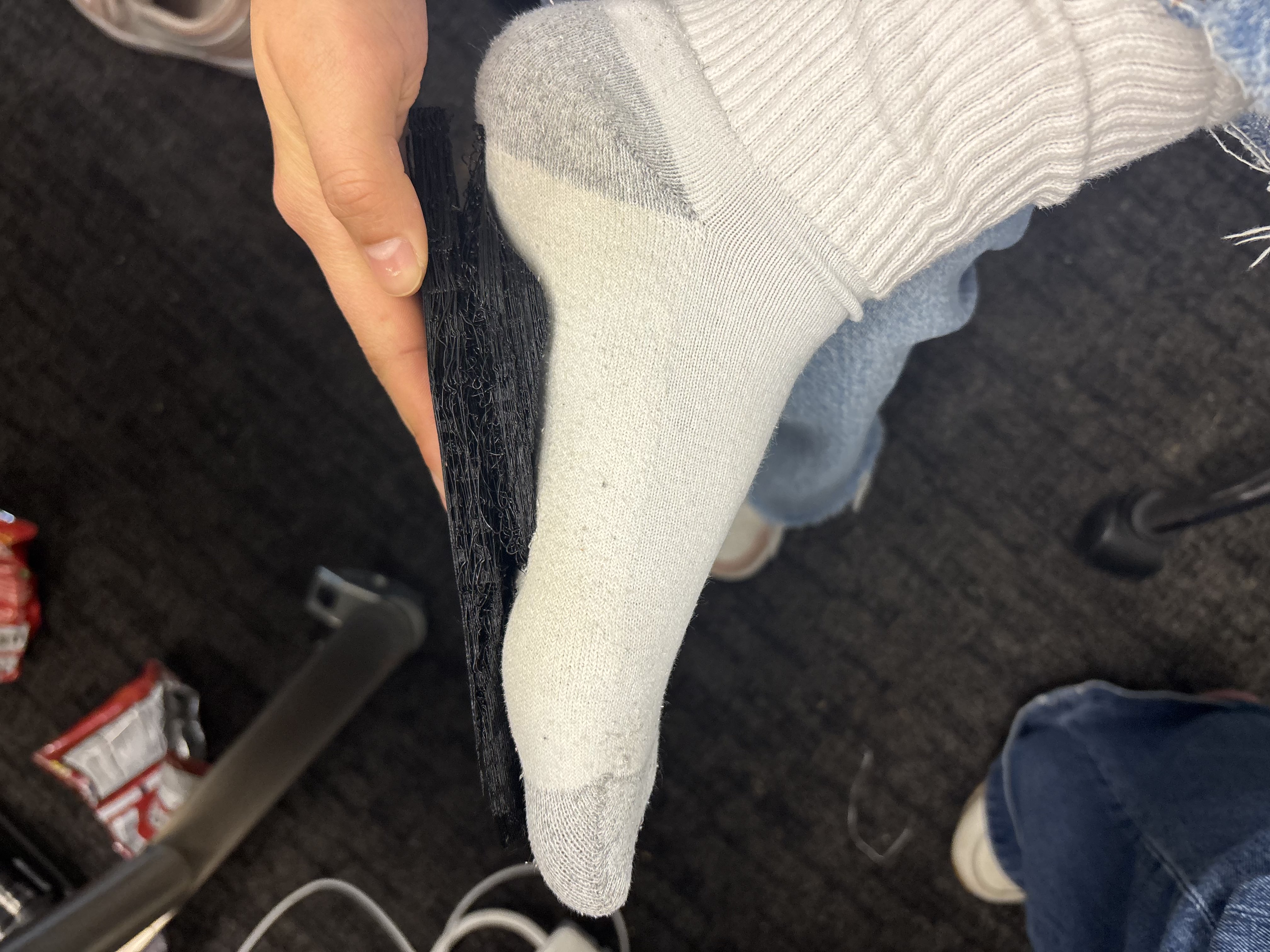
With SoleMate, we can create custom shoe insoles in 2 minutes with an iPhone and a $50 3D printer. The average insole costs $300 to $800.
Inspiration
76% of adults aged 55–64 use foot orthotics, but traditional solutions are often expensive, require specialist visits, and rely on generic sizing rather than true customization.
We saw an opportunity to make custom-fit orthotics accessible to everyone using a device people already own—their smartphone. By leveraging iPhone LiDAR technology, we’re eliminating the need for costly appointments and one-size-fits-all solutions. SoleMate empowers users to create 3D-printed, perfectly tailored insoles with a simple scan—because comfort should be personal, not prescribed.
What it does
SoleMate is a mobile app that leverages LiDAR technology on iPhones to scan a user’s feet in 3D and generate a custom-fitted insole. Using this 3D scan, we create a perfectly contoured, 3D-printable shoe insert tailored to the user’s foot shape. Users can then order their custom inserts or print them at home with a 3D printer.
How we built it
- Frontend: Built using Swift for a native iOS app experience.
- 3D Scanning: Utilized Apple’s LiDAR ARKit for high-accuracy foot scanning.
From Scan to Custom Insole
1️⃣ Capture the Foot Scan
- Uses an iPhone LiDAR sensor to collect a high-resolution 3D point cloud of the foot.
2️⃣ Generate a Digital Foot Mesh
- Densifies and smooths the scan with Open3D and Alpha Shape Reconstruction to create a structured 3D model.
3️⃣ Invert & Shape the Insole
- The mesh is flipped and refined using Trimesh to ensure the insole fits correctly inside a shoe.
4️⃣ Precision Refinement
- Aligns the scan with a segmented foot image using OpenCV, fine-tuning the shape with a distance transform algorithm for an optimized fit.
5️⃣ Smoothing & Final Adjustments
- Applies Laplacian smoothing for a polished finish, removing rough edges and optimizing thickness.
6️⃣ Export for 3D Printing
Saves the custom insole as a .OBJ file, ready for 3D printing. Print it yourself or send it to anyone with a 3D printer.
- 3D Printing Pipeline: Uses Open3D, Trimesh, and ARKit to generate high-fidelity, custom insoles.
- 3D Printing Pipeline: Uses Open3D, Trimesh, and ARKit to generate high-fidelity, custom insoles.
Challenges we ran into
- LiDAR Precision: Capturing highly accurate foot dimensions while maintaining a smooth user experience was tricky.
- 3D Modeling Complexity: Converting foot scan data into a fully adaptable, printable insole required deep work with 3D processing tools.
- Integration & Optimization: Balancing performance vs. quality—especially ensuring that our app runs efficiently on various iPhone models—posed some hurdles.
Accomplishments that we're proud of
📱 Successfully built a working prototype that scans feet using LiDAR and generates customizable, printable STL files.
🚀 Created a seamless and intuitive UI for easy scanning and ordering.
👟 Pushed the boundaries of custom footwear accessibility—making orthotics available to anyone with a smartphone.
What we learned
- Deepened our understanding of LiDAR and 3D modeling.
- Improved skills in full-stack development and 3D-printing workflows.
- Refined our ability to build a hardware-integrated application under time pressure.
- Gained insights into user experience challenges when designing health-tech solutions.
What's next for SoleMate
📱 Refining the UI/UX for a more streamlined scanning process.
👨⚕️ Partnering with podiatrists to validate and improve the fit and comfort of the insoles.
🏭 Exploring mass production using sustainable 3D-printing materials.
🌎 Expanding beyond shoe inserts—3D modeling for virtually anything
SoleMate is just the beginning of a future where custom footwear is accessible to everyone, anytime, anywhere.
Built With
- arkit
- gcp
- lidar
- open3d
- swift
- swiftui
- trimesh


Log in or sign up for Devpost to join the conversation.