-
-
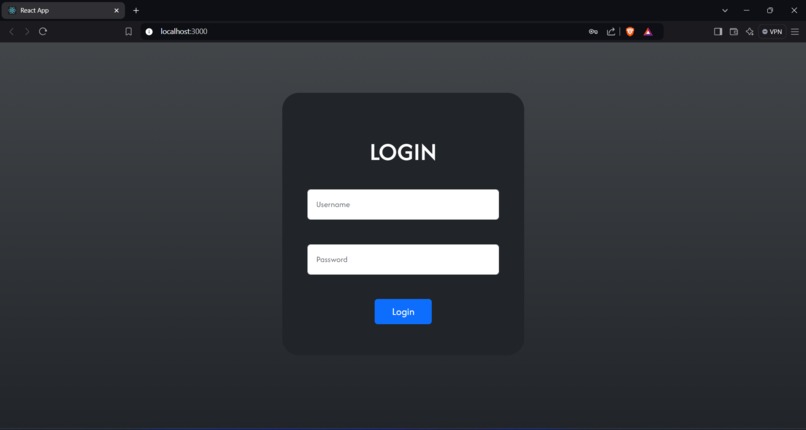
Prototype(Sign Up page for Authentication)
-
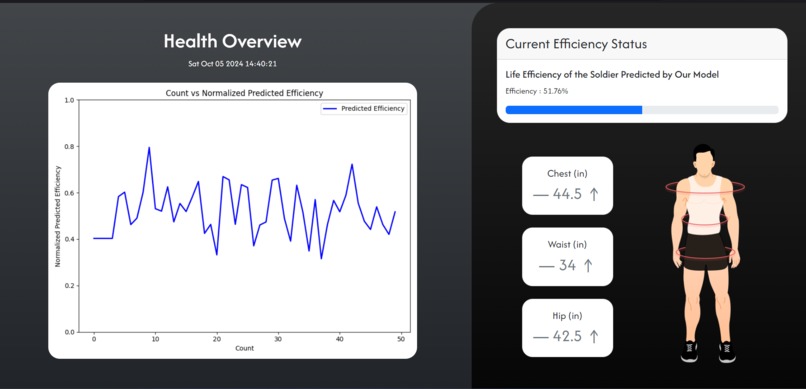
Prototype(Main dashboard)
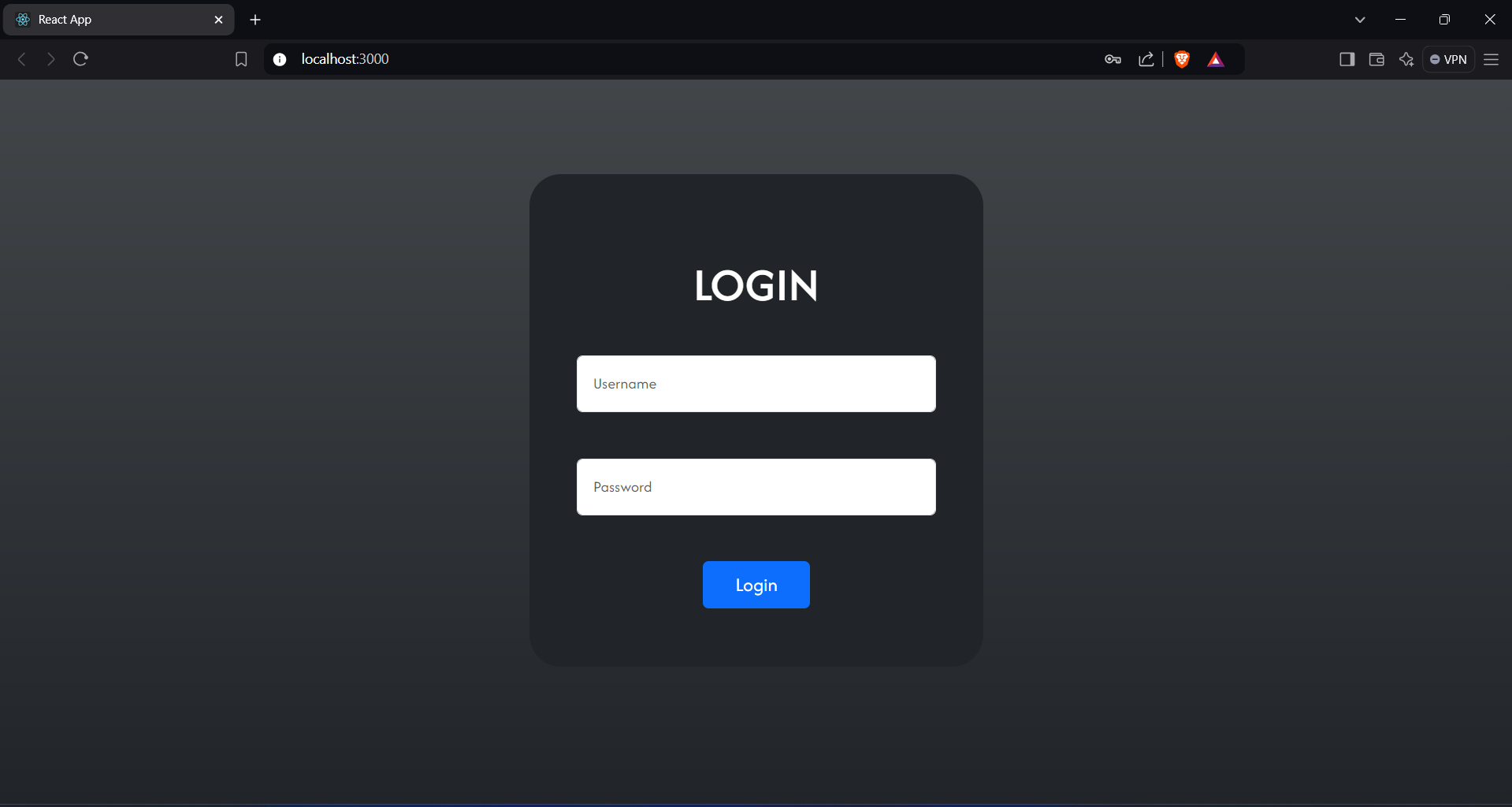
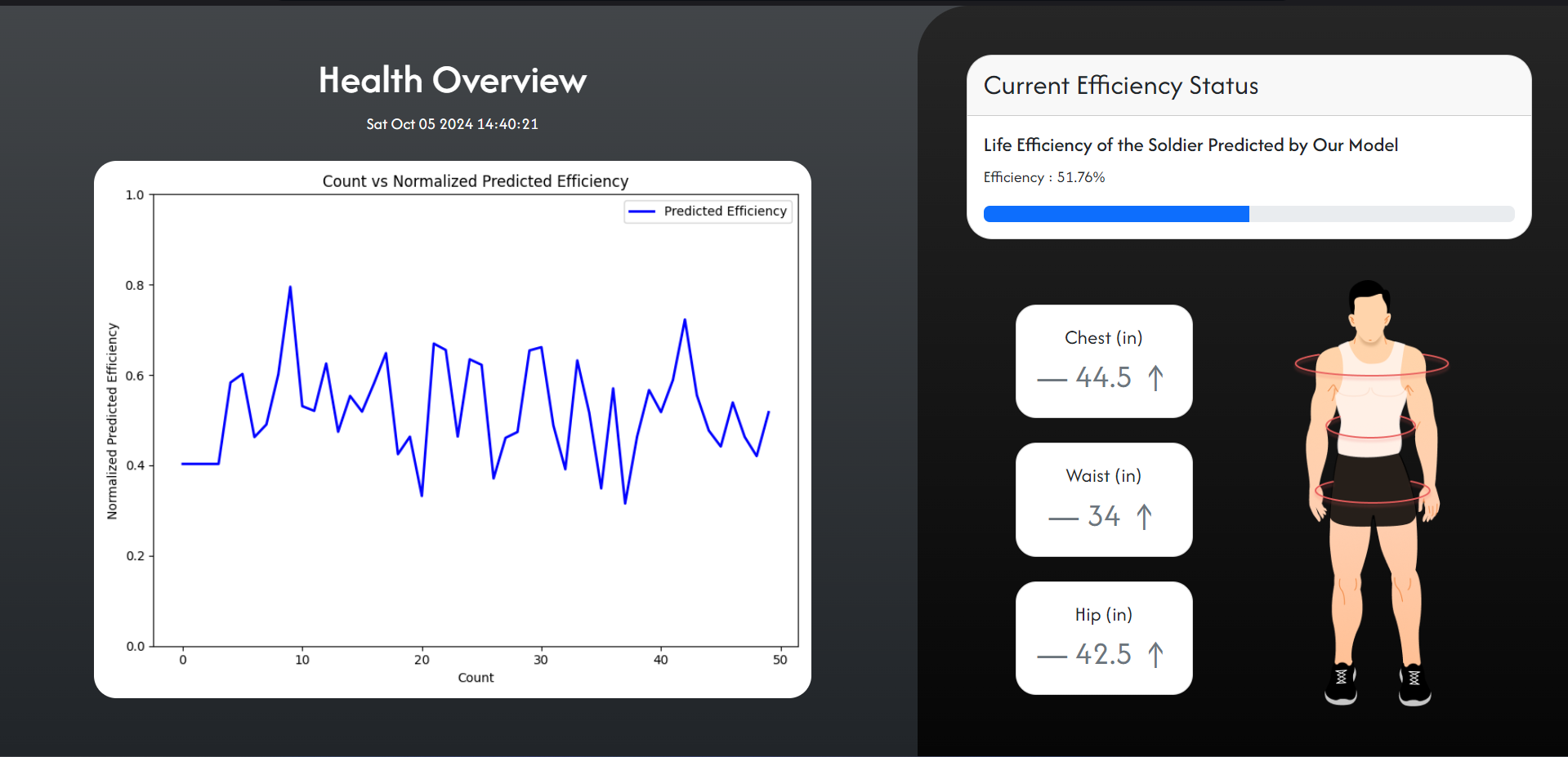
Soldier Health Monitoring System
Project Inspiration
The need for real-time health monitoring of soldiers on the battlefield was the primary inspiration for this project. Soldiers often operate in extreme conditions where quick and reliable data on their physical status is crucial. Inspired by modern autonomous systems and IoT devices, I wanted to create a system that can generate real-time data, predict health efficiency, and autonomously manage communication between various components of the system. This project aims to enhance battlefield safety by allowing decision-makers to monitor the soldiers' health and predict issues proactively.
What I Learned
Working on this project provided me with an opportunity to dive deep into several key areas:
- Agent-based systems: I learned how to create autonomous agents using the uAgents library developed by Fetch.ai, which enabled distributed communication.
- Data generation and prediction: I developed a real-time data generator that produces randomized health data and integrated a machine learning model to predict efficiency based on this data.
- Frontend-Backend integration: I connected Python-based data generation and prediction logic with a React frontend, ensuring smooth communication via Flask.
- Security in Autonomous Systems: I explored how to secure communication between agents and ensure data privacy when fetching data to the frontend.
- Handling continuously populated datasets: I learned how to handle real-time CSV data in Python and make predictions in intervals using background processes.
How I Built It
This project consists of several components, all working autonomously yet cohesively:
Data Generator Agent:
- A Python script continuously generates real-time randomized soldier health data (like heart rate, body temperature, etc.) and saves it in a CSV file.
- This agent uses the uAgents framework for autonomous behavior, ensuring the data is consistently updated at regular intervals.
Efficiency Prediction Agent:
- Another agent periodically reads the generated data, feeds it into a pre-trained machine learning model, and predicts the soldier's efficiency (health status).
- The predictions are stored and shared with the communication agent.
Communication Agent:
- The communication agent serves as the main channel between the backend and frontend.
- It fetches the real-time data and prediction results and sends this information via Flask to the frontend.
React Frontend:
- The React-based frontend visualizes the data and health efficiency predictions in real-time.
- The communication between the Flask server and React is seamless, allowing users to observe real-time graphs and updates.
Challenges I Faced
Handling Real-time Data:
- Continuously appending data to CSV files in real-time required careful handling of file locks and ensuring the data was not corrupted during parallel reads/writes.
uAgents Framework:
- Since the uAgents library is relatively new, finding sufficient resources and documentation for implementing autonomous communication between agents was challenging. I had to dive deep into understanding how agents communicate and secure the data.
Frontend-Backend Communication:
- Establishing secure, efficient communication between the Python backend (agents) and the React frontend was tricky, especially when handling continuous updates and predictions.
Prediction Interval Tuning:
- Ensuring that the machine learning model's predictions were made at optimal intervals without overloading the system with too frequent computations took significant tuning and optimization.
Conclusion
This project not only pushed my boundaries in terms of technical skills but also gave me a deeper understanding of the challenges in real-time monitoring systems. By combining agent-based systems with machine learning and data visualization, I was able to create a robust solution that showcases the potential of autonomous health monitoring on the battlefield.
Future Enhancements
- Integration with Wearable Devices: The next step could be integrating the system with IoT devices to gather real-time health data directly from wearable devices.
- Improved Machine Learning Models: Enhancing the accuracy of the efficiency prediction model by experimenting with different algorithms and feature engineering.
This project showcases the potential of autonomous systems in critical real-world applications like soldier health monitoring, and I look forward to further refining it!


Log in or sign up for Devpost to join the conversation.