Inspiration
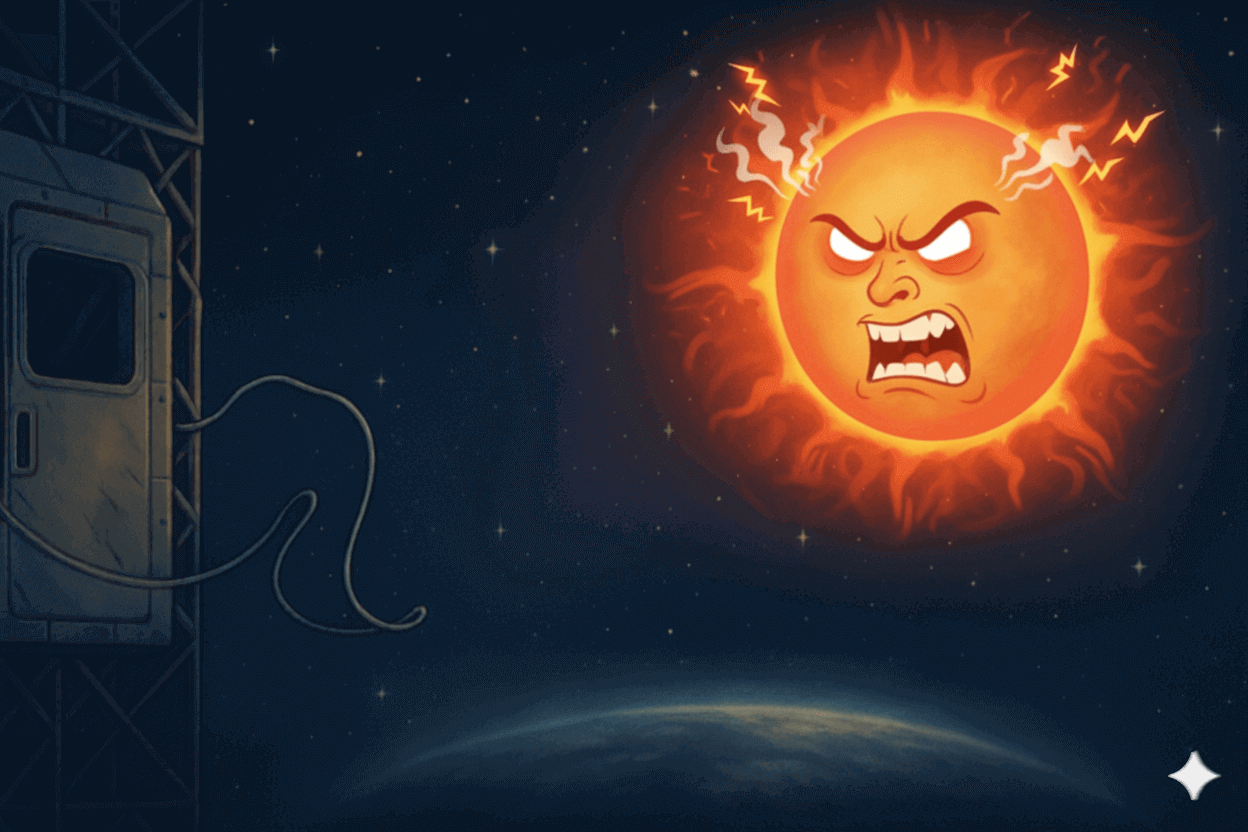
Space weather shapes modern life more than most people realize. Solar storms can disrupt satellites, GPS, radio communication, navigation systems, and even power grids, yet these invisible phenomena remain difficult for children to understand. We wanted to transform complex heliophysics into an engaging story where young learners can explore, experiment, and discover how the Sun affects Earth. Inspired by NASA's open science initiative, we created Solar Storms to Auroras to replace abstract scientific concepts with interactive adventures that spark curiosity and encourage the next generation of space explorers.
What it does
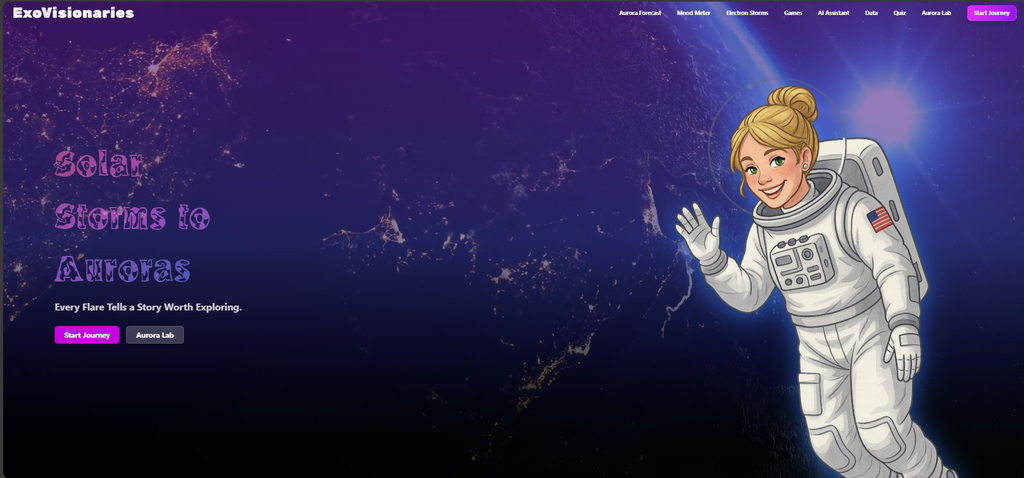
Solar Storms to Auroras is an interactive educational web platform that turns NASA's real heliophysics data into immersive storytelling experiences for children.
Users can:
- Trigger solar flares and coronal mass ejections (CMEs).
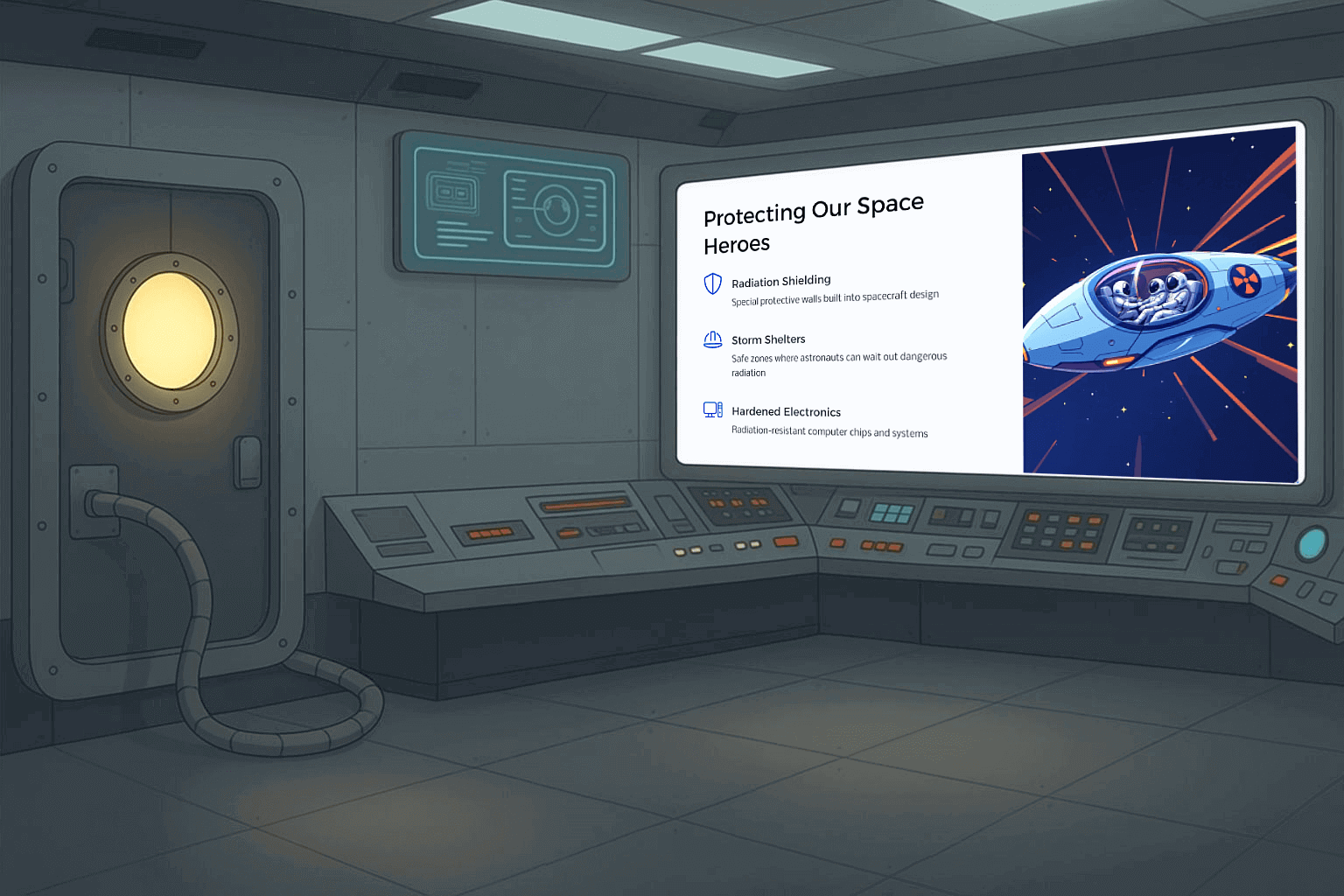
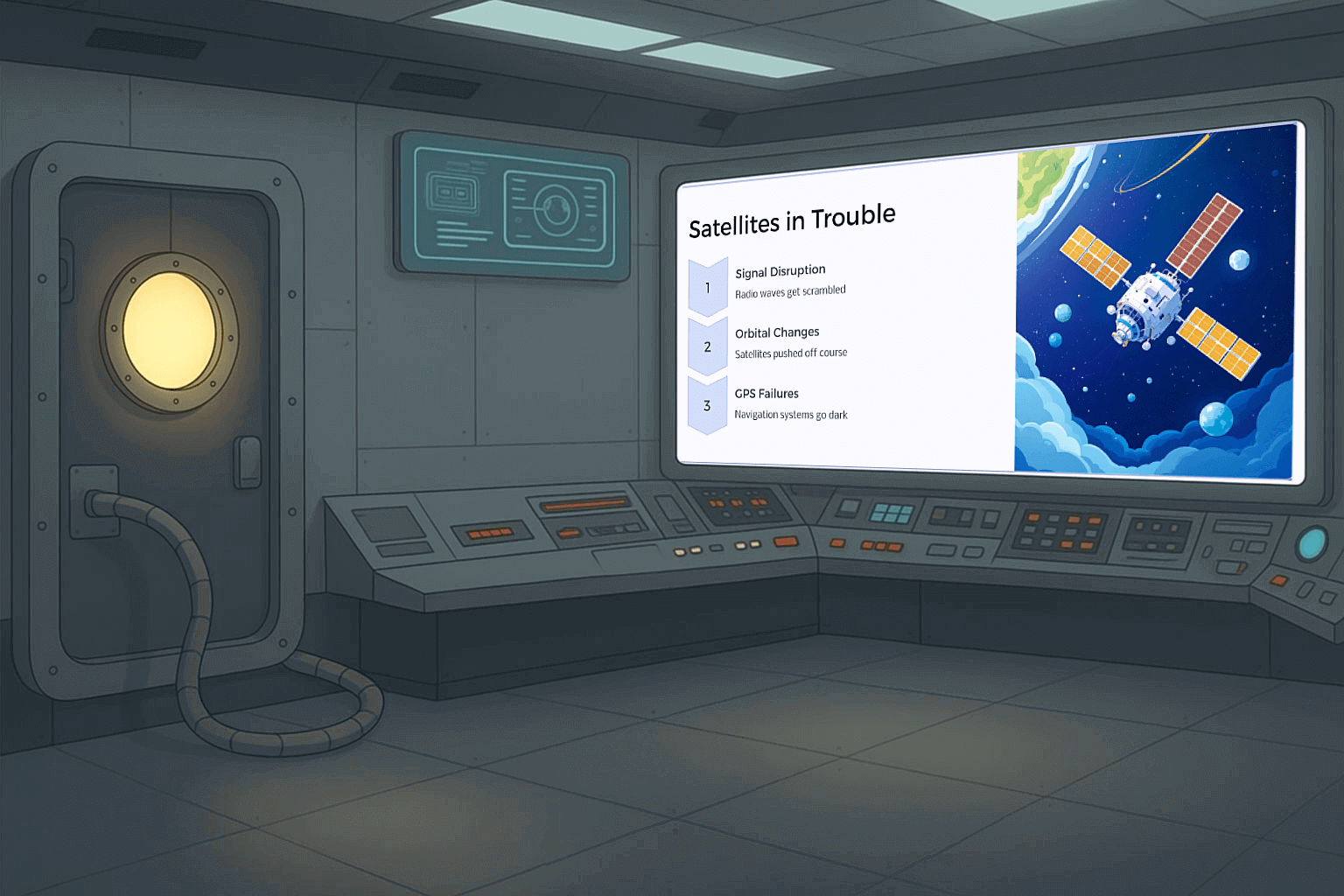
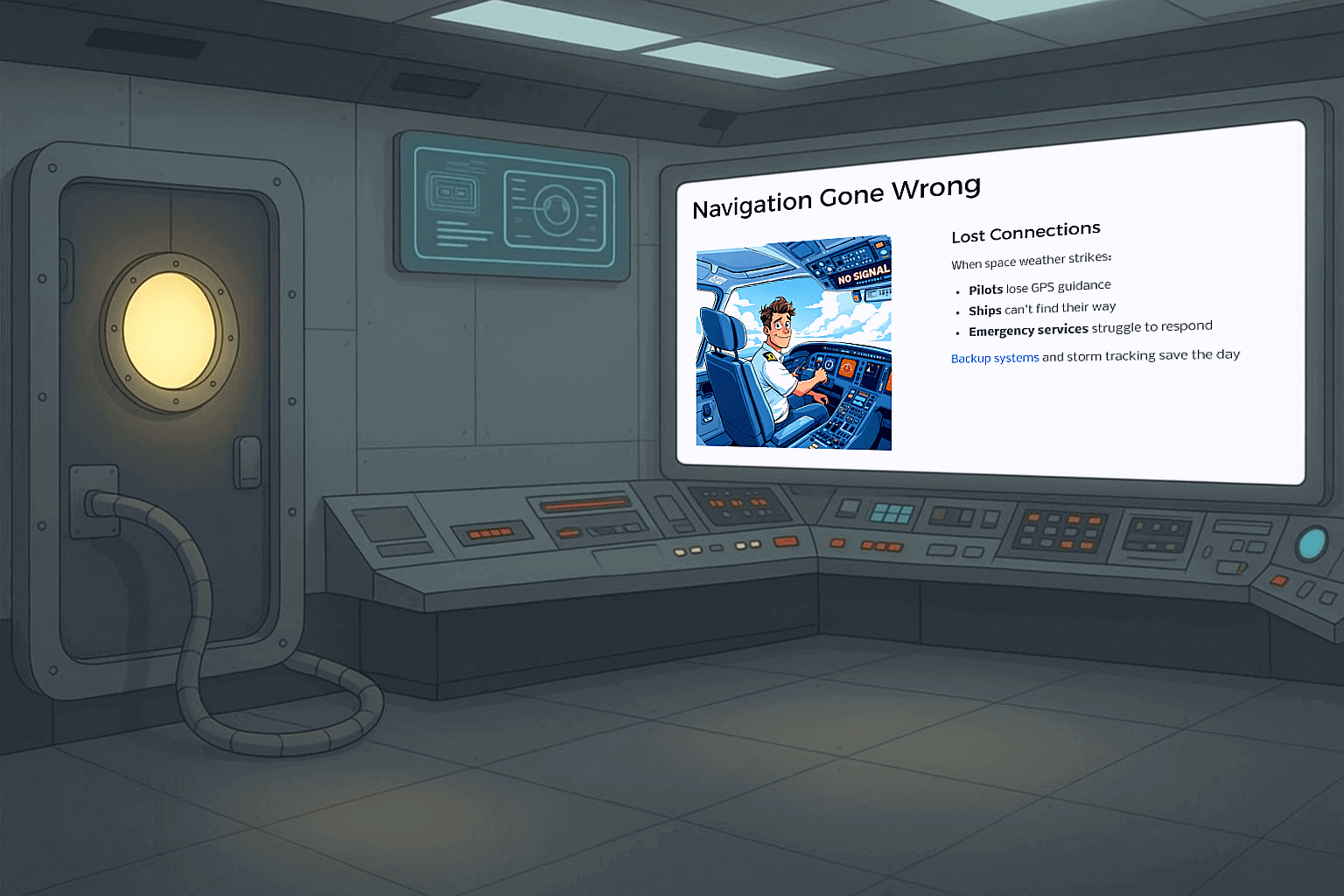
- Observe how solar storms affect satellites, communications, and Earth.
- Explore the Electron Storm Explorer to understand satellite damage.
- Forecast auroras using real geomagnetic data.
- Create their own auroras in the Aurora Lab.
- Track solar activity with the Mood Meter.
- Learn through interactive quizzes and challenges.
- Ask questions to an AI Space Assistant designed for child-friendly explanations.
- Browse NASA Heliophysics resources and datasets directly from the platform.
Every interaction is based on authentic NASA scientific data while being presented through engaging visual storytelling.
How we built it
We started by collecting NASA's open datasets on solar activity, geomagnetic storms, aurora forecasts, electron storms, and heliophysics missions.
The platform was developed using React and Tailwind CSS, while Three.js with React Three Fiber powers the interactive 3D visualizations. Zustand manages application state, Radix UI provides accessible interface components, and the entire application is deployed on Vercel.
To improve learning, we integrated an AI-powered Space Assistant using the Grok API, allowing users to ask questions in natural language. Educational illustrations were designed in Canva, demonstration videos were edited in CapCut, and AI-assisted development utilized ChatGPT, Cursor AI, Google Gemini, and Grok.
Throughout development, we continuously refined the interface to balance scientific accuracy with simplicity, ensuring that children could learn through exploration without feeling overwhelmed.
Challenges we ran into
One of our biggest challenges was simplifying complex heliophysics concepts without compromising scientific accuracy. Translating datasets such as geomagnetic indices, electron forecasts, and solar activity into intuitive visual experiences required multiple design iterations.
Another challenge was presenting large amounts of scientific information in a way that remained engaging for children. We addressed this through storytelling, interactive simulations, animations, and guided exploration rather than traditional data visualization.
We also worked to ensure that AI responses remained educational, age-appropriate, and consistent with NASA's scientific information.
Accomplishments that we're proud of
We successfully transformed real NASA heliophysics data into an interactive learning experience that makes invisible space weather visible and understandable.
Some accomplishments include:
- Building multiple interactive learning modules based on real NASA datasets.
- Creating an AI Space Assistant that explains space weather in simple language.
- Designing immersive 3D visualizations and storytelling experiences.
- Developing Aurora Lab, where users can create and explore their own auroras.
- Integrating educational quizzes and challenges that reinforce learning.
- Producing a scalable web platform suitable for classrooms, self-learning, and public outreach.
Most importantly, we demonstrated that complex scientific concepts can become enjoyable, accessible, and inspiring through interactive design.
What we learned
This project taught us that effective science communication is not about simplifying the science—it is about improving how it is presented.
We learned how to work with NASA open data, build interactive educational experiences, integrate AI responsibly into learning environments, and combine storytelling with visualization to increase engagement.
The experience also strengthened our skills in frontend development, UI/UX design, 3D graphics, AI integration, teamwork, and translating scientific knowledge into meaningful educational content.
What's next for Solar Storms to Auroras
Our vision is to expand Solar Storms to Auroras into a comprehensive educational platform for students, teachers, and families worldwide.
Future plans include:
- Developing multilingual versions for global accessibility.
- Launching Android and iOS applications.
- Adding accessibility features for diverse learners.
- Integrating live NASA space weather feeds and real-time alerts.
- Creating classroom lesson plans and teacher dashboards.
- Expanding the AI Space Assistant with personalized learning experiences.
- Introducing new interactive missions covering additional NASA heliophysics topics.
- Continuing to inspire future scientists, engineers, and explorers by making space weather engaging, accessible, and meaningful.
Built With
- api
- chatgpt
- css
- css3
- electron
- fiber
- grok
- html5
- javascript
- k-index
- nasa
- portal
- radix
- react
- tailwind
- three
- three.js
- typescript
- ui
- vercel
- vite
- zustand
Log in or sign up for Devpost to join the conversation.