-
-
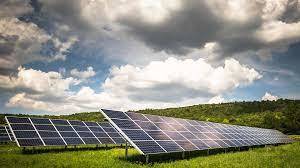
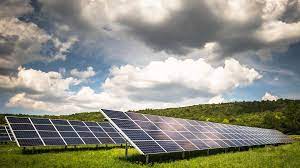
Solar farm Metric Maestros
Inspiration
With the ongoing global combat against climate change, there has been a need to use sustainable energy solutions. Kenya was privileged to host the Africa Summit and Africa Climate week between 4th to 6th September 2023, where declarations were made that, no country should ever choose between development and climate action. With the declaration, there was a clear need for optimizing renewable energy sources such as the solar energy which became the key inspiration for this project.
What it does
It leverages advanced machine learning models to predict solar power generation based on critical weather parameters in Narok county, Kenya.
How we built it
We created visualizations for effective of solar irradiance data by use of time-series line plots to observe trends and patterns in diffused and global horizontal global irradiance. For weather related visualizations we used a line plot for observing how the weather patterns vary over time, and a Wind rose to visualize wind direction and identify the prevailing wind patterns. We plotted a line graph to compare the diffused horizontal irradiance and global horizontal irradiance measured by different methods over time, to help identify any discrepancies or patterns between the measurements. We then built a machine learning model using XGboost to predict solar irradiance values from the given features, giving an accuracy score of 85.73%.
Challenges we ran into
Solar Irradiance Variability: Solar irradiance is subject to variations due to a myriad of factors, including weather conditions, time of day, and location.
Complex Data: Solar irradiance data is intricate, with interrelated environmental and temporal variables influencing prediction accuracy.
Resource Optimization: Accurate predictions are indispensable for effective management of solar resources, encompassing energy generation, storage, and distribution.
Accomplishments that we're proud of
Developed machine learning models, such as XGBoost and Linear Regression, for solar irradiance prediction.
Created a user-friendly interface for inputting data and receiving predictions.
Assessed model accuracy through relevant metrics, such as Mean Absolute Error (MAE) and Root Mean Squared Error (RMSE).
What we learned
We have successfully learned and experienced the software development life cycle. We have learnt to successfully finish a project and overcome the various challenges encountered. The use of machine learning models to find patterns or make predictions from a dataset.
What's next for Solar Renewable Energy Generation in Kenya
Building a user friendly user interface Computing solar panel ability to absorb solar radiation to produce power for consumption by a homestead
Built With
- ai
- data-science
- machine-learning
- matplotlib
- pandas
- python
- seaborn
- xgboost

Log in or sign up for Devpost to join the conversation.