-
-
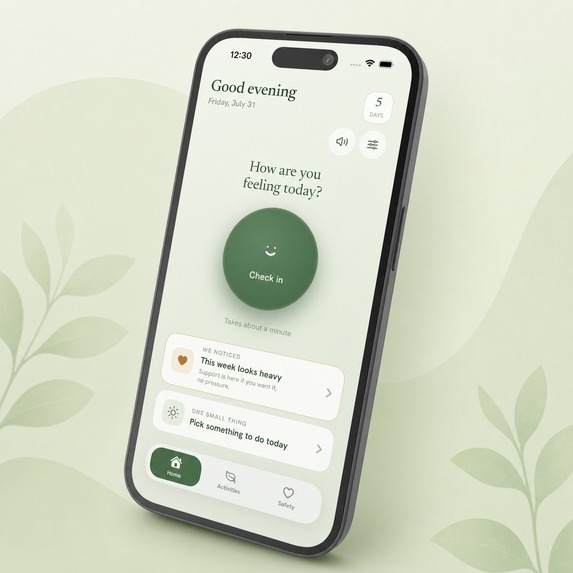
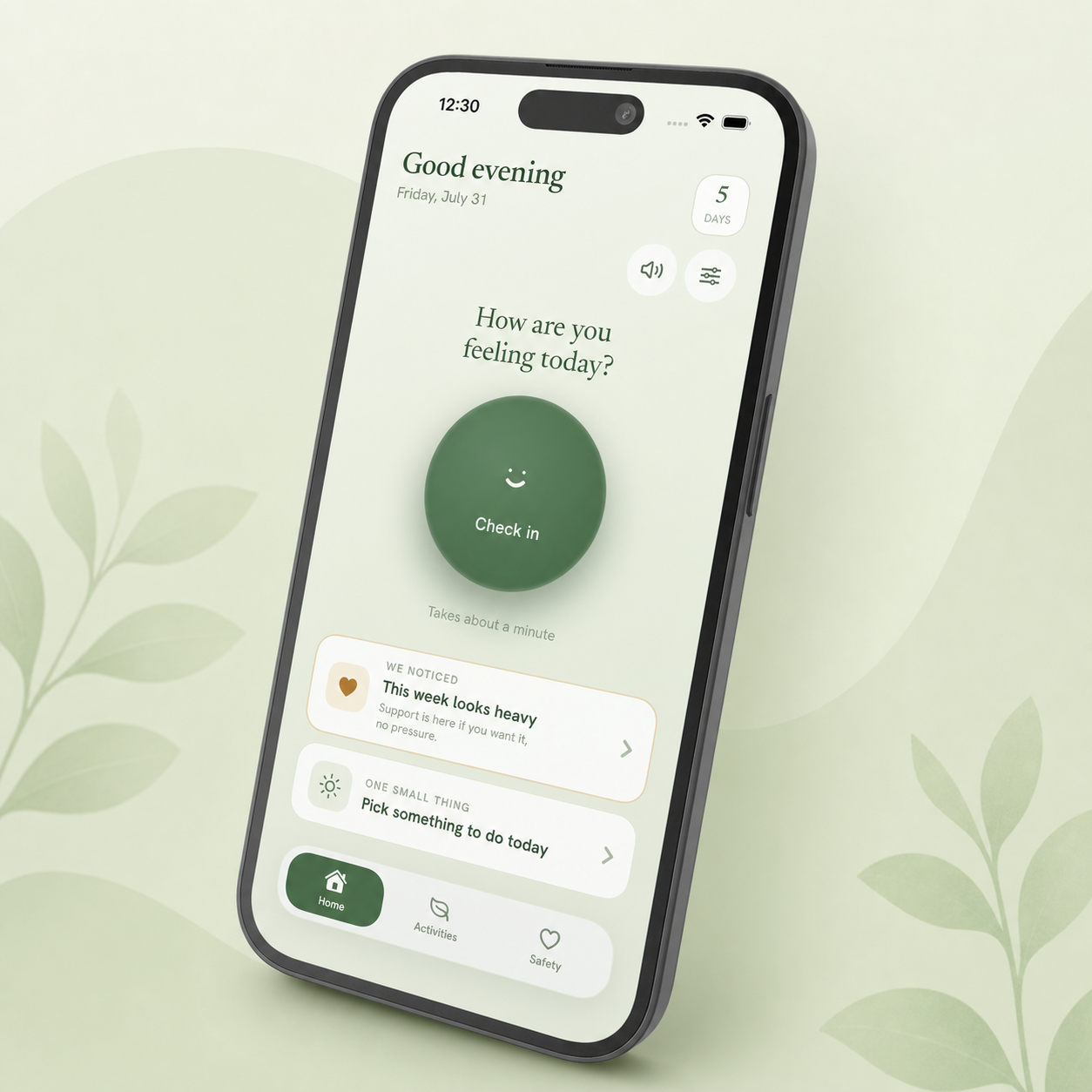
Home screen
-
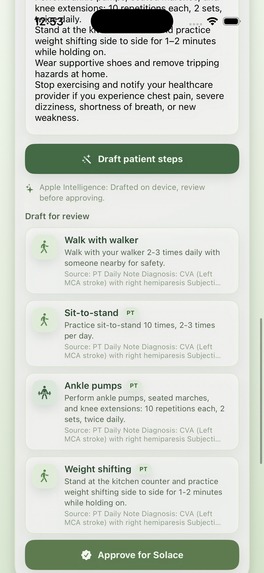
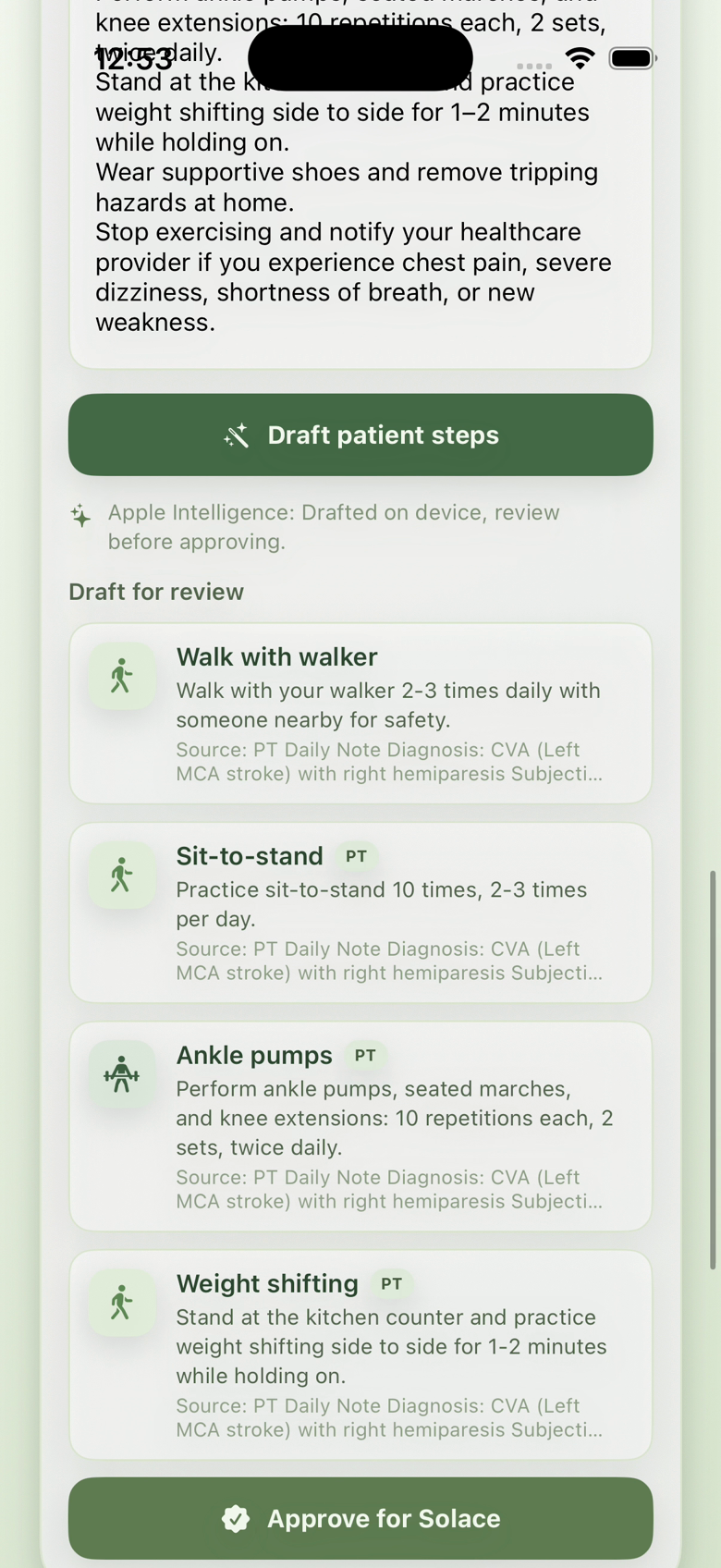
SolaceCare app drafting new activities from long clinical PT note
-
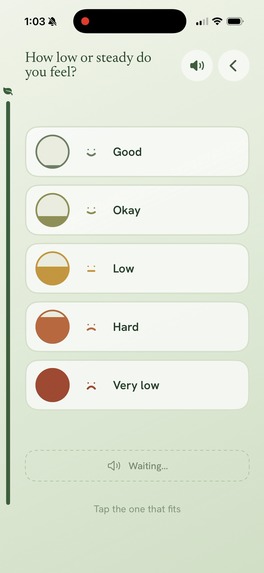
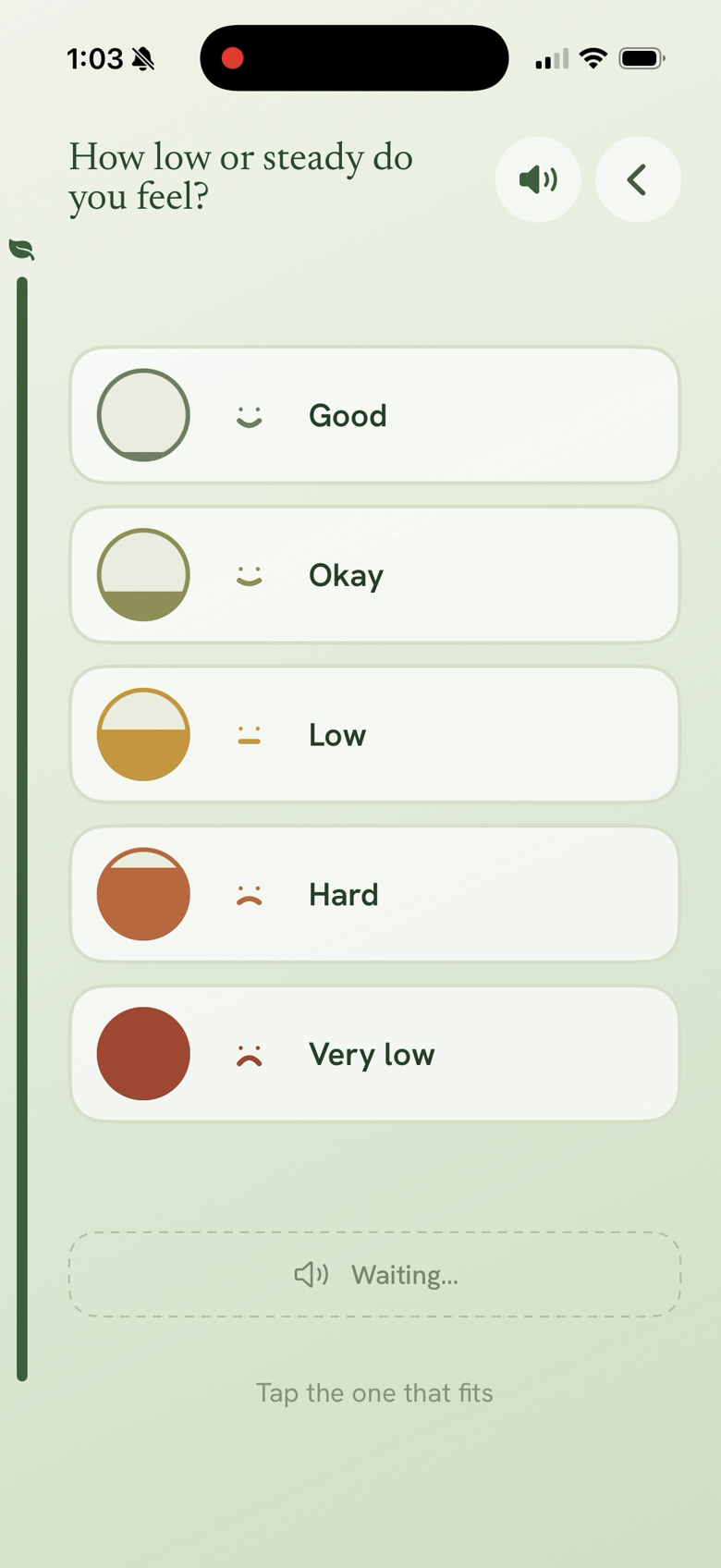
Mood check in
-
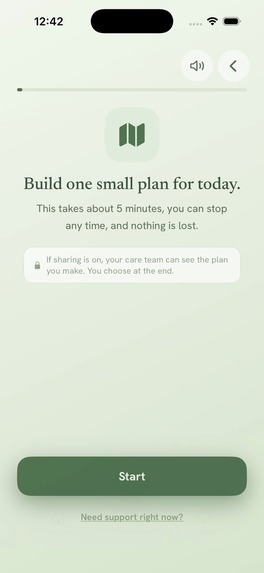
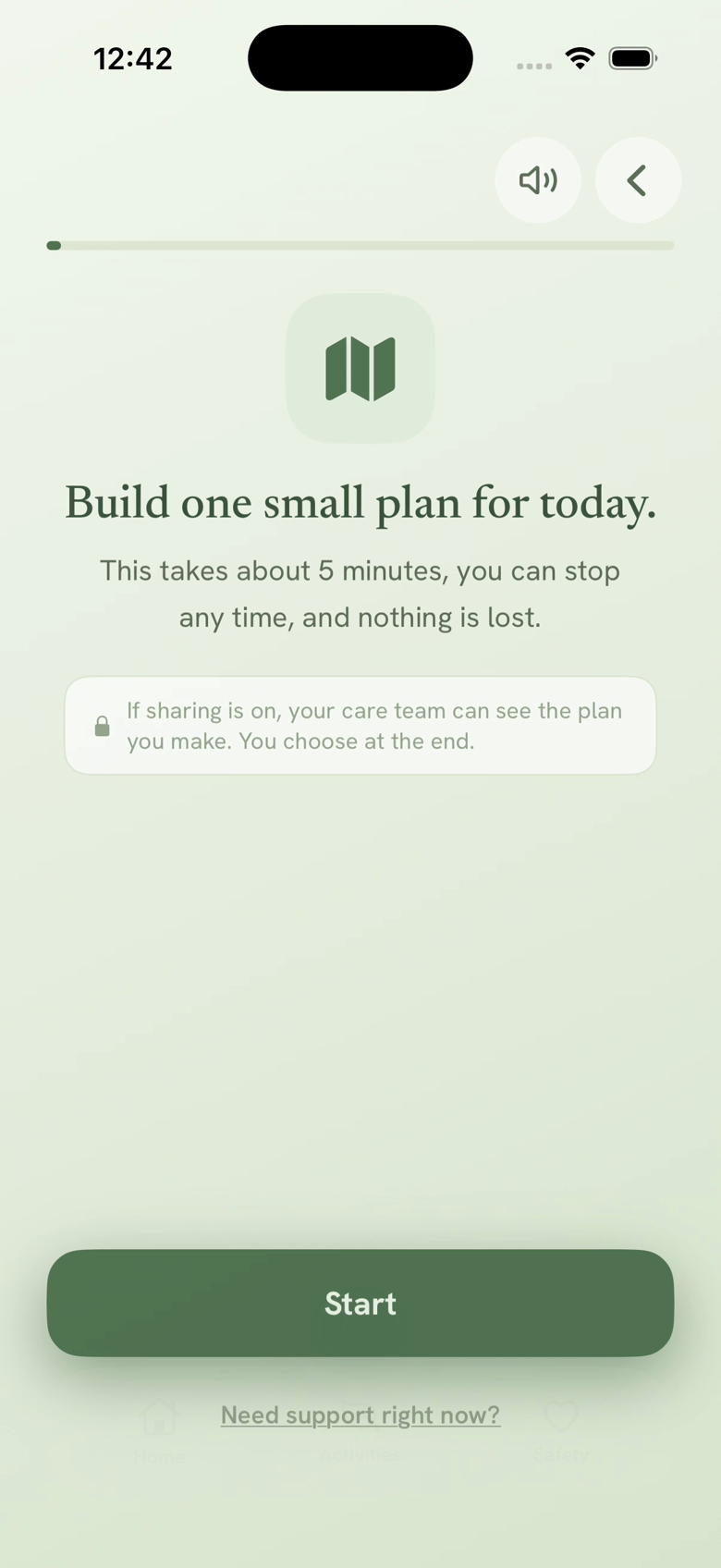
Single session intervention
-
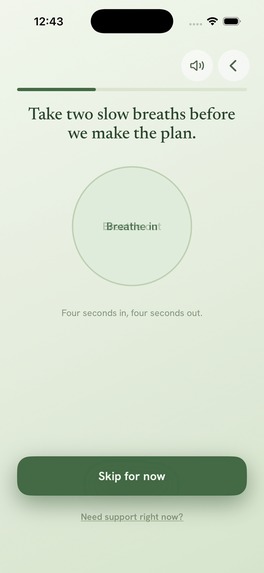
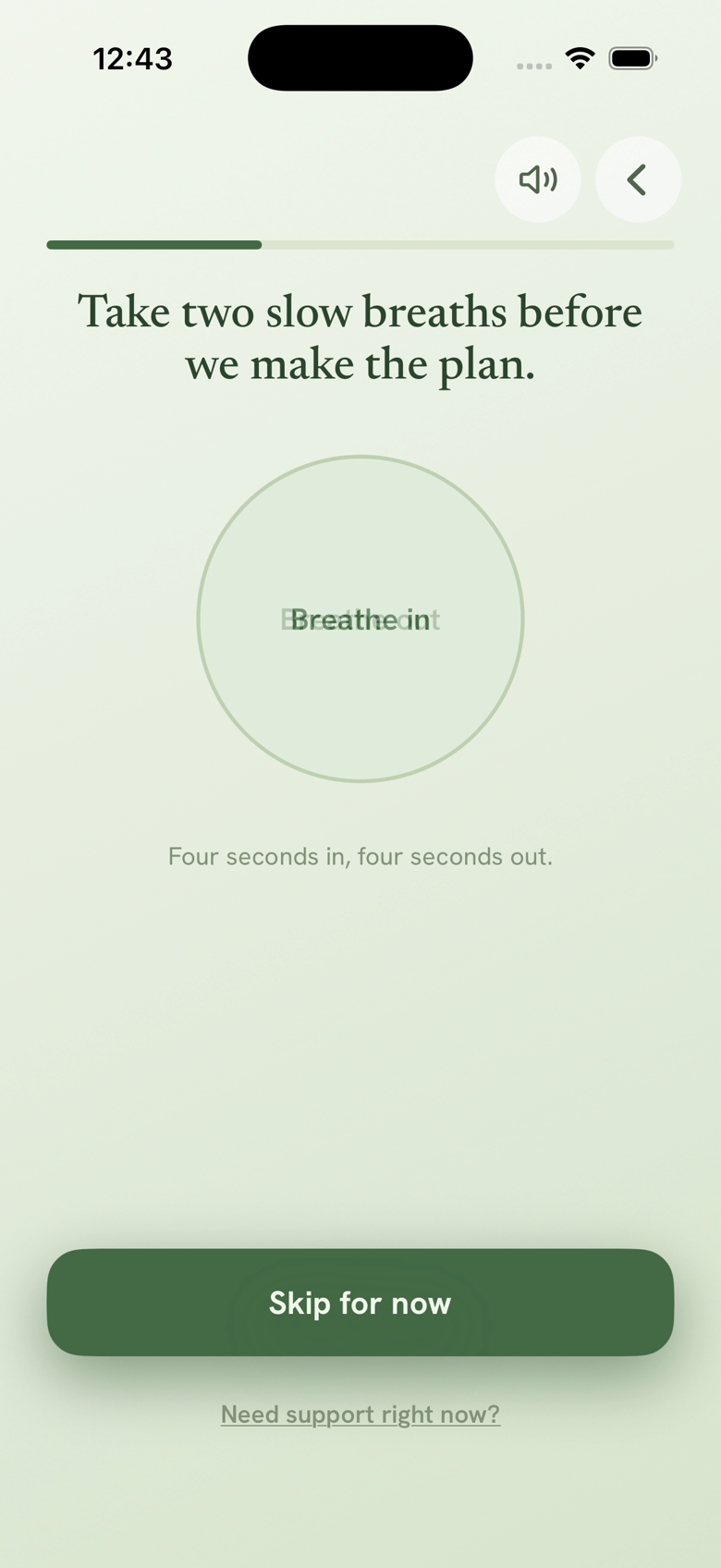
Breathing exercise during intervention
-
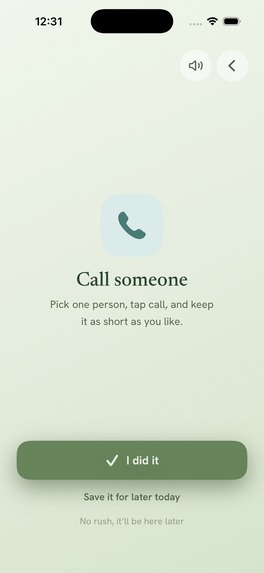
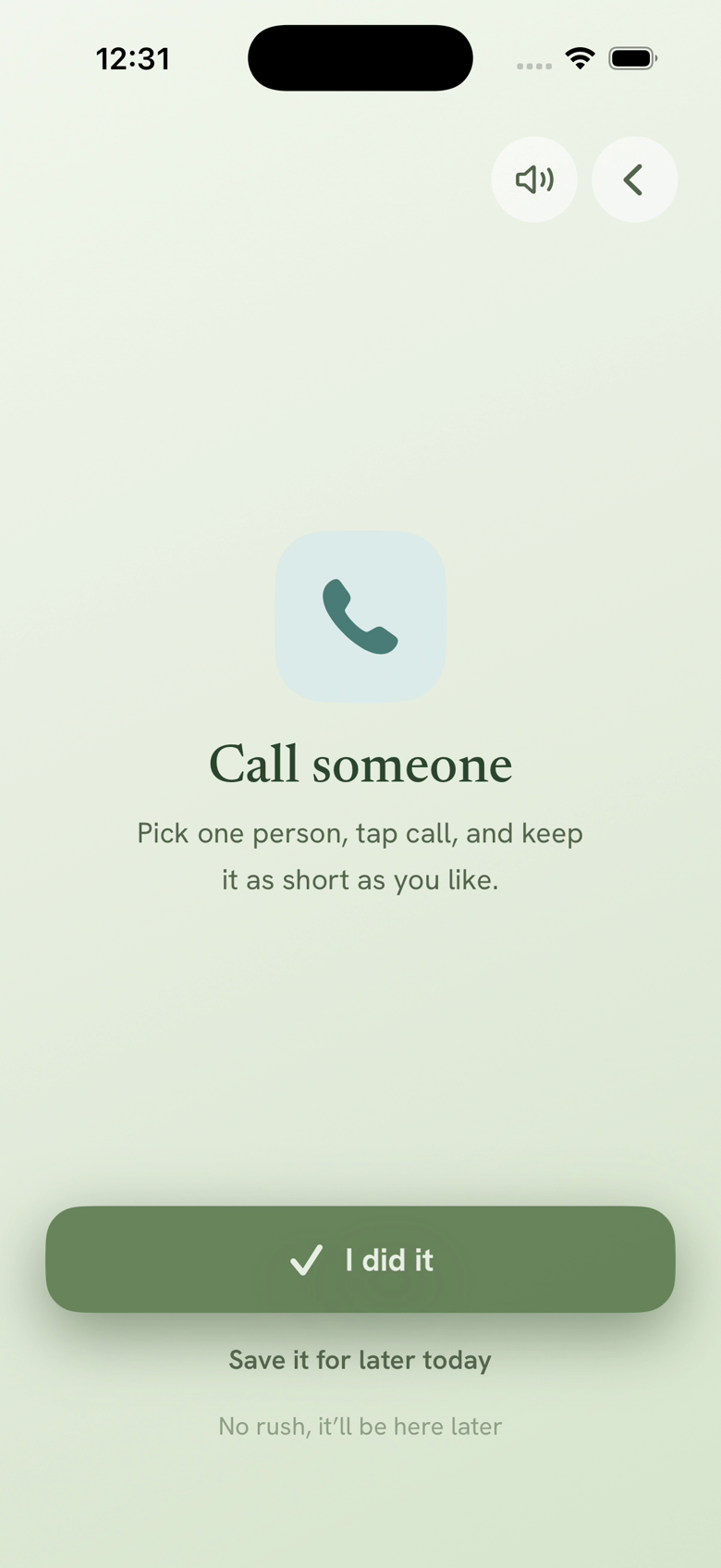
Example activity
-
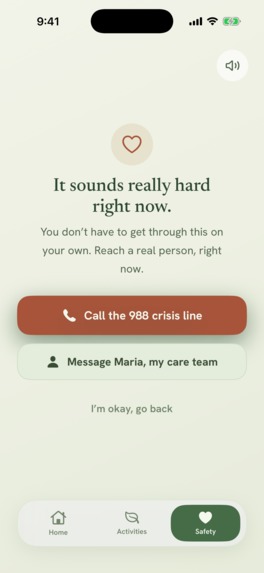
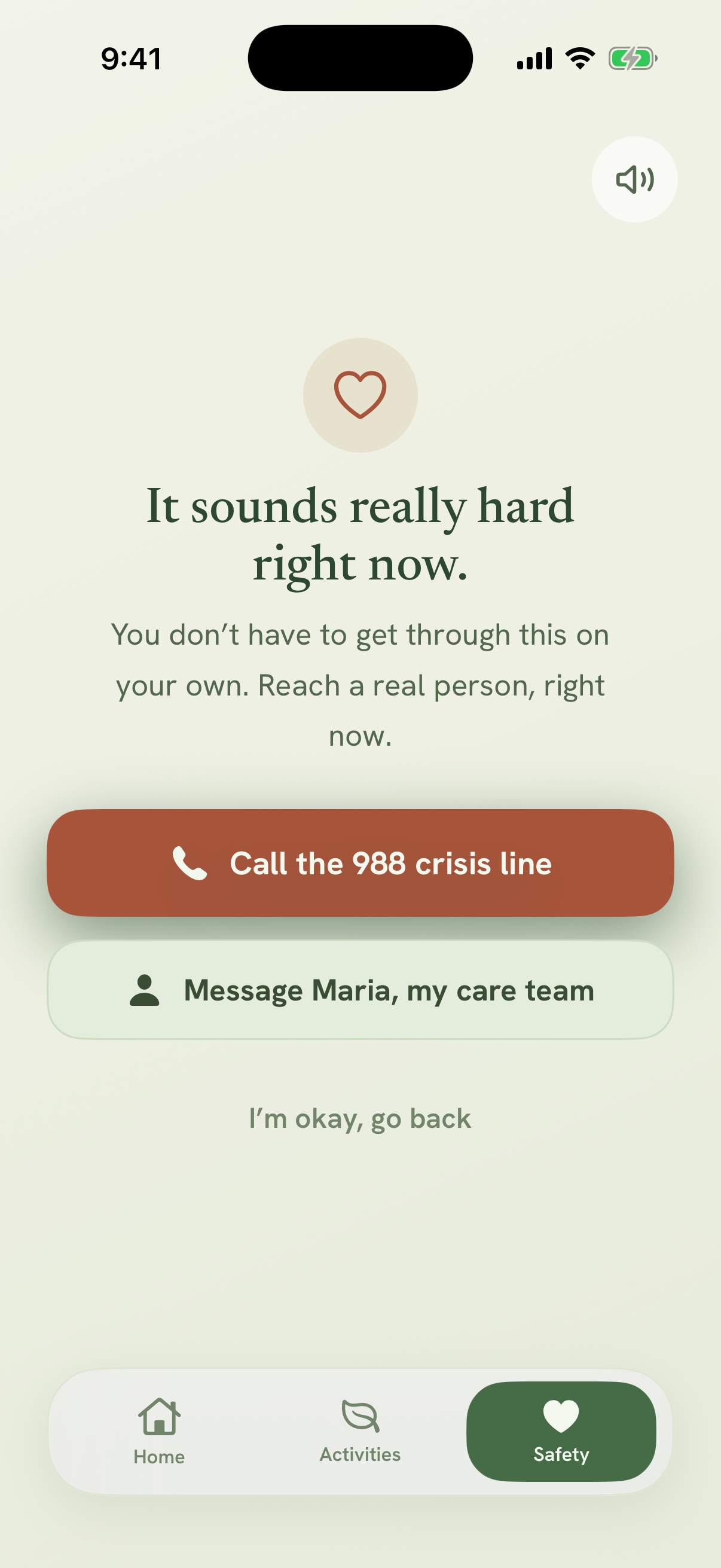
Safety screen to call for support
Solace
Inspiration
My clinical experience shaped Solace. I saw how stroke recovery continues long after someone leaves the hospital, while survivors may be managing low mood, fatigue, aphasia, motor changes, and the emotional weight of slow progress.
Post-stroke depression is both common and serious, affecting about one in three stroke survivors. It can interfere with recovery and is associated with worse long-term outcomes. Early screening, treatment, and psychosocial support may help prevent or reduce its impact, but many survivors and families still lack consistent, accessible resources after discharge.
Solace was inspired by one question: what if support began with one small, manageable action instead of another complicated form?
What It Does
Solace is a pair of SwiftUI apps:
- Solace provides accessible daily check-ins, values-based activities, behavioral activation support, safety resources, and a guided Single-Session Intervention.
- SolaceCare helps care partners view updates, paste physical therapy notes, create patient-ready steps, approve care-plan activities, and export care summaries.
The apps support voice-only interaction, spoken-answer matching, read-aloud support, one-hand mirroring, visual-neglect anchoring, large touch targets, haptics, and reduced-motion settings.
Firebase Authentication and Cloud Firestore connect the two apps across devices, while local storage keeps the core experience available offline.
Post–August 7 Updates
The following work was added after August 7 and is the scope I am highlighting for the eligible update period:
- Added an in-app accessibility profile showing the active hand layout, text size, picture cues, voice settings, visual anchor, and system accessibility supports.
- Added native motion-safe navigation and made screen transitions, button feedback, onboarding transitions, and mood selection respect Reduce Motion.
- Added Firebase connection status, last-sync visibility, network reachability handling, and reconnect controls while preserving local use when offline.
- Added an onboarding recap so survivors can review their selected accommodations before entering the app.
- Made the Safety screen’s support-request action functional with a ready-to-share message instead of a placeholder button.
- Added protection against duplicate activity completion from overlapping taps or voice callbacks.
- Added cancellation protection to the tap-along rehabilitation flow so leaving the screen cannot trigger a delayed completion unexpectedly.
- Improved the browser demo’s accessible motion system and reduced-motion behavior.
How It Was Built
Solace was built solo in Swift and SwiftUI as one Xcode project with two application targets and shared data models.
The project uses:
- SwiftUI for both applications
- Firebase Authentication and Cloud Firestore
- Local persistence and App Group storage
- Speech recognition and read-aloud voice support
- Azure Speech voice options
- On-device care-plan drafting with offline fallback
- Local notifications
Care-plan suggestions require caregiver review and approval before appearing in the survivor’s daily plan.
What I Learned
I learned that accessibility must shape the entire product from the beginning. Navigation, language, touch targets, voice support, pacing, and error handling all need to work for people with different recovery experiences.
I also learned that making an experience feel simple requires careful decisions. A one-minute check-in involves thoughtful choices about wording, feedback, visual hierarchy, and what happens when someone is tired, overwhelmed, or unable to speak clearly.
Challenges
The biggest challenge was supporting different recovery needs without making the app feel clinical or overwhelming. I addressed this through adjustable accessibility settings, values-based activity selection, gentle language, and multiple ways to complete the same interaction.
Another challenge was making care-plan drafting useful while keeping the care partner in control. The solution was to provide on-device suggestions, an offline fallback, and explicit caregiver approval before any step reaches the survivor.
Solace was built to explorate how behavioral science, thoughtful interaction design, and assistive technology can make recovery support feel more human.


Log in or sign up for Devpost to join the conversation.