-
-
-
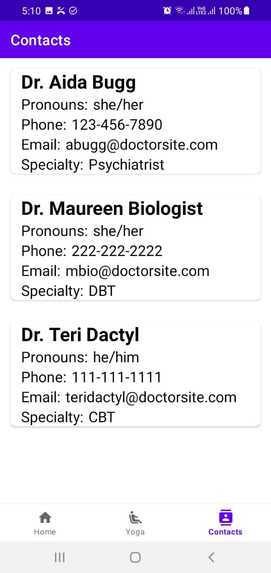
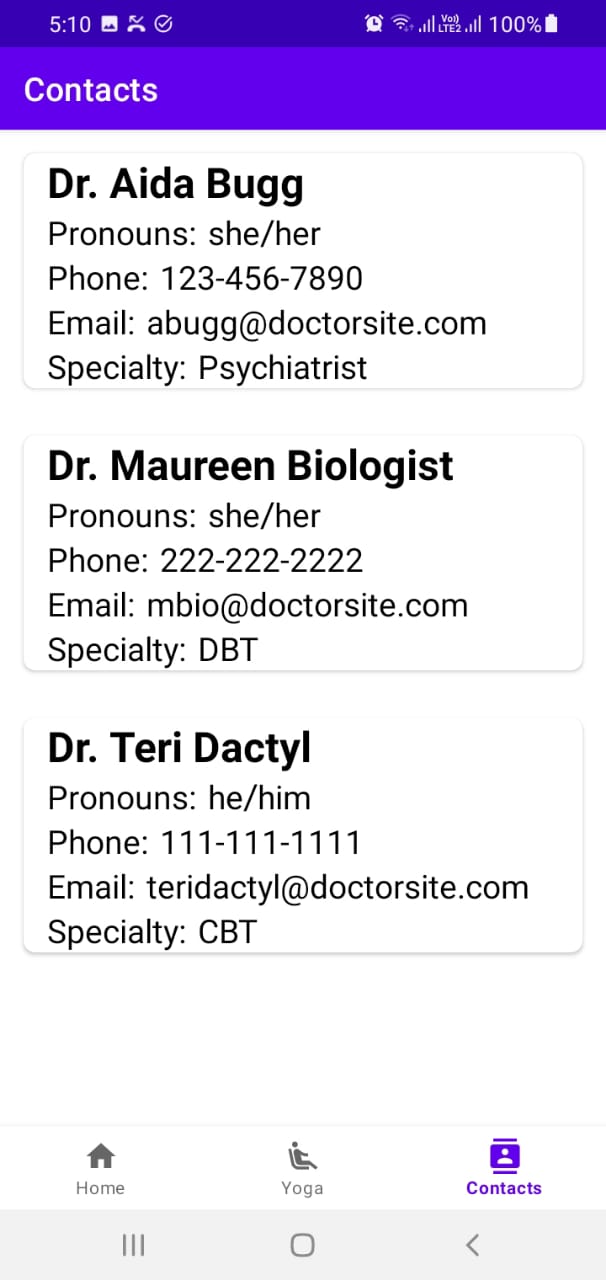
list of nearby doctors and therapists
-
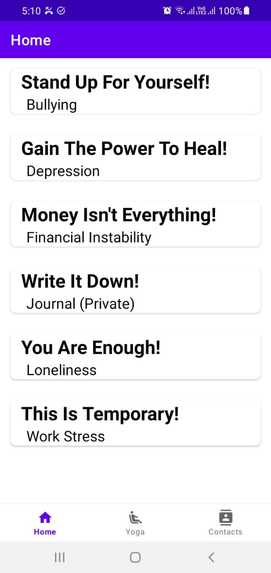
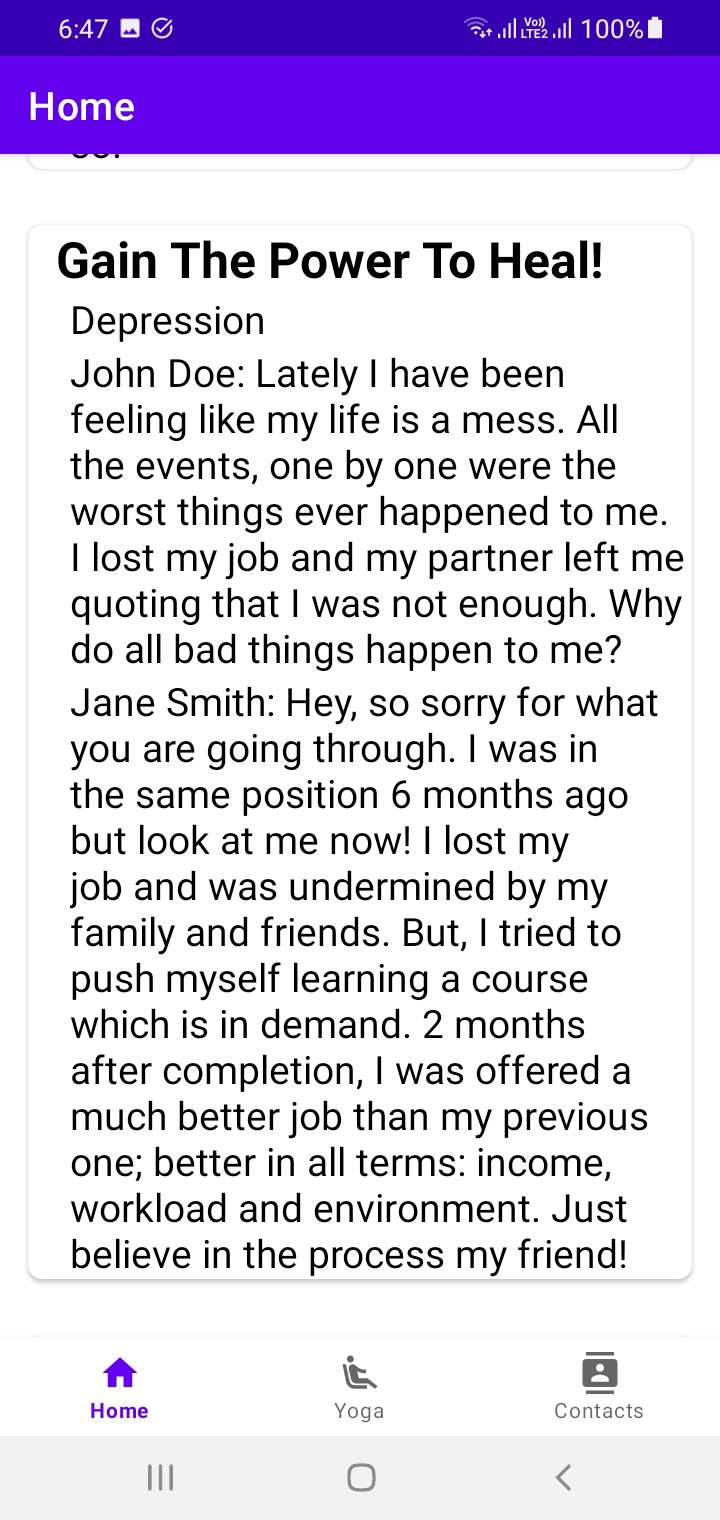
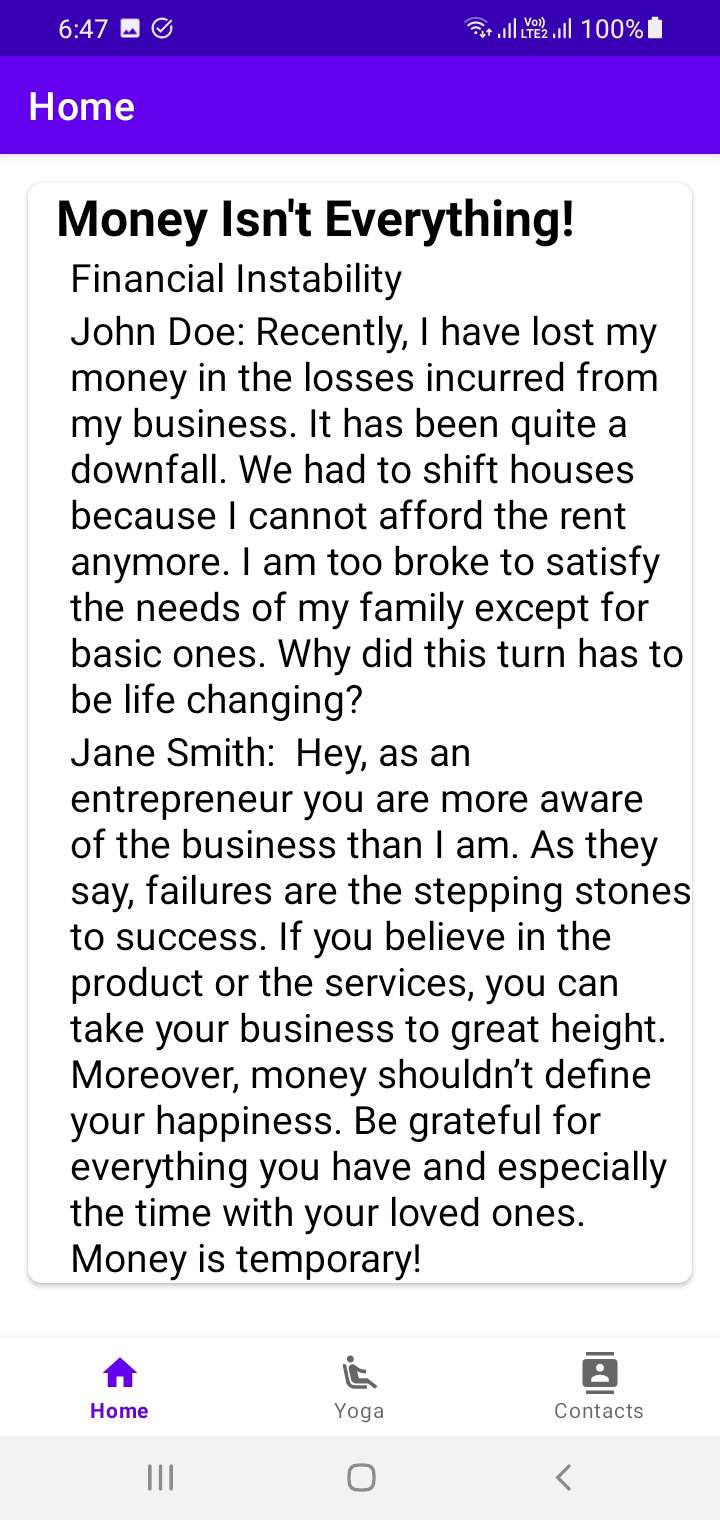
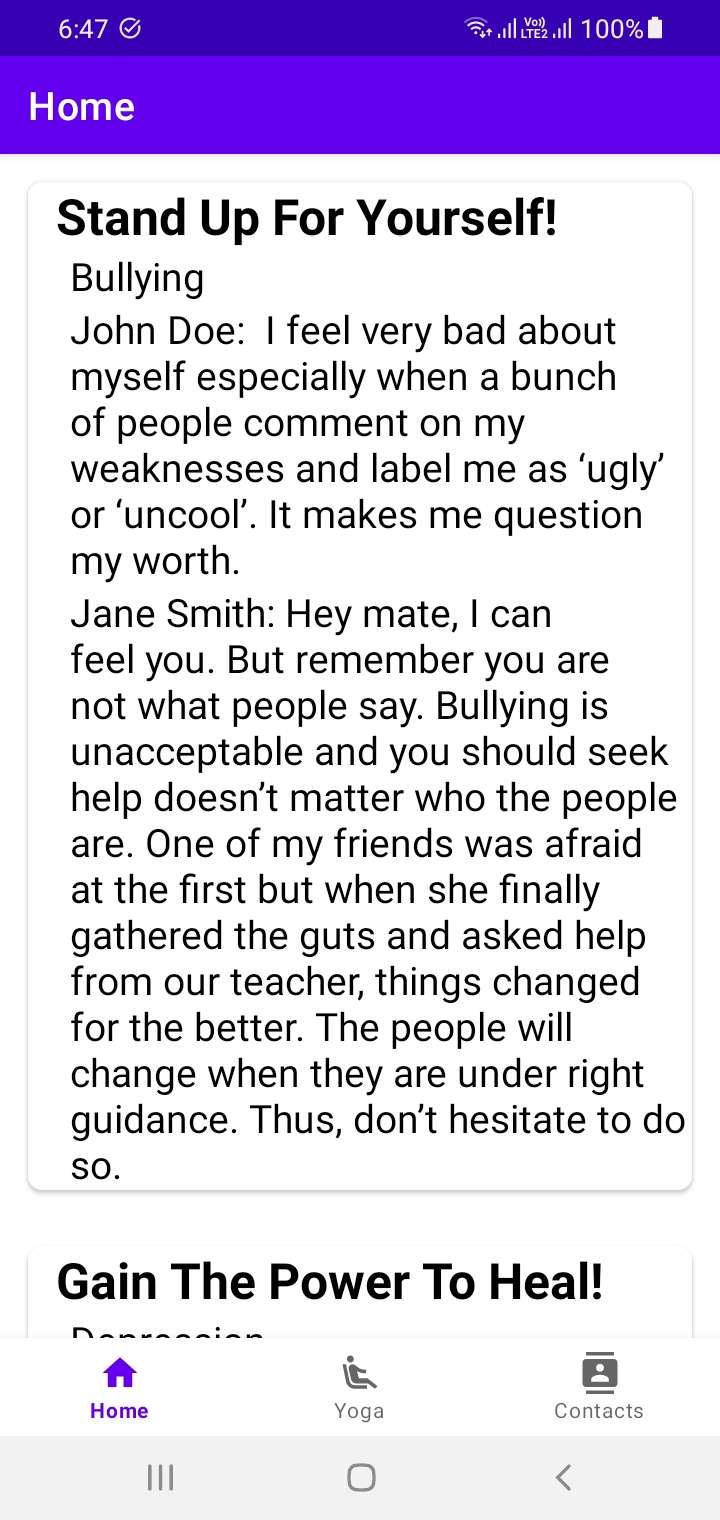
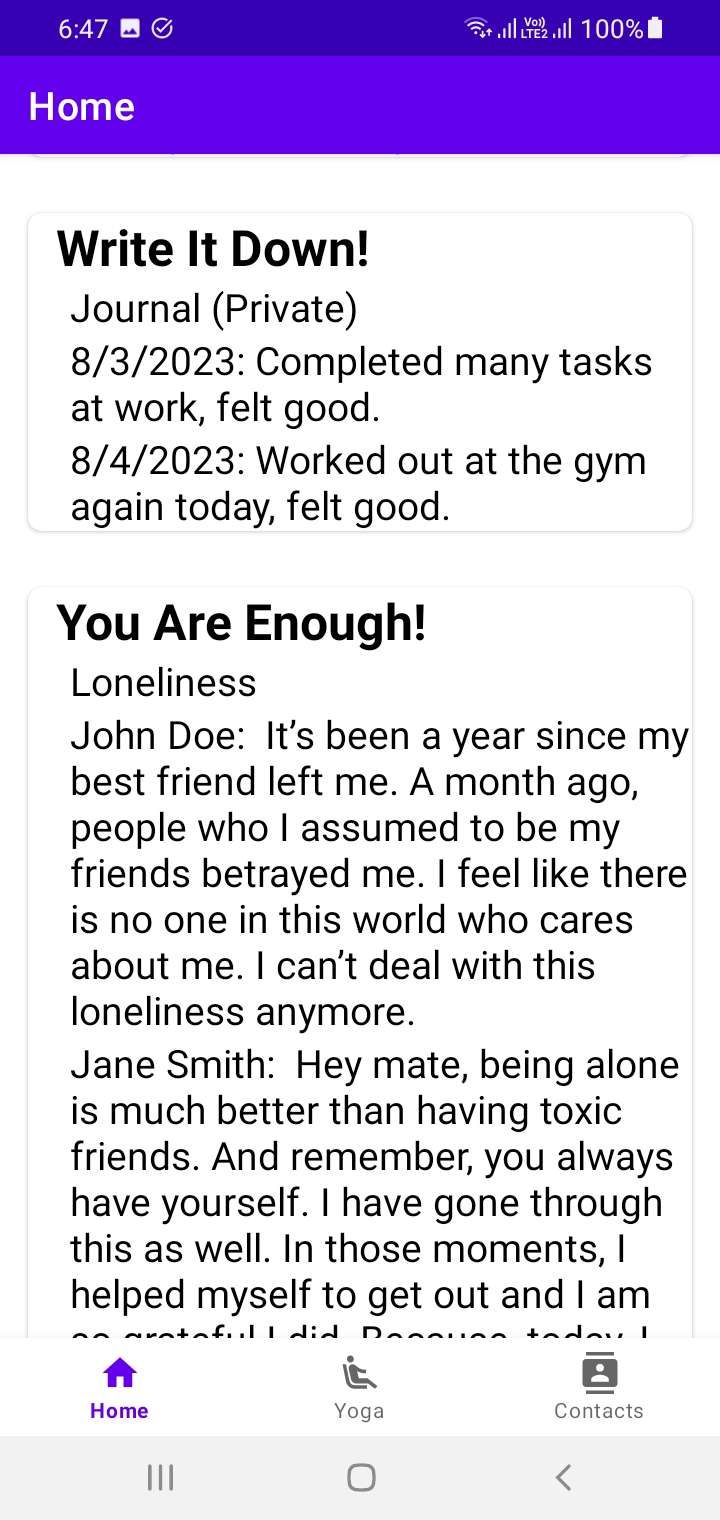
private, moderated support groups
-
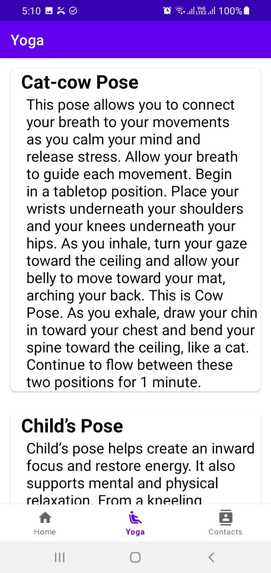
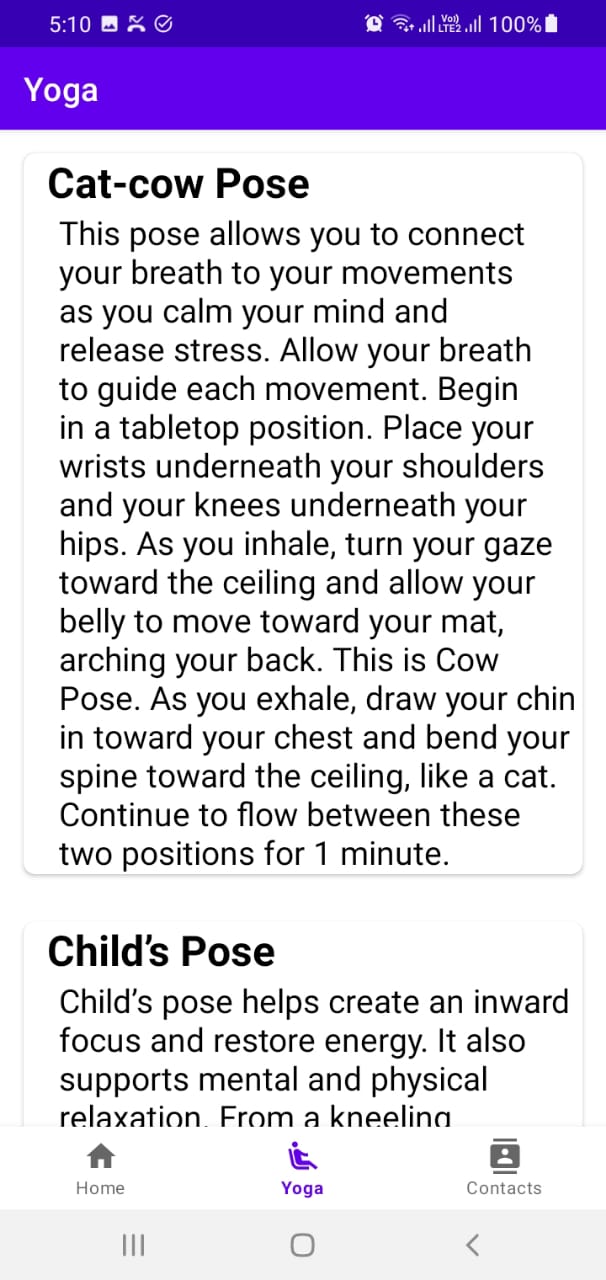
collection of yoga postures
-
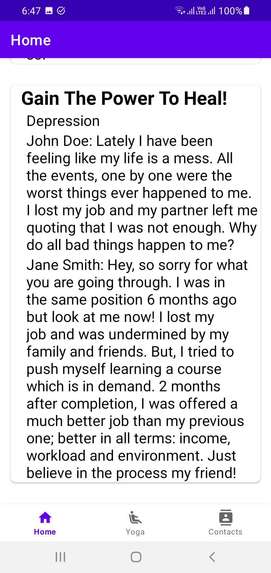
private, moderated support groups
-
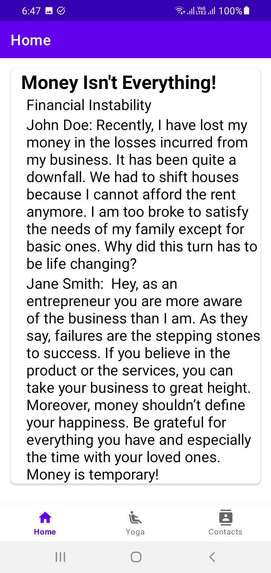
private, moderated support groups
-
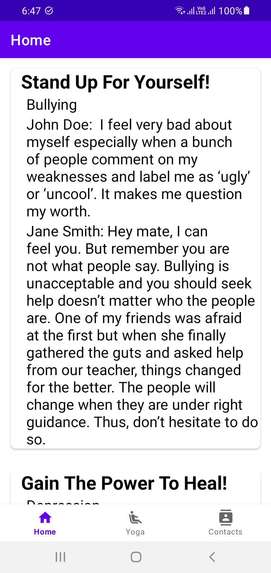
private, moderated support groups
-
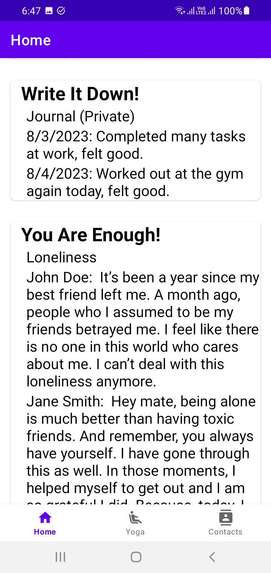
private, moderated support groups
Inspiration
The inspiration behind our project, Solace, stemmed from the pressing global issue of mental health. Recognizing the far-reaching impacts of conditions like depression, anxiety, and stress on individuals and communities, we sought to leverage technology to improve mental health outcomes. Our passion for creating a compassionate guide to mental well-being motivated us to join this hackathon and tackle this significant challenge.
What it does
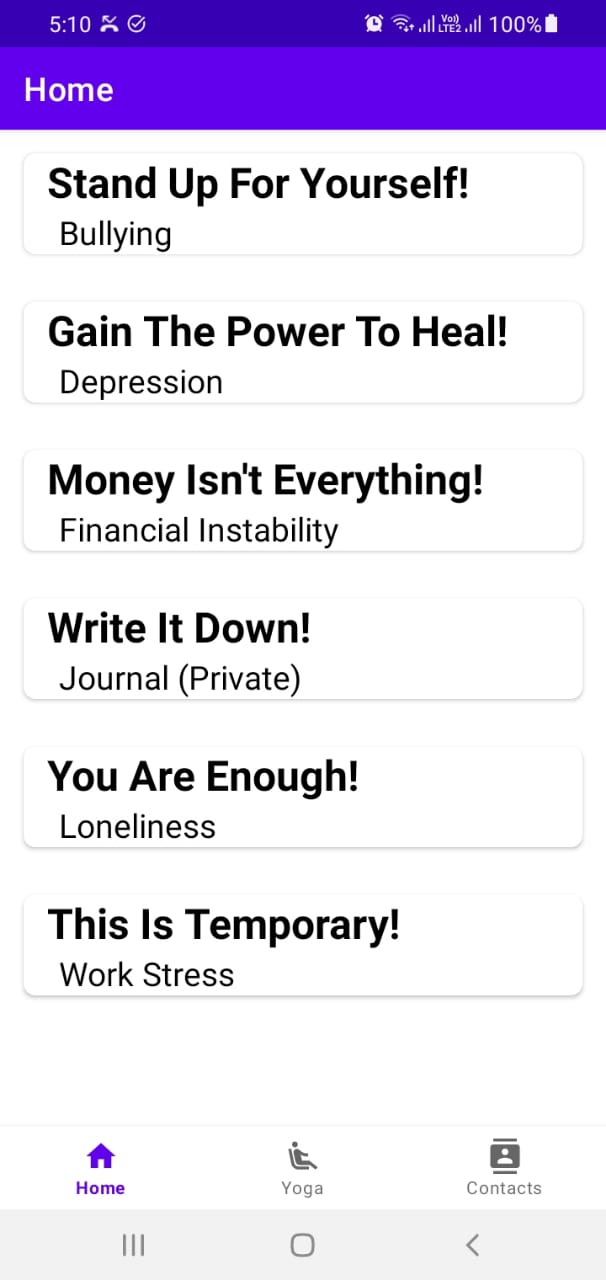
Solace is an empowering app that provides users with a safe space for their mental health journey. It allows them to join private, moderated support groups where they can connect with others facing similar challenges. These groups facilitate the sharing of experiences, seeking advice, and building a sense of community. The app's innovative feature enables users to visualize their mood changes throughout the day or week using a line graph, offering valuable insights into their emotional well-being. Additionally, users can journal and log their feelings, fostering self-awareness and introspection.
How we built it
To bring Solace to life, we combined various tools and technologies. The app's methods and classes were crafted using Java, and the entire project was compiled and built with Android Studio. We also utilized Canva to design the app logo and advert.
Challenges we ran into
Throughout the hackathon, we encountered some notable challenges. The dispersion of our team members across Nepal, Britain, and New Jersey posed difficulties in communication due to time zone differences. However, we managed to overcome this hurdle by utilizing Discord for messaging and organizing virtual meetings. Another challenge was the differences in abilities of our team members, but we used this opportunity to learn from one another. Through collaborative efforts, we taught each other essential skills that propelled the project forward.
Accomplishments that we're proud of
We take immense pride in developing a semi-functional app despite the constraints of limited time and geographical barriers. Our determination to make a unique, functional app that would leave a real impact on the world of mental health fueled us to work together as a team and deliver the MVP that we are presenting. Although we didn't reach all of our goals, it gave us a target to reach for in the future.
What we learned
Throughout the hackathon, we had the opportunity to gain insights from various workshops and presentations, which equipped us with valuable knowledge about subjects that our members were unfamiliar with. Furthermore, the experience of collaborating with each other, coming from diverse backgrounds and skill sets, helped us learn to communicate and work effectively with each other. Saugat, one of our members from Nepal, taught the rest of the team how to utilize Android Studio with Git/Github to build the app. May, our member from New Jersey, helped the team develop the app logo and advert with prior design experience.
What's next for Solace
Looking ahead, our vision for Solace revolves around creating a vibrant community of both therapists and users willing to support and utilize the app. Because our app relies on PEOPLE, building a strong network of individuals invested in both their own and others' mental health is vital to the app's success. We hope to improve the app by incorporating additional features and making it more efficient and effective. While the hackathon marked the creation of the MVP, we hope to continue development beyond this event to ensure Solace becomes a valuable tool for users across the world.


Log in or sign up for Devpost to join the conversation.