-
-
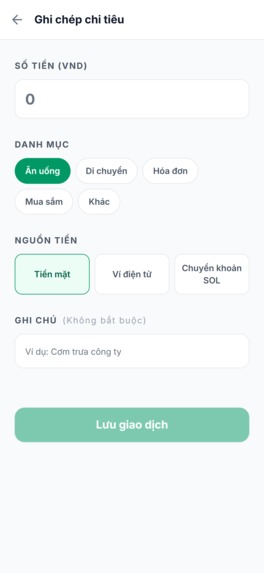
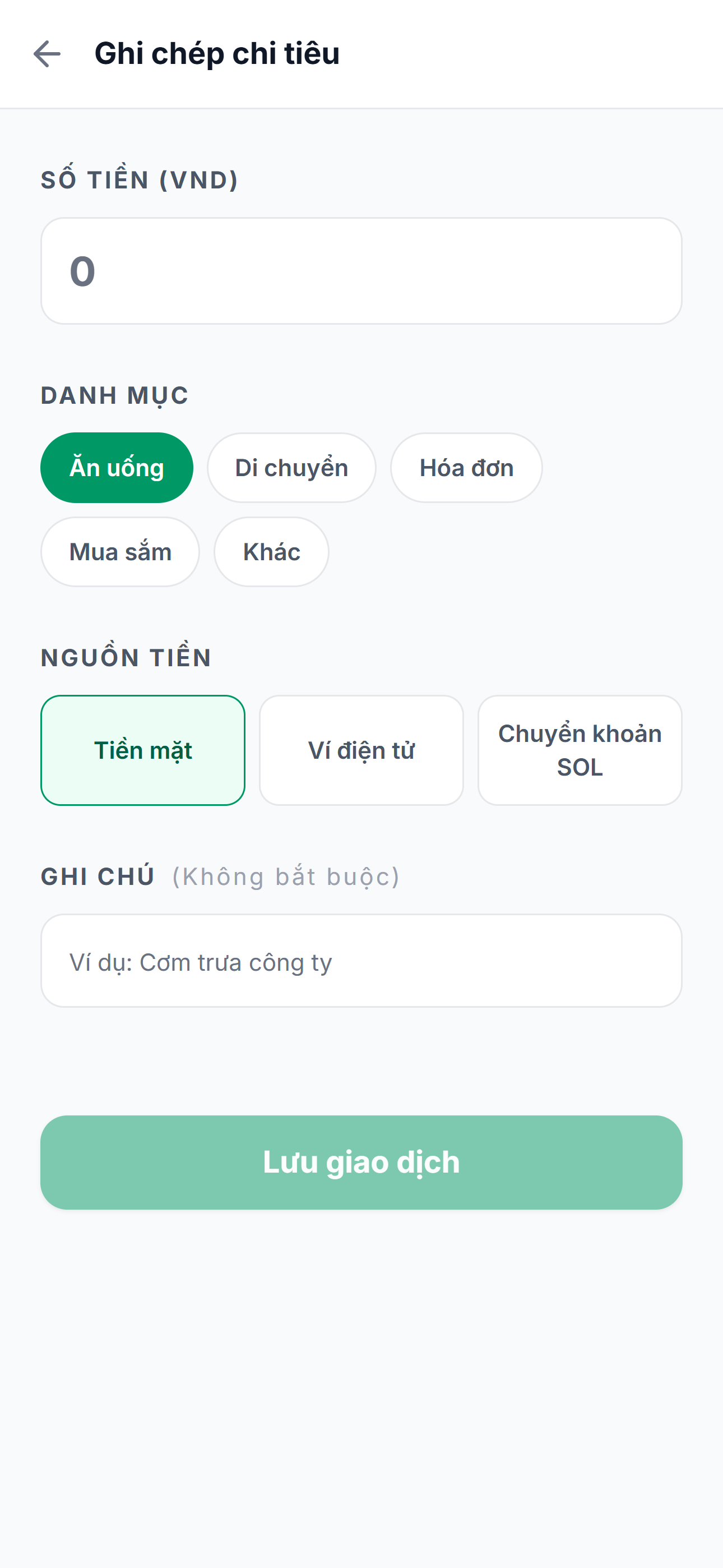
spending log
-
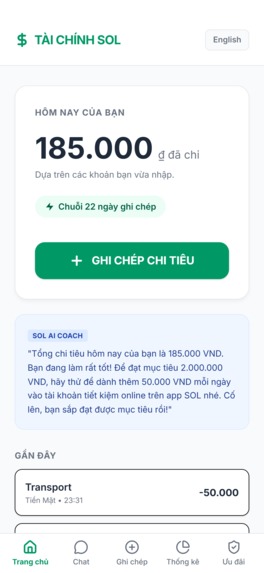
Spending Habit
-
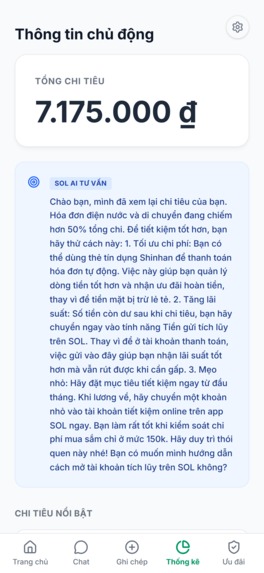
AI up-selling / cross selling
-
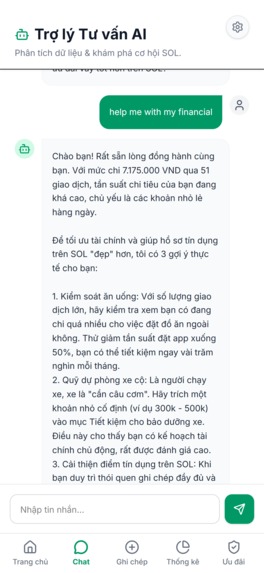
Smart AI

Inspiration
Vietnam’s payments ecosystem is rapidly digitizing, but “financial behavior” is still invisible for many customers: spending is unmanaged, savings are inconsistent, and customers often don’t know which product is right (or when). At the same time, banks want to increase digital engagement and cross-sell without pushing generic offers that reduce trust. The Shinhan INNOBOOST theme around an “AI Personal Financial Coach” inspired us to build an in-app coach that drives measurable bank KPIs while staying consent-first.
Team Member
- ** Zack Loo** - I build and scale AI-driven solutions for both startups and enterprises, turning complex problems into practical, production-ready systems. With a track record of delivering AI agents, automation platforms, and data-driven products, I focus on outcomes—efficiency, speed, and real business value, not just experimentation.
The problem (what we observed)
1) Engagement problem: Most banking apps are transactional. Customers open the app only when they must (transfer/pay), not daily. 2) Decision problem: Customers don’t have simple, actionable guidance to improve spending, bill discipline, and savings habits. 3) Product relevance problem: Cross-sell is often generic (broadcast campaigns). Low relevance reduces conversion and trust. 4) Retention problem: Without proactive insights, customers churn or become inactive after onboarding. 5) CASA growth problem: Customers don’t get “safe-to-save” guidance that helps them keep balances higher and more stable.
Our solution (what we built)
We built an AI Personal Financial Coach embedded in SOL with a daily habit loop: Qwen 3.5 was use as the LLM AI
1) Daily coaching loop (DAU/MAU driver)
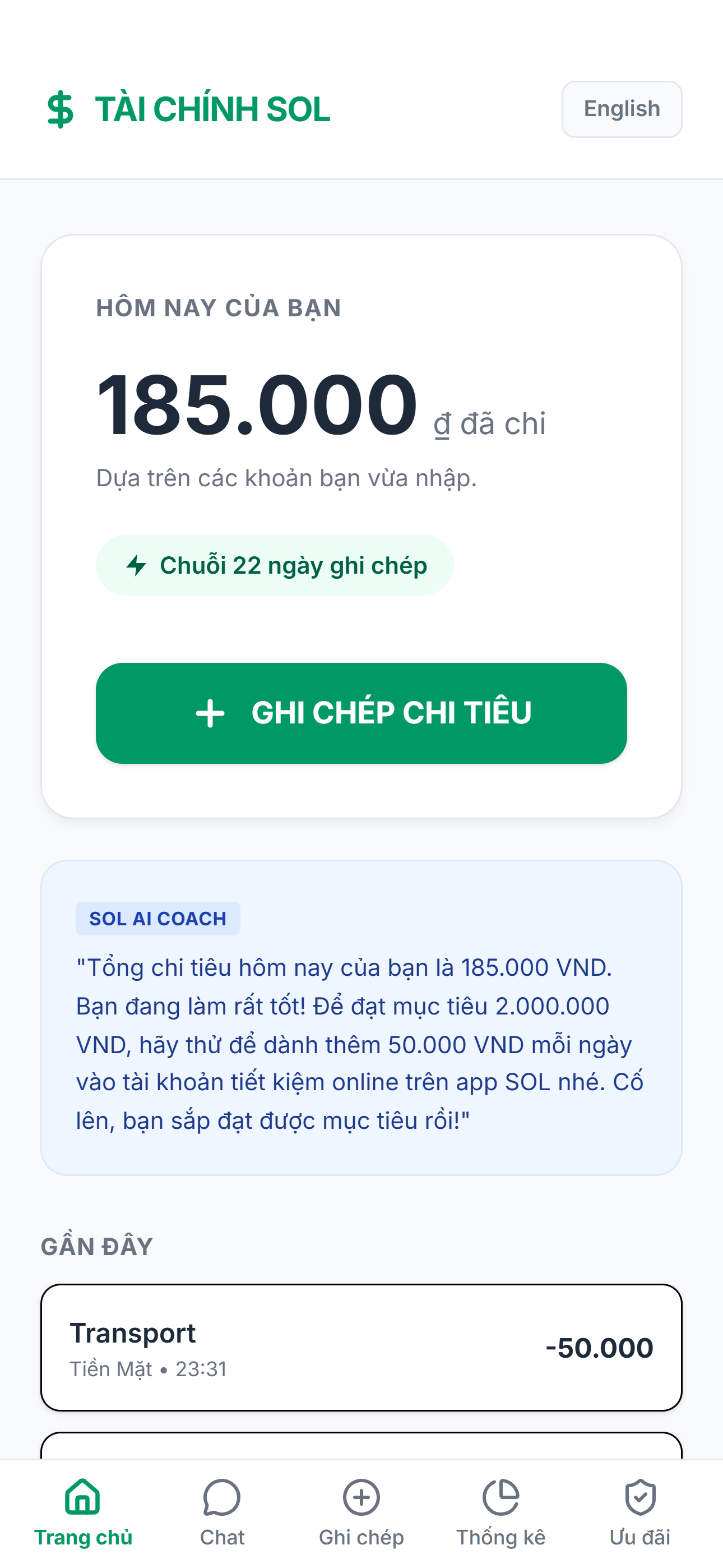
- Insight feed on SOL home: one personalized insight/day
- AM/PM nudges (configurable): “Today’s safe-to-spend” and “Log + reflect”
- Streaks and progress feedback to reinforce behavior
2) Personalized guidance (CSAT/NPS driver)
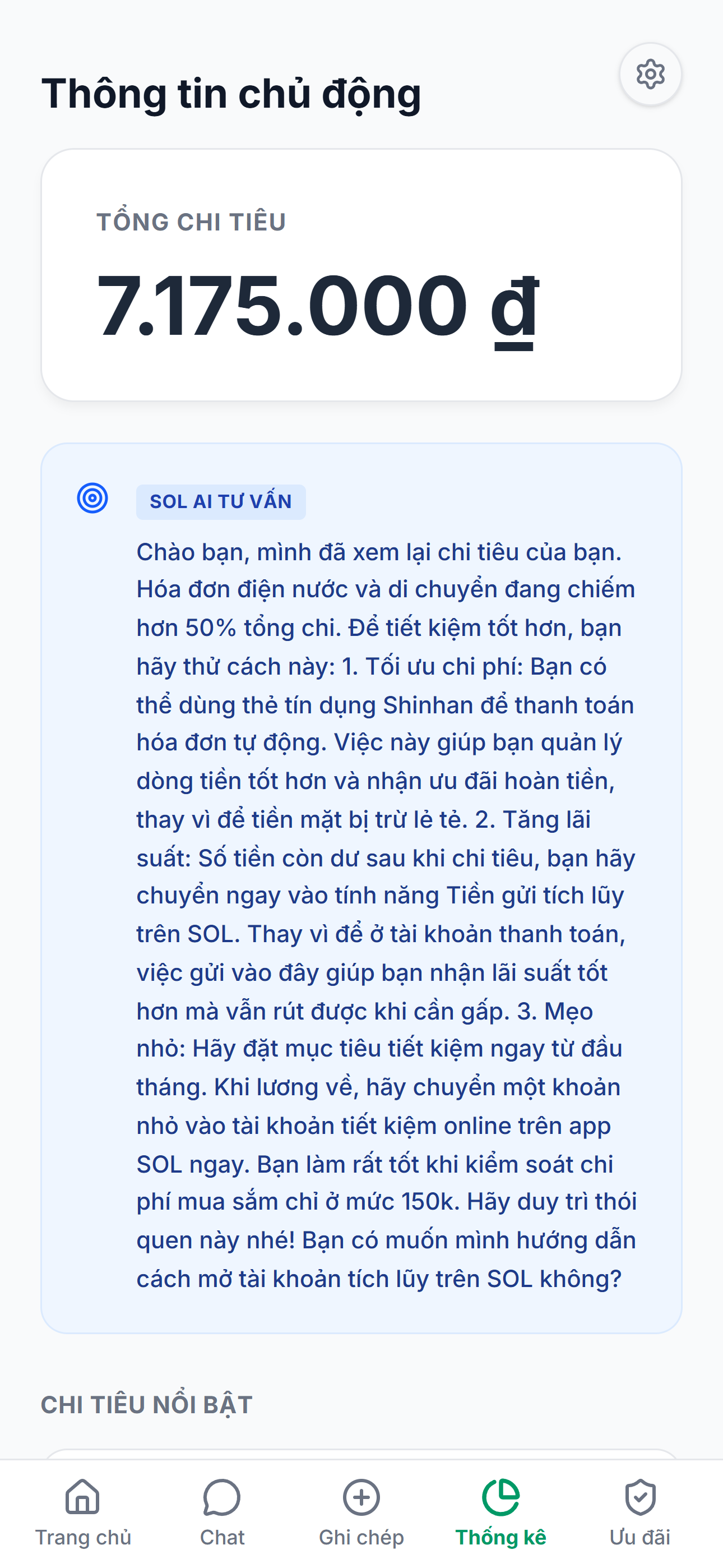
- Qwen-powered conversational guidance in plain language
- “One next action” design: the coach always ends with a small, doable step
- Safety guardrails: no promises of approval, no harmful/illegal advice
3) Explainable readiness / financial health (trust + retention)
- Readiness band (Low/Medium/High) based on user behavior signals
- Top drivers shown clearly (e.g., “Bills paid on time 2 months in a row”)
- Improvement plan: 1–2 recommended actions to move up a band
4) Contextual cross-sell engine (conversion driver)
Instead of generic campaigns, SOL shows offers only when a user’s context indicates a need:
- Cards: bill autopay, rewards aligned to spend categories
- Loans: short-term cashflow smoothing (when shortfall risk is detected)
- Insurance: protection offers triggered by life-stage signals (when available) All offers include a transparent “Why this offer?” explanation and deep-link into existing SOL flows.
5) Savings nudges (CASA driver)
- Micro-goals and scheduled deposit nudges
- “Safe-to-save” recommendations based on recent spending stability
- Deposit streaks and progress visualization
Why it matters (measurable bank outcomes)
This MVP is designed to deliver:
- DAU/MAU uplift: daily insight feed + nudges increase app-open frequency
- Cross-sell conversion uplift: context-based offers increase CTR and application starts
- Retention uplift / churn reduction: proactive reminders + weekly summaries reduce drop-off
- CSAT/NPS improvement: personalized guidance improves perceived value and trust
- CASA growth: savings nudges and behavior coaching stabilize balances
What we learned
- Trust is the product: consent-first, explainable insights beat opaque scoring
- Low-literacy UX wins with simplicity: fewer actions, clearer language, repeated habits
- Cross-sell must be contextual: relevance + explanation drives conversion without harming trust
- Metrics must be designed into the product: every insight and offer is instrumented end-to-end
Built With
- amplitude/firebase)
- analytics-event-tracking-(e.g.
- backend-apis-(node.js/typescript)
- openapi
- postgresql
- qwen-llm
- redis
- sol-mobile-app-(android-first)
