-
-
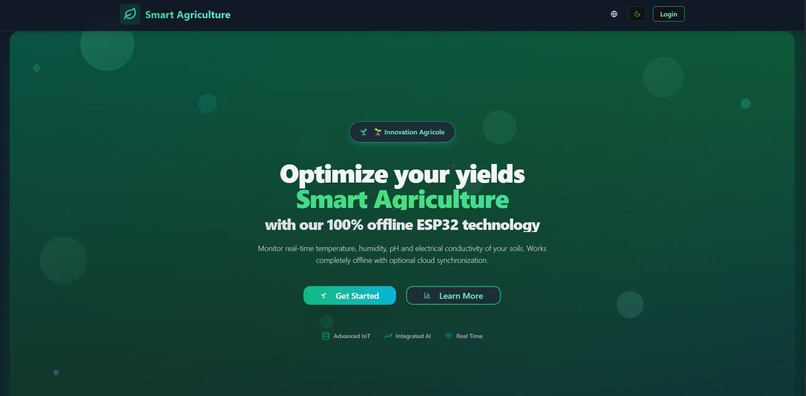
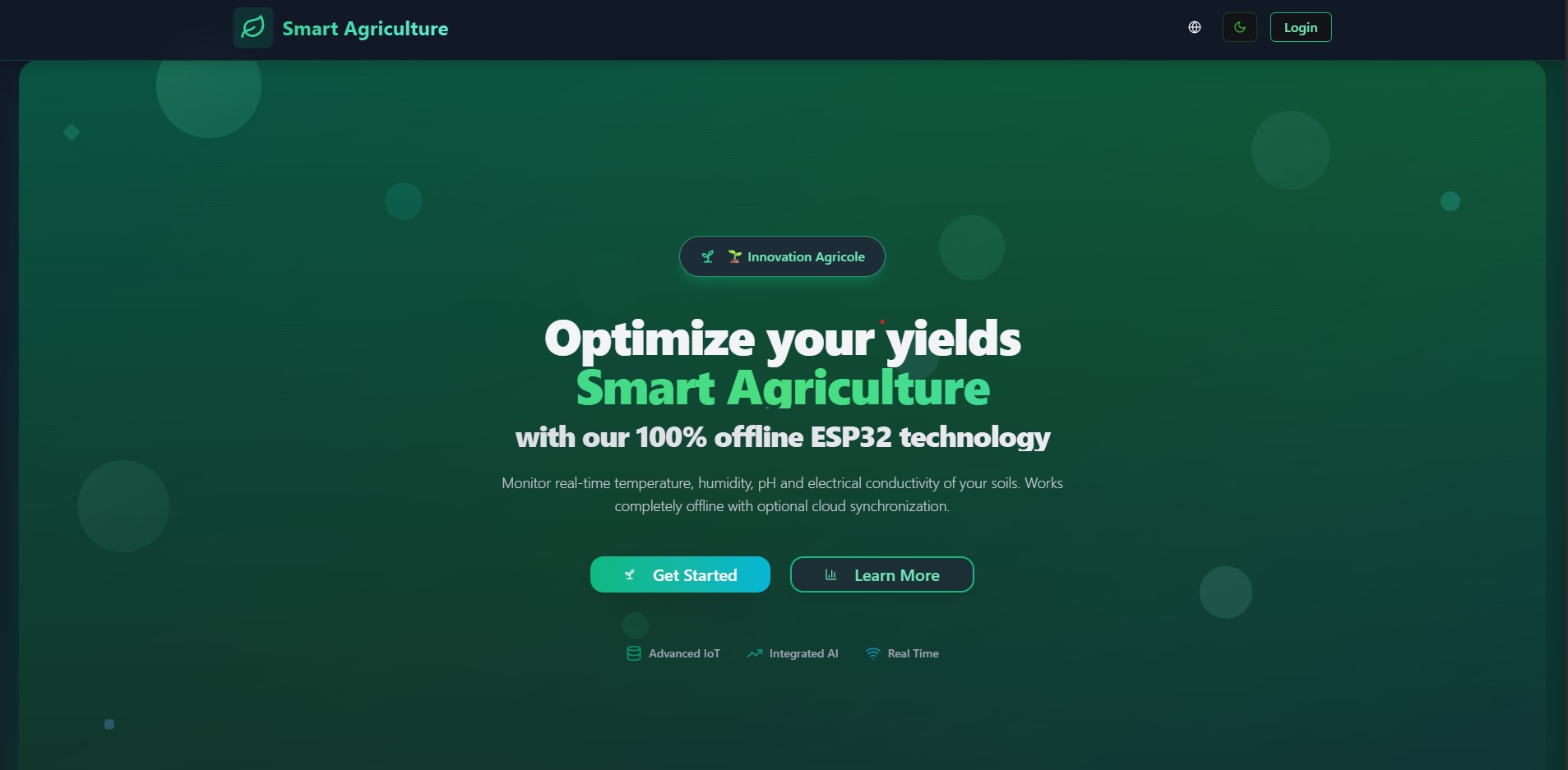
Smart SoilTrack Landing page
-
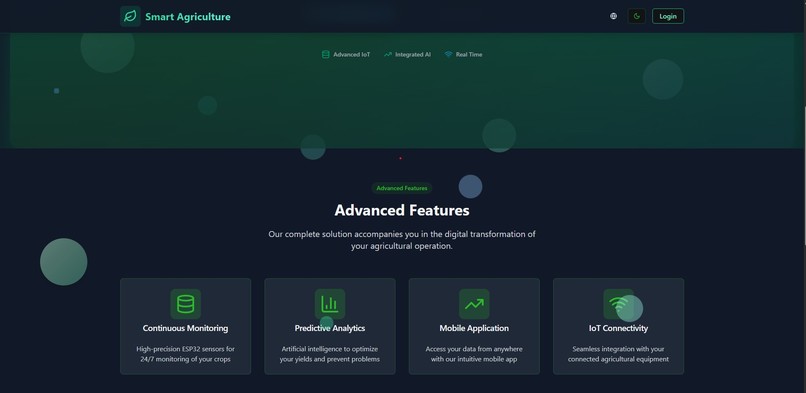
Smart SoilTrack Landing page
-
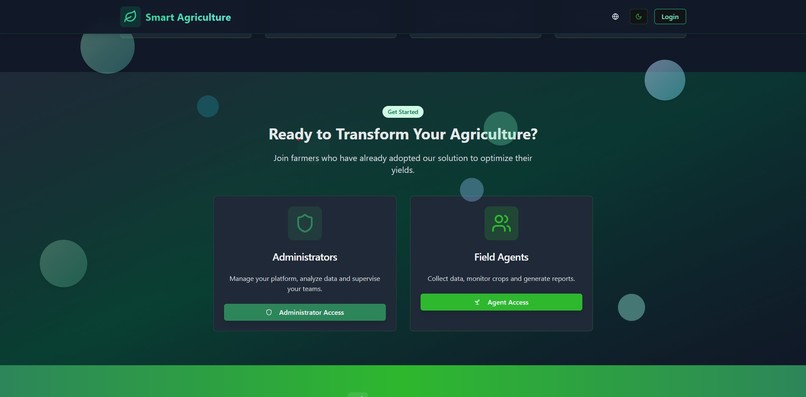
Smart SoilTrack Landing page
-
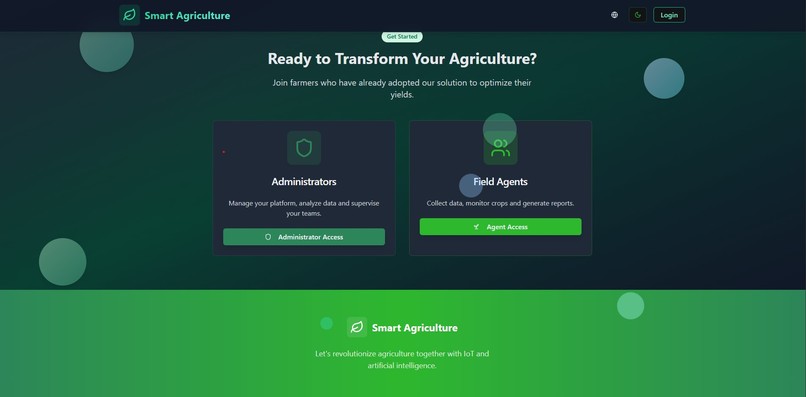
Smart SoilTrack Landing page
-
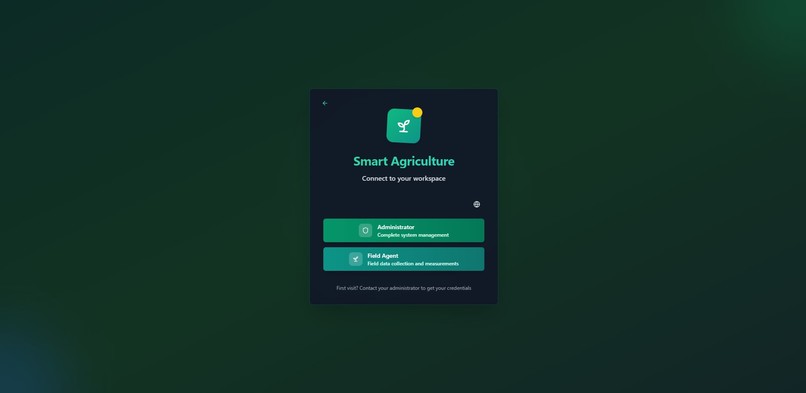
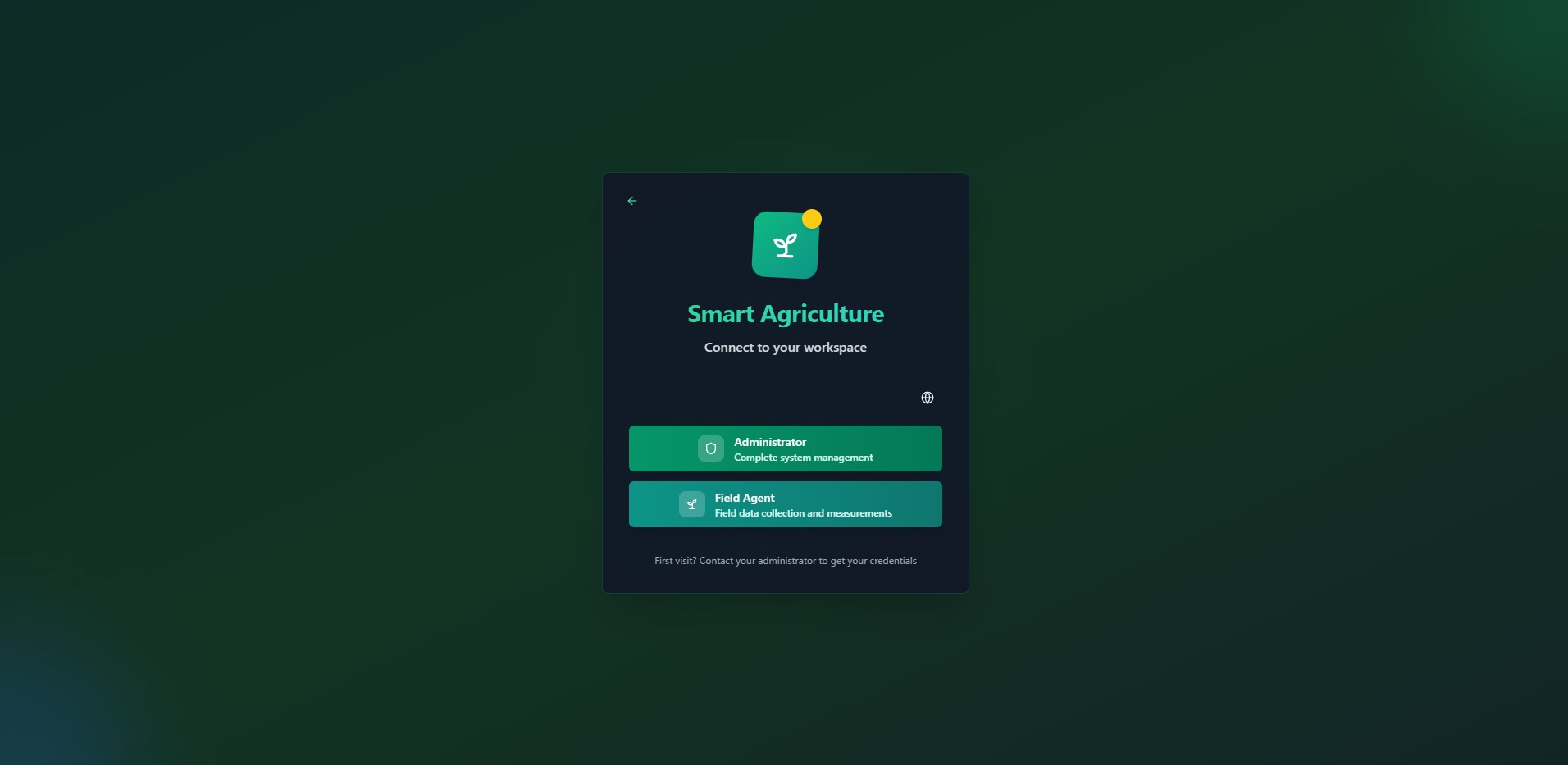
Smart SoilTrack Connection
-
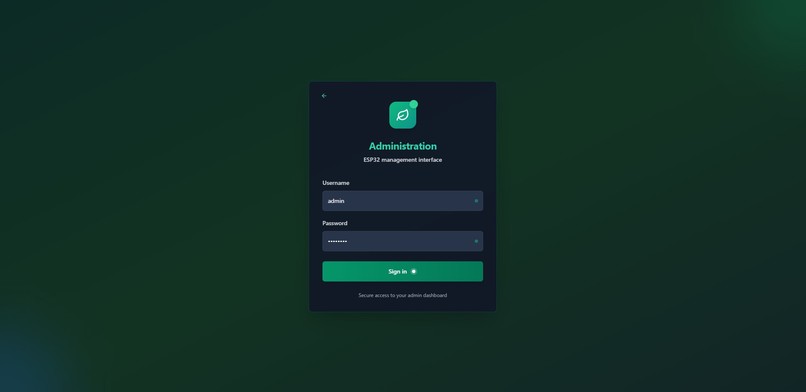
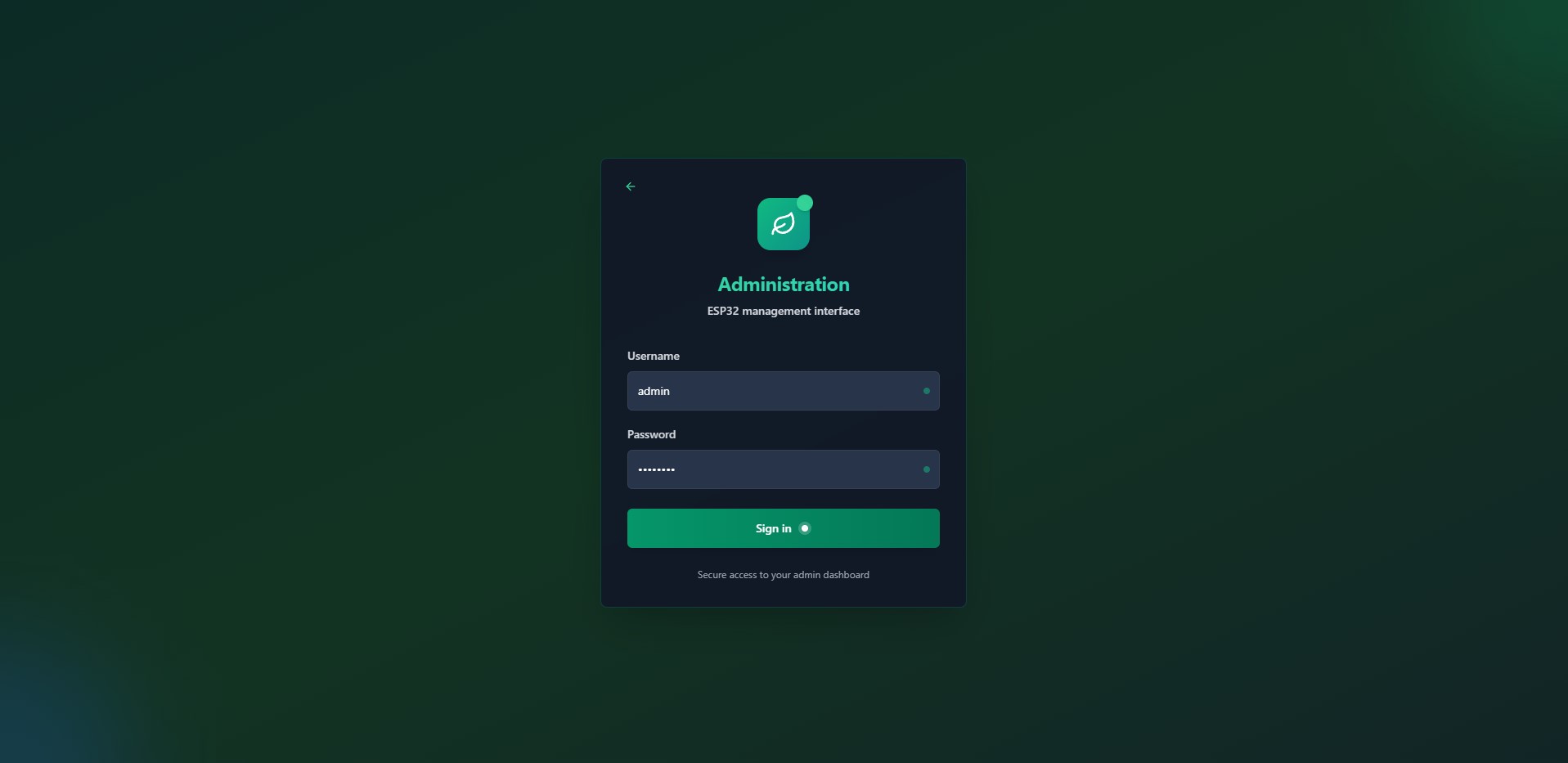
Smart SoitTrack Login
-
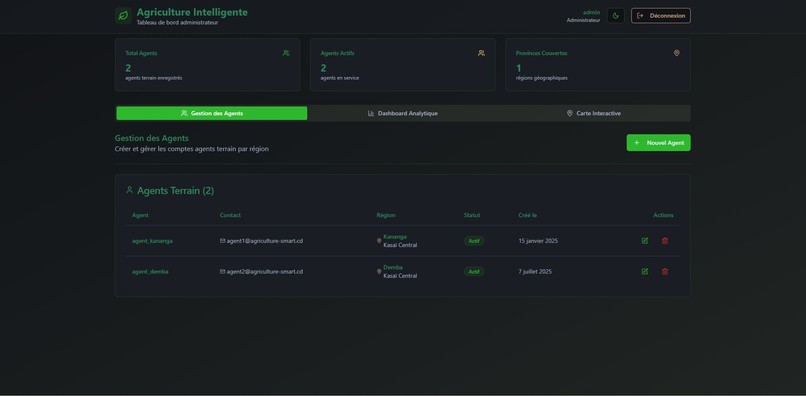
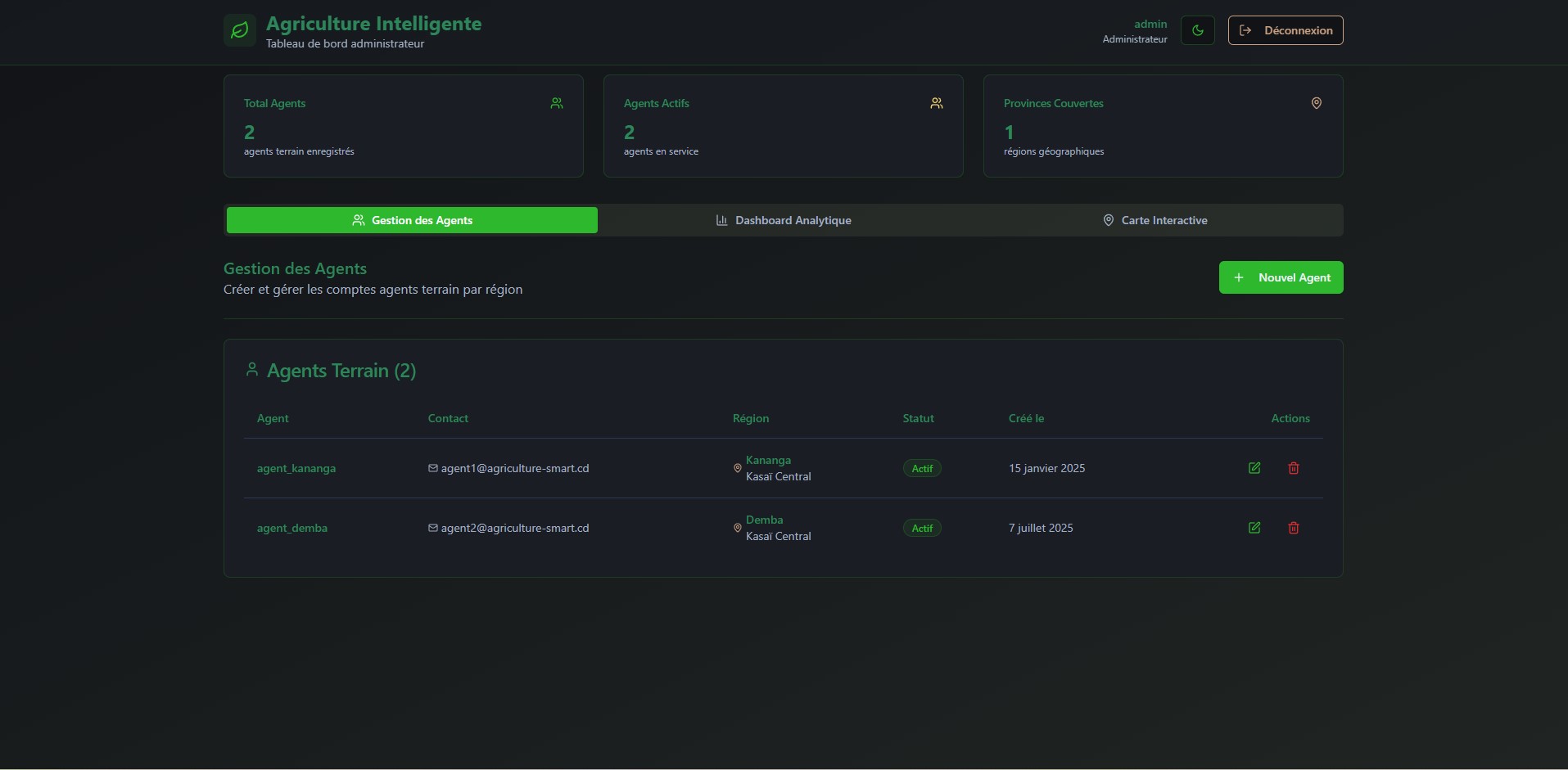
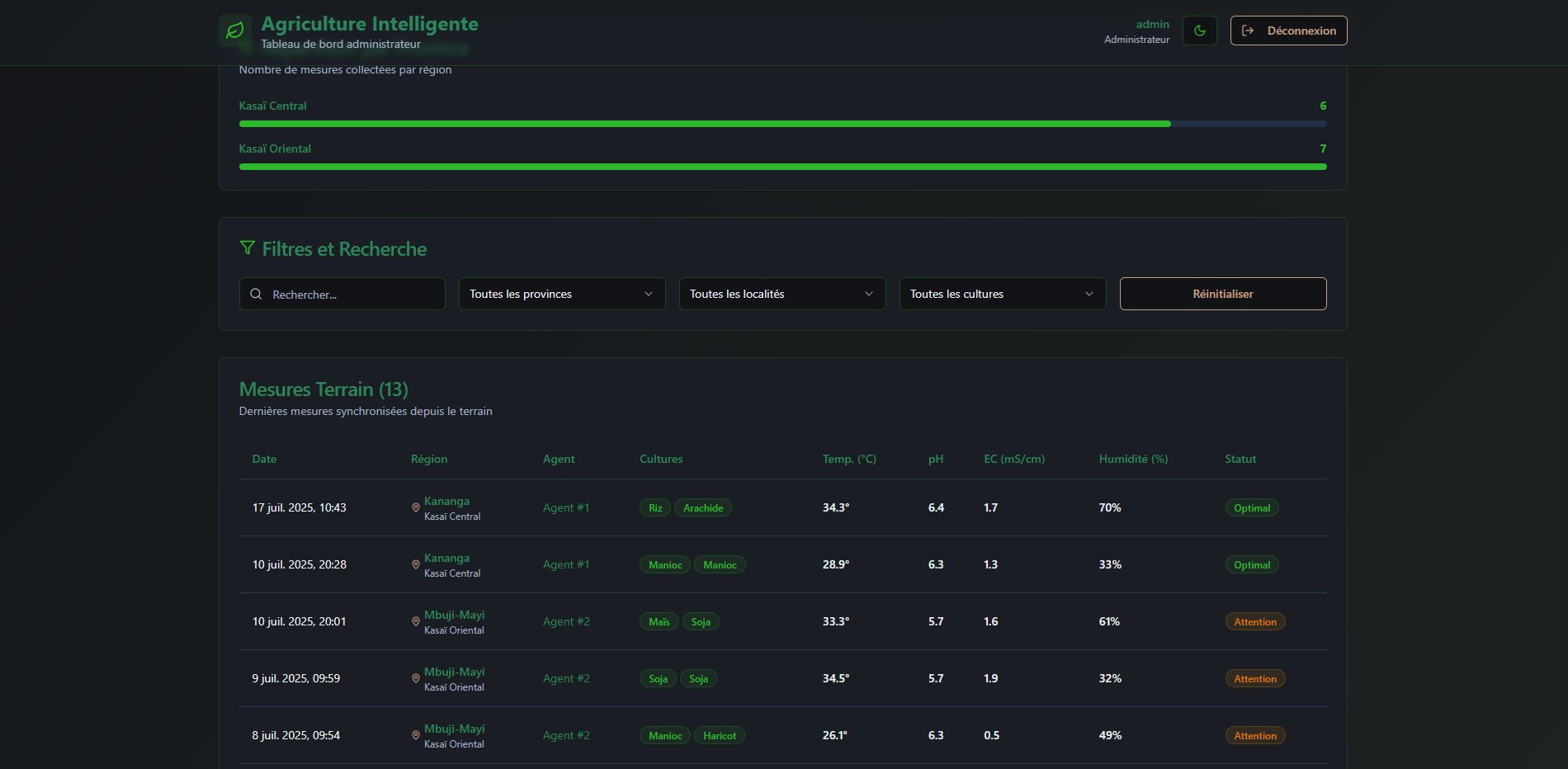
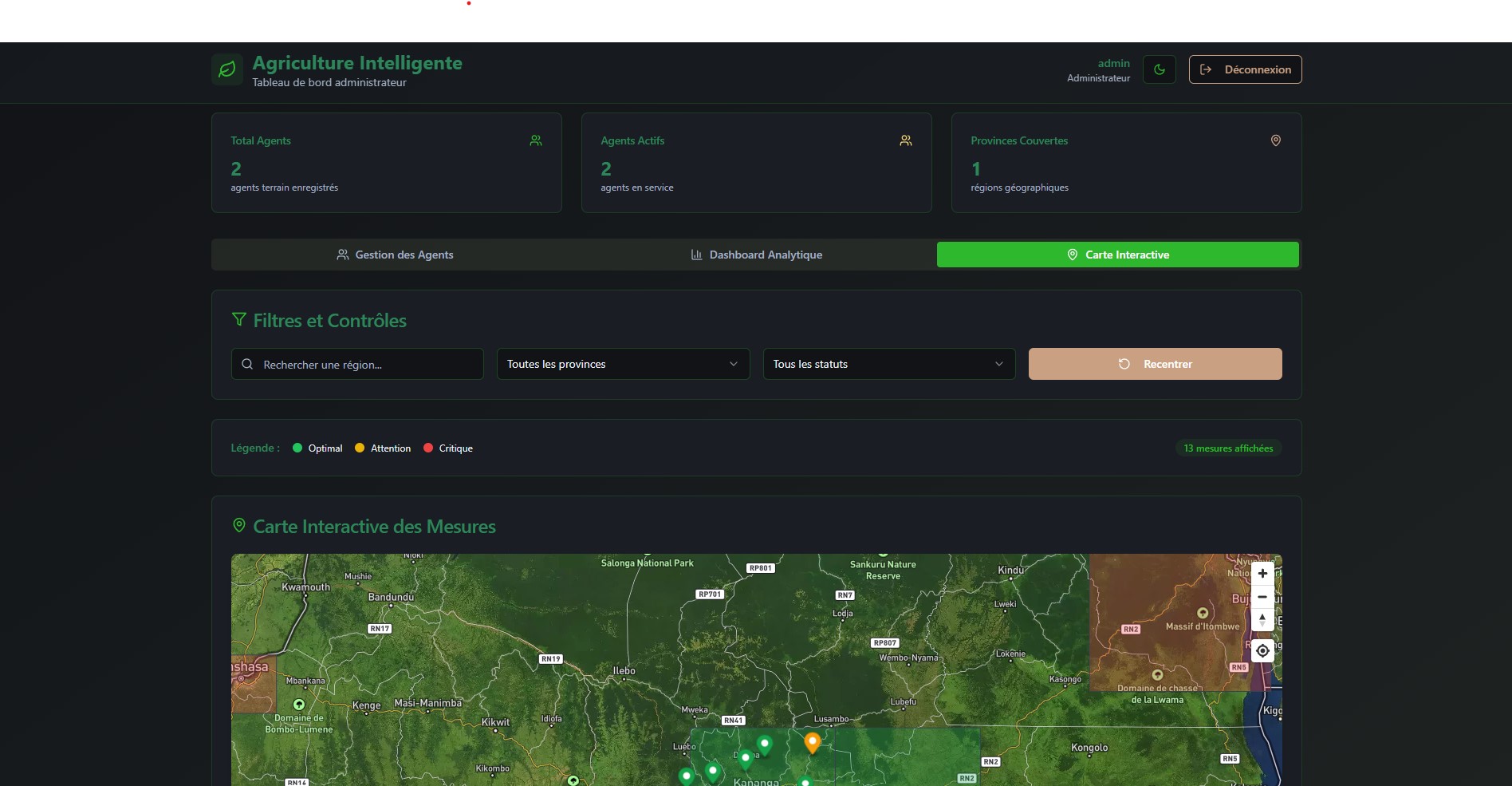
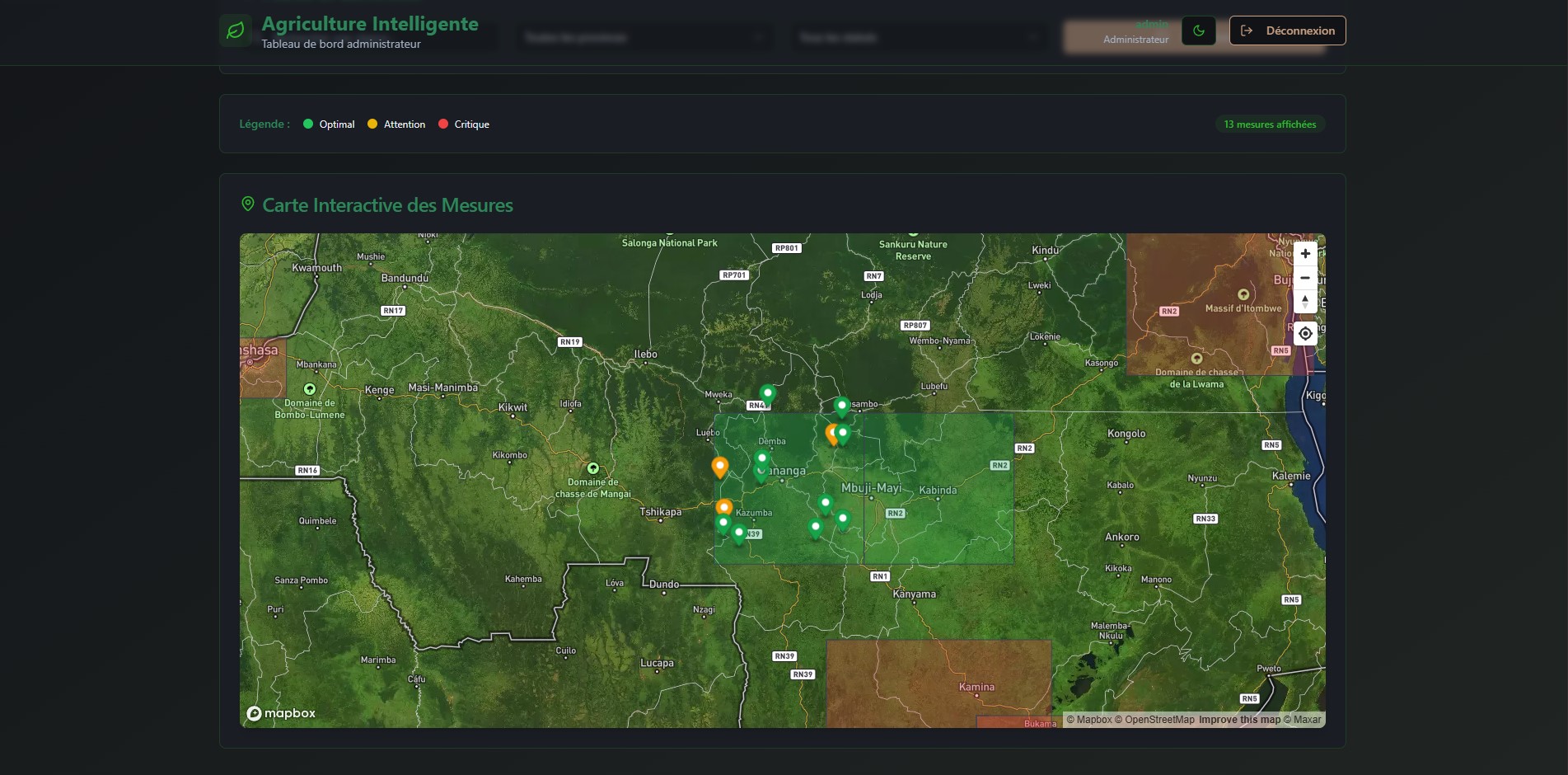
Smart SoitTrack Admin Dashboard
-
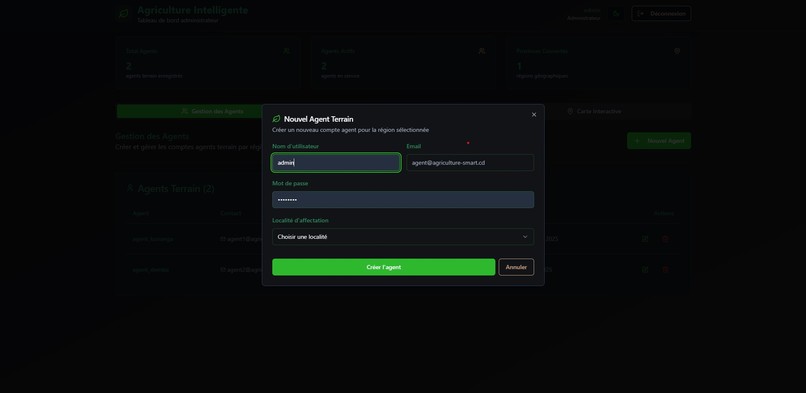
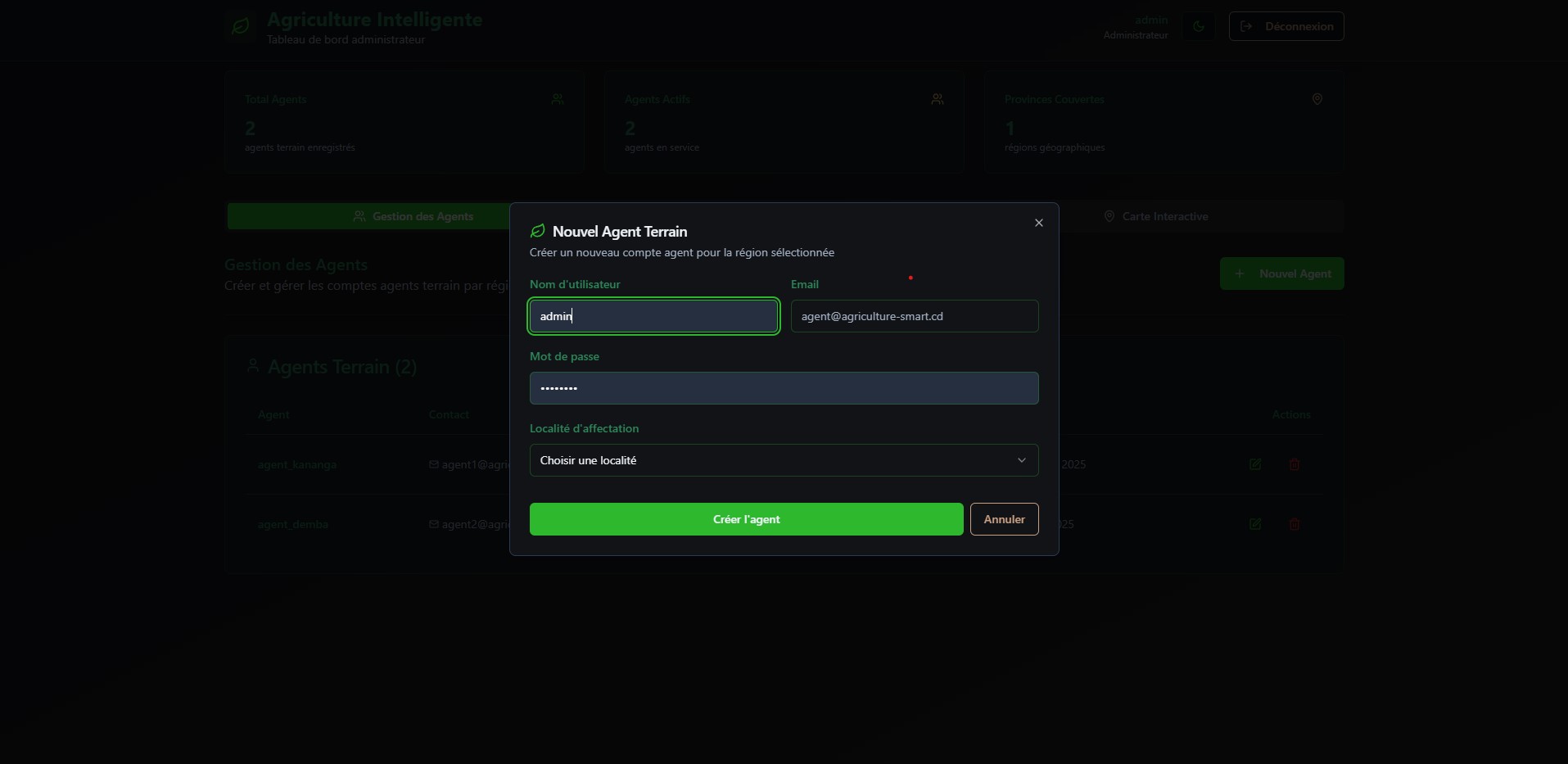
Smart SoitTrack Agent Smart SoitTrack CRUD
-
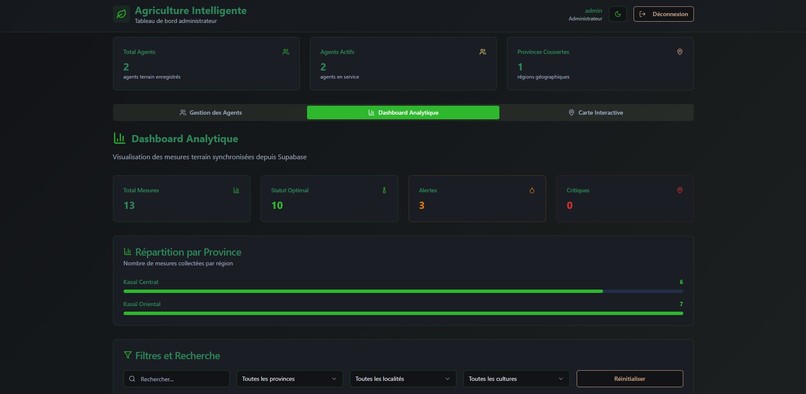
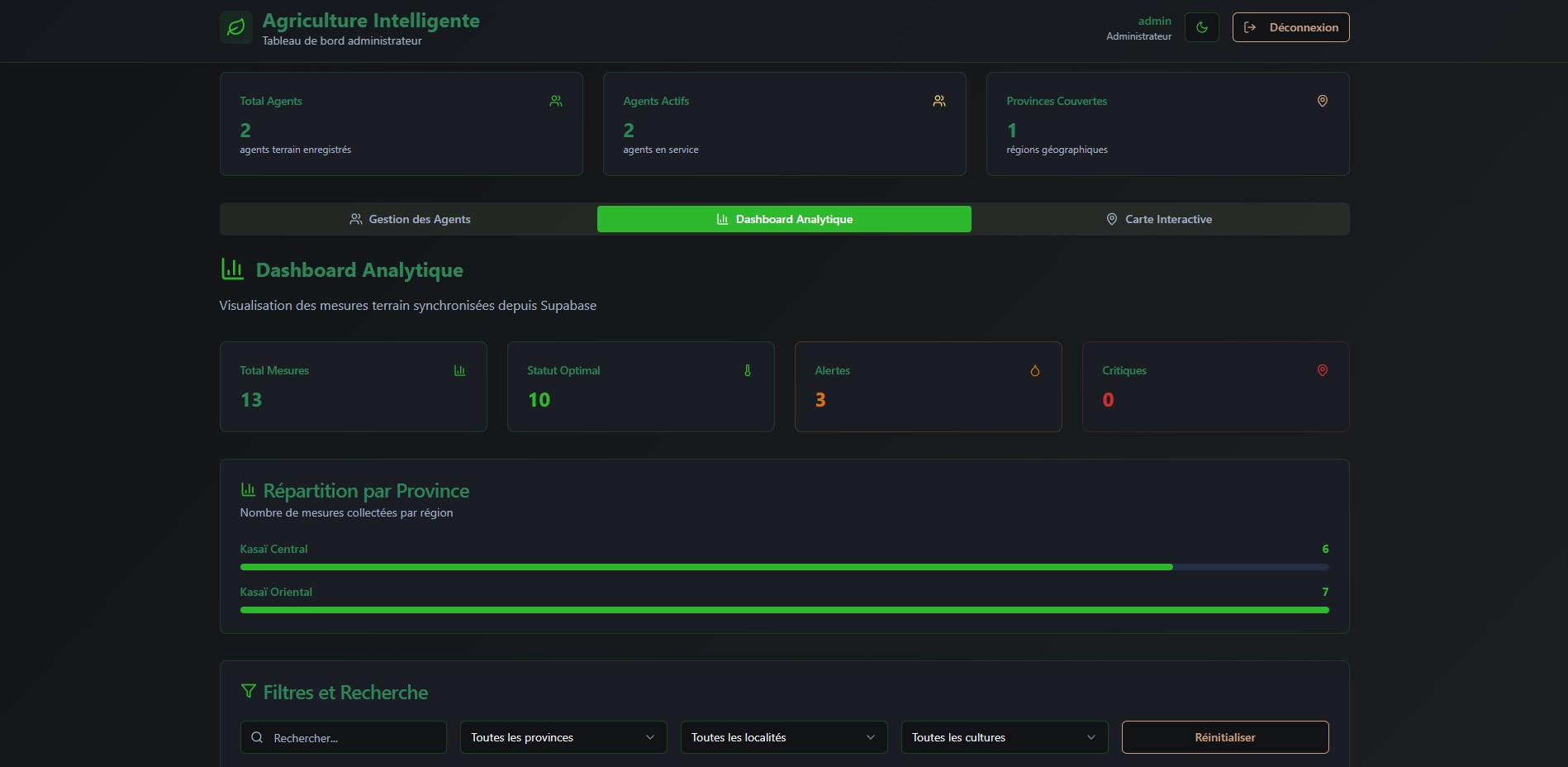
Smart SoitTrack Admin Dashboard 1
-
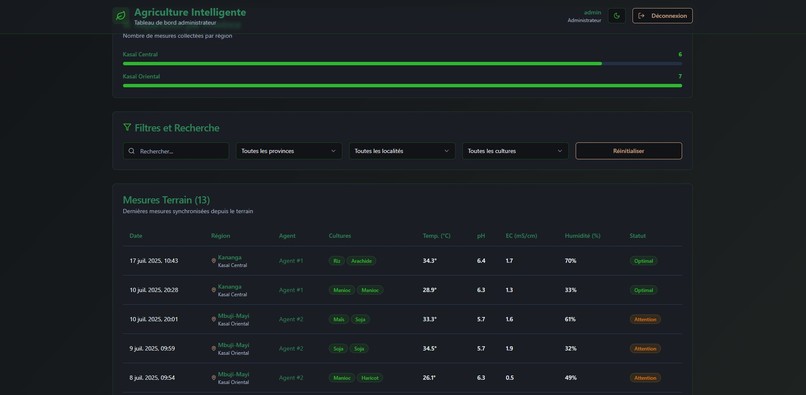
Smart SoitTrack Admin Dashboard 2
-
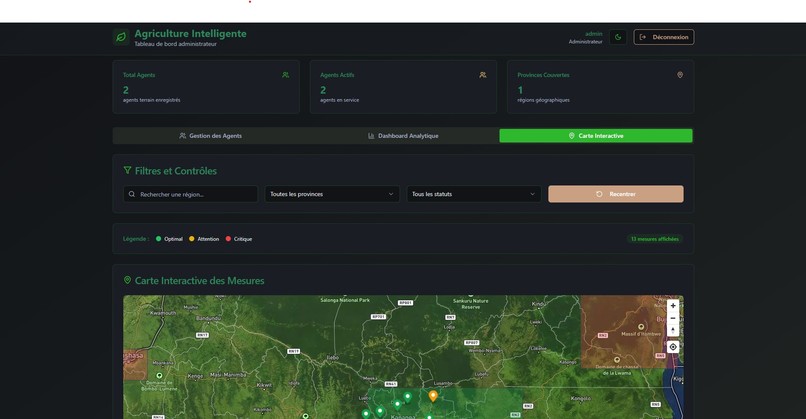
Smart SoitTrack Admin Dashboard 3
-
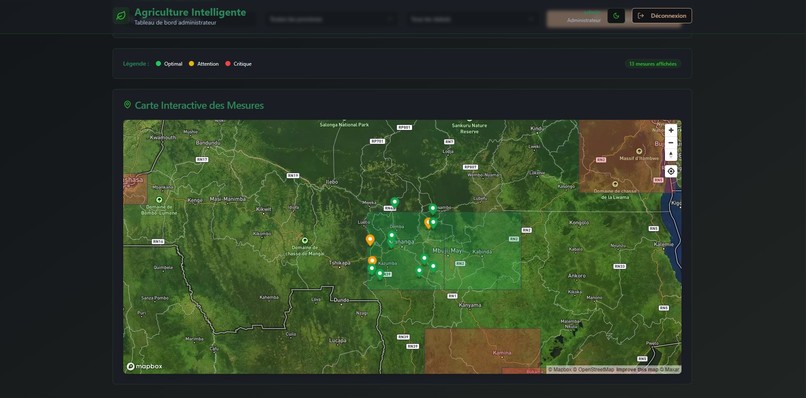
Smart SoitTrack Admin Dashboard 4
-
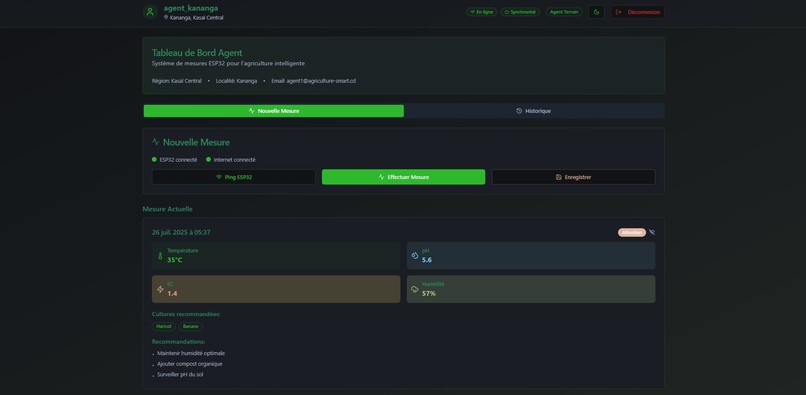
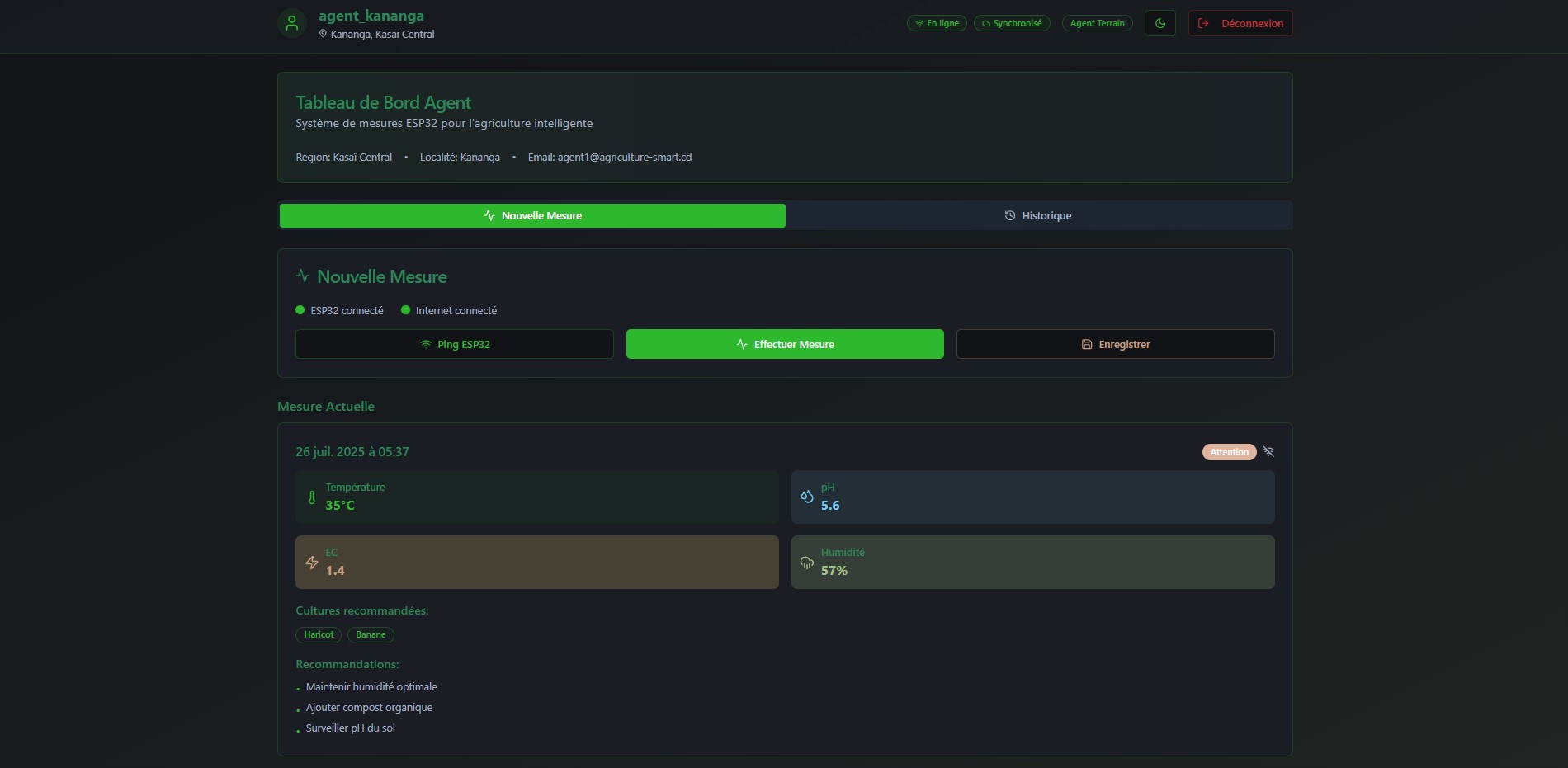
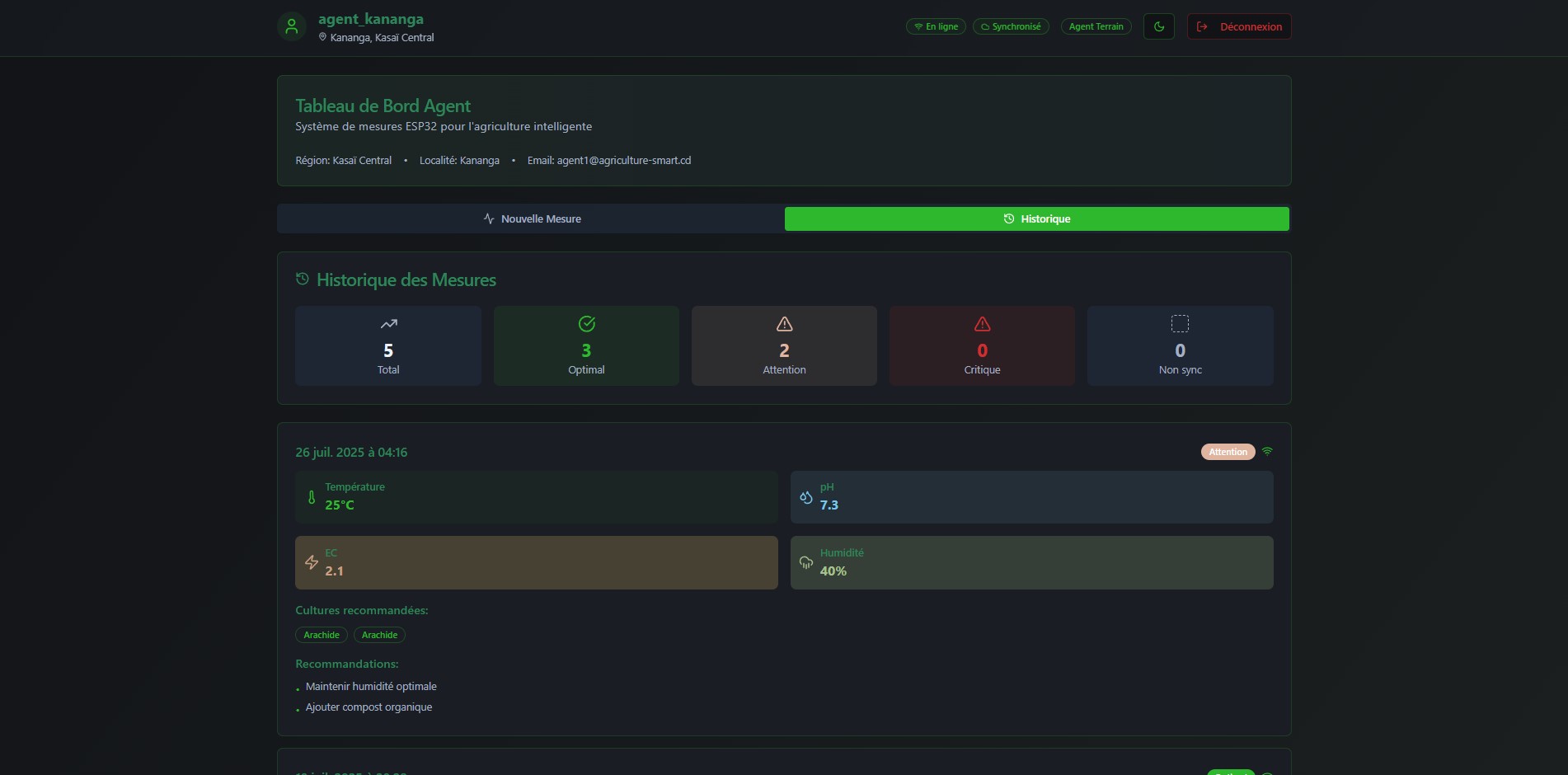
Smart SoitTrack field agent Dashboard
-
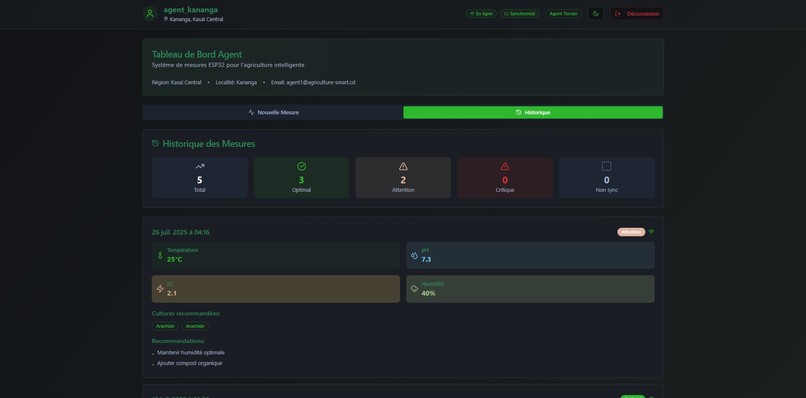
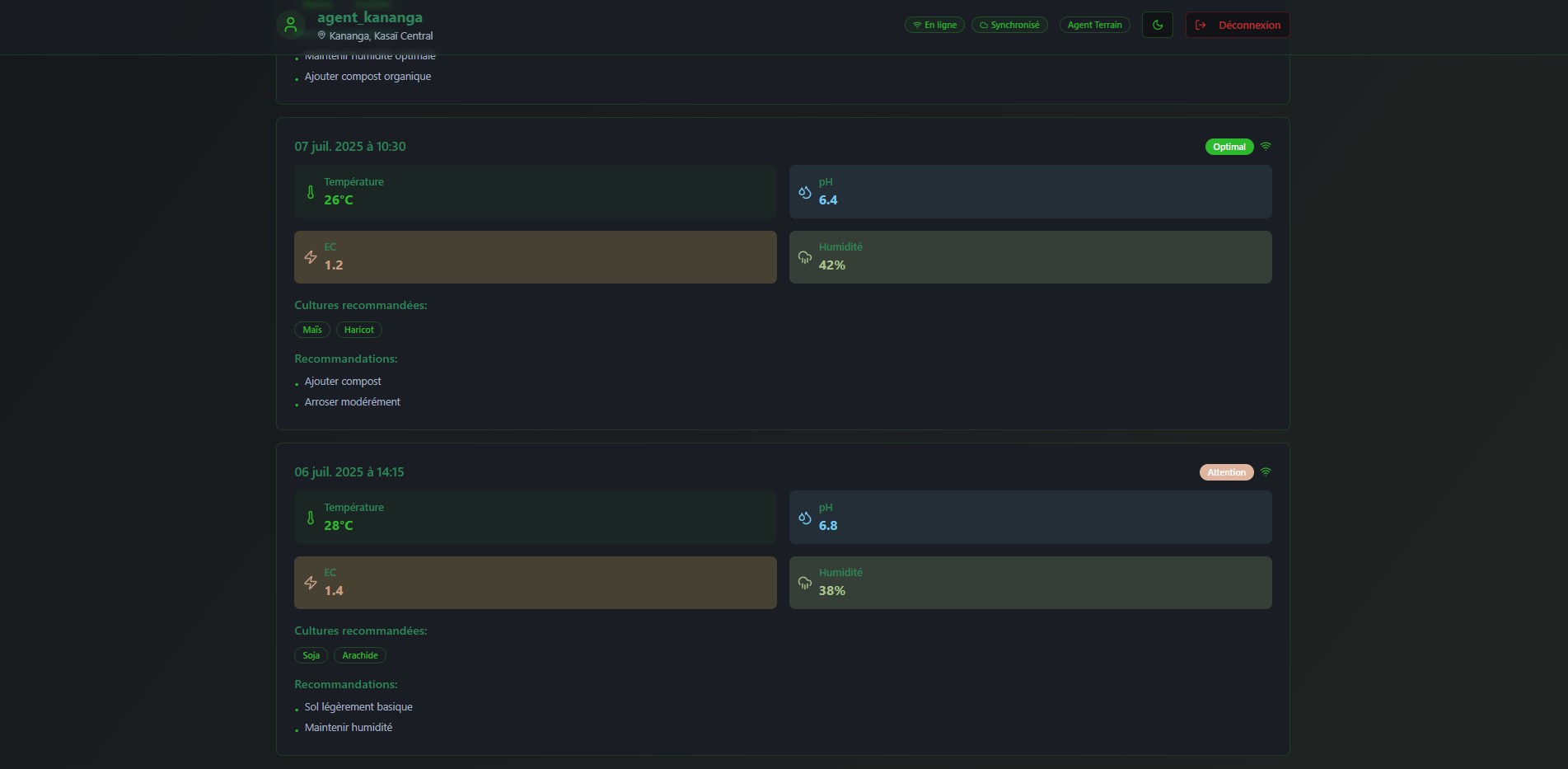
Smart SoitTrack field agent Dashboard 1
-
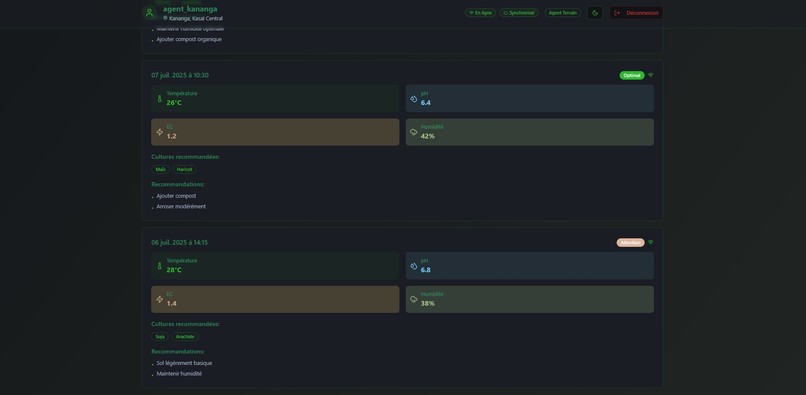
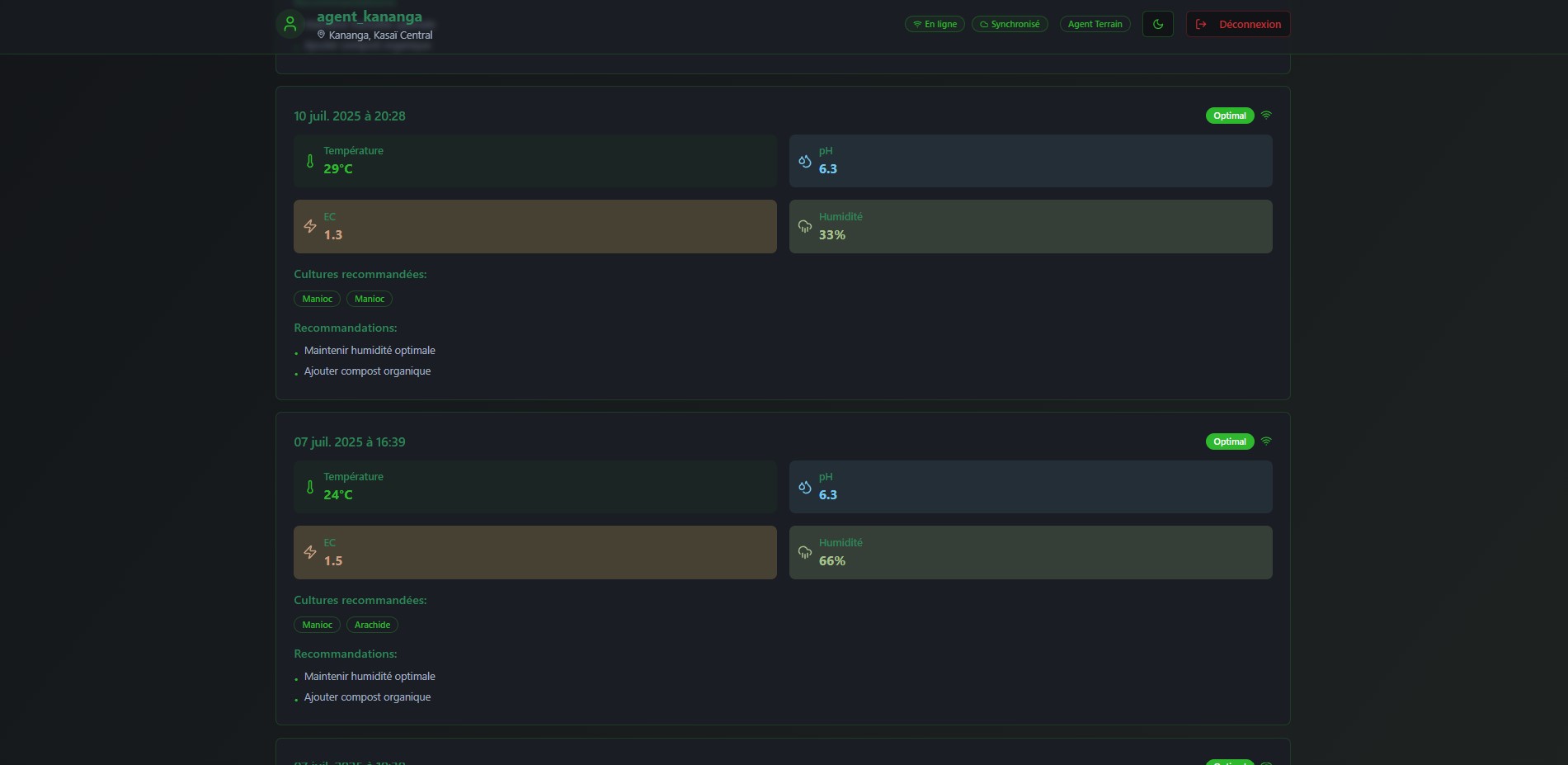
Smart SoitTrack field agent Dashboard 2
-
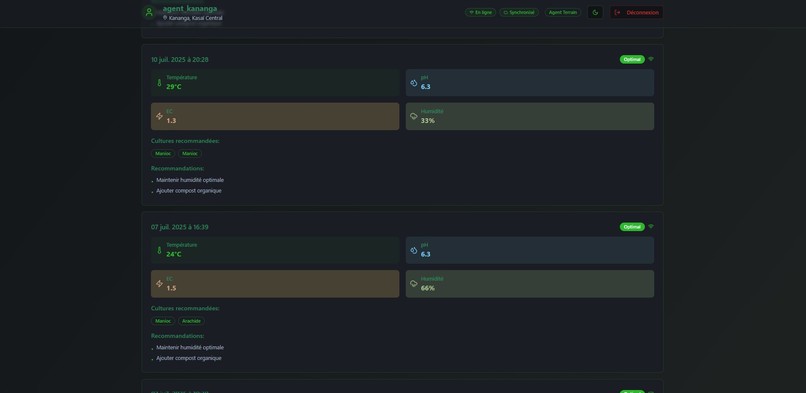
Smart SoitTrack field agent Dashboard 3
-
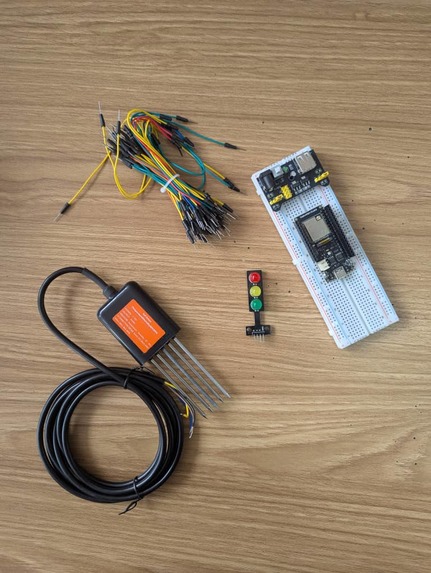
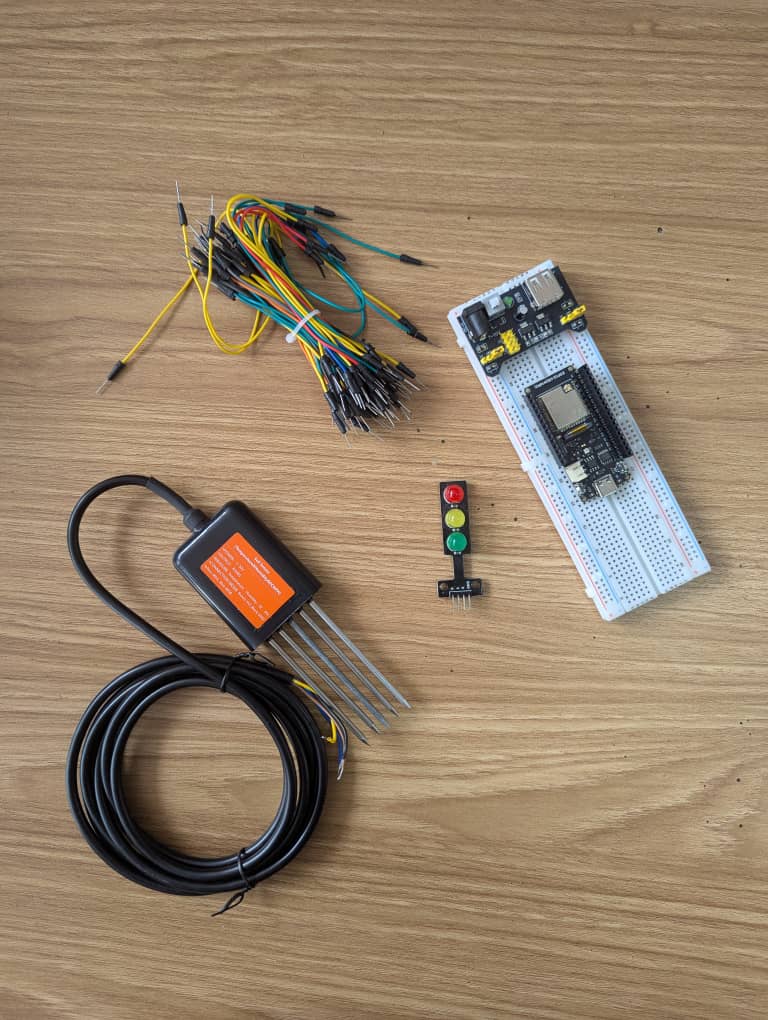
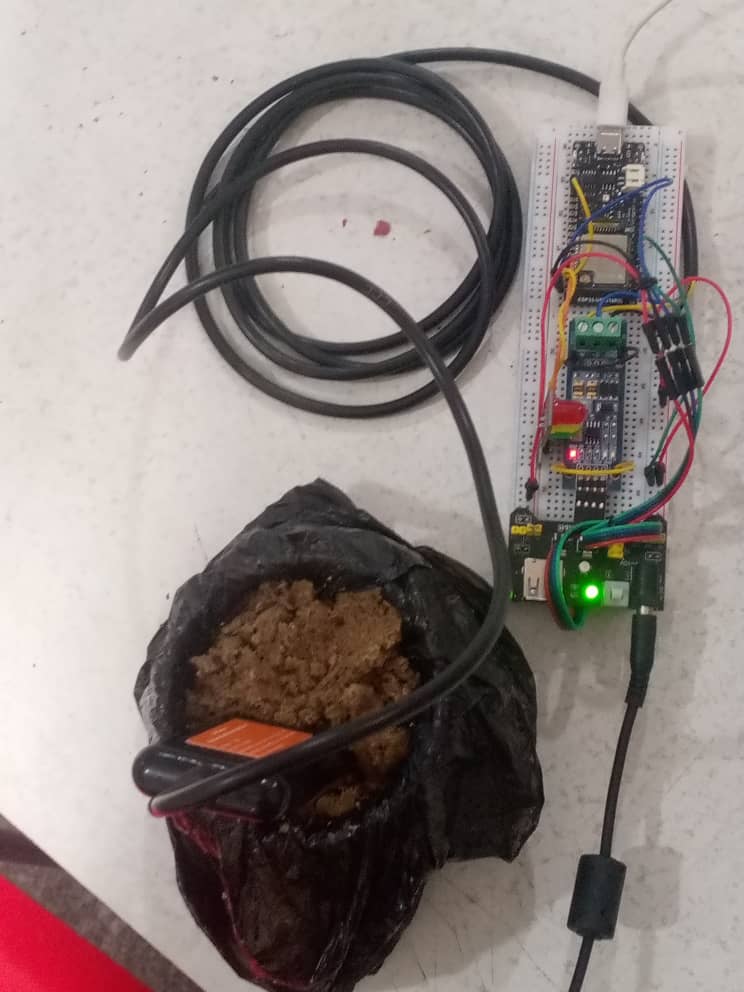
ESP32, SOIL TRACKER, BREADBOARD and LEAD
-
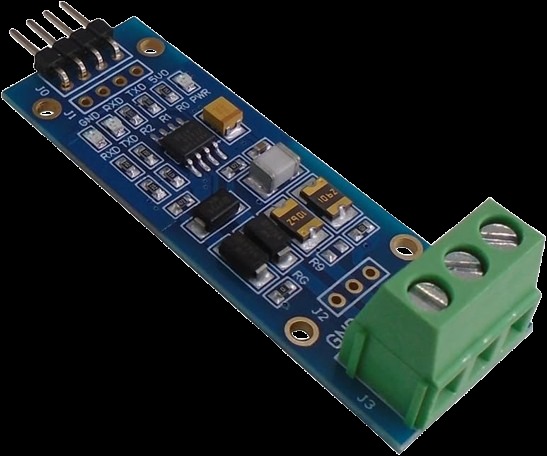
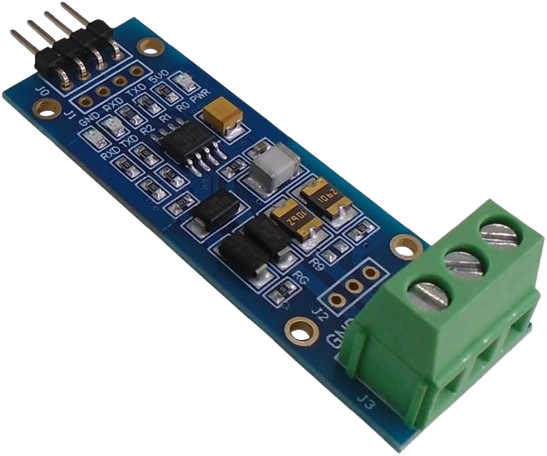
RS485 to TTL 5V Board with MAX13487 Chip for Raspberry Pi Arduino and Other MCU
-
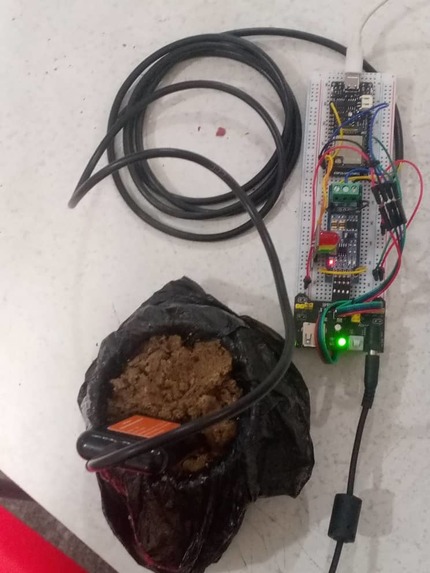
Smart Soil Tracker
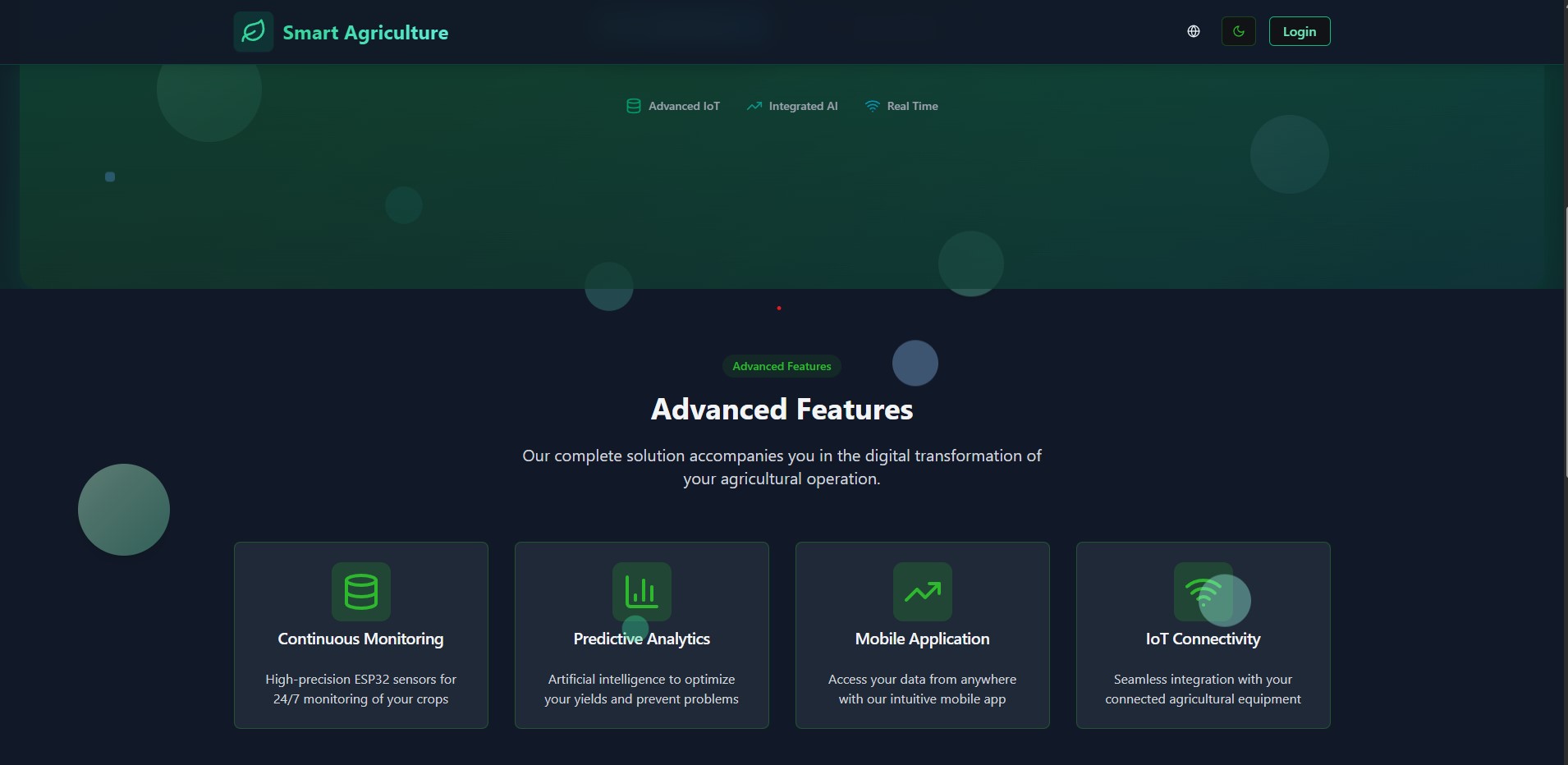
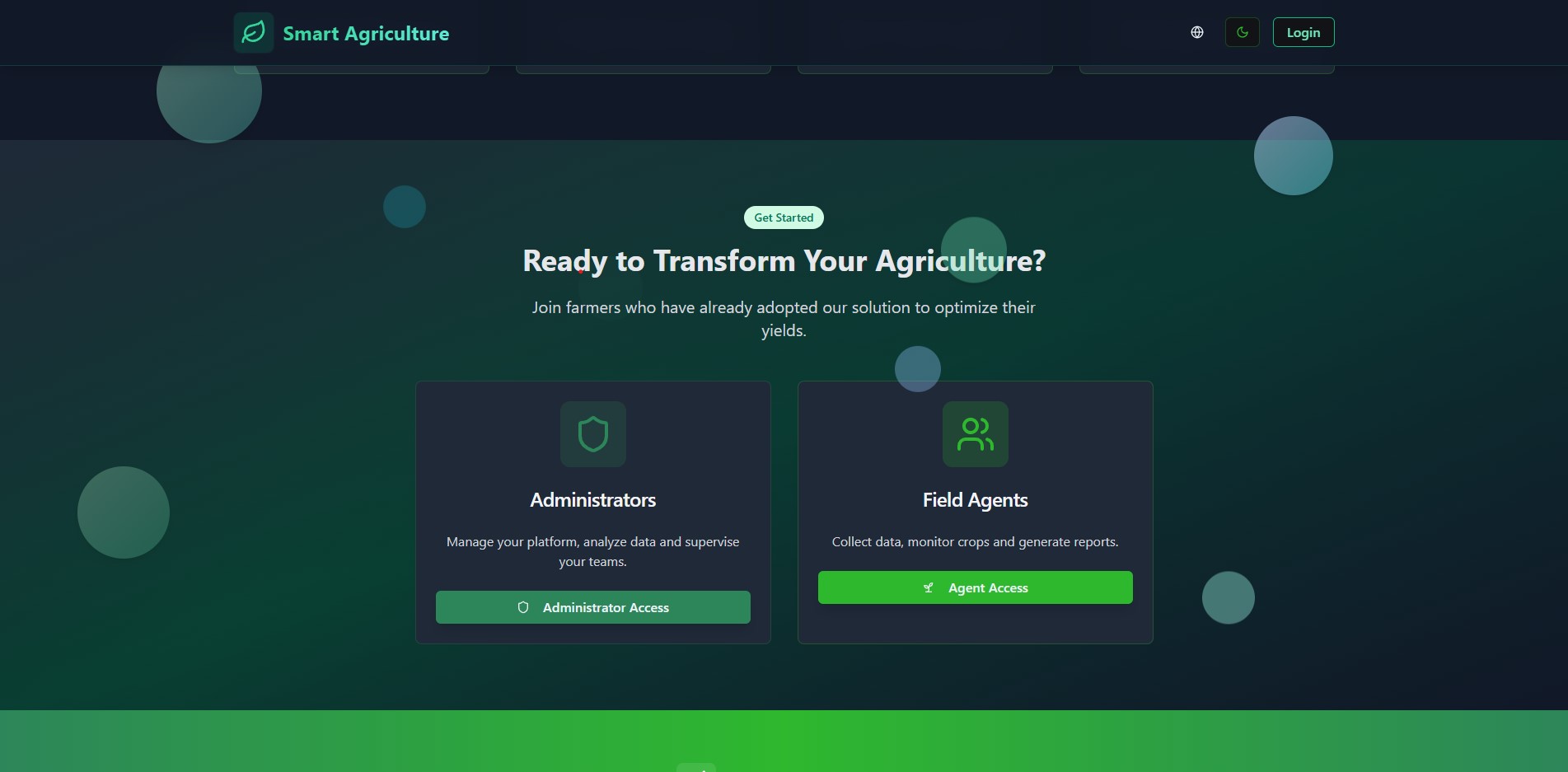
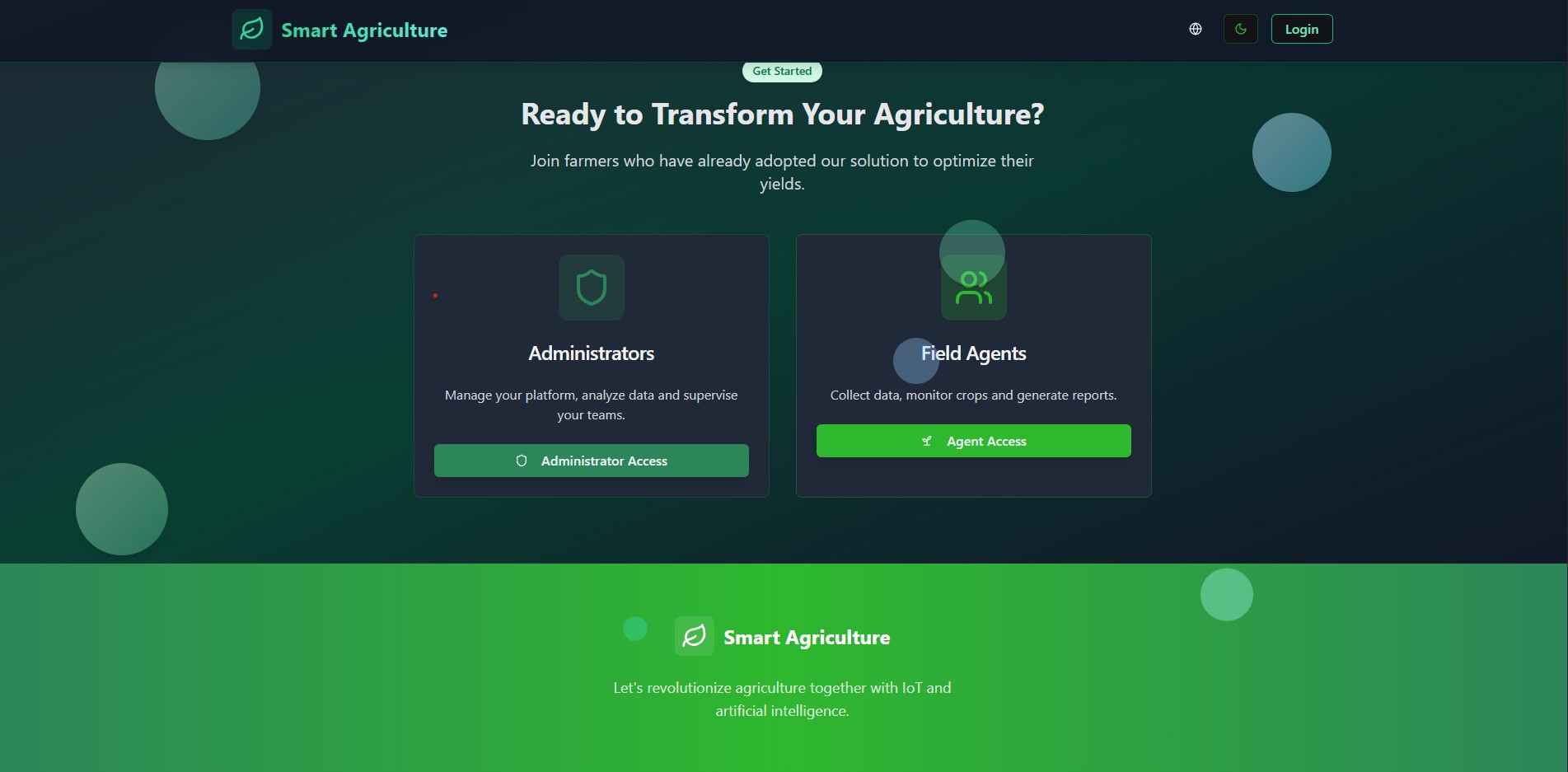
Smart Soil Tracker — Offline IoT Agriculture Platform
1. Inspiration
In many rural areas, especially in developing countries, farmers face challenges related to poor soil management, lack of access to real-time agricultural data, and the inability to make informed decisions due to the absence of reliable tools.
1.1. Problem Context
In the context of resource-constrained environments, particularly in rural agricultural communities, farmers often operate without access to modern technologies. These limitations include:
- Limited or no internet connectivity
- Unreliable or no electricity supply
- Lack of real-time data for decision-making
- Low digital literacy and technical support
These constraints hinder the implementation of conventional precision agriculture solutions, which typically rely on cloud computing, stable internet, and high-end hardware.
1.2. Inspiration for Smart SoilTrack
We were inspired to build SoilTrack as a smart, local, and sustainable solution tailored for farmers in remote and underserved regions.
Instead of relying on cloud-based systems or high-power devices, SoilTrack leverages:
- Offline-first architecture — ensuring full functionality even without internet.
- Low-power ESP32 microcontroller or Arduino UNO R4 WiFi — ideal for energy-constrained environments.
- Edge-based AI processing — making smart predictions with small-data models directly on the device.
- Local React dashboard — simple, intuitive interface for any agent or technician in the field.
2. What it does
Smart Soil Tracker is an offline-first precision agriculture platform that allows field agents to:
- Collect real-time soil data: temperature, moisture, pH, and electrical conductivity (EC)
- Generate crop recommendations based on soil conditions
- Store all data and recommendations locally when offline
- Synchronize data to the cloud once Internet access is available
- Visualize data on a Mapbox map via an admin dashboard, showing coverage and crop suitability per region
3. How we built it
3.1. Hardware
- FireBeetle 2 ESP32-UE: IoT microcontroller (16MB Flash, 2MB PSRAM)
- RS485 4-in-1 Soil Moisture, Temperature, pH & EC Sensor for Smart Agriculture (IP68, 5-30V)
- DSD TECH SH-U12 RS485 to TTL converter: Enables sensor ↔ ESP32 communication
3.2. Software Stack
| Technology | Purpose |
|---|---|
| ESP32 (Arduino) or Arduino UNO R4 WiFi | Hosts local APIs and communicates with the sensor |
| React.js | Frontend for Agent and Admin portals |
| Tailwind CSS | Styling for responsive and clean UI |
| shadcn/ui | Modern React component library |
| Mapbox | Displays geo-located crop data |
| JSON Server | Offline local data storage |
3.3. Agent Portal Features (Offline React Dashboard)
1. Test ESP32 or Arduino UNO R4 WiFi Connection
- Confirms local network communication between the app and hardware
2. Start Soil Measurements
- Triggers the ESP32 or Arduino UNO R4 WiFi to read sensor data
3. Display Real-time Data
- Receives data
4. Generate Crop Recommendations
- Processes soil data and fetches best-fit crops
5. Save Measurements Locally
- Uses a local backend (JSON Server) to persist data offline
3.4. Admin Portal Features
- Manage field agents by province and city
- Display recommended crops by region using Mapbox
- Show analytics: soil health, agent performance, regional trends
4. Challenges we ran into
- Handling serial communication between the RS485 sensor and ESP32 or Arduino UNO R4 WiFi
- Ensuring offline-first reliability of the React app and backend
- Maintaining data integrity during synchronization with the cloud
- Geo-tagging without GPS, relying on assigned region metadata
- Stabilizing sensor readings in varied soil conditions
5. Accomplishments that we're proud of
- Fully functional offline-first system — no Internet needed in the field
- Real-time parameter reading and visualization on the ESP32 or Arduino UNO R4 WiFi and React
- Crop recommendations logic based on custom matching algorithms
- Seamless Mapbox integration for geo-visualization of data
- Smooth local → cloud sync flow
6. What we learned
- How to integrate hardware (ESP32or Arduino UNO R4 WiFi) with frontend frameworks
- Deepened knowledge of serial communication (RS485 to TTL)
- Built a deeper appreciation for resilient offline-first architecture
- Realized the importance of UX in rural-tech tools
- Practiced effective data modeling for soil and crop relations
7. What's next for SoilTrack
- Implement real cloud backend (e.g., Firebase, Supabase, or a REST API)
- Add device provisioning & remote updates
- Improve crop recommendation model using ML and agronomic datasets
- Expand to GPS-based geo-tagging
- Add PDF reports & exportable summaries for agents & admins
Key Advantages
- Offline-first, Internet optional
- Localized, accurate crop suggestions
- Simple, agent-friendly UI
- Geo-visual insight for policymakers & stakeholders
- Perfect for rural zones with limited connectivity


Log in or sign up for Devpost to join the conversation.