
Inspiration
Every year, we see satellite images of North India covered in smoke from crop burning. Farmers aren’t doing this out of ignorance , it’s simply the cheapest option. At the same time, companies are actively looking for credible ways to offset emissions. This gap between unpaid climate action and paid carbon markets inspired SoilStack.
What it does
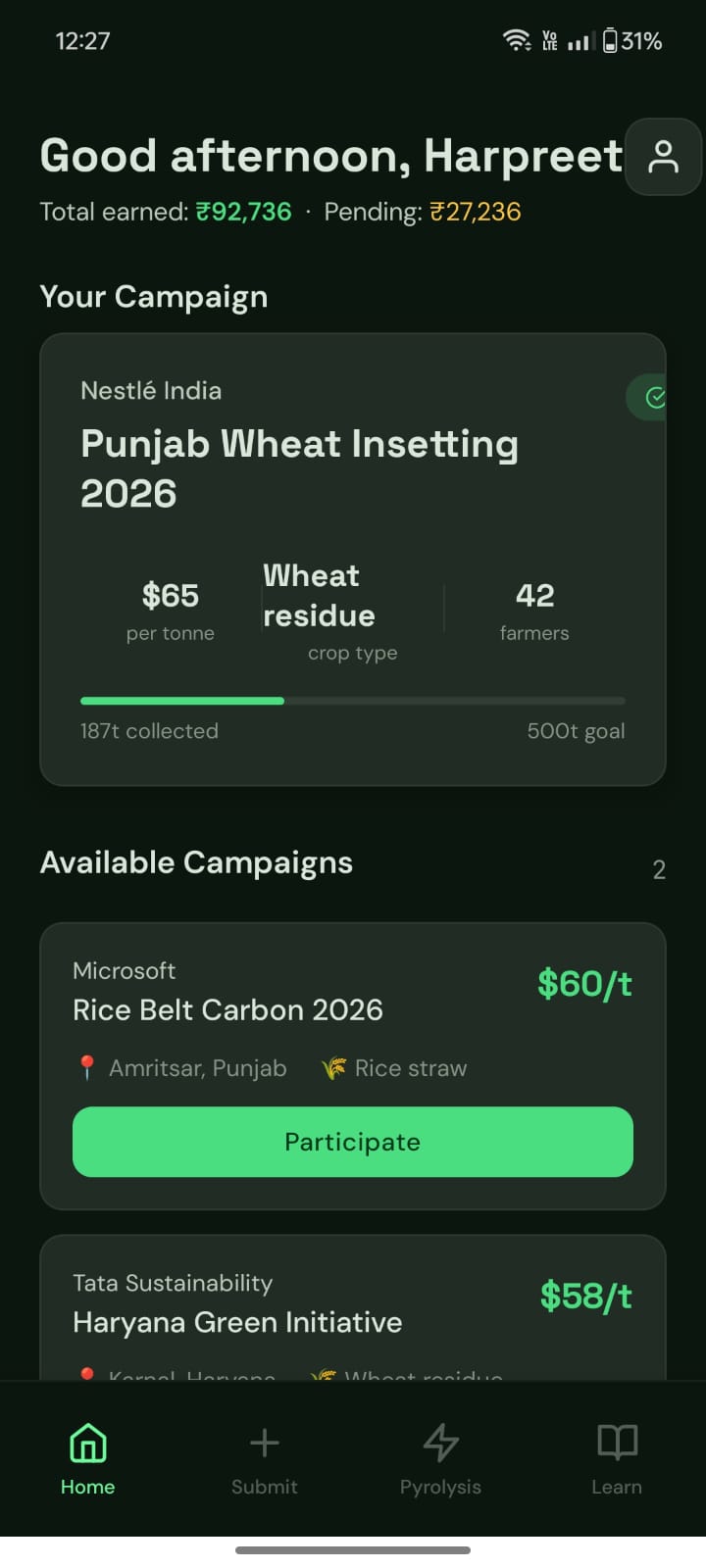
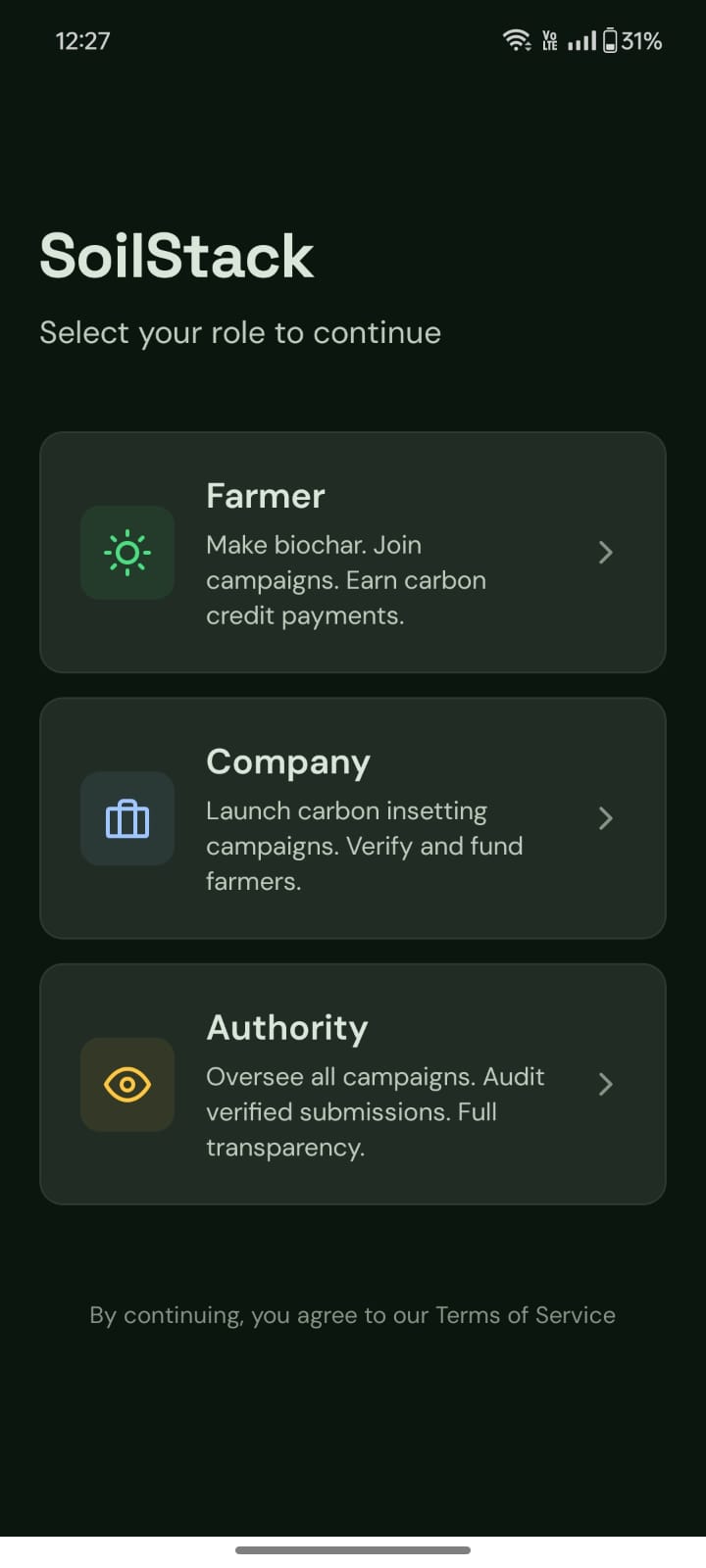
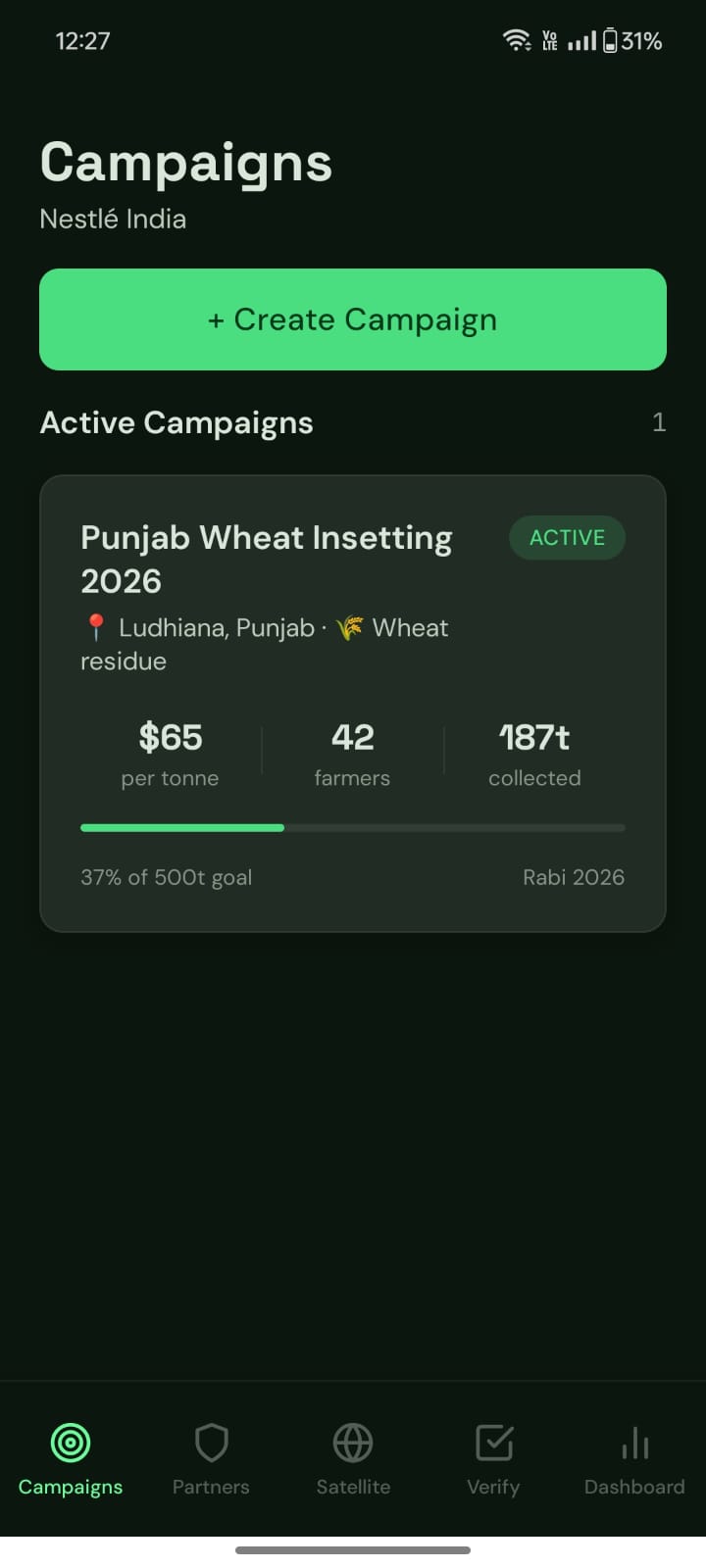
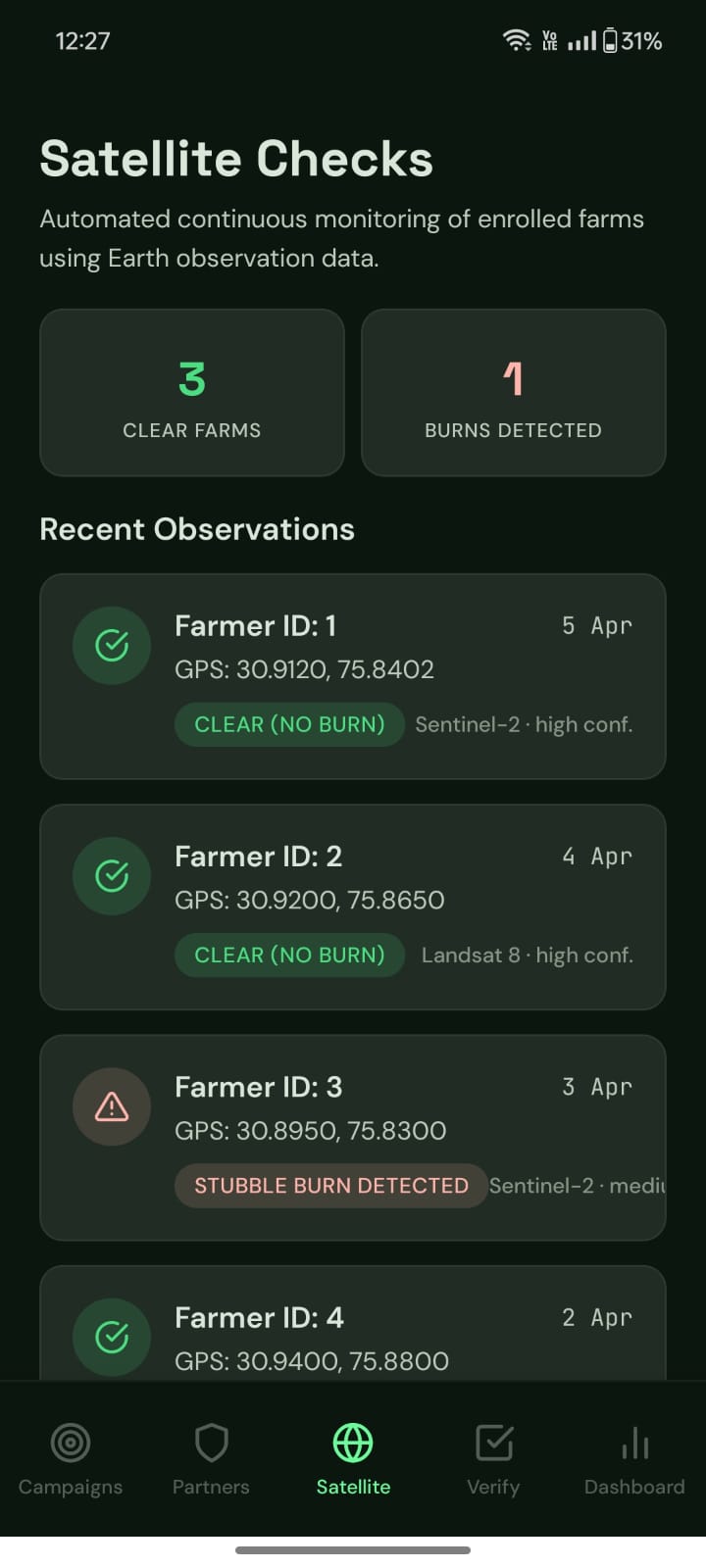
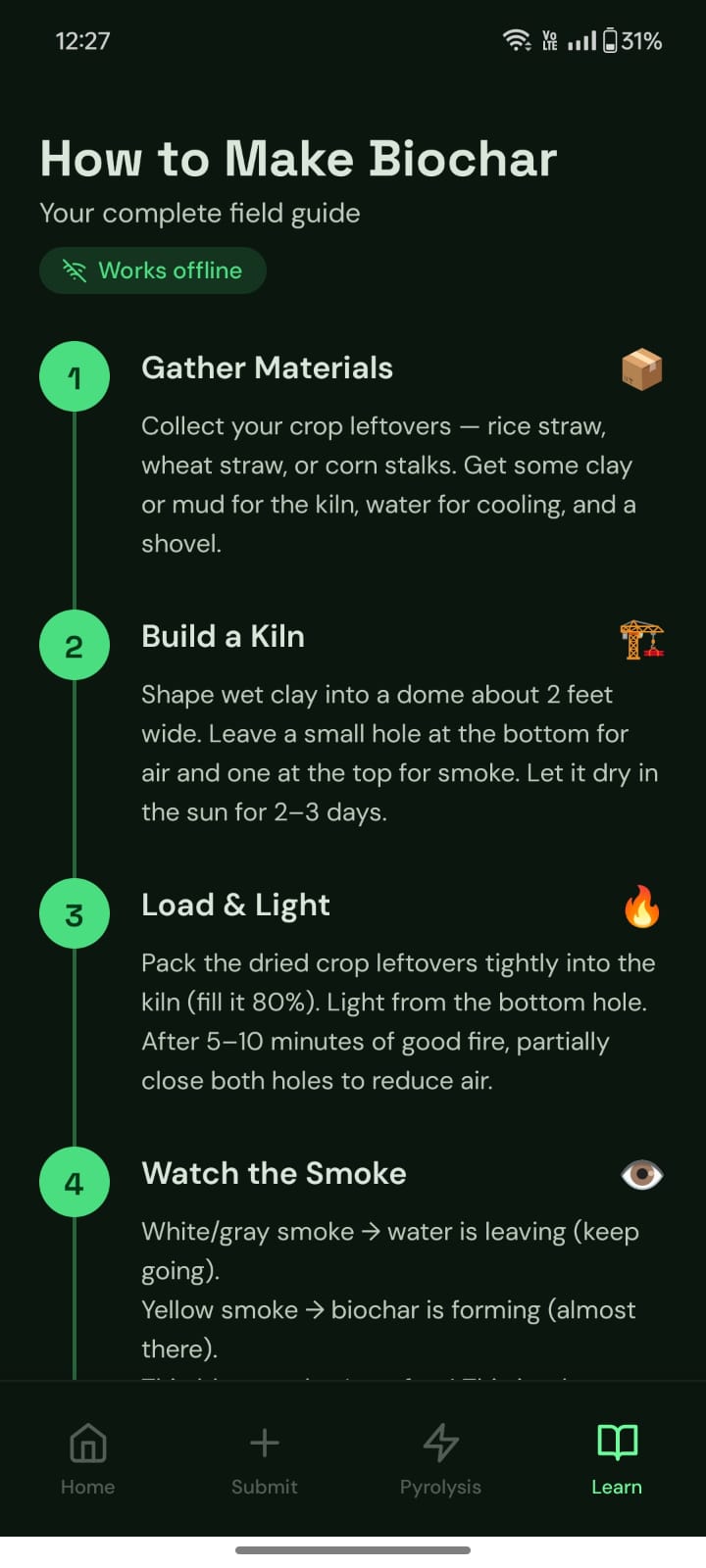
SoilStack is a platform that turns crop residue into income. Farmers convert waste into biochar instead of burning it, improving soil fertility and locking carbon into the ground. We verify this using satellite data and generate carbon removal data that can be used for carbon credits, connecting farmers directly to buyers.
How we built it Inspiration
We built a lightweight MVP with:
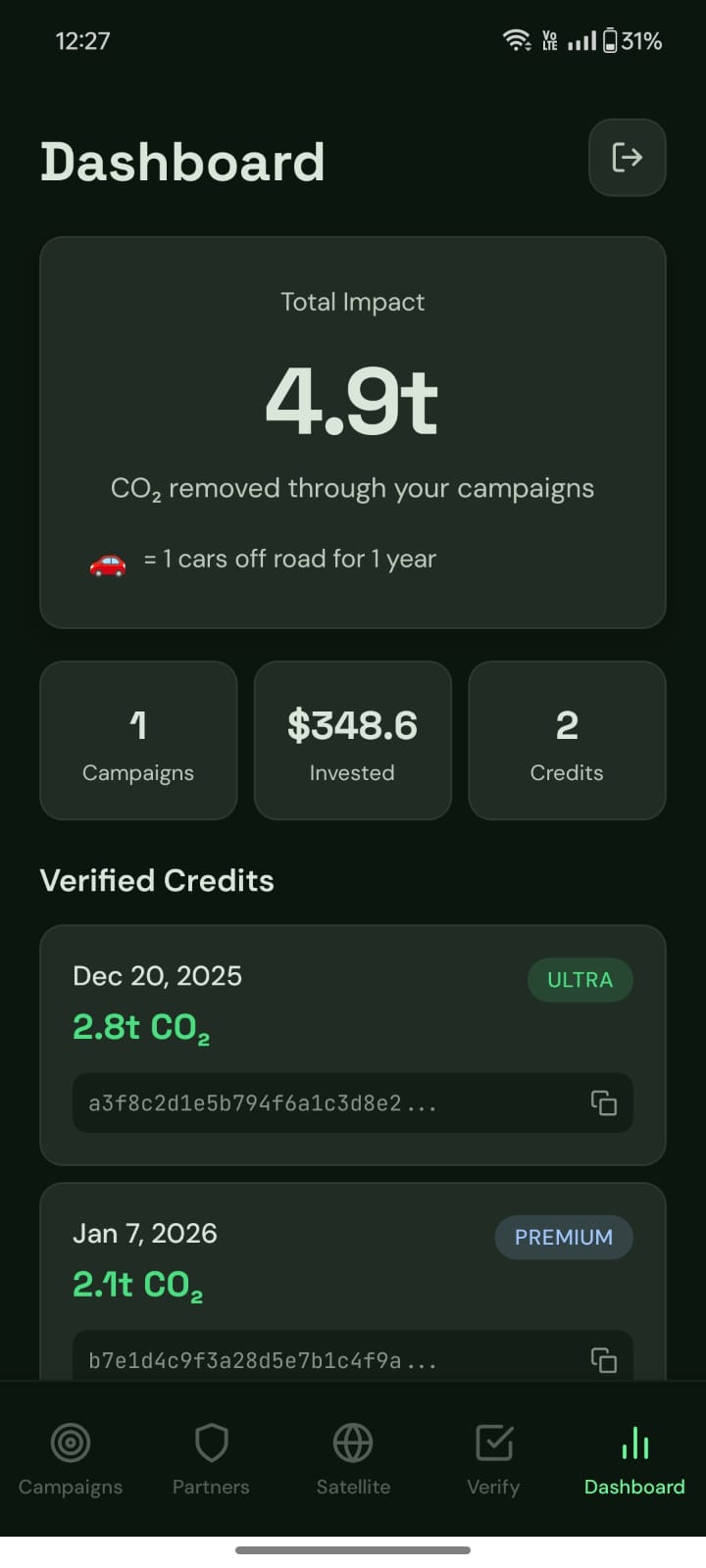
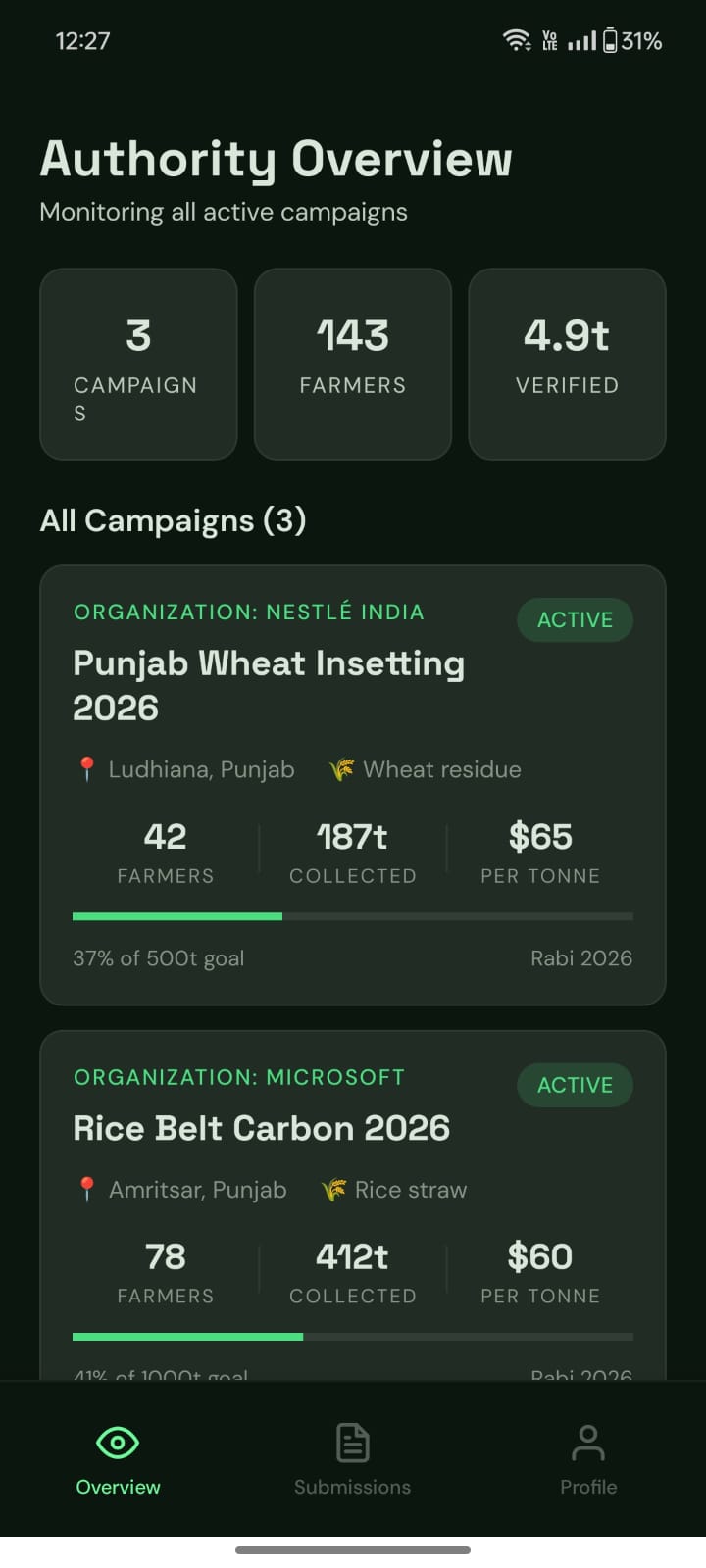
Farmer input system (residue + location) GPS + photo-based proof submission Satellite-based burn/no-burn detection (Google Earth Engine) Carbon impact calculator Buyer dashboard with simulated credit purchasing
Challenges we ran into
Ensuring credible verification using only limited satellite + user data Simplifying complex carbon credit concepts into a usable MVP Balancing realism with hackathon constraints (no full registry integration)
Accomplishments that we're proud of
Built a working end-to-end flow from farmer input → verification → credit simulation Created a clear economic loop benefiting both farmers and companies Designed a system that is scalable beyond one region
What we learned
Climate solutions fail without economic incentives Verification and trust are the hardest parts of carbon markets Simple UX matters more than complex tech in early-stage adoption
What's next for Soil Stack
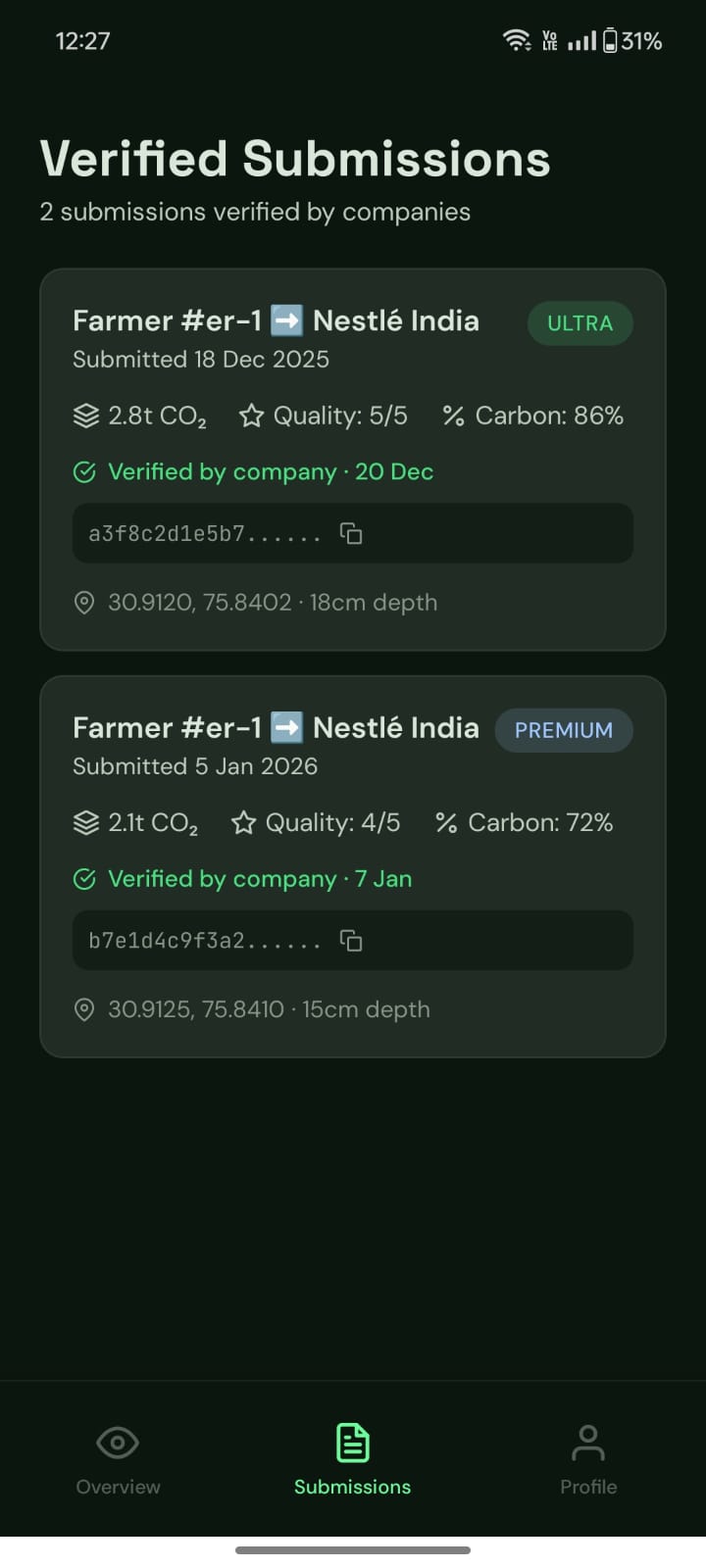
Integrating with real Pyrolysis Vendors, carbon registries (like Verra) , Improving verification using multi-source data (satellite + audits) Piloting with real farmers in high-burn regions Expanding into broader soil carbon and land-based climate systems Currently For prototype the data is demo and the vision model is not yet integrated . We have planned for Claude Vision model and it will be an option for Company if it wants to use that feature , as it can also manually check with its official , all depends on if the company wants to automate the process by paying for the vision model API cost , then validating authority will directly get model verified farmers data . Also farmer will be able to report if any chance automatic process gets it wrong for him/her which will be viewed by the company officials .
Built With
- reactnative
- supabase
- typescript
- zustand


Log in or sign up for Devpost to join the conversation.