What it does
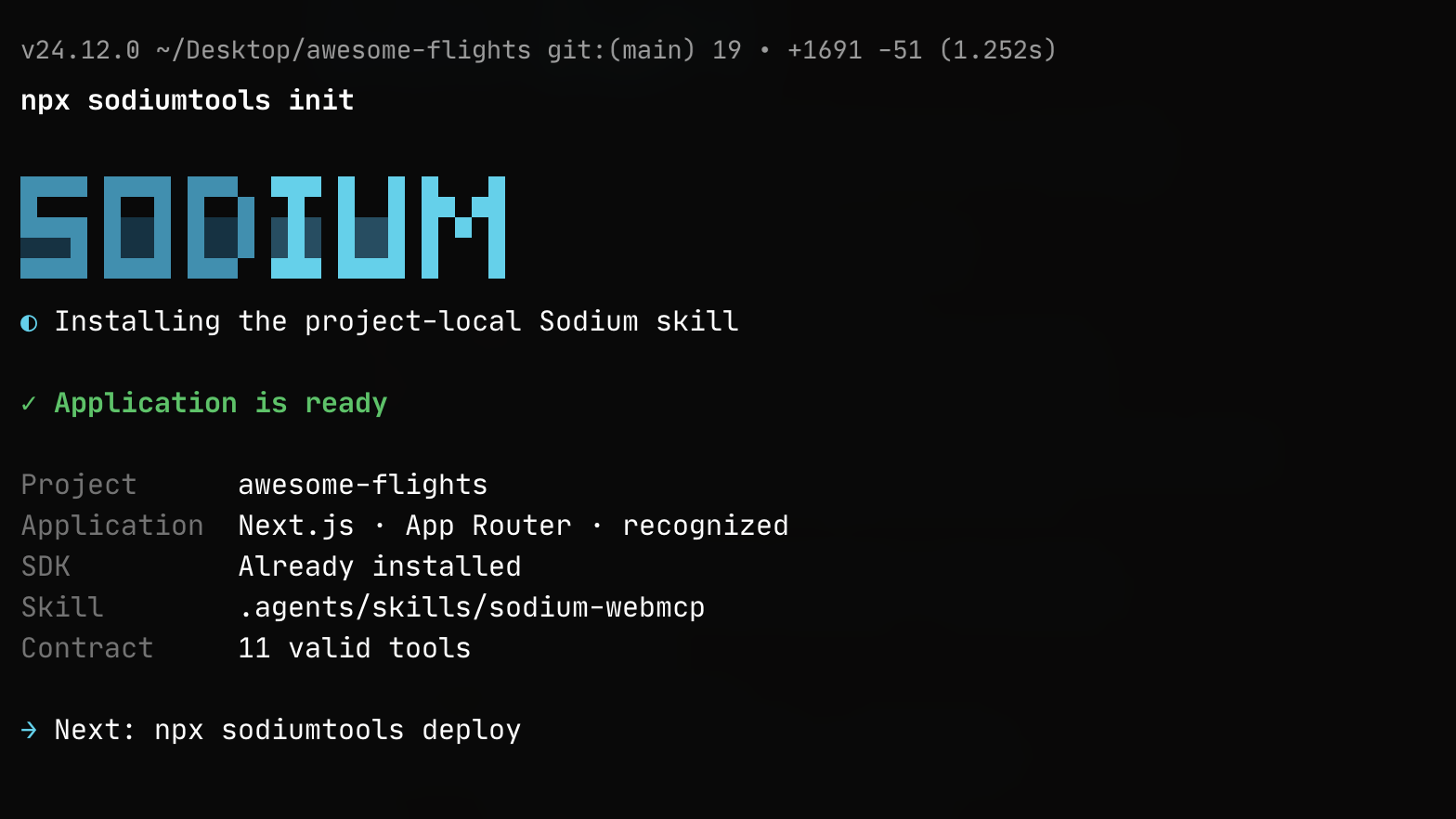
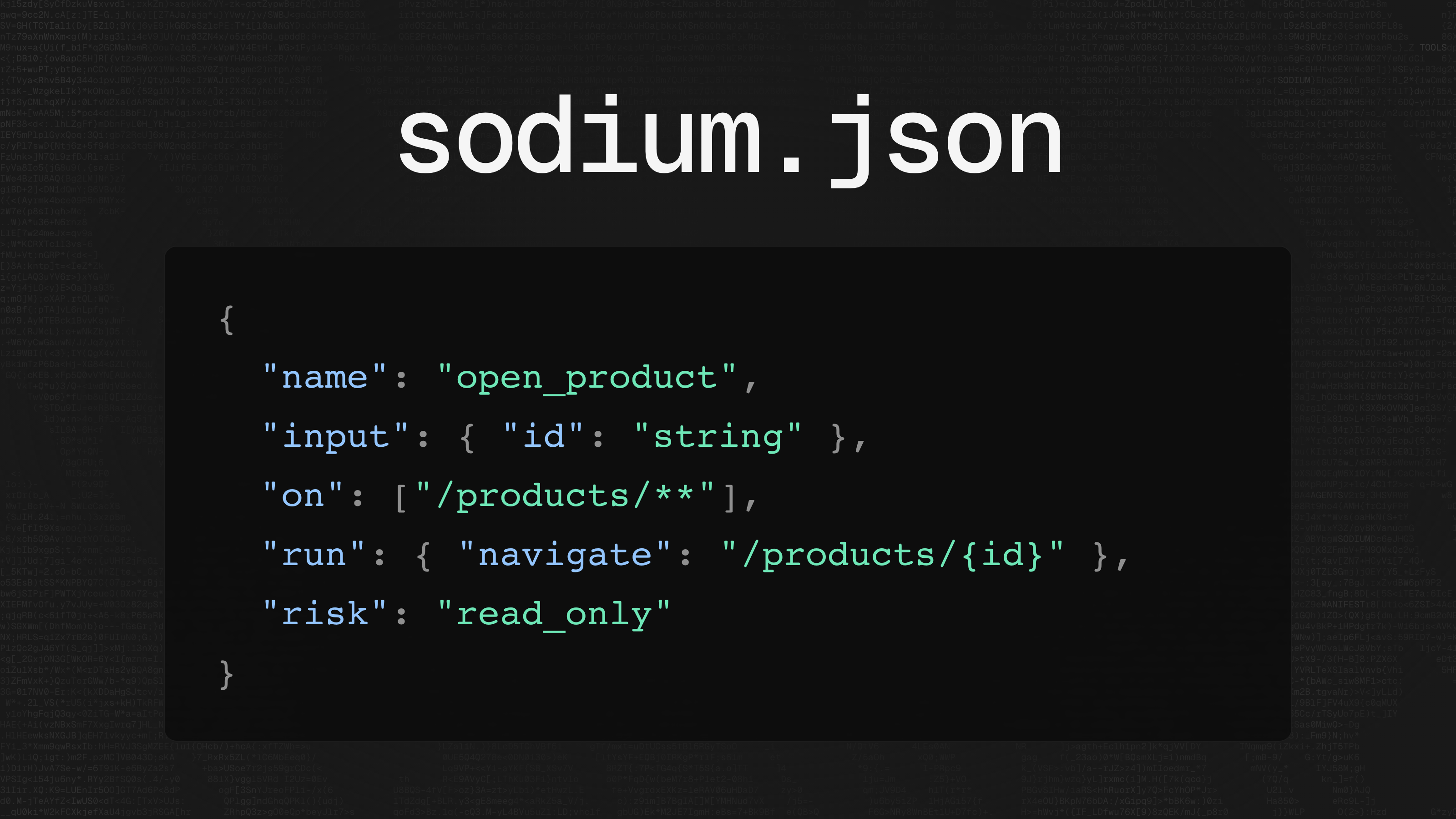
Run npx sodiumtools init, and Sodium inspects the application’s routes, forms, client actions, and same-origin APIs. It then generates a typed sodium.json tool contract, any required browser-safe handlers, and a framework-native SDK integration.
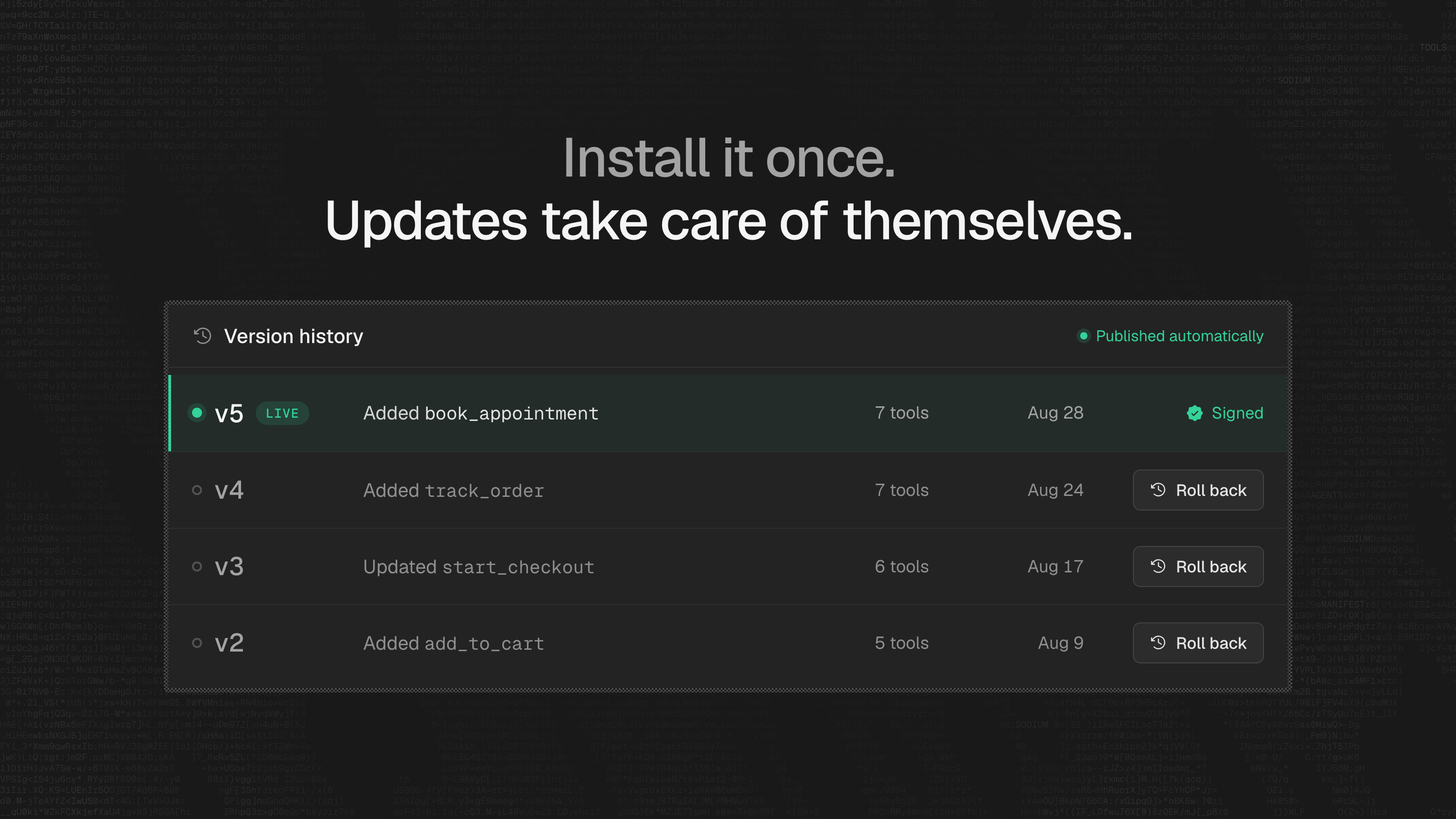
Developers review the changes and run npx sodiumtools deploy to validate, publish, and sign an immutable contract that agents can use to interact with the site.
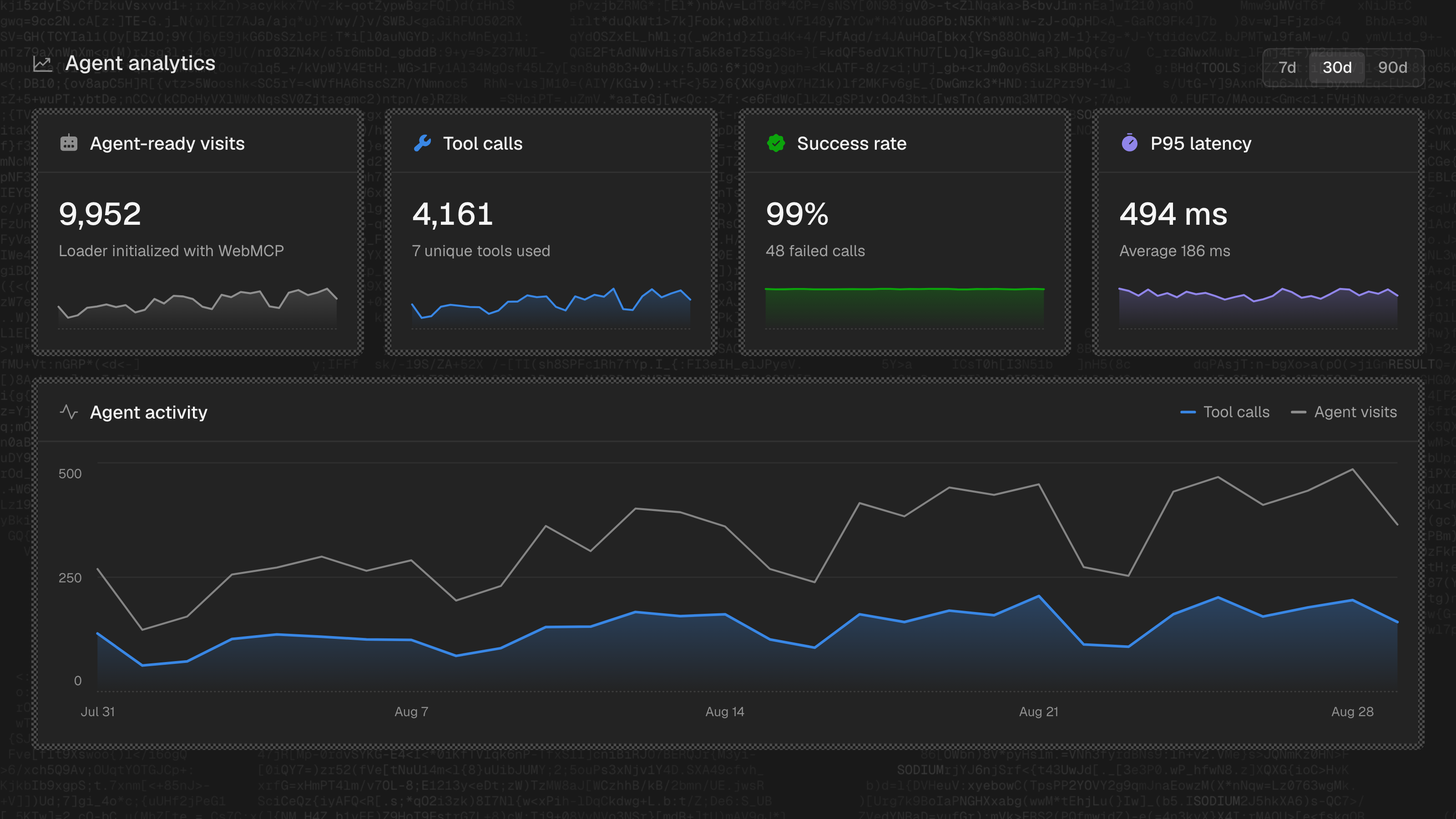
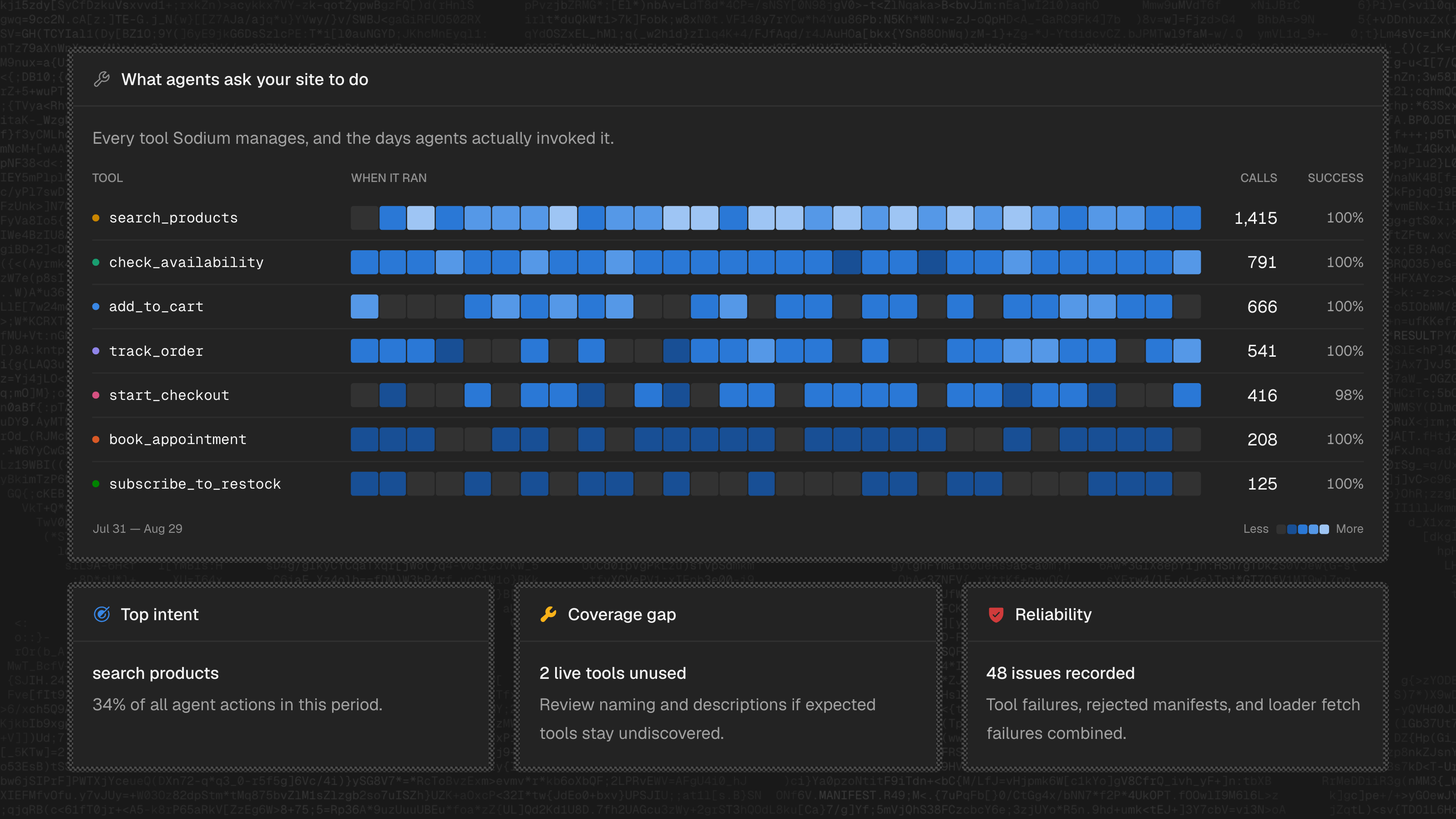
All tool execution happens inside the customer’s application. Sodium is the analytics layer that records what happens at the tool level and gives users a dashboard displaying useful information such as:
- Tool calls
- Success and failure rates
- Confirmation denials
- Registration failures
- P95 execution latency
- Activity by tool and day
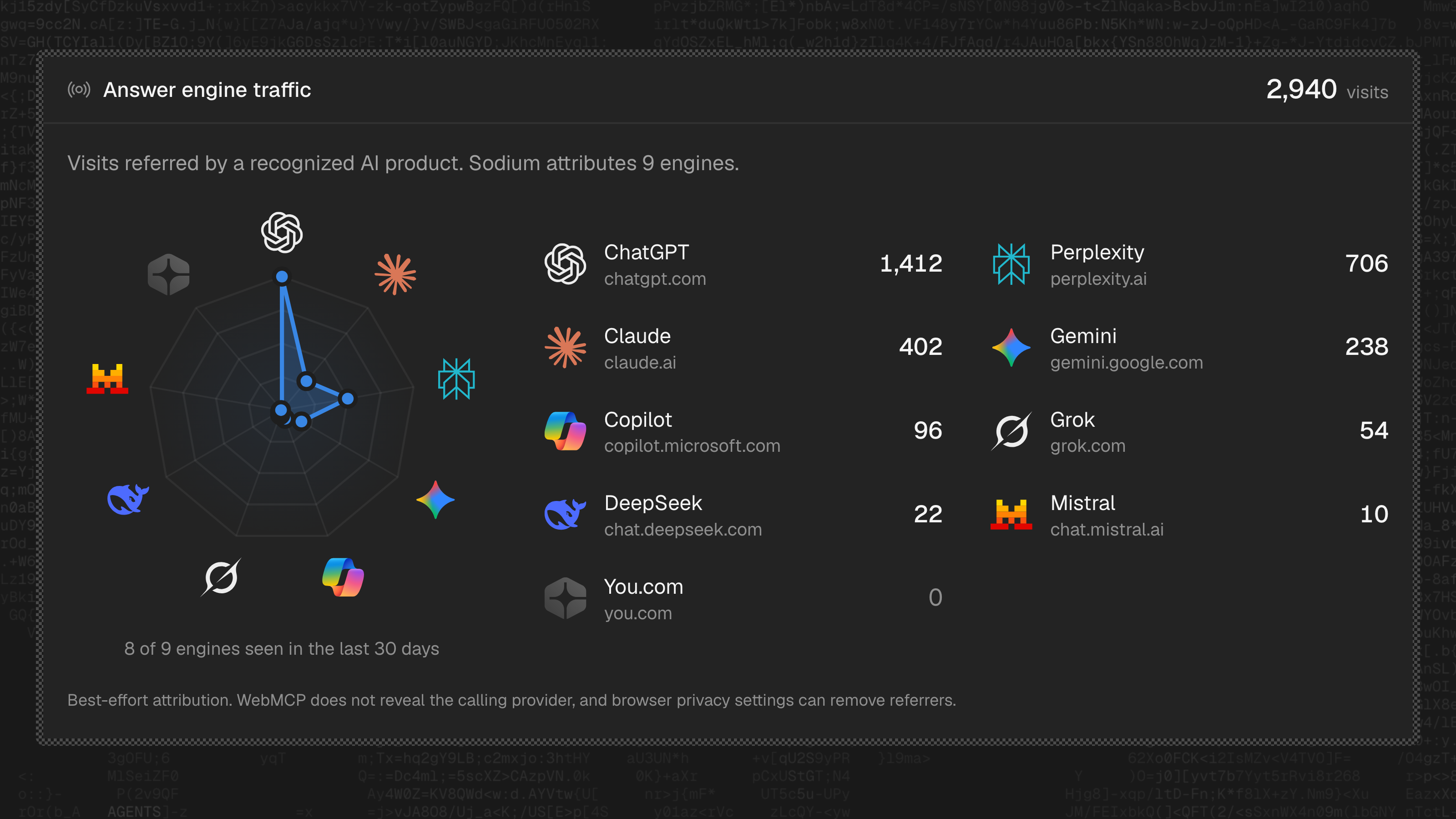
- Answer-engine referrals
How we built it
Sodium is a pnpm and Turborepo monorepo with four main parts:
- A Next.js control plane for authentication, projects, deployments, analytics, and CLI authorization
- A CLI for initialization, validation, deployment, and live diagnostics
- A shared specification package for schemas, compilation, risk rules, and deployment receipts
- A local browser SDK for tool execution, WebMCP registration, and telemetry
Supabase as the database which stores projects, immutable deployments, hashed CLI credentials, and usage events.
Challenges
Understanding the best DX
We launched our first version, in which users added the Sodium GitHub app to their repositories and Sodium generated a PR that added the tools and analytics. Based on the feedbacks we received from x.com/saviomartin/status/2093780571638149523, we revamped Sodium within two days, publishing our CLI and moving to a framework-agnostic approach so that even people with private GitHub repositories could fully trust and use Sodium.
Generating and managing tools accurately
A coding agent can misunderstand an application or invent behavior that does not exist. That’s why we decided to build sodium.json, which serves as a one-stop destination for everything and is much easier for users to manage from a DX point of view.
What we learned
WebMCP is an inevitable technology that will create a world in which agents use the web more than humans do.
Staying at the forefront of the latest technologies will help businesses flourish faster.
Built With
- nextjs
- node.js
- react
- supabase
- typescript
- webmcp

Log in or sign up for Devpost to join the conversation.