-
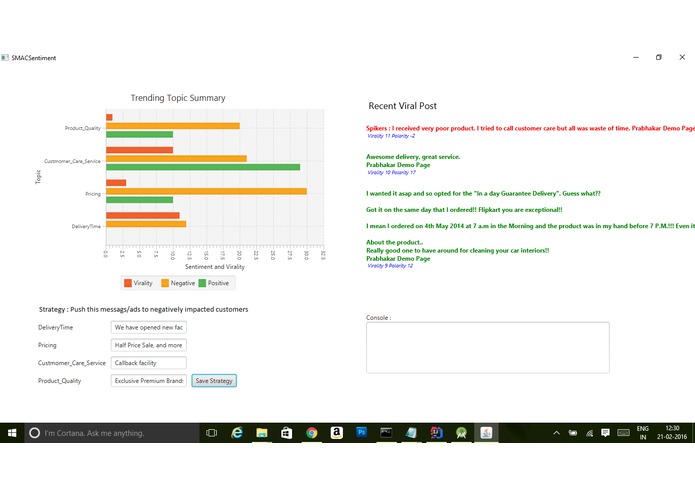
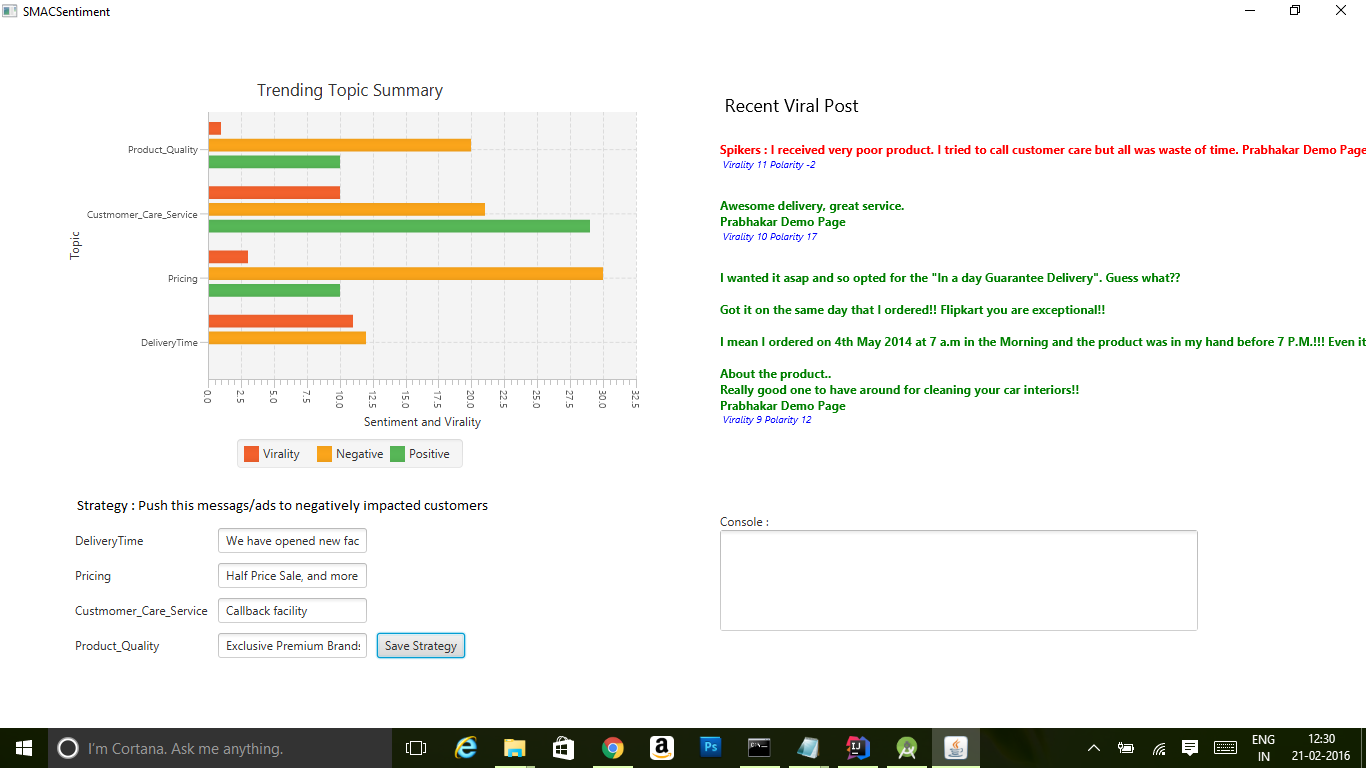
Desktop App: left - customer sentiment about concerned topics and strategy push messages. Right -Recent viral posts, send alarm in -ve viral
-
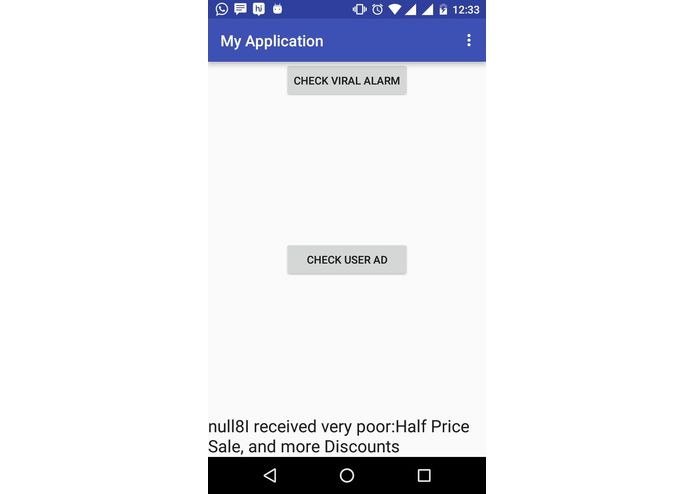
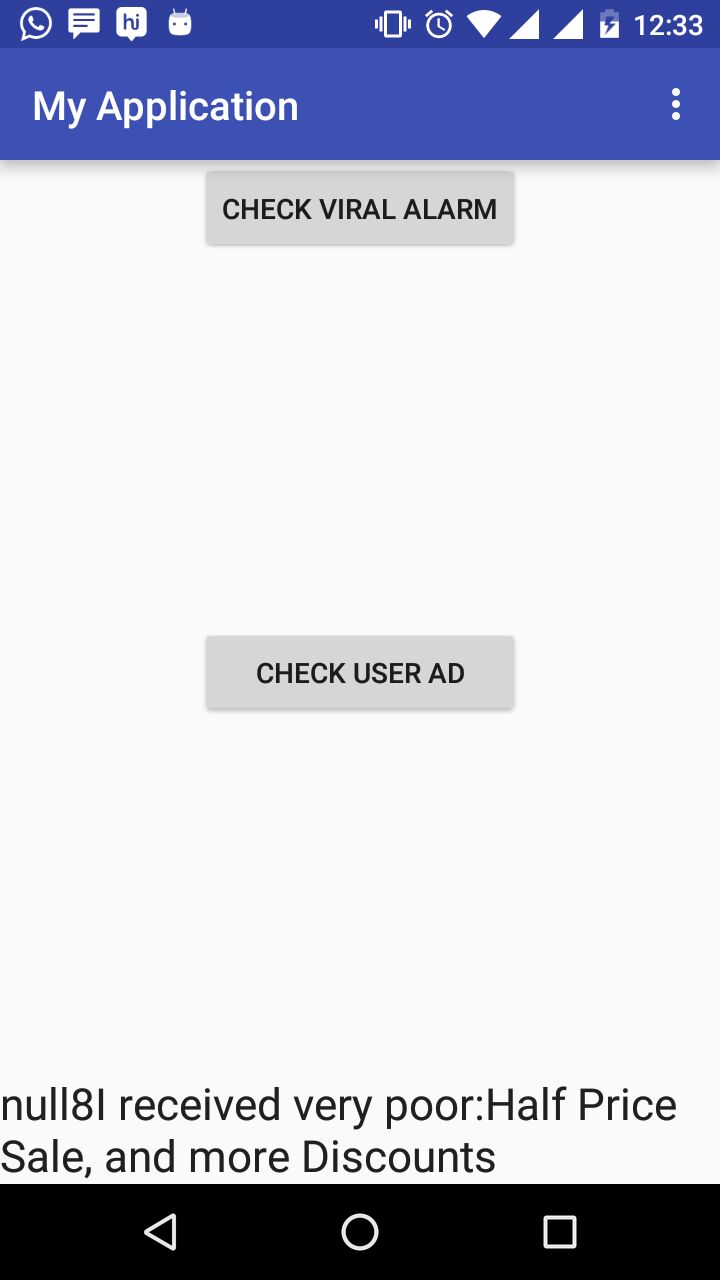
Android app receiving based on social sentiments
Inspiration
The idea is mostly inspired confirmation bias seen on social media. May times negativity goes viral and people discuss things that unconfirmed, exaggerated, rumors. The confirmation bias dominates people and they don't see other side of story.
But what is the business ?
Discussion about political, social things are very common but if this mostly uncontrolled discussion us targeted towards customer facing organisation it may result in loss of customers. If we can analyse customer sentiment (if the discussion is positive or negative), predict if its going viral and out about what topic customer is talking about, we can proactively decide response and strategy to reach out to customer and retain, engage or even re-acquire lost customer. Discussion topic are helpful to figure out what services impacting which user and we can categorize for each topic and its sentiment. Even positive discussion will helpful to improve customer relations.
Description
Sentiment Analysis of content on Social Network and other reviews for better advertising, retaining and re-gaining customers and predicting viral content impacting negatively. Idea is based on SMAC theme for direct customer facing enterprises. We can collect all posts/comments/tweets relevant to enterprise from social networks like Facebook/Twitter and identify general sentiment expressed, identify topic user is talking about, identify customers affected by this (people who shared, like, commented etc.). Eg. For eCommerce portal, people can post things like they are not happy with delivery of product, pricing or sales after service etc. This posts can shared/like/commented by many people and possibly goes viral. We are not only trying to predict if post can go viral but also reachingto the customers we affected by post(customers who liked, commented, shared etc.). The prediction can help to give proper response earlier. Affected customer can be to reach out via push messages, advertising, discounts or other proper response. Even for customer who are positively affected can be reached out for much better engagement. We can associate customer with their social network profile via enterprise product like login with Facebook in mobile app. Alternatively we can guess if a profile on social network is our customer based on public profile information.
What we have built in Hackathon
We have built Java application which collects data from Facebook using Facebook Graph API (restFB). We have collected all data where organisation is tagged. We have created a demo page and collected all post, comments, likes, shares where demo page is tagged.
To deiced polarity and extract topic of post/message we have used lingPipe Sentiment analyzer. Initially its trained with actually data from reviews and Facebook pages of eCommerce sites like Flipkart. We have trained it about 80 test cases. Training data set was small as it was in-memory.
The post/messages are categorized either positive or negative and assigned one topic out of customer service, pricing, delivery and product quality. For each messages and topic we have also identified viralty and also associated with customers (user just first name). In real life these model will be more complected
The tool also predicts if something is becoming viral and have lot of negative sentiment about organization. In these case it generates alarm and sends to android app.
The tool also provides interface to push messages(to android app) to customer based on topics for which customer are negatively impacted.
We have built case for eCommerce but this model can be applied to any direct customer facing business.
Challenges we have faced
One on major challenge was identify sentiment polarity and extract topic. There are multiple tools are already available for this classification but few of them are targeted towards social network . Moreover mixed, urban and multilingual words makes is difficult to classify and impacts accuracy. Also we have to manually categorize data for training sentiment analyzer. Despite this things we have got very good accuracy close to 90%, however our test data was much smaller and this figure may not hold for a larger data set. Data model used for used to store all these data is very simple in favor of time to complete. Another challenge was to associate customer profile with their social network profile.We used simplistic model here.
Built With
- android
- facebook-graph
- java
- lingpipe
- restfb

Log in or sign up for Devpost to join the conversation.