-
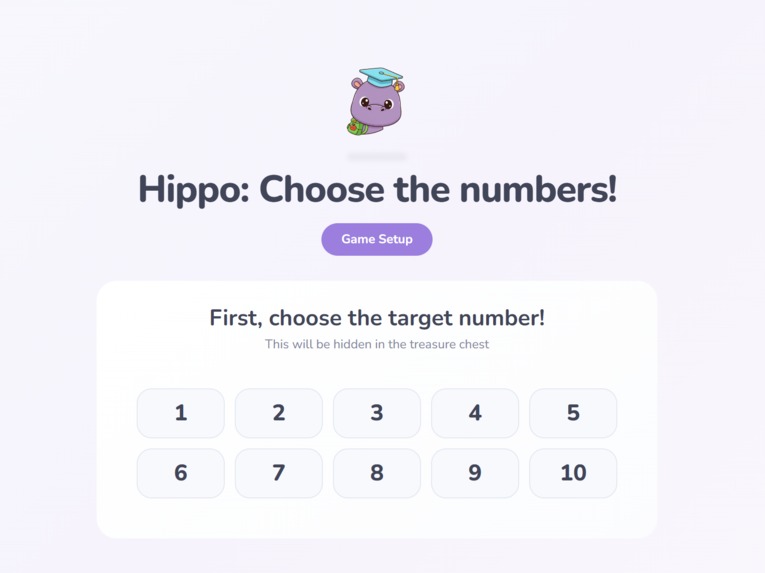
Clue giver page
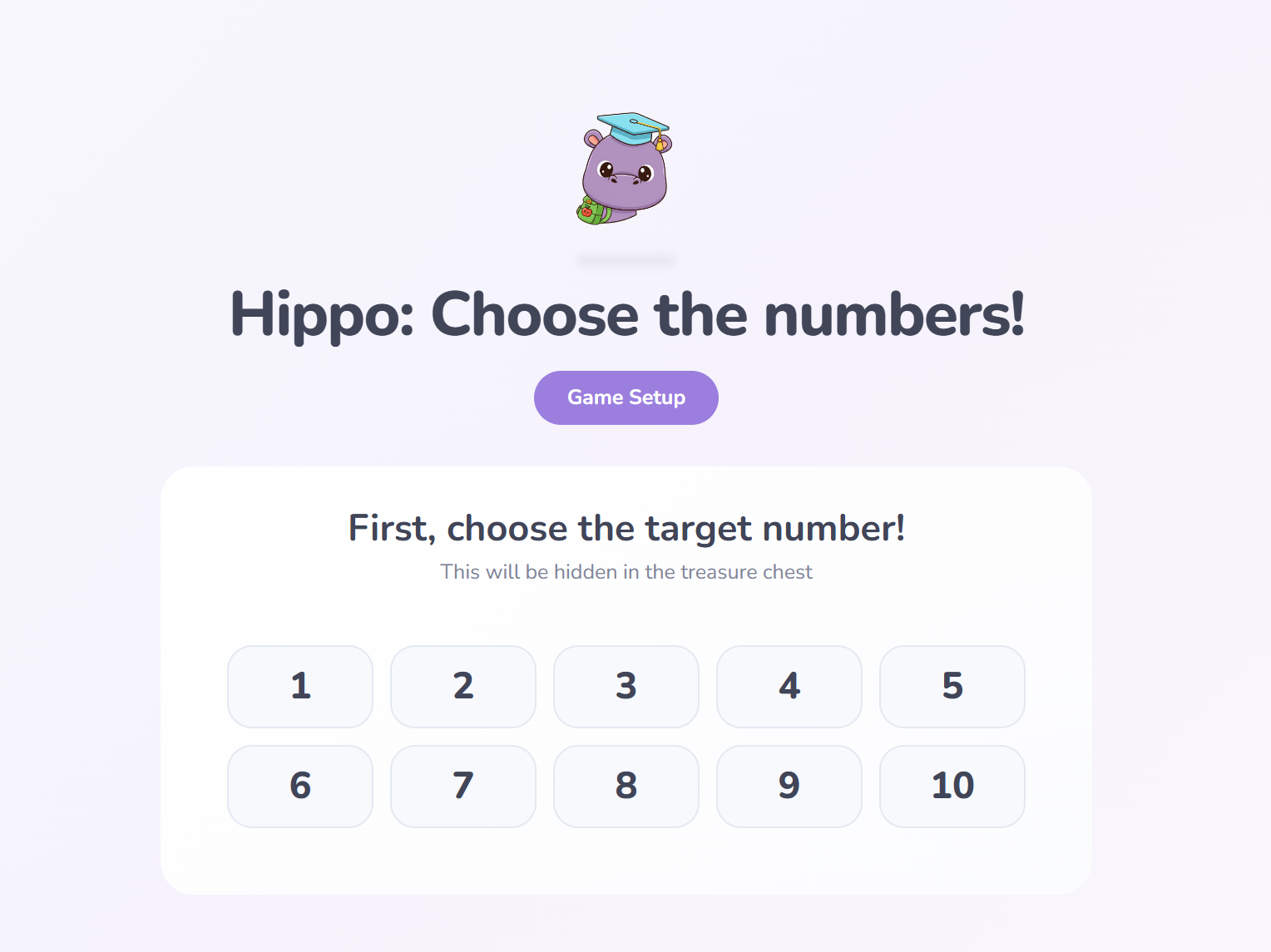
Inspiration
Autistic Spectrum Disorder is prevalent, as 1 in 31 children in US has a diagnosis of autism. I was inspired by my own interaction with autistic children. I noticed that the struggle with Theory of Mind could explain their empathy barrier. During my interactions with children, I noticed that games are the best method for engagement and learning. We wanted a game that makes this concept concrete, playful, and accessible, while normalizing mistakes as part of learning.
Theory of Mind Explained
Theory of Mind (ToM) refers to the cognitive ability to understand that others have thoughts, emotions, and perspectives that differ from one's own. This ability is essential for communication and social development. Children diagnosed with autism spectrum disorder (ASD) often experience difficulties with ToM, particularly in perspective-taking and false-belief reasoning, negatively impacting their social interaction and academic performance.
What it does
Our game is an accessible, child-friendly guessing game where players receive different clues about a hidden number. By comparing their clues and discovering why guesses differ, children naturally learn perspective-taking, flexible thinking, and why mistakes happen. Audio prompts, simple visuals, and customizable animal characters ensure the experience supports a wide range of learners.
How we built it
We designed a lightweight, modular game system with clear role assignments (Clue Giver, Guessors), adjustable difficulty through clear/ambiguous clues, and an Owl moderator that delivers audio guidance. The UI was intentionally minimal, color-coded, and sensory-friendly to reflect inclusive design principles. Content, clues, and difficulty are flexible so the system can scale beyond numbers into other learning domains.
Challenges we ran into
Our biggest challenge was the fine-grained accessibility work. Every single element had to be designed with neurodivergent learners in mind. Accessibility couldn’t be a single feature; it had to be everywhere, woven into UI, game flow, logic, and even how mistakes were framed. Balancing simplicity, clarity, and engagement across all components took careful iteration.
Accomplishments that we're proud of
We successfully built a game mechanism that can be generalized far beyond math. The same structure—multiple perspectives, incomplete information, and guided guessing—can be adapted to music, science, reading comprehension, emotional learning, and daily-life scenarios. We’re also proud that the design helps parents, educators, and therapists better understand how autistic children think, making the game a bridge between neurodivergent learners and the adults supporting them. Most importantly, we created a flexible, highly reusable framework for Social Learning Games that can scale across contexts, ages, and learning goals.
Accessibility Design that we used
We designed the game with accessibility embedded into every layer—visual, interactive, and auditory. Aesthetically, the interface uses simple, high-contrast visuals, color-coded elements, and clean layouts to reduce sensory load and support easy navigation. Customizable animal avatars let players choose familiar colors and characters, creating a sense of comfort and personal connection. Throughout the game, a friendly Owl moderator provides audio prompts that guide players step-by-step, reducing reliance on reading and supporting children with varied language or processing needs. Together, these elements create a predictable, low-stress, and inclusive experience tailored for neurodivergent learners.
Built With
- lovable


Log in or sign up for Devpost to join the conversation.