-
-
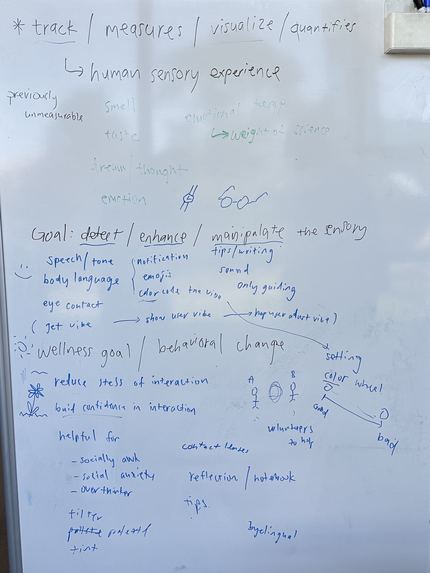
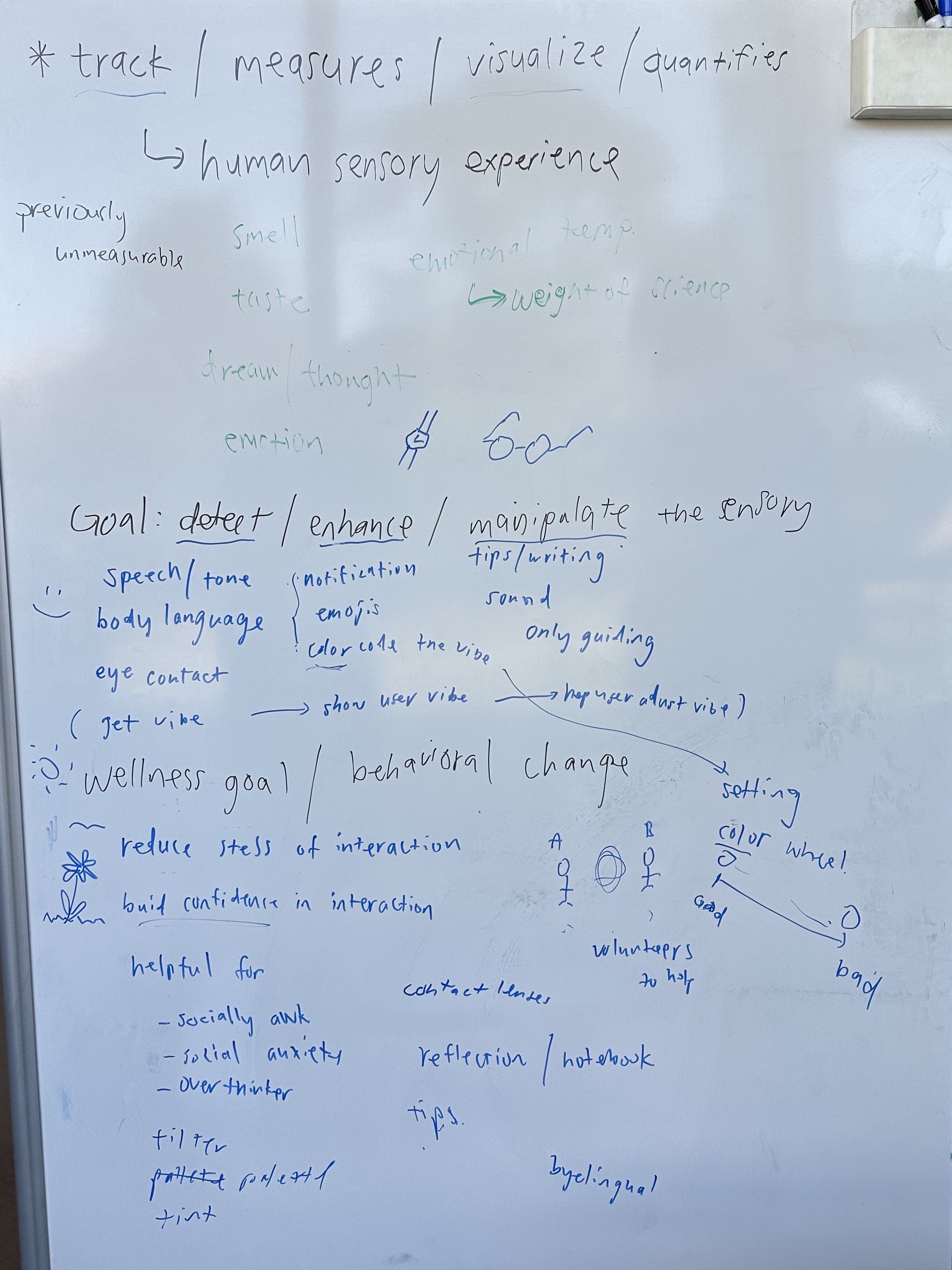
Brainstorming ideas on whiteboard
-
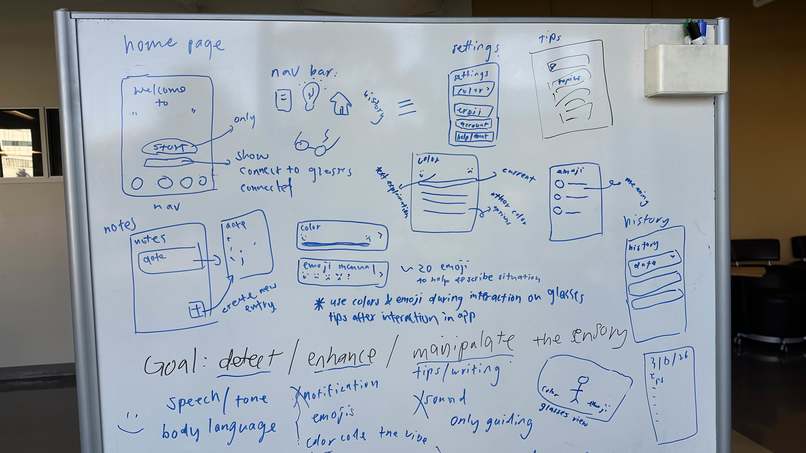
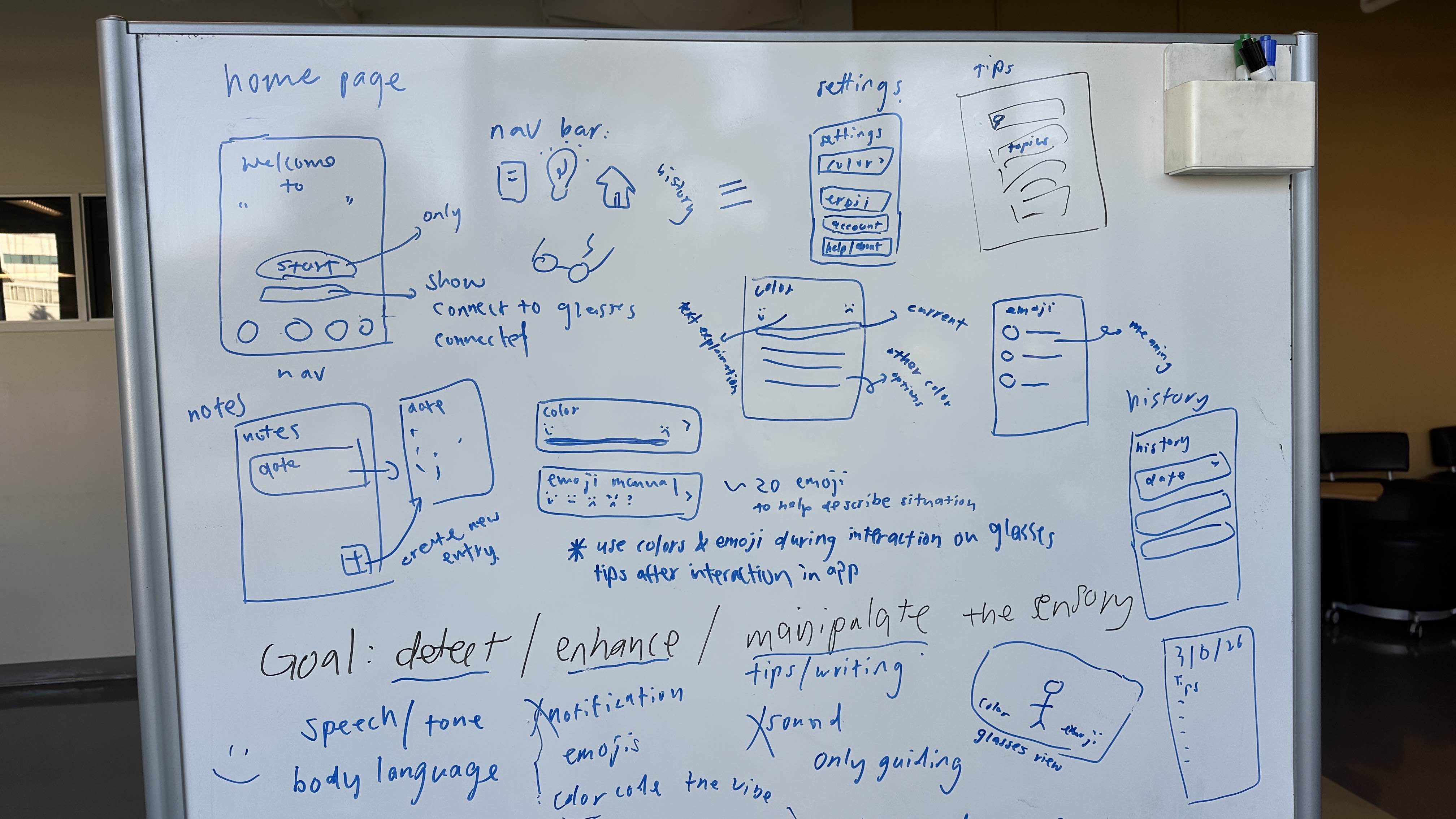
Hand drawn mockups
-
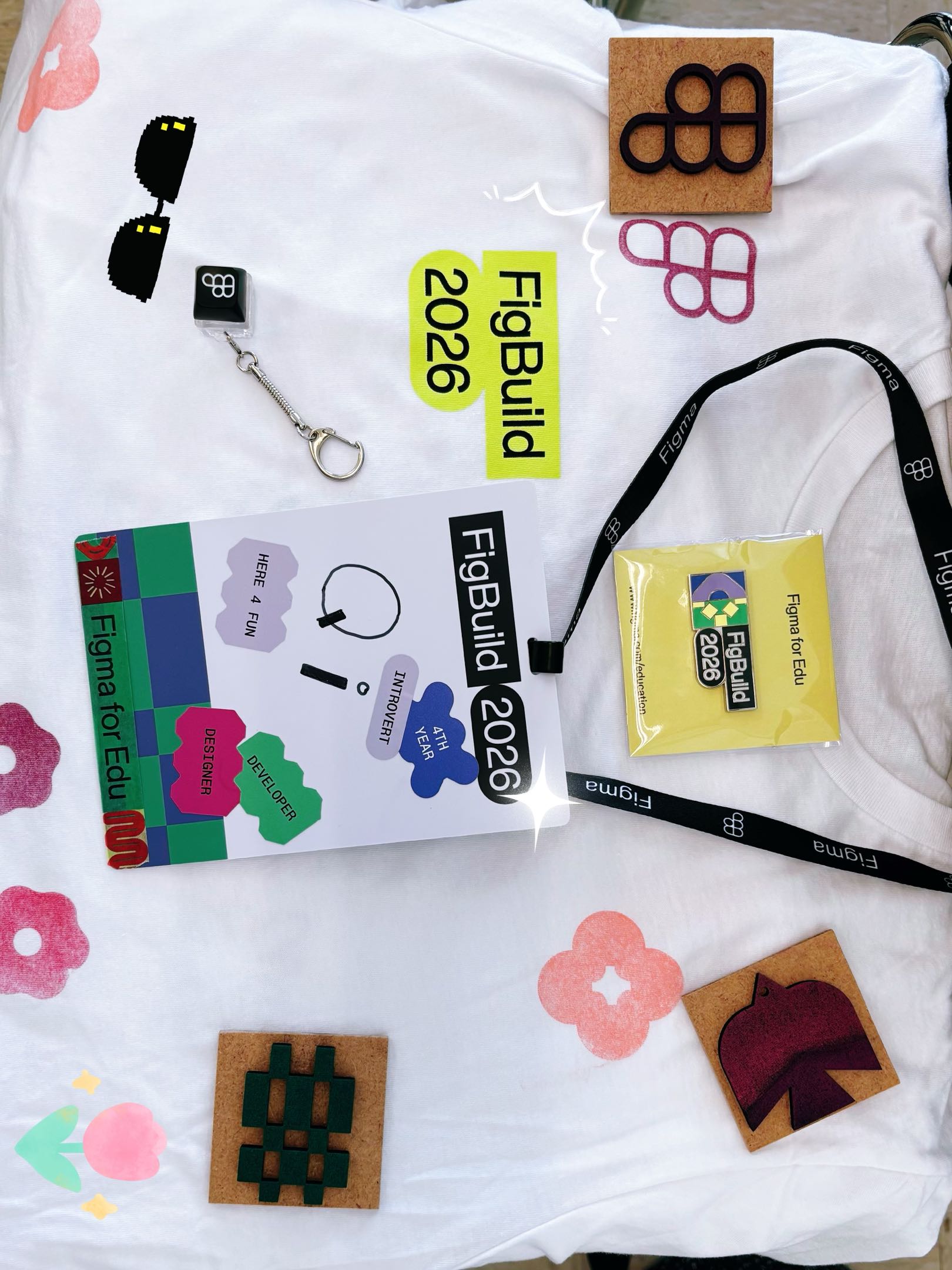
SFSU Launch Party - Qi
-
SFSU Launch Party - Emily
-
Brainstorming friend
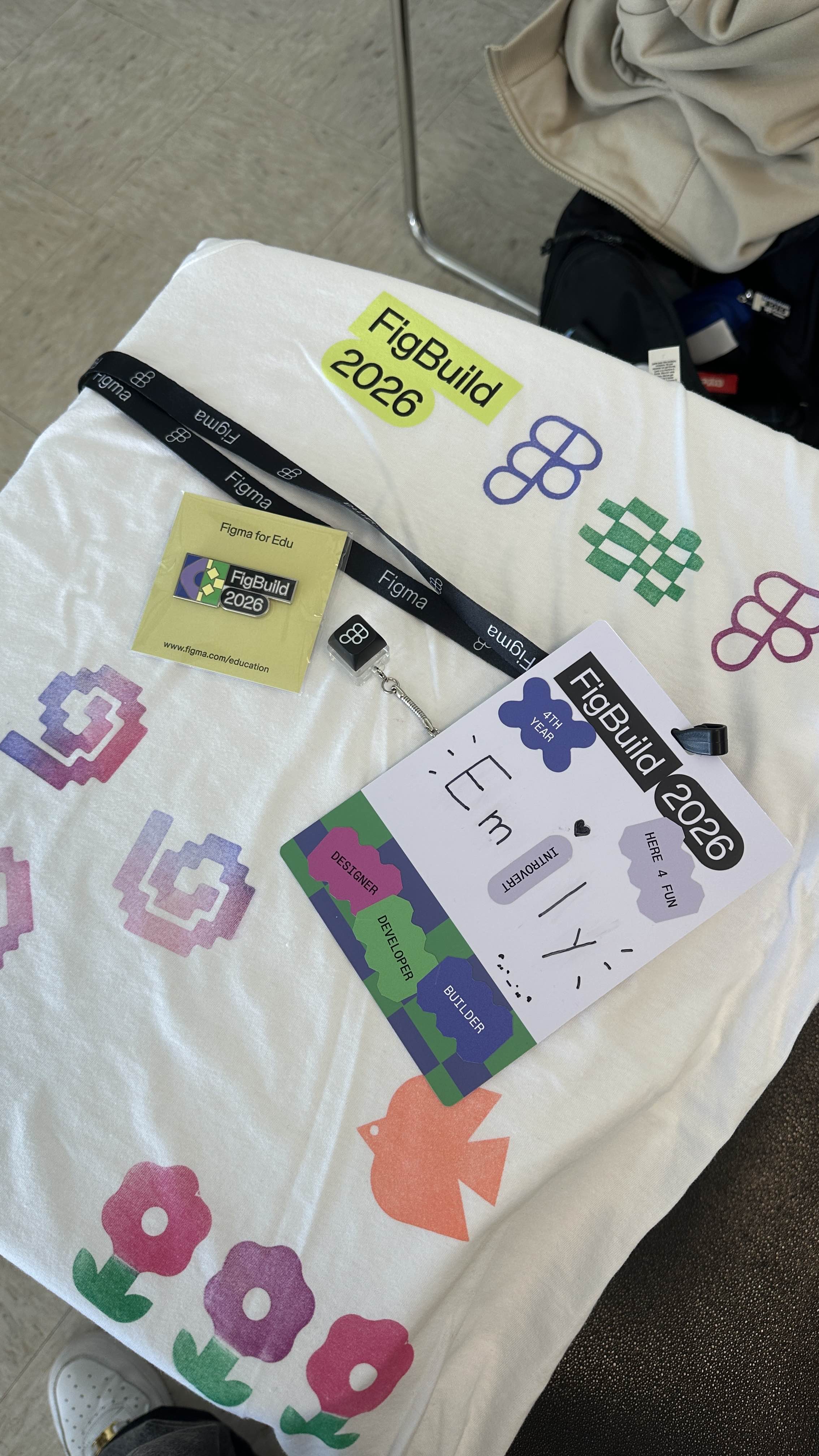
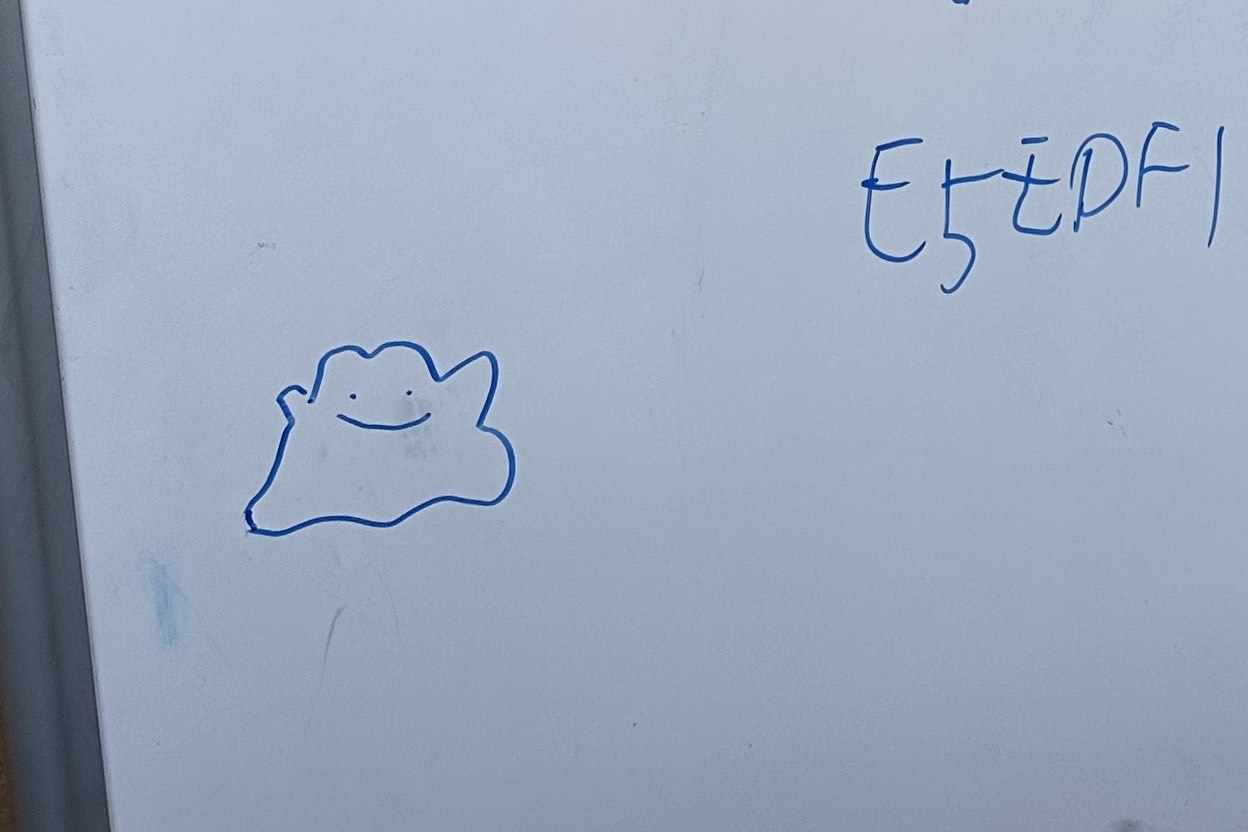
Inspiration
Social Hue was inspired by the quiet mental spiral that happens after every day social interactions. Many people don’t struggle with speaking; they struggle with interpreting. A pause, a shift in tone, or a glance away can trigger overthinking: Did I say something wrong? Did I misread that? Are they upset?
We were inspired by how common yet invisible this experience is, especially for individuals with social anxiety. Over time, this uncertainty leads to avoidance, exhaustion, and shrinking social confidence. We wanted to build something that supports people in those moments — not by telling them what to say, but by helping them better understand the emotional atmosphere of their conversations.
Our idea became simple: vibe awareness + gentle guidance.
What it does
Social Hue is a wellness app that reads the “vibe” of conversations and provides supportive guidance — not scripts — to help users feel calmer and more socially confident.
By connecting to wearable devices such as smart glasses, Social Hue analyzes signals like speech patterns, tone shifts, body language, facial expression, and even silence. Instead of overwhelming users with raw data, the app translates this information into:
- A dynamic vibe color
- A correlated emoji
- Gentle post-conversation guidance
During an interaction, the interface subtly shifts color to reflect the detected emotional atmosphere. Afterward, users receive reflection-based tips and can journal in the Notebook to build long-term awareness and confidence. Social Hue also includes:
- A searchable Tips Booklet
- A History page to track growth over time
- An Emoji Manual for transparency
- Customizable vibe colors and emotional scales
The goal isn’t perfection in conversation — it’s reducing uncertainty and overthinking.
How we built it
We started the project by brainstorming different ideas and visions we had. We discussed some situations we've run into ourselves. We came up with different personas and looked at the idea from their point of view to find the best way to support our users.
Once we had the goal in clear view, we started thinking about what our app would look like. We looked at color palettes, typography, page elements, and different formats to eventually settle on one set of designs that would best fit our image.
We built the prototype for our app with Figma Make. We prompted the AI to build the app with what we have envisioned, and prompted it to make changes so the final prototype fits our expectations perfectly. With the help of the Figma Make, we were able to see our app come to life.
Challenges we ran into
One of the main challenges we faced was working with Figma Make to produce the exact transitions and button interactions we envisioned. While the tool accelerated our design process, achieving smooth, subtle animations — especially for dynamic color shifts and live interaction states — required multiple iterations and precise prompting.
Another challenge was video editing. Translating our full concept into a short, cohesive demo required careful scripting, pacing, and visual storytelling. Balancing clarity, emotional impact, and time constraints pushed us to refine both our message and our presentation skills.
Accomplishments that we're proud of
We’re especially proud that we took Social Hue from idea to functional concept in just three days. What started as a brainstorming session quickly became a structured product with defined modules, UI systems, and a behavioral framework.
We’re also proud of the discipline and teamwork behind it — long, focused, and highly productive work sessions at the library where we pushed each other to refine details, challenge assumptions, and stay intentional about our vision.
Most of all, we’re proud that we built something meaningful — not just technically interesting, but emotionally impactful.
What we learned
Throughout this project, we learned how important it is to prompt with clarity and intent when working with AI tools. The specificity of our instructions directly shaped the quality of the outputs.
We also gained a deeper understanding of the limitations of building with AI. While AI can accelerate workflows and generate strong foundations, human direction, iteration, and refinement are still essential for nuance and emotional design.
Most importantly, we learned how to strategically use AI tools to work more efficiently — speeding up ideation, prototyping, and iteration while maintaining creative control.
What's next for Social Hue
Looking ahead, we want to expand Social Hue beyond an individual tool into a supportive community space where users can share experiences, reflections, and growth in a safe and moderated environment.
We are also exploring additional sensory feedback options — such as subtle sound cues or vibration-based signals — to enhance emotional awareness without disrupting conversations.
Long-term, we envision Social Hue evolving into a holistic social confidence platform that combines emotional intelligence, wearable technology, and community-driven support.
Built With
- figma


Log in or sign up for Devpost to join the conversation.