-
-
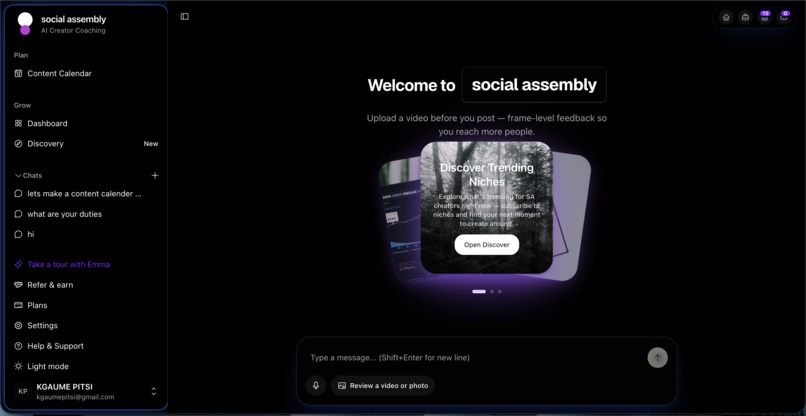
Home Screen
-
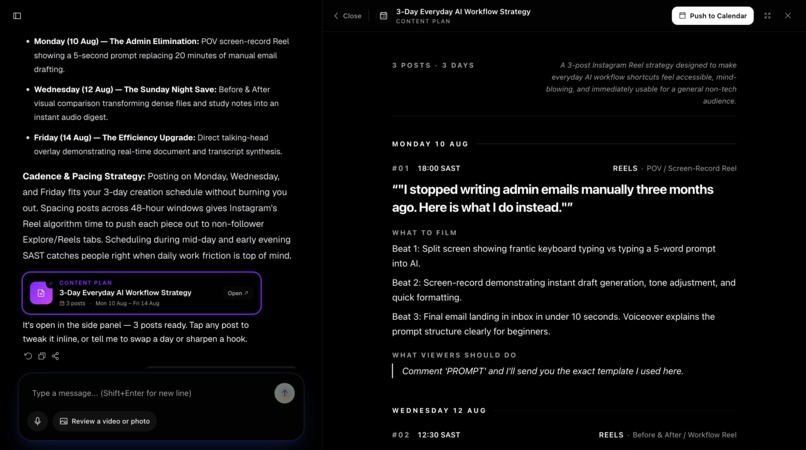
Content plan
-
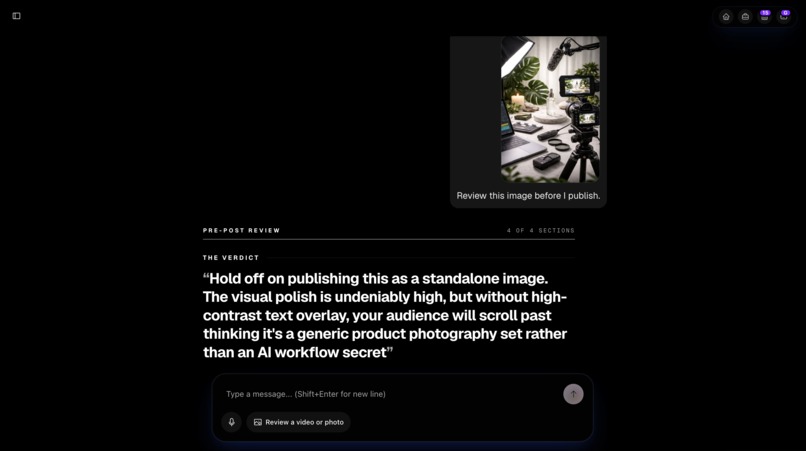
Post Media review
-
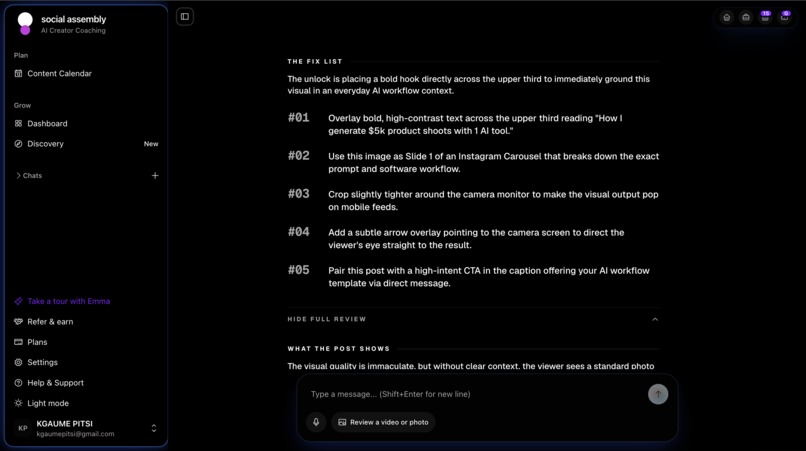
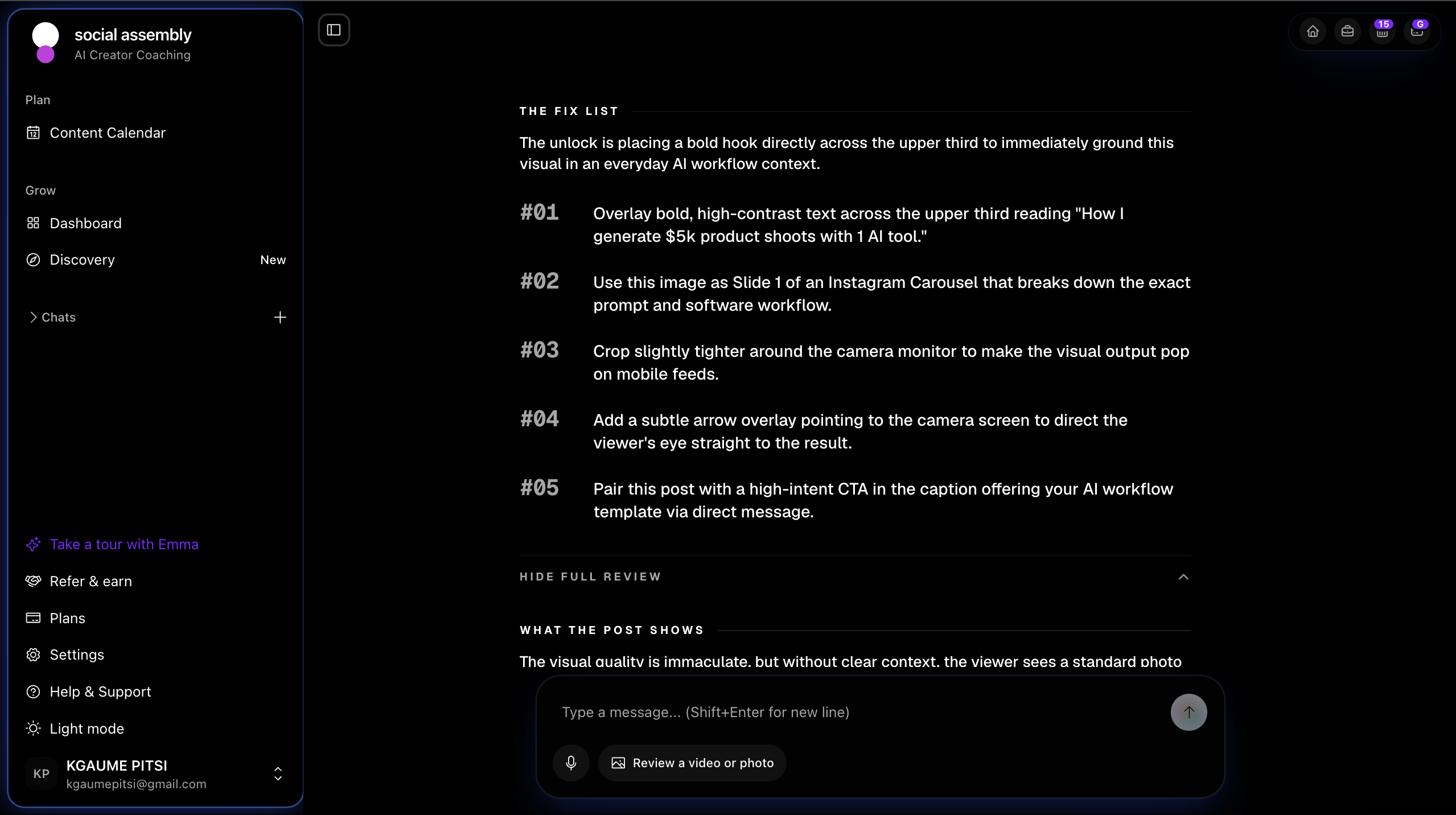
Media review fix list
-
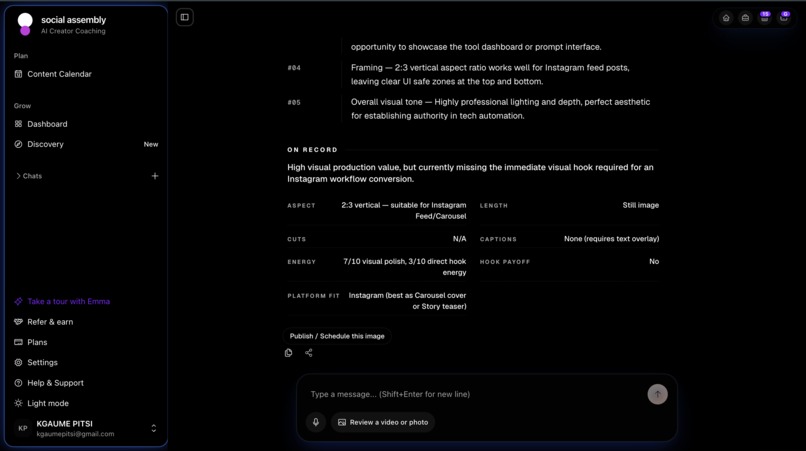
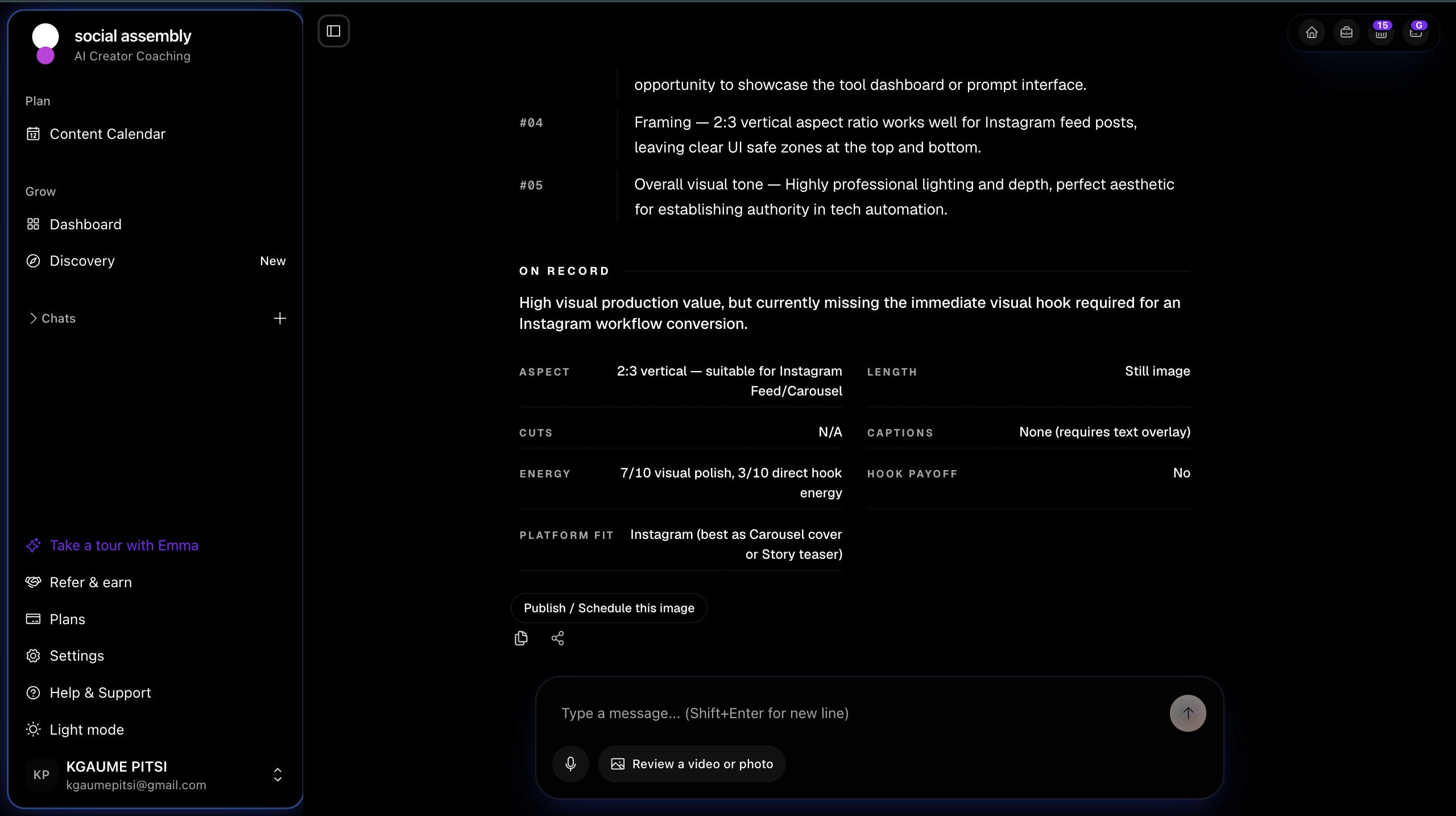
Media review in-depth analysis
-
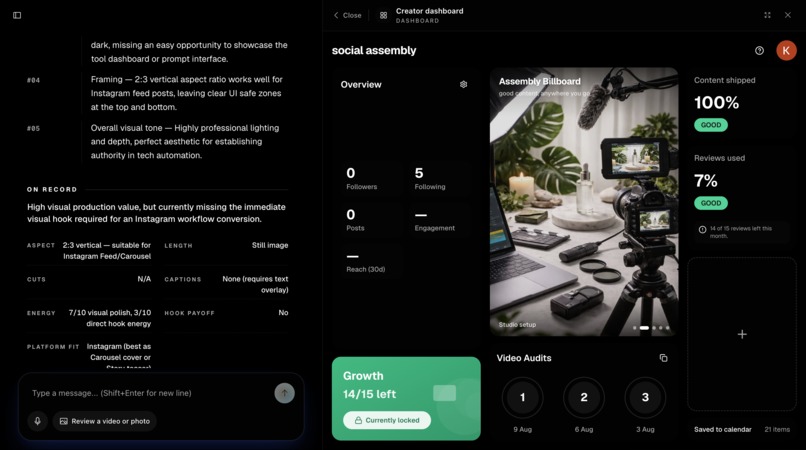
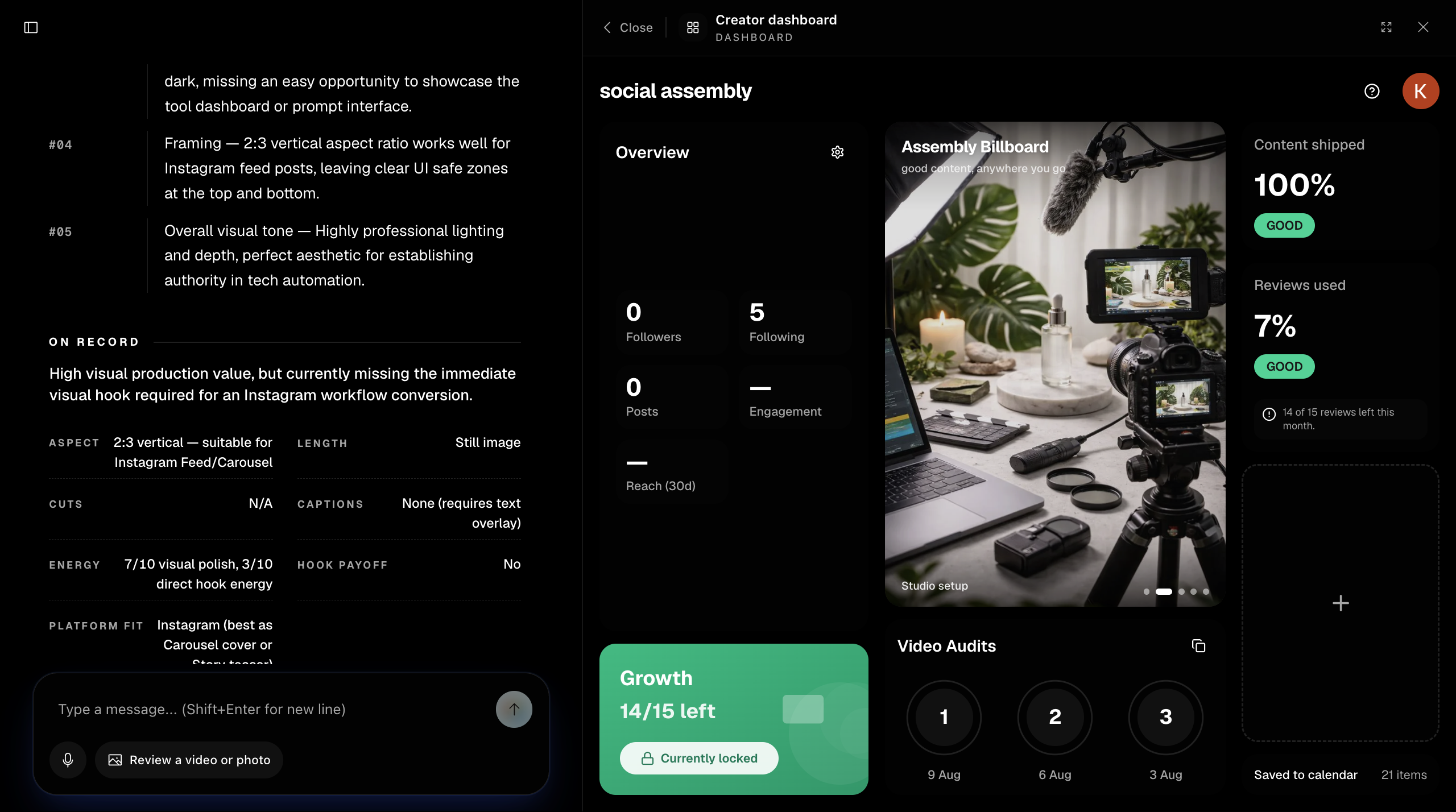
Dashboard artifact with live social media analytics
-
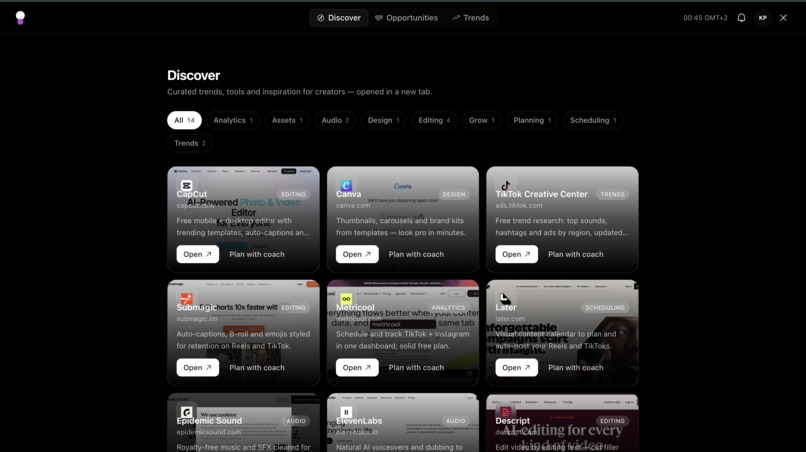
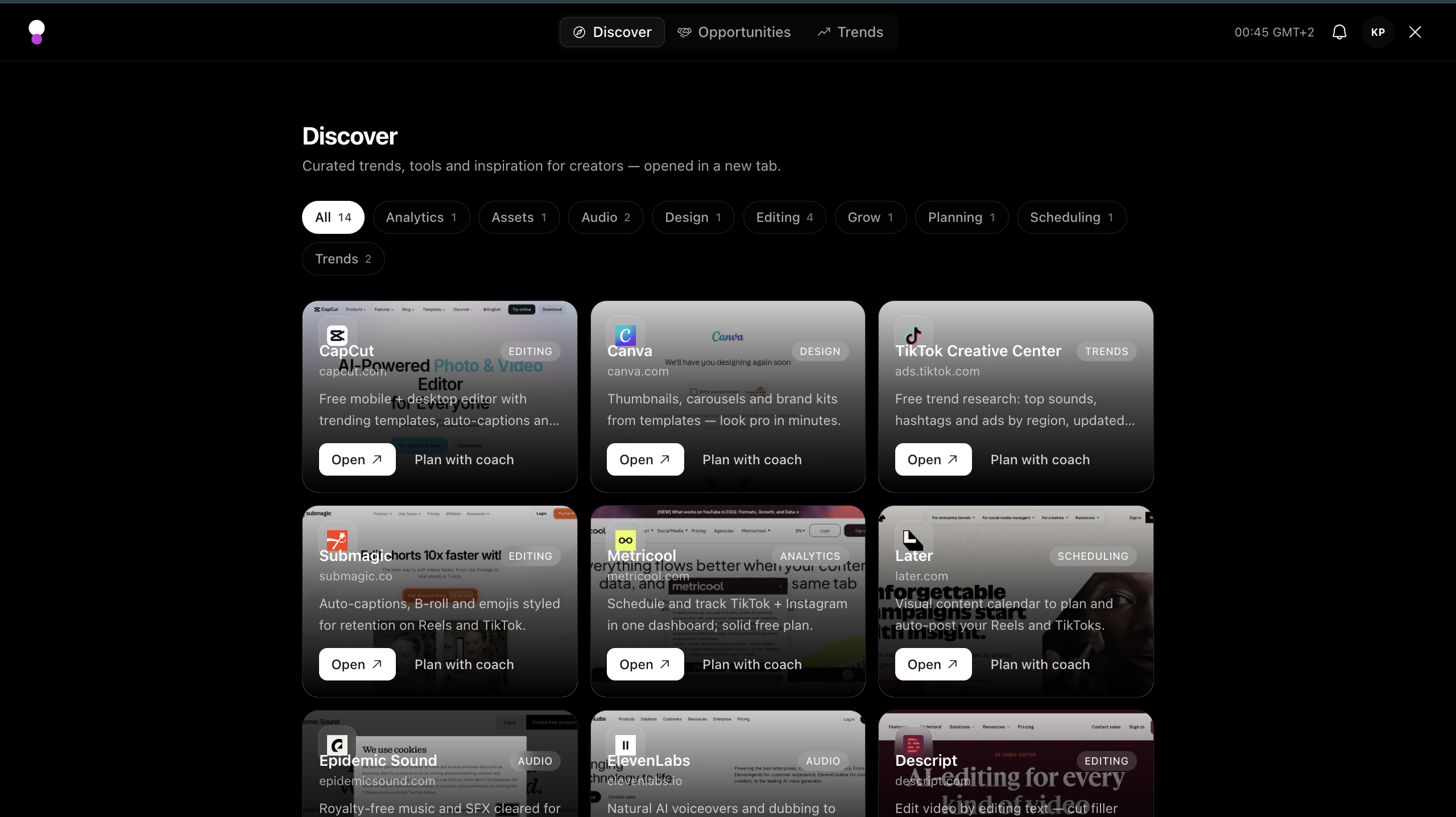
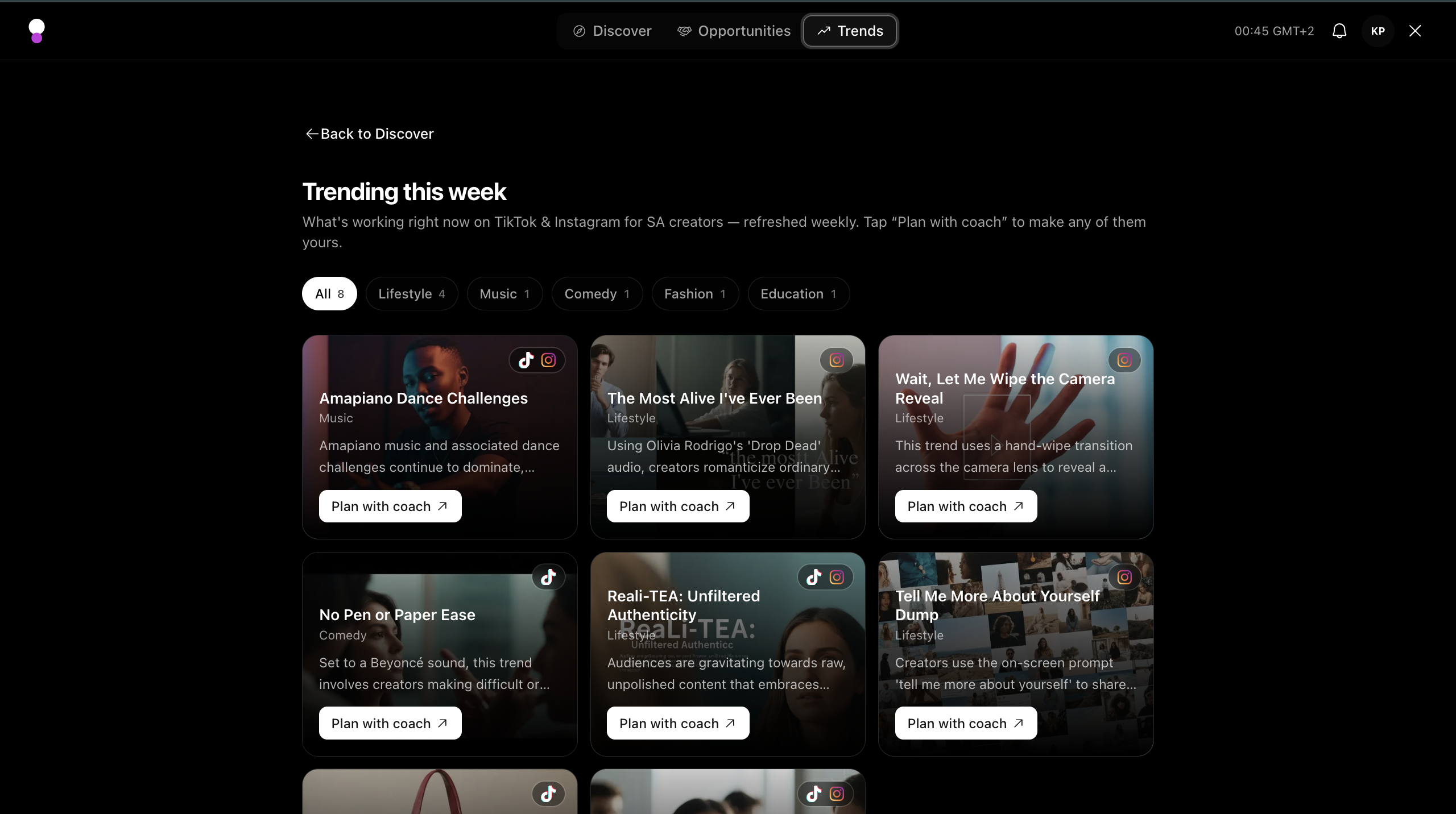
Discovery section
-
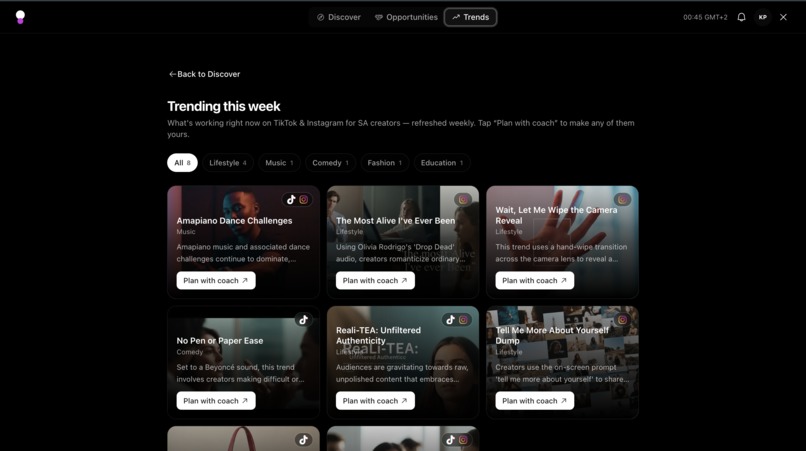
Live Trends
-
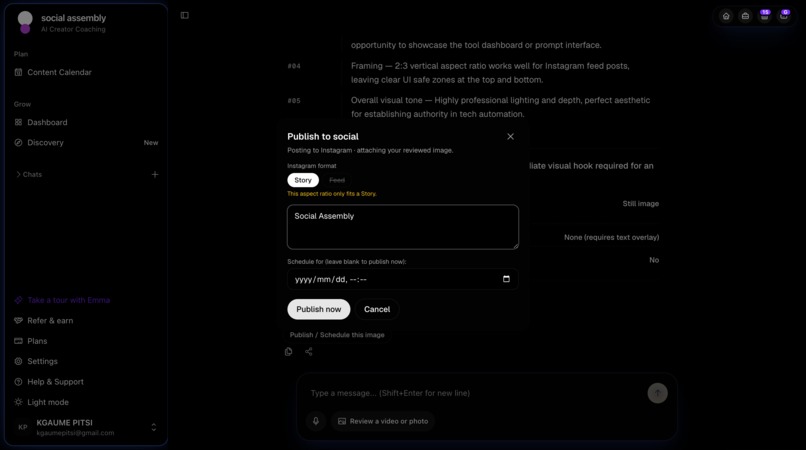
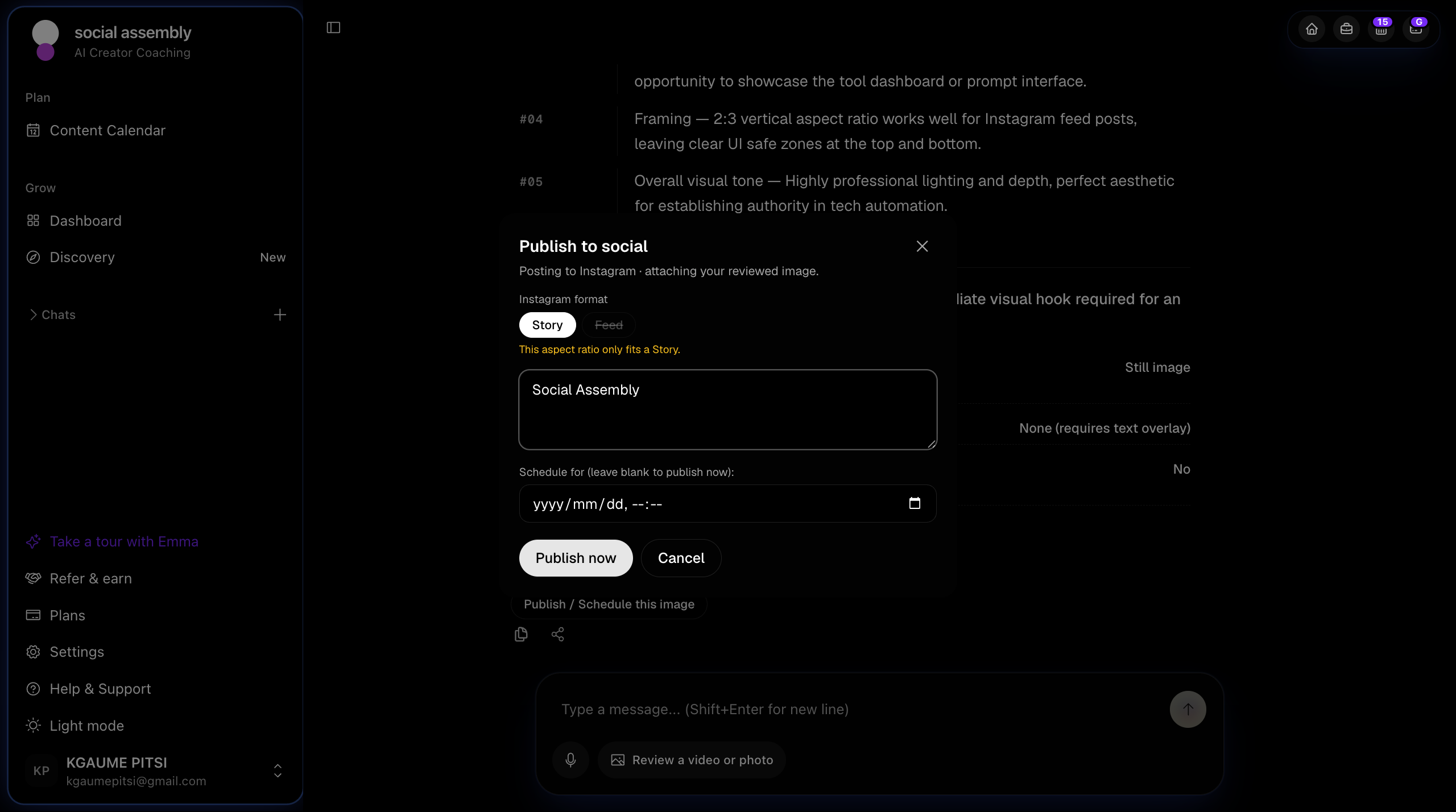
Direct posting/scheduling from Social Assembly to social media platforms
-
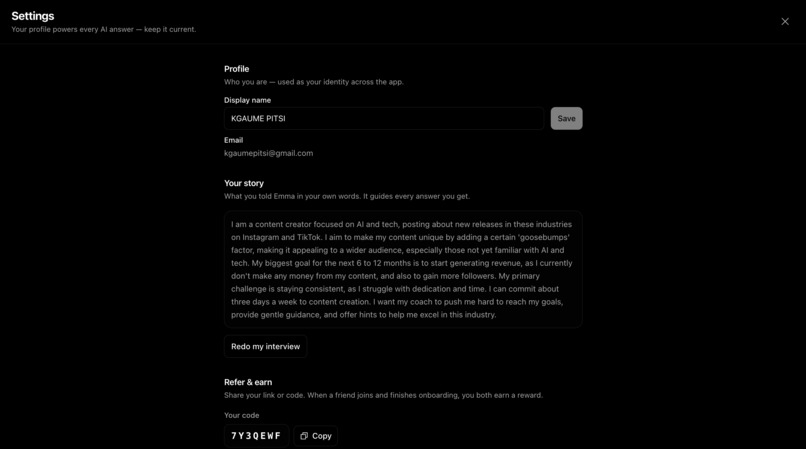
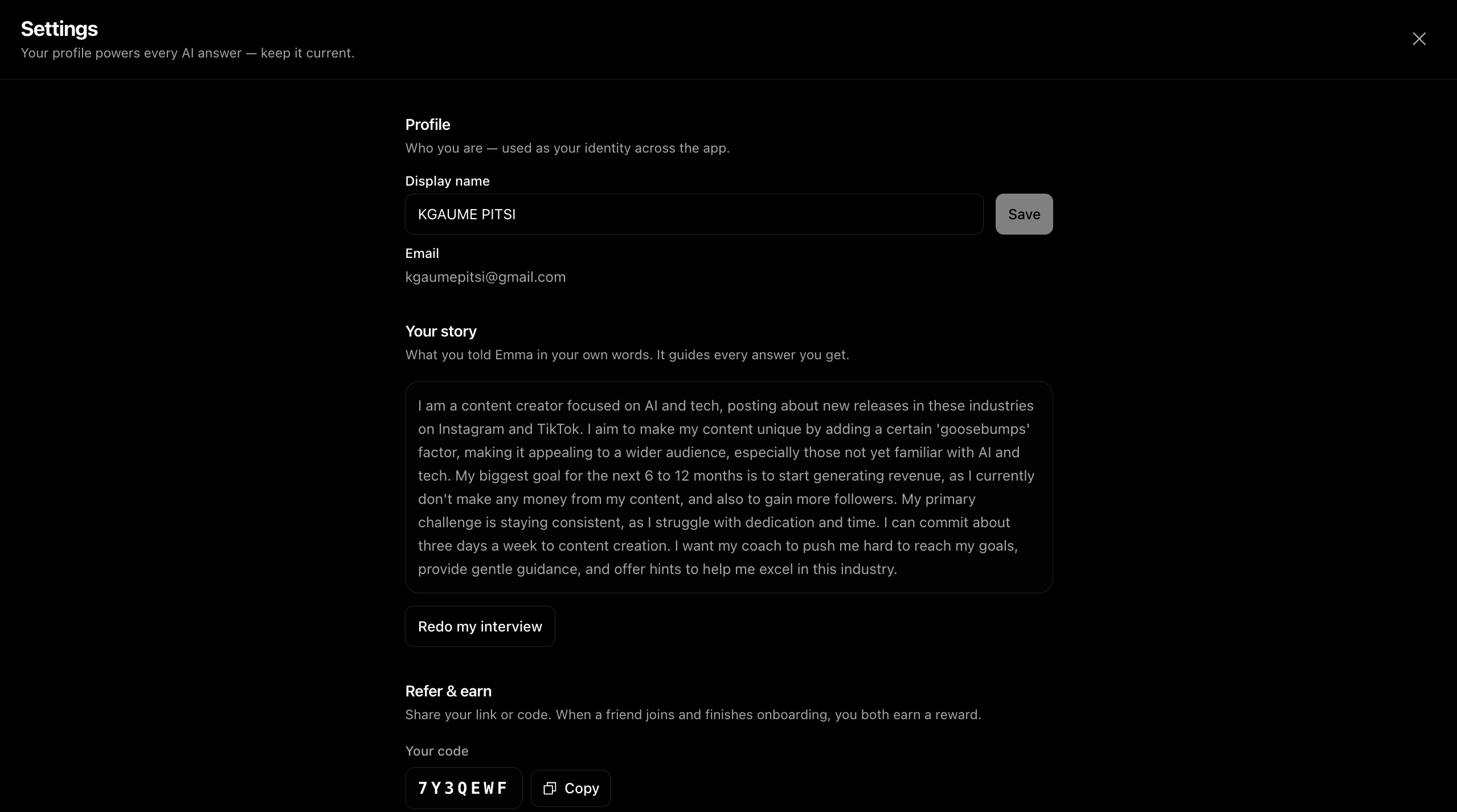
Creator profile
-
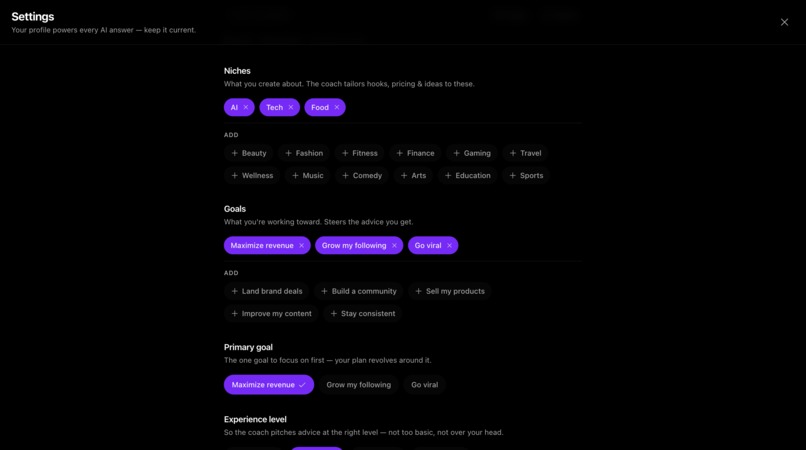
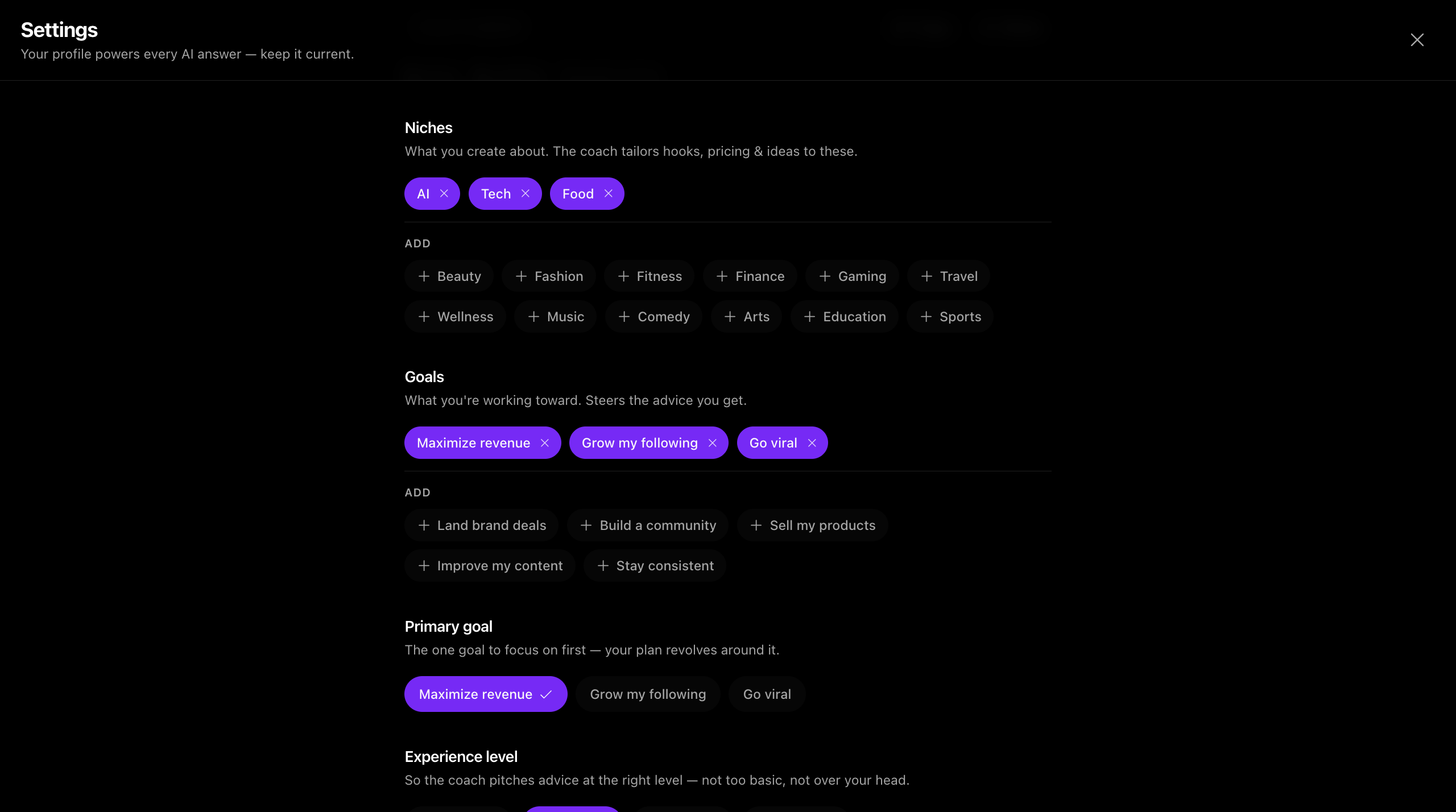
Creator niches
-
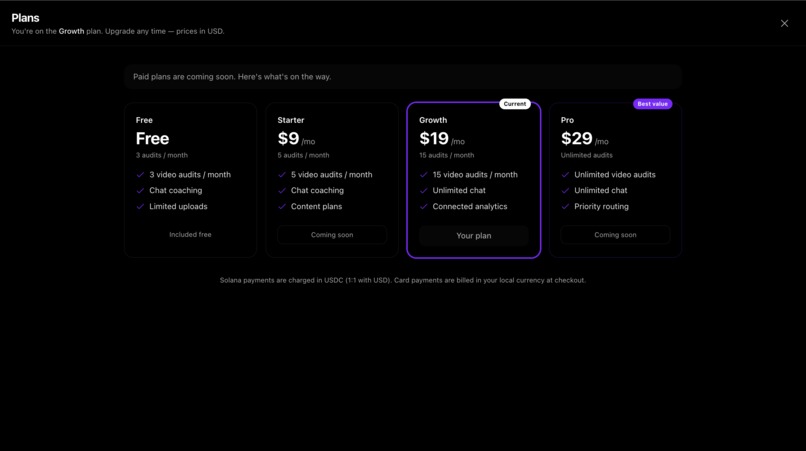
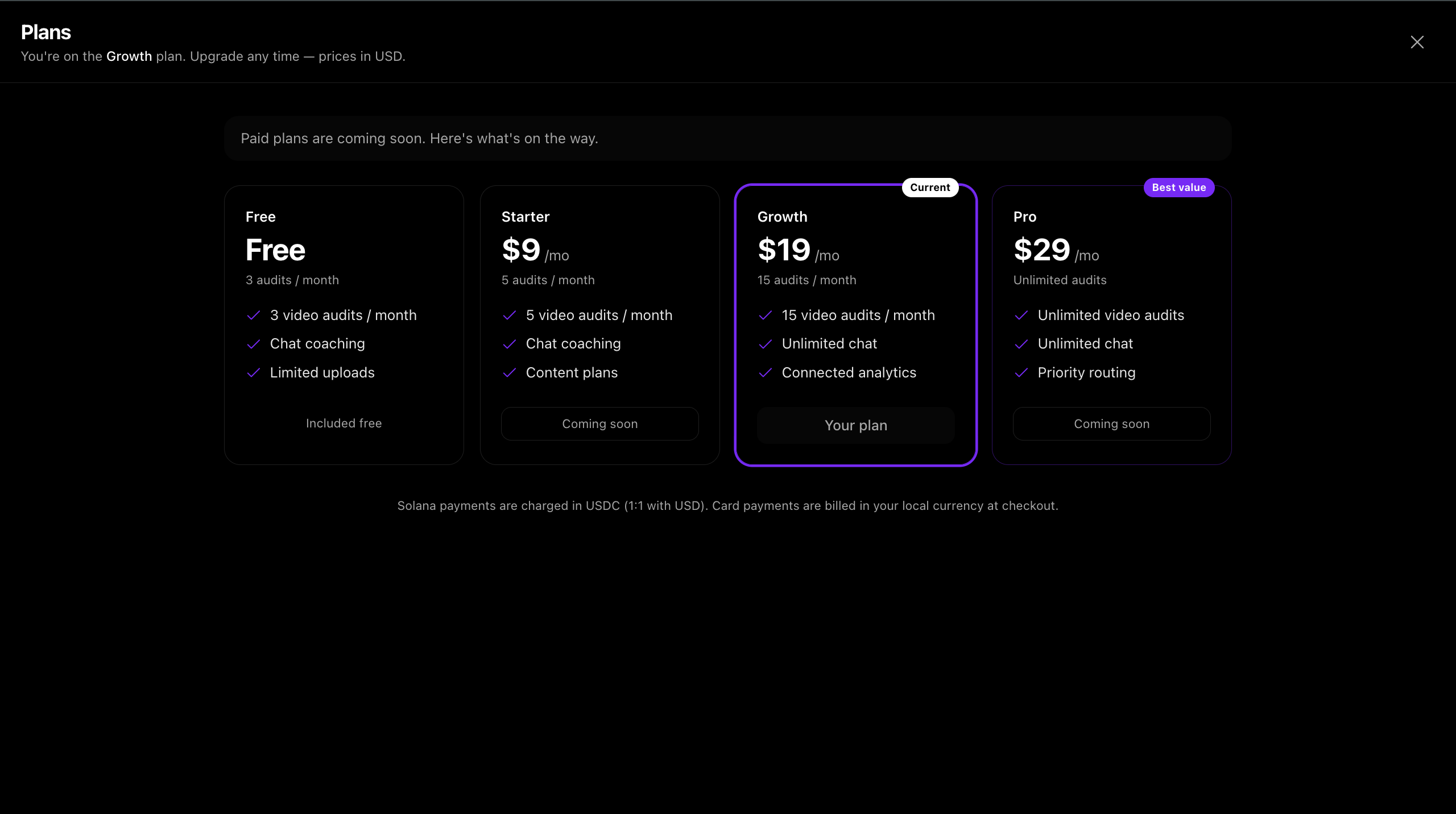
Tiers
-
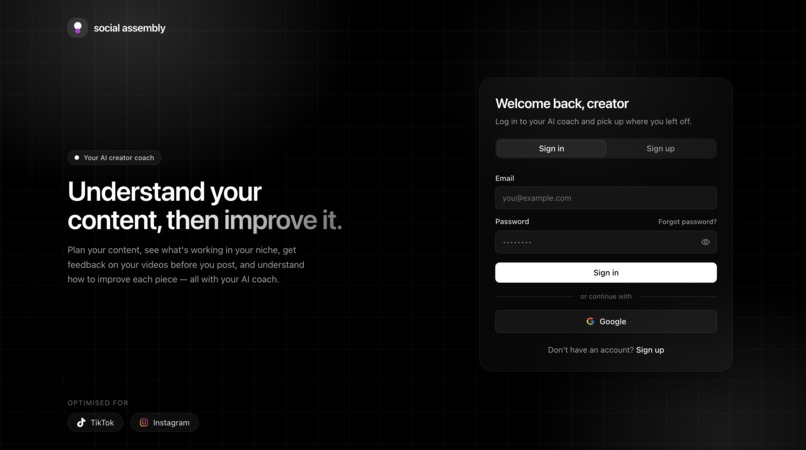
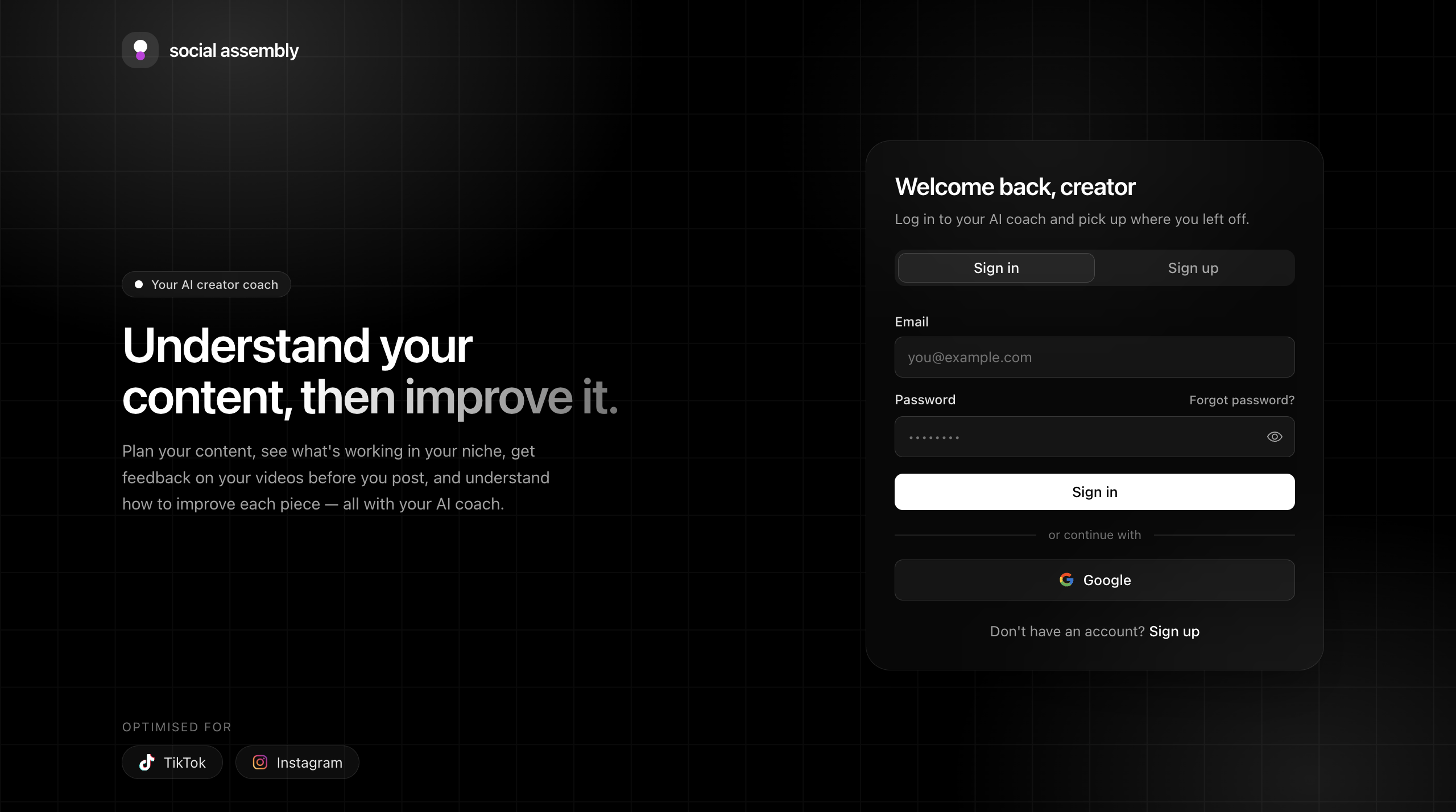
Login page
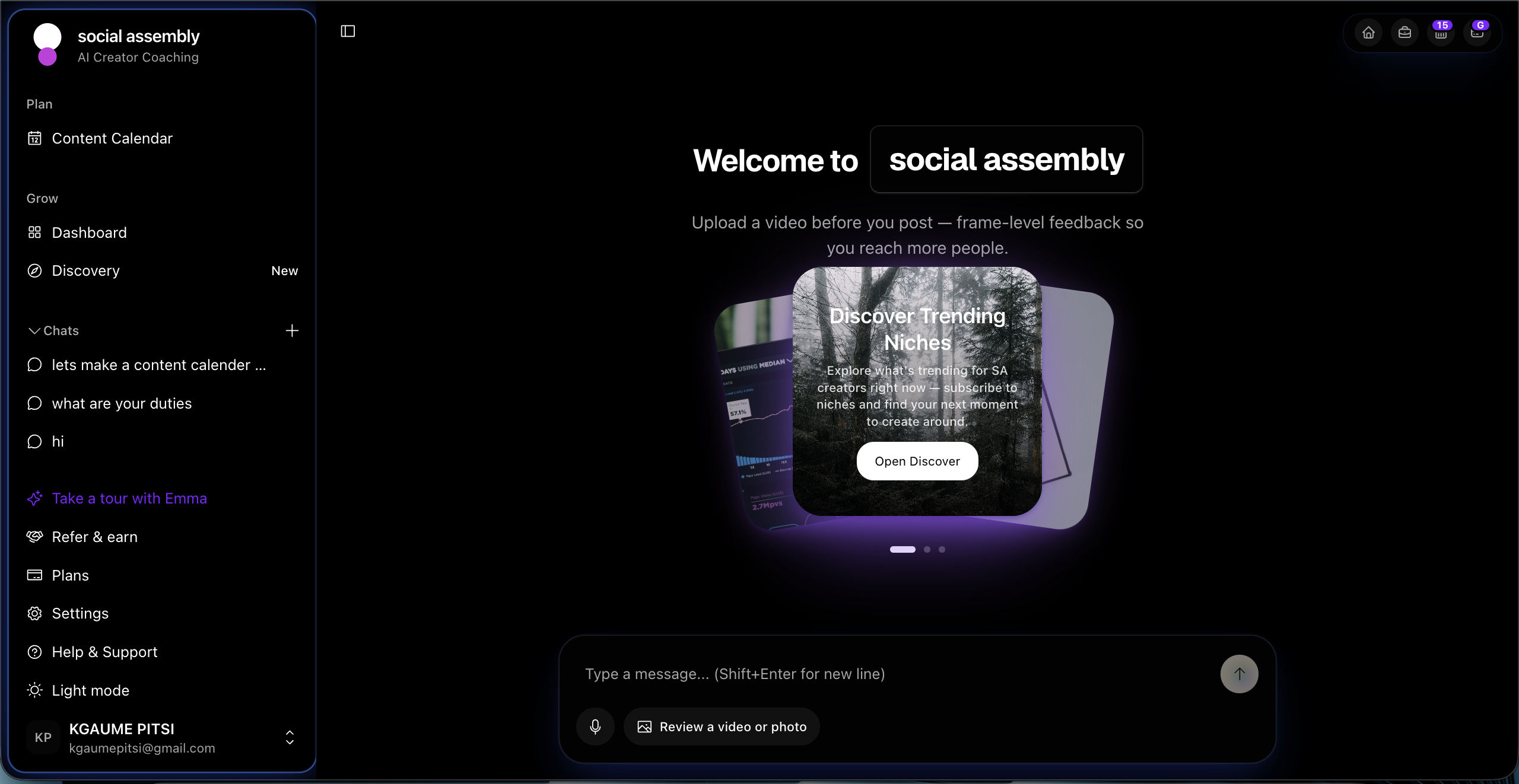
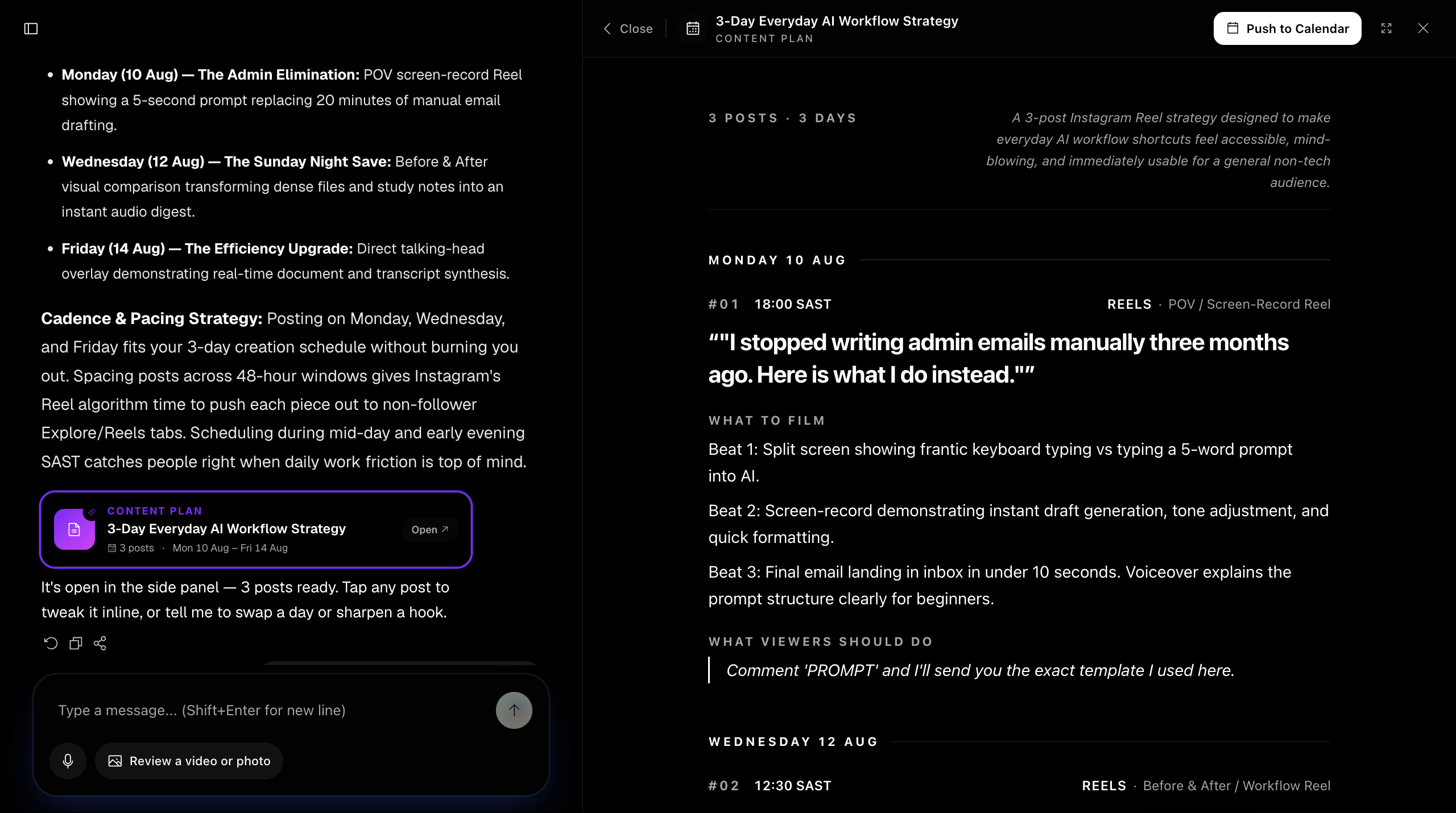
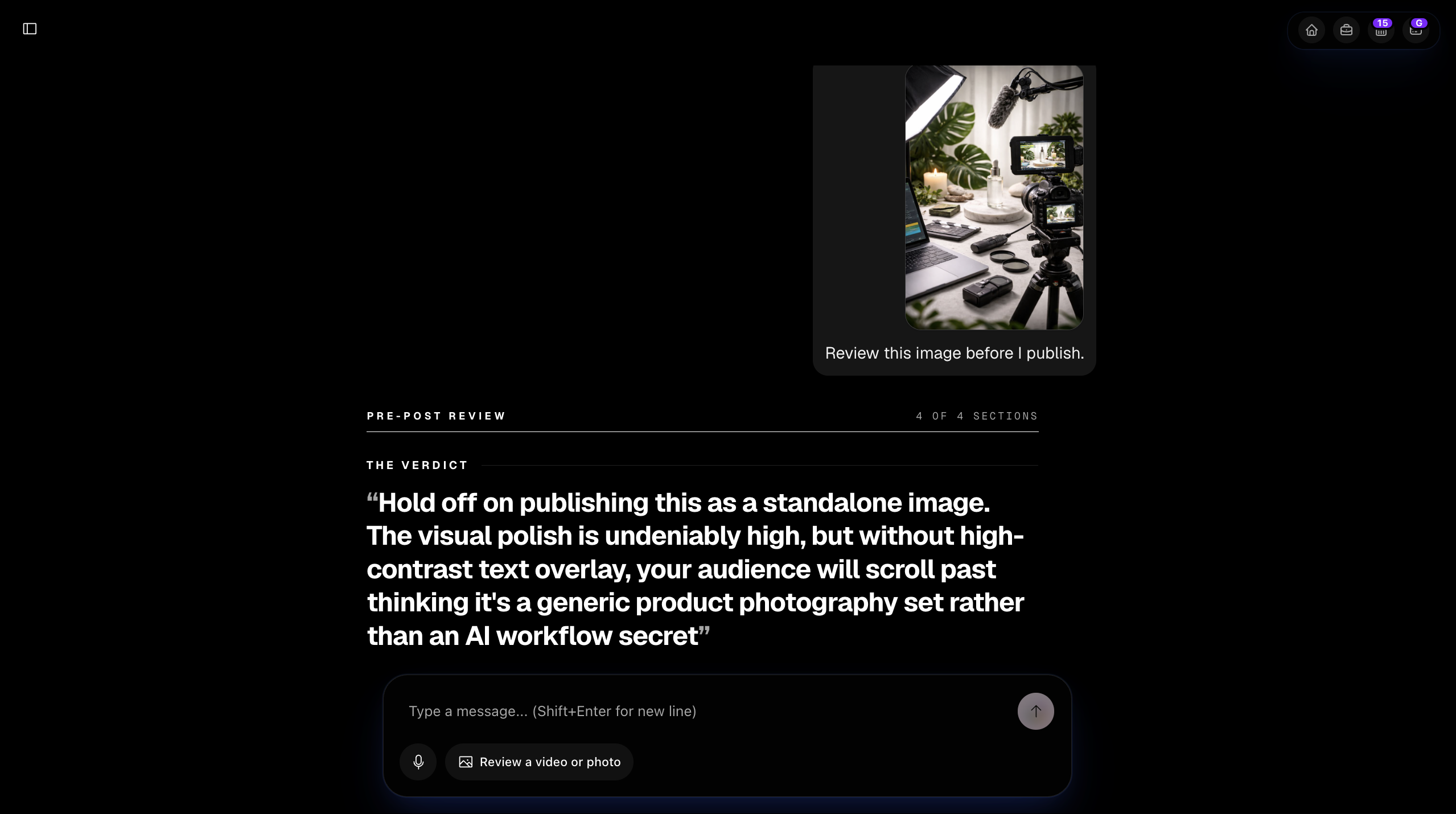
Social Assembly: AI-Powered Content Coaching for the Creator Economy
Inspiration
Every day, millions of creators pour hours into making content: scripting, filming, editing, and then post blindly, with no way of knowing whether their video will stand out or disappear into the feed. There is no pre-post intelligence. No structured feedback. No coach in their corner telling them what works and what doesn't before they hit publish.
We built Social Assembly because that gap isn't a minor inconvenience, it's the reason most talented creators never grow. The problem isn't effort. The problem is the absence of a feedback system that tells you the truth about your content before the algorithm decides for you. In emerging markets especially, creators with real talent have no access to the strategists and agencies that bigger-market creators take for granted. We wanted to put that expertise in everyone's pocket.
What It Does
Social Assembly is a one-stop platform for creators: no agency, no consultant, no switching between ten different tools. One platform. One coach. Everything a creator needs to go from idea to income:
- AI Content Review: Upload a video before you post it and get back a structured verdict: a performance score, weaknesses ranked by impact, and specific, actionable fixes. For the first time, creators know what to fix before the algorithm decides for them.
- AI Content Coaching: A conversational agent that helps creators develop their niche, sharpen strategy, build a consistent brand voice, and make better creative decisions over time, available on demand, at any hour, for any question.
- Live Analytics: Real analytics pulled directly from a creator's connected TikTok and Instagram accounts: personalised data about their specific content and audience, surfaced inside the platform and reasoned over by the agents in real time.
- Opportunities Engine: Brand deal and monetisation opportunities matched to the creator's profile, niche, and audience size, bringing income potential to creators who'd otherwise never be discovered.
- Direct Posting: Schedule and publish directly to social accounts from within Social Assembly, closing the loop from strategy to execution in a single platform.
How We Built It
Social Assembly runs entirely on Google Gemini: every intelligence layer, every agent, every structured output. The architecture was designed from the ground up around a simple principle: use the right Gemini model for the right cognitive job, rather than forcing one model to do everything.
The Multi-Agent Architecture
Orchestrator Agent, Gemini Pro The brain of the platform. Every creator interaction enters through the orchestrator, which reads intent (review, coaching, analytics, or posting) and routes it to the right specialist agent. It also handles multi-step interactions where coaching and review perspectives need to be chained together into one coherent response.
Content Review Agent, Gemini Pro The most analytically demanding agent on the platform. It reasons through submitted video and creator context against proven performance principles and returns a structured verdict: performance score, weaknesses ranked by impact, and specific fixes. Gemini Pro's reasoning depth is what makes this output structured and consistent rather than generic AI filler.
Content Coaching Agent, Gemini Flash The conversational layer: real-time coaching sessions, niche strategy, hook writing, content pillar development. Gemini Flash's low latency is what makes this feel like an actual coaching conversation, not a query-response tool.
# Multi-agent orchestration logic (simplified)
def orchestrate(user_prompt, creator_context):
    intent = gemini_pro.classify(
        prompt=user_prompt,
        context=creator_context
    )

    if intent == "content_review":
        return review_agent.analyse(user_prompt, creator_context)
    elif intent == "coaching":
        return coaching_agent.respond(user_prompt, creator_context)
    elif intent == "analytics":
        data = zernio_api.fetch(creator_context.account_id)
        return coaching_agent.analyse_with_data(user_prompt, data)
    else:
        return orchestrator.handle_complex(user_prompt, creator_context)
Technical Stack
- Backend: Node.js, handling API requests, OAuth 2.0 flows, and cross-layer communication
- Agent Layer: Python, where all three Gemini-powered agents are built and orchestrated
- Frontend: React, a clean, creator-focused interface
- Database: Supabase, storing creator profiles, coaching history, and agent instructions, with row-level security so every creator only ever accesses their own data
- Social Analytics: Zernio API, connected directly as a tool to the agent layer so agents reason over live creator data, not static inputs
- Authentication: OAuth 2.0, so creators connect accounts securely and Social Assembly never touches their passwords
- Deployment: Render, full stack, HTTPS, automatic SSL
Why Gemini Pro + Flash, Deliberately
This wasn't a default choice, it was an architectural decision driven by the shape of the problem. Content review demands deep, multi-step reasoning: structure, pacing, hook strength, call to action, visual presentation, and platform fit, evaluated simultaneously and returned as a calibrated, structured output. That's a Gemini Pro job. Coaching demands speed: a creator asking a question mid-session can't wait five seconds for a reply. That's a Gemini Flash job. Two models, two jobs, one seamless product: Gemini's range across the model family is what made this split possible without sacrificing quality on either side.
Challenges We Ran Into
Making three agents feel like one coherent coach rather than three disconnected tools was the hardest problem. The orchestrator has to route intent correctly on the first pass: a misrouted "review this video" landing in the coaching agent breaks trust instantly, since creators expect one consistent voice regardless of which specialist is actually doing the work underneath.
Getting Gemini Pro to return consistently structured review output (same schema, same scoring logic, same level of specificity) across wildly different videos in length, quality, and format was a second hurdle. A scoring system that feels arbitrary from one video to the next undermines the entire premise of the product.
Balancing latency and depth across the two models also took real tuning: Flash needed to feel instant in live coaching, while Pro needed room to reason through a full review without a creator feeling like the app had stalled, which meant designing the UI to set the right expectation for each interaction type instead of treating every response the same.
What We Learned
The biggest lever in an AI product isn't the model, it's the architecture around the model. Splitting reasoning-heavy and speed-heavy work across Pro and Flash, instead of forcing one model to do both jobs, is what made the product feel coherent rather than generic.
We also learned how much of perceived "AI quality" is really context engineering. The same model produces wildly different value depending on how much real creator context (niche, past performance, audience data) feeds the reasoning step, versus a stateless, generic prompt.
What's Next
We're building out the Opportunities Engine into a full monetisation layer, expanding analytics depth, and bringing Social Assembly to more platforms beyond TikTok and Instagram. The long-term bet is bigger than the product: creators in emerging markets (Africa, Southeast Asia, Latin America) have the talent but not the infrastructure that bigger markets take for granted. Social Assembly is that infrastructure layer, built entirely on Gemini, and designed to scale to the creators who need it most.
Built With
- a2a
- ag-ui
- agno
- copilotkit
- framer-motion
- google-gemini
- next.js
- openai
- postgresql
- python
- radix-ui
- react
- sql
- starlette
- supabase
- tailwindcss
- typescript
- uvicorn
- vercel-ai-sdk
- zod


Log in or sign up for Devpost to join the conversation.