-
-
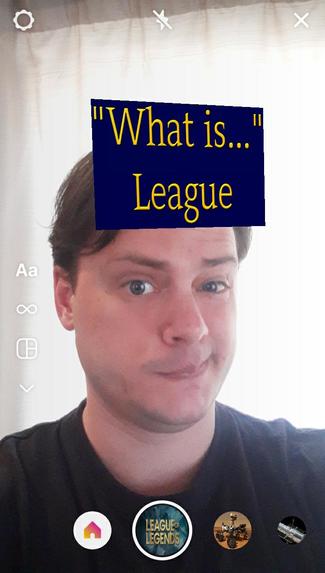
League of Legends Game Title image
-
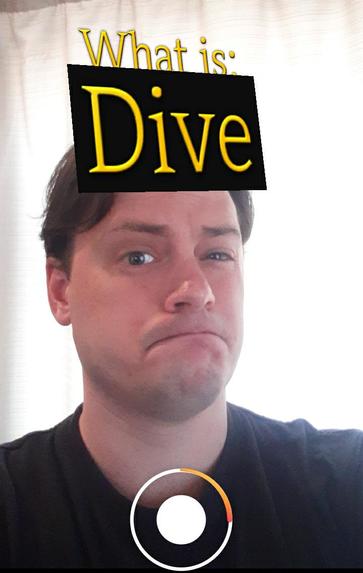
Example of the questions asked
-
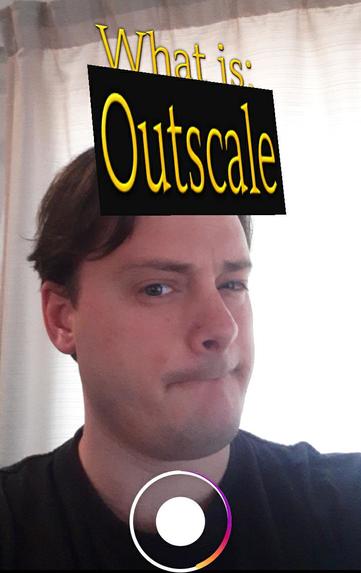
Example of the questions asked
-
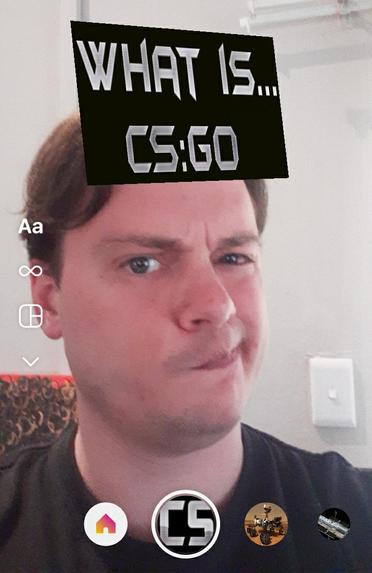
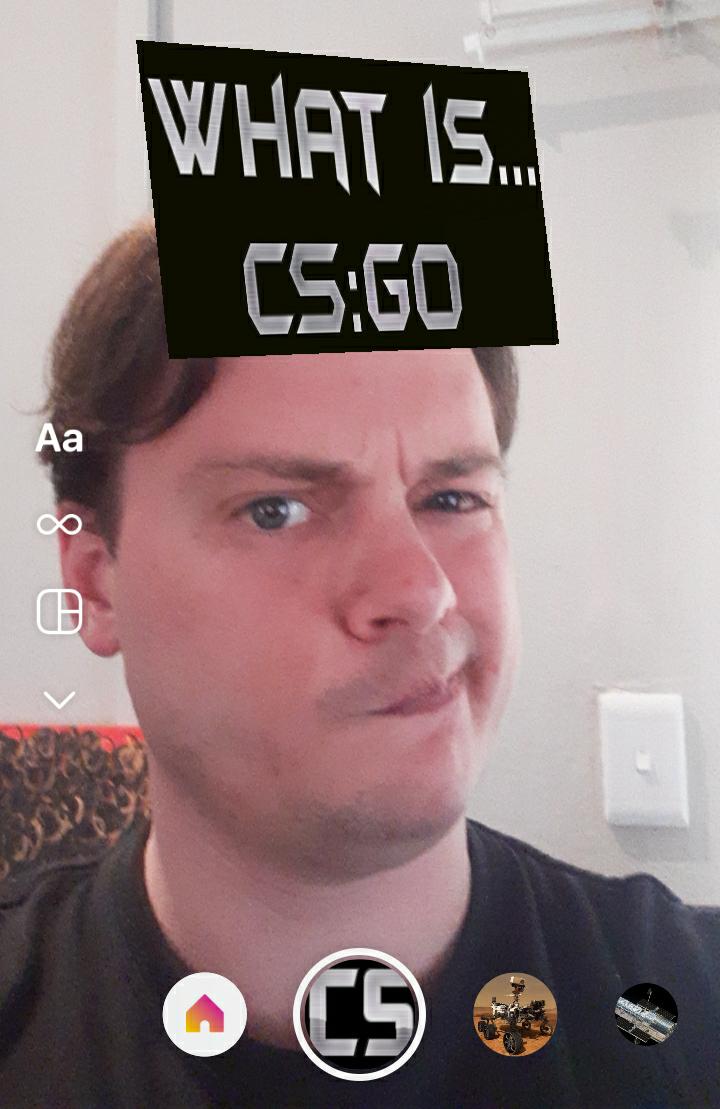
CS:GO Game Title image
-
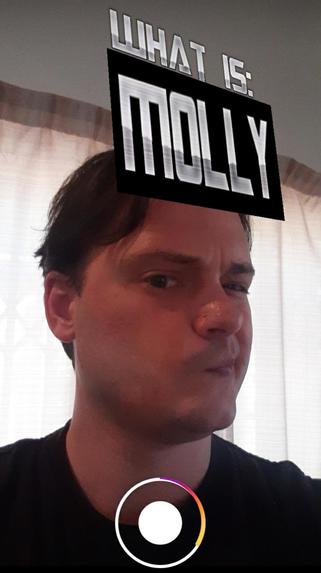
Example of the questions asked
-
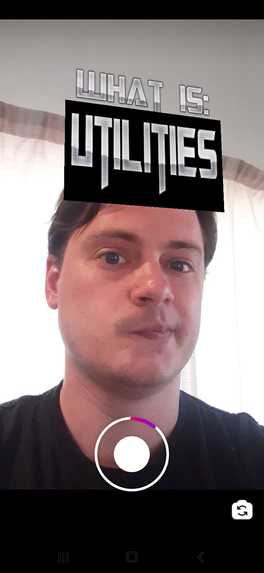
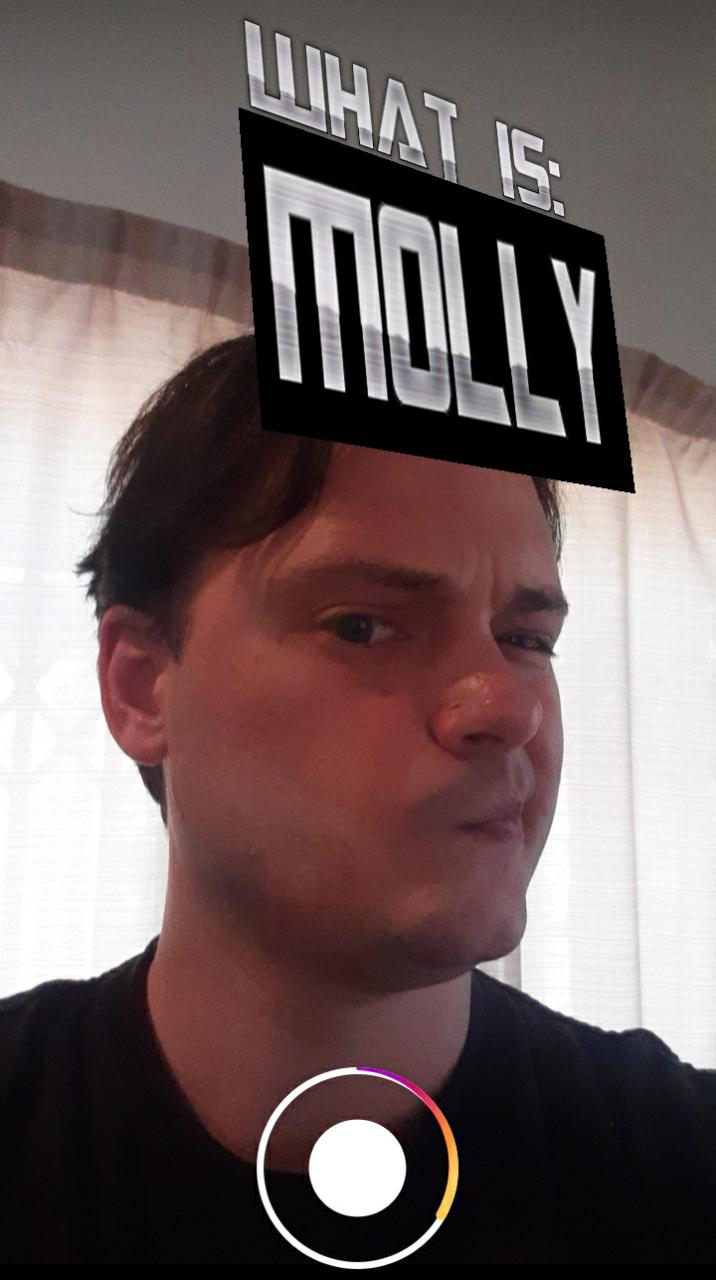
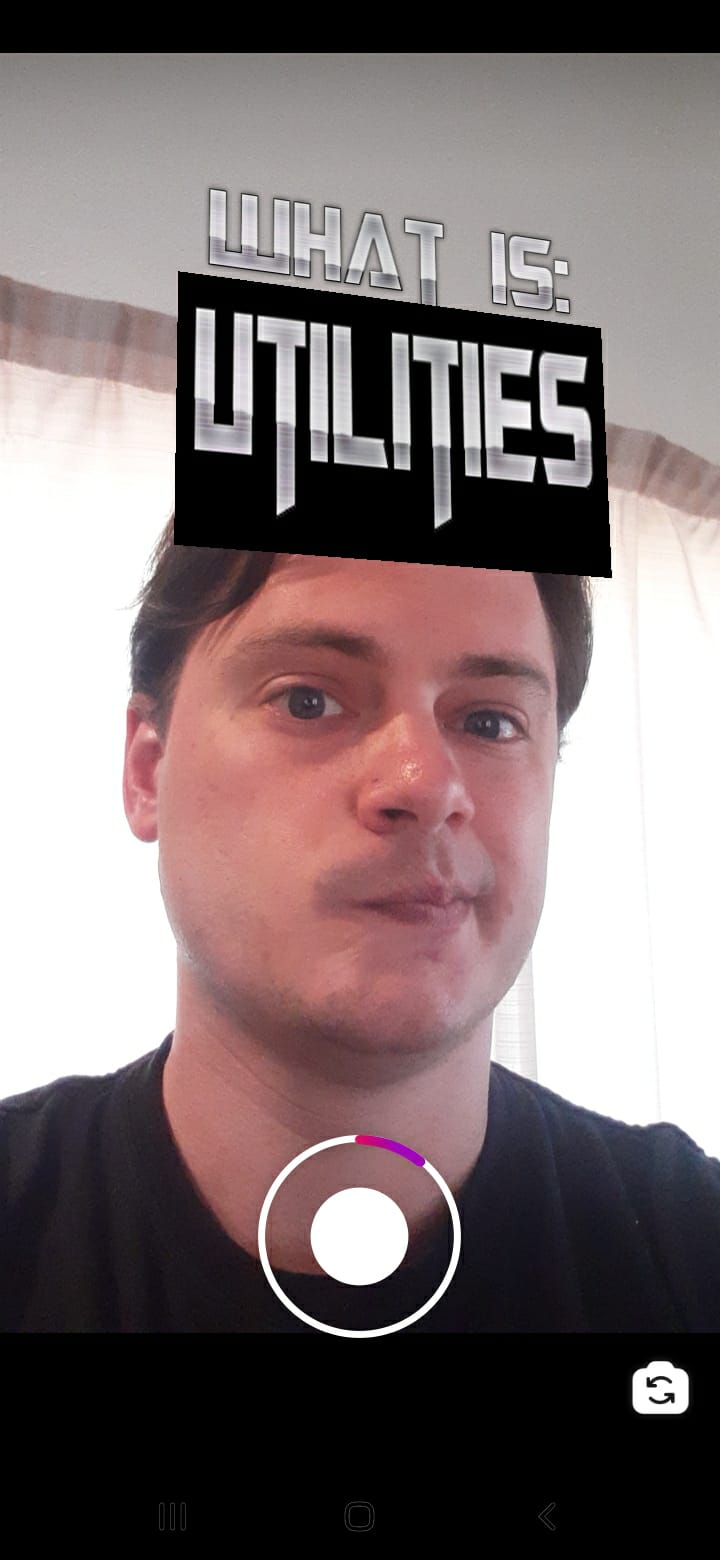
Example of the questions asked
-
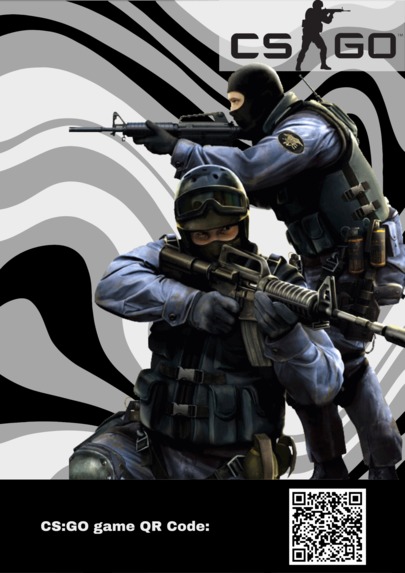
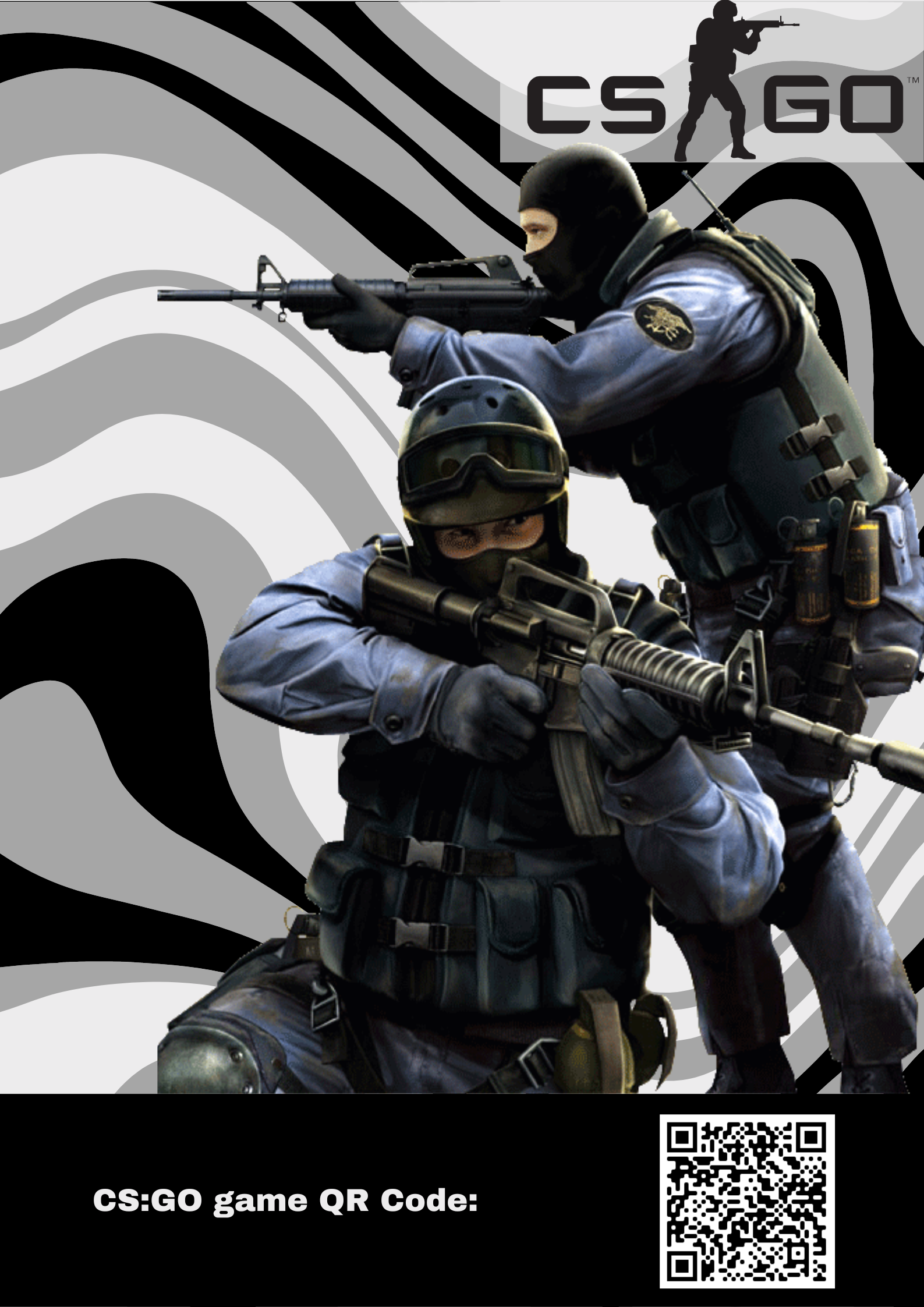
Example of how an AR Game can be implemented in print materials with a QR Code..
-
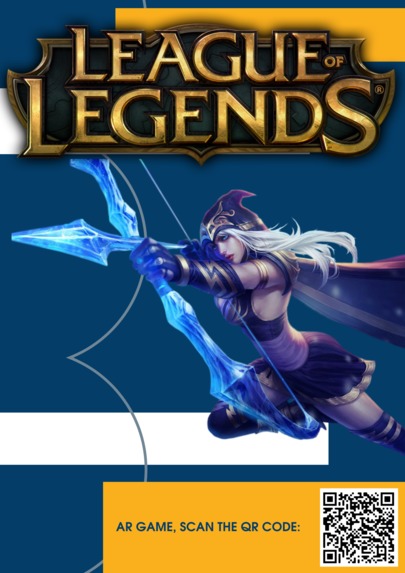
Example of how an AR Game can be implemented in print materials with a QR Code.
-
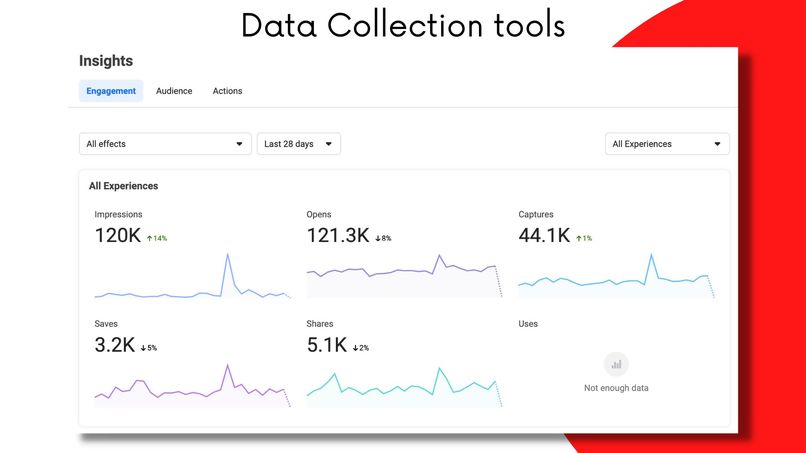
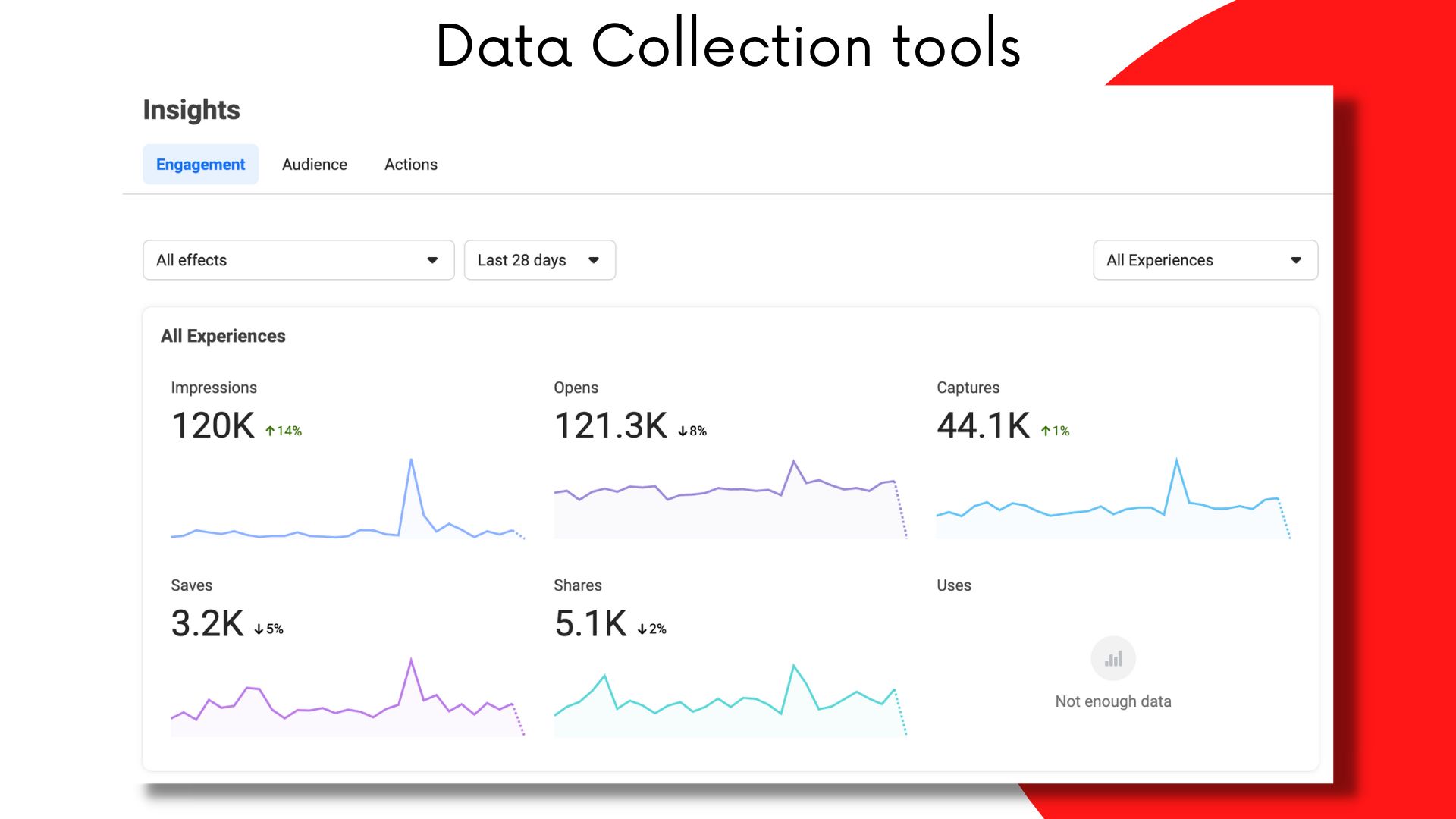
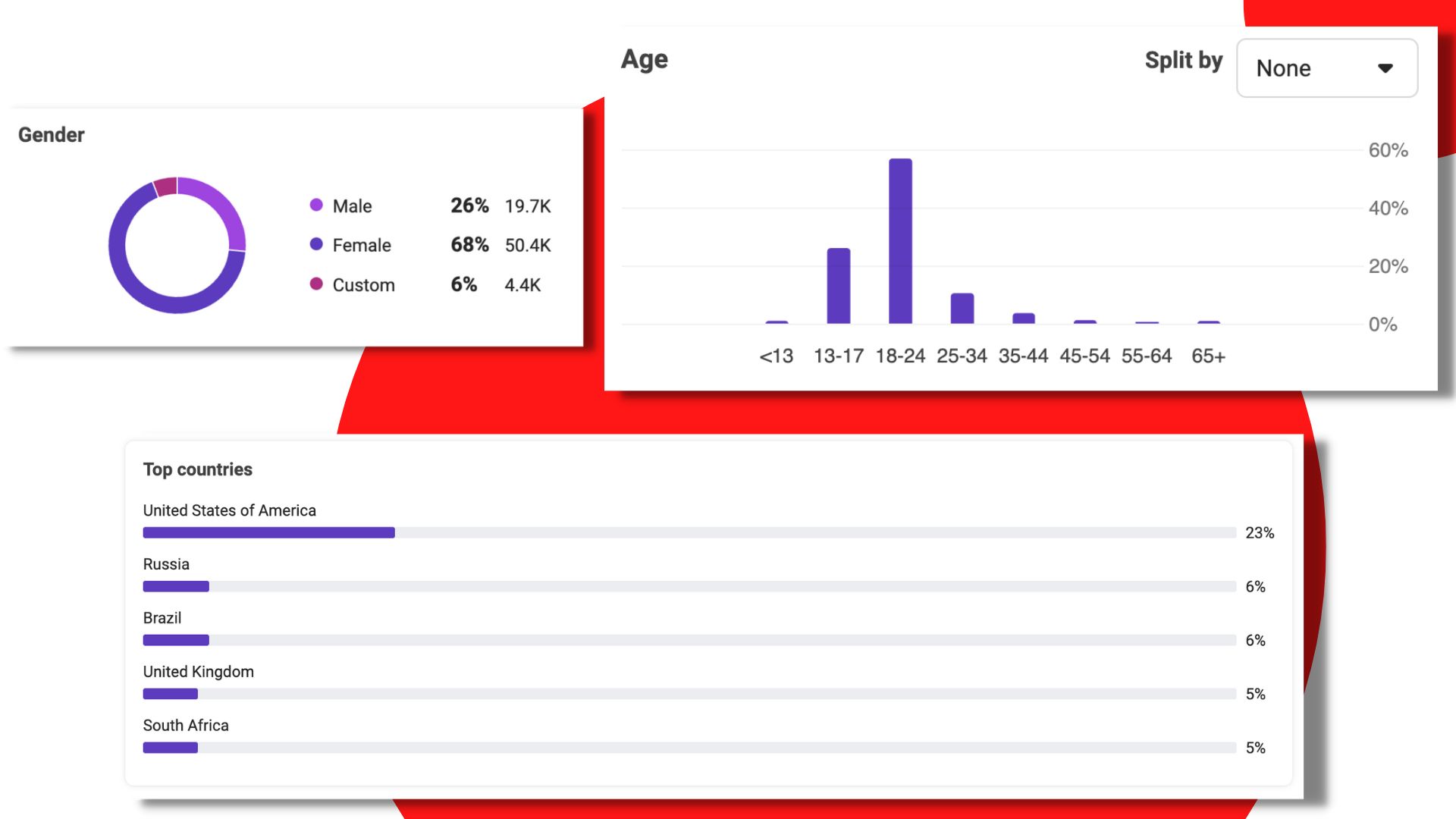
Example of the analytic datasets collected.
-
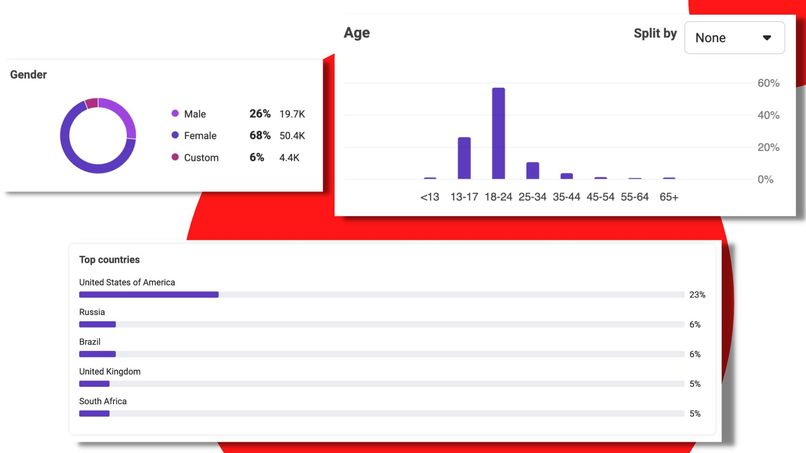
Example of the analytic datasets collected.

Inspiration
Esports is yet to be as prevalent in the cultural spaces on the African continent as it is in Europe, America and Asia. With unstable internet connections and unreliable power grids, it is not surprising. But just because these challenges exist doesn't mean a subsection of a fandom should be left unnoticed (or that fans in non-major regions don't exist). I wanted to create interactive and interesting digital resources that allow those with similar interests to educate one another as well as find a community of Esports fans. I wanted to create a solution with accessibility at the forefront. I opted to utilise frameworks that people were already used to and have installed on their mobile devices (Social media platforms), where you don't need a high-end mobile device, need to download an entirely new app or require constant online network connectivity to participate in the interactive processes and be an active part of the community. As an added benefit I wanted to make use of the data analytics tools available to Meta Developers to prove that data science has a place in education and accessibility.
What it does
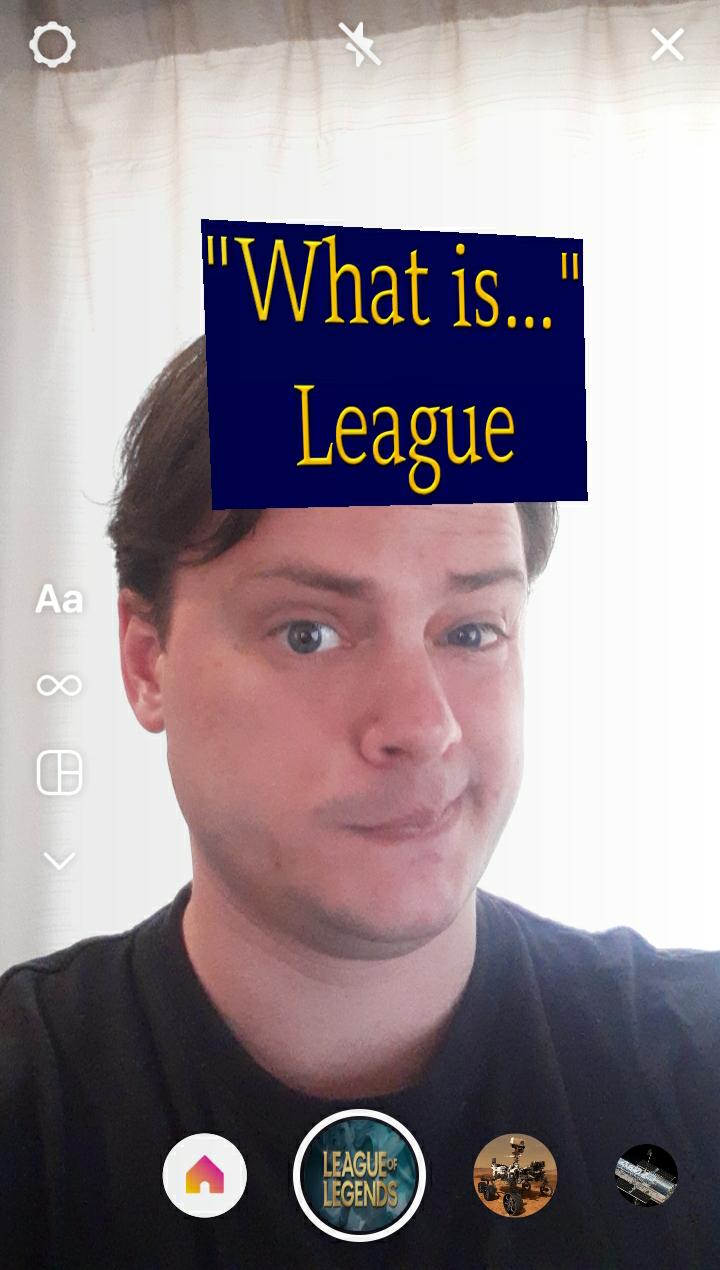
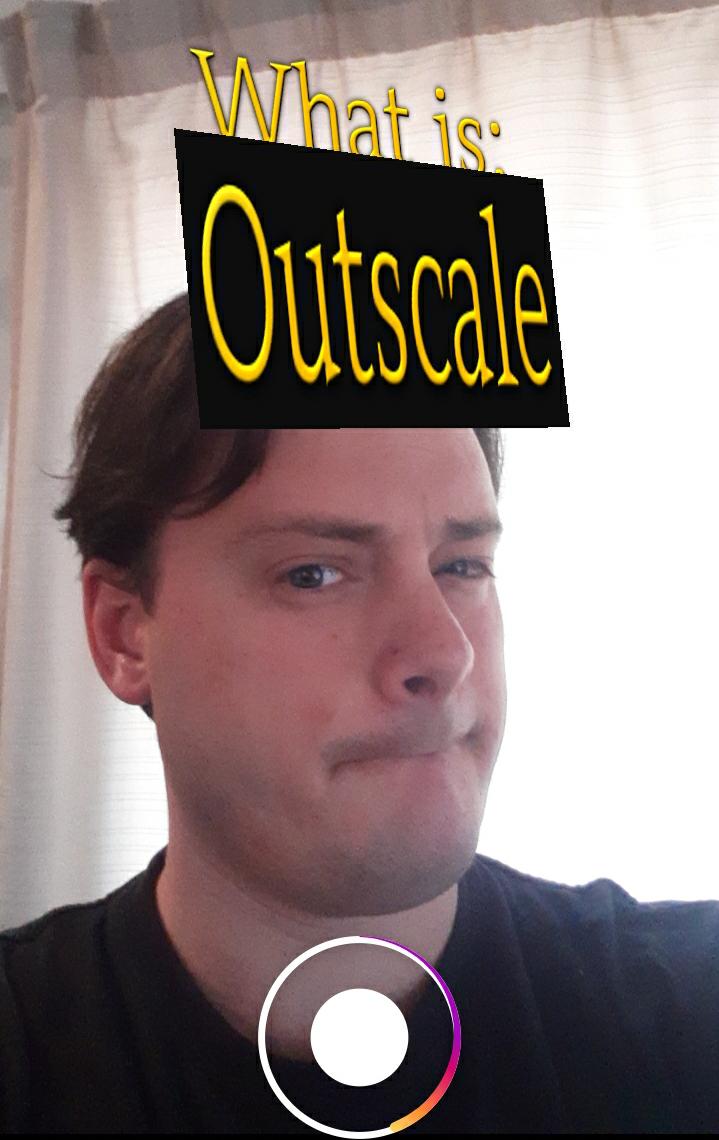
The AR Filter randomises a set amount of questions/terms and then prompts the user to answer to the best of their abilities. If they don’t feel happy with their answer they can simply not post it to their accounts stories, or try again. It is a game that doesn’t keep score so the goal is to participate to the best of their ability. It’s a forgiving game design opposed to a punishing one. The test links and QR codes provided will open instagram on a mobile device (You may need to click on it twice if the app isn't already open, otherwise the demo footage in the added video link should be helpful as visual aid to showcase the game architecture).
How we built it
Using Spark AR Studio (The AR Engine used for Facebook and Instagram filters) which and its visual patch layout. The functionality of the patch is linking 1 function of the filter/game to the next: Find a face>Show the title>Press record>Delay randomising for x seconds>Randomise through the assets or x seconds>Stop. Once the filter settles on a randomised term, the user is prompted to answer to the best of their abilities. The whole time this occurs the programme is told to track the user's face (how to identify a face is a separate/joined patch). The graphic assets are in 2 categories: The Title (the first image you see before pushing record) and Slides (The various terms randomly cycled through). Upon recognising the face the filter will show the Title, and upon pressing record the Slides will randomise then stop. While the above sequence is playing out, the user's mobile device makes sure to track a recognised face and subsequent movements.
Challenges we ran into
Trying to get people to embrace a technology that the aren't used to is a general problem I find myself trying to navigate around when introducing interactive AR. (Also the scaling of fonts isn't a one to one replacement across development, I had to edit the League filter post recording so that the texts don't overlap, I got a bit over eager when recording demo videos).
Accomplishments that we're proud of
About 5 years ago I decided to learn game design, I taught myself C#, Unity, SparkAR, music editing, graphic design and started my own indie game design company. I published games on The Apple app store (where my one game made it to the number 1 spot in its category) as well as the Google Playstore and it was a really fulfilling challenge I set for myself. My Instagram filter profile currently has 100 million impressions and I have found friends, colleagues and (hopefully) a solid career path in the immersive tech development space, which is insane for a self-taught theatre major currently using a 2012 Macbook.
What we learned
That the lack of accessibility of educational and esports related resources, (be it Language, financial, social, geographic, disability restrictions) is a real issue that tends to be overlooked. That traditional resources seem to be unengaging or outdated (magazines and walk through videos that lose their relevance). Also, E-sports isn't as common a term/field in SA, and as with everything immersive tech theres a lot of client education that goes into explaining why it is relevant and should be noticed. I also had to find some supporting articles that prove SA is aiming to make digital resources more accessible. Smartphone penetration in South Africa is at an all time high at 93% with a push for private companies to provide wifi hotspots to impoverished areas. Source: ItWeb "SA’s smartphone penetration surpasses 90%": https://www.itweb.co.za/content/xA9PO7NZRad7o4J8A
What's next for "What is..." Esports
This project will probably act as a portfolio piece to the work I can create. I want to become more involved in Esports and eventually aim to work in game design/development full time.


Log in or sign up for Devpost to join the conversation.