-
-
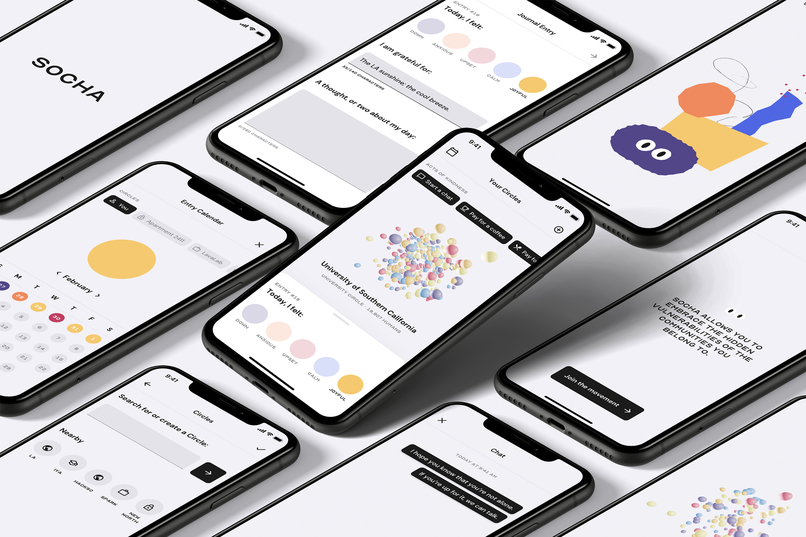
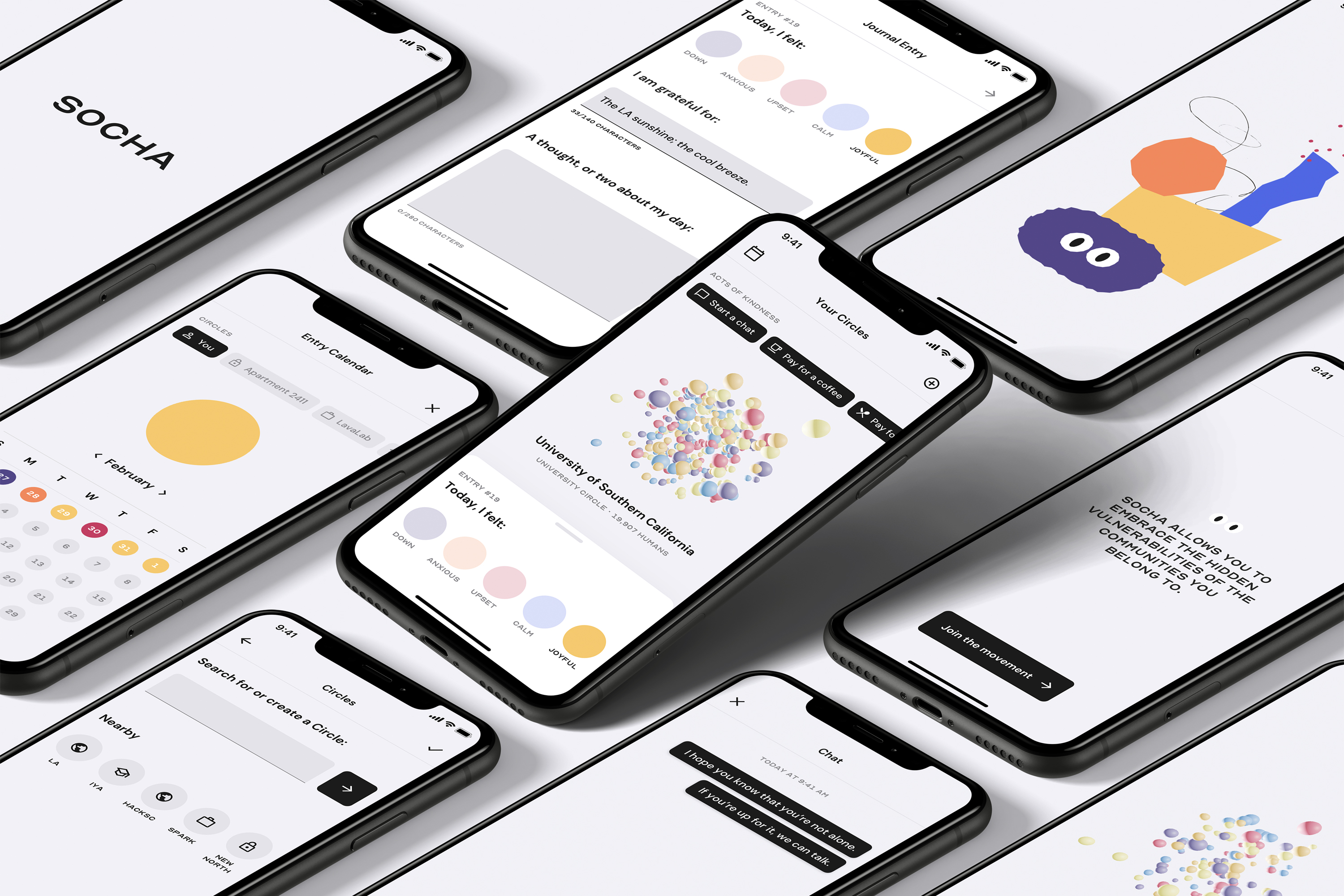
Socha visualizes the collective mental health of your groups and makes it easy to get and give anonymous support.
-

View the anonymized, collective mental health of the community Circles you belong to.
-
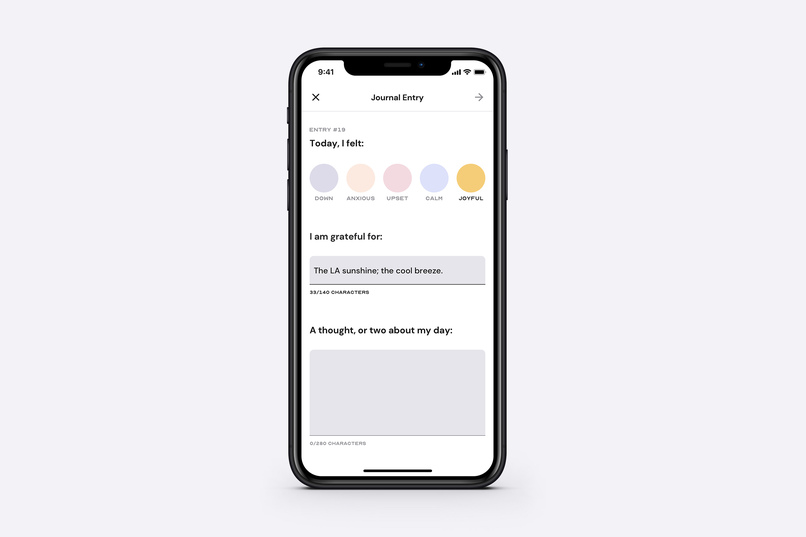
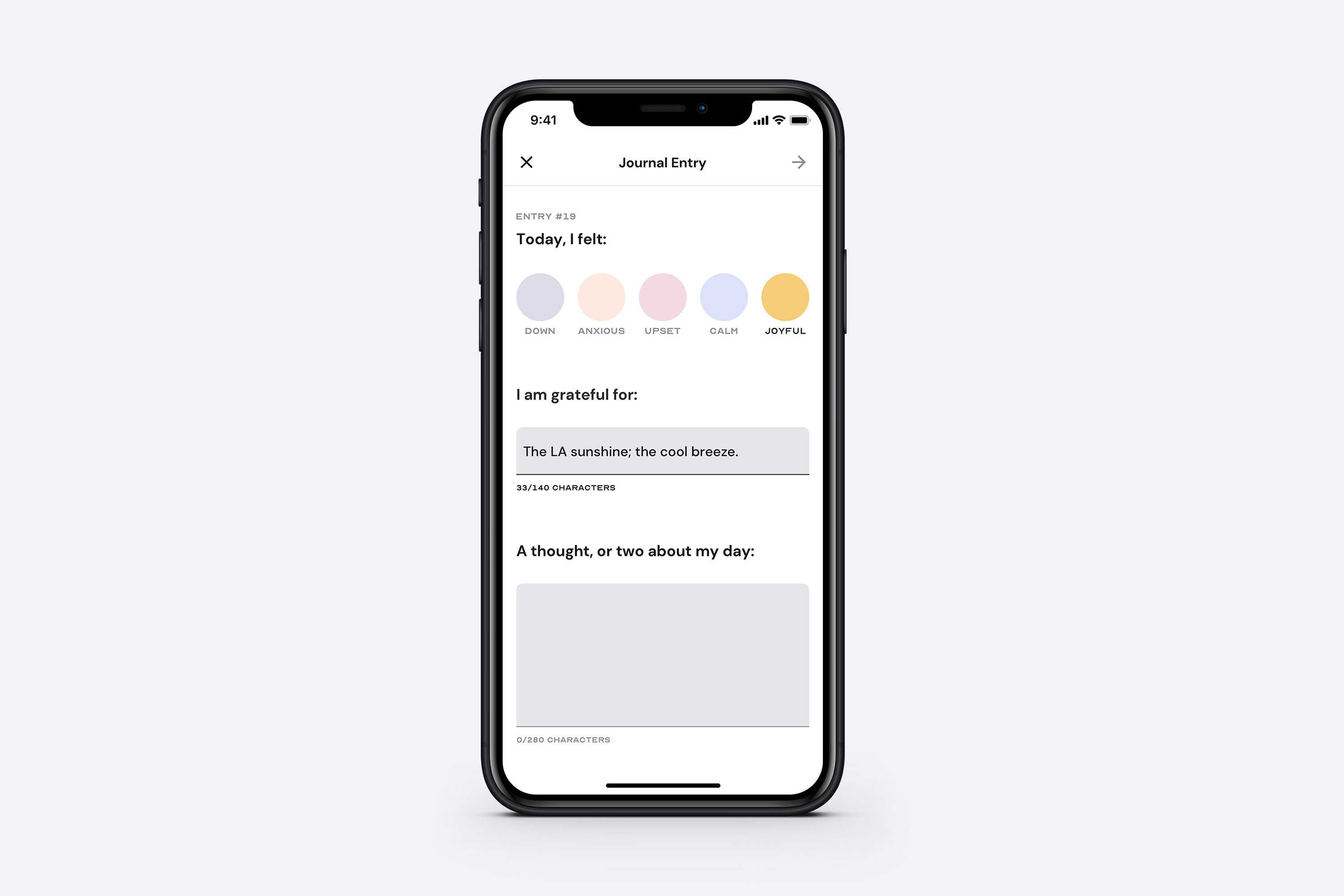
A frictionless mental health and mindfulness journal.
-
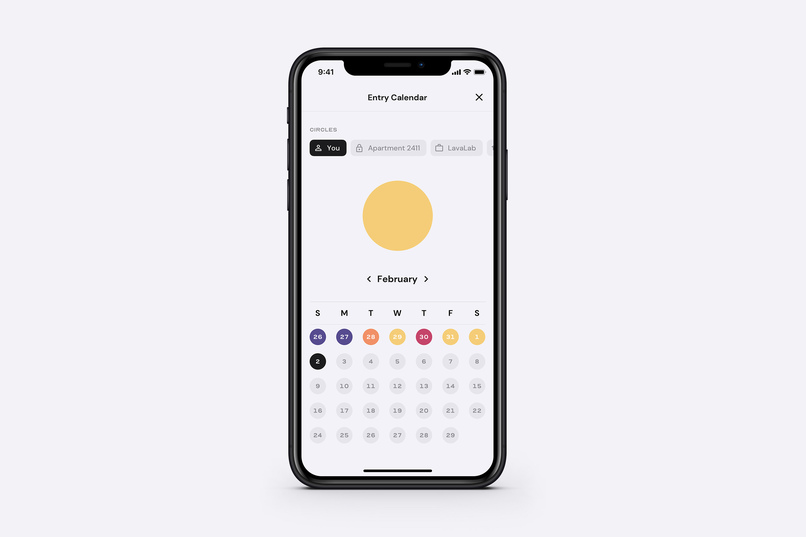
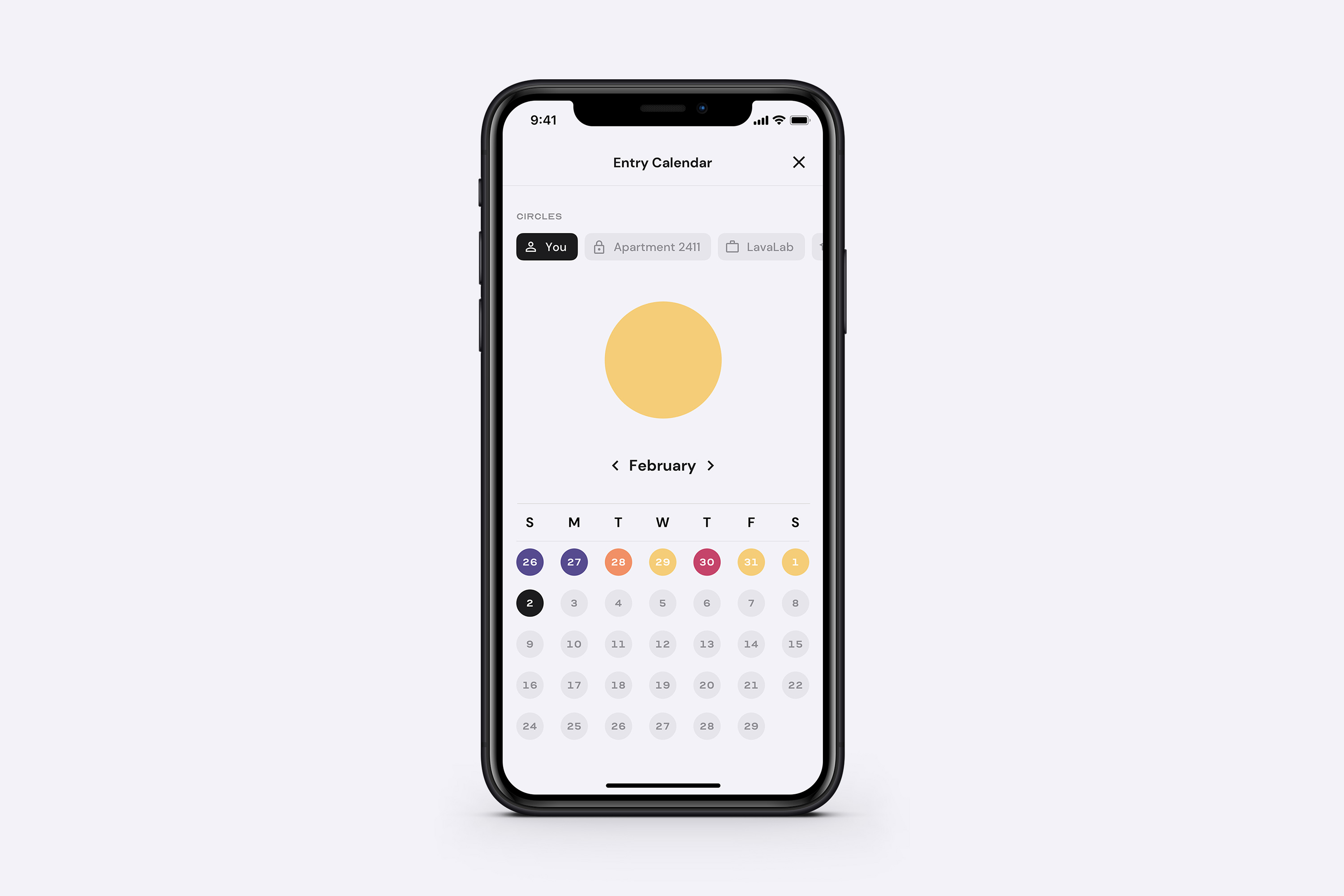
Keep track of your trends and the trends of your community Circles.
-
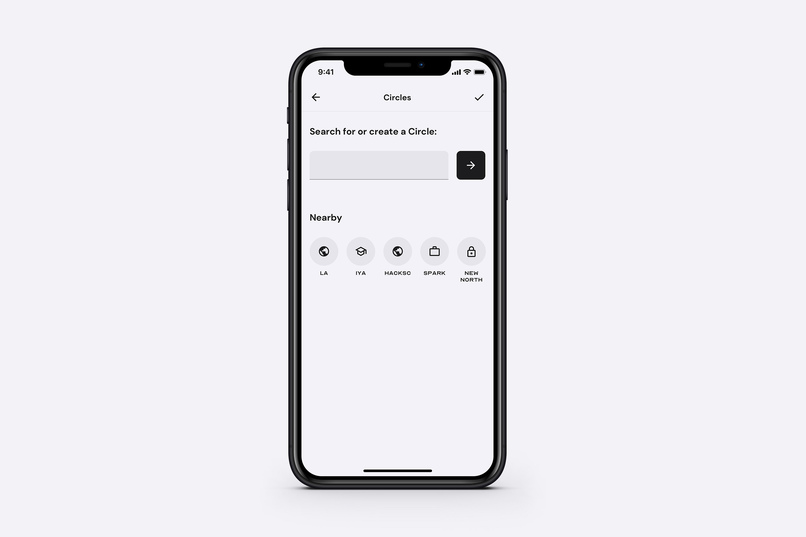
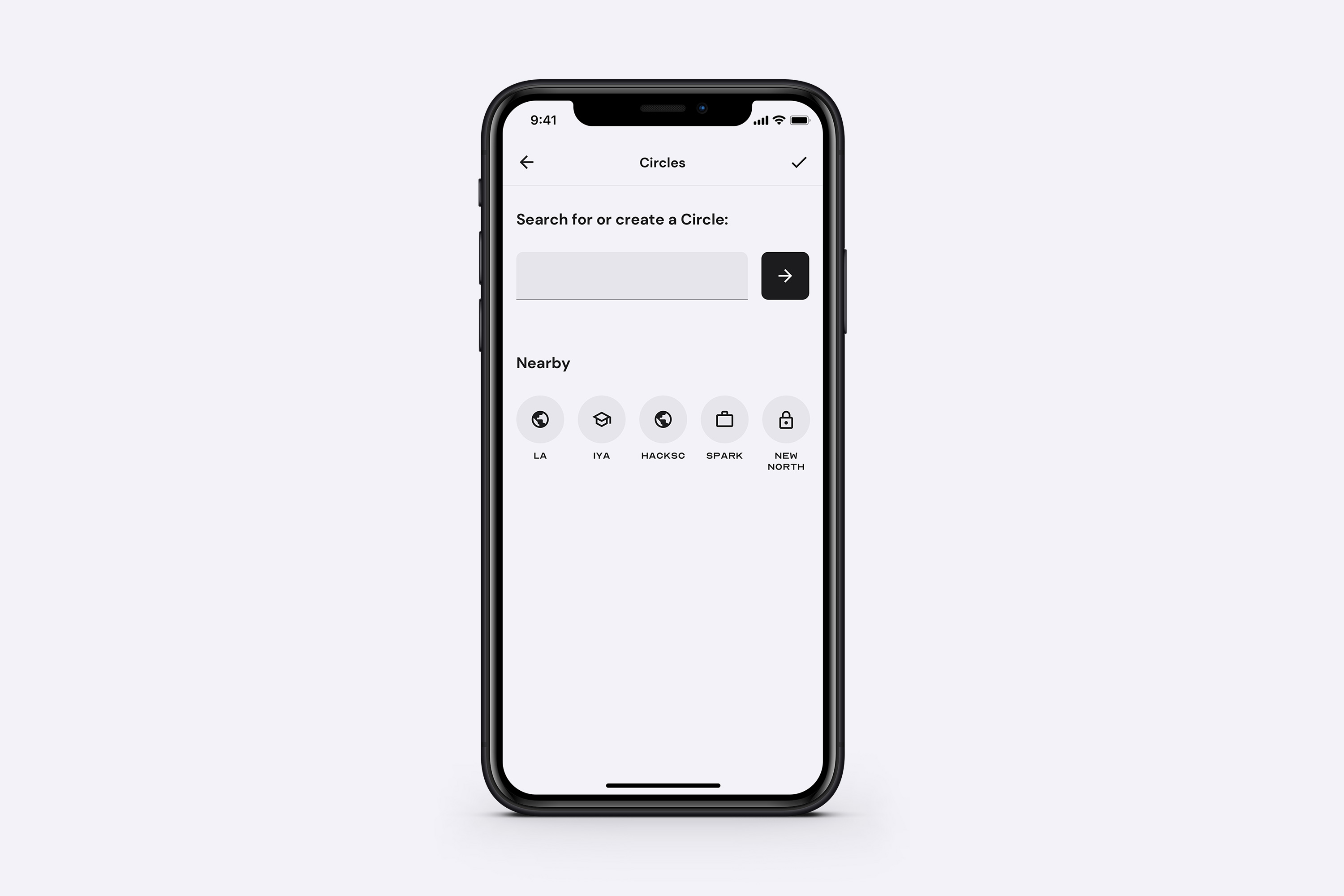
Join and create new community Circles.
-
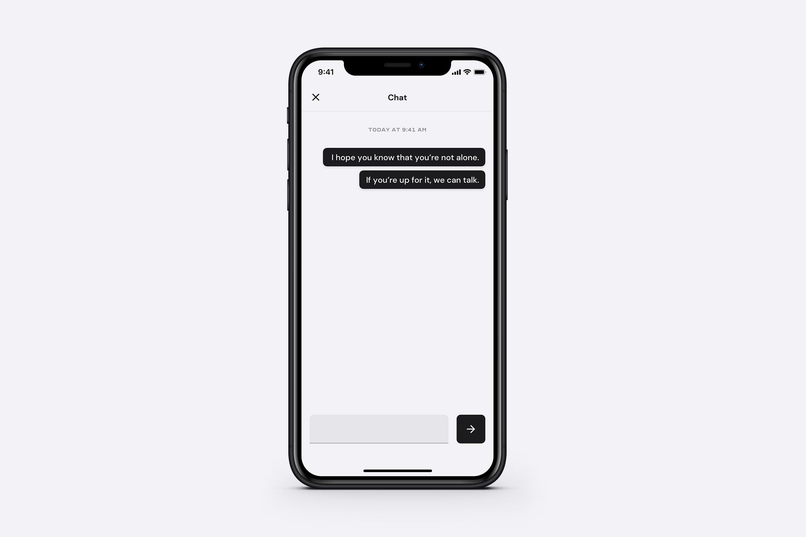
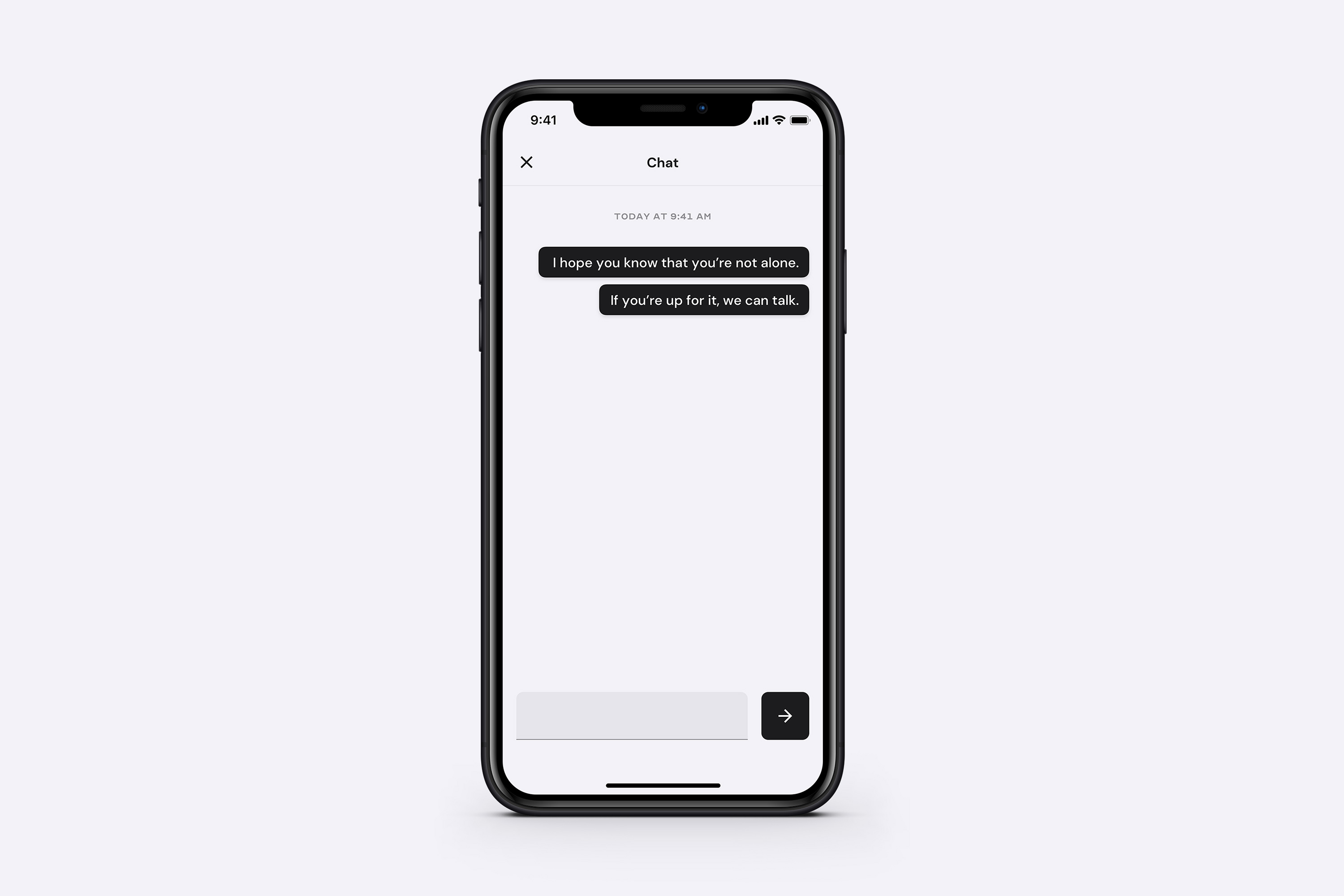
Take small steps to support and be supported by those around you.

Inspiration
As part of his quest to give names to the "emotions we all might experience but don't yet have a word for," writer John Koenig coined the word "Socha" in 2015. Socha is "the kind of basic human vulnerability that we'd all find familiar," Koenig writes, "but is still somehow surprising when we notice it in others."
Though imaginary, the term "Socha" captures very real incongruities with modern society. In particular, while every one of us faces our own private trials, tribulations, doubts, and disasters, societal expectation quashes any authentic expression of how we feel. And, while the world is more connected than ever, individuals are feeling increasingly isolated — even in the communities they are closest to.
So we created Socha, a mobile application that visualizes the collective mental health of your groups and makes it easy to get and give anonymous support. We created it with some simple goals in mind: Remove stoic veneers, and help friends, peers, colleagues, and even strangers feel more connected to their respective micro and macro communities.
What it does
Users can:
- Journal: Log your emotions, day-to-day, and capture short memories by responding to our generated prompts.
- Connect: Connect with members from your respective communities, in groups called Circles.
- Empathize: Get a sense of the collective mental health of these Circles based off visualizations of anonymized journal results.
- Act: Get and give support through various, random acts of kindness — all at your fingertips.
Behind the scenes, Socha:
- Logs and creates an anonymous data point based off of your base emotion, and sentiment analysis of your short-form responses
- Passes this data to GraphQL to visualize anonymous data from Circle members as a living, three-dimensional display of collective mental health
How we built it
We built Socha with:
• Node.js/GraphQL as the backend
• Three.js for three-dimensional data visualization
• Google’s Cloud Vision API for sentiment analysis on journal responses
• Sketch and the Adobe Creative Suite for user interface/visual design
• React Native for front-end styling and application design
Challenges we ran into
Technical
• Displaying the Three.js data visualizations in the React Native front-end
Non-Technical
• I couldn't get Jerry's cat, Mouse, to let me pet it
• UPDATE: I was able to pet it, but I remembered I am allergic to cats
Accomplishments that We're Proud of & What We Learned
We are most proud of getting the three-dimensional data visualizations to work in React Native. Three.js is a language that neither of us was familiar with, so getting our hands dirty with it was a super rewarding process.
What's next for Socha
We’re excited about the future for Socha. Here are some of the features we are most looking forward to building:
• More robust data visualization and analysis features
• Partnerships with brands and organizations to enable seamless, integrated acts of kindness (think sending someone who's had a bad day a cute plant from The Sill!)
• Consultations with mental health professionals to make this data useful for individuals, organizations, and practioners
That being said, we are also open to any suggestions — so please reach out!


Log in or sign up for Devpost to join the conversation.