Inspiration
The need for efficient and scalable workflow automation in mission-critical environments inspired us to create Snow. With Conductor as our orchestration engine and the power of Large Language Models (LLMs), we wanted to solve the challenges of manual workflow management and limited flexibility in existing systems.
What it does
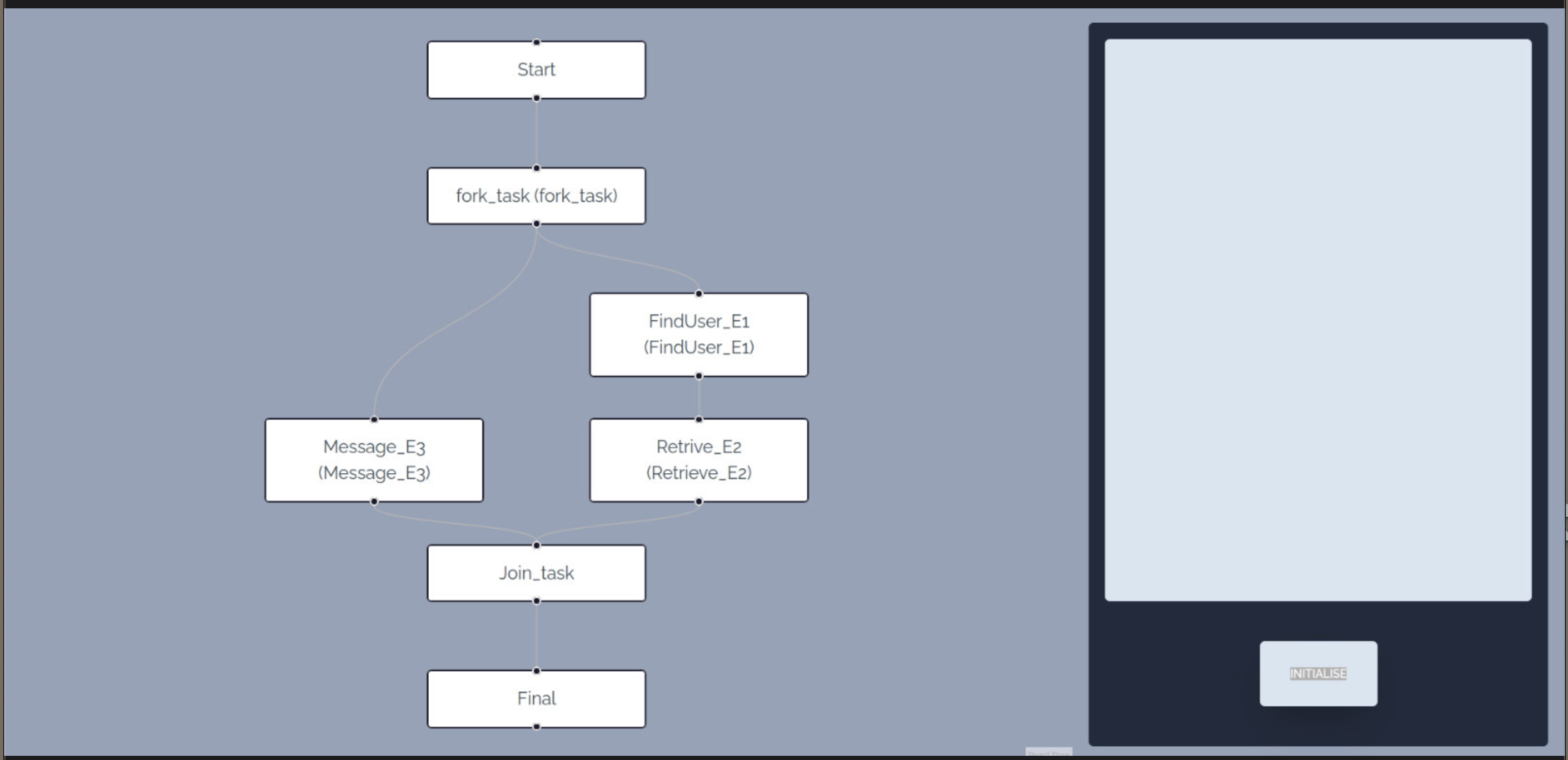
Snow automates the creation and execution of workflows by integrating Conductor for real-time task orchestration and LLMs for dynamic workflow generation. It optimizes parallel task execution, reduces latency, and adapts to evolving business requirements.
How we built it
We used Conductor as the core orchestration engine to handle workflow execution and integrated local models (like phi-3, LLaMA, and Gemini) to generate custom workflows based on user input. Our system is designed for scalability and real-time performance, leveraging a planner-executor architecture for efficient task delegation.
Challenges we ran into
- Providing a user friendly interface to Conductor's workflow definition graphs.
- Combining LLM agent and their tools with Conductor workers.
Accomplishments that we're proud of
- Allowing LLM agents to communicate with Conductor.
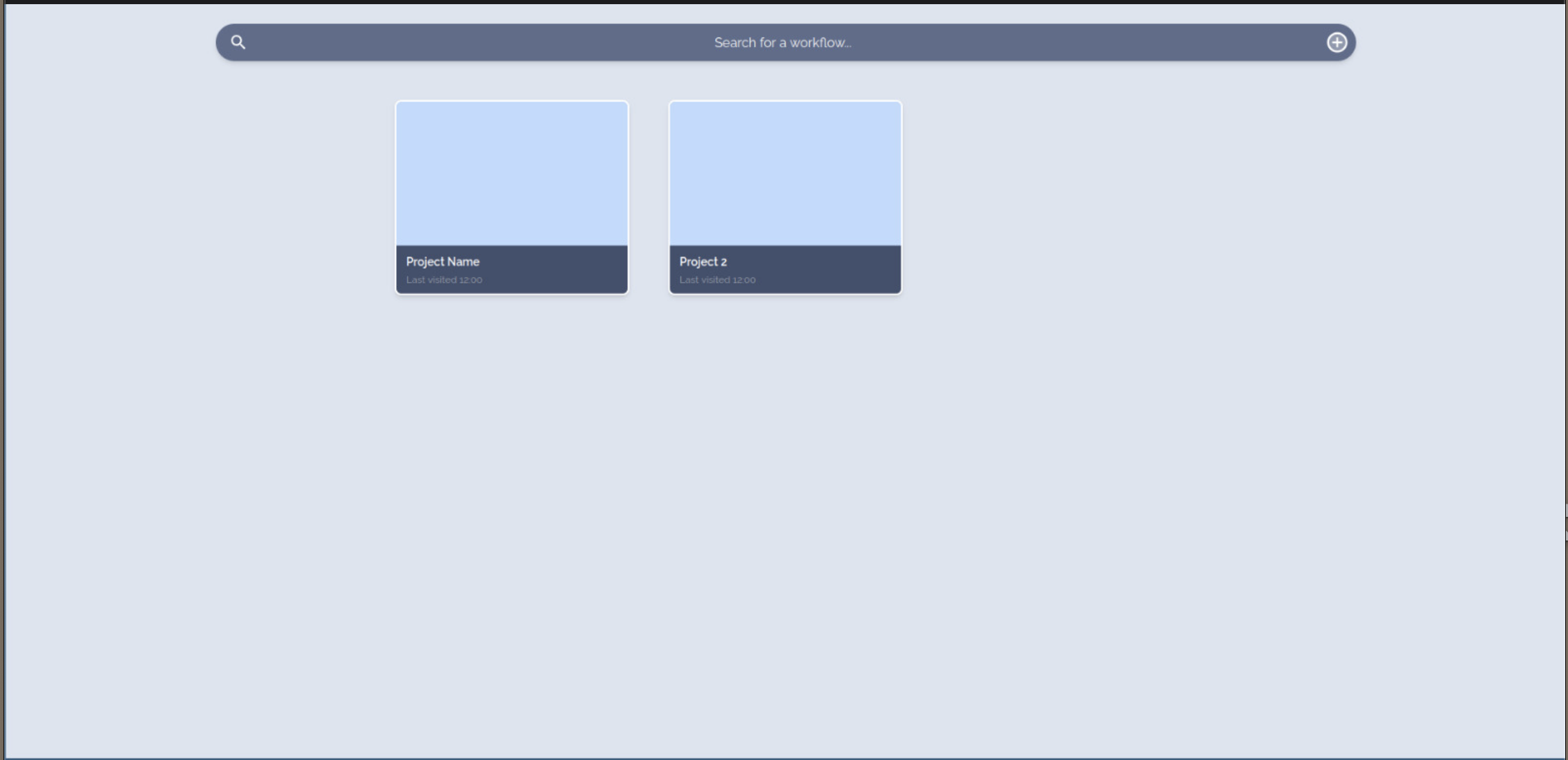
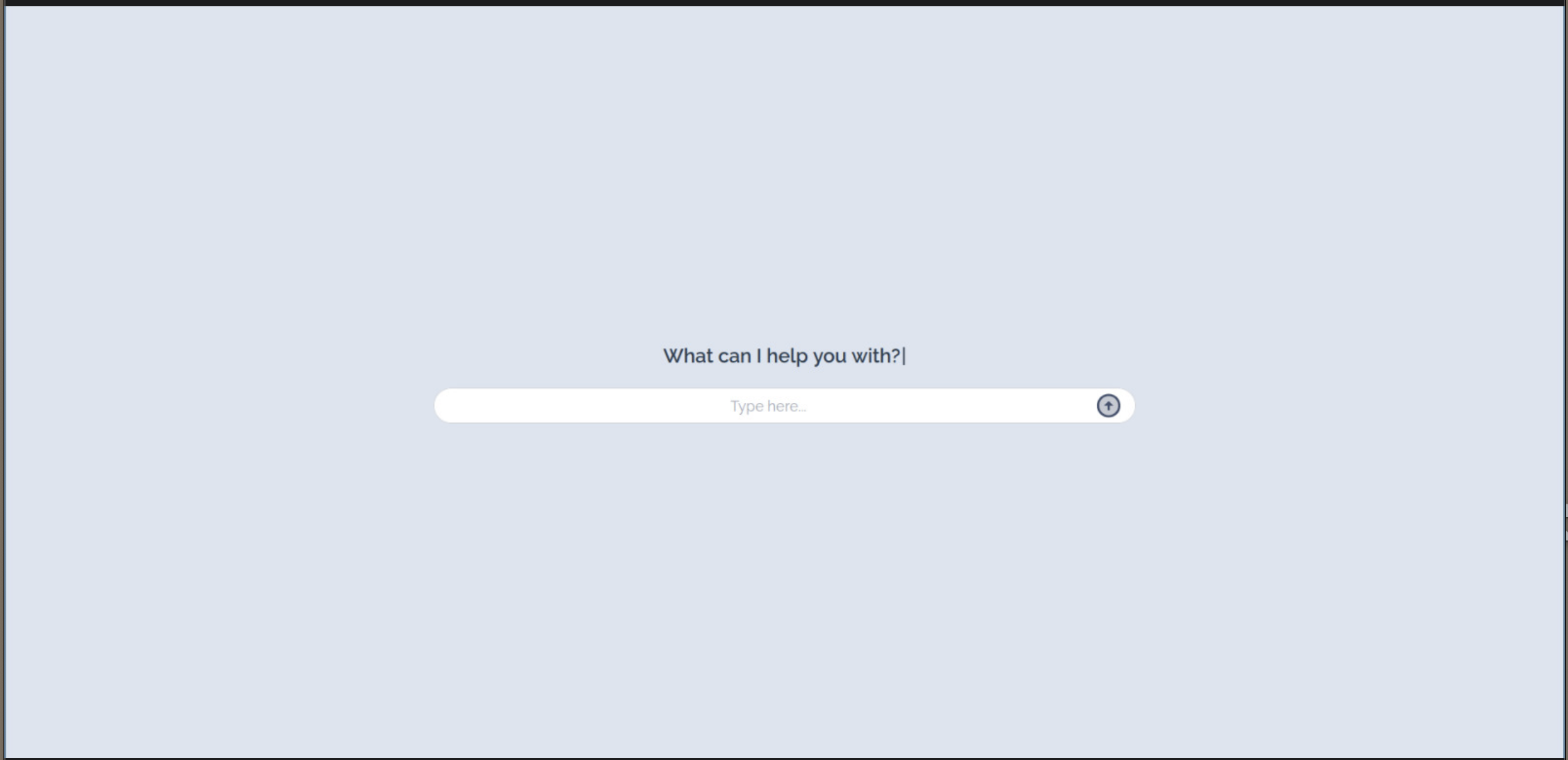
- Developing an intuitive interface for generating simple workflows with ease.
What we learned
We learned the importance of task optimization in workflow automation and how powerful LLMs can be when integrated into real-time orchestration systems. Additionally, designing user friendly interfaces without exposing the complexity of the LLM-Conductor integration.
What's next for Snow
We plan to enhance Snow by improving our parsing to show and manage complex workflows. Future updates will include expanded support for industry-specific use cases and further optimizations to reduce latency and improve performance in large-scale environments.

Log in or sign up for Devpost to join the conversation.