-
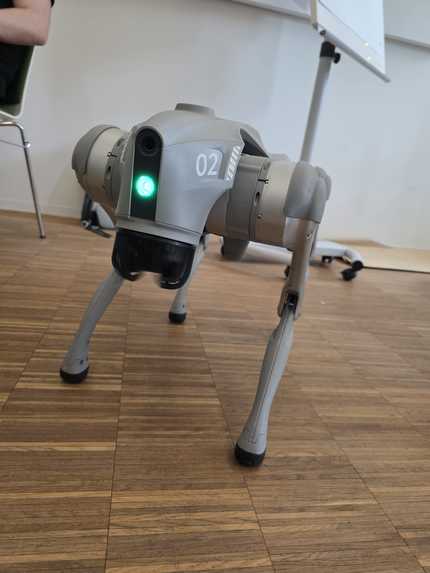
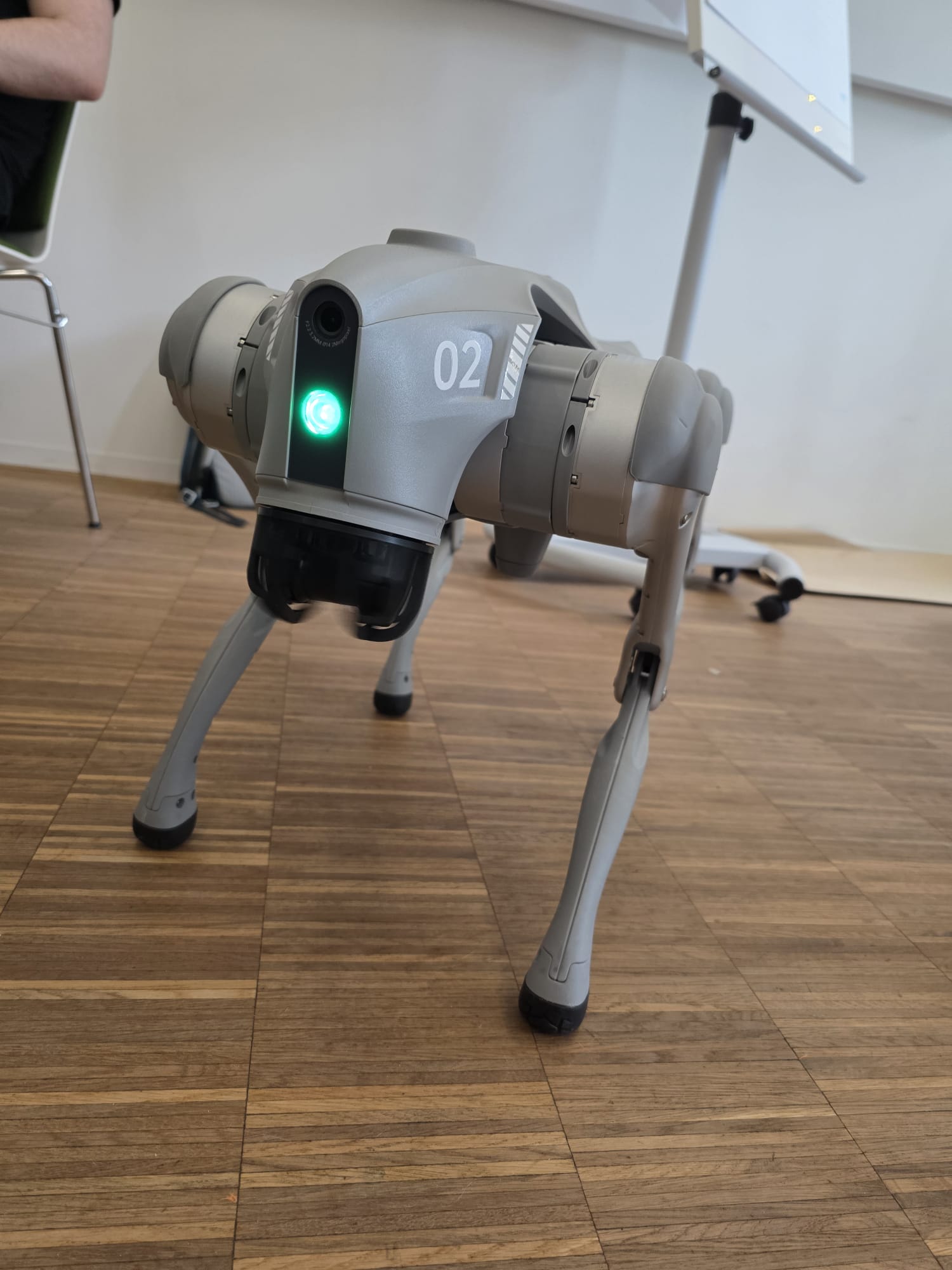
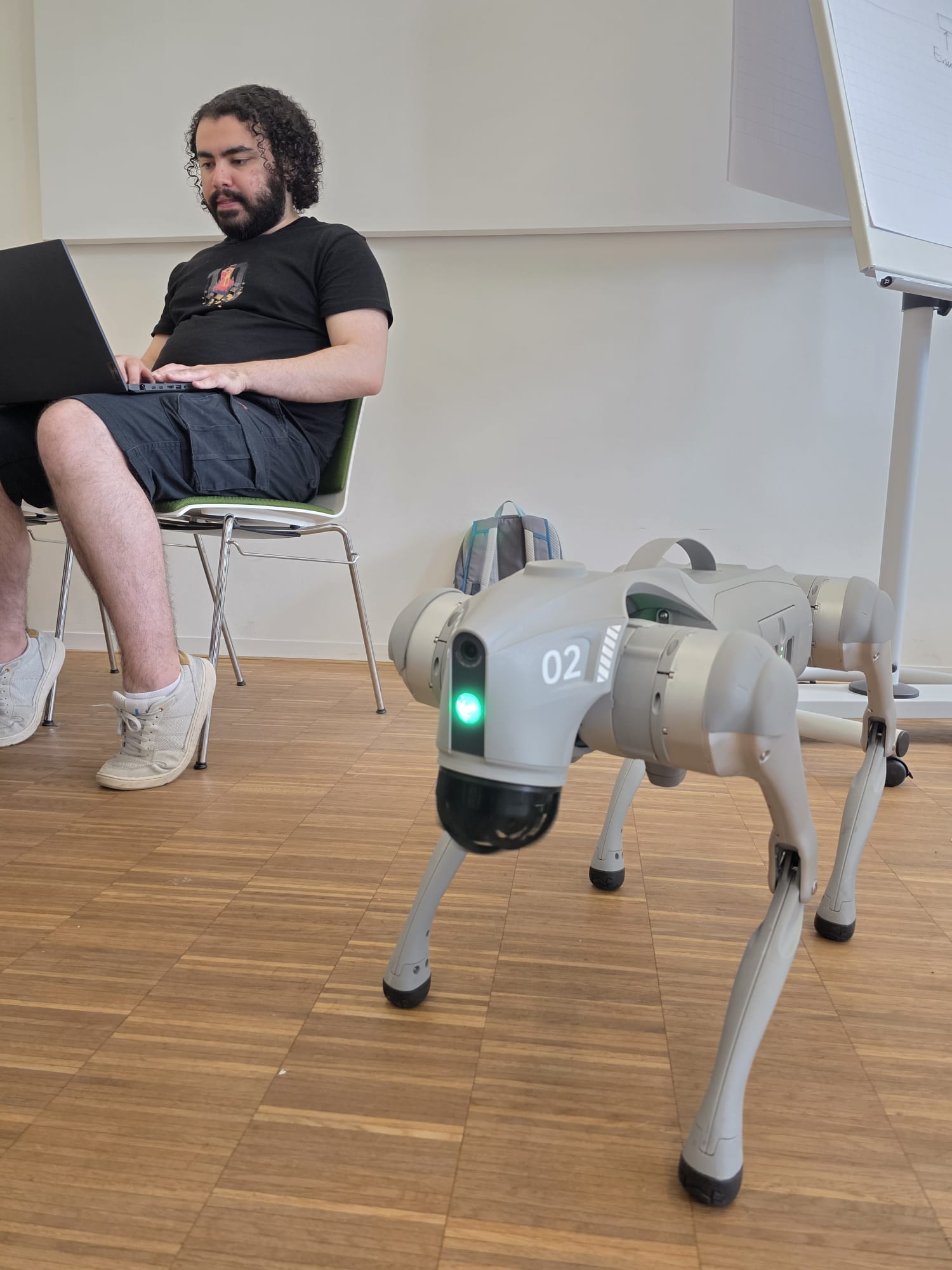
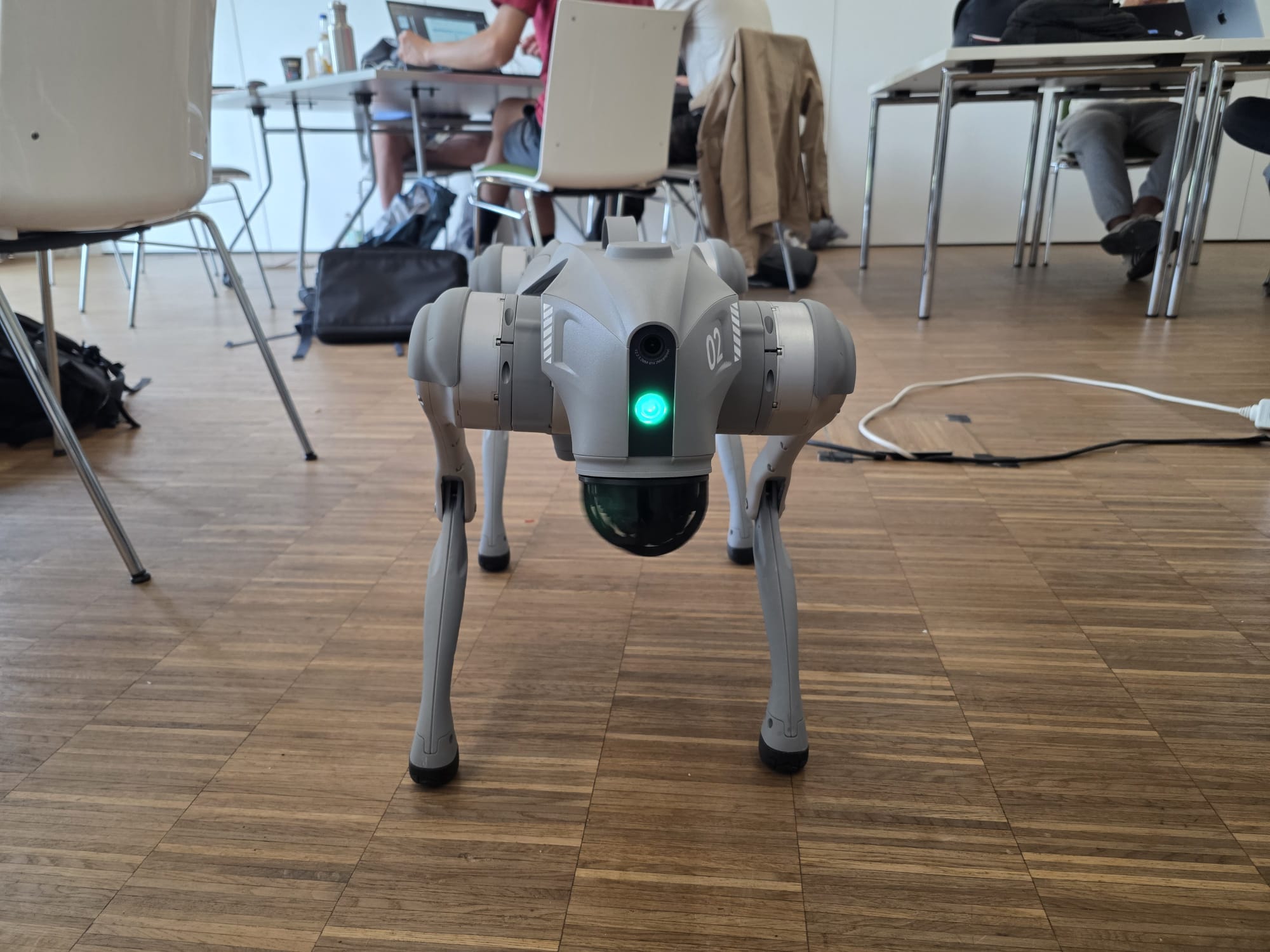
Robot-dog
-
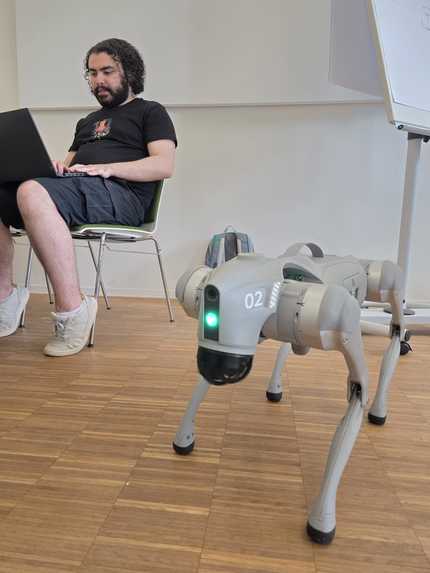
Operating via remote voice commands
-
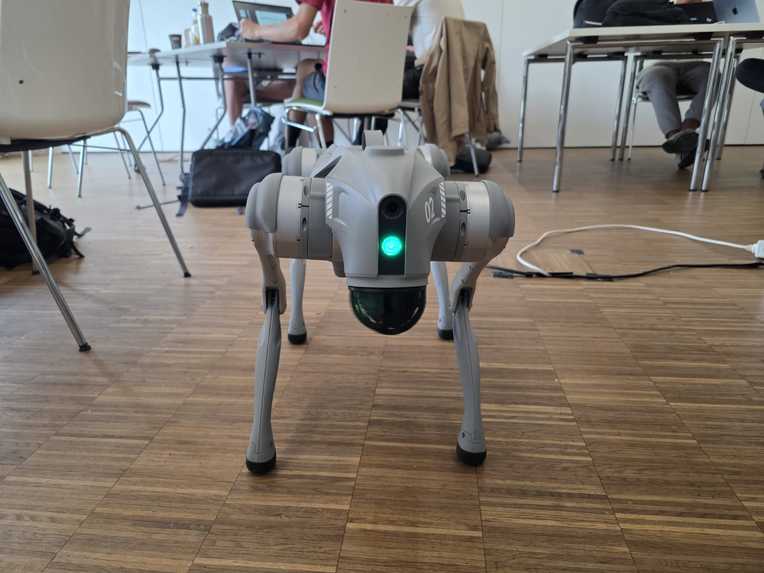
Autonomously repositioning
Inspiration
SNOOPY started with a simple idea: a robot could become an extra set of eyes for blind and visually impaired people. We wanted to use the Unitree Go2 to identify objects, understand the path ahead, describe the environment, and respond to voice commands.
We also see this as more than one robot. The same idea could later be used for other AI companions, such as voice-controlled drones or assistive machines.
What it does
SNOOPY is an assistive robot concept built on the Unitree Go2. Right now, it can identify objects, understand parts of an indoor path, give audio feedback, and move based on commands.
It is still an early prototype. It does not yet act fully on its own, but it already shows how vision, voice, audio, and movement can work together.
How we built it
We built SNOOPY by combining the main parts into the same hardware and interface. The system includes vision, an LLM for commands and reasoning, audio feedback, and robot movement control.
Most of our testing has been indoors. This helped us show that the robot can observe, respond, and guide in one connected system.
Challenges we ran into
The main challenge was autonomy. It is easier to connect vision, language, audio, and movement than to make the robot act safely and reliably on its own.
Trust is also a big challenge. Since this is meant for blind users, the system needs to be far more reliable than a normal demo.
Accomplishments that we're proud of
We are proud that we built a working prototype on real hardware. SNOOPY already brings vision, LLM-based interaction, audio feedback, and robot control together in one system.
We are also proud that indoor testing proved the core idea. It showed that this can grow into a broader assistive companion platform.
What we learned
We learned that integration is only the beginning. Making all parts work together is important, but making the system dependable in real use is much harder.
We also learned that this idea can go beyond a robot dog. The same approach could work for other voice-controlled companion systems.
What's next for SNOOPY (Sensory Navigation Object Observation PuppY)
Next, we want to improve autonomy. The goal is to help SNOOPY find objects better, understand paths more clearly, and make safer decisions with less manual input.
We also want to expand this idea to other companion machines. In the future, the same system could support robots, drones, and other assistive devices.


Log in or sign up for Devpost to join the conversation.