Inspiration
After seeing the theme WILDHACK, we thought about helping our local ecosystems by keeping track of endangered and invasive species. Organizations like the Washington Department of Fish & Wildlife already have resources for reporting such sightings. The problem is, how do we know when to report? SnapSafari seeks to address this problem.
What it does
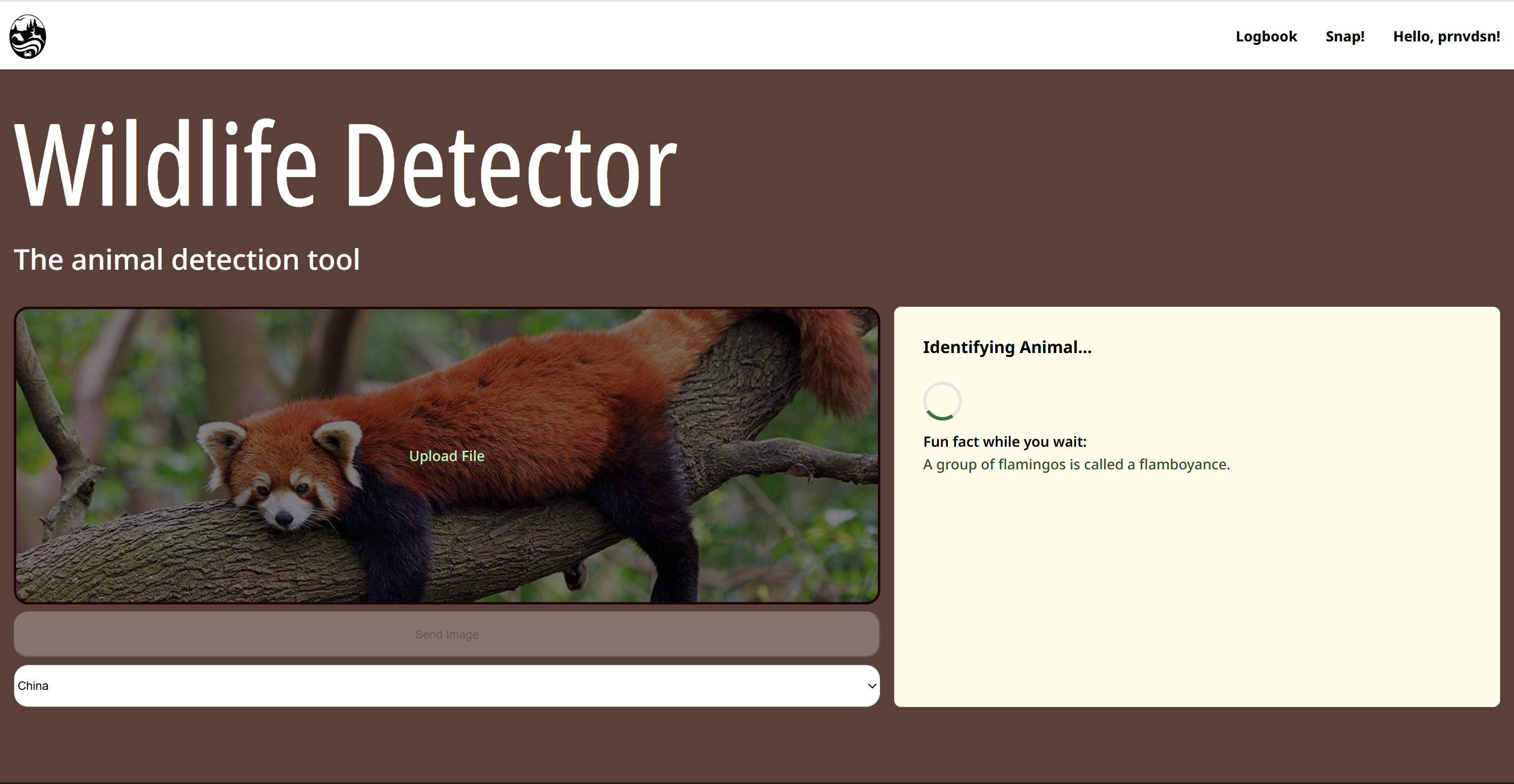
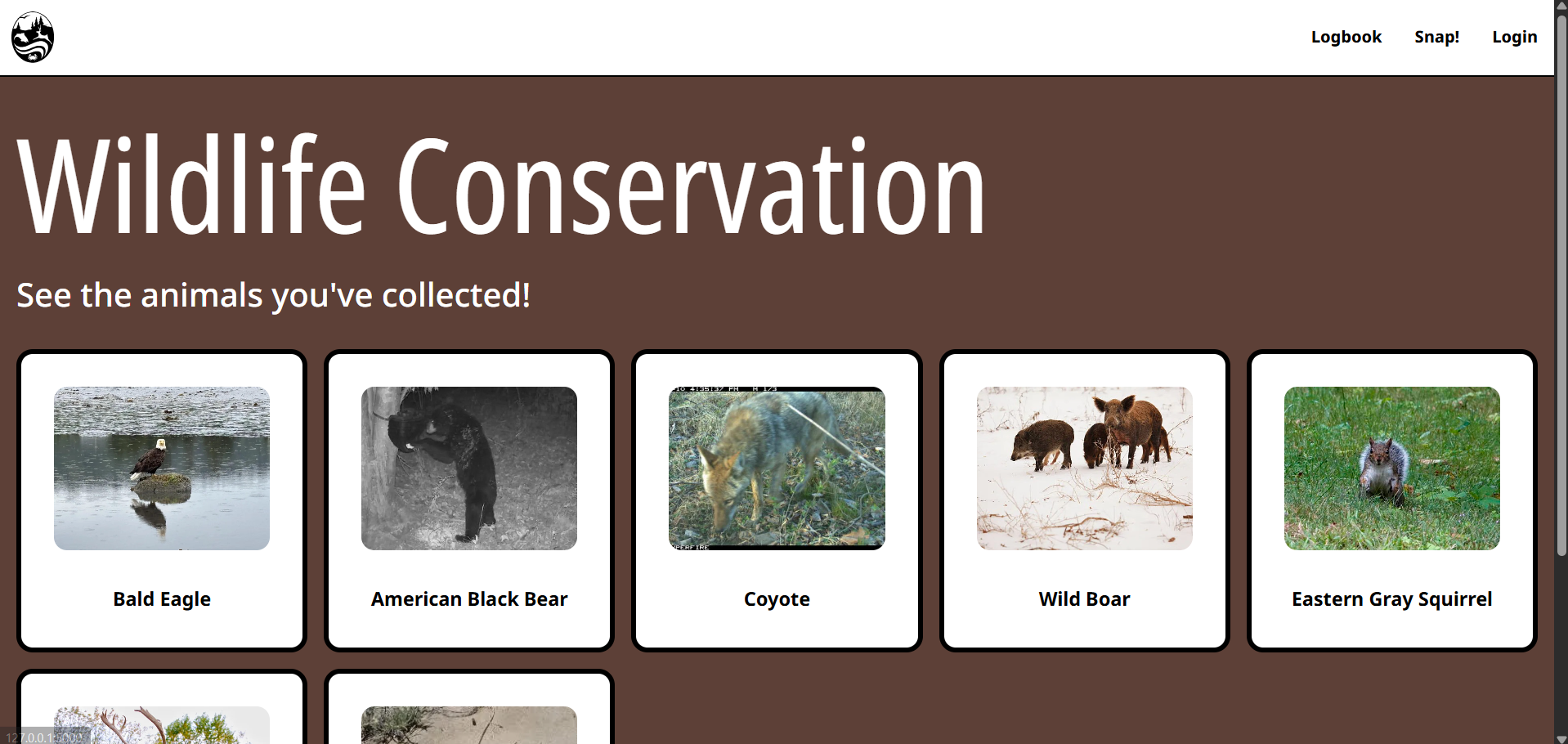
SnapSafari is a website allowing users to submit images of animals, which will then be identified by an AI image identifier. It will then display information about the identified animal, like its regional population, characteristics, and importantly, its conservation status and whether it’s invasive. The user can also choose to submit a corresponding location, which the models will take into account when identifying. A link to report to the relevant organization, as determined by location, will be provided if the identified animal should be reported. The Logbook will display the user’s previously identified animals, allowing them to admire their collection and incentivising them to collect more photos.
How we built it
The front end of the website is built on HTML, CSS, and JavaScript. The backend is built on Flask with Python. The database uses SQLite.
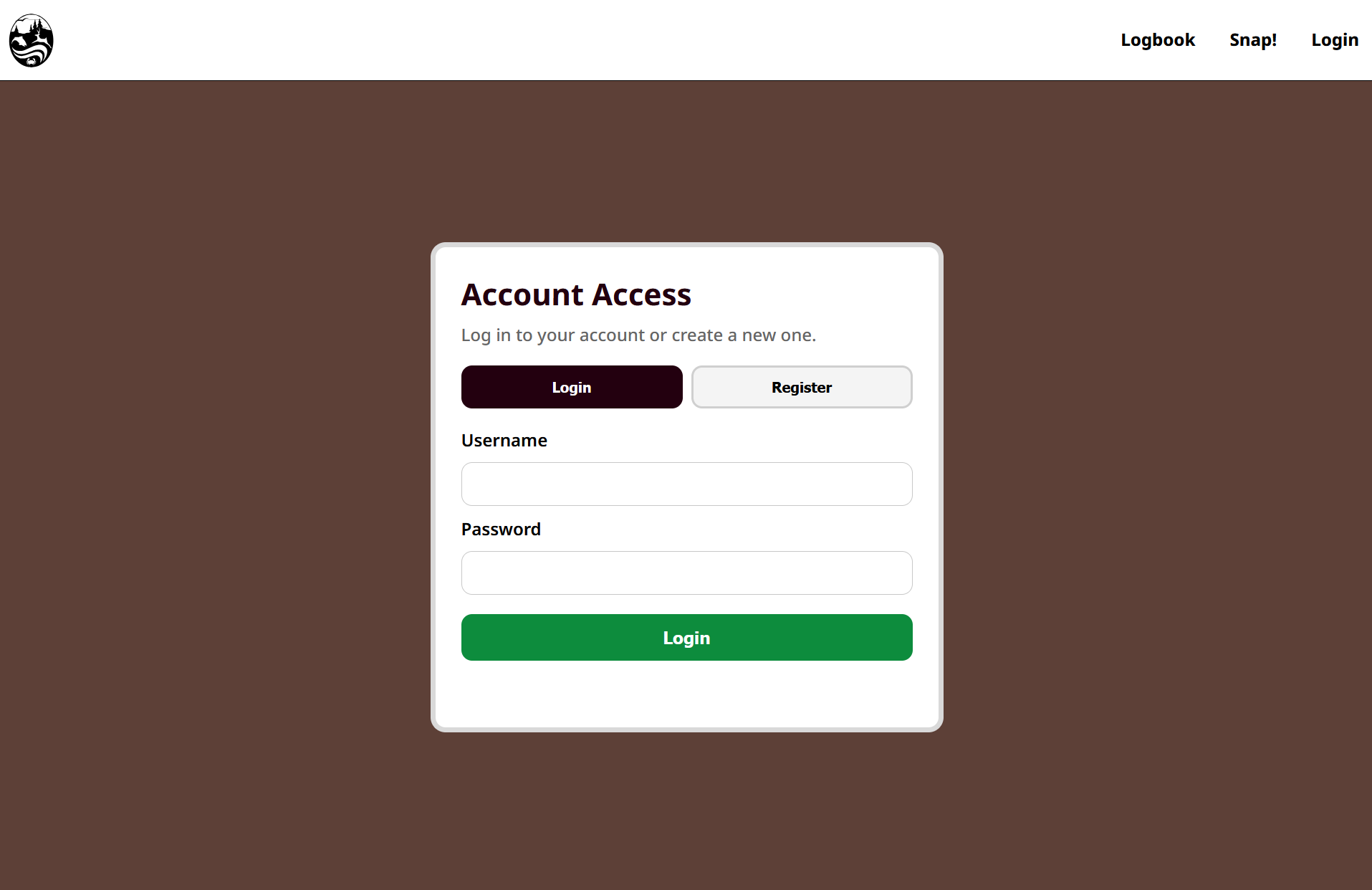
Users will be stored in the database, along with their hashed passwords for secure login. The database stores animals identified along with the user, which allows the Logbook to be unique to each user.
For animal identification, the website uses an AI model trained by Google that classifies species of animals captured in camera traps (see Citation). The model is run locally.
For information on the identified animal, the website uses an API call to Google’s Gemini 3 Flash model, which then outputs the data as a json.
Challenges we ran into
Storing and transferring images between the backend and front end was especially a challenge, but we eventually figured that out. For database storage specifically, we encoded the image to a base 64 string.
What's next for SnapSafari
In our original idea, SnapSafari was a mobile app. Due to implementation limitations, we converted the idea to a website. In the future, we would love to reconsider the mobile idea, which would allow users to identify on the fly while hiking or camping.
Citation
Gadot, T., Istrate, Ș., Kim, H., Morris, D., Beery, S., Birch, T., & Ahumada, J. (2024). To crop or not to crop: Comparing whole-image and cropped classification on a large dataset of camera trap images. IET Computer Vision. Wiley Online Library.


Log in or sign up for Devpost to join the conversation.