-
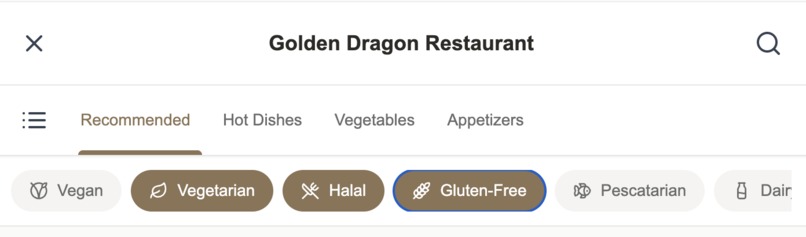
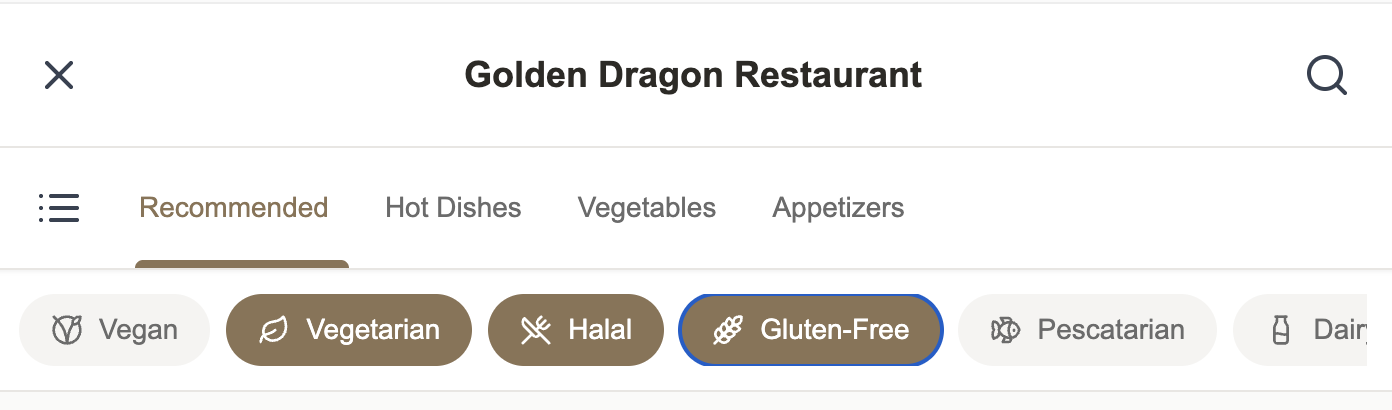
Food label filtering
-
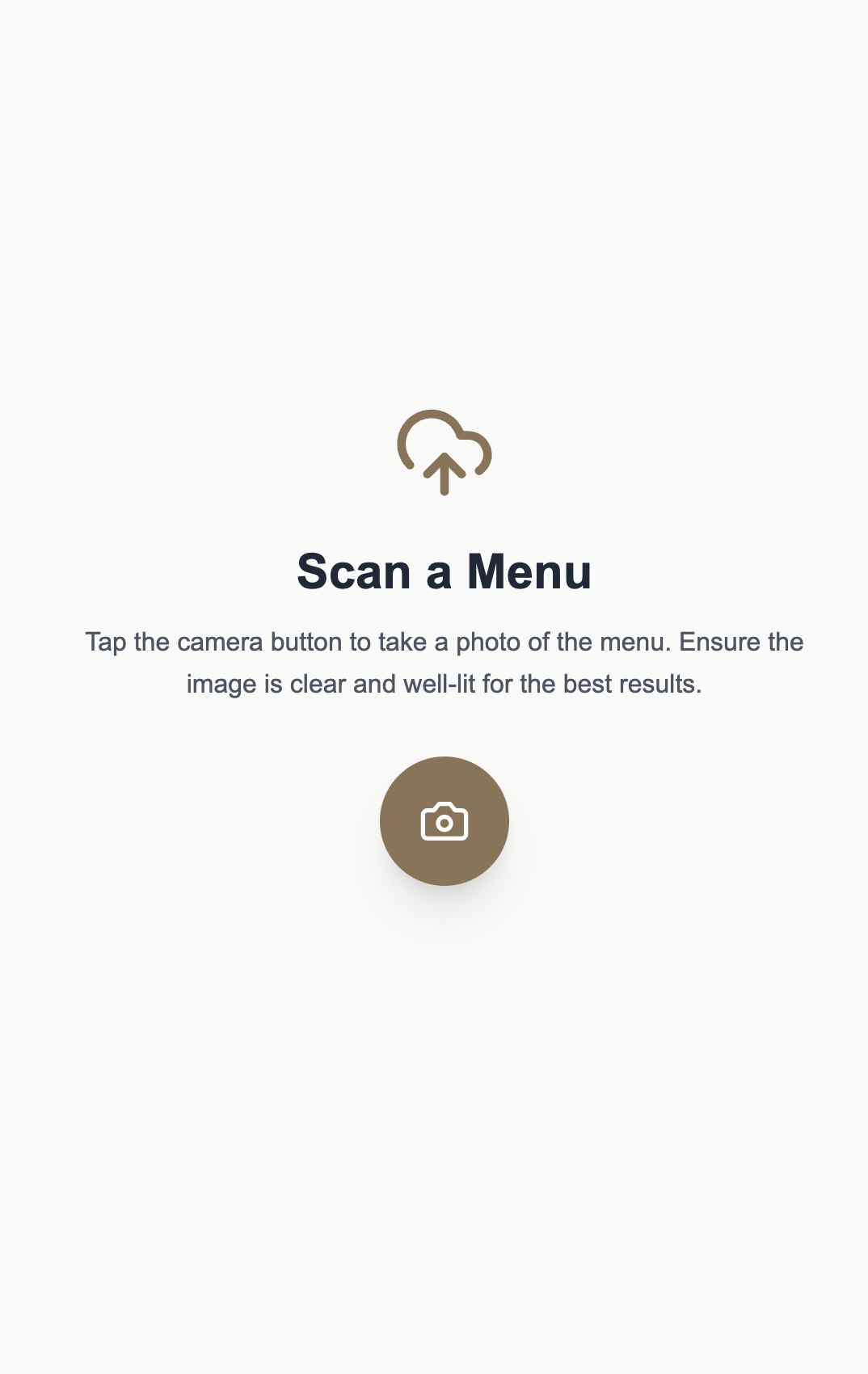
loading page
-

camera screen design
-
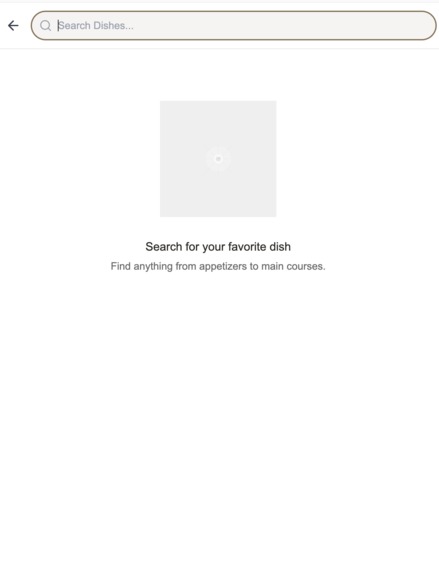
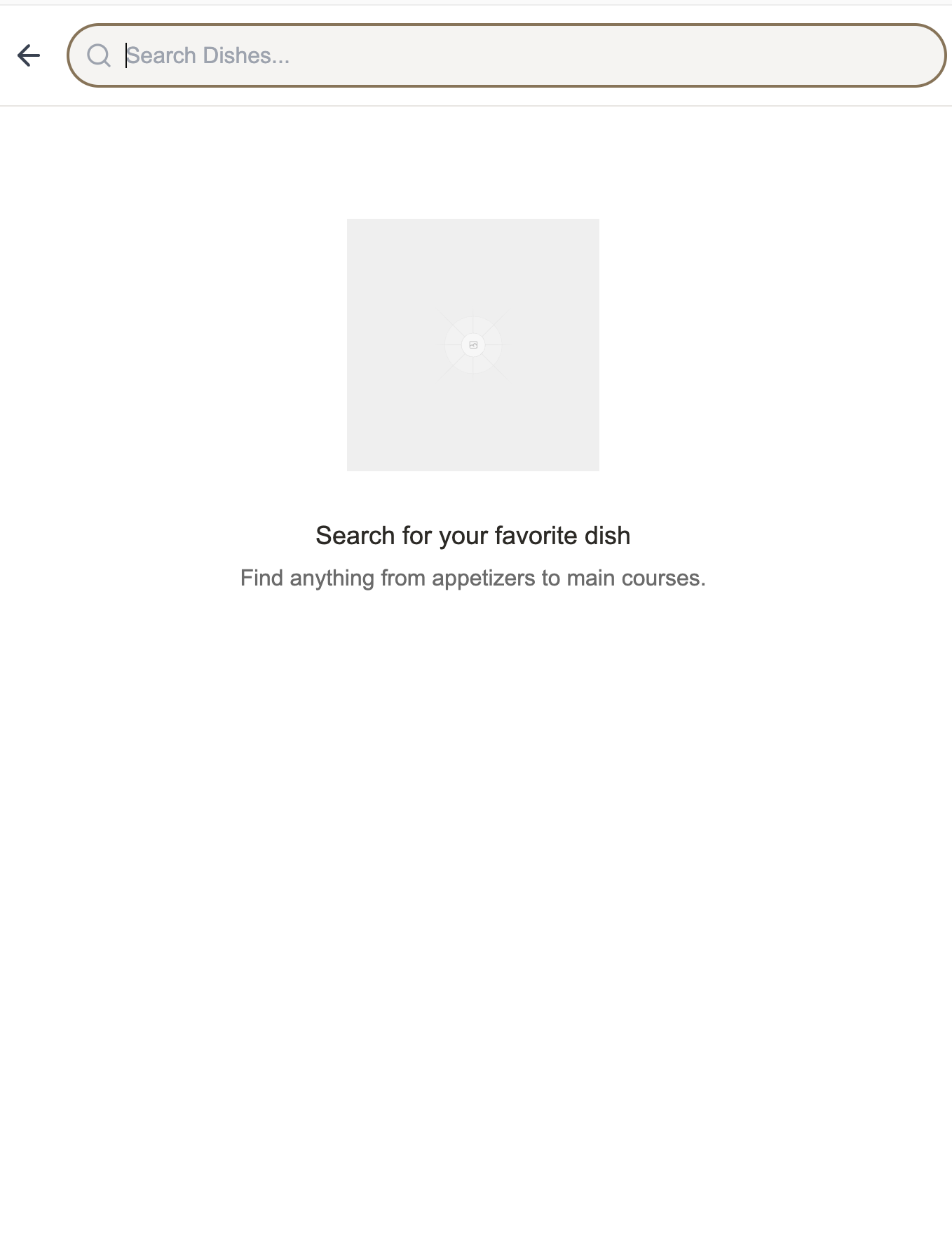
search page
-
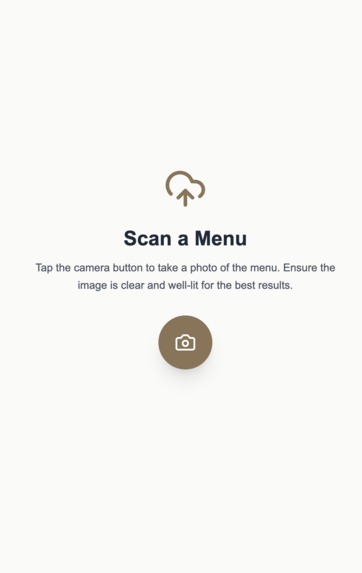
Index page
-
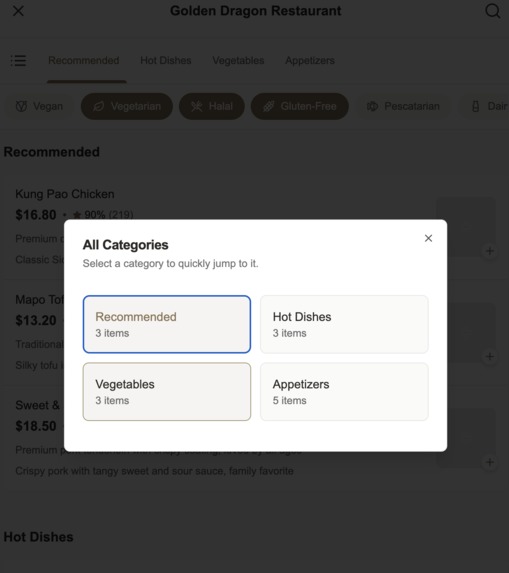
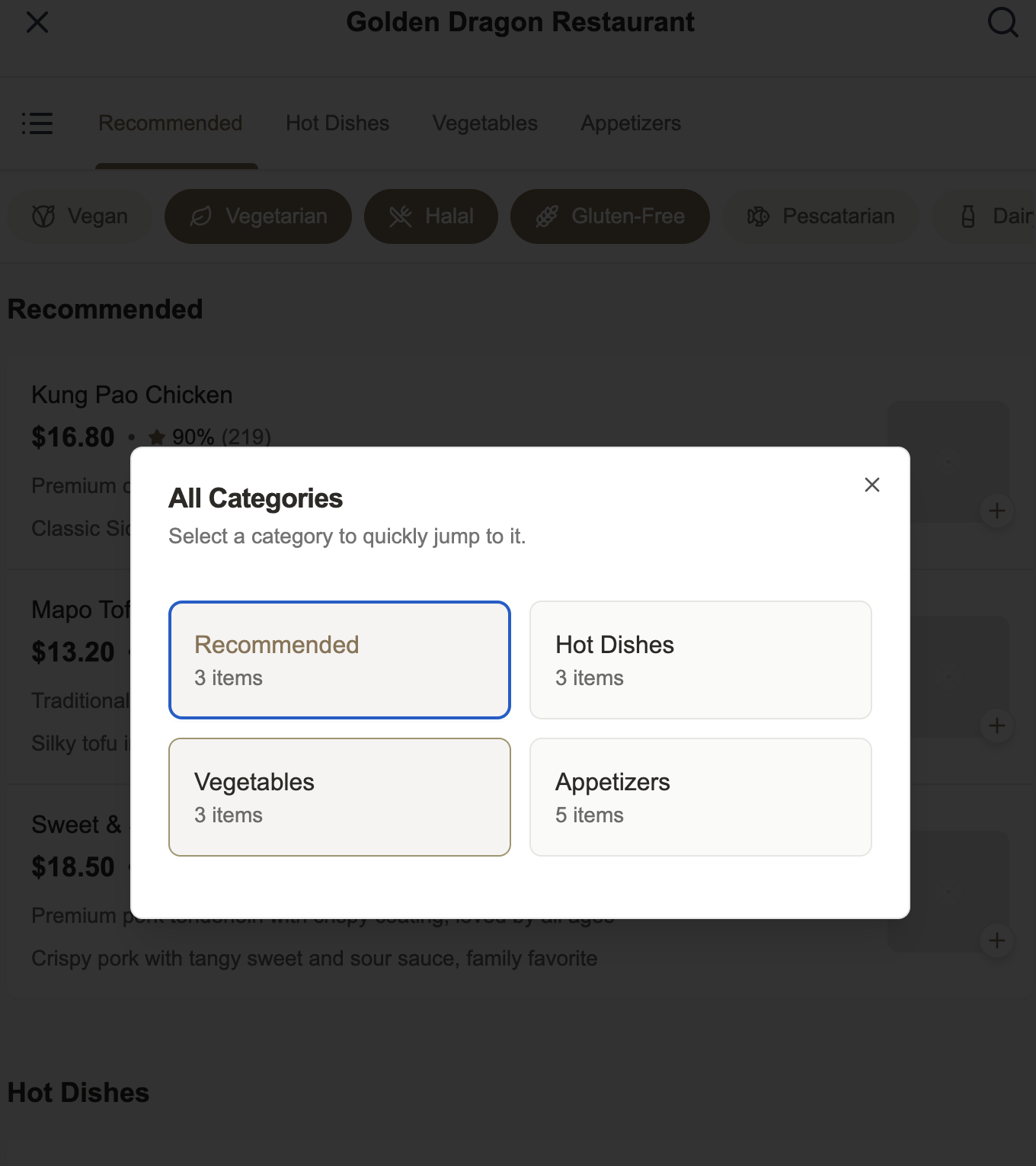
categories expand
-
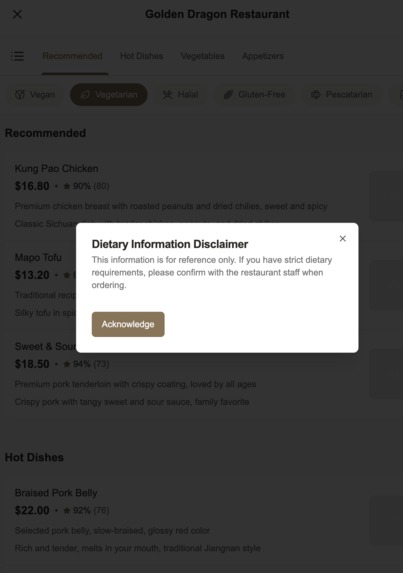
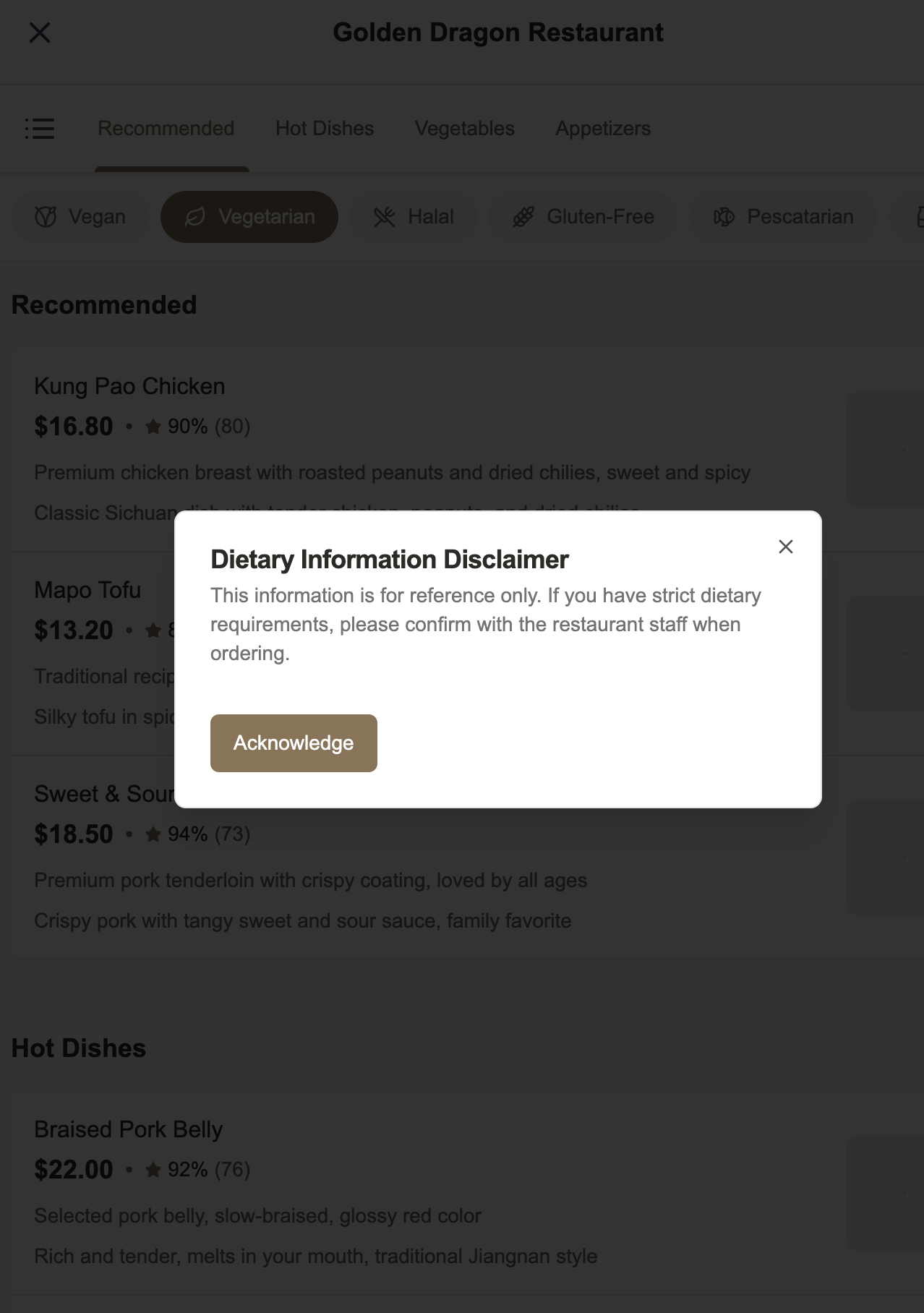
Food label filtering choose warning
-
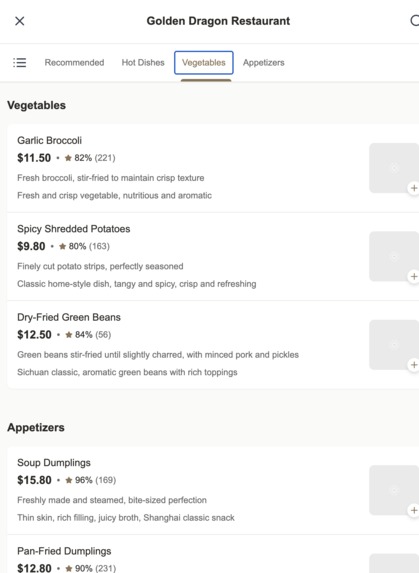
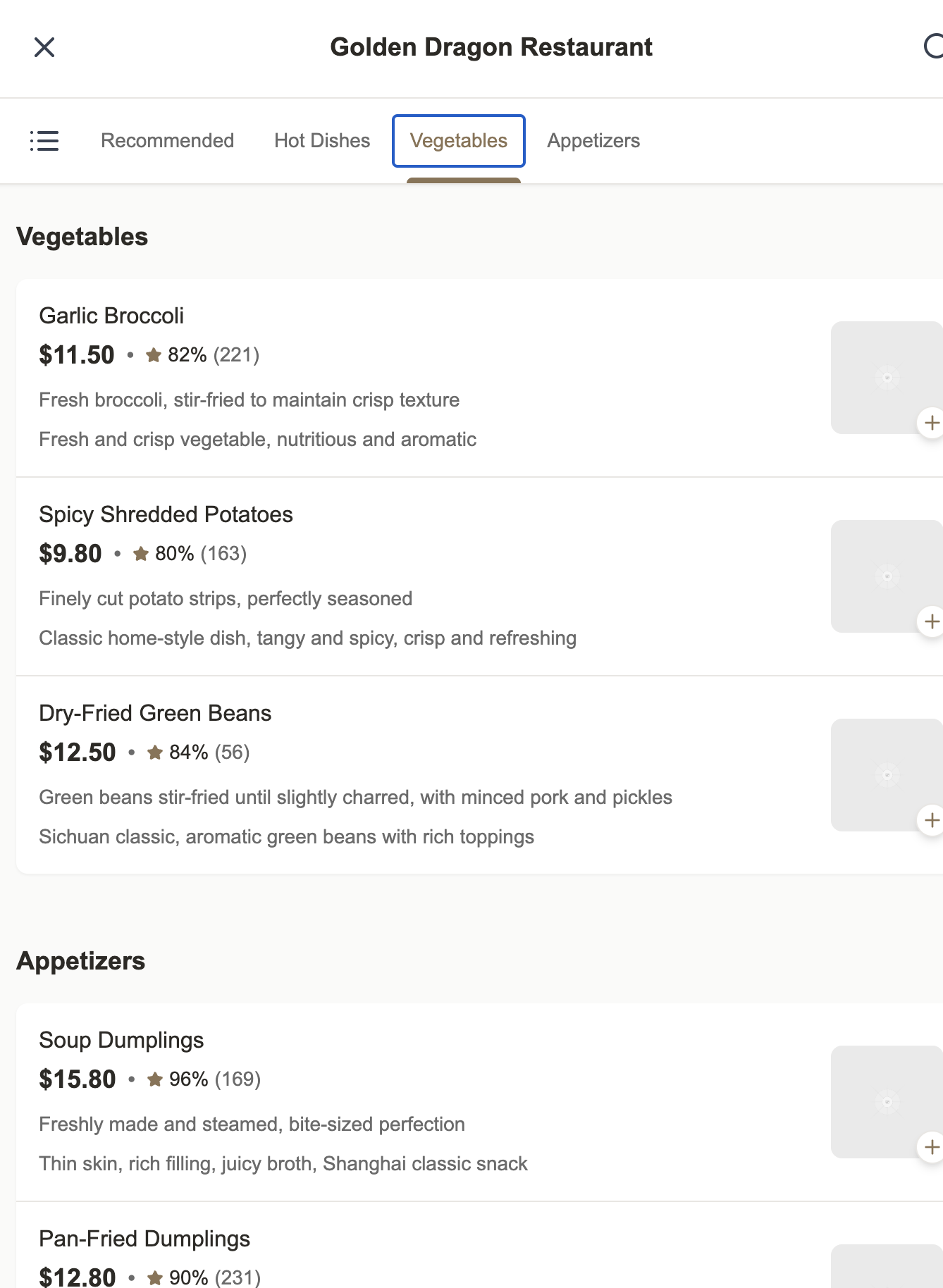
menu screen(choose tab)
-
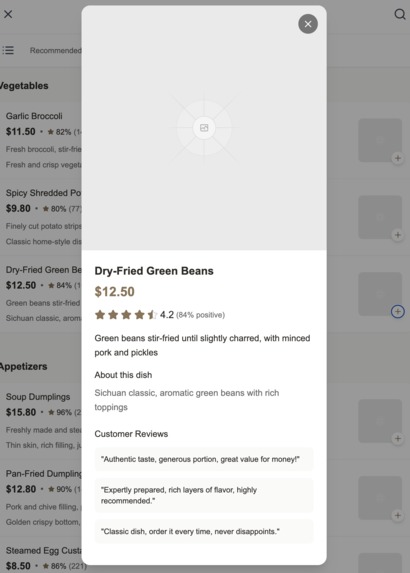
dish details
-
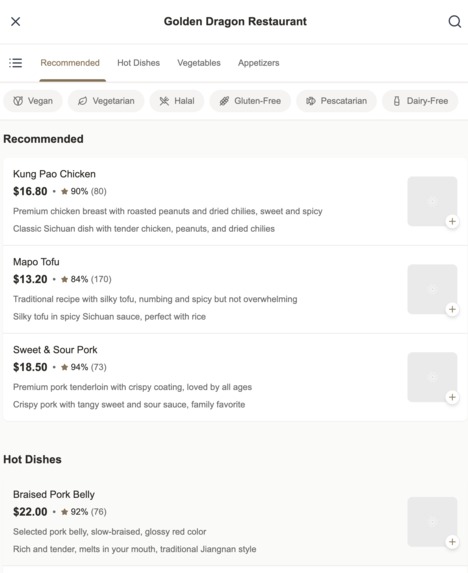
menu screen(no choose tab)

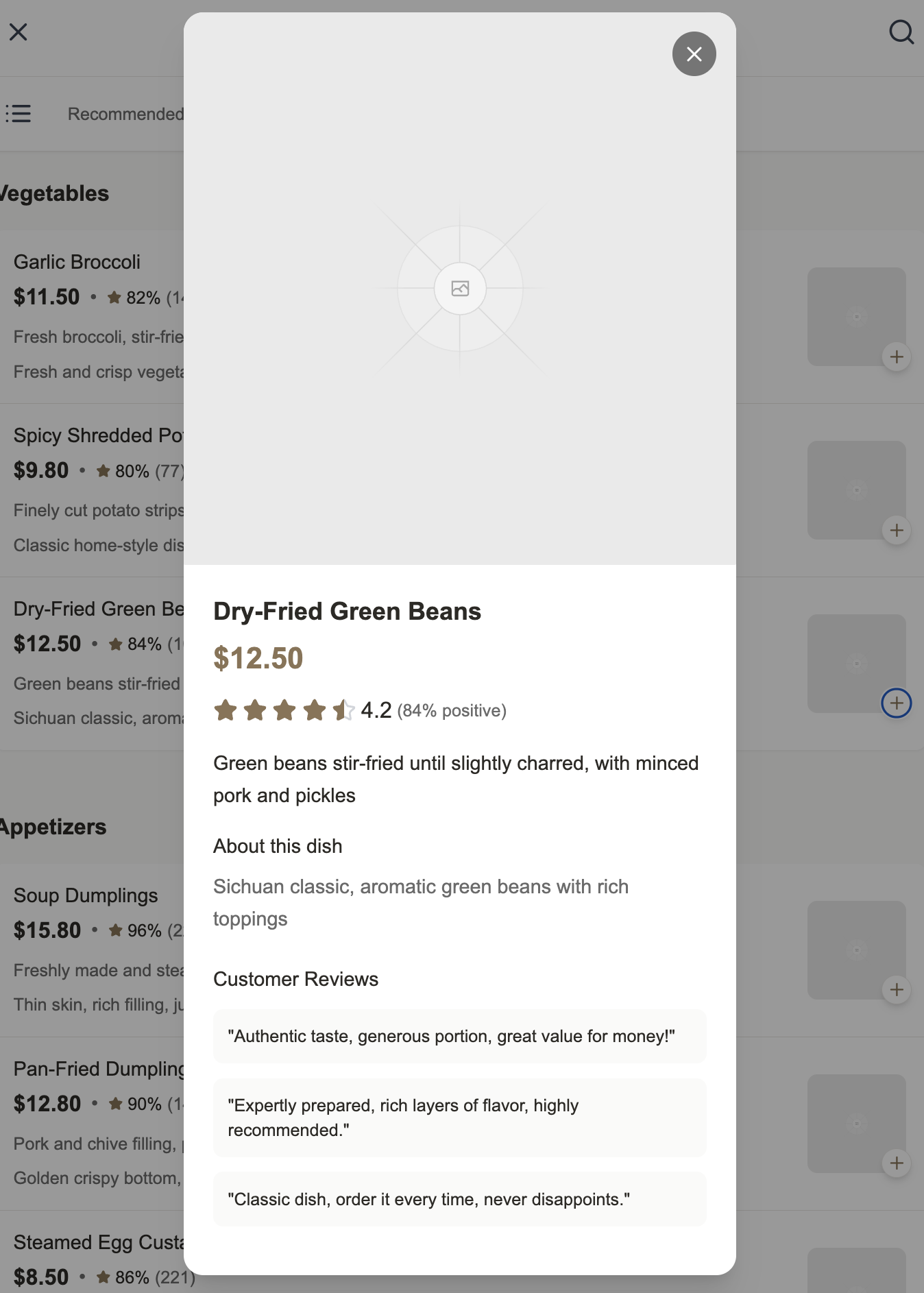
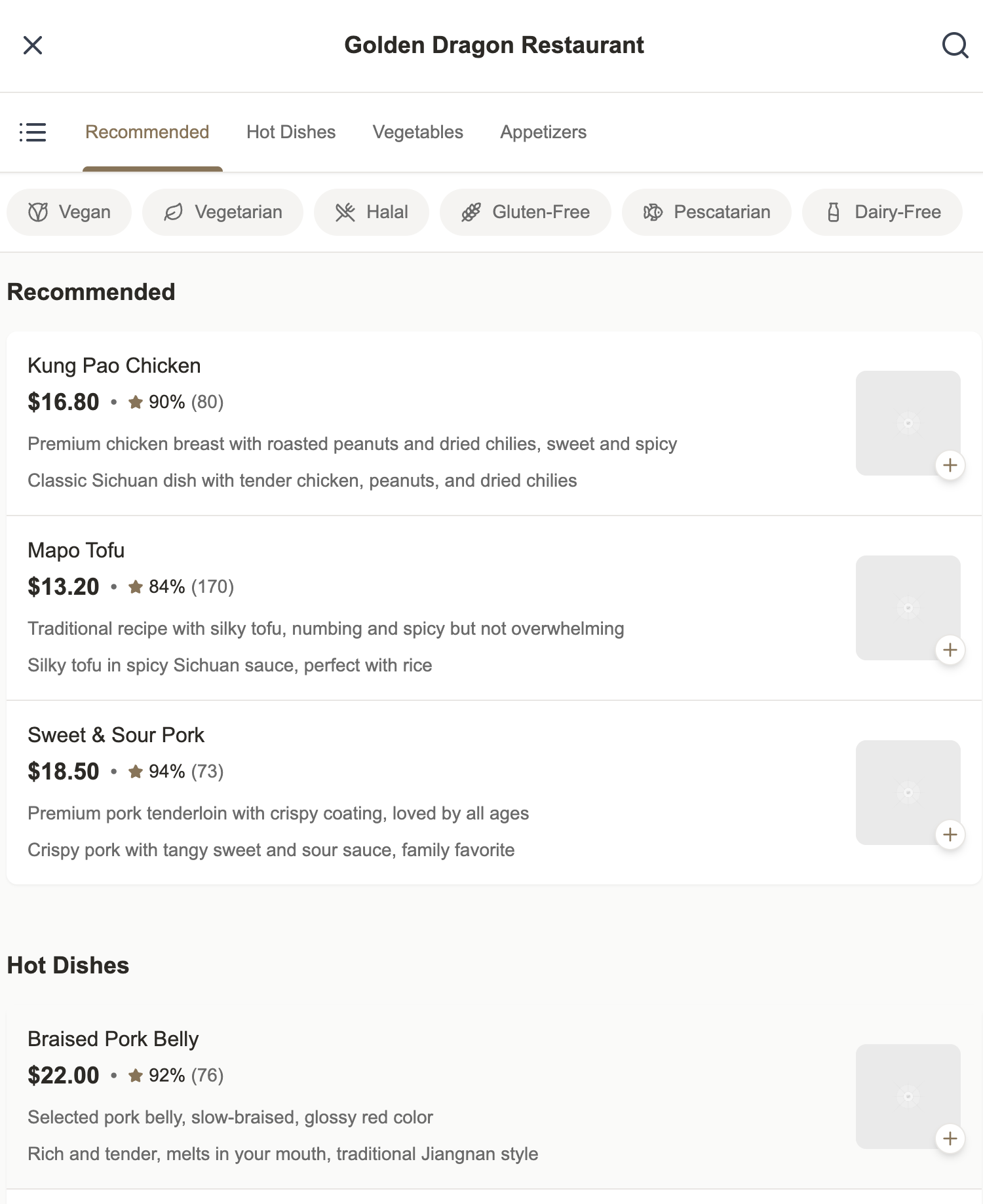
📱 SnapDish – Decode Menus, Discover Food
🧠 Inspiration
It all started with a joke — a viral video where someone misread “夫妻肺片” as “Husband & Wife Lung Slices.” Funny at first, but it exposed a real pain point: language barriers at restaurants are no joke when you're hungry, allergic, or culturally cautious.
Whether you're traveling abroad or just browsing a Chinatown menu, the fear of ordering something you can’t (or shouldn’t) eat is real. And reading through dozens of scattered reviews on different apps? Not practical when you're starving. We knew we could do better.
🏗️ How We Built It
We built SnapDish as a mobile-first web app using:
- 🧠 ChatGPT & LLMs: Menu translation, review summarization, and ingredient analysis
- 📸 OCR + Image Search API: Snap a picture of the menu, detect dishes, and pull real photos
- ⚙️ Dify + React Frontend: For speed and UX, styled after Uber Eats’ clean and familiar feel
- 🛠️ One-Day MVP: Built under pressure during SpurHacks with a lean, scrappy mindset
🚧 Challenges We Faced
- ⚠️ Menu Parsing Chaos: Every menu has a different format — photos, columns, multiple languages. We had to fine-tune prompt engineering and image preprocessing.
- 🌍 Cross-Cultural Food Sensitivities: Building a system that understands what’s halal, vegan, or allergen-safe across cultures isn’t just translation — it’s knowledge modeling.
- ⏱️ Time Crunch: We had less than 24 hours. That meant no overengineering, just rapid iteration, and shipping fast.
🎓 What We Learned
- Human-centered AI is powerful: LLMs aren’t just chatbots — with good UX and clear goals, they solve real-world problems.
- The last mile matters: The tech wasn’t enough. It took polish, design, and storytelling to make it truly usable.
💡 Final Thought
“They don’t need a translator — they need us.”
SnapDish isn't just a translator. It's your food guide, safety net, and review summarizer, all in one snap.
Built With
- dify
- gcp
- google-cloud
- nextjs
- openai
- python
- typescript
- v0


Log in or sign up for Devpost to join the conversation.