-
-

Intro
-
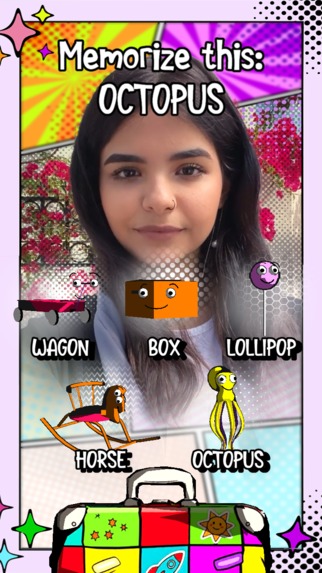
Memory Game
-
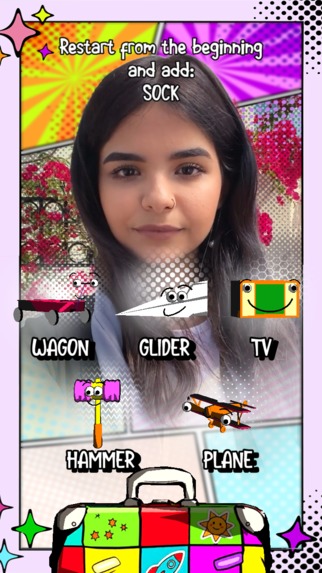
Memory Game
-
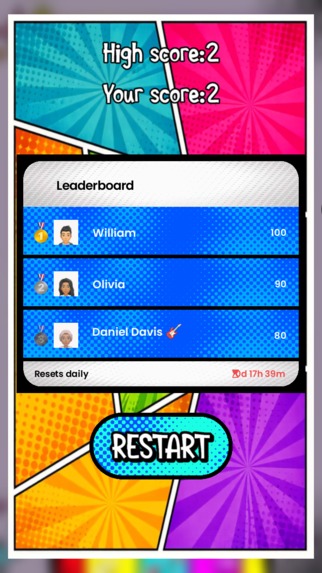
Leaderboard
-
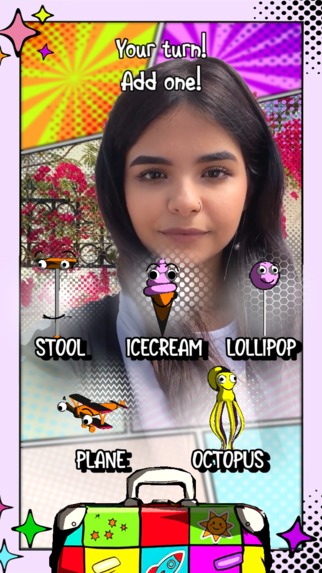
Memory Game
-
-



Inspiration
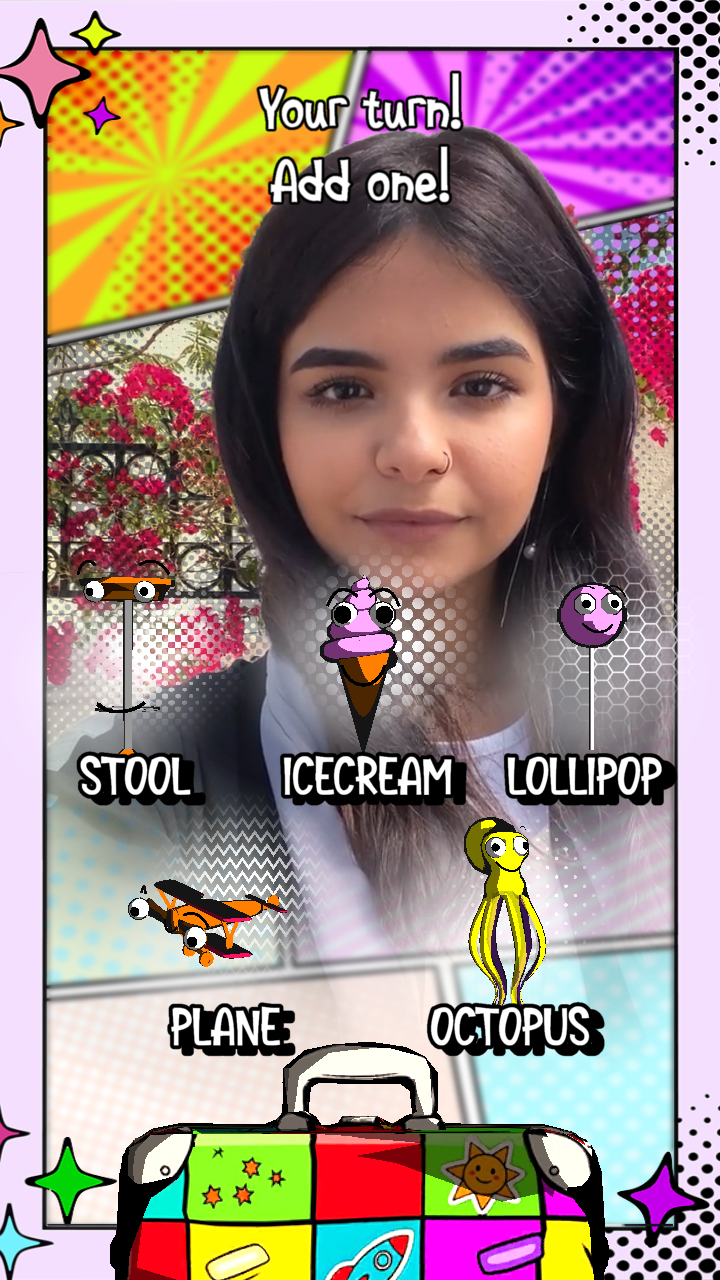
Snapcase started from a simple childhood memory game: “I’m going on a trip and I pack…”. I wanted to turn that growing-list pressure into a fast, replayable Snapchat experience with a bold pop / cartoon / comics look—readable 3D objects, punchy UI, and satisfying feedback.
What it does
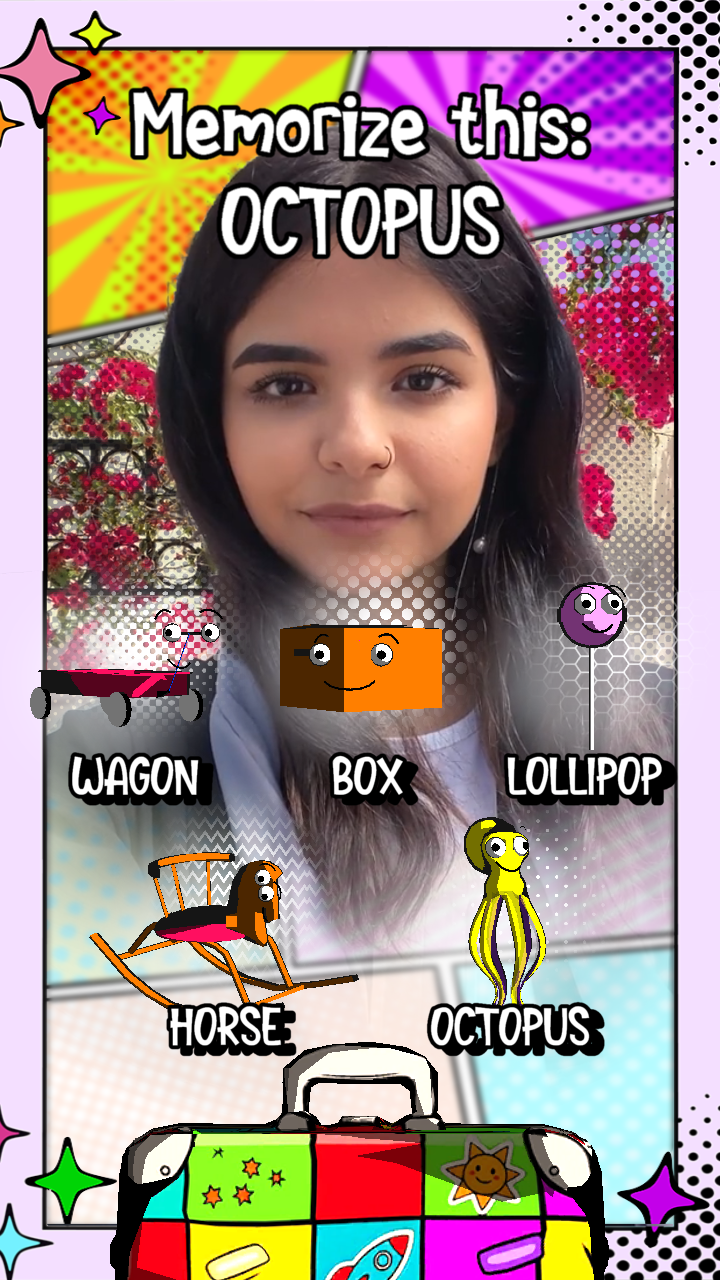
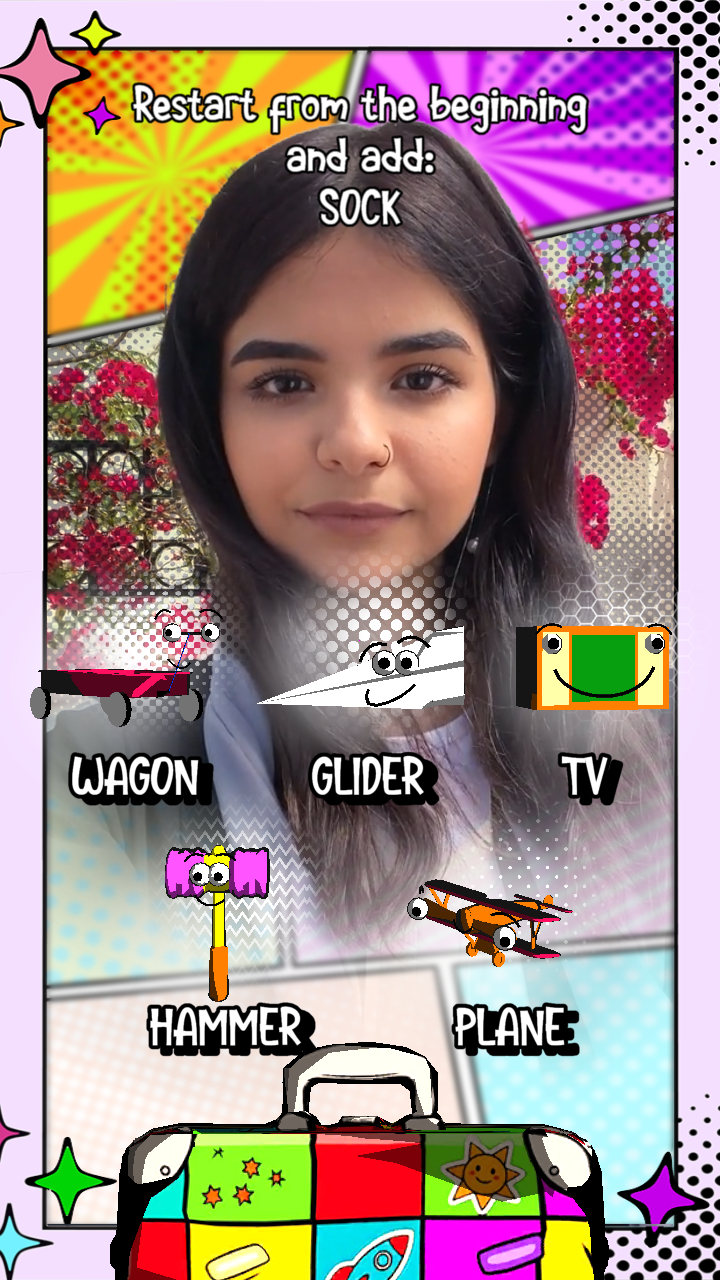
Snapcase is a 3D memory rush:
- A suitcase shows an ordered list of items that grows each round
- Players must tap the items back in the same order
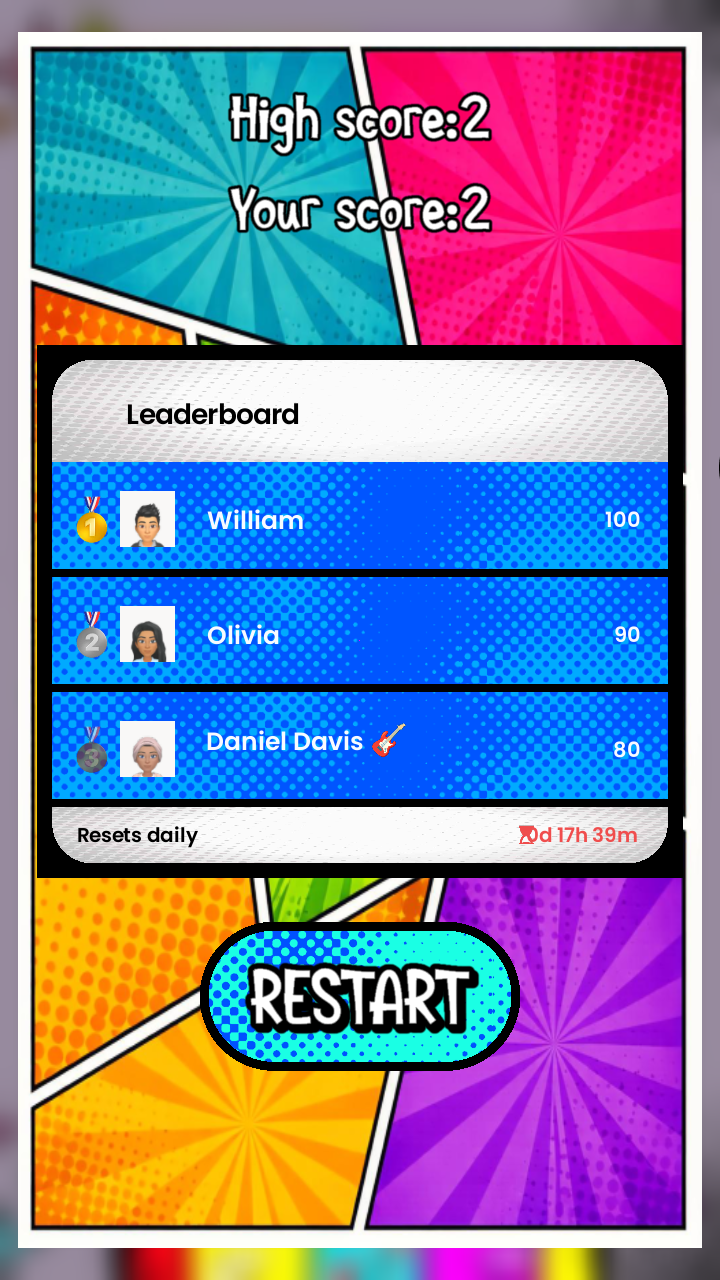
- One mistake ends the run → score is submitted → leaderboard screen
How we built it
This was my first time ever opening Lens Studio, Visual Studio Code, and GitHub—I learned everything on the fly while building a shippable project.
Main building blocks:
- State-based flow:
BOOT → GAME → END/LEADERBOARDto keep runtime clean - Modular code: I started with one monolithic GameManager, then split into smaller scripts (game state, UI flow, item provider, leaderboard flow) for stability and easier debugging
- 3D pipeline: I modeled the items in Blender with a focus on silhouette readability, consistent style, and lightweight geometry for mobile performance
- Snap assets/workflows: I relied as much as possible on Snap-provided components (loading/scene/UI patterns) to stay optimized and future-proof
ChatGPT acted like an invaluable daily teammate for structuring systems, debugging, and iterating quickly.
Challenges we ran into
I wanted a game that would let me explore 3D in Lens Studio with code that wouldn’t be too scary since I was starting from zero — spoiler: it still felt like a final boss to me (even if seasoned devs might laugh kindly).
- Performance & loading: keeping lots of item variety without heavy startup or lag
- UI responsiveness: clean leaderboard layout with masks/borders across screen sizes
- Tooling ramp-up: learning Lens Studio + VS Code + Git from scratch while shipping
- API constraints: adapting to deprecations and recommended Snap workflows
Accomplishments that we're proud of
- A complete, replayable gameplay loop that feels “snackable” on Snapchat
- A stable end flow with score + leaderboard screen
- A cleaner architecture after refactoring into modules
A consistent stylized 3D item set made in Blender
- Intro motion design ## What we learned
Shipping means making smart trade-offs: clarity + performance > extra features
Separating game states prevents “hidden” bugs and wasted runtime work
Version control (GitHub) is essential once the project grows
Debugging becomes manageable when responsibilities are split into modules
What's next for Snapcase
Ideas we initiated but didn’t ship yet:
- More “juice”: micro-animations, stronger audio/visual feedback
- Gameplay variants (speed / hardcore / themed item sets)
- Meta-progression (badges, streaks, collectible item packs)
Built With
- blender
- chatgpt
- git-+-github
- leaderboard)
- remote-assets-loader/cycler
- score-ui
- snap-asset-library-components-(scene-manager
- snapchat-/-lens-studio-5
- substance-3d-painter
- visual-studio-code

Log in or sign up for Devpost to join the conversation.