
Inspiration
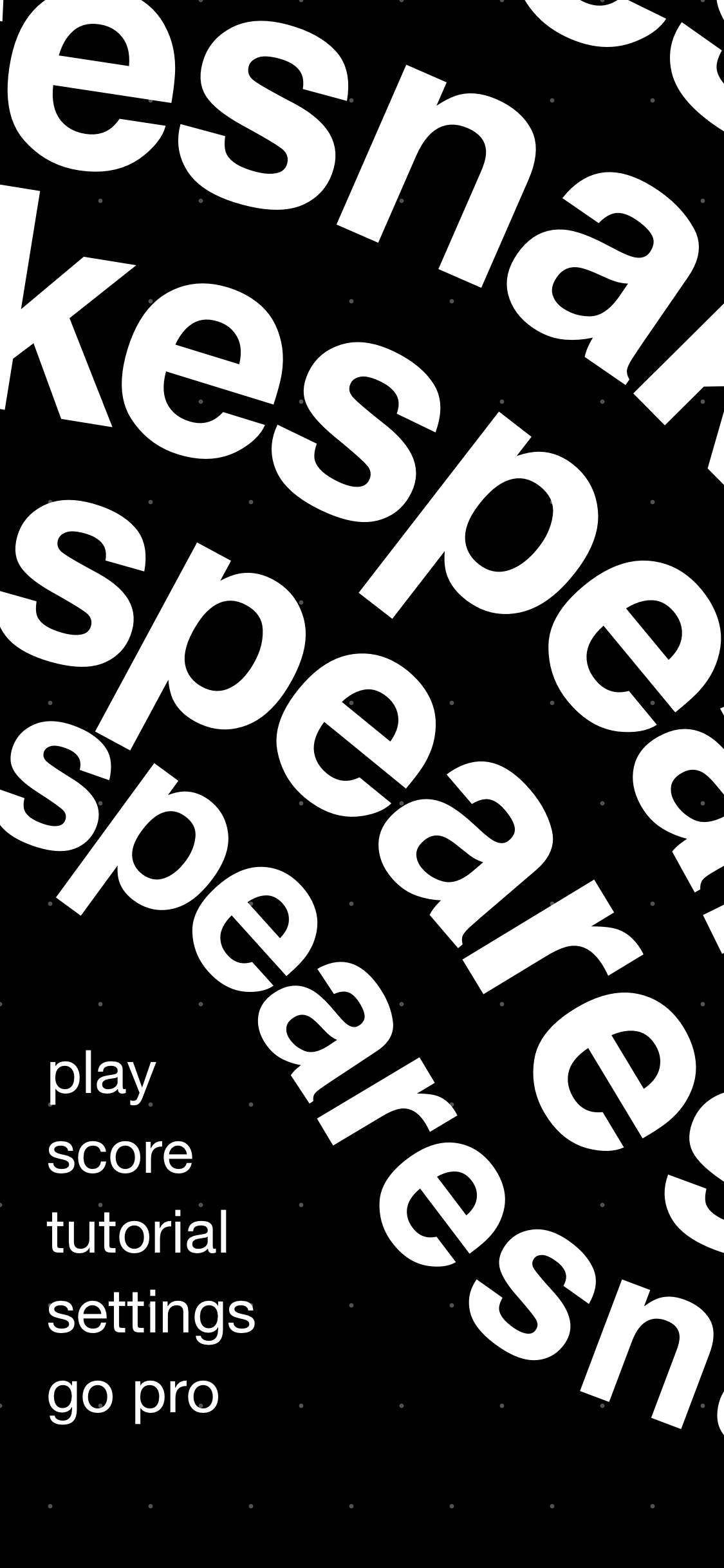
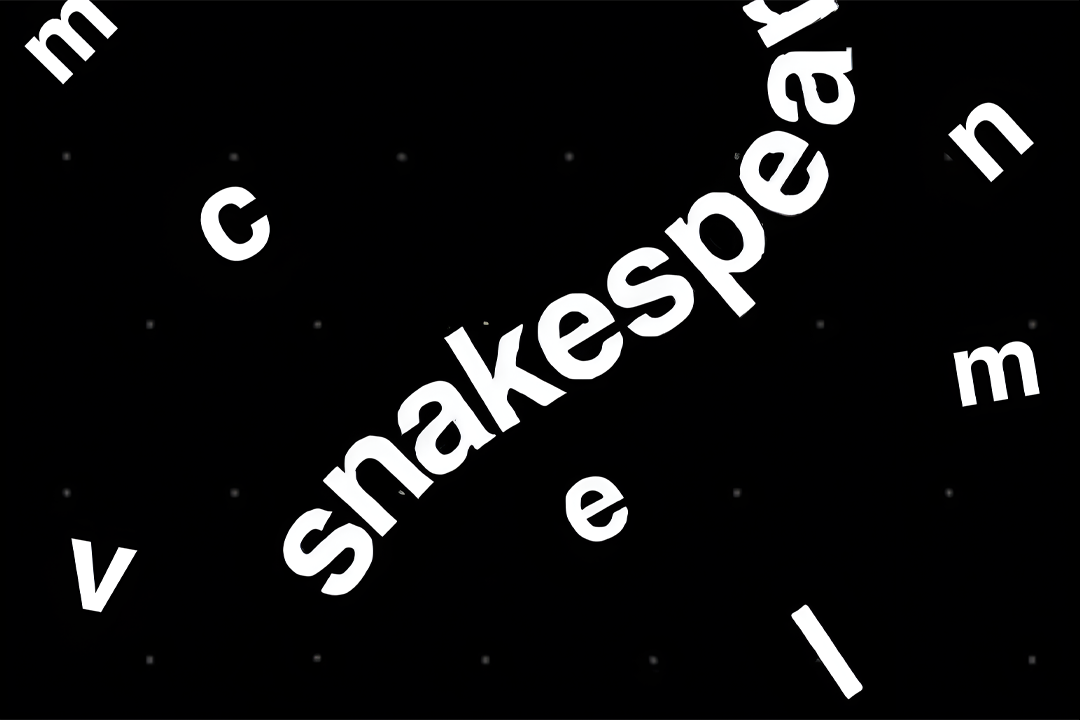
I was inspired by Wordle and wanted to build a word game that was equally addictive and engaging, but with a more distinctive gameplay experience and a strong, design-driven identity. As a designer, typography and brutalism have always fascinated me and Snakespeare felt like the perfect opportunity to bring these ideas together, merging the simplicity of a word game with Snake’s gameplay and giving it an identity of its own.
What it does
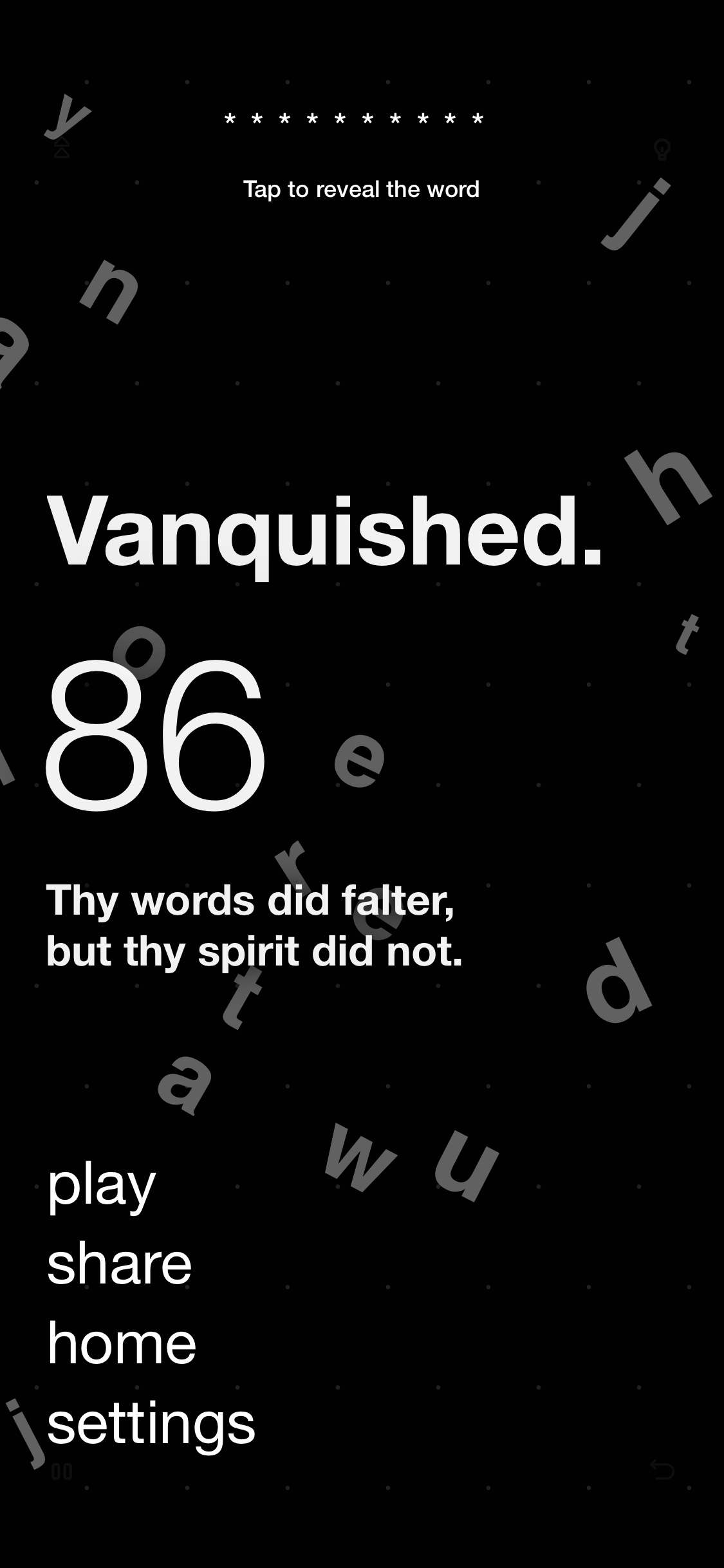
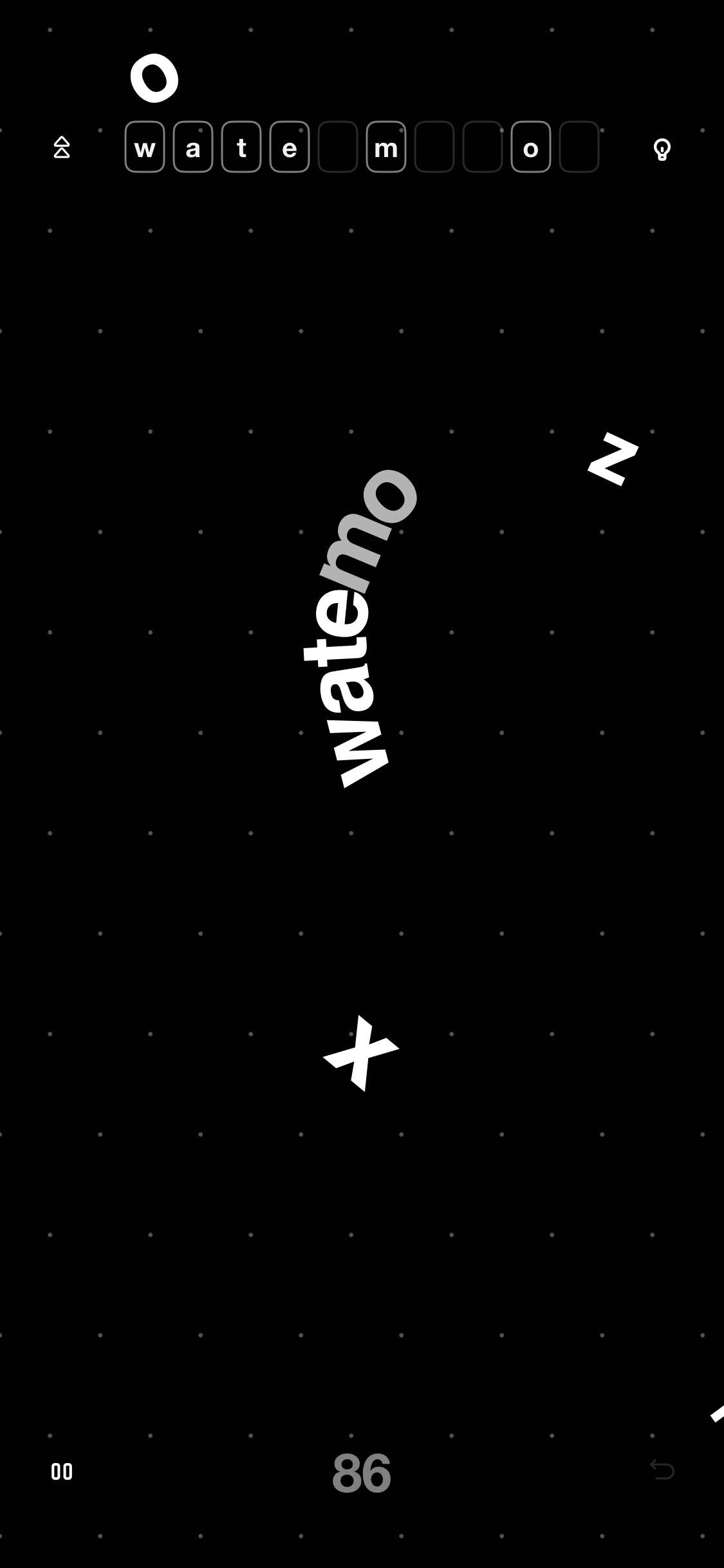
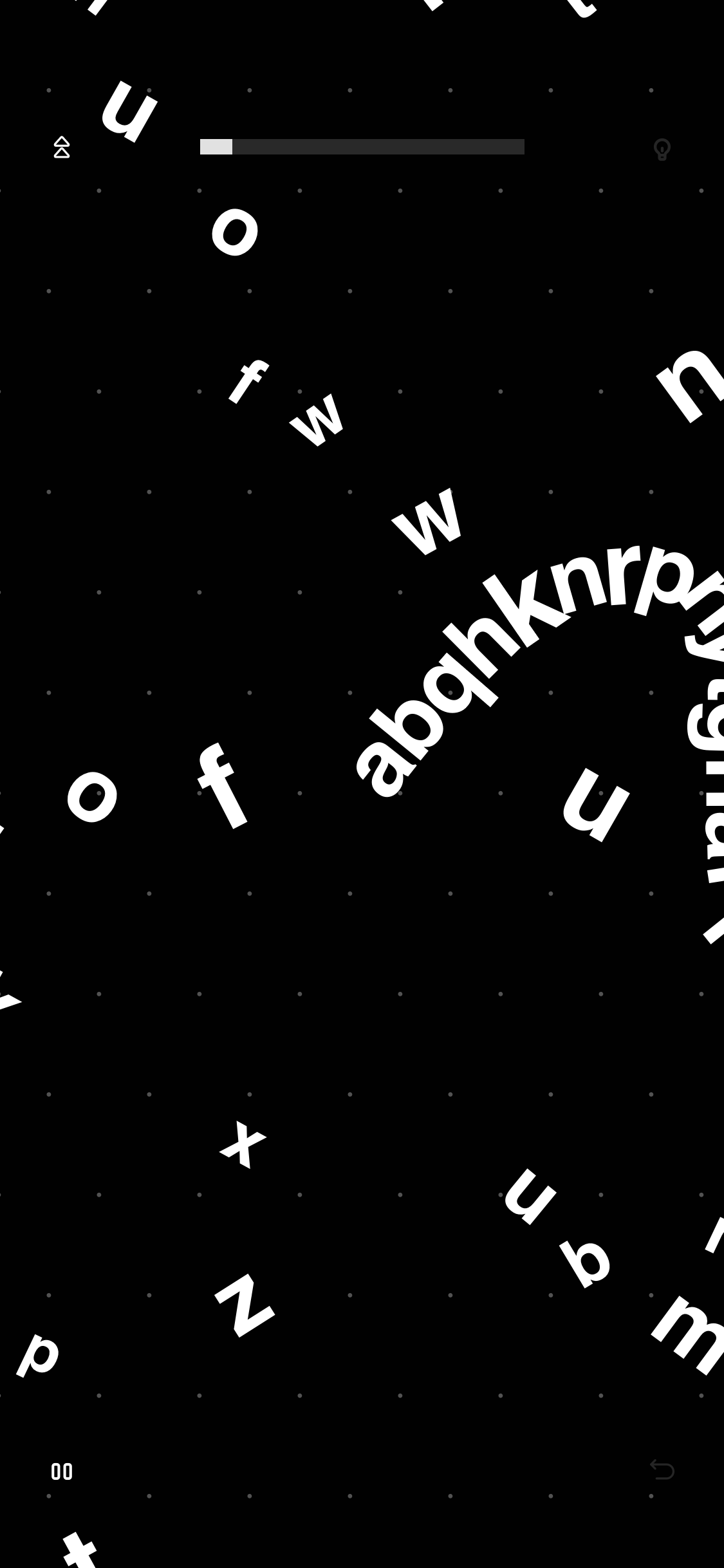
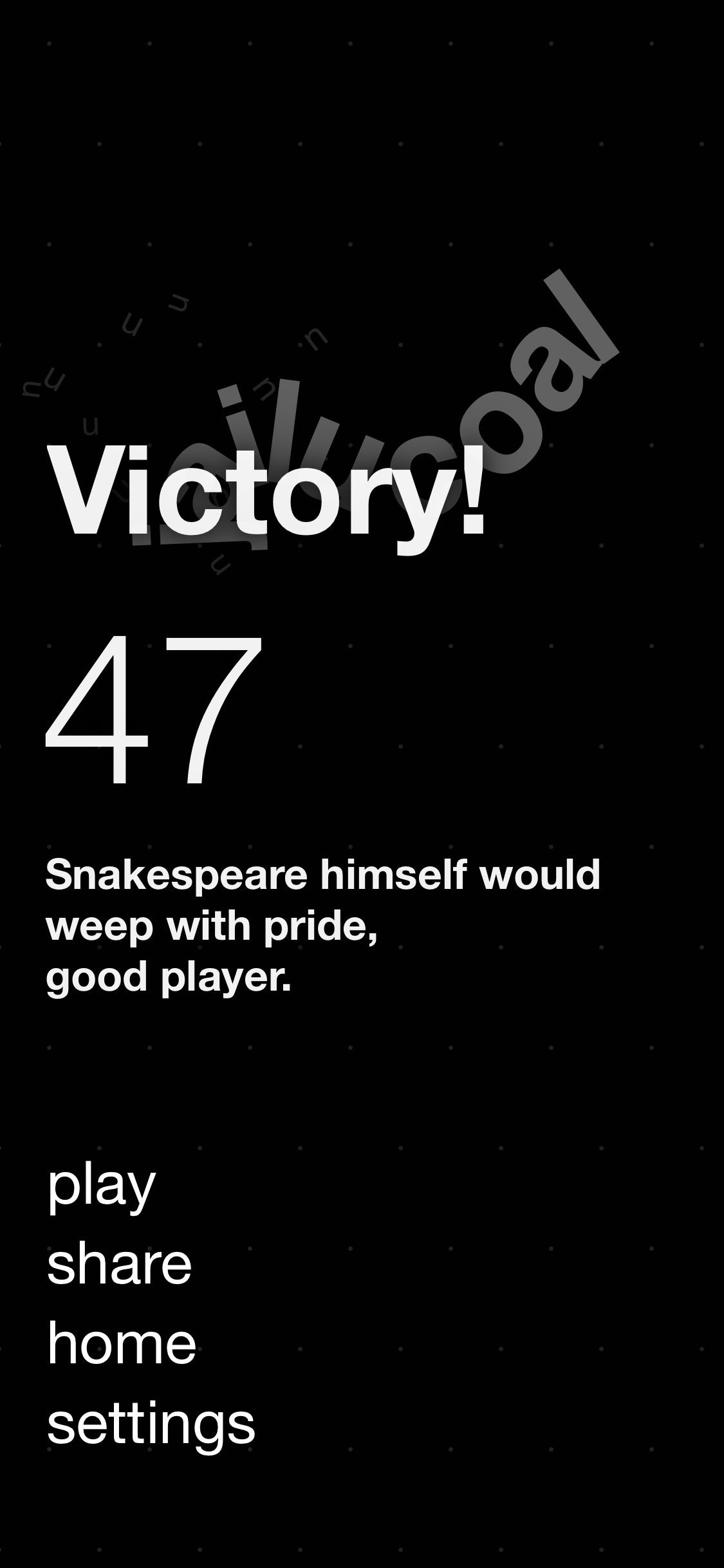
Snakespeare is a word game that blends snake’s mechanics. Players control a word snake while traversing through a field of floating letters, completing different objectives depending on the game mode. Some modes challenge players to form words, while others focus purely on survival, where speed and movement are integral to the experience. Players must race against time, evade decoy letters that can lead them to form the wrong words. Snakespeare creates a distinctive gameplay experience of its own.
The three game modes of Snakespeare:
Daily - Players get a new word each day.
Classic- No words to form, collect all letters and survive.
Time attack - Three legit words to form within 1 minute.
The game comes with hints and purges, purge lets users eject any wrong letter.
How we built it
I used cursor for coding Snakespeare, with Grok 4.6 playing a particularly big role in the development process. It’s built using Swift and UI Kit.
I initially designed the frames and visual direction in Figma to get a sense of how the game might look and feel. Once I was happy with the direction, I jumped straight into Cursor to flesh it out. I started by focusing on the snake itself, building, tweaking and iterating on its movement until it felt fluid, responsive and fun. Once I was happy with the core movement, I gradually built out the rest of the game around it, including the three game modes and their different mechanics.
During development, I realized the game needed a stronger layer of challenge beyond simply collecting letters. This led to the introduction of decoy letters. The game understands the word the player is trying to form and intentionally places misleading letters in their path. For example, if the target word is “aid” and the player has already collected “a” and “i”, the game might place an “r” around the snake, tempting the player into making a mistake. This evolved into a system of three types of letters: correct letters that progress the word, decoy letters designed to trick the player, and a set of random letters.
For the audio, I did hire a separate audio artist, directing the sound design to match the experience I had in mind. We started with a light jazz track as the foundation and then built the secondary sound effects around it. The sounds were intentionally designed to work together, so the entire experience feels more like playing a musical instrument in sync rather than an array of separate sound effects implemented just for the sake of it.
Challenges we ran into
Getting the core movement and interaction mechanics right was a real challenge. The game went through multiple iterations to fine tune the snake’s speed, movement and controls. It had to be tested extensively to make sure the snake could move around the floating letters without accidentally picking up letters, while also balancing its speed and control sensitivity through each iteration.
Another challenge was making the word system work completely offline without relying on AI or any API and an internet connection. To make this possible, I built the game with its own internal word glossary containing around 24,000 words ranging from 3 to 12 letters. The game uses this word pool to determine possible words and generate the appropriate letters around the player, allowing the decoy system and the ability to judge a legible word work entirely on-device.
Accomplishments that we're proud of
First and foremost, turning something that existed entirely in my head into a tangible, playable game that looks and feels the way I originally envisioned it is a huge accomplishment for me and especially doing it in barely a month and a half.
I’m also proud that Snakespeare was built entirely from scratch despite having zero prior iOS game development experience. From learning Swift to figuring out the gameplay systems, controls, audio and everything in between, the entire process has been a huge learning experience.
And since this is my first Shipaton, Snakespeare represents a lot of firsts for me. Being able to take an idea from a blank canvas to a finished game and submit it to a major hackathon in such a short time is something I’m genuinely proud of.
What we learned
The knowledge gained from this experience is honestly endless, from building a game completely from scratch, to getting it approved on the App Store and submitting it to a hackathon like Shipaton, all within barely 1.5 months!
But I think the bigger lesson was learning how important planning is when taking something from ideation to a production ready game. There are so many things that can go wrong during the final stages from testing and building to App Store requirements, submissions and review. This experience taught me to think much further ahead, anticipate potential problems and plan the entire process rather than focusing only on building a game itself.
What's next for Snakespeare
Snakespeare is just getting started, there are definite plans to expand beyond iOS to Android and Web, making the game accessible to a much wider audience. On the gameplay side, new Pro features like color themes, new daily categories and PvP challenges are already in progress. I am also ideating multiplayer modes where players can compete against each other in real time. The goal is to evolve Snakespeare from a word snake game into a broader competitive word gaming experience.


Log in or sign up for Devpost to join the conversation.