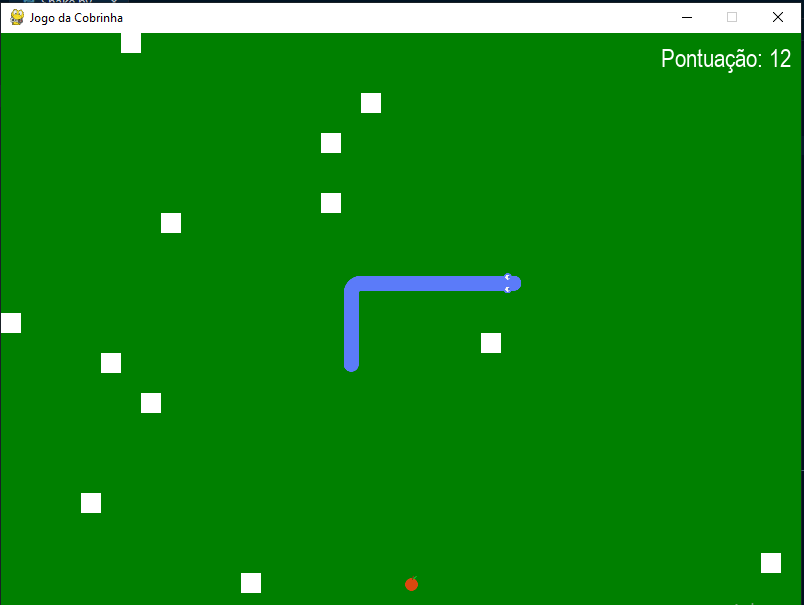
Project: Snake Game Tagline A modern twist on the classic snake game, featuring customizable themes, challenging game modes, and dynamic sprite-based visuals.
What I Learned Game Development Fundamentals: I deepened my understanding of game loops, event handling, and collision detection in Python. Modular Programming: Building the game using classes and modular functions helped improve code organization and maintainability. Sprite Management: Integrating custom sprites for the snake's head, body, and tail taught me how to manage visual assets and animations. User Experience: Creating customizable themes and different game modes allowed me to explore design choices that enhance player engagement. How I Built It Planning: I started by outlining the game mechanics, features, and challenges I wanted to include—such as different game modes and a scoring system that stores high scores. Implementation: The game was developed in Python using the Pygame library. I incrementally built and tested each feature—from basic snake movement and collision detection to integrating sprites and implementing customizable settings. Testing and Iteration: Iterative testing was essential. I faced challenges, especially with sprite rotations and curve transitions, which required refining the logic to ensure the visuals matched the intended game mechanics. Challenges Faced Sprite Alignment: One major challenge was ensuring that the snake’s body segments displayed the correct curve images during directional changes. Adjusting the sprite logic to correctly represent curves when turning up or down was particularly challenging. Code Organization: Balancing a modular structure while keeping the game responsive and bug-free was an ongoing learning process. Customizability: Implementing multiple themes and game modes required careful design of the user interface and configuration management to keep the game intuitive.

Log in or sign up for Devpost to join the conversation.