-
-

food kept invading our inspiration for what to build so we ended up allowing it to take over our creative beings.
-
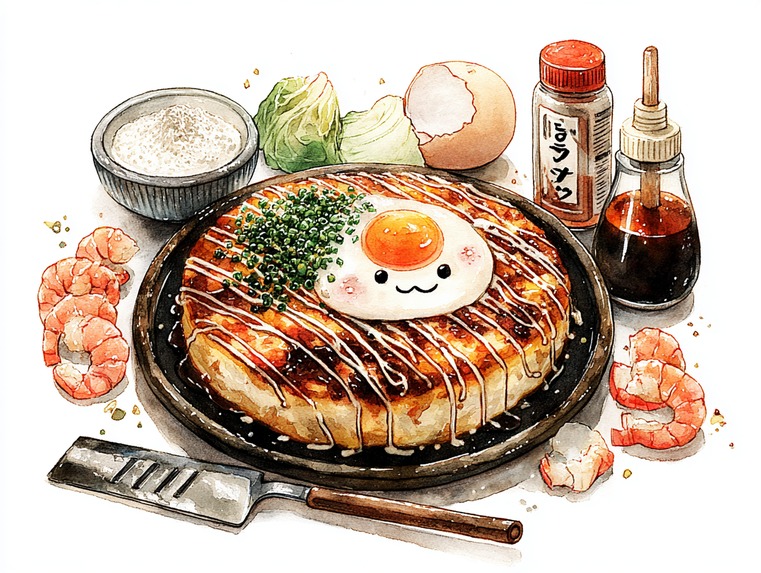
We kept cultural feeling of the cuisine and artstyle on the platform.
-
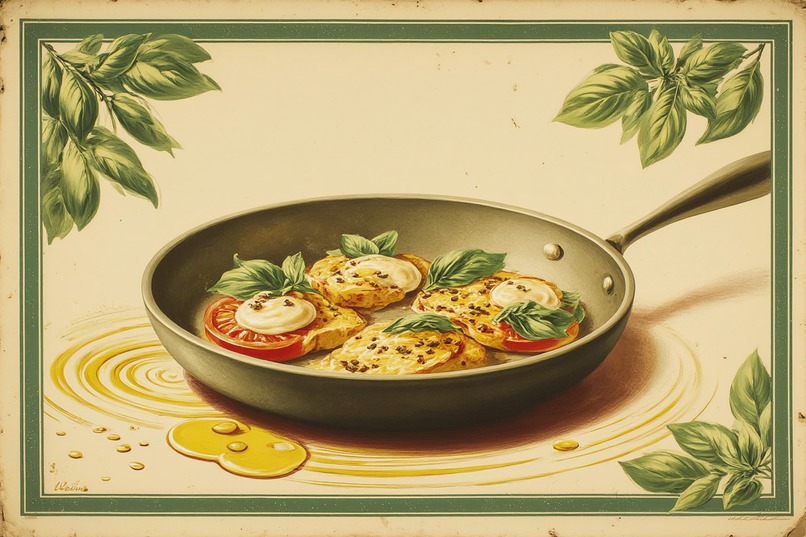
We kept cultural feeling of the cuisine and artstyle on the platform.
-
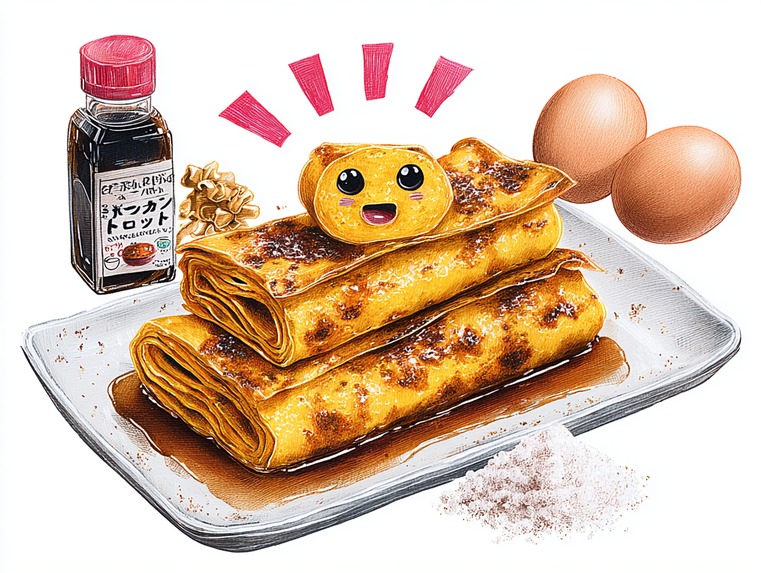
We kept cultural feeling of the cuisine and artstyle on the platform.
-
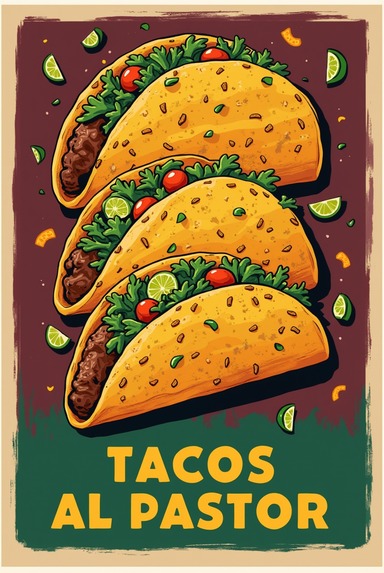
We kept cultural feeling of the cuisine and artstyle on the platform.
-
We kept cultural feeling of the cuisine and artstyle on the platform.
-
Our platform is inspired by hacking with food, breaking the mold and allowing the cleverness to rule.



Inspiration Working across two continents—but sharing the same time zone (UTC +2)—Moli, Vida, and Erin kept colliding with the same daily snag: “What’s for dinner?” Between back-to-back meetings, freelance contracts, and NGO field work, nobody had the bandwidth to plan healthy meals on the fly. Moli, a weekend meal-prep devotee and nineteen-time hackathon veteran, could improvise but found it mentally draining. Sisters Vida and Erin, both based in South Africa, felt the pressure even more: Vida’s career in food-and-health projects revealed how decision fatigue drives unhealthy, wasteful eating, while Erin dreaded weeknight grocery runs so much that the question alone could derail her day. Preparing for the bolt.new hackathon, the trio used ChatGPT to explore how quickly quality dishes could appear with the right filters, cooked those “hacked” recipes, and proved to themselves that great food can happen fast—if someone does the sorting. That success sparked SnackHack, a web app devoted to serving healthy, exciting meals at the speed modern life demands.
What it does SnackHack is a single-page recipe finder that starts with your reality—what’s in the kitchen, how much time is on the clock, and which foods you must avoid. Users:
Select ingredients or entire food groups they want included.
Flag any items or allergens they must omit.
Set a maximum cook-time slider.
(Optional) tick basic equipment they have on hand.
With those filters, SnackHack queries a library of hundreds of recipes and returns a concise list that satisfies every constraint. Each card shows total prep + cook minutes and straightforward steps; nothing hides behind extra clicks. A heart icon stores favourites locally, and a single button compiles any missing ingredients into a neat, aisle-grouped shopping list. By anchoring suggestions to inventory and time, SnackHack eliminates scroll fatigue and keeps weeknight cooking both realistic and delicious.
How we built it The prototype lives entirely on the bolt.new platform, chosen for its rapid deployment pipeline and generous community tooling.
Moli drafted the recipe data model and wrote the core matcher logic in JavaScript, keeping queries “near-instant” by pre-indexing ingredients and lazily intersecting filters.
Vida leveraged her professional network to curate and tag recipes with allergy metadata, dietary categories, and reliable cooking times.
Erin, who entered bolt.new unsure she could code, built the plain-spoken React front end and wired real-time interactions through the Bolt.new API layer.
Supporting utilities came from workflows the team already trusted—Moli piped early recipe spreadsheets through n8n automations, while Vida’s domain know-how kept ingredient names consistent. The stack is intentionally lightweight: Bolt.new functions for business logic, a hosted JSON store for recipes, and client-side state for favourites and lists—no user accounts required, keeping friction low.
Challenges we ran into Remote collaboration (but same zone): Even with matched clocks, juggling Sweden–South Africa bandwidth and differing internet reliability required tight async habits.
Data hygiene: Importing “fast” recipes revealed hidden allergens and inconsistent units. Validating and normalising fields consumed far more time than expected.
Edge-case performance: The toughest query—vegan + nut-free + ≤ 10 min—initially lagged. Index tuning and filter ordering cut response to “blink” speed.
Personal growth pressure: Erin had to absorb component state management and live debugging on the fly—rewarding, but intense under hackathon deadlines.
Scope discipline: Nutrition tracking and smart-fridge integrations sounded tempting; the mantra “Solve dinner first” protected focus.
Accomplishments that we’re proud of Turning a casual ChatGPT experiment into a functioning prototype in just two months.
Achieving near-instant filter results on hobby-tier resources.
Curating a recipe set that balances speed, flavour, and dietary needs without resorting to highly processed shortcuts.
Watching Erin evolve from code novice to primary front-end maintainer—proof hackathons can be true learning accelerators.
Delivering a demo where first-time users reached a cookable recipe in under a minute during live lightning talks.
What we learned Constraint is empowering. Requiring every suggestion to match existing ingredients built user trust and clarity.
Shared ownership wins. Moli’s hackathon instincts, Vida’s domain depth, and Erin’s fresh perspective carried equal weight in decisions.
Simplicity beats flash. A single-page flow outperformed early multi-step drafts; speed and clarity trump feature lists.
AI is a catalyst, not a crutch. ChatGPT accelerated brainstorming, but human vetting kept cook times and allergy flags honest.
Structured async is key. Fixed calendar blocks and succinct stand-ups maintained momentum across two continents.
What’s next for SnackHack Expand the recipe library toward 1 000 dishes while maintaining rigorous allergy and time metadata.
Broaden ingredient vocabulary to cover regional produce and budget staples.
Roll out an offline-friendly PWA mode for unreliable connections—critical for commuters.
Launch a public feedback board so early adopters can vote on features instead of the team guessing.
Pilot SnackHack in co-working spaces to stress-test “near-instant” filtering under real-world traffic.
Every step serves one north-star goal: help fast-paced people eat better without slowing down. By iterating carefully and publicly, SnackHack aims to be the browser tab you open when dinner indecision strikes—saving time, reducing waste, and proving healthy eating can fit any schedule.
Built With
- bolt.new
- entri
- n8n
- netlify


Log in or sign up for Devpost to join the conversation.