
## Inspiration
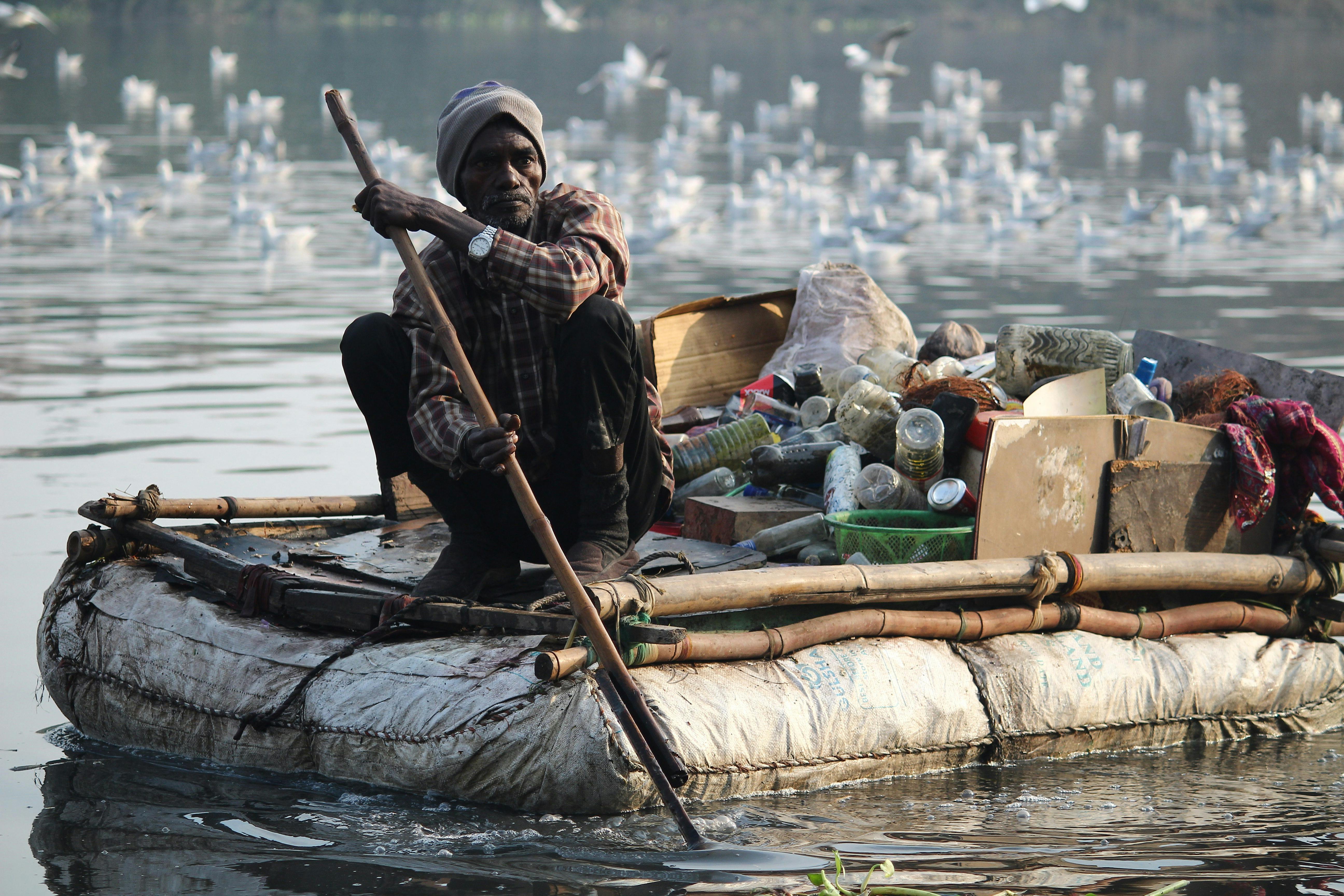
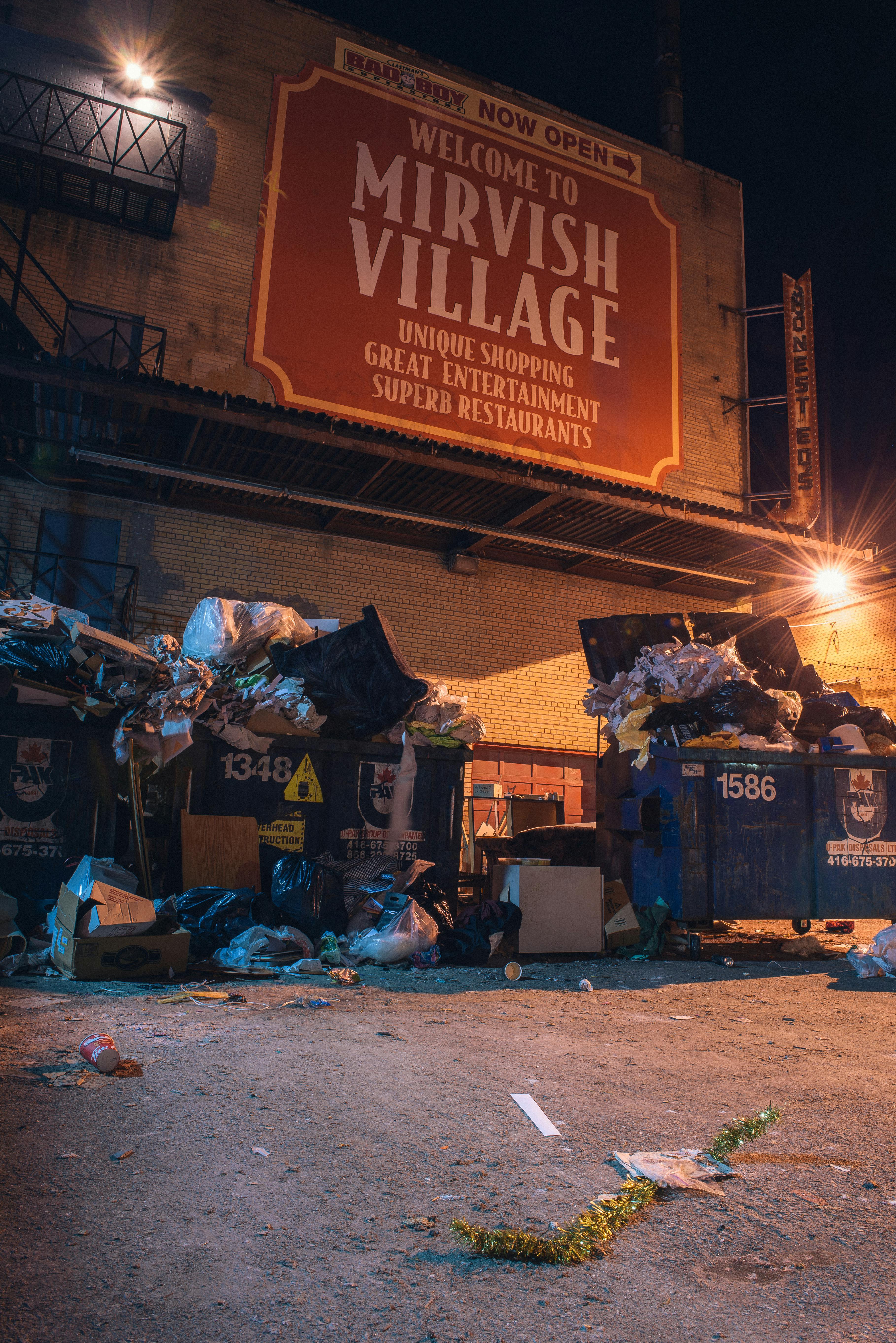
The inspiration for SmartTrash came from the growing need for efficient waste management solutions in urban environments. Observing the inefficiencies and environmental impact of traditional waste management systems highlighted the potential for technology-driven improvements. We envisioned a system that not only streamlines waste collection and processing but also promotes recycling and reduces the carbon footprint, aligning with our commitment to sustainability and innovation.
## What It Does
SmartTrash is a web application designed to revolutionize waste management with smart technology. It offers:
- User-Friendly Interface: Allows users to easily raise and track waste collection requests.
- Efficient Request Management: Streamlines the process of handling requests and assigning them to drivers.
- Real-Time Monitoring: Provides up-to-date information on waste levels and collection status.
- Automated Tracking: Facilitates automatic updates and tracking of waste collection activities.
- Data Analytics: Offers detailed insights and reporting for better decision-making and operational efficiency.
## How We Built It
We developed SmartTrash using a stack of modern technologies:
- Frontend: HTML, TailwindCSS, and JavaScript for a responsive and user-friendly interface.
- Backend: Node.js and Express.js for server-side operations and API management.
- Database: MongoDB for storing and managing data related to users, requests, and drivers.
- Integration: Combined these technologies to create a seamless experience across the web application.
The development process involved setting up a robust architecture, creating intuitive user interfaces, and implementing efficient backend processes to handle requests and monitor waste management operations.
## Challenges We Ran Into
- Technical Integration: Integrating various technologies and ensuring they worked seamlessly together was challenging. Synchronizing real-time data with a user-friendly interface required meticulous testing and optimization.
- Data Accuracy: Ensuring the accuracy of waste level data and request tracking posed difficulties, especially with real-time updates and system reliability.
- User Experience: Designing an intuitive interface that meets the needs of all user roles (admin, driver, and user) while maintaining simplicity and efficiency was a significant challenge.
- Scalability: Building a system capable of handling increasing numbers of users and requests without performance degradation required careful planning and implementation.
## Accomplishments That We're Proud Of
- Successful Implementation: We successfully built a comprehensive system that automates waste management tasks, enhancing operational efficiency and transparency.
- Real-Time Monitoring: Implemented effective real-time data monitoring and analytics, providing valuable insights for decision-making.
- User Satisfaction: Developed an intuitive and responsive interface that improves user interaction and satisfaction.
- Sustainability Impact: Contributed to environmental sustainability by optimizing waste management processes and reducing the carbon footprint.
## What We Learned
- Importance of Integration: The value of seamless integration between frontend and backend systems was crucial for the overall success of the project.
- User-Centric Design: Designing with the end-user in mind significantly impacts the usability and effectiveness of the application.
- Scalability Considerations: Building for scalability from the start ensures the system can handle growth and increased demand efficiently.
- Continuous Improvement: Iterative development and user feedback are essential for refining features and improving the overall user experience.
## What's Next for SmartTrash
- Predictive Analytics: Integrate AI and machine learning for advanced predictive analytics and resource optimization.
- IoT Integration: Explore IoT solutions for smart waste management and automated infrastructure monitoring.
- Global Expansion: Assess opportunities for expanding the system to new markets and regions with varying needs and requirements.
- Sustainability Initiatives: Continue to focus on sustainability by implementing green technologies and community engagement programs.


Log in or sign up for Devpost to join the conversation.