-
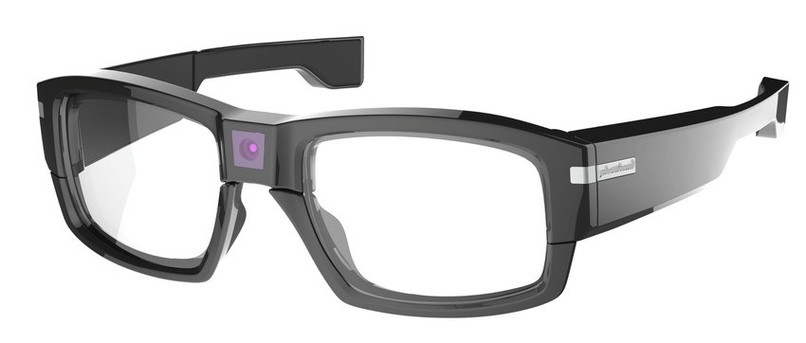
Projected Prototype
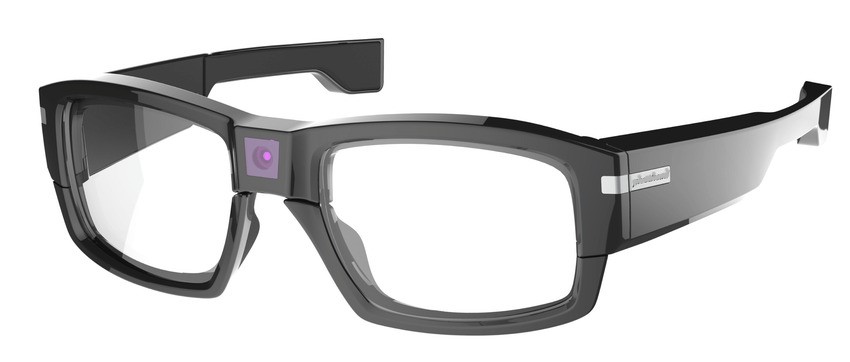
Inspiration
Millions of visually impaired individuals in Bharat face daily challenges with safe and independent mobility. From navigating crowded streets to detecting obstacles, their freedom is often limited. We were inspired to create an affordable, AI-powered assistive solution that acts as a reliable companion—bringing safety, confidence, and inclusivity through technology.
What it does
Smart Sight is an AI-powered wearable system that helps visually impaired individuals navigate safely and independently. It detects obstacles, moving objects, traffic lights, road signs, cliffs, and falls in real-time using YOLOv8. The system also features GPS- and camera-based smart navigation, guiding users with offline voice instructions—enabling safer mobility in unfamiliar environments.
How we will build it
We will use a Raspberry Pi 5 (carried in the pocket), a Hailo AI accelerator for efficient edge AI processing, and a camera module mounted on the glasses to analyze surroundings. YOLOv8 will be optimized to run offline for real-time object detection. A GPS module will be used for location tracking and navigation. The system will convert visual data into voice cues to guide the user safely at every step.
Challenges we ran into
- Optimizing YOLOv8 to run smoothly on Raspberry Pi with low latency
- Ensuring accurate obstacle detection in varied lighting and weather conditions
- Integrating real-time GPS guidance without internet access
- Achieving stable wireless communication between the glasses and the Pi
- Designing a compact and lightweight prototype suitable for daily use
Accomplishments that we're proud of
We’ve developed a strong, impactful idea to support the visually impaired and finalized the core hardware design. We’ve also begun working on optimizing YOLOv8 for real-time, offline use—laying the groundwork for a fully functional prototype.
What we learned
- Deep understanding of real-time object detection models like YOLOv8
- Optimizing AI for edge devices and constrained hardware
- Designing for inclusivity and accessibility
- The importance of user feedback when developing assistive technologies
What's next for SmartSight
- Integrating voice command features for hands-free control
- Adding face recognition for identifying familiar people
- Improving indoor navigation with BLE beacons
- Making the system more compact and lightweight
- Partnering with accessibility organizations for real-world testing and deployment across Bharat
Built With
- cv
- hailo
- pi5
- yolo


Log in or sign up for Devpost to join the conversation.