Krasan Questions
What did you build and how does it address the prompt? Talk about target user group, their pain points, and how your solution addresses this group.
We built SmartRights, a lock-screen widget for young and first-time drivers (16+) facing their first traffic stops. Getting pulled over is stressful at any age, and it's common: 12.4M US drivers were stopped in 2022, and people aged 18–24 have the most police contact (BJS).
The hard part is the interaction with the officer. Most people just do what they're told, without knowing if it's required. Even when something feels wrong, they can't recall the right that protects them. Your rights exist on paper, but in the moment you're scared, alone, and nobody tells you what you're allowed to do. One of us was a passenger in a stop. When asked for ID, they didn't know if they had to give it or why the officer wanted it, and only learned afterward it was a warrant check.
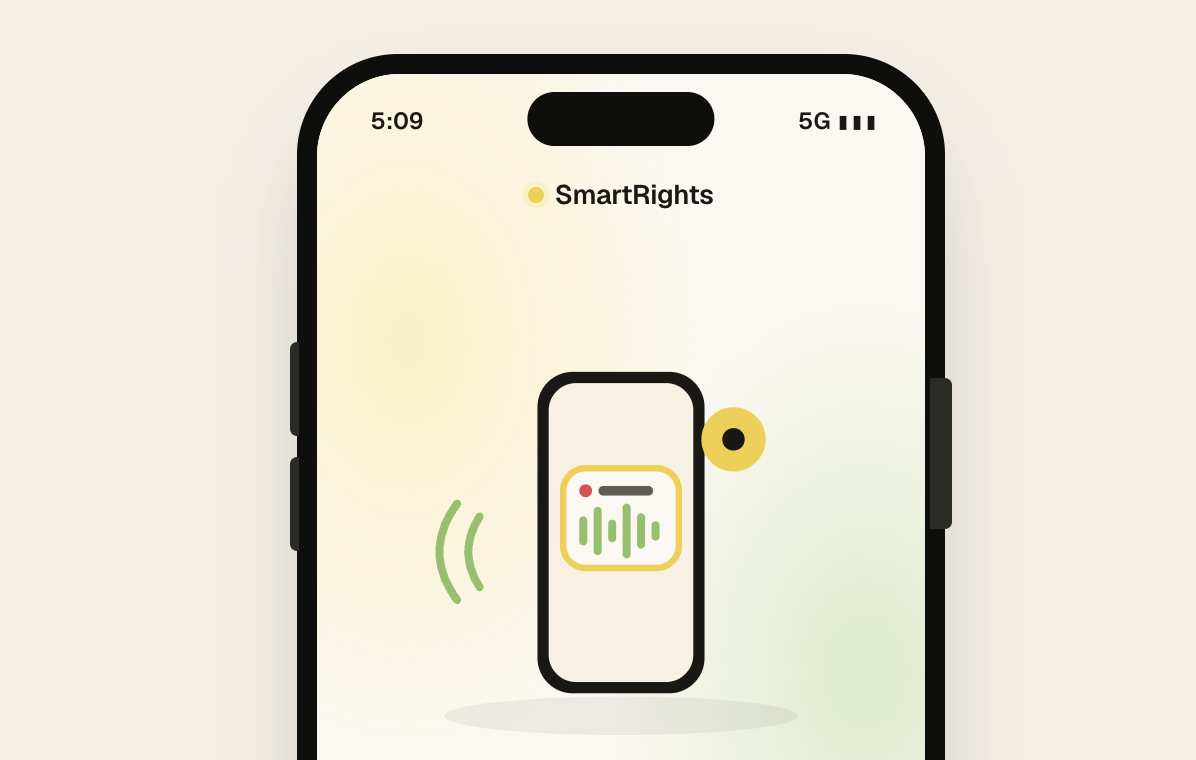
SmartRights starts in three ways: a triple-press of the side button, your voice ("Hi, SmartRights"), or a tap on the widget. The widget asks if you want to record, then who to share with (a parent, sibling, friend or partner), then shows a recording view with one button: Ask assistant. The assistant reads the situation from the live transcript and shows the right that applies, how you can use it, and why, with the legal source. It never tells you what to say. You decide.
That's how SmartRights expands who can successfully use their rights: it gives people outside the legal field the confidence to stand up for themselves. You keep a record of every stop, and you learn which rights you can use next time you're pulled over (which we hope doesn't happen :)
How did you build it? What tools did you use, what issues did you run into, and how did you overcome them? We started from a voice-memo brainstorm and our FigJam board, scored every idea against the prompt, and narrowed it down to traffic stops for new drivers. It feels excluding because the system assumes you already know your rights, can stay calm, and have someone to ask. New drivers usually have none of these, so in the moment they're shut out of rights that technically belong to them.
We sketched the flow on paper first, then built a hi-fi prototype in HTML, CSS and JS with Claude Code. It covers onboarding (how to start, video permission, who to share with, assistant tone) and the live lock-screen widget. We deployed it on Vercel, captured every screen into Figma as a clickable prototype, and built the pitch deck in Figma Slides.
Our biggest issue was accuracy. Our first idea said "you don't have to show ID," but Illinois drivers do have to (625 ILCS 5/6-112), while passengers generally don't (725 ILCS 5/107-14). We also learned that secretly recording a leasing manager is illegal in Illinois, so we cut that scenario. We fixed this by checking every right against statutes and the ACLU, then having a second AI model try to disprove our claims.
We ran into a few other problems. Reddit blocked our scraping for user quotes, and iPhones already reserve the side-button triple-press, so a real app would use Back Tap or the Action Button instead. The Krasan workshop pushed us to cut scope with MoSCoW, plan for edge cases like no signal or the officer already at the window, and define a success metric. The recording, contacts and transcript in the demo are simulated.
How can you implement this further? Next, we'd build SmartRights as a real iOS and Android widget, with recording that stays on your phone and automatic texts to your people with your location and a live transcript. The rights would be reviewed by legal experts, starting with Illinois and adding one state at a time. It stays free, and universities can share it at orientation so new drivers have it before their first stop. Before launch, we'd test it with real first-time drivers to make sure anyone can start it in under 10 seconds with no help.
Competing in the CAT Track?
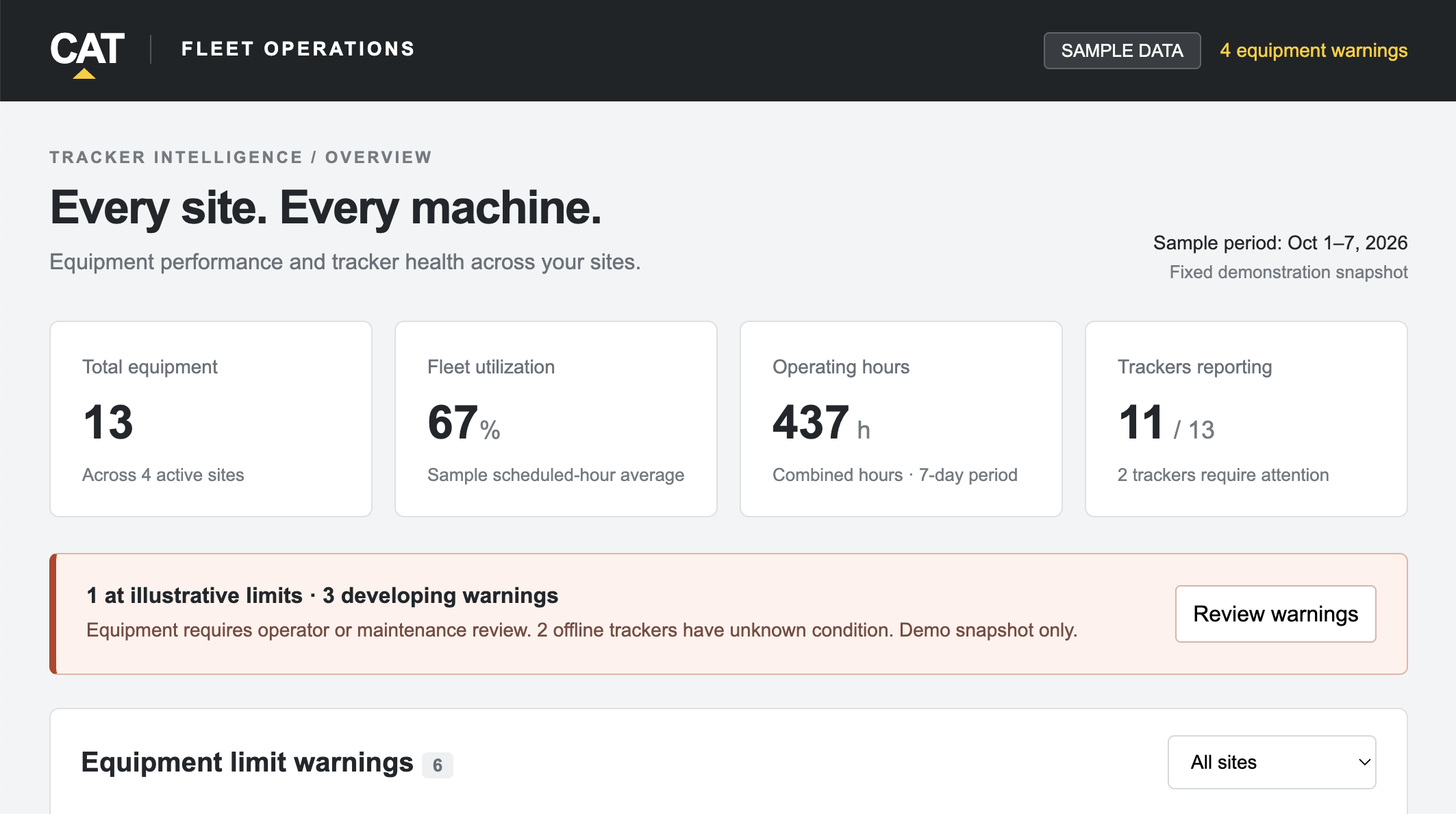
The idea behind the Caterpillar prompt is that the architecture of the system will be a blockchain system. Then the blockchain takes in all the information the equipment sends and inputs it into a dashboard of the equipment status that is grouped by job sites. The AI will use data of previous equipment that has failed or has broken down to recommend the people to check on the equipment. The data of the equipment would come from internet of things (IoT), that will be inputted into nodes of a blockchain system.
Built With
- caterpillartrack
