-
-

Level 0 DFD (Working)
-

Level 1 DFD
-
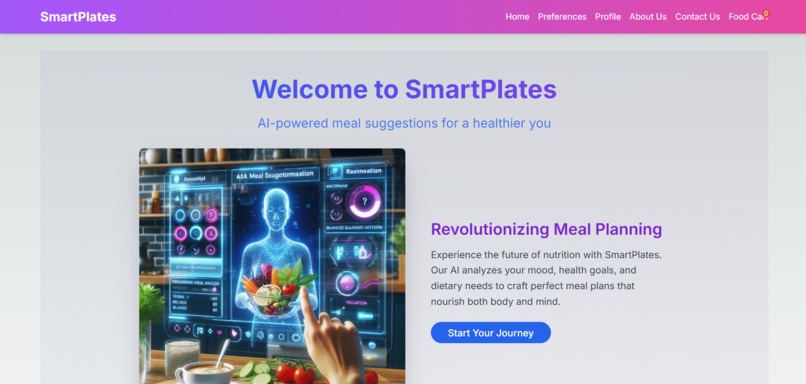
Home Page
-
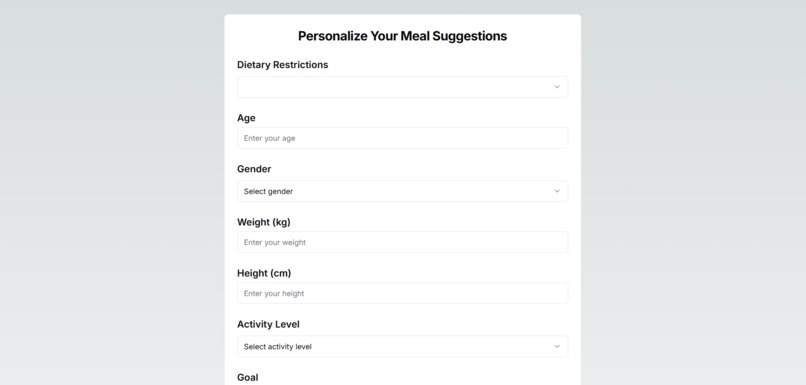
Personalize Meal Suggestions
-
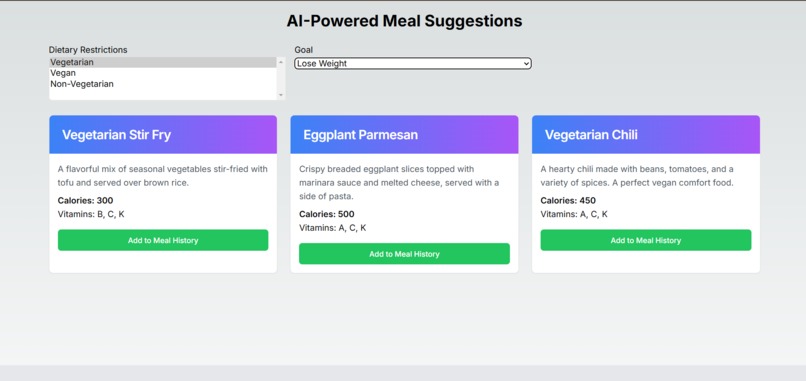
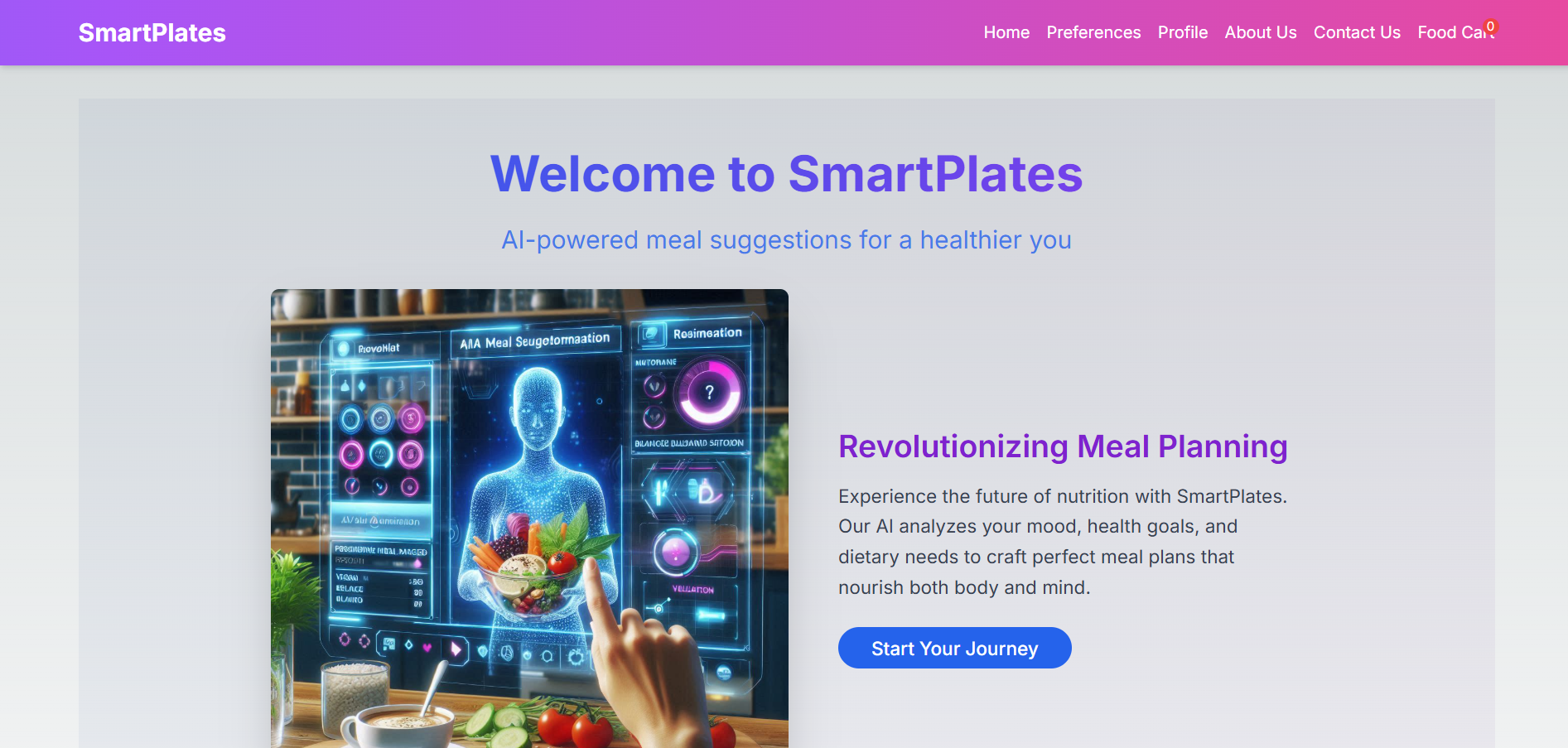
AI-Powered Meal Suggestions
-
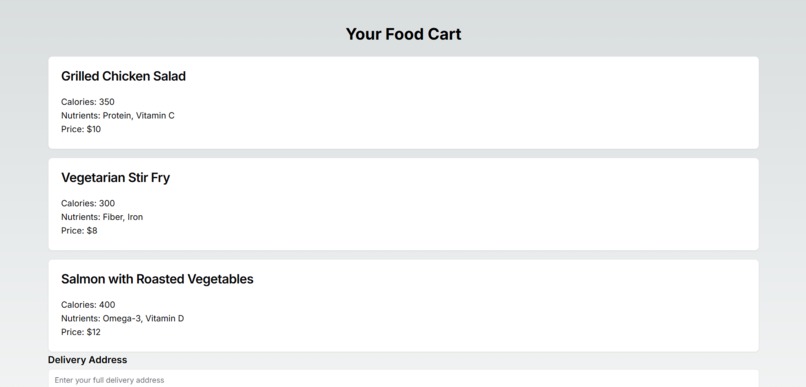
Food Cart




Our Journey Building the AI-Powered Meal Suggestion System
Building the AI-Powered Meal Suggestion System has been an exciting project that combines the power of machine learning with personalized nutrition. It not only allowed me to dive deep into data science but also provided valuable insights into full-stack development and user-centered design. Here's a detailed overview of the journey, broken down into key points:
Inspiration
The idea for the AI-Powered Meal Suggestion System was born out of a desire to help people eat healthier, tailored to their unique needs. While there are several meal planning apps, I felt that most of them didn’t offer truly personalized recommendations based on health goals, dietary restrictions, and nutrient deficiencies. I wanted to build something that could address these gaps, helping people maintain a balanced diet while considering their specific goals like weight loss, muscle gain, or vitamin deficiency correction.
What it Does
The AI-Powered Meal Suggestion System is designed to provide personalized meal recommendations based on the user's:
- Caloric Requirements: Calculates daily caloric needs based on user input like age, weight, height, and activity level.
- Dietary Goals: Tailored meal plans to help users gain, lose, or maintain weight.
- Vitamin Deficiencies: Identifies nutrient deficiencies and suggests meals to correct them.
- Dietary Restrictions: Suggests meals while keeping in mind any dietary preferences or restrictions (e.g., vegan, gluten-free).
- Shopping List: Generates a grocery list based on meal plans for convenience.
How We Built It
We started by building a user-friendly front-end using React.js and TailwindCSS, focusing on an interactive and responsive design.
For the machine learning model, we leveraged Python, TensorFlow, and Scikit-learn. The model was trained to recommend meals based on the nutritional needs, dietary preferences, and health goals of users.
Instead of creating a full-fledged backend database, we used APIs like Spoonacular and Edamam to retrieve food data, recipes, and nutritional values. This allowed us to focus on the machine learning aspect without the overhead of backend infrastructure.
The application is designed to be adaptive, meaning it can improve its suggestions over time as more user data is fed into the system.
Challenges We Ran Into
Model Accuracy: One of the primary challenges was ensuring that the machine learning model provided accurate and relevant meal suggestions. The initial model results were less than ideal, so we had to implement hyperparameter tuning to optimize the model’s performance.
Incomplete Dataset: The dataset we used was not comprehensive enough. It lacked a variety of food types, especially from different regions of the world. This limited the model’s ability to make truly diverse meal suggestions. We plan to expand the dataset in the future to cover a broader range of global food types.
Shopping Process: The shopping list feature isn’t fully integrated yet. We aim to smooth out the shopping experience for users by enabling a more seamless process for grocery shopping based on meal plans.
Accomplishments That We're Proud Of
- Personalized Meal Suggestions: We successfully built a system that can provide tailored meal plans based on a user’s health goals, dietary restrictions, and nutrient needs.
- Machine Learning Integration: The integration of machine learning to suggest meals based on data-driven insights was a key achievement.
- User-Focused Design: We designed an intuitive and interactive user interface, making it easy for users to input their details and get personalized meal plans instantly.
What We Learned
Machine Learning Optimization: Learning how to fine-tune hyperparameters was an essential part of improving the model’s performance. I also gained deeper knowledge of training and evaluating machine learning models.
API Integration: Integrating food and nutrition data from APIs taught me how to work with third-party services and manage API requests efficiently.
Front-End Development: Working with React and TypeScript helped refine my skills in building dynamic user interfaces, while TailwindCSS allowed me to rapidly prototype and style the app with ease.
What's Next for SmartPlates: AI-Powered Meal Suggestion
We’re excited about the future of this project and have some key ideas for future enhancements:
- Dataset Expansion: We plan to add more food types from around the world to improve the accuracy and diversity of meal suggestions.
- Mobile Application: Developing a mobile version to make the app more accessible.
- User Progress Tracking: Introducing advanced analytics and progress tracking to help users monitor their health journey over time.
- Meal Reminders: Adding notifications for meal reminders and suggestions based on users' schedules and preferences.
- Smoothing the Shopping Process: We aim to make the shopping process more seamless by integrating with grocery services or creating smoother shopping list management features.
Built With
- anaconda
- git
- google-colab
- javascript
- machine-learning
- pipeline
- python
- randomforestclassifier
- react
- spyder
- tailwindcss
- typescript


Log in or sign up for Devpost to join the conversation.