-
-
-
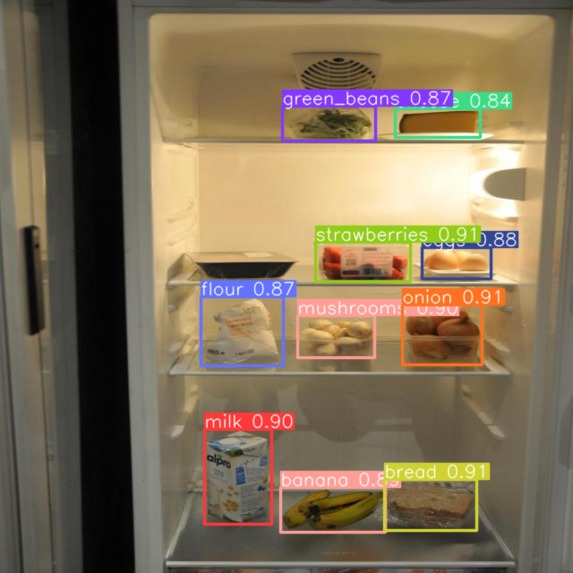
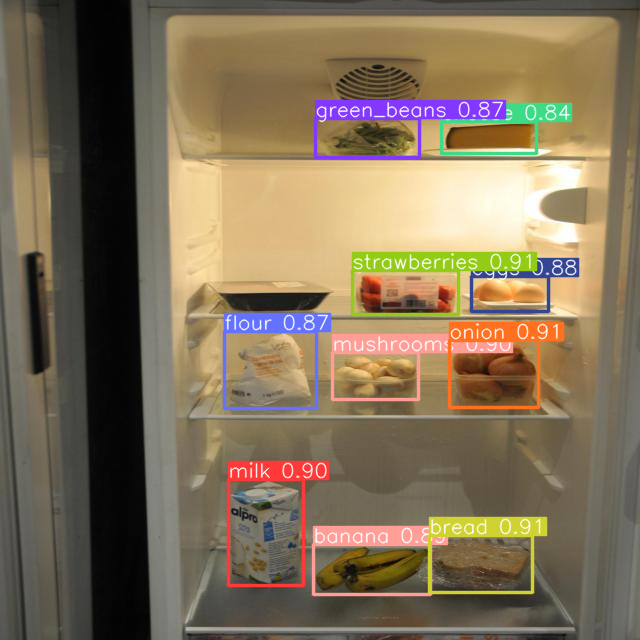
Model Classifies what foods are availalbe in your fridge
-
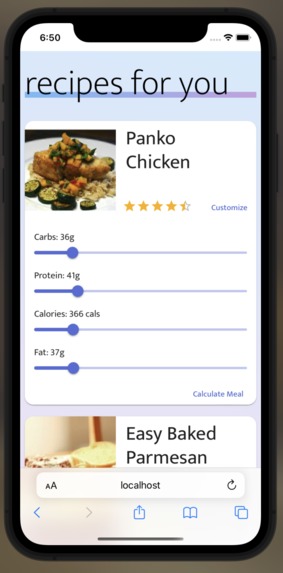
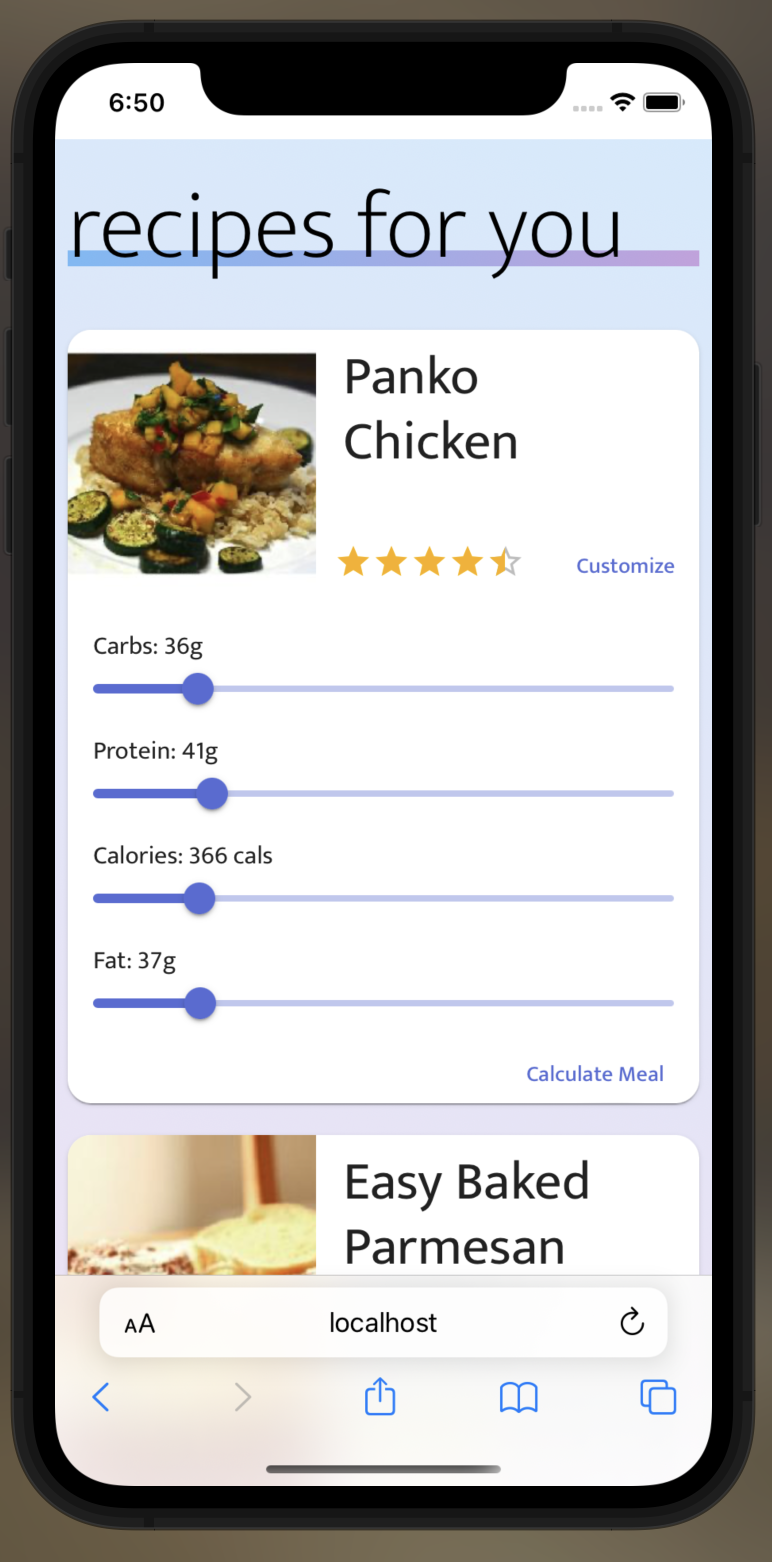
A photo from the app: You can select your desired nutrition values for suggested meals!
Inspiration
One day Saaz was sitting at home thinking about his fitness goals and his diet. Looking in his fridge, he realized that, on days when his fridge was only filled with leftovers and leftover ingredients, it was very difficult for him to figure out what he could make that followed his nutrition goals. This dilemma is something Saaz and others like him often encounter, and so we created SmartPalate to solve it.
What it does
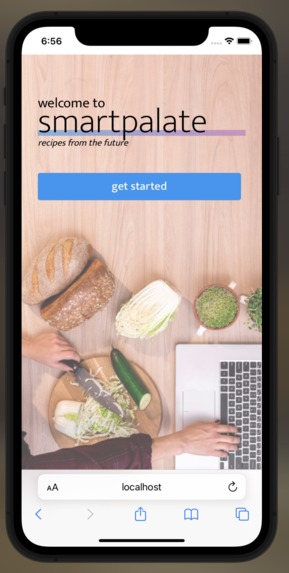
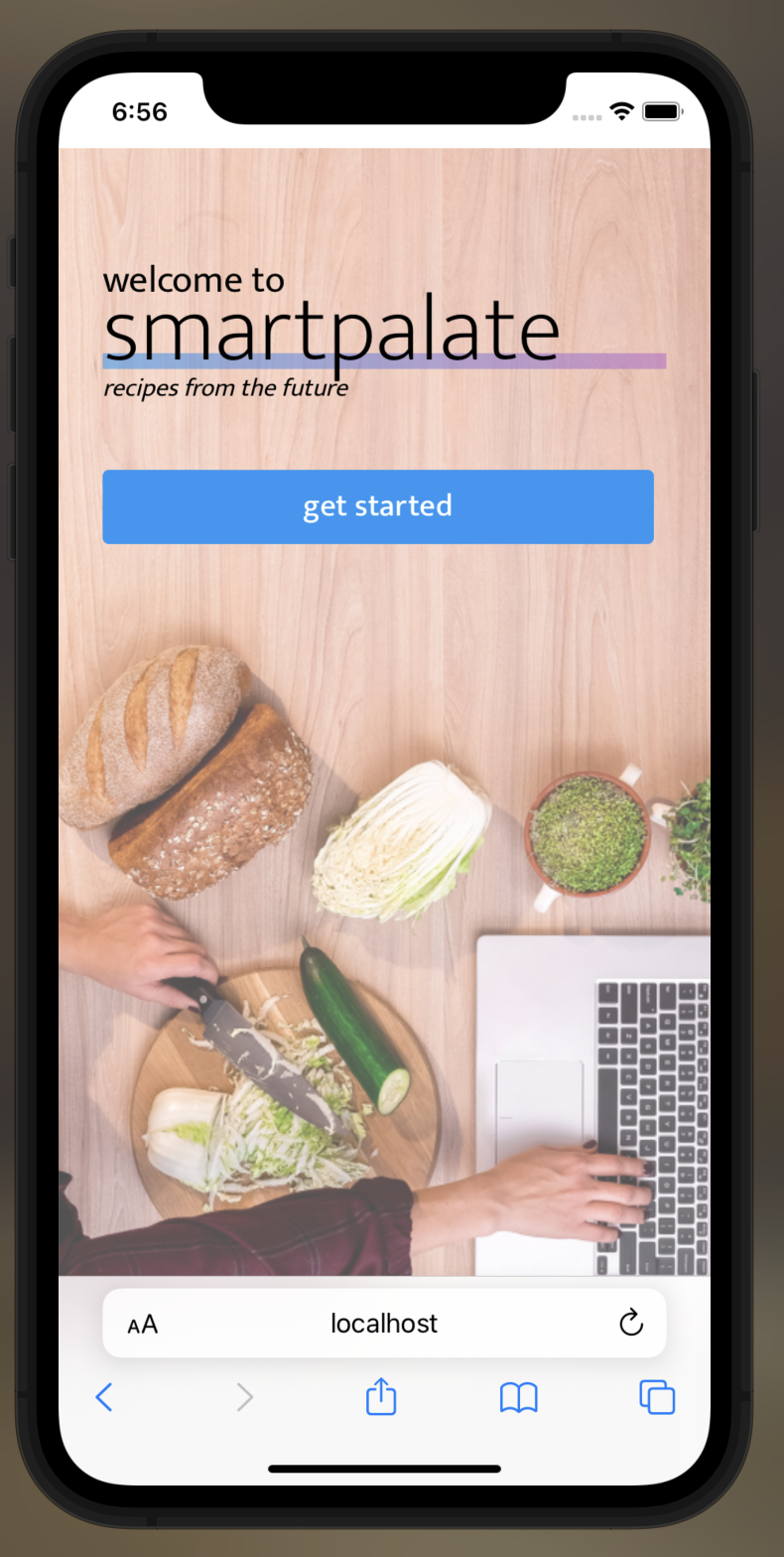
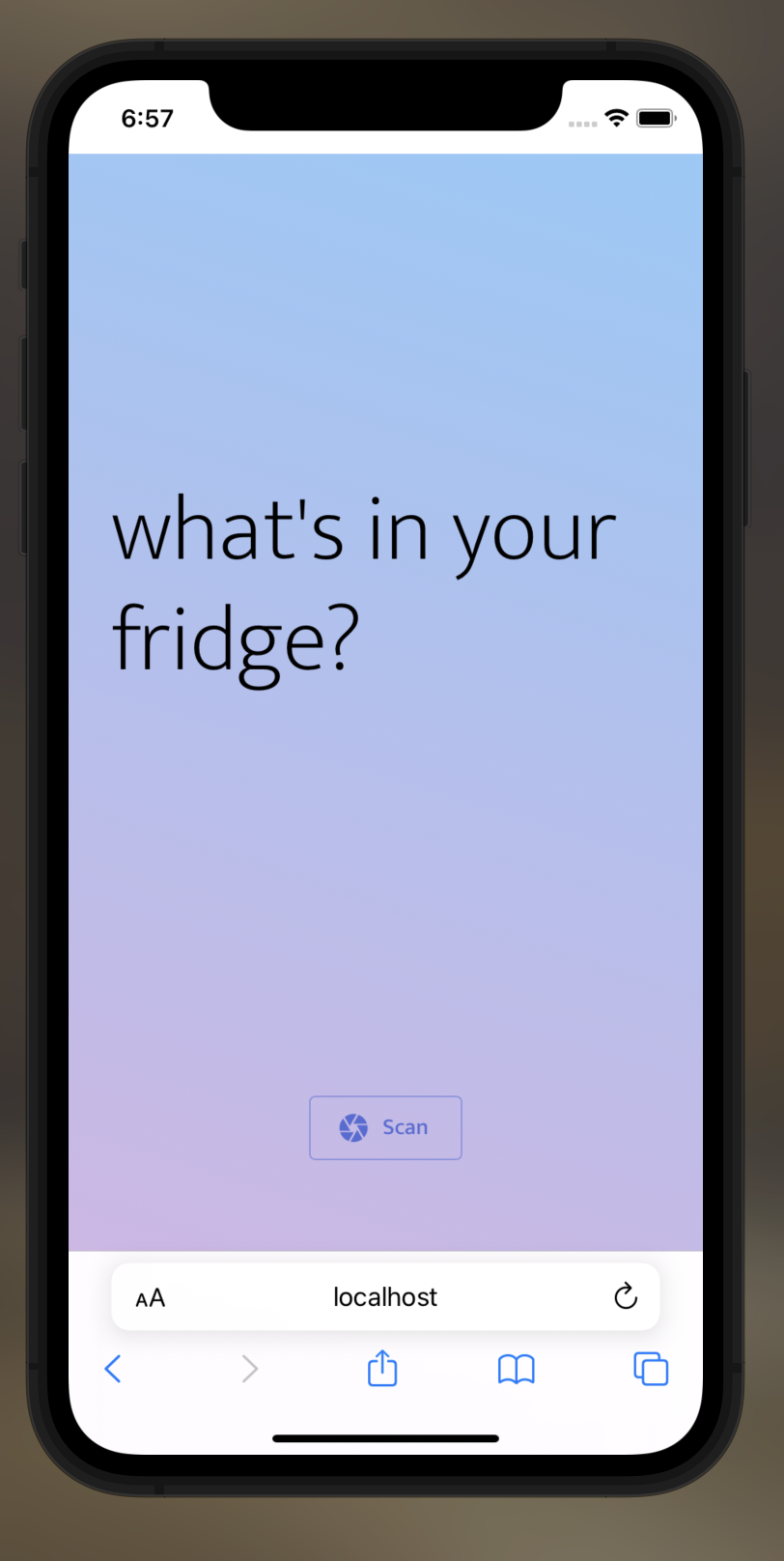
SmartPalate uses AI to scan your fridge and pantry for all the ingredients you have at your disposal. It then comes up with multiple recipes that you can make with those ingredients. Not only can the user view step-by-step instructions on how to make these recipes, but also, by adjusting the nutrition information of the recipe using sliders, SmartPalate caters the recipe to the user's fitness goals without compromising the overall taste of the food.
How we built it
The scanning and categorization of different food items in the fridge and pantry is done using YOLOv5, a single-shot detection convolutional neural network. These food items are sent as a list of ingredients into the Spoonacular API, which matches the ingredients to recipes that contain them. We then used a modified natural language processing model to split the recipe into 4 distinct parts: the meats, the carbs, the flavoring, and the vegetables. Once the recipe is split, we use the same NLP model to categorize our ingredients into whichever part they are used in, as well as to give us a rough estimate on the amount of ingredients used in 1 serving. Then, using the Spoonacular API and the estimated amount of ingredients used in 1 serving, we calculate the nutrition information for 1 serving of each part. Because the amount of each part can be increased or decreased without compromising the taste of the overall recipe, we are then able to use a Bayesian optimization algorithm to quickly adjust the number of servings of each part (and the overall nutrition of the meal) to meet the user's nutritional demands. User interaction with the backend is done with a cleanly built front end made with a React TypeScript stack through Flask.
Challenges we ran into
One of the biggest challenges was identifying the subgroups in every meal(the meats, the vegetables, the carbs, and the seasonings/sauces). After trying multiple methods such as clustering, we settled on an approach that uses a state-of-the-art natural language model to identify the groups.
Accomplishments that we're proud of
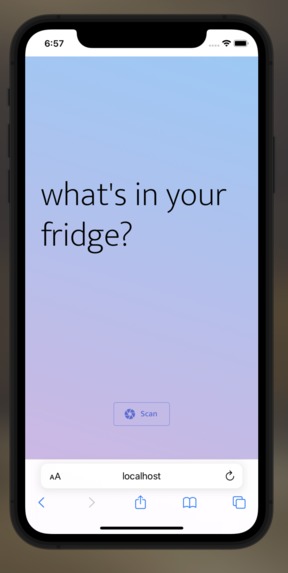
We are proud of the fact that you can scan your fridge with your phone instead of typing in individual items, allowing for a much easier user experience. Additionally, we are proud of the algorithm that we created to help users adjust the nutrition levels of their meals without compromising the overall taste of the meals.
What we learned
Using our NLP model taught us just how unstable NLP is, and it showed us the importance of good prompt engineering. We also learned a great deal from our struggle to integrate the different parts of our project together, which required a lot of communication and careful code design.
What's next for SmartPalate
We plan to allow users to rate and review the different recipes that they create. Additionally, we plan to add a social component to SmartPalate that allows people to share the nutritionally customized recipes that they created.


Log in or sign up for Devpost to join the conversation.