Inspiration
Large-scale events such as the 2026 FIFA World Cup bring thousands of people together, which can create challenges related to crowd congestion, heat exposure, and health risks. This inspired us to create SmartMove 2026, a solution designed for NRG Stadium in Houston, Texas.
Our team combines two different fields, Industrial Engineering and Biochemistry. We wanted to use both perspectives to create a system that considers not only how crowds move, but also how environmental conditions can affect their health.
What it does
SmartMove 2026 is an AI-powered crowd and health management concept for large events.
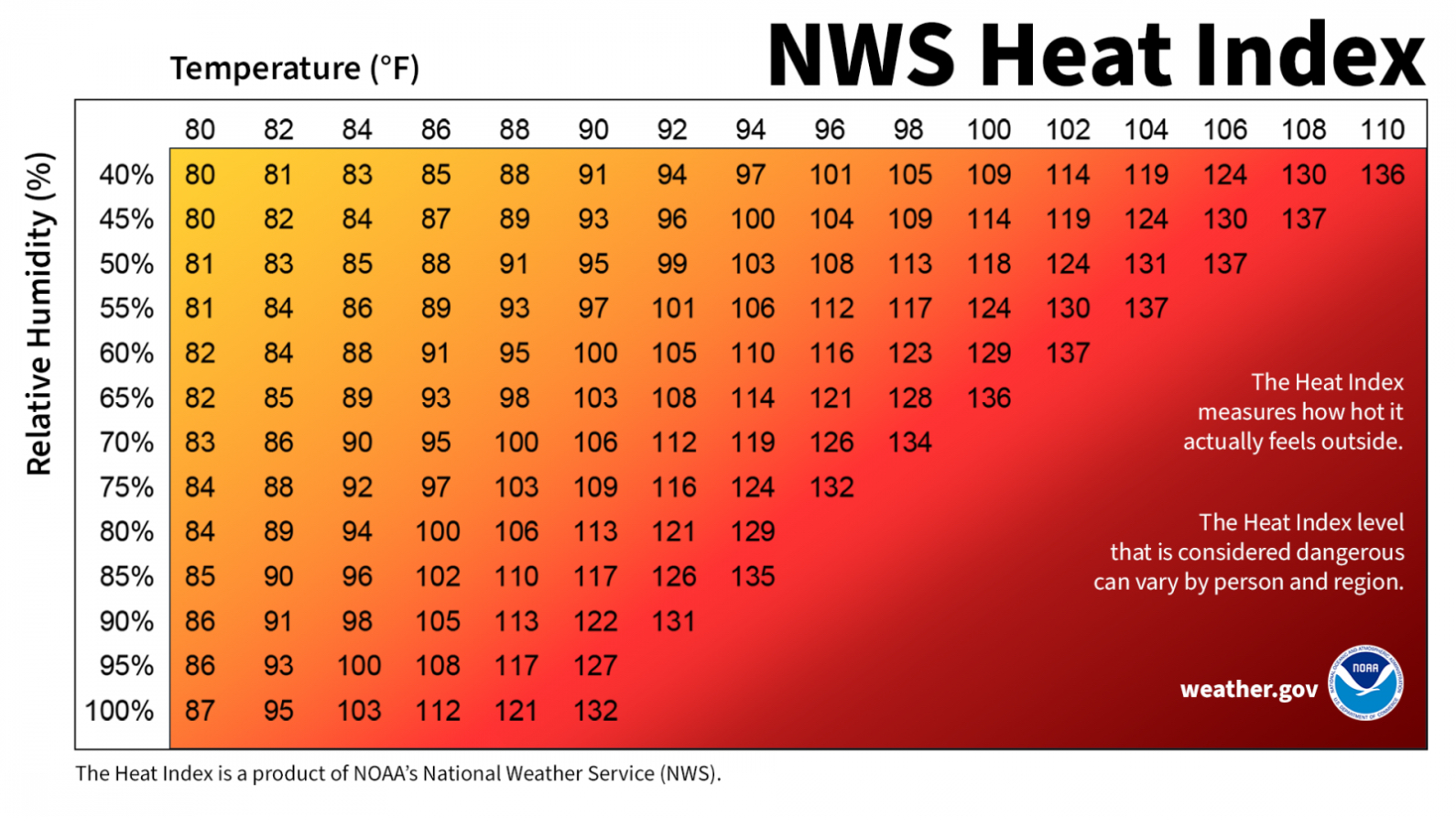
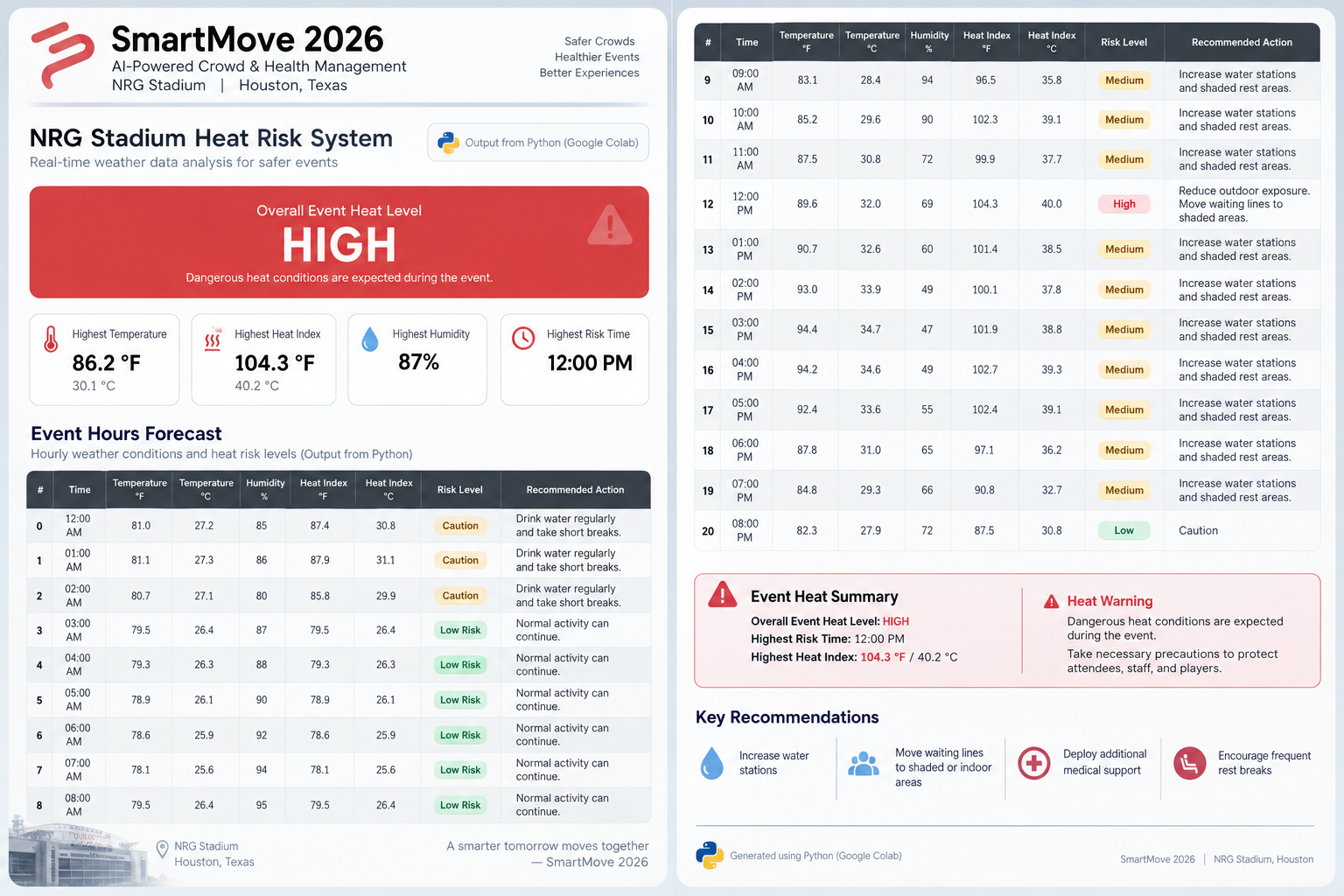
The system combines crowd movement and environmental data to identify potential congestion and heat-risk areas. It uses temperature and humidity data to calculate the Heat Index and classifies conditions into Low, Medium, or High risk levels.
Based on these conditions, SmartMove can support decisions such as redirecting attendees toward safer routes and identifying areas where staff or medical resources may be needed.
How we built it
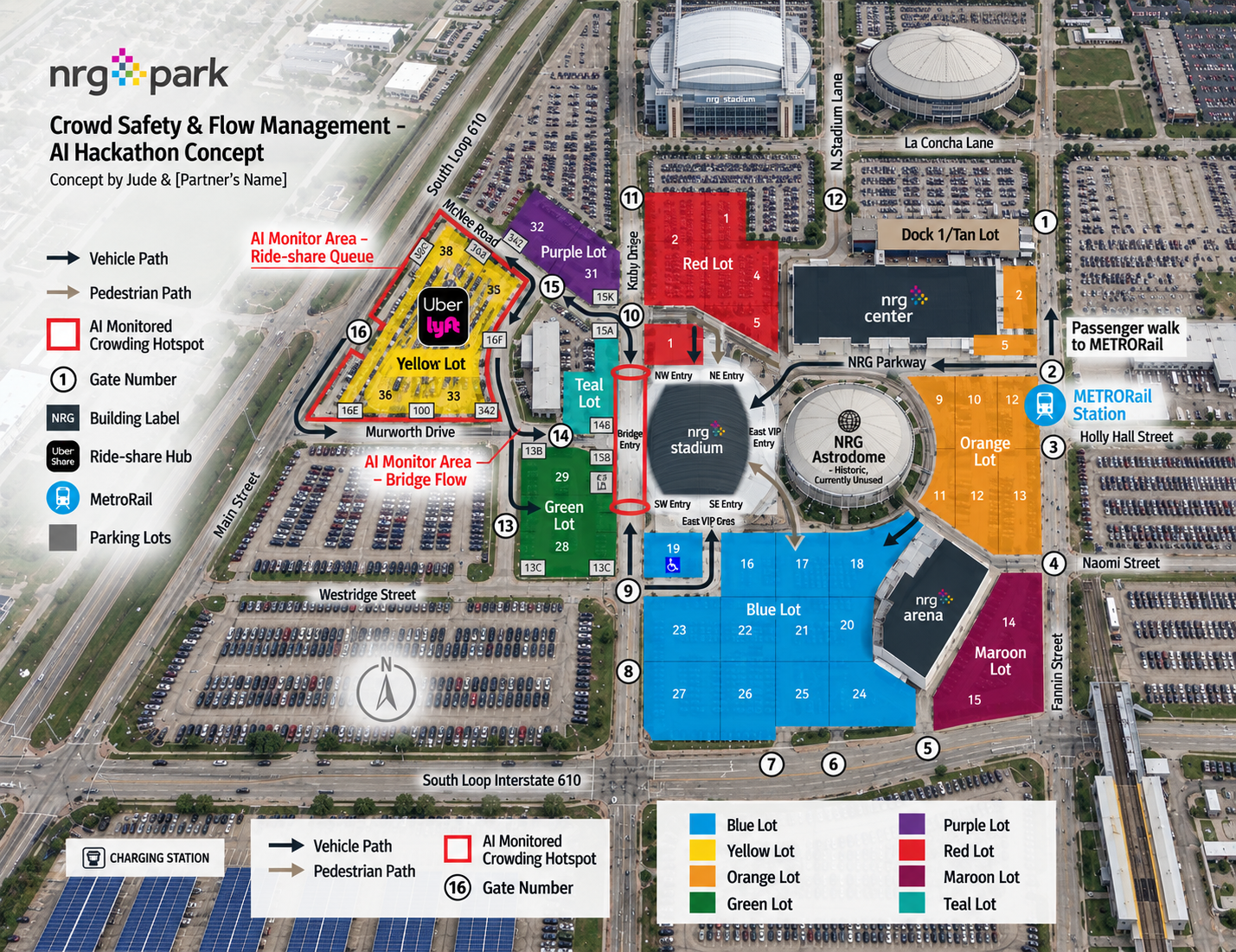
We started by studying NRG Stadium and its surrounding infrastructure, including parking lots, stadium entrances, pedestrian routes, Metro access, and rideshare areas.
We mapped how attendees could arrive at and leave the stadium and identified locations where congestion could potentially occur.
For the health component, we used temperature and humidity data to calculate the Heat Index. We developed a Python prototype that processes the data by hour and automatically classifies the heat-risk level.
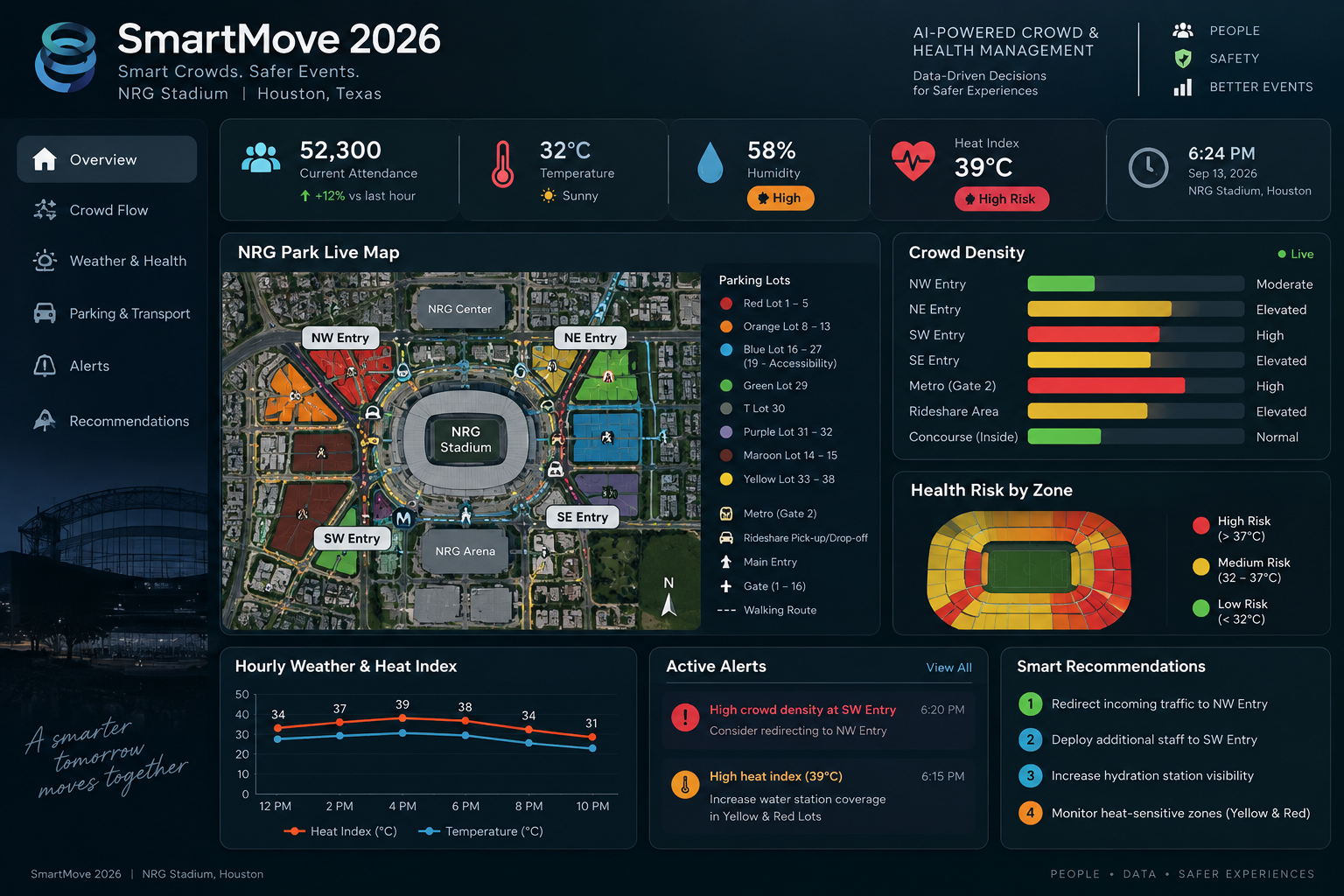
We then brought the crowd and health information together in a visual dashboard and created a short scenario video demonstrating how SmartMove could work during a large event.
Challenges we ran into
One of our biggest challenges was combining two different types of information: crowd movement and health-related environmental data.
We also had to understand the complex layout around NRG Stadium and determine how people could realistically move between parking areas, public transportation, entrances, and the stadium.
Another challenge was turning technical Heat Index calculations and crowd information into a simple system that could be easily understood and used for decision-making.
Accomplishments that we're proud of
We are proud that we were able to combine Industrial Engineering and Biochemistry into one interdisciplinary solution.
We developed a detailed crowd-flow concept for NRG Stadium, created an automated Heat Index and risk-classification prototype using Python, and designed a dashboard that brings the information together in a clear way.
Most importantly, we transformed our initial idea into a complete SmartMove 2026 concept that demonstrates how technology and data can support safer and more efficient large events.
What we learned
This project taught us how different fields can work together to solve the same real-world problem.
We learned more about crowd-flow analysis, event operations, heat-related health risks, data analysis, Python, and AI-assisted decision-making.
We also learned how important it is to transform complex data into clear information that can support faster and better decisions.
What's next for SmartMove 2026
The next step for SmartMove 2026 would be to connect the system to real-time data sources, such as crowd-density sensors, live weather data, and stadium operations information.
Future versions could use AI to predict congestion and heat-risk areas before they become critical and provide real-time route recommendations.
The concept could also be expanded beyond NRG Stadium and adapted for other stadiums, festivals, concerts, and large public events.

Log in or sign up for Devpost to join the conversation.