-
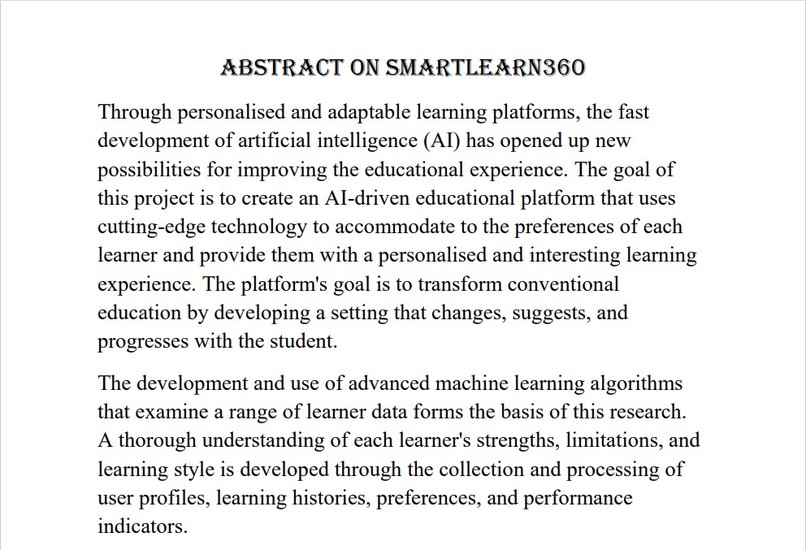
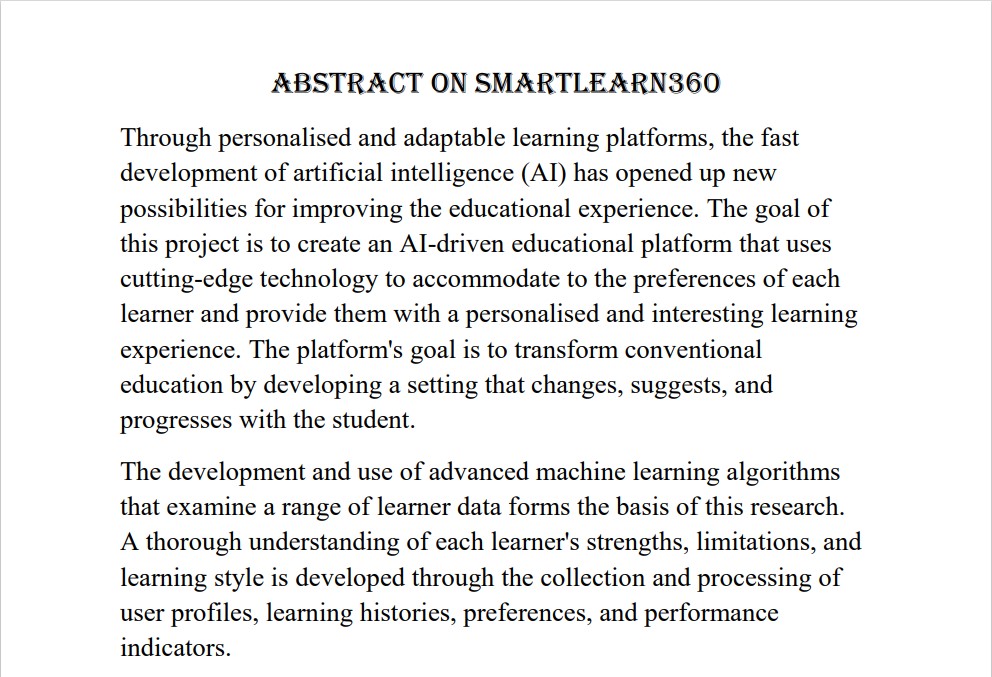
Abstract(Introduction)
-
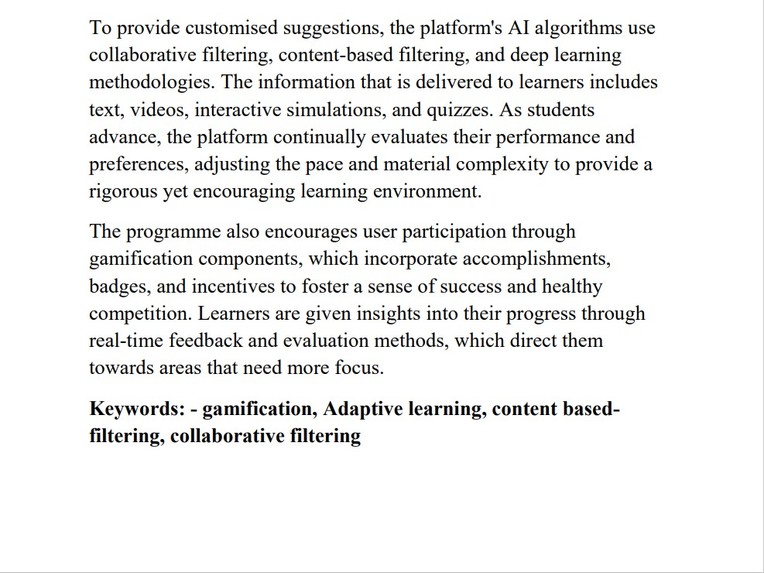
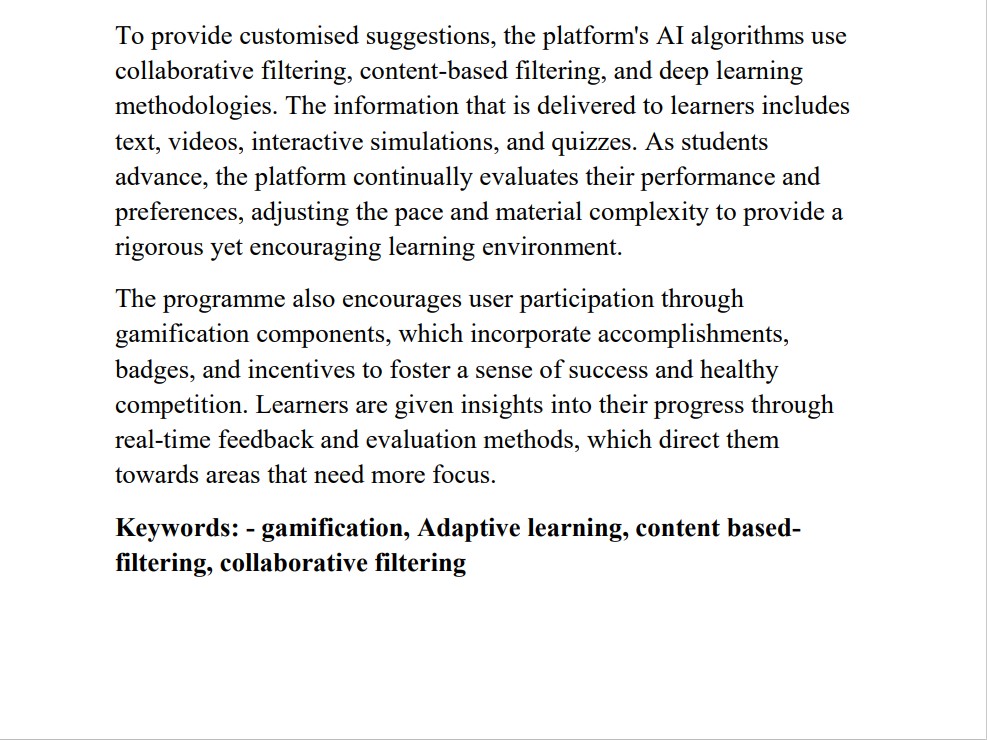
Abstract(Conclusion)
-
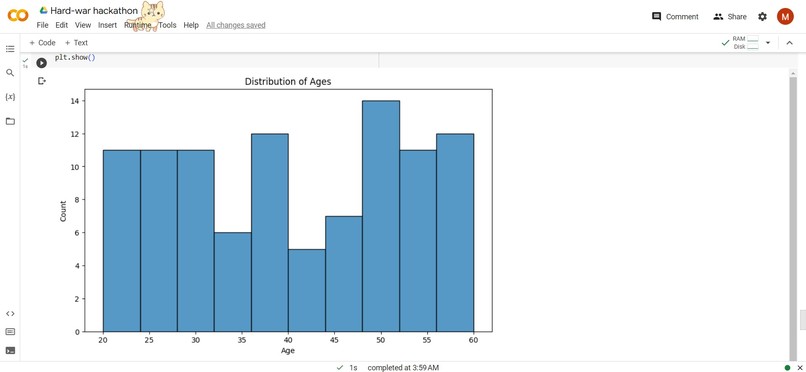
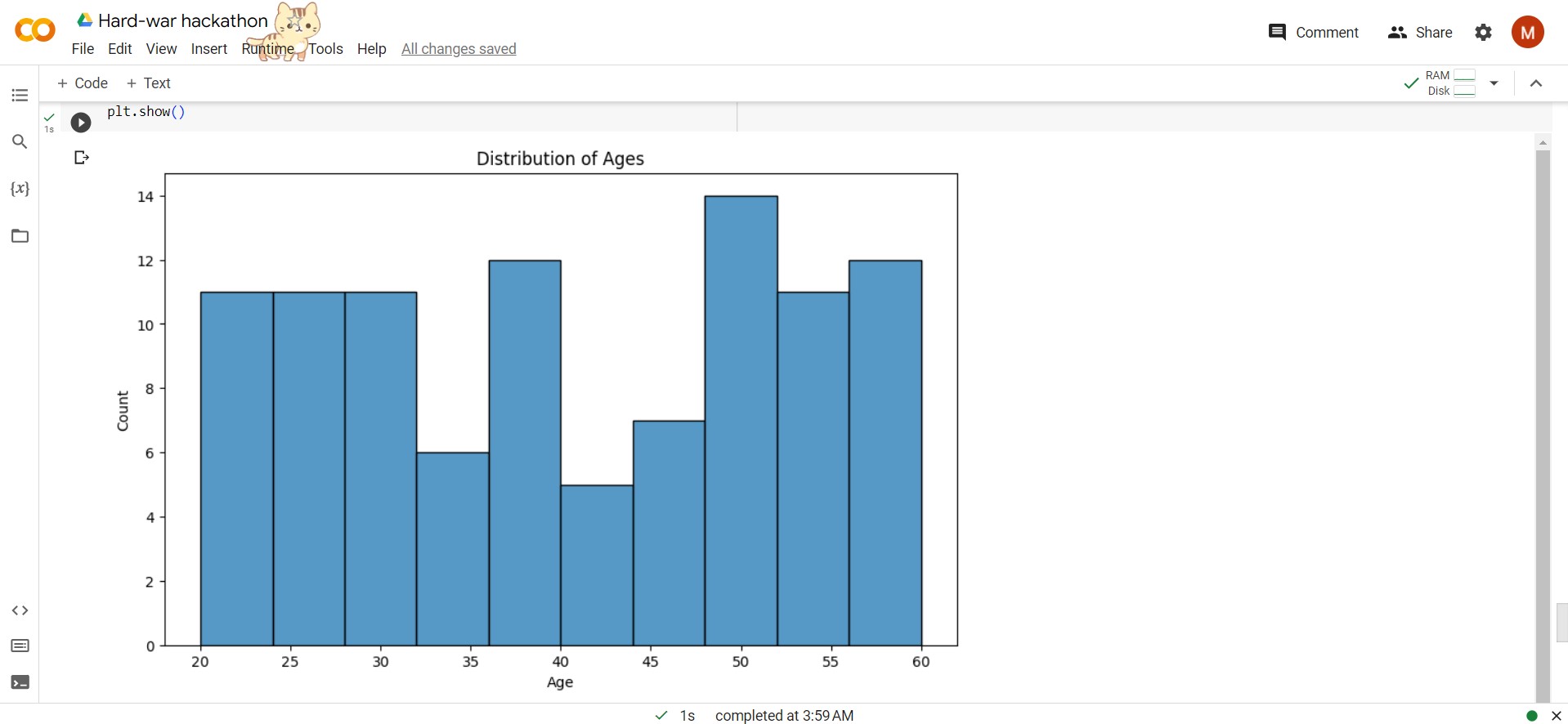
Data visualization
-
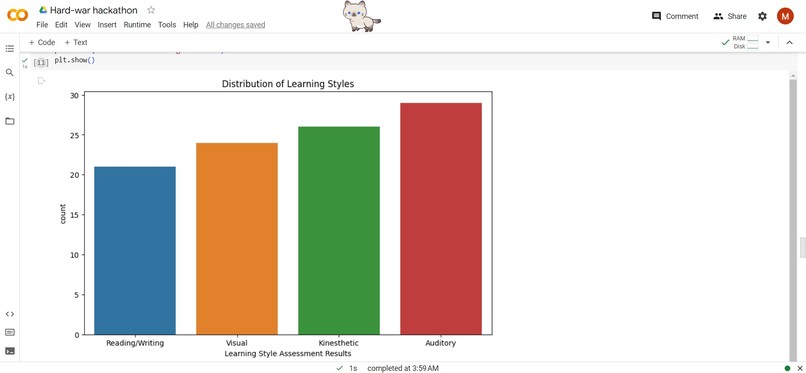
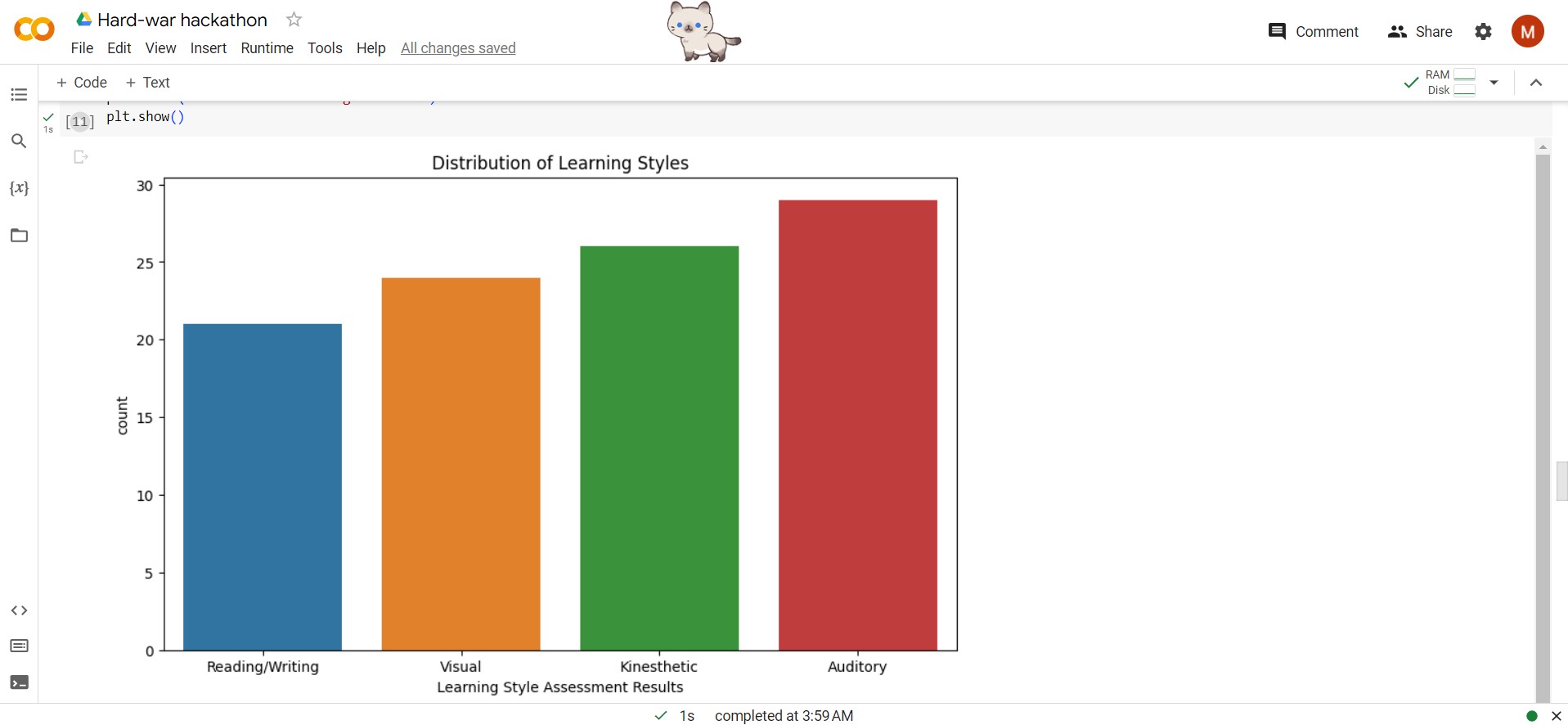
Distribution of learning preferences
Inspiration
Realised that each person learns differently. Designed our platform to accommodate different learning styles and preferences, drawing inspiration from the diverse range of human learning preferences and styles.We are investigating well-known theories of learning, such as constructivism, behaviourism, and cognitivism. These ideas can provide light on how people learn and aid in the creation of adaptive features that accommodate various learning preferences.
What it does
Delivering personalised content: The platform analyses each learner's preferences, skills, limitations, and learning style using AI algorithms. This analysis is used to create learning materials that are specifically tailored to each student's needs, including text, videos, simulations, and interactive activities. Adaptive Learning Paths: Each learner is given a unique learning route by the platform. The AI continuously evaluates the student's performance as they go and modifies the content's level of difficulty and pace as necessary. Assessment and feedback in real-time: The AI offers feedback in real-time on tests, assignments, and exams. It points out areas for development, makes recommendations for more research, and directs pupils towards a better comprehension of the subject. Learning Style Adaptation: The platform accommodates different learning preferences including visual, auditory, kinesthetic, and other learning styles. Data collection and storage: Gather a range of information from students, such as their learning preferences, performance, and demographics. Keep this information safe in a scalable and organised database. Create machine learning algorithms with artificial intelligence (AI) that can analyse the gathered data and produce individualised suggestions. Accurate algorithms may be produced by combining collaborative filtering, content-based filtering, and deep learning approaches. A user's profile:Create user profiles that reflect the preferences, learning preferences, and goals of learners. These profiles form the foundation for the AI's individualised recommendations. Implement logic that adjusts material delivery based on the progress and input of learners. The AI modifies the level of difficulty and pace of following content as learners successfully complete activities and exams. Integrate natural language processing (NLP) tools to examine forum posts, written assignments, and open-ended replies. This can assist in giving students thorough comments and insights. Training of Machine Learning Models: Use historical data to train the machine learning models. As new data becomes available, update and enhance the models continuously to increase the precision of the recommendations.
How we built it
The application uses Generative AI and django for backend.Jupyter notebook will be used for predictive analysis and postgreSQL for database storage.
Challenges we ran into
Learning in deep about generative AI and its elements was a difficult challenge which we accomplished
Accomplishments that we're proud of
We are the winners in miami hackweek and code with harnoor competitions
What we learned
We learned about usage of Artificial Intelligence in our day to day life and machine learning algorithms too.
What's next for SmartLearn360
Advanced personalisation: As AI and machine learning continue to progress, personalisation will become ever more exact. Real-time data and feedback might be used by AI algorithms to generate prompt, personalised suggestions that change as the learner advances.

Log in or sign up for Devpost to join the conversation.