-
-
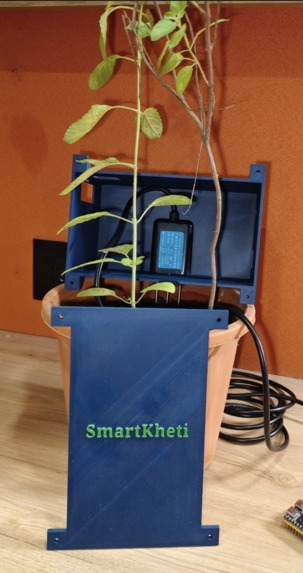
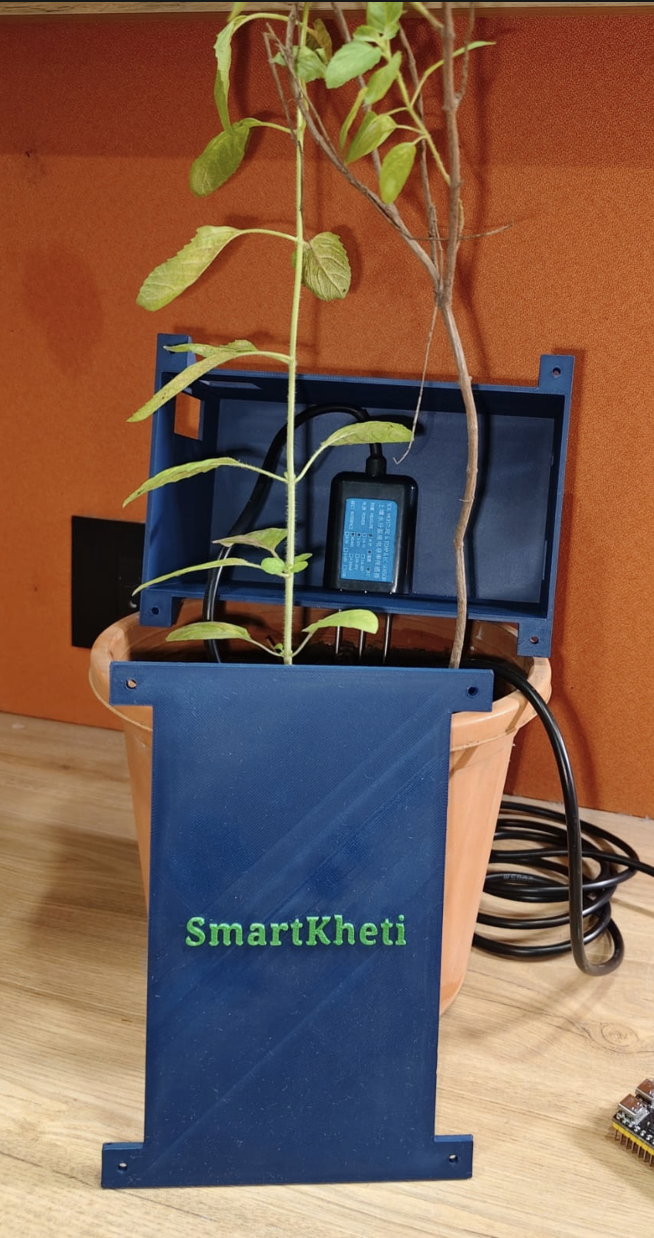
hardware soil sensor
-
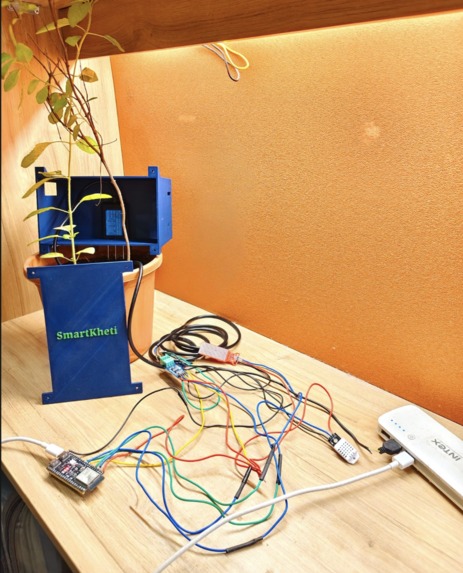
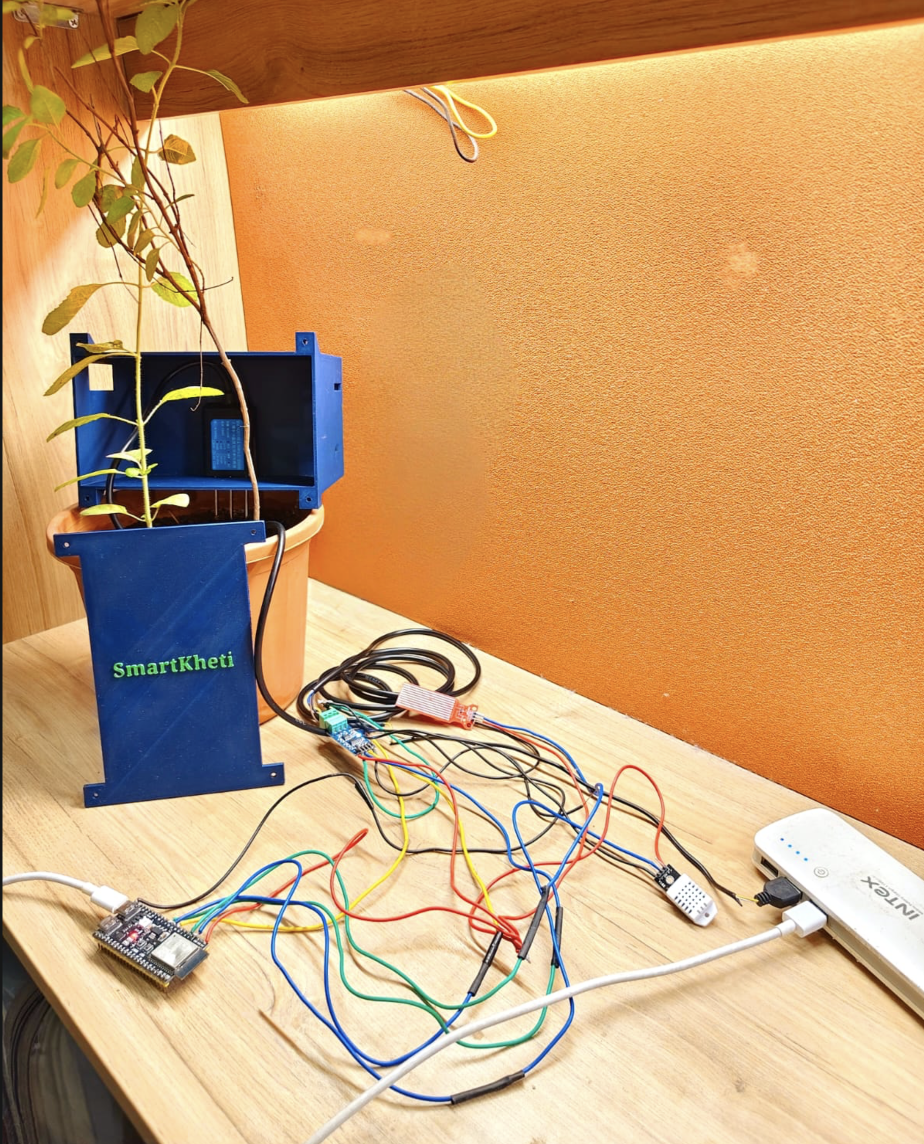
hardware with wirrings
-
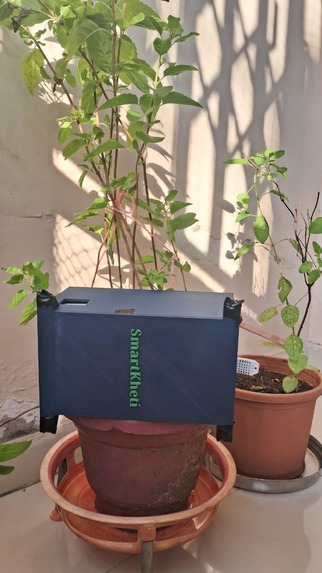
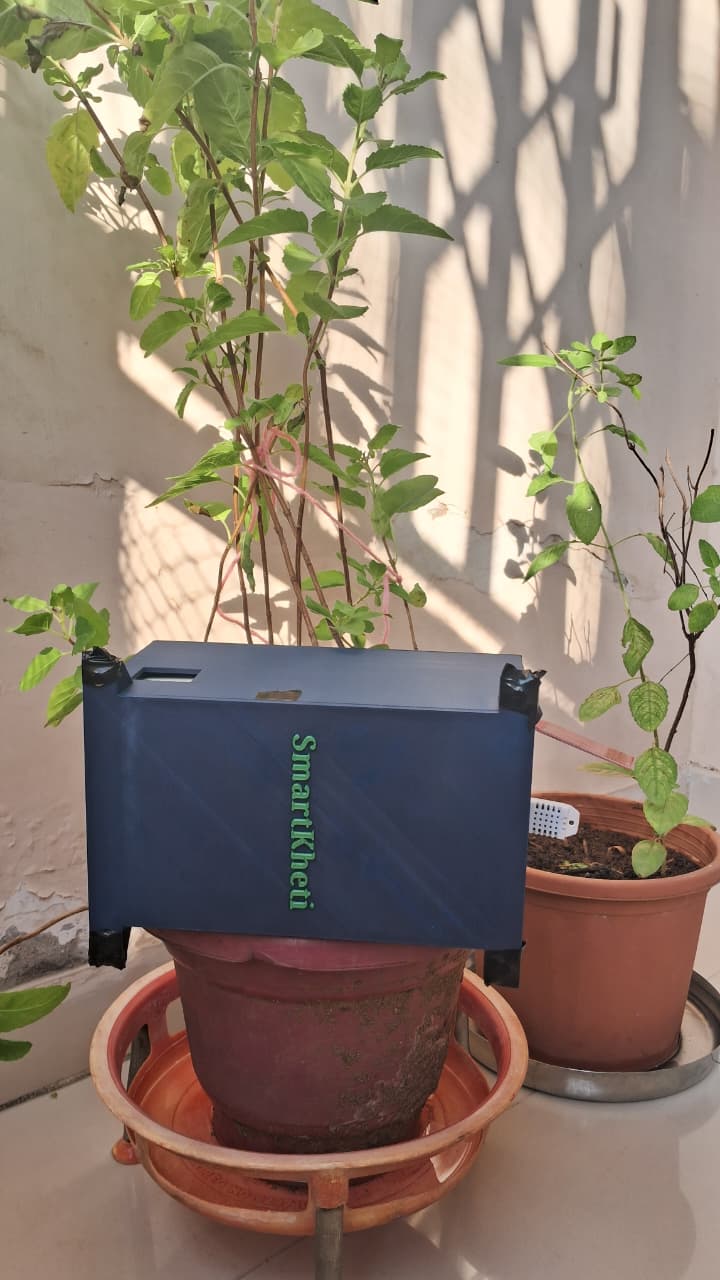
final hardware photo
-
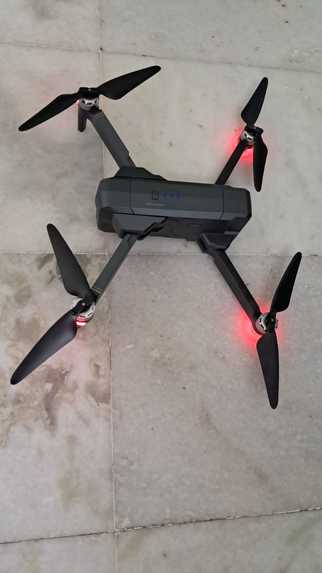
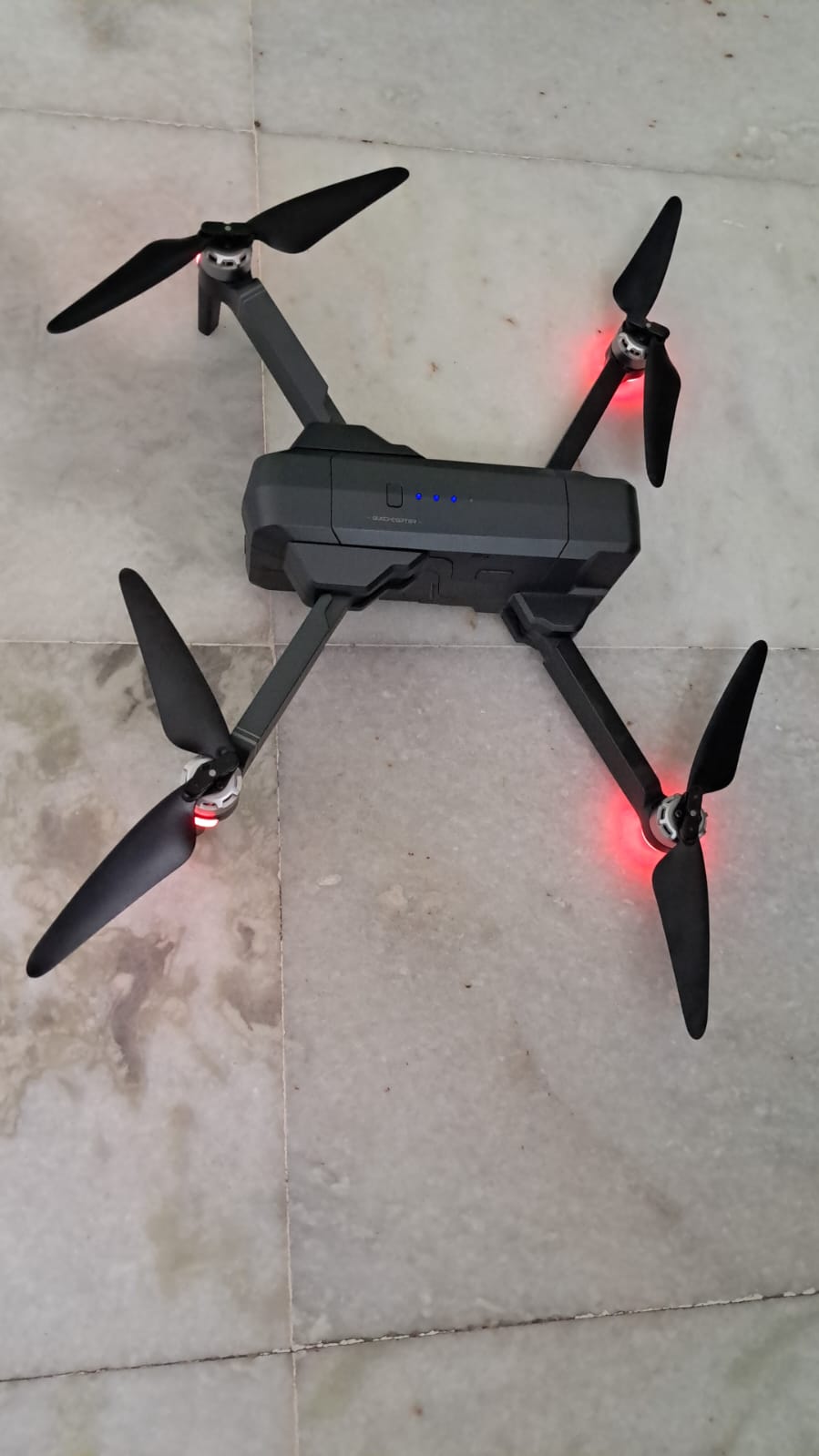
Drone Ruko f11
-
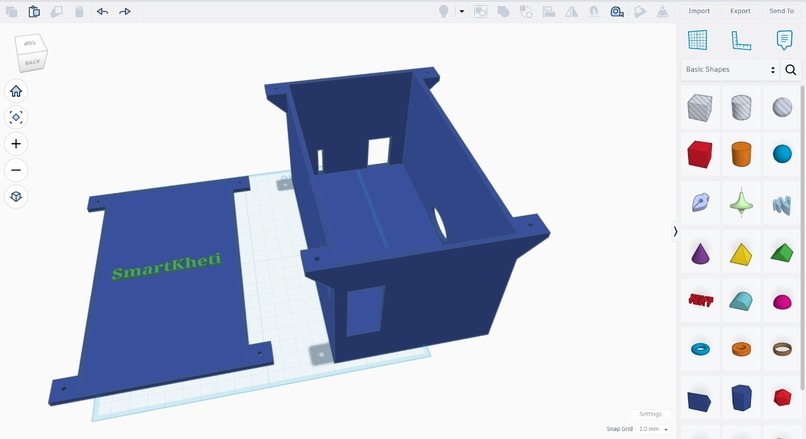
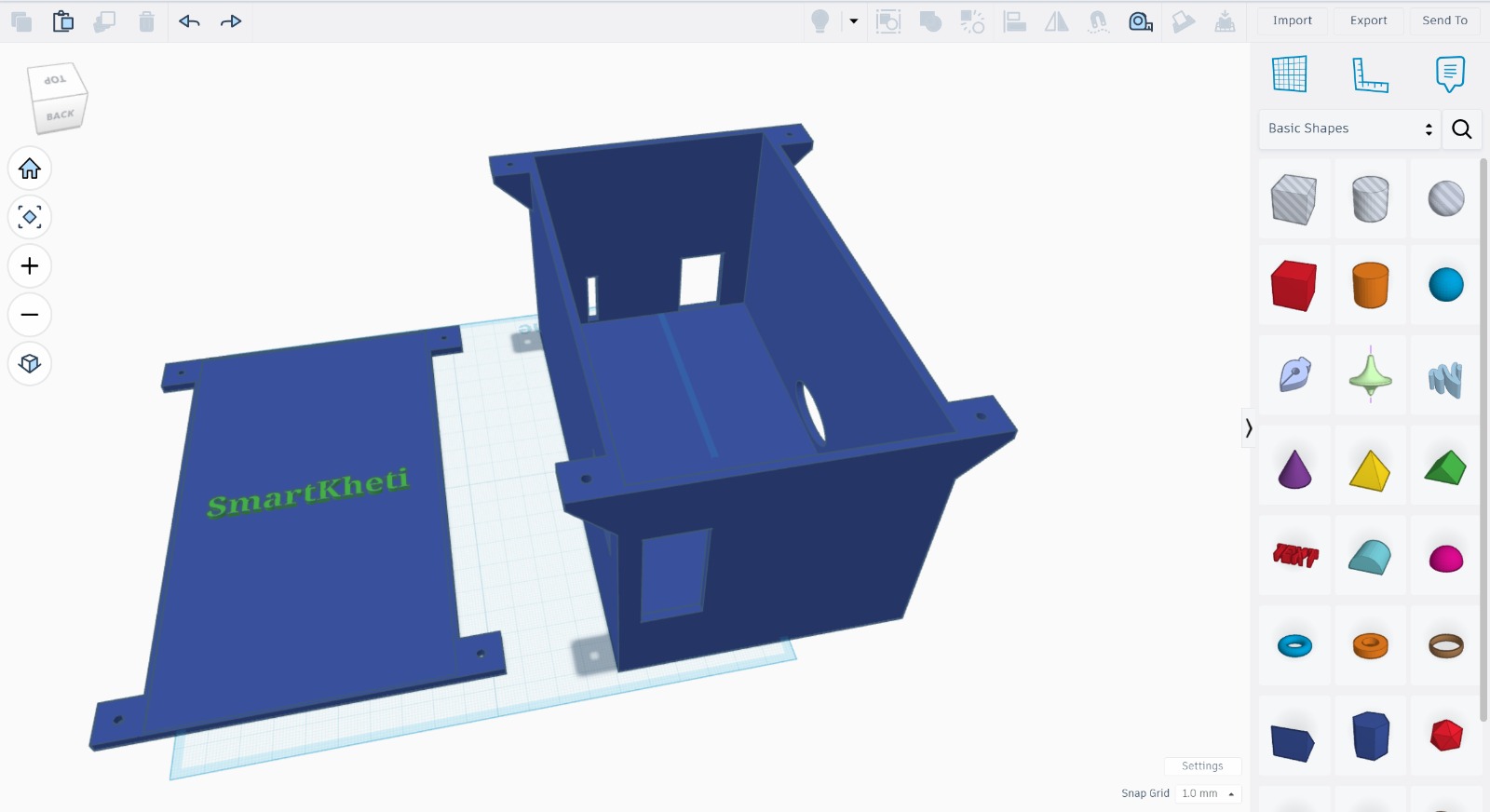
3D model design
-
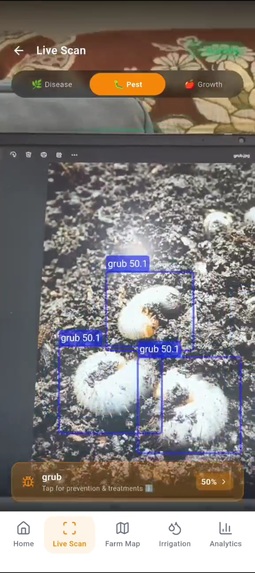
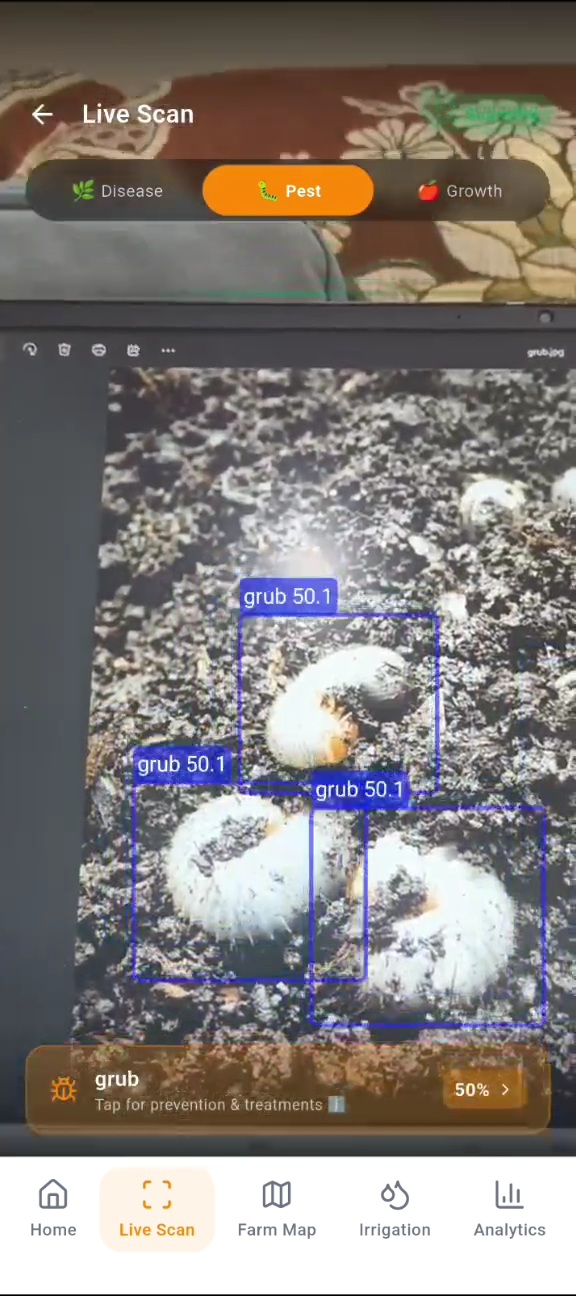
live scan on edge intelligence (offline)
-
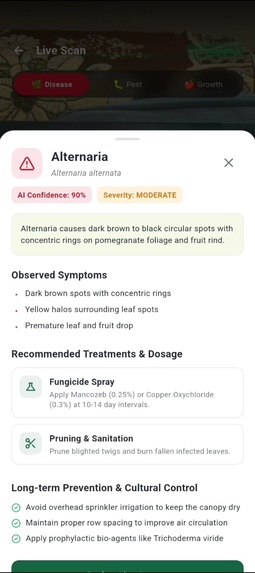
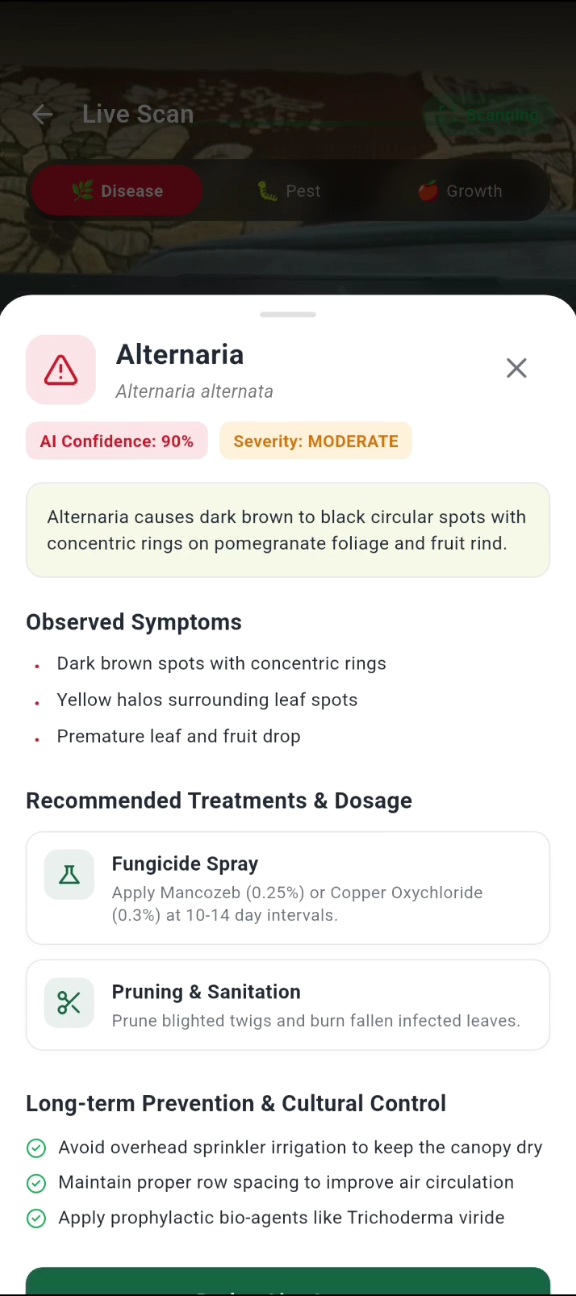
live scan detection description & solution
-
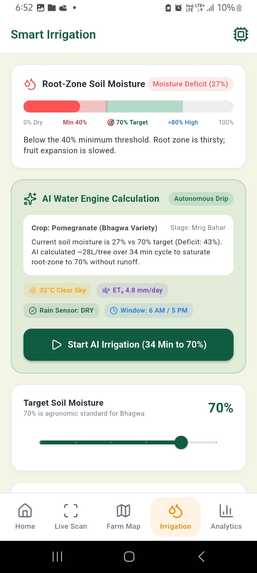
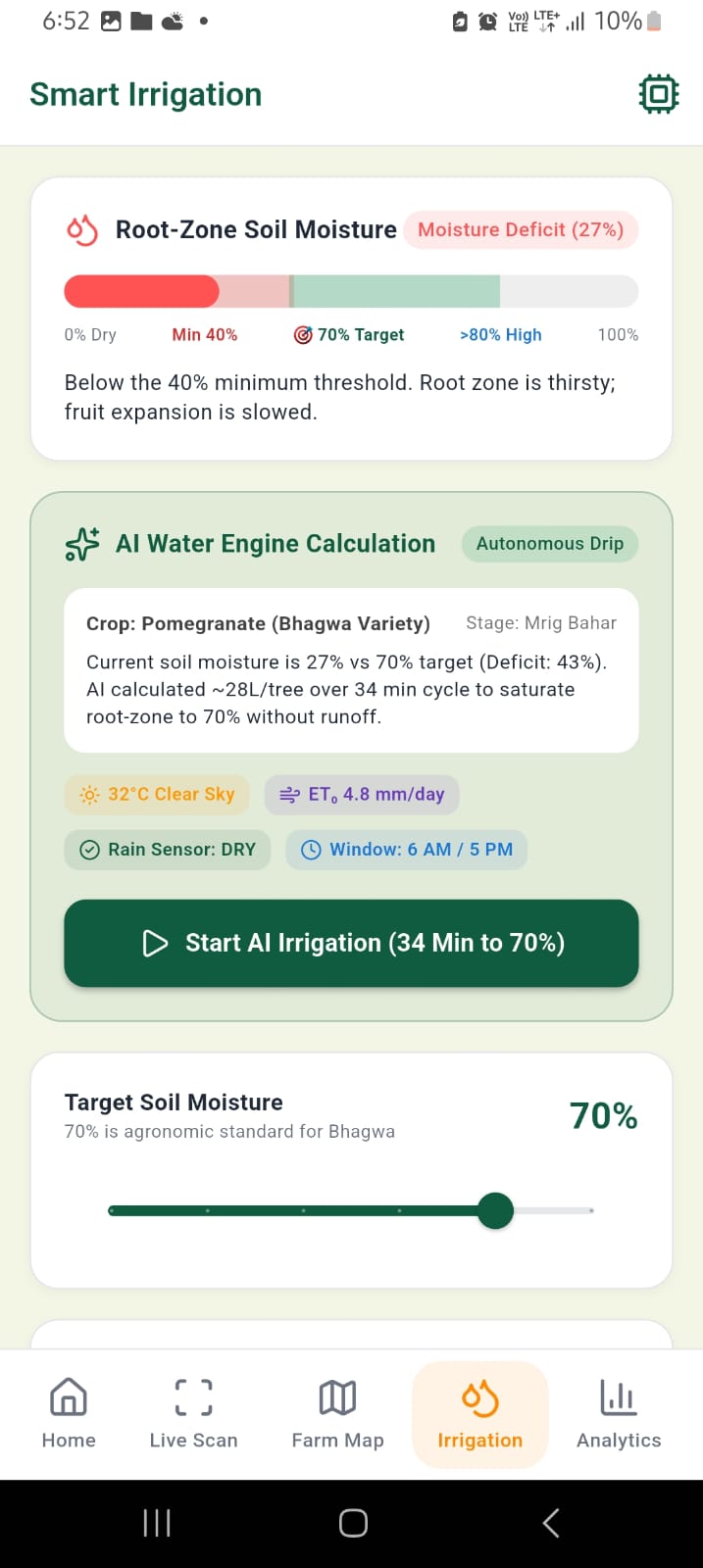
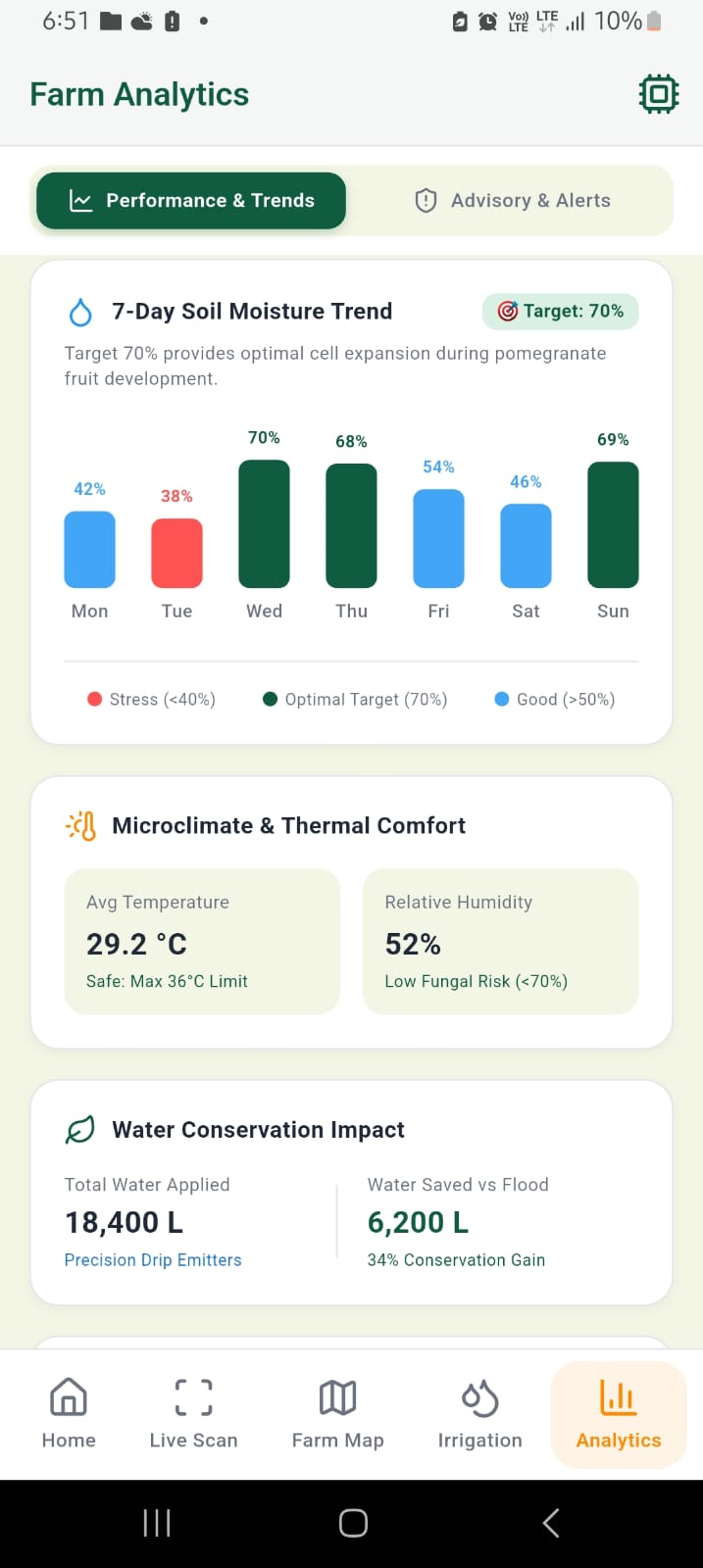
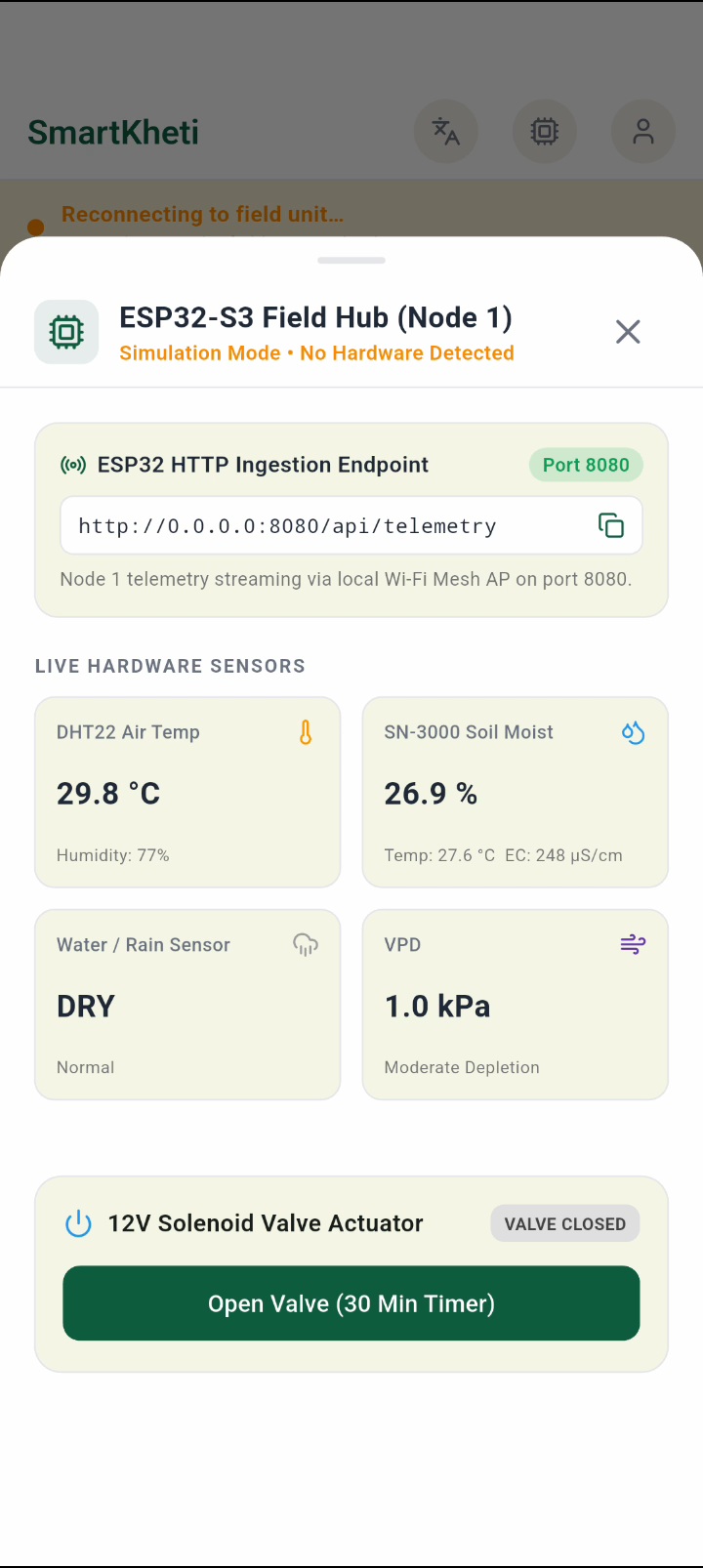
App photo
-
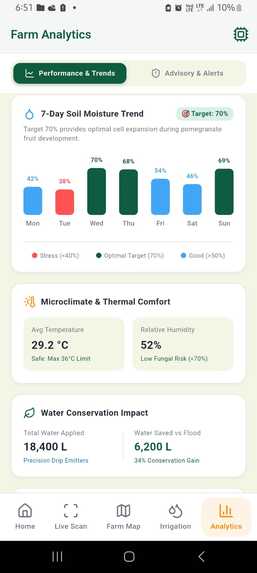
App photo
-
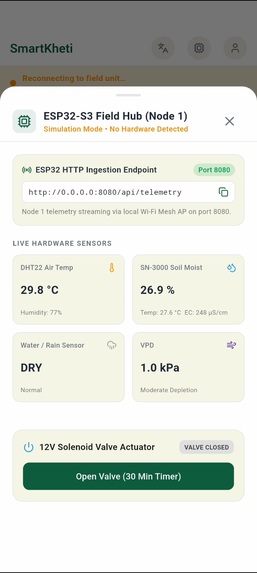
App photo
-
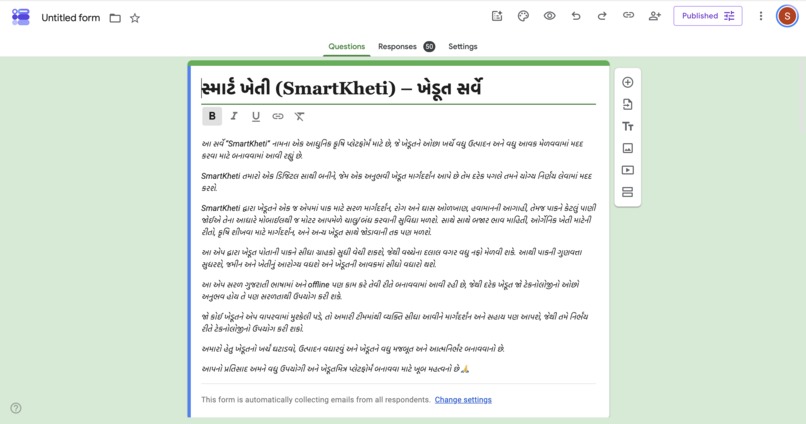
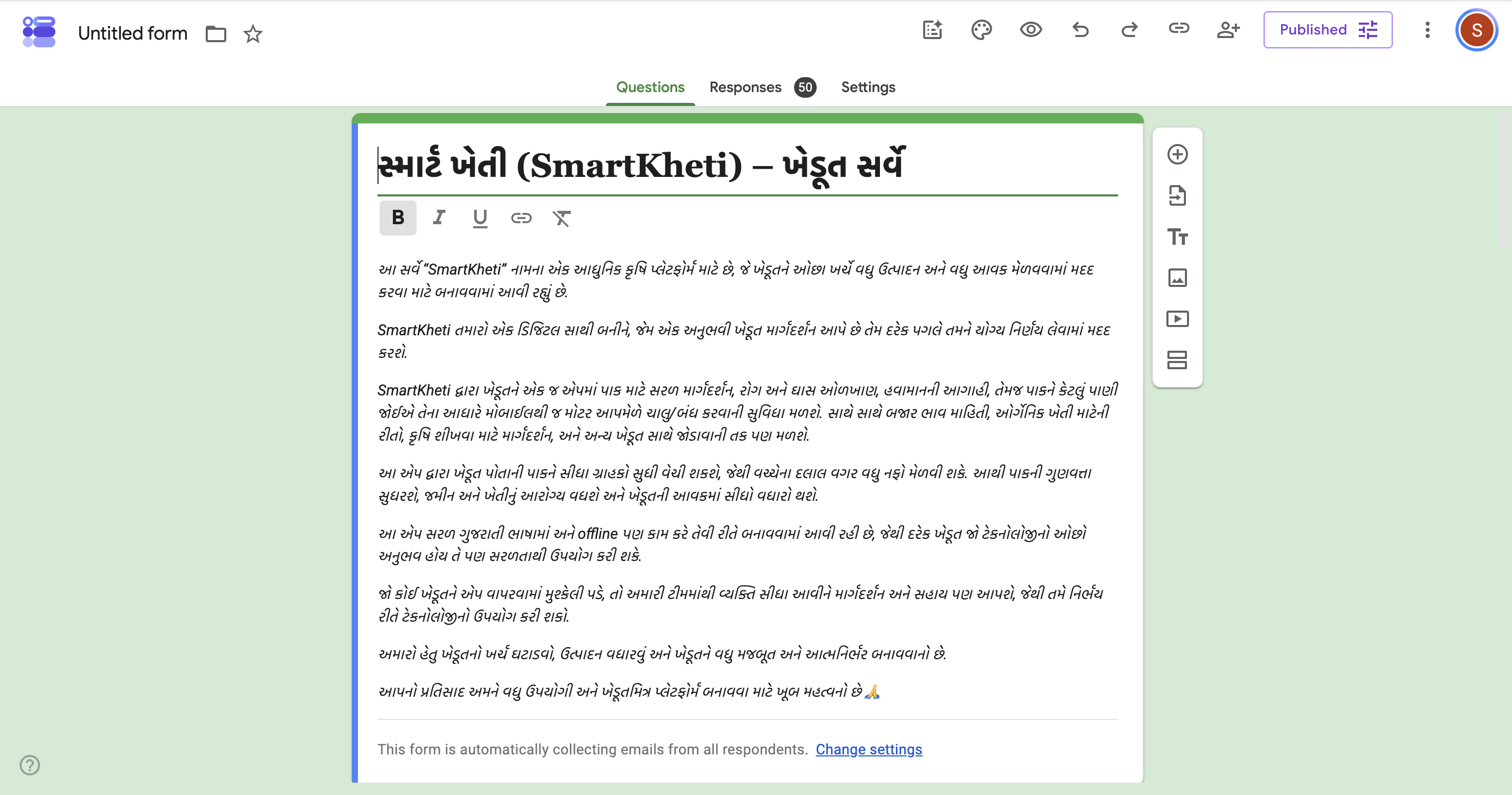
google form survey of farmers of 50+ in 15 villages
-
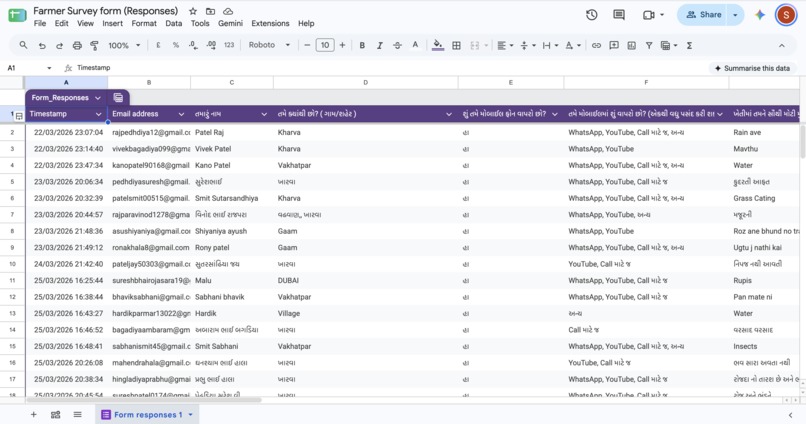
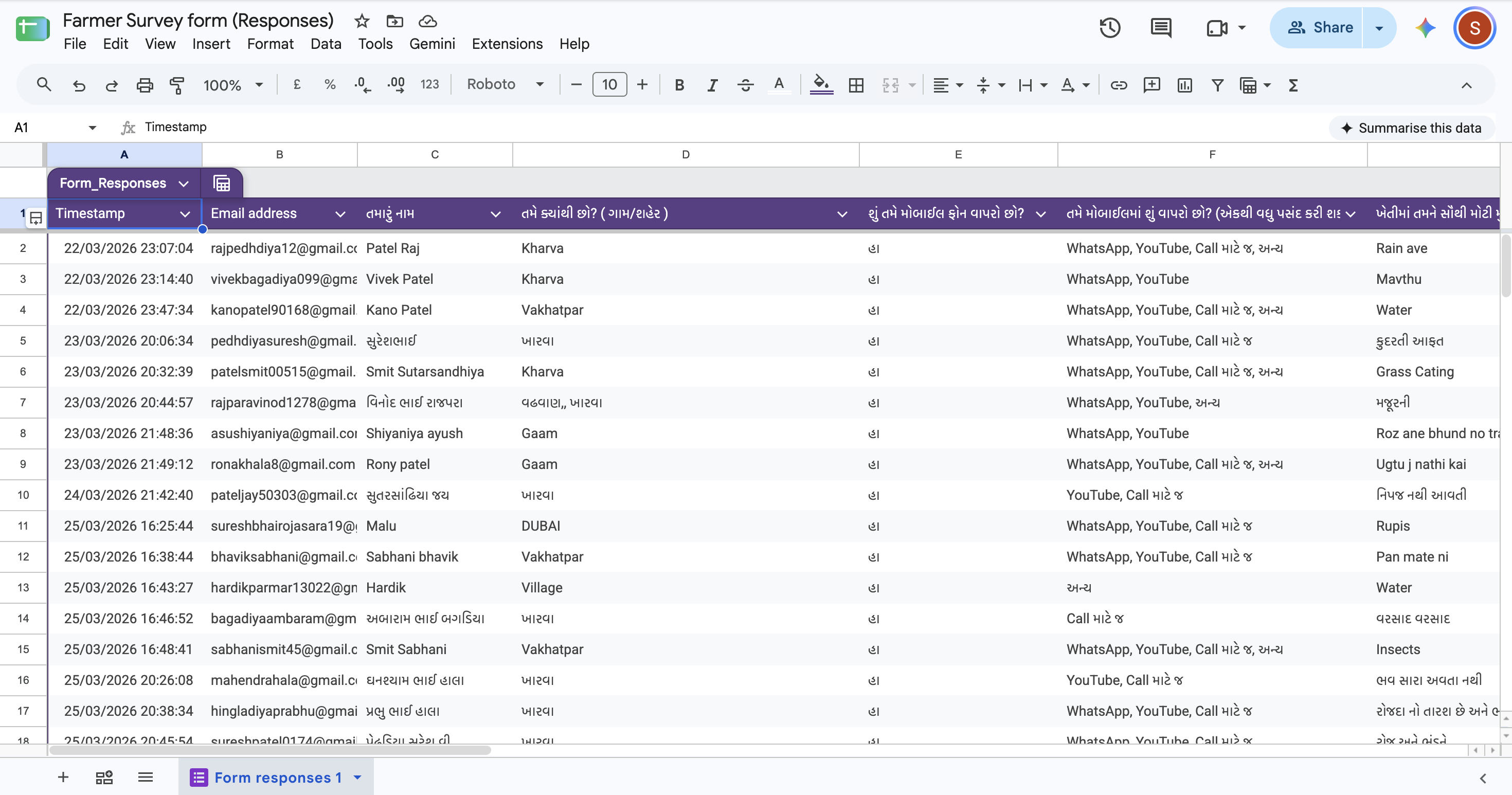
survey responses
Inspiration
SmartKheti started with a simple conversation between friends.
One of our friends comes from a farming family. His father has been farming for years, and before him, his grandfather was also a farmer. During a casual discussion, he shared the problems his family and other farmers regularly face — uncertainty around irrigation, changing weather conditions, crop health, soil conditions, disease detection, and the difficulty of accessing timely and affordable technology.
That conversation made us stop and think:
Farmers provide the food that sustains all of us. If they face so many problems every day, why can't we use the technology we are learning to solve at least some of them?
That became the starting point of SmartKheti.
We did not want to build another application that simply displays agricultural information. We wanted to build something that could sense what is happening in a field, understand the situation locally, and help a farmer make a decision at the right time — even when internet connectivity is limited.
This idea eventually evolved into SmartKheti 2.0, a field-deployable AI and IoT platform combining edge intelligence, environmental sensing, computer vision, and decision intelligence for agriculture.
Our motivation is not only technology. It is the belief that advanced technology should reach the field, not remain inside a laboratory.
What It Does
SmartKheti is an intelligent farm monitoring and decision-support system designed to turn raw field data into actionable decisions.
The system combines multiple sources of intelligence:
Ground-Level Sensing
Our ESP32-S3-based smart sensor node continuously collects field and environmental information such as:
- Soil moisture
- Soil temperature
- Soil electrical conductivity (EC)
- Air temperature
- Air humidity
- Rainfall / rain detection
- Water / irrigation-related parameters
Edge Intelligence
Instead of sending every piece of raw sensor data to the cloud, SmartKheti performs processing and AI inference locally on the ESP32-S3.
This enables the system to continue functioning in low-connectivity and offline environments, which is particularly important for rural agricultural deployments. The edge layer can identify patterns and stress indicators from incoming field data and feed them into the farm decision engine.
Visual Crop Intelligence
The SmartKheti application allows a farmer to capture crop/leaf images using a smartphone. The visual intelligence layer is designed to assist with:
- Crop disease detection
- Pest identification
- Visual nutrient-stress indicators
- Crop / growth-stage analysis
This complements the ground sensors because a plant can show visual symptoms while the soil and environmental sensors reveal the conditions causing them.
Decision Intelligence
SmartKheti combines:
$$\text{Sensor Data} + \text{Visual Info} + \text{Crop Context} + \text{Historical Data} + \text{Environmental Conditions}$$
to generate actionable recommendations instead of simply displaying numbers.
The goal is to move from:
“Here is your soil moisture.”
to:
“Here is what the current field condition means and what action should be considered.”
Core Execution Loop
$$\text{Sense} \longrightarrow \text{Analyze} \longrightarrow \text{Decide} \longrightarrow \text{Act}$$
How We Built It
We designed SmartKheti as a unified hardware-software-AI system, rather than as an isolated mobile application.
1. Field Sensing Layer
We built a sensor node around the ESP32-S3, integrating agricultural and environmental sensors to collect field conditions. The ESP32-S3 provides the computational layer for local processing and edge intelligence.
2. Edge AI / TinyML
We explored and implemented lightweight machine-learning processing suitable for an edge device. The objective was to avoid making the system completely dependent on cloud connectivity.
This architecture allows SmartKheti to:
- Process sensor information locally
- Detect relevant patterns/stress indicators
- Reduce unnecessary data transmission
- Continue operating in low-connectivity environments
- Support low-power field deployment
3. Crop Vision
We developed the smartphone-based visual analysis workflow so that crop images can become another source of intelligence. This creates two complementary perspectives:
- What is happening around the plant? $\rightarrow$ Ground/environmental sensors
- What is happening to the plant? $\rightarrow$ Computer vision
4. Decision Engine
The different data sources are brought together through the SmartKheti decision layer. Instead of treating each sensor independently, the system considers the relationship between environmental conditions, soil conditions, crop context, and visual information.
5. Farmer Application
We developed the SmartKheti application as the farmer-facing layer for:
- Field monitoring
- Crop scanning
- Alerts & advisory information
- Field status & sensor information
- Intelligent recommendations
A major design principle throughout the system has been offline/low-connectivity operation, because a solution that works only with a stable internet connection is difficult to deploy reliably in many agricultural environments.
6. Real-World Validation
We moved beyond a laboratory prototype and tested SmartKheti in two real farming environments — Surat and Karva.
We are also building our agricultural dataset and validation network through a 50+ farmer network, allowing us to collect practical field information and understand how the system performs under real agricultural conditions. We are using these interactions not only for testing but also to continuously improve our understanding of the gap between a technically correct prototype and a genuinely useful farming product.
Challenges We Ran Into
Building SmartKheti taught us that agriculture is significantly more complicated than a clean laboratory dataset.
- Real-world agricultural data is messy: Sensor values do not behave like textbook datasets. Soil conditions change across locations, weather changes continuously, and different crops have different requirements. This made us focus on collecting and validating information from real environments rather than relying entirely on controlled data.
- Bringing AI onto an edge device: Running intelligence on an ESP32-S3 is fundamentally different from running a model on a laptop or cloud server. We had to optimize for model size, memory constraints, processing requirements, inference efficiency, sensor-data preprocessing, and offline operation.
- Connecting multiple forms of intelligence: A soil reading alone does not tell the complete story, nor does a leaf image alone explain why a plant is under stress. We designed SmartKheti around multi-modal farm intelligence.
- Moving from prototype to field: Testing on real farms introduced variables that cannot easily be reproduced on a desk, reinforcing the need for hands-on field trials.
- Building for connectivity limitations: Ensuring the system remains robust during network dropouts led us directly toward an edge-first and offline-capable architecture.
Accomplishments That We're Proud Of
The accomplishment we are most proud of is that SmartKheti moved from a conversation into a working field-oriented technology system.
- Built a working ESP32-S3-based agricultural sensing node
- Implemented edge intelligence / TinyML processing
- Integrated multiple agricultural and environmental sensing parameters
- Developed the SmartKheti mobile application
- Built the crop visual-analysis workflow
- Developed the farm decision-intelligence layer
- Designed the system to operate offline / with limited connectivity
- Conducted real-world testing across farms in Surat and Karva
- Built access to a 50+ farmer network for agricultural data collection and validation
- Continued iterating the system based on field observations
Grant Recognition
Another important milestone for us was receiving seed funding support through the Government of Gujarat's SSIP initiative, which gave us initial funding of ₹11,000, with the opportunity to progress toward support of up to ₹2.5 lakh.
Our biggest accomplishment is that we have started closing the gap between:
Student innovation $\longrightarrow$ Working technology $\longrightarrow$ Real agricultural testing.
What We Learned
Our biggest lesson was that building technology is only half of the problem; the other half is understanding the environment in which that technology will actually be used.
$$\text{Data Quality} \rightarrow \text{Hardware Constraints} \rightarrow \text{Connectivity} \rightarrow \text{User Behavior} \rightarrow \text{Field Variability} \rightarrow \text{Actual Decisions}$$
- Edge AI is holistic: It requires designing the entire pipeline around limited computation, memory, power, and connectivity.
- Listen to users: Farmers do not need another dashboard full of numbers. They need clear, timely, and understandable information that helps them decide what to do next.
We are no longer building only a monitoring system — we are building a farm intelligence system.
What's Next for SmartKheti
Our next phase is focused on moving SmartKheti from a validated prototype toward a scalable field-deployment platform.
1. Drone Feasibility Study
Over the next month, we are evaluating how drones can complement our ground-level intelligence for crop stress, field-level variation, crop health, irrigation patterns, and large-area monitoring.
$$\text{Ground Sensors} + \text{Edge AI} + \text{Smartphone Vision} + \text{Aerial Intelligence}$$
2. Larger Real-World Pilot
We plan to expand our field testing beyond the initial farms and continue collecting data through our farmer network to improve model robustness across diverse soils, crops, and weather patterns.
3. Stronger Farm Intelligence
Evolving the decision engine by learning from accumulated field history:
$$\text{Monitoring} \longrightarrow \text{Prediction} \longrightarrow \text{Recommendation} \longrightarrow \text{Assisted Action}$$
4. Scalable Sensor Network
Evaluating multi-node deployment and long-range communication technologies (such as LoRa/mesh) so that multiple areas of a farm can be monitored without requiring expensive infrastructure.
Our Long-Term Vision
We want SmartKheti to become a distributed intelligence layer for agriculture — where affordable edge devices continuously understand field conditions and combine them with visual and aerial intelligence to provide farmers with timely, practical decisions.
Our vision is simple:
Make advanced AI accessible at the field level — not just at the cloud level.
Ultimately, we want SmartKheti to help make farming more data-driven, resource-efficient, resilient, and accessible to the farmers who feed us.
Built With
- amazon-web-services
- dart
- dht22
- esp32s3
- flutter
- kaggle
- mendeley
- postgresql
- python
- rainsensor
- rukof11
- sn-3000
- tflite
- tinyml
- transceiver
- yolo

Log in or sign up for Devpost to join the conversation.